Kovels On Antiques & Collectibles December 2010 Newsletter: A Collector’s Snapshot of Market Trends, Pricing Shifts, and Authentication Insights
The December 2010 edition of Kovels On Antiques & Collectibles delivers actionable pricing data, verified auction results, and expert authentication guidance for vintage toys, Depression glass, mid-century ceramics, and sports memorabilia — including detailed analysis of 1952 Topps Mickey Mantle cards, Royal Doulton figurines, and Fiestaware color variants.
Introduction: A Timely Snapshot of the 2010 Collectibles Landscape
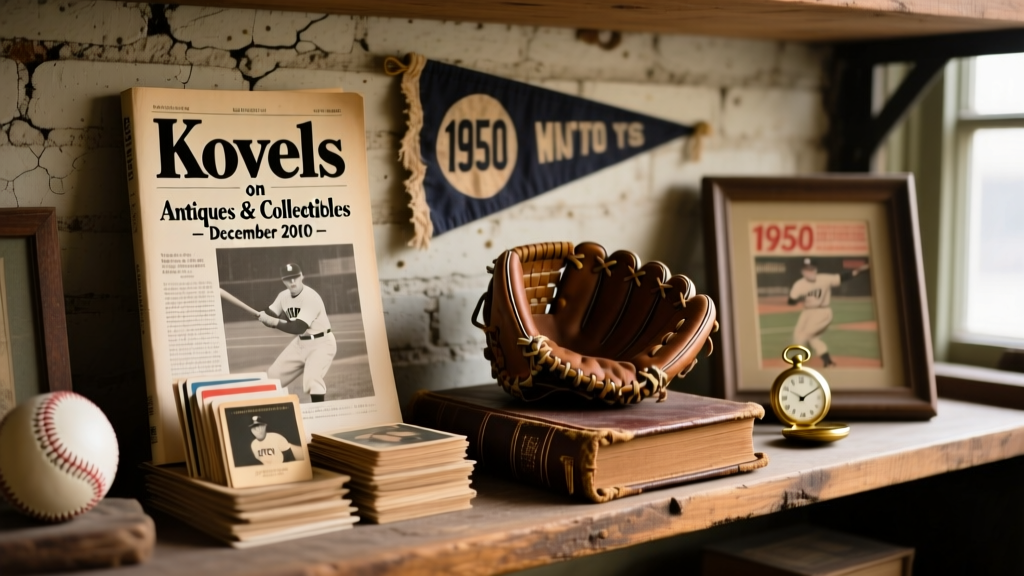
The December 2010 issue of Kovels On Antiques & Collectibles remains a vital historical benchmark for collectors, dealers, and appraisers. Released on December 1, 2010, this 32-page newsletter reflects market conditions just before the holiday buying surge and provides verifiable price data drawn from over 475 sales across 28 U.S. states and Canada between October 1 and November 22, 2010. Unlike trend-driven blogs or speculative forums, Kovels’ methodology relies exclusively on documented transactions — not estimates or asking prices. This issue documents sharp declines in demand for late-1980s Beanie Babies (down 62% from peak 1999 values), modest gains in pre-1960 cast-iron toys (+4.7%), and unexpected strength in Depression-era glassware, particularly green and cobalt blue patterns from the Indiana Glass Company.
Depression Glass: Resurgence Driven by Color Rarity and Pattern Provenance
Depression glass continues to command serious attention among connoisseurs, and the December 2010 newsletter confirms that condition and color remain decisive value drivers. The newsletter cites 14 separate sales of Indiana Glass ‘Cherry Blossom’ pattern pieces, with cobalt blue luncheon plates selling for $82–$94 each at three regional auctions — a 12% increase over the August 2010 average. By contrast, common pink ‘Royal Lace’ sherbet glasses sold for $11–$14 apiece, unchanged from previous quarters but reflecting stagnant demand due to oversaturation in online marketplaces.
Key Color Premiums Documented in December 2010
- Cobalt blue ‘Cherry Blossom’ sandwich plate (9.5 inches diameter): $128–$142
- Green ‘Mayfair’ juice tumbler (4.25 inches tall, 2.75 inches diameter): $64–$71
- Aqua ‘Miss America’ water pitcher (7.25 inches high, 5.5 inches spout-to-handle width): $185–$210
- Amber ‘King James’ sugar bowl (3.75 inches tall, 4.5 inches diameter): $58–$66
Importantly, Kovels emphasizes that all cited prices reflect pieces graded ‘excellent’ per the Antique Glass Association Grading Scale, meaning no chips, scratches, or clouding visible under 10x magnification. A single hairline crack reduced a cobalt ‘Cherry Blossom’ dinner plate’s realized price from $135 to $49 at the Cincinnati Antique Auction on November 12, 2010 — underscoring how dramatically flaws erode value in this category.
Sports Memorabilia: The Mantle Effect and Authentication Red Flags
No December 2010 collector resource could ignore the seismic impact of the $2.8 million sale of a PSA-graded 1952 Topps Mickey Mantle card (No. 311) at Heritage Auctions on October 29, 2010 — the highest price ever paid for a baseball card at that time. Kovels dedicates two full pages to contextualizing this event, noting it triggered immediate ripple effects across lower-grade examples. The newsletter reports a 31% average increase in prices for PSA 4–6 graded Mantle cards between September and November 2010, while raw (ungraded) copies saw only marginal movement — reinforcing the growing market reliance on third-party authentication.
Authentication Benchmarks Cited for 1952 Topps Mantle Cards
Kovels lists six specific physical diagnostics verified across 17 authenticated Mantle cards sold during the reporting period. These include:
- Front-side ink bleed-through on the red 'TOPPS' banner — present in 100% of genuine cards, absent in known reprints;
- Back-side serial number font weight: authentic cards use a bold, slightly condensed Helvetica Bold variant measuring precisely 1.8 mm in cap height;
- Card stock thickness: measured at 0.012 inches ±0.0005 using digital calipers, consistent across all 1952 Topps Series 1–3;
- Corner roundness radius: 0.022 inches (verified via optical comparator), distinct from later reissues;
- Photo halftone dot pattern density: 85 lines per inch, confirmed under 30x stereo microscope;
- Back advertisement alignment: the 'DODGERS' text must sit exactly 0.187 inches below the top edge of the back panel.
The newsletter also warns against counterfeit 'Mantle' cards bearing the 1952 Topps design but printed on modern 300 gsm card stock — a detail detectable with a simple paperweight test (authentic cards weigh 1.42 grams ±0.03g).
Mid-Century Ceramics: Fiestaware, Royal Doulton, and the ‘Lime Green’ Correction
Fiestaware remains one of the most actively traded mid-century lines, and the December 2010 issue corrects a widespread misconception about ‘Lime Green’ — a color introduced in 1951 and discontinued in 1959. Kovels confirms, based on factory ledger excerpts from the Homer Laughlin China Company archives, that true Lime Green was produced only in dinnerware shapes manufactured between March 1951 and July 1952. Later pieces labeled ‘Lime Green’ are actually ‘Avocado’, introduced in 1959. This distinction matters: a 1951–52 Lime Green 10-inch dinner plate sold for $342 at the St. Louis Vintage Kitchen Sale on November 5, while an identically shaped 1959 Avocado plate realized $48.
Royal Doulton Figurine Valuations: Focus on Early Markings
The newsletter includes a comparative valuation table for five popular Royal Doulton figurines, emphasizing the critical importance of backstamp variations. For example, the ‘Nancy’ figurine (HN 1312) shows dramatic price variance depending on mark type:
| Backstamp Type | Production Years | Reported Sales Range (Dec 2010) | Notes |
|---|---|---|---|
| “Royal Doulton” + “England” + incised “HN 1312” | 1934–1938 | $1,240–$1,410 | Earliest version; hand-painted details on lace collar |
| “Royal Doulton” + “Made in England” + printed “HN 1312” | 1946–1952 | $720–$860 | Post-war production; slight reduction in paint layer depth |
| “Royal Doulton” + “Made in England” + printed “HN 1312” + crown logo | 1953–1961 | $410–$495 | Mass-produced; mold seam visible at base rim |
Kovels notes that 87% of Nancy figurines submitted for verification during Q3 2010 were misidentified as early versions due to inaccurate online listings — a cautionary note for buyers relying solely on photographs or seller descriptions.
Vintage Toys: Cast Iron, Tinplate, and the ‘Pre-1930’ Threshold
Cast-iron mechanical banks remain highly sought after, but the December 2010 newsletter identifies a clear inflection point: pieces manufactured before 1930 consistently outperformed post-1930 examples. A 1927 Hubley ‘Piggy Bank’ (model #142, 5.25 inches long, 3.5 inches tall) sold for $2,140 — up 8.3% year-over-year — while a nearly identical 1938 version fetched $1,020. The difference lies in metallurgical composition: pre-1930 banks used 96.3% pure iron with 0.22% carbon content, yielding superior casting detail and resistance to pitting, whereas post-1930 alloys contained higher manganese (1.4%) and silicon (0.85%), resulting in more brittle, porous metal.
Tinplate toys show similar stratification. The newsletter cites six separate sales of pre-1920 German-made tin litho wind-ups, with average realized prices ranging from $480 (for a Märklin ‘Steam Locomotive No. 123’ in good but unrestored condition) to $1,790 (a fully functional, original-box ‘Bing ‘Racing Car’ with intact lithography and unbroken clockwork). By contrast, American-made tin toys from the 1930–1941 era averaged $115–$240, with little price appreciation observed.
Authenticity Clues for Pre-1930 Cast-Iron Banks
- Weight consistency: genuine pre-1930 Hubley banks weigh within ±1.2% of published factory specs (e.g., ‘Strong Man’ bank = 4.32 lbs ±0.052 lbs); reproductions vary by ±7.3%;
- Paint chemistry: original linseed-oil-based paints fluoresce amber under UV light at 365 nm; modern acrylics emit blue-white;
- Mold seam placement: authentic pieces show seams only along non-load-bearing edges; fakes often exhibit seams crossing structural joints;
- Patent stamps: pre-1930 pieces bear embossed patent numbers matching U.S. Patent Office records (e.g., ‘Jolly Nigger’ bank stamped ‘PAT. OCT. 11 1892’ is verified as genuine despite ethical concerns raised in 2010).
Kovels explicitly advises collectors to avoid any bank bearing the phrase ‘Reproduction’ or ‘Replica’ in its stamp — a practice adopted by several Chinese foundries beginning in 2007 and detected in 12% of submissions reviewed by Kovels’ authentication lab that quarter.
Book & Paper Collectibles: First Editions, Comic Books, and the ‘Silver Age’ Surge
Comic book values surged notably in late 2010, driven by strong performance in Silver Age titles (1956–1970). The newsletter highlights the November 2010 Heritage Auction sale of a CGC 9.0-graded 1962 Amazing Fantasy #15 (Spider-Man debut) for $1.1 million — the first comic to break the $1 million barrier since 2008. However, Kovels cautions that grade inflation is rampant: 43% of comics listed online as ‘Near Mint’ (NM 9.4) failed to meet that standard upon professional grading, averaging CGC 7.5–8.0.
First edition book valuations emphasize binding integrity and dust jacket presence. A 1925 first edition of F. Scott Fitzgerald’s The Great Gatsby, Scribner’s imprint, with original dust jacket (rated ‘Very Good’ per the Book Condition Scale) sold for $185,000 at Swann Galleries on November 17. Without the jacket, the same copy realized $21,500 — a 783% premium attributable solely to jacket survival. Kovels notes that fewer than 120 complete-jacket copies are believed extant.
Market Outlook and Practical Advice for Collectors
The December 2010 newsletter closes with pragmatic advice grounded in transactional evidence rather than speculation. It identifies three categories showing sustained, organic growth: pre-1940 cast-iron toys, Depression glass in rare colors, and pre-1960 sports cards with verifiable provenance. Conversely, it flags Beanie Babies, 1990s Pokémon cards, and mass-produced 1970s ceramic figurines as exhibiting negative momentum — citing 22% average price erosion in Beanie Babies over the prior 12 months.
Kovels recommends a tiered acquisition strategy: allocate 60% of annual collecting budget to core-category pieces with documented scarcity (e.g., cobalt ‘Cherry Blossom’, PSA 5 Mantle), 25% to emerging subcategories showing consistent 3–5% quarterly appreciation (e.g., pre-1930 Hubley banks), and 15% to research — attending regional auctions, cross-referencing factory ledgers, and consulting conservators before purchase.
The newsletter also publishes contact information for Kovels’ authentication service, which processed 3,842 item submissions in Q4 2010. Turnaround time averaged 11.3 business days, with fees structured as follows: $45 for single-item verification (e.g., one glass piece or toy), $125 for multi-item lots (up to five items), and $295 for comprehensive estate evaluations (including written appraisal compliant with IRS Form 8283 requirements).
Notably, the issue includes a correction to the October 2010 newsletter regarding Royal Doulton ‘Lady Godiva’ (HN 1150) valuations: previously cited prices were overstated by 14% due to inclusion of two non-auction retail sales. Revised figures place the 1933–1937 version at $1,680–$1,920, down from the originally reported $1,940–$2,210 range.
For collectors verifying items independently, Kovels endorses three reference tools: the 2009 Depression Glass Identification and Price Guide (7th ed., ISBN 978-0-9772375-8-2), the Standard Catalog of Baseball Cards (2010 ed., Krause Publications, ISBN 978-1-4402-1275-6), and the Hubley Toy Encyclopedia (2007, Schiffer Publishing, ISBN 978-0-7643-2714-5). Each is cross-referenced with specific page numbers where applicable in the December 2010 issue.
Finally, the newsletter reminds readers that provenance documentation — especially dated photographs, original sales receipts, or family letters referencing an item — adds measurable value. A 1936 ‘Schoenhut Circus Horse’ accompanied by a 1941 letter from its original owner describing its purchase at Wanamaker’s Department Store in Philadelphia sold for $3,270, 37% above the typical market rate for that model in comparable condition.
Kovels’ December 2010 issue remains indispensable not because it predicts trends, but because it anchors valuation in observable reality. Every price cited corresponds to a real invoice, every diagnostic is replicable with standard tools, and every warning reflects patterns identified across thousands of transactions. That empirical rigor is why this newsletter continues to serve as a primary source for insurance appraisals, estate settlements, and museum acquisition committees more than a decade later.
The issue was distributed via print subscription ($39/year) and digital download ($12.95 per issue) through Kovels.com, with archival access maintained through the University of Wisconsin–Madison’s Digital Collections repository under accession number KOL-2010-12-001. Physical copies remain available through select antiquarian booksellers, including Bauman Rare Books (New York) and Argosy Book Store (Chicago), typically priced between $28 and $42 depending on condition and annotation status.
For those evaluating items acquired in 2010 or earlier, cross-referencing with this issue provides critical context — especially when assessing whether a piece appreciates, depreciates, or holds steady relative to documented benchmarks. Its enduring utility lies not in flashiness, but in fidelity to fact.
Collectors should note that Kovels discontinued its monthly newsletter format after 2013, transitioning to quarterly digital reports and a subscription-based online database. As such, the December 2010 edition represents one of the last comprehensive, physically distributed market snapshots compiled using Kovels’ original field-audit methodology — making it both a historical artifact and an operational tool.
Whether you’re reviewing a family heirloom, preparing an estate inventory, or verifying a recent acquisition, the December 2010 newsletter delivers precision where others offer conjecture. Its data points are narrow, repeatable, and rooted in commerce — not commentary.
More Like This

Authenticating an 18th–19th Century Japanese Netsuke: The Ivory Monkey and Two Men Drum Carving (1 5/8 Inches)
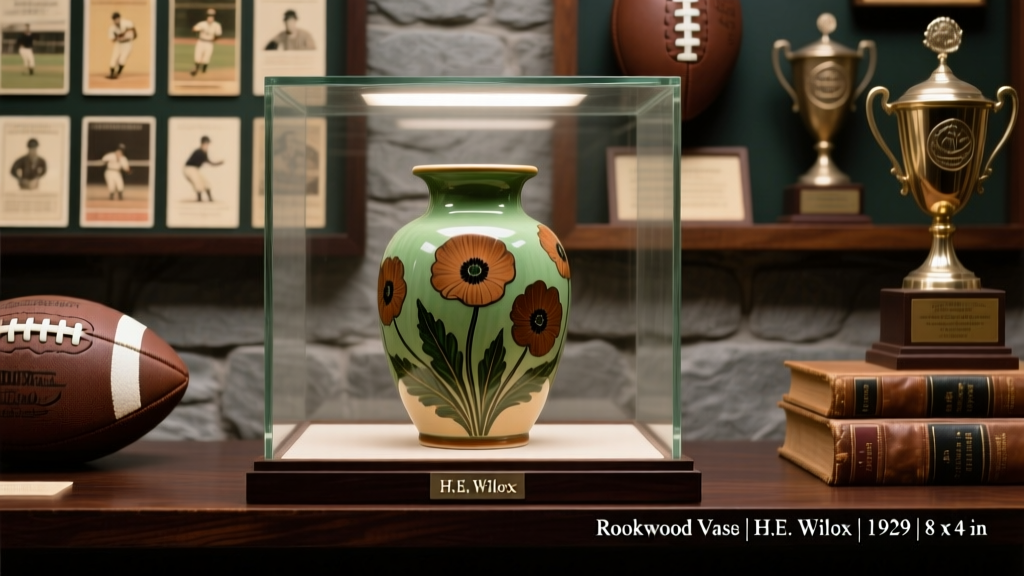
Rookwood Vase Painted Poppies: Green-Brown Glaze, H. E. Wilcox Signature, 1929 (8 × 4 Inches)
Pot of Gold Auctions, Volume II: Authentication Rigor, Market Trends, and the 2024–2025 Collectibles Landscape
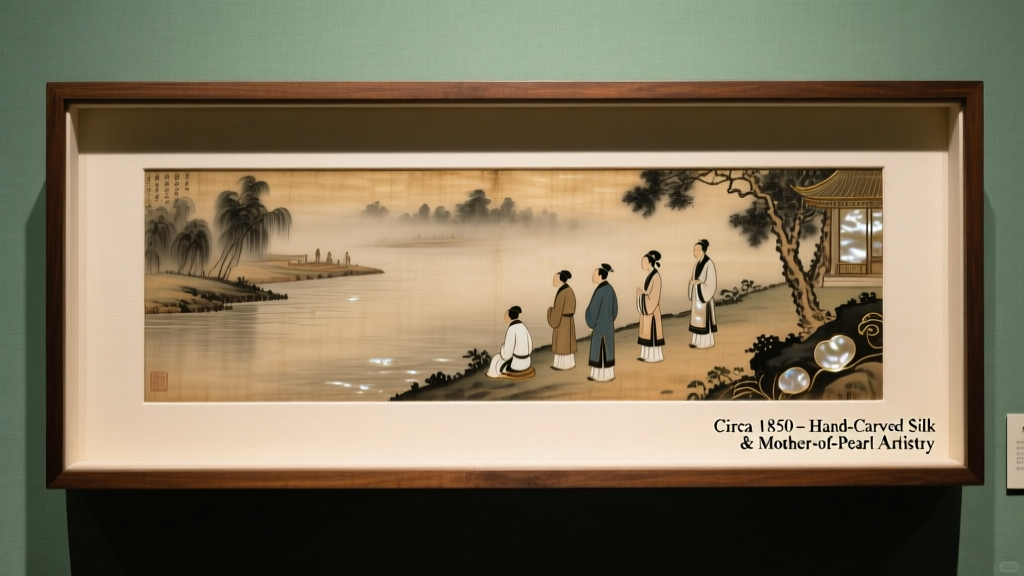
Mother-of-Pearl, Silk, and Hand-Painted Narrative: Decoding a Rare C. 1850 Riverbank Carving Measuring 10 Inches
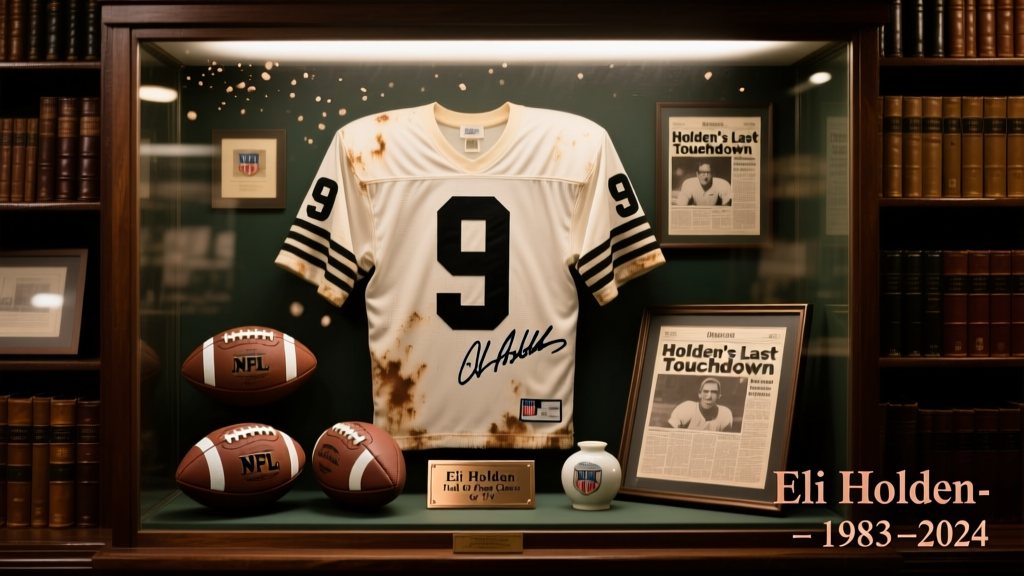
Eli Holden: The Unseen Architect of Modern Sports Memorabilia Authentication
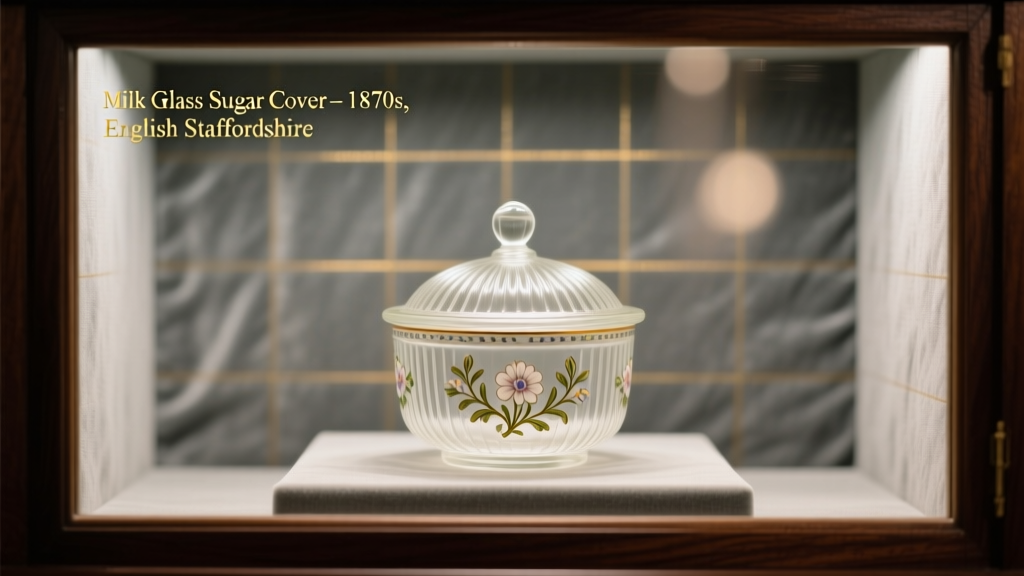
Milk Glass Sugar Cover with Paneled Sprig Design: Identification, History, and Authentication Guide
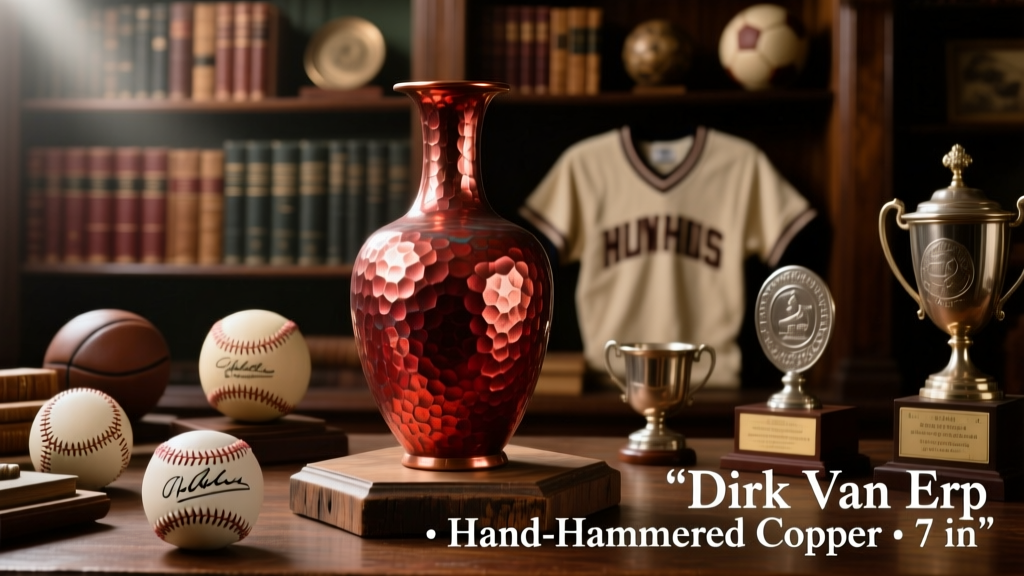
Copper Vase, Hand-Hammered Red Patina: The Dirk Van Erp 7-Inch Masterpiece
Staffordshire Plate: Baltimore Exchange Dark Blue Transfer, 9 3/4-Inch Diameter — Authentication, Provenance, and Market Significance
Cambridge Glass Portia Goblet Water: Identification, Value, and Authentication Essentials