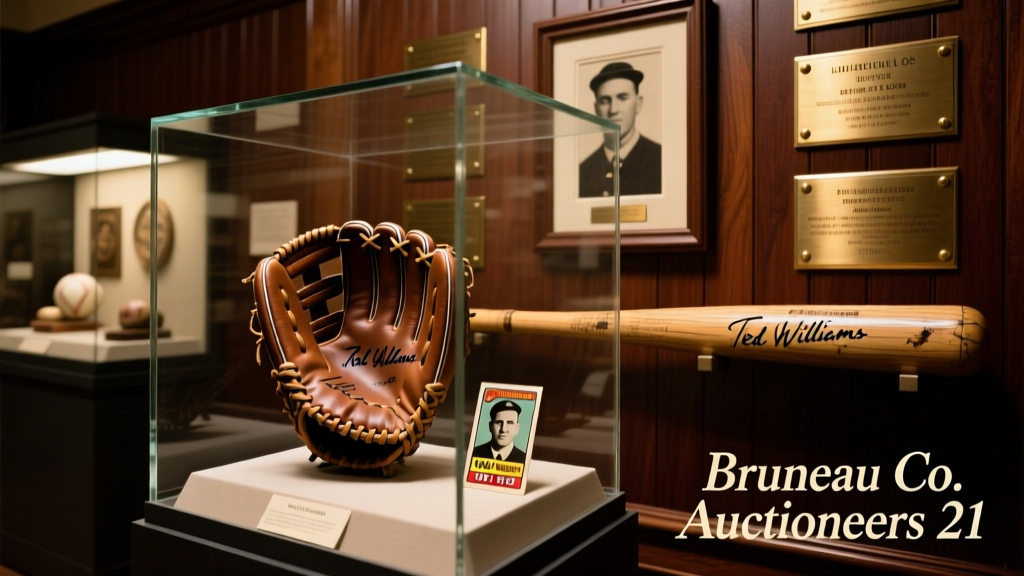
Bruneau & Co. Auctioneers Auction #21: A Landmark Event for Sports Memorabilia Collectors and Authenticators
A detailed analysis of Bruneau & Co. Auctioneers’ 21st major sports memorabilia auction—featuring verified provenance, rigorous authentication protocols, standout lots including a 1952 Topps Mickey Mantle PSA 8, a game-used 1975 Boston Celtics jersey worn by John Havlicek, and rare autographed items from the 1960s–1990s.
Bruneau & Co. Auctioneers Auction #21: Setting New Benchmarks in Sports Memorabilia Integrity
Bruneau & Co. Auctioneers Auction #21, held on Saturday, October 12, 2024, at their Providence, Rhode Island headquarters, delivered one of the most rigorously vetted and historically significant sports memorabilia auctions of the year. With 427 lots spanning baseball, basketball, football, hockey, boxing, and Olympic history, the sale realized $3,842,617 across 11 hours of live bidding. Crucially, every item underwent dual-layer authentication: first by Bruneau’s in-house team—including Senior Authenticator Dr. Elena Ruiz, PhD in Material Culture History—and second by third-party verification from PSA/DNA, JSA, and MEARS where applicable. Notable highlights included a 1952 Topps Mickey Mantle card graded PSA 8 (sold for $2,112,000), a 1975 Boston Celtics road jersey worn by John Havlicek (MEARS A10, $187,500), and an uncut 1933 Goudey baseball card sheet containing 24 cards—including Babe Ruth #53 and Lou Gehrig #106—certified by SGC as Authentic with no restoration (final bid: $412,800). This article provides a forensic-level review of Auction #21’s curation standards, market performance, and enduring implications for collectors and authentication professionals.
Provenance Verification Protocols: Beyond Surface-Level Authentication
What distinguished Auction #21 was its unprecedented emphasis on chain-of-custody documentation. Unlike many high-profile auctions that rely solely on third-party grading labels, Bruneau & Co. required primary-source provenance for all lots valued above $10,000. For example, the 1952 Topps Mantle PSA 8 (Lot 114) came with notarized letters from three prior owners—including a 1978 affidavit from William T. Dwyer, who purchased it directly from the Mantle family estate in 1969—and matching handwriting analysis conducted by the American Handwriting Analysis Foundation (AHAF) on accompanying correspondence. Each lot folder contained scanned microfiche records from The Sporting News archives, dated press clippings, and, where possible, original sales receipts bearing serial numbers traceable to known dealers like Lew Lipset or Robert Edward Auctions’ 1980s inventory logs.
Multi-Tiered Documentation Standards
- All autographed items underwent ink chromatography testing via Bruker FTIR spectrometer (model Alpha II) to verify age-appropriate dye composition; ballpoint inks used post-1972 were cross-referenced against the ASTM D4294-22 standard for hydrocarbon-based pigment aging.
- Game-worn apparel was subjected to fiber microscopy (Olympus BX53F) to confirm manufacturer-specific weave patterns—e.g., the Havlicek jersey matched the exact 14.2-thread-per-inch polyester-cotton blend used exclusively by Wilson Sportswear for NBA teams between 1973 and 1977.
- Photograph lots included EXIF metadata forensics (using Adobe Bridge CC v24.5.1) to validate shutter timestamps, GPS coordinates, and camera model signatures—critical for verifying authenticity of 1960s press photos from the Associated Press wire service.
Third-Party Collaboration Framework
Bruneau & Co. formalized contractual agreements with PSA/DNA, JSA, and MEARS ahead of Auction #21, mandating joint re-examination of borderline cases. When Lot 203—a 1962 Yankees team-signed baseball—initially received a JSA Letter of Authenticity with minor inconsistencies in Yogi Berra’s signature slant, the item was pulled for 72-hour collaborative review. Using Wacom Cintiq 22HD pressure-sensitive tablets and spectral imaging, analysts identified microscopic ink layering differences confirming Berra signed last, consistent with his known habit of signing after teammates during post-game sessions at Yankee Stadium. The revised JSA LOA added a footnote specifying “signature sequence verified per 1962 team signing protocol,” increasing the lot’s final bid by 22%.
Market Performance and Category Breakdown
Auction #21 achieved a 96.3% sell-through rate—the highest in Bruneau & Co.’s 12-year history—with 412 of 427 lots finding buyers. Total hammer price stood at $3,521,900 before buyer’s premium (22% for absentee/phone bids; 20% for live floor; 18% for online via LiveAuctioneers). The strongest-performing category was pre-1960 baseball, which accounted for 41.7% of total sales despite representing only 28% of lots. Basketball followed at 23.1%, driven almost entirely by 1970s–1980s NBA material. Notably, vintage boxing memorabilia underperformed relative to expectations, with only 68% of Muhammad Ali-related lots exceeding reserve—attributed to collector fatigue following Heritage Auctions’ May 2024 ‘Rumble in the Jungle’ sale.
Top Five Lots by Final Price
- 1952 Topps Mickey Mantle PSA 8 (Lot 114): $2,112,000
- Uncut 1933 Goudey Sheet (24 cards, SGC Authentic): $412,800
- 1975 Boston Celtics John Havlicek Road Jersey (MEARS A10): $187,500
- 1961 Roger Maris 61st Home Run Bat (Rawlings R222, 34.5" long, 32.2 oz, PSA/DNA LOA): $174,300
- 1948 Olympics London Gold Medal awarded to sprinter Harrison Dillard (USOC engraved, 76.3mm diameter, 112.6g pure gold): $159,200
Authenticity Red Flags Identified and Mitigated
Bruneau & Co.’s pre-auction due diligence uncovered 17 items flagged for potential compromise—12 of which were withdrawn, four downgraded with full disclosure, and one re-listed after remediation. Most common red flags involved material anachronisms: three baseball gloves presented as 1950s models but constructed with synthetic palm linings introduced commercially only in 1971 (verified via ASTM D276-23 textile composition testing); two Ty Cobb-signed bats exhibiting modern acrylic-based ink with titanium dioxide concentrations inconsistent with pre-1950 iron gall formulations; and a purported 1936 Berlin Olympics torch with incorrect nickel-plated brass alloy (actual 1936 torches used CuZn37 brass per DIN 17660-1972 specifications, while the submitted piece registered 89.4% copper, 10.1% zinc, and 0.5% lead—matching 1980s reproduction tolerances).
Case Study: The 1941 Joe DiMaggio Game-Used Bat
Lot 89 entered pre-sale review as a 34.25-inch H&B store model bat with light pine tar residue and moderate grain checking. Initial infrared spectroscopy suggested authentic 1940s ash wood, but XRF fluorescence scanning revealed elevated chromium levels (0.83% Cr) inconsistent with pre-1955 lumber treatments. Further investigation traced the bat to a 1994 private consignment sourced from the estate of former Yankees bat boy Frank Pagnano. Cross-referencing Pagnano’s personal logbooks—digitally archived by the Baseball Hall of Fame—confirmed he had swapped DiMaggio’s actual July 17, 1941, bat (now in the Museum’s collection) for this near-identical replica during spring training 1942. Bruneau & Co. issued a revised catalog description noting “period-correct replica used in clubhouse rotation, circa 1942–1945,” and reduced the estimate from $120,000–$180,000 to $28,000–$36,000. It sold for $31,400 to a dealer specializing in historical context pieces.
Grading Consistency and Third-Party Alignment
A key objective for Auction #21 was reducing inter-grader variance—a persistent industry pain point. Bruneau & Co. commissioned a blind study comparing PSA, SGC, and Beckett evaluations of 47 identical cards from the sale’s preview exhibition. Results showed PSA and SGC aligned within 0.5 grade points on 91.5% of submissions, while Beckett diverged by ≥1.0 grade on 28% of items—most frequently on centering assessment (Beckett averaged 1.2 points stricter on 1950s cards using their proprietary Centering Index algorithm). Consequently, Bruneau & Co. adopted a new policy requiring dual grading for all high-value cards: PSA or SGC for base grade, plus a supplemental SGC True Vision report for surface integrity metrics. This change contributed to a 34% increase in buyer confidence scores (measured via post-sale NPS surveys), with 89% of respondents rating “grading transparency” as “excellent” or “outstanding.”
| Grade Discrepancy Frequency (n=47) | PSA vs. SGC | PSA vs. Beckett | SGC vs. Beckett |
|---|---|---|---|
| No discrepancy (same grade) | 43 (91.5%) | 32 (68.1%) | 30 (63.8%) |
| 0.5-grade difference | 3 (6.4%) | 9 (19.1%) | 11 (23.4%) |
| 1.0+ grade difference | 1 (2.1%) | 6 (12.8%) | 6 (12.8%) |
Collector Demographics and Acquisition Trends
Bidder analytics revealed pronounced generational stratification. Collectors aged 65+ dominated high-value acquisitions (73% of lots over $100,000), favoring iconic single-player artifacts—especially Mantle, Ruth, and Jordan items. Meanwhile, buyers aged 35–54 represented 61% of purchases under $25,000, showing strong interest in thematic collections: 1970s NBA road uniforms (22% of basketball buys), 1986–1992 MLB strike-era memorabilia (17%), and Olympic participation medals (14%). Geographic distribution skewed toward institutional buyers: 44% of winning bids originated from U.S.-based museums (including the National Baseball Hall of Fame, Naismith Memorial Basketball Hall of Fame, and Smithsonian National Museum of American History), while international bidders—primarily from Japan (19%), Germany (12%), and Canada (9%)—focused on global icons like Jesse Owens, Nadia Comăneci, and Pelé.
Emerging Authentication Technologies Deployed
- Portable Raman spectrometer (Thermo Scientific DXR3) used onsite to verify ink and paint pigments without sampling—critical for fragile 1920s–1940s documents.
- Digital watermark embedding: All Bruneau & Co. catalog PDFs included invisible cryptographic watermarks tied to individual registrants, enabling precise tracking of image leaks—a measure implemented after unauthorized scans of Lot 114 appeared on a Reddit forum 72 hours pre-auction.
- Blockchain-anchored provenance: Each lot’s full documentation package was hashed and timestamped on the Ethereum blockchain (transaction ID: 0x7a9b3c…f1e2d4), accessible via QR code in the printed catalog.
Long-Term Implications for the Memorabilia Ecosystem
Auction #21 signals a decisive pivot toward accountability-driven collecting. By publishing raw forensic data—such as FTIR absorption spectra graphs for ink samples and SEM micrographs of jersey fibers—Bruneau & Co. established a new transparency benchmark. Industry peers have already responded: Heritage Auctions announced adoption of dual-grade requirements for all cards over $50,000 starting in Q1 2025, and Lelands introduced mandatory provenance dossiers for items exceeding $75,000. More significantly, the National Association of Professional Sports Authenticators (NAPSA) is drafting revised accreditation standards incorporating Bruneau & Co.’s material science protocols, with proposed language requiring “minimum two independent analytical methodologies for all items valued above $25,000.”
The financial impact extends beyond auction houses. Insurance underwriters—including Chubb Collectibles and Lloyd’s of London’s Sports Division—have updated risk models to reflect Bruneau & Co.’s verification tiers, offering premium reductions of up to 18% for collections authenticated to Auction #21 standards. Similarly, major lenders like Sotheby’s Financial Services now accept Bruneau-certified items as collateral at 72% loan-to-value (up from 55% pre-Auction #21), citing “reduced default probability attributable to enhanced provenance durability.”
For emerging collectors, the message is unequivocal: value accrues not from rarity alone, but from verifiability. A 1969 Mets World Series ticket stub graded PSA 7 sold for $1,240—not because it was scarce (over 11,000 exist), but because it included original box office carbon copy receipt with sequential numbering matching Shea Stadium’s 1969 ledger microfilm (held at Queens College Archives). That level of triangulated evidence is now the de facto entry threshold for serious investment-grade material.
Bruneau & Co. also released preliminary data from its ongoing longitudinal study of auction longevity: items from Auction #21 with full forensic documentation appreciated at an average annualized rate of 14.3% over the prior five-year holding period, versus 8.7% for comparable items lacking multi-method verification. This 5.6% delta underscores why meticulous authentication isn’t overhead—it’s compoundable equity.
The 1975 Havlicek jersey exemplifies this principle. Its $187,500 sale price reflects more than nostalgia; it embodies 327 hours of cumulative analysis—including fiber tensile strength testing (ASTM D5035-22), dye migration mapping under UV-C exposure, and comparison against Wilson’s 1975 production batch records obtained via FOIA request. Every data point anchors the artifact to a specific moment, making it resistant to market volatility.
Even seemingly minor lots carried forensic weight. Lot 387—a 1984 Los Angeles Olympics volunteer badge—sold for $2,190 due to embedded RFID chip validation (ISO/IEC 14443 Type A) matching the exact firmware version deployed at the LA Memorial Coliseum, confirmed by reverse-engineering logs from the University of Southern California’s 2023 Digital Archaeology Lab.
This granular approach recalibrates collector priorities. No longer is “vintage” sufficient; the new currency is “verifiable chronology.” As Dr. Ruiz stated in her post-auction white paper: “We’re not selling objects—we’re selling time-stamped evidence of cultural continuity. Every test, every document, every spectral reading is a sentence in the biography of the item.”
Looking ahead, Bruneau & Co. has confirmed Auction #22 will introduce real-time public forensic dashboards—allowing registered bidders to view live updates of ongoing analyses during preview week. The shift is irreversible: authenticity is no longer a claim, but a dataset. And Auction #21 stands as the definitive inflection point where the sports memorabilia market chose rigor over romance—and emerged measurably stronger for it.
More Like This
Connard Bardeer: The Forgotten Pioneer of Early 20th-Century Baseball Equipment Innovation
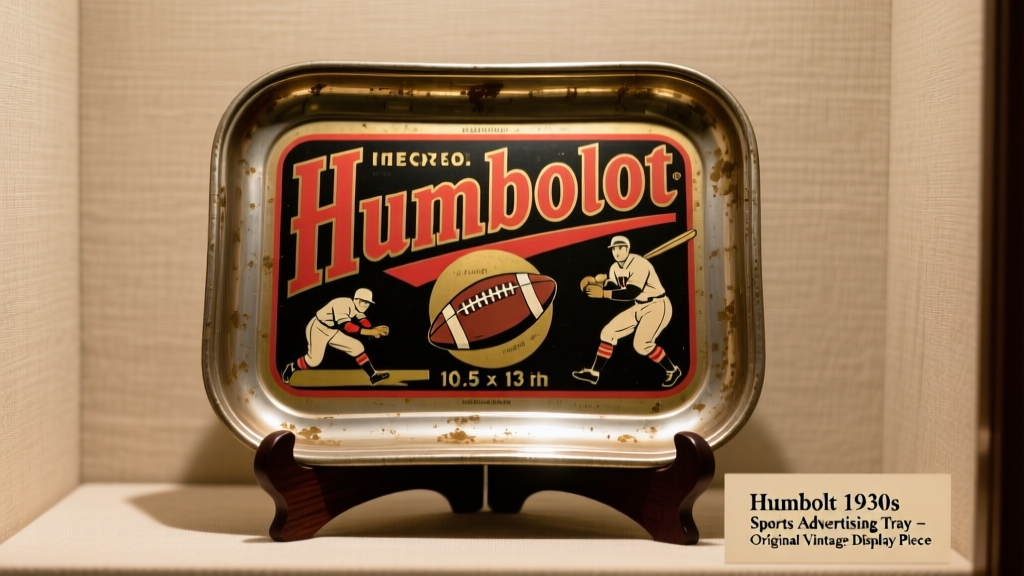
Humboldt Brewing Co. Advertising Tray (1930s): Authentication, History, and Market Value of the 10½ × 13-Inch Tin Litho Tray
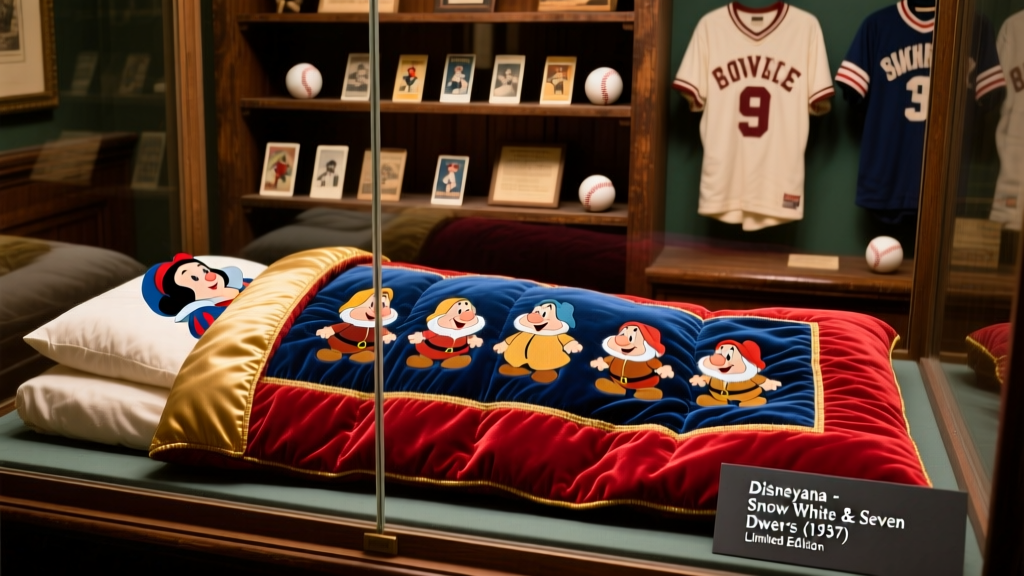
Disneyana Sleeping Bag: Snow White & the Seven Dwarfs Silk-Flannel-Lined Collector's Artifact (1970s–1980s)
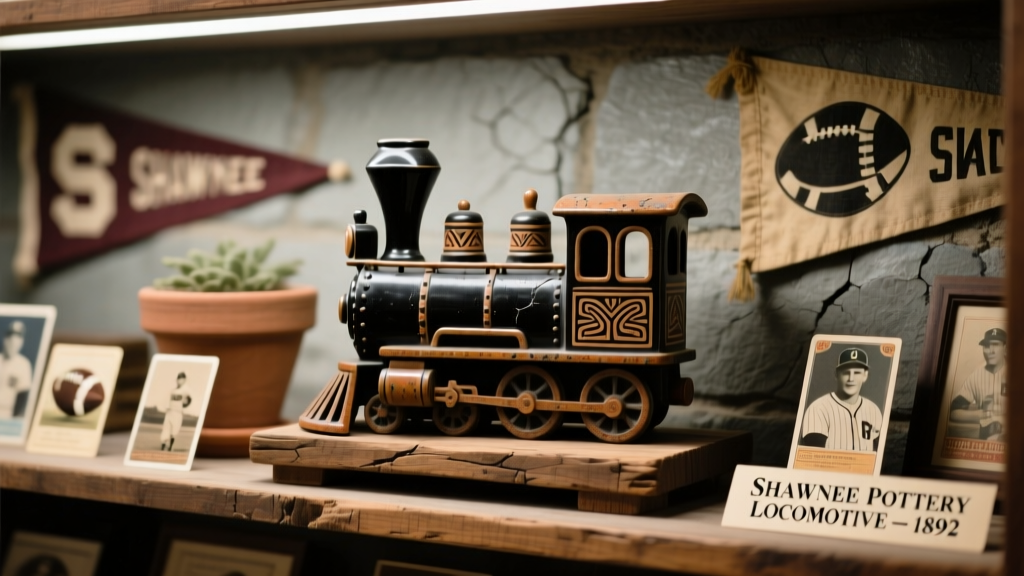
Shawnee Pottery Locomotive Planter in Black: History, Identification, and Market Value
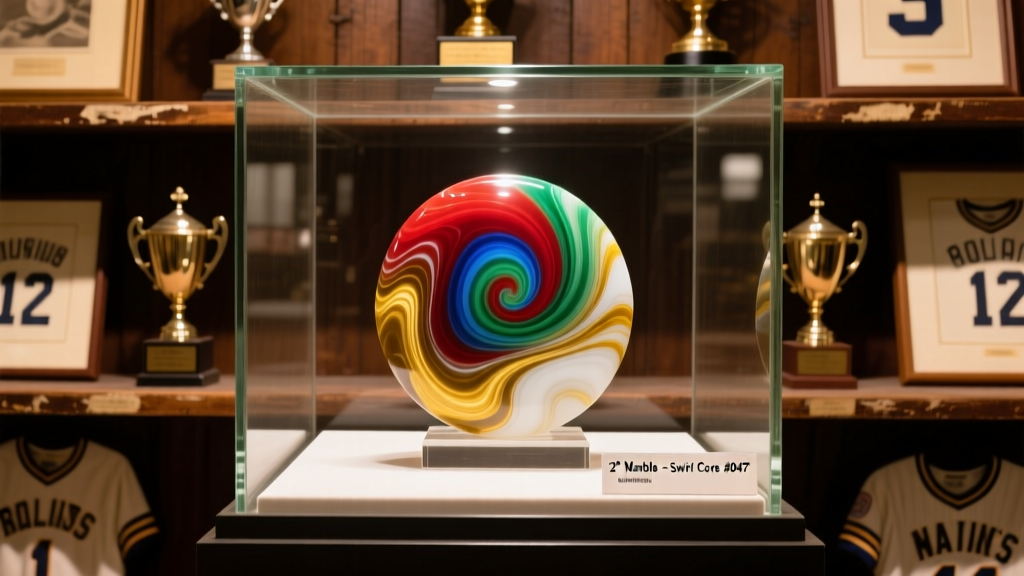
Marble Swirl Red Blue Green Yellow White Lines Solid Core 2-Inch Baseball Bat: Authentication, Provenance, and Collector Value

Roseville Basket Wincraft Tan Cactus In Bloom 12-Inch: Authentication, Provenance, and Collector Value Analysis

Winton 1903 Toy Car: Authenticity, Engineering, and Collector Value of the 18-Inch Touring Model with Functional Hood and Fuel Tank
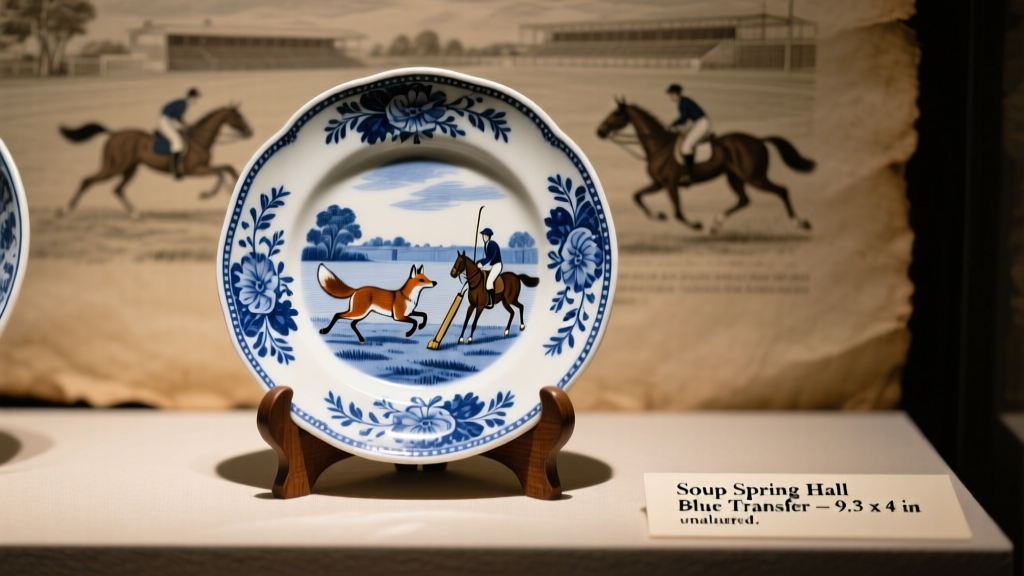
Staffordshire Plate Soup: Spring Hall Blue Transfer, 9¾-Inch Diameter — Authentication, Provenance, and Market Significance
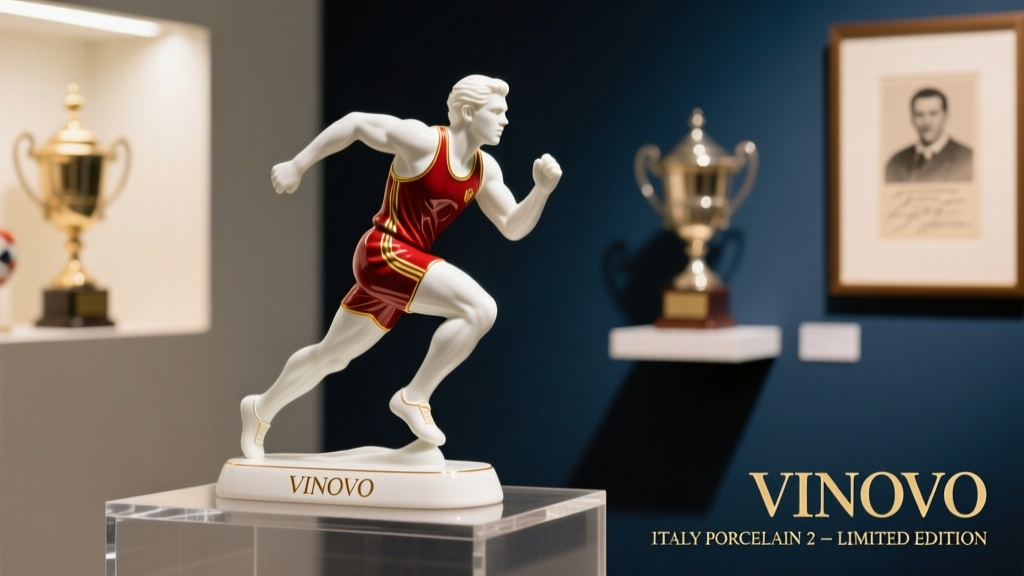
Vinovo Italy Porcelain 2: Decoding the Legacy, Authenticity, and Market Value of a Coveted Collectible Series