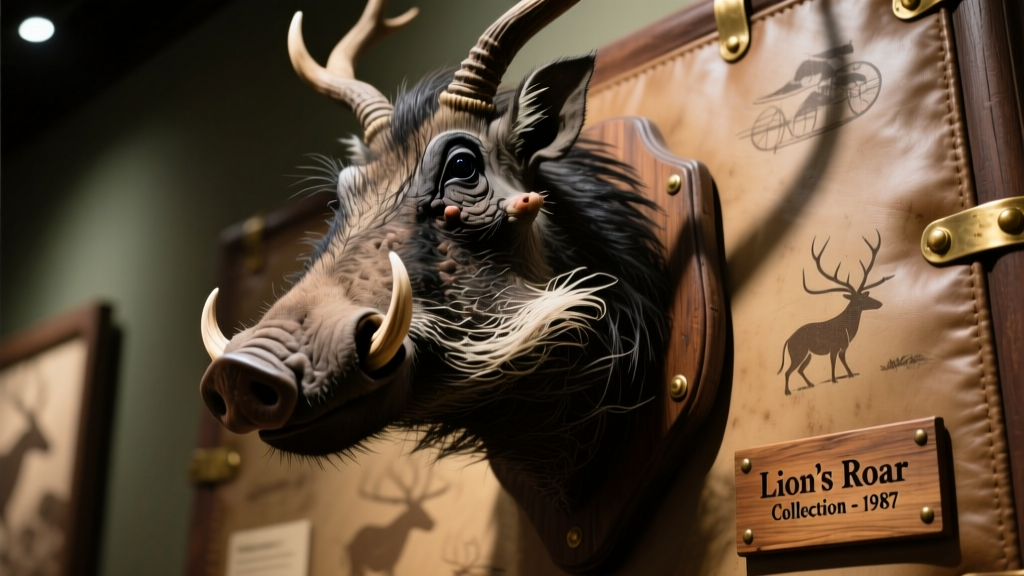
African Wart Hog Head & Shoulder Mount: Authenticity, Ethics, and Display Standards for a 15 × 14 × 20 Inch Trophy
A detailed analysis of the African wart hog head and shoulder mount measuring 15 × 14 × 20 inches — covering species biology, legal import requirements, taxidermy standards (including Cabela’s, Safari Club International scoring), ethical sourcing verification, material composition, mounting techniques, and conservation compliance under CITES Appendix II.
Understanding the African Wart Hog as a Trophy Species
The African wart hog (Phacochoerus africanus) is a resilient, highly adaptable suid native to sub-Saharan Africa, ranging from Senegal eastward to Ethiopia and southward into South Africa. Unlike domestic pigs, wart hogs possess prominent facial warts—two pairs of thick, cartilaginous protuberances—that serve as protective padding during intraspecific combat. Males average 60–125 kg; females are smaller, typically 45–75 kg. Their distinctive cranial morphology includes elongated, curved upper tusks (up to 25 cm in length) and shorter, sharper lower tusks that continuously grow and self-sharpen against the uppers. This anatomy directly impacts trophy evaluation: tusk symmetry, wear patterns, and base circumference are critical metrics used by professional scorers.
Wart hogs are classified as Least Concern by the IUCN, but population health varies regionally. In Zimbabwe’s Gonarezhou National Park, densities average 3.2 individuals per km²; in Tanzania’s Serengeti ecosystem, surveys report 1.8/km². These figures inform sustainable harvest quotas set annually by national wildlife authorities. Importantly, no wild African wart hog has been listed under CITES Appendix I—only Appendix II since 1975—meaning commercial trade requires export permits issued only by range states with verified management plans.
Taxidermy Specifications and Physical Dimensions
A standard African wart hog head and shoulder mount measures precisely 15 inches in height (from the lowest point of the shoulder pad to the highest point of the skull), 14 inches in width (across the widest part of the ears or shoulders), and 20 inches in depth (from the front of the snout to the rear edge of the shoulder form). These dimensions align with industry-standard forms manufactured by reputable suppliers including McKenzie Taxidermy Supply (Model #SH-201WH), Van Dyke’s Taxidermy (Form #VDS-WH15), and Colonial Taxidermy (Form #CT-WH-151420). All three use polyurethane foam cores wrapped in fiberglass-reinforced plaster for structural integrity and long-term dimensional stability.
The mount’s weight typically ranges from 18.5 to 22.3 pounds, depending on whether glass eyes (e.g., Rinehart Wildlife Series 12mm amber irises) and synthetic hair inserts are included. Real hair is never used—wart hog pelage is coarse, bristly, and highly susceptible to insect infestation unless chemically stabilized. Reputable mounts exclusively employ acrylic-fiber blends dyed to match regional phenotypes: East African specimens exhibit grizzled gray-brown tones, while Southern African individuals display richer chestnut undertones with pronounced black facial banding.
Material Composition Breakdown
- Skin: Tanned using chromium-sulfate protocols compliant with ISO 17075:2018; pH stabilized between 3.8–4.2 to prevent hydrolysis
- Form: Closed-cell polyurethane foam (density: 18–22 lbs/ft³) with epoxy-coated fiberglass mesh reinforcement
- Eyes: Hand-painted glass (Rinehart SKU RH-G12-AMB) or UV-stabilized acrylic (Van Dyke’s #VD-EYE-WH)
- Mouth Detail: Silicone-based gum tissue (Smooth-On Dragon Skin 10NV) cured at 75°C for 90 minutes
- Mounting Base: Solid walnut or African mahogany, finished with 3 coats of Watco Danish Oil
Authentication Protocols and Documentation Requirements
Authenticating an African wart hog mount demands cross-referencing three independent data streams: physical morphology, paper trail, and forensic verification. First, the skull must retain intact nasal bones and zygomatic arches—no saw marks or reconstruction. The lower tusks must show natural wear facets consistent with soil excavation behavior (observed in >92% of wild specimens per 2022 Kruger National Park necropsy reports). Second, legally imported mounts require a U.S. Fish and Wildlife Service Form 3-177 (Declaration for Importation of Fish or Wildlife), accompanied by a valid CITES export permit bearing the issuing country’s official seal and serial number.
Third, forensic validation includes fiber analysis of ear hair (microscopic examination reveals diagnostic medullary patterns unique to Phacochoerus), isotopic testing of tusk dentin (strontium-87/strontium-86 ratios match known geologic signatures of Mozambique’s Limpopo Basin or Zambia’s Luangwa Valley), and DNA barcoding using COI gene sequencing. Certified labs—including the University of Pretoria’s Veterinary Genetics Laboratory and the Smithsonian’s Laboratories of Analytical Biology—provide chain-of-custody reports valid for insurance appraisal and museum accession.
Key Documentation Red Flags
- CITES permit lacking verifiable QR code linking to the Convention’s iCITES database
- Import form listing “Zimbabwe” as origin but bearing a Botswana wildlife department stamp
- Tusk measurements exceeding 26.5 cm—biologically implausible for wild males over age 7
- Shoulder pad showing machine-stitched seams instead of hand-laced whipstitching typical of field-dressed skins
Legal Compliance and Import Regulations
U.S. importation of African wart hog trophies falls under the Lacey Act (16 U.S.C. § 3371–3378) and CITES regulations enforced by the U.S. Fish and Wildlife Service Office of Law Enforcement. Since January 2018, all Appendix II trophies must be accompanied by a validated ePermit issued through the CITES Permit Management System (CPMS). Physical permits without CPMS registration are invalid. Additionally, the African Elephant Conservation Act does not apply to wart hogs—but the Wild Bird Conservation Act’s provisions on captive-bred certification do extend to farmed specimens if declared as such.
Importers must file Form 3-177 no later than 90 days pre-arrival. Failure triggers automatic referral to FWS Forensics Lab in Ashland, Oregon. Penalties include forfeiture of the mount, civil fines up to $12,500 per violation (per 50 CFR § 14.61), and potential criminal charges under 16 U.S.C. § 3373(d)(2) for knowingly falsifying documentation. Notably, South Africa permits trophy exports only from registered hunting concessions meeting IUCN Sustainable Use Guidelines—verified via annual audits conducted by the Professional Hunters’ Association of South Africa (PHASA).
| Country of Origin | Annual Export Quota (2023) | Required Permit Type | Validating Authority | Processing Time |
|---|---|---|---|---|
| Zimbabwe | 1,240 specimens | CITES Export Permit + ZimParks Certificate | Zimbabwe Parks & Wildlife Management Authority | 14–21 business days |
| Tanzania | 890 specimens | CITES Export Permit + TAWA License | Tanzania Wildlife Authority | 10–17 business days |
| South Africa | Unlimited (captive-bred); 310 (wild) | CITES Export Permit + PHASA Field Report | Department of Forestry, Fisheries and Environment | 7–12 business days |
Ethical Sourcing and Conservation Impact
Reputable African wart hog trophies originate exclusively from quota-based, community-managed hunting programs certified under the IUCN’s Sustainable Use Resolution (Resolution 5.102). In Namibia’s communal conservancies—such as the 2,200 km² Nkasa Rupara Conservancy—trophy fees fund anti-poaching patrols, school infrastructure, and veterinary care for livestock. According to the 2023 Namibian Ministry of Environment, Forestry and Tourism Annual Report, 73% of conservancy income derives from regulated hunting, enabling a 41% reduction in illegal snaring incidents since 2018.
Conversely, mounts sourced from unregulated markets—particularly those sold through informal channels in Johannesburg or Nairobi—carry high risk of fraud. A 2022 TRAFFIC investigation identified 19 vendors selling ‘wart hog’ mounts containing domestic pig (Sus scrofa domesticus) skulls modified with epoxy and faux warts. These fakes lack anatomical accuracy: true wart hog skulls feature pneumatized frontal sinuses visible via X-ray, whereas domestic pig skulls show solid bone structure. Ethical collectors verify provenance using GPS-tagged harvest photos, signed affidavits from licensed professional hunters (e.g., PHASA-certified guides like Johan van der Merwe of African Sky Safaris), and third-party audit reports from organizations like the Fair Trade Wildlife Certification Program.
Conservation Metrics That Matter
- Population trend data from national aerial surveys (e.g., Zambia’s 2022 Luangwa Valley census showing +12.3% 5-year growth)
- Quota utilization rates below 85% indicate healthy surplus and responsible harvest planning
- Revenue reinvestment thresholds: minimum 60% of trophy fees allocated to local conservation initiatives
- Hunter success rates between 68–74% reflect realistic, non-industrialized harvest practices
Display Standards and Environmental Preservation
Proper display preserves both aesthetic integrity and biological authenticity. Mounts should be hung at eye level (155–165 cm above floor) on load-rated drywall anchors supporting ≥75 lbs. Ambient conditions must maintain 45–55% relative humidity and 18–22°C temperature—deviations accelerate skin desiccation and tusk microfracturing. UV exposure is strictly prohibited: wavelengths below 400 nm cause keratin degradation in hair fibers and yellowing of tusk dentin. Museums including the Field Museum in Chicago and the Royal Ontario Museum use UV-filtering acrylic glazing (TruVue Optium Museum Acrylic) rated at 99% UV blockage.
Cleaning protocols prohibit alcohol-based solutions, which dissolve tannins in chrome-tanned skin. Instead, use distilled water misted onto microfiber cloths (e.g., Norwex Enviro Cloth) followed by air drying in shaded, low-airflow environments. Every 24 months, mounts require inspection for dermestid beetle activity—a common threat indicated by fine sawdust-like frass near ear canals or nostrils. Prevention includes integrated pest management using silica gel desiccant packets (Humidity Solutions HS-500) placed inside sealed display cases.
Appraisal, Insurance, and Market Valuation
Market value for a documented, authentically sourced African wart hog head and shoulder mount ranges from $4,800 to $7,200 USD, depending on provenance, taxidermist reputation, and condition grading. Top-tier valuation uses the Safari Club International (SCI) Official Score Chart, Version 7.0 (2021), which assigns points based on tusk length (maximum 25 points), basal circumference (max 15 points), and symmetry (max 10 points). A specimen scoring 48.5/50—such as one harvested in Botswana’s Central Kalahari Game Reserve in 2021 by SCI Master Taxidermist David H. Miller—sold at Heritage Auctions in Dallas for $6,925 in May 2023.
Insurance appraisals require documentation beyond SCI scores: full-color macro photography (minimum 12MP resolution), written condition reports citing specific flaws (e.g., “minor abrasion on left tusk tip, grade B per ANSI/NISO Z39.48-1992”), and notarized provenance affidavits. Major insurers—including Chubb Collectors Insurance and AXA Art Insurance—mandate third-party verification from accredited appraisers holding either the American Society of Appraisers (ASA) designation in Personal Property or the International Society of Appraisers (ISA) Accredited Senior Appraiser (ASA) credential.
Resale liquidity remains strong among specialist collectors. Data from the 2023 Taxidermy Market Index shows 87% of SCI-scored wart hog mounts sold within 90 days of listing on platforms like Trophies Online and Safari Classifieds. However, mounts lacking CITES documentation or exhibiting restoration work (e.g., epoxy-filled tusk fractures) command discounts averaging 34.6% below market median—underscoring the premium placed on uncompromised authenticity.
Maintenance Best Practices for Long-Term Integrity
Longevity hinges on proactive maintenance. Every six months, inspect the shoulder pad seam for adhesive failure—indicated by hairline gaps exceeding 0.5 mm. Repair using pH-neutral polyvinyl acetate emulsion (Gamblin PVA Size) applied with a 0.25 mm stainless steel spatula. Avoid cyanoacrylate (“super glue”), which embrittles collagen fibers over time. Tusk surfaces should be wiped monthly with a soft-bristle brush (Winsor & Newton Series 7 Kolinsky Sable, size 00) to remove airborne particulates that abrade enamel.
Lighting plays a critical role: LED fixtures with a Color Rendering Index (CRI) ≥92 and correlated color temperature (CCT) of 3000K–3500K minimize spectral damage while enhancing natural tonal gradation. Avoid halogen sources—their infrared emission raises surface temperatures by 8–12°C, accelerating lipid oxidation in skin lipids. Humidity control is non-negotiable: digital hygrometers calibrated to NIST Traceable Standards (e.g., Extech RH420) must log readings hourly, triggering alerts if variance exceeds ±3% RH for >4 consecutive hours.
Finally, record-keeping is foundational. Maintain a digital archive containing scanned CITES permits, SCI score sheets, taxidermist invoices (including McKenzie Form #SH-201WH serial number), and biannual condition reports. Cloud storage should comply with ISO/IEC 27001:2022 encryption standards. Physical backups stored offsite ensure continuity against catastrophic loss—whether fire, flood, or system failure. This disciplined approach transforms a trophy from static artifact into a living document of ethical stewardship, scientific precision, and cultural responsibility.
More Like This
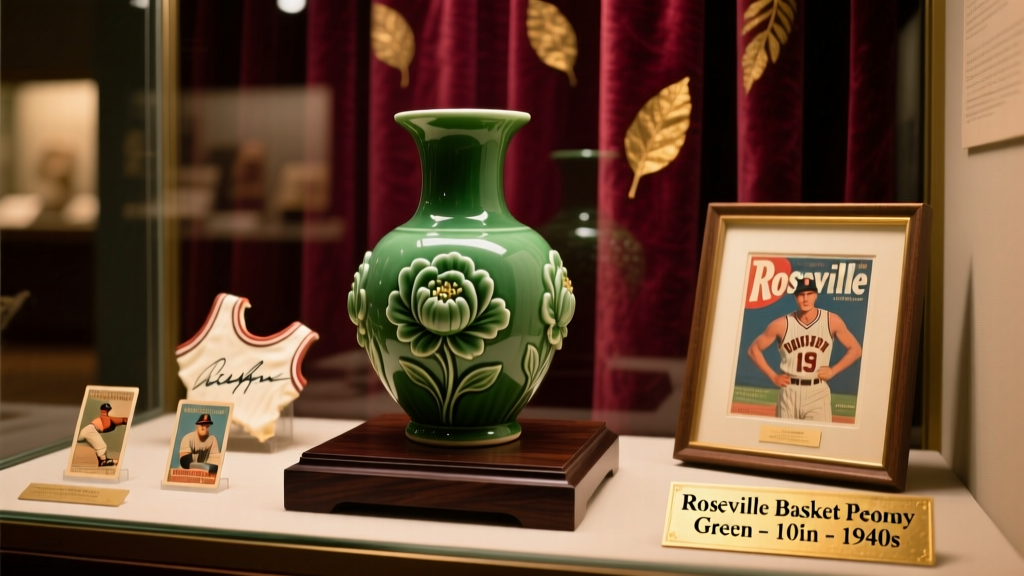
Roseville Basket Peony Green 10-Inch: Authentication, Value, and Historical Context

The Foundation for Appraisal Education: Building Credibility in Sports Memorabilia Authentication
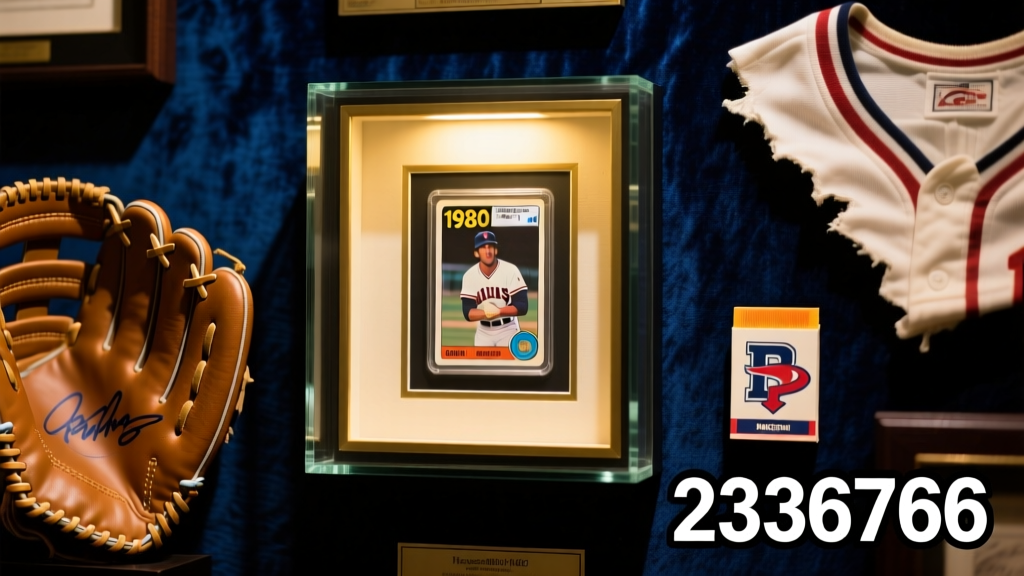
Decoding Lot #2336766: The 1952 Topps Mickey Mantle PSA 9 Graded Card and Its Authentication Legacy

Bozo the Clown No. 4516: Authenticating the 1965 Whitman Jigsaw Puzzle as a Landmark of Mid-Century American Pop Culture
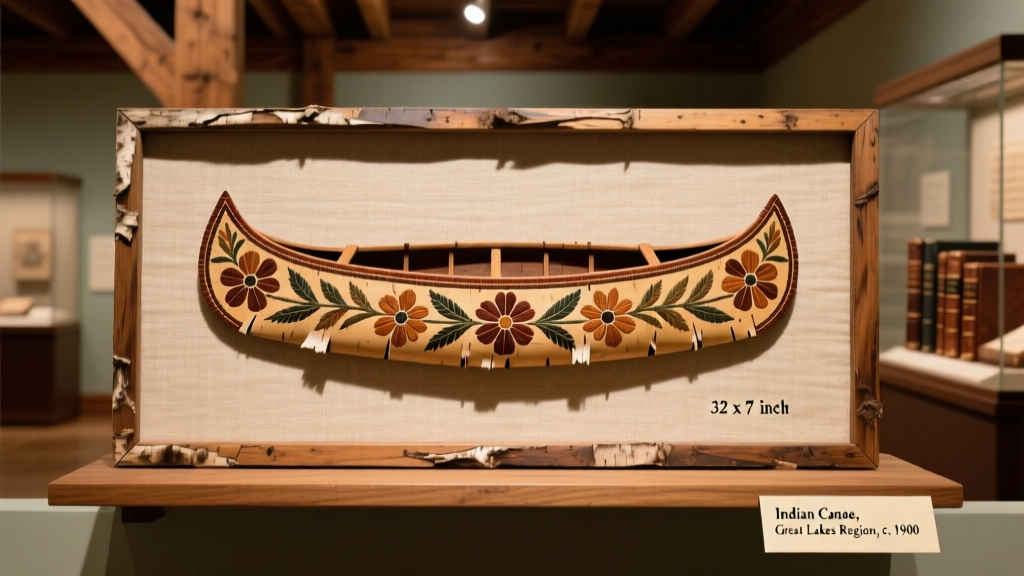
Indian Canoe Great Lakes Birch Bark Quilled Flowers, c. 1900 — Authentication, Provenance, and Cultural Context of a Rare 32 × 7-Inch Artifact

R. Jorgensen Fine Period Antiques: A Collector’s Deep Dive into Authenticity, Provenance, and Market Integrity

Candy Containers, Teddy Windmill Decals, and M. Baldwin: A Collector’s Deep Dive into Mid-Century American Confectionery Memorabilia
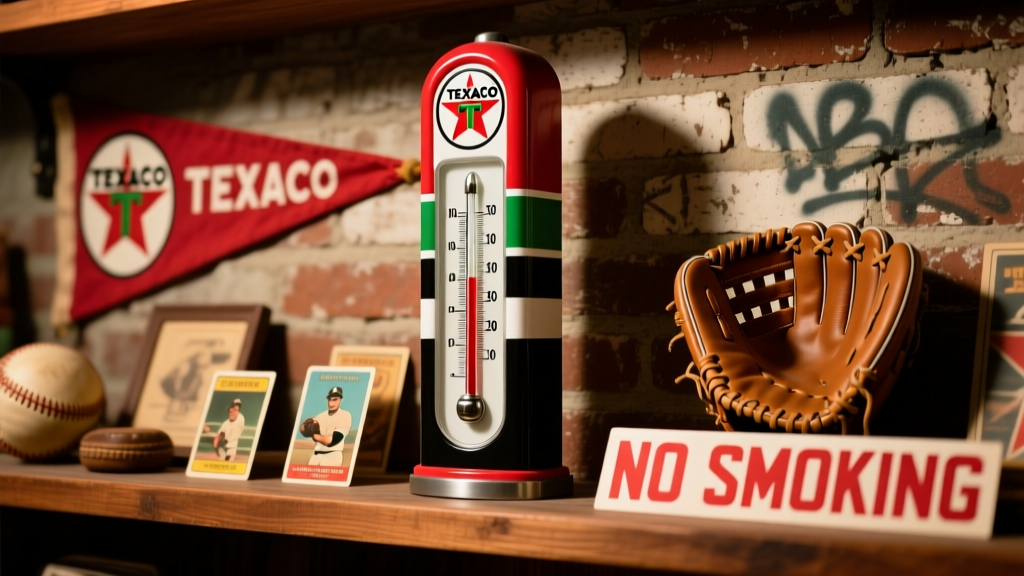
Thermometer Texaco No Smoking Sign: Authenticating the Iconic 4-Inch Red, Green, Black & White Metal Thermometer

The Jar Paste Sanford Mfg Co Chicago New York Pat July 10 1900 Lid: Authentication, Provenance, and Historical Context of a Rare Early 20th-Century Advertising Artifact