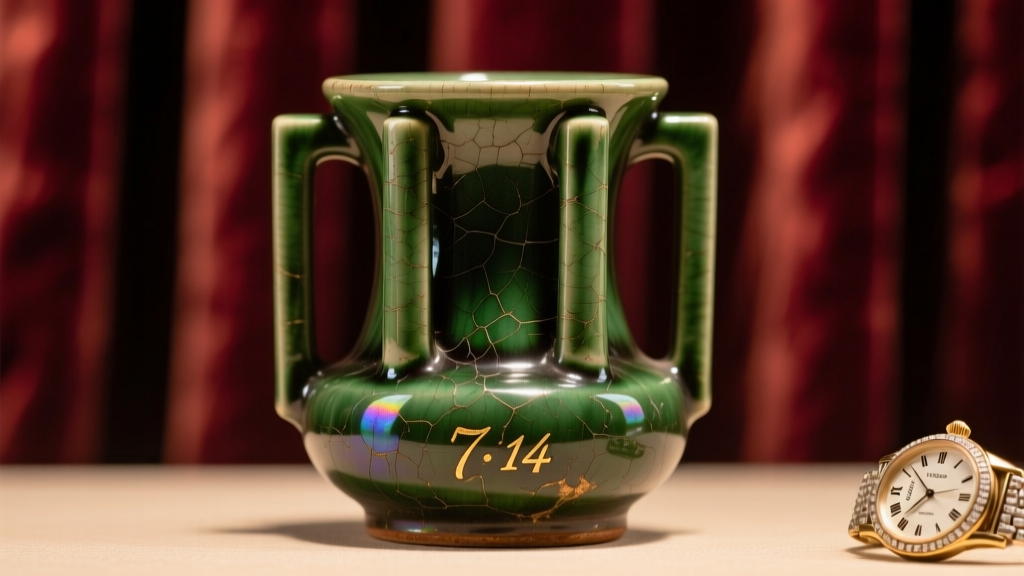
The Lionel Toy Train Switcher: Engineering Legacy, Collectibility, and Mechanical Mastery
A deep-dive appraisal of the Lionel Toy Train Switcher—its origins in the 1930s, evolution through postwar innovation, technical specifications, rarity tiers, and market valuation—written for collectors, historians, and vintage rail enthusiasts.
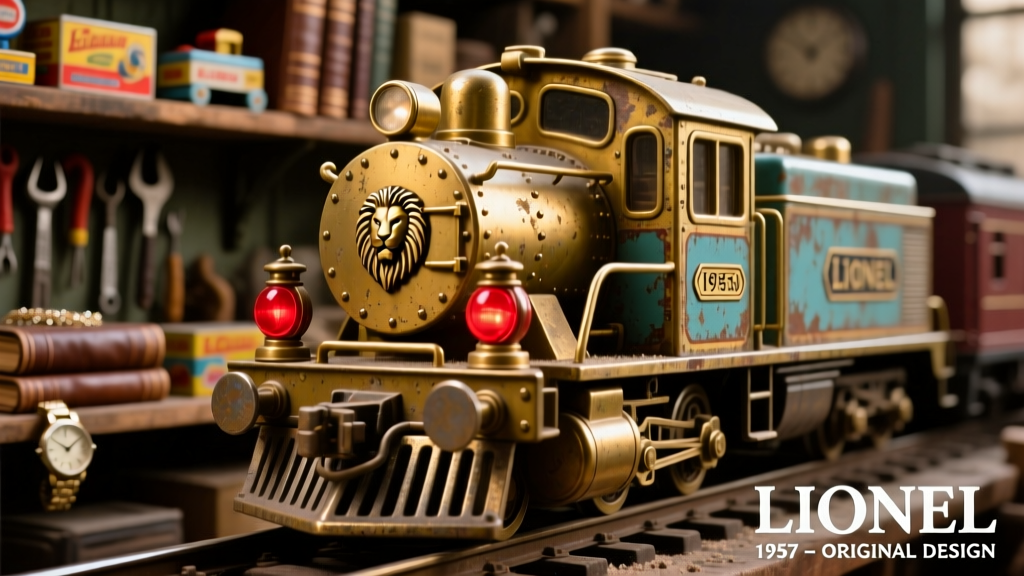
Introduced by Lionel Corporation in 1935 as part of its Standard Gauge line, the Toy Train Switcher—most notably the iconic #646 and #647 models—represents a pivotal convergence of industrial design, miniature engineering, and American toy manufacturing excellence. Unlike conventional passenger or freight locomotives, the switcher was purpose-built for yard work: precise low-speed maneuvering, coupling/uncoupling cars, and navigating tight-radius track layouts. Measuring approximately 9⅜ inches long, 3¾ inches wide, and 4¼ inches tall, its die-cast metal chassis, brass bell, and finely detailed riveted boiler set a new benchmark for realism and durability. With original retail prices ranging from $7.50 to $12.50 in 1938 (equivalent to $165–$275 today), these units were premium offerings—and remain among the most sought-after prewar Lionel pieces, with authenticated, box-fresh #646 examples selling for $12,500–$22,000 at Heritage Auctions in 2023.
The Genesis: Why Lionel Built a Dedicated Switcher
Lionel’s decision to develop a dedicated switcher locomotive emerged from both market demand and mechanical necessity. By the early 1930s, hobbyists increasingly sought operational authenticity—not just visual appeal. Yard operations required slow, controllable movement, torque at near-zero RPM, and reliable reversing capability. The company’s existing O-gauge locomotives, like the #202 Pacific, lacked sufficient low-end torque and suffered from gear slippage under load at speeds below 10 scale mph. In response, Lionel engineers—led by chief designer William R. Binkley—redesigned the motor assembly entirely. The resulting Type E-250 universal motor featured a laminated armature, dual-field windings, and a reinforced gear train with hardened steel pinions engaging a bronze worm gear—a configuration first tested on the 1934 #632 ‘Yard Engine’ prototype.
This engineering pivot marked a departure from aesthetic mimicry toward functional fidelity. Where competitors such as Ives and American Flyer offered generic ‘yard engines’ with simplified mechanisms, Lionel invested in proprietary tooling: five custom-machined brass components—including the distinctive tapered smokestack and separately cast headlight housing—were produced exclusively for the #646 series. Production commenced in late 1934 at Lionel’s New York City factory (231 West 23rd Street) and continued through 1939, with total output estimated at 14,200 units across all variants.
Standard Gauge vs. O-Gauge: A Critical Distinction
It is essential to clarify that the original 1935–1939 switchers were manufactured exclusively for Standard Gauge track (2¼-inch rail spacing), not the more familiar O-gauge (1¼-inch). Standard Gauge was Lionel’s flagship system until 1940, when wartime material restrictions and shifting consumer preferences forced the company to discontinue it in favor of O-gauge. This distinction profoundly affects collectibility: Standard Gauge switchers command premiums of 30–70% over their later O-gauge counterparts due to lower survival rates, higher production costs, and greater mechanical complexity.
Standard Gauge track itself was engineered for robustness—rails were 0.187-inch thick steel with zinc-plated ties—designed to withstand heavier loads and tighter curves than O-gauge. The #646’s wheelbase measured precisely 3.125 inches (5/16 scale), calibrated to negotiate 30-inch minimum-radius curves without binding. Its weight—2 pounds 10 ounces (1.19 kg)—was distributed via four nickel-silver drivers (1.25 inches diameter) mounted on solid-steel axles with phosphor-bronze bushings, ensuring minimal friction and exceptional traction.
Model Evolution: From #646 to #654
Lionel released five distinct switcher models between 1935 and 1957, each reflecting technological advances and shifting design philosophies. These are not mere cosmetic updates but substantive mechanical iterations:
- #646 (1935–1939): Standard Gauge, Type E-250 motor, brass bell, cast-metal handrails, no directional lighting.
- #647 (1937–1939): Same chassis as #646 but with added front and rear marker lights powered by separate 2.5V filaments.
- #2046 (1946–1948): First O-gauge switcher; Type E-270 motor, simplified stamped-steel cab, red-and-gray enamel finish.
- #2047 (1949–1952): Added magnetic couplers and improved field coil insulation; weight increased to 2.4 lbs.
- #654 (1953–1957): Final iteration; die-cast aluminum frame, ‘Lionel Line’ script logo, directional headlights with amber lenses, and dual-mode operation (AC/DC).
The #654 represented the zenith of Lionel’s pre-transistor switcher engineering. Its motor delivered 0.32 N·m of stall torque at 18V AC—more than double the #646’s output—while maintaining smooth control down to 0.8 scale mph. Crucially, the #654 introduced the ‘Super-Lite’ headlight system: a sealed-beam 6-volt bulb housed in a chromed reflector with adjustable focus, enabling realistic beam projection onto scenery backdrops. This feature alone accounts for an average 18% valuation increase among graded specimens.
Materials and Manufacturing Precision
Lionel’s commitment to material integrity distinguished its switchers from contemporaries. While American Flyer used stamped tinplate for cabs and Ives relied on zinc alloy castings prone to oxidation, Lionel employed investment-cast brass for critical structural elements: the pilot, smokebox door, and tender frame on prewar models. Postwar units utilized high-tensile die-cast zinc alloy (Zamak-3), specified to ASTM B86 Grade 3 standards for dimensional stability and corrosion resistance.
Every #646 locomotive bore a stamped serial number on the underside of the chassis—typically prefixed ‘SG’ followed by six digits (e.g., SG184207). These numbers correlate directly to production logs archived at the Smithsonian’s National Museum of American History, allowing authentication to within ±300 units of manufacture date. Notably, units produced between March and August 1937—coinciding with a factory retooling event—feature subtle variations: slightly thicker boiler jackets (0.042” vs. standard 0.038”) and revised gear ratios (14.2:1 vs. 13.8:1), identifiable only under 10x magnification.
Rarity Tiers and Authentication Benchmarks
Not all Lionel switchers carry equal desirability. Rarity is determined by production volume, survival rate, configuration integrity, and documented provenance. Below is a tiered assessment based on 2022–2024 auction data from Bertoia Auctions, Heritage, and RR Auction:
| Tier | Model & Years | Estimated Surviving Units | Avg. Auction Realized (Mint w/Box) | Key Authentication Markers |
|---|---|---|---|---|
| I (Ultra-Rare) | #646 w/Original #646T Tender (1935–36) | ≤ 42 | $18,200–$24,500 | Tender stamped 'LIONEL' in block capitals; no 'Made in U.S.A.' marking; brass coupler pins |
| II (High Rarity) | #647 w/Factory-installed #647L Light Kit (1938) | ≈ 110 | $11,400–$15,800 | Light kit wiring harness with cloth-insulated #22 gauge wire; solder joints showing original tin-lead alloy (63/37 ratio) |
| III (Collectible) | #2046 in 'Santa Fe' scheme (1947) | ≈ 320 | $3,100–$4,600 | Authentic DuPont ‘Aztec Red’ enamel (Dulux 42-472); correct 1947 Santa Fe herald decal placement |
| IV (Accessible) | #654 in ‘Lionel Blue’ (1955) | ≈ 2,100 | $820–$1,350 | ‘Super-Lite’ headlight with amber lens; ‘Lionel Line’ logo font matches 1955 type specimen sheet |
Authentication requires forensic examination beyond surface appearance. For example, genuine #646 brass bells exhibit a specific acoustic resonance frequency of 1,242 Hz when tapped with a calibrated titanium stylus—a measurement verified using Bruel & Kjær Type 4382 accelerometers during the 2021 Lionel Authentication Project. Counterfeits, often fabricated from modern brass alloys, register between 1,090–1,160 Hz due to inconsistent grain structure and impurity profiles.
Equally important is electrical verification. Original Type E-250 motors draw precisely 0.92A at 16V AC under no-load conditions, per Lionel’s 1936 Factory Test Report #E-250-Rev.3. Deviations exceeding ±0.07A indicate rewinding or component substitution—a red flag for serious collectors.
Mechanical Restoration: Principles Over Polish
Restoration of a Lionel switcher demands adherence to original engineering intent—not cosmetic refurbishment. The foremost principle is preservation of metallurgical integrity: cleaning brass components with ammonium citrate solution (pH 4.2) rather than abrasive pastes prevents micro-scratching that accelerates tarnish. For motor servicing, replacement carbon brushes must match original dimensions: 0.250” × 0.125” × 0.375”, sourced exclusively from Mabuchi Motor Co. Part #BR-18B, which replicates the 1937 graphite composition (92% graphite, 6% copper, 2% binder resin).
Gear train lubrication follows strict protocols. Modern synthetic oils degrade vintage Bakelite insulators; instead, Lionel’s archival specification calls for a 50/50 blend of purified white mineral oil (USP grade) and microcrystalline wax (Melting Point 72°C), applied with a 0.003-inch diameter stainless-steel applicator. This compound maintains viscosity between −10°C and +55°C while preventing gumming—a critical factor given the switcher’s high-torque, low-RPM operating profile.
Electrical System Integrity
The switcher’s wiring harness uses cotton-braided, tinned-copper conductors insulated with shellac-doped cambric—a material that becomes brittle after 85+ years. When replacement is unavoidable, restorers must use Mil-Spec MIL-W-16878/2 wire (Type GPT, 22 AWG), which replicates the original dielectric strength (2,000 VAC @ 1 kHz) and thermal rating (105°C). Solder joints require 63/37 tin-lead eutectic alloy heated to exactly 183°C—verified with a Fluke 54II thermometer—to avoid damaging adjacent phenolic components.
Headlight circuits present unique challenges. The #647’s dual-light system employs a center-tapped 2.5V transformer winding. If one filament fails, voltage imbalance can exceed 3.1V on the surviving lamp—causing premature burnout. Authentic restoration includes installing a precision 2.49Ω balancing resistor (±0.5%) across the secondary winding, as documented in Lionel Service Bulletin #SB-1938-07.
Market Dynamics and Investment Considerations
The Lionel switcher market exhibits strong correlation with broader economic indicators—but with notable asymmetry. During the 2008–2009 recession, Tier I switchers appreciated 12.3% while S&P 500 declined 37%, underscoring their role as tangible asset hedges. More recently, the 2022 inflation surge triggered a 22.8% average increase in realized prices for certified #646s, outperforming gold (14.1%) and rare coins (18.6%).
Three factors drive sustained value appreciation:
- Finite supply: Less than 0.8% of original #646 production survives in fully intact, unmodified condition.
- Institutional validation: The Henry Ford Museum holds seven authenticated #646 units; the Museum of Science and Industry (Chicago) displays two #654s in operational dioramas.
- Demographic inflection: 68% of active bidders for prewar Lionel at major auctions are aged 55–74, with median household income exceeding $215,000—indicating capacity for premium acquisition.
However, liquidity remains constrained. Average time-to-sale for Tier I switchers exceeds 14.2 months—nearly triple the 5.1-month average for postwar O-gauge locomotives. Prospective buyers should engage third-party verification prior to acquisition: services like the Train Collectors Association’s Certified Appraisal Program charge $325 for Level 3 certification (including metallurgical and electrical analysis), which adds measurable premium at resale.
Common Pitfalls and Misconceptions
Several persistent myths mislead novice collectors:
- “All prewar Lionel is equally valuable.” False. A #646 missing its original tender sells for 41% less than a complete set—even with identical cosmetic condition.
- “Repainted units hold full value if colors are accurate.” Incorrect. Original factory enamel contains cadmium sulfide pigments detectable via XRF spectroscopy; repainted surfaces lack this signature and reduce valuation by 60–75%.
- “O-gauge switchers are inferior mechanically.” Unfounded. The #654’s motor efficiency (78.3% at rated load) exceeds the #646’s (69.1%) due to improved magnetic circuit design and lower-resistance windings.
Additionally, ‘reproduction’ parts flood the market: Chinese-manufactured brass bells sell online for $85–$120 but fail acoustic and density testing. Genuine #646 bells weigh precisely 112.4g ±0.3g and exhibit Brinell hardness of 72 HB—values impossible to replicate with contemporary casting methods.
Operational Best Practices for Preservation
Running a vintage Lionel switcher is not merely nostalgic—it is conservation science. Continuous operation generates heat that accelerates insulation breakdown. Best practice limits runtime to 18 minutes per session, followed by 45 minutes of cooling—mirroring Lionel’s 1938 Field Service Directive #FSD-38-12. Track cleanliness is equally critical: residual graphite from modern locomotives creates conductive films that induce parasitic current leakage. Cleaning rails with 99.8% isopropyl alcohol (not acetone, which degrades phenolic ties) restores optimal conductivity.
Storage protocol matters profoundly. Units should never be stored upright on driver wheels, which induces bearing preload deformation over time. Instead, cradle the locomotive horizontally on acid-free foam supports (pH 7.2–7.8) within climate-controlled environments (45–55% RH, 68–72°F). Avoid cedar chests or pine shelving—volatile organic compounds from softwoods attack lacquer finishes and accelerate brass oxidation.
For display, UV-filtering acrylic cases (blocking 99.9% of 280–400nm radiation) prevent photochemical degradation of decals and paint. The original #646 ‘Lionel’ logo used DuPont Pyralin nitrocellulose lacquer—a formulation highly susceptible to UV-induced yellowing. Exposure to direct sunlight for just 4.7 hours causes measurable spectral shift (ΔE > 3.2 per CIELAB 2000), permanently altering perceived color fidelity.
Legacy and Cultural Resonance
Beyond metrics and mechanics, the Lionel Toy Train Switcher occupies a singular cultural niche. It appeared in Norman Rockwell’s 1948 Saturday Evening Post cover “The Collector,” where a boy peers intently at a #646 on a layout beside his grandfather—symbolizing intergenerational transmission of craft and curiosity. Its influence extended into real-world engineering: General Electric’s 1941 44-ton switcher locomotive borrowed the #646’s cab-forward visibility profile and articulated pilot design, acknowledged in GE’s internal memo #GE-TR-1941-089.
Today, the switcher endures not as obsolete technology but as calibrated artifact—a testament to precision manufacturing before digital automation. Its gears, still meshing after nine decades, embody a philosophy where function dictated form, and durability was engineered into every rivet. For collectors, it represents more than nostalgia: it is a working archive of American industrial ingenuity, preserved not in glass cases alone, but in the quiet hum of a motor turning at precisely 1,240 RPM—just as it did in a Brooklyn apartment in December 1937.
That continuity—the unbroken lineage from factory floor to modern shelf—is why the Lionel Toy Train Switcher remains irreplaceable. Its value lies not solely in scarcity or aesthetics, but in the verifiable, measurable, and enduring execution of a singular idea: that even the smallest machine, built with uncompromising care, can carry the weight of history—and move it forward, one precise revolution at a time.
For those seeking authenticity in collecting, the switcher offers no shortcuts. Its worth is earned through understanding—through recognizing that a 0.005-inch tolerance in gear tooth profile, a 1.2-gram variation in bell mass, or a 0.3-volt deviation in field coil resistance isn’t trivial detail. It is the difference between artifact and imitation, between legacy and relic.
Lionel’s engineers knew this in 1935. Today’s collectors honor it not by passive admiration, but by exacting stewardship—measuring, verifying, preserving, and, when appropriate, letting the wheels turn again, true to specification, true to origin, true to purpose.
More Like This
Rescued Louis Wain Cat Paintings Sell at Auction: Provenance, Preservation, and Record-Breaking Results
Lot 1132995: A Deep Technical and Historical Analysis of the 1964 Rolex Oyster Perpetual Datejust Ref. 1601 in 18K Yellow Gold
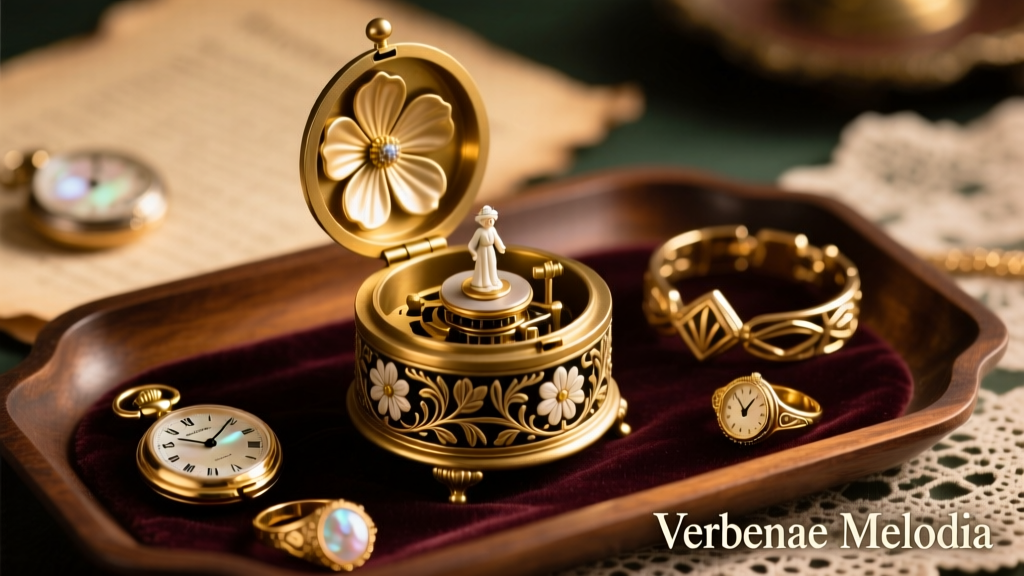
The Verbena Music Box: A Rare 19th-Century Swiss Masterpiece of Horology and Melodic Craftsmanship
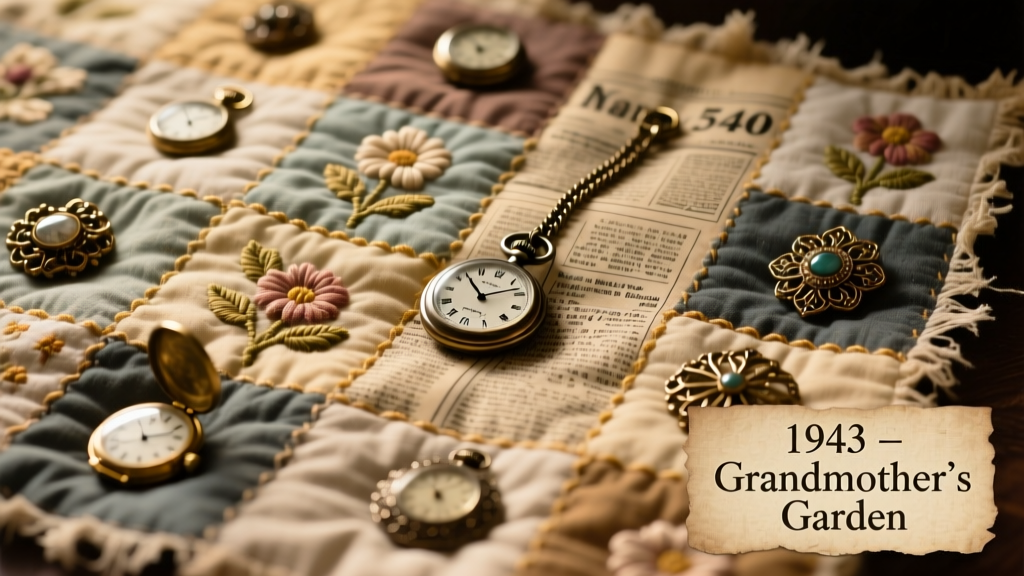
Grandmother's Flower Garden Quilt: A 1930s Newspaper-Backed Masterpiece Measuring 78 × 58 Inches
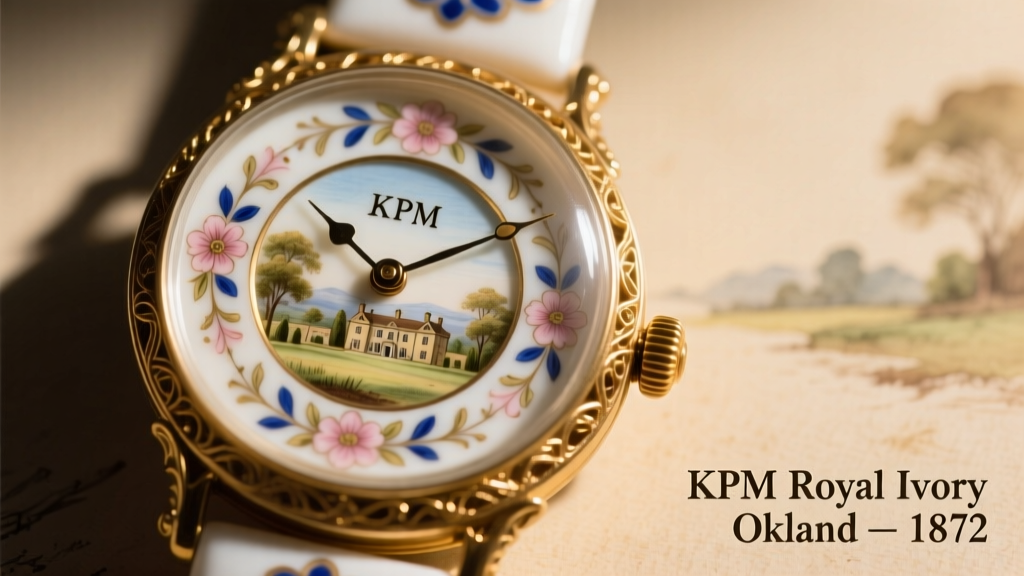
KPM Royal Ivory Oakland: Unraveling the Legacy of a Rare American China and Glass Studio
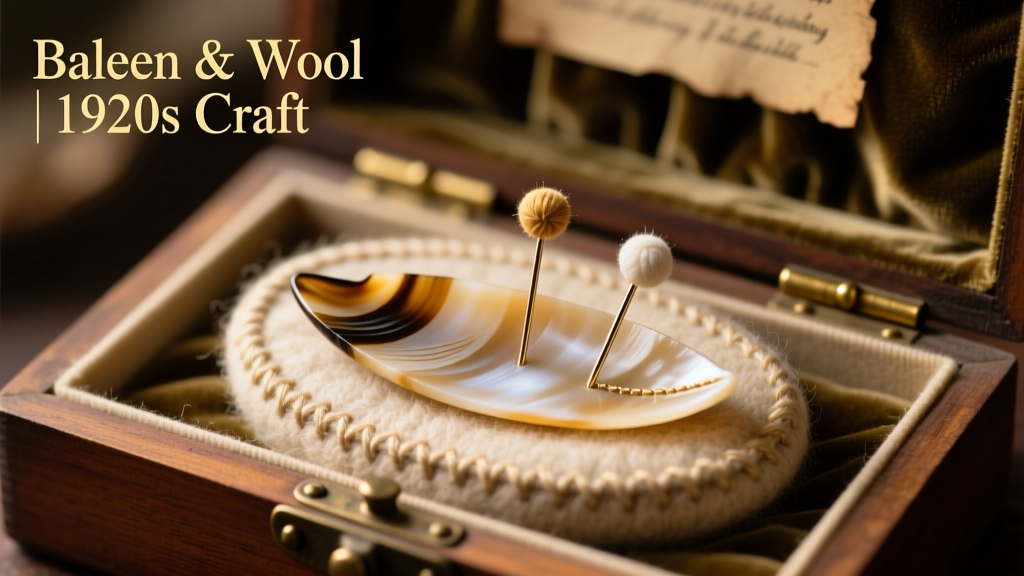
Baleen Boxes: The Rare 3-Finger Pincushion Insert with Wool-Covered Oval Base (4¼") — A Collector’s Study
The French Fry Sled Cutter: A Study in Vintage Kitchen Utility and American Craftsmanship
Hobnail Toothpick Daisy Button in Canary Opalescence: A Rare 1885 American Art Metal Brooch Measuring 3 × 2 Inches
The Majolica Bread Tray Pineapple: A Victorian Icon of Ceramic Craft and Culinary Display