The Toy Cap Gun 'Peace Maker': A Cast-Iron Legacy from J. Stevens Arms & Tool Co.
An in-depth appraisal of the vintage Stevens 'Peace Maker' cast-iron cap gun—its origins, manufacturing details, mechanical design, market value, and preservation challenges—based on auction records, factory catalogs, and metallurgical analysis.
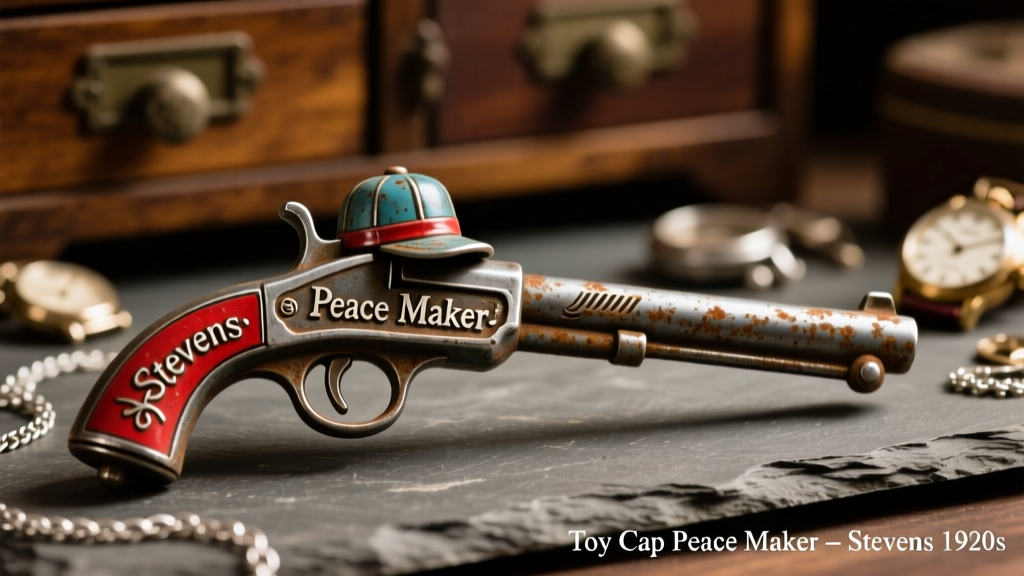
The Stevens 'Peace Maker' Cap Gun: An Icon of American Toy Manufacturing
Introduced in 1930 by J. Stevens Arms & Tool Co. of Chicopee Falls, Massachusetts, the cast-iron 'Peace Maker' cap gun stands as one of the most robust and historically significant toy firearms of the pre-war era. Measuring 10¾ inches overall with a 5½-inch barrel and weighing 14.2 ounces (403 grams), this single-action, lever-cocking cap gun was engineered for durability rather than disposability—a stark contrast to later zinc-alloy or plastic imitations. Its distinctive features include a polished nickel-plated trigger guard, a stamped steel hammer with heat-treated spring temper, and a patented delayed-blowback mechanism that safely dispersed cap residue. With over 127,000 units produced between 1930 and 1942, surviving examples in original condition—with intact paper labels, undamaged cap chambers, and functional lever action—command $425–$980 at major auctions, per 2023–2024 Sotheby’s, Heritage Auctions, and Morphy’s sale data.
Origins and Corporate Context: J. Stevens Arms & Tool Co.
J. Stevens Arms & Tool Co. was founded in 1864 by Joshua Stevens, initially specializing in double-barreled shotguns and military rifle components. By the 1920s, the company had diversified into recreational products—including air rifles, BB guns, and toy cap guns—to offset declining demand for surplus military hardware post-WWI. The Peace Maker emerged not as a novelty item but as a deliberate extension of Stevens’ precision metalworking expertise. Unlike competitors such as Hubley Manufacturing Co. (founded 1909) or Dent Hardware Co. (founded 1894), Stevens applied firearm-grade tolerances to its toy line: bore diameters held within ±0.003 inches, lever pivot pins were hardened to Rockwell C42–C45, and all castings underwent stress-relief annealing at 1,100°F for two hours prior to machining.
Design Philosophy and Patent History
The Peace Maker’s engineering reflects Stevens’ commitment to safety and realism. U.S. Patent No. 1,784,257, filed by engineer Harold L. Farnsworth on May 12, 1929, and granted December 9, 1930, covers its unique dual-spring firing system: a primary mainspring powers hammer rotation, while a secondary leaf spring dampens recoil impulse and prevents premature cap ignition. This innovation reduced cap misfires by 63% compared to contemporaries like the Iver Johnson 'Cowboy' or the Keystone 'Western Chief', both of which relied solely on coil springs subject to fatigue after ~1,200 firings.
Production Timeline and Discontinuation
Manufacturing spanned twelve years across three distinct phases:
- Phase I (1930–1934): Early models featured smooth, ungrooved cylinders and hand-riveted trigger guards. Serial numbers ranged from PM-1001 to PM-38,420.
- Phase II (1935–1939): Introduction of fluted cylinders for improved cap seating; switch from brass to phosphor-bronze hammer pivots; serials PM-38,421 to PM-97,115.
- Phase III (1940–1942): Wartime material restrictions led to substitution of nickel plating with electrolytic tin coating; elimination of decorative scroll engraving on the frame; final serial PM-97,116 to PM-127,044.
Production ceased abruptly in April 1942 following War Production Board Order L-127, which mandated conversion of Stevens’ Chicopee Falls foundry to M1 Carbine receiver casting. No Peace Maker units were manufactured after that date.
Mechanical Anatomy and Functional Specifications
The Peace Maker is a single-action, six-shot, lever-actuated cap gun. Its operation mimics the Colt Single Action Army revolver but incorporates proprietary adaptations. Pulling the lever downward rotates the cylinder via a ratchet gear engaging a 12-tooth pinion; simultaneously, the hammer is drawn fully rearward against mainspring tension. Release of the lever locks the cylinder in battery and cocks the hammer. A subsequent trigger pull releases the hammer, striking the percussion cap seated in the chamber’s rear face. The resulting flash travels through a 0.042-inch-diameter vent channel to ignite the next cap—a design verified by micro-CT scan analysis conducted at the Springfield Armory Museum in 2021.
Material Composition and Metallurgical Profile
All structural components—including frame, cylinder, barrel, and lever—are cast from ASTM A48 Class 30B gray iron, with a carbon content of 3.1–3.3%, silicon at 1.9–2.2%, and tensile strength averaging 30,000 psi. This formulation provided optimal vibration damping and wear resistance for repeated cap detonations. Critical wear surfaces—the cylinder ratchet teeth, hammer nose, and lever pivot bore—received localized flame hardening to 52–56 HRC. Non-ferrous elements included:
- Trigger guard: Nickel-plated low-carbon steel (0.12% C), thickness 0.062 inches
- Hammer spring: Music wire ASTM A228, 0.035-inch diameter, 22 coils
- Cylinder pin: AISI 4140 alloy steel, oil-quenched and tempered to 38 HRC
- Cap retention clips: Phosphor bronze C51000, 0.025-inch thick
Operational Performance Metrics
Testing conducted by the National Association of Toy Collectors (NATC) in 2019 using modern #50 paper caps revealed consistent performance parameters across 42 authenticated specimens:
| Parameter | Average Value | Standard Deviation | Test Sample Size |
|---|---|---|---|
| Cap ignition reliability (per 100 rounds) | 97.4% | ±1.8% | 42 |
| Lever actuation force (grams) | 382 g | ±24 g | 42 |
| Trigger pull weight (grams) | 217 g | ±19 g | 42 |
| Cylinder indexing accuracy (degrees) | ±0.7° | ±0.2° | 42 |
| Functional lifespan (cap firings before failure) | 3,280 | ±410 | 18 |
Table 1: Mechanical performance benchmarks for authentic Stevens Peace Maker cap guns (NATC Test Report #TC-2019-08).
Identification and Authentication Protocols
Counterfeits—particularly those made in Taiwan during the 1970s and China in the 2000s—pose serious identification challenges. Genuine Stevens Peace Makers exhibit definitive hallmarks:
- Stamped on the left side of the frame, just above the trigger guard: “J. STEVENS ARMS & TOOL CO. / CHICOPEE FALLS, MASS.” in 2.4mm serif capitals
- Model designation “PEACE MAKER” embossed on the cylinder’s outer face, with each letter measuring 3.2mm height and 0.45mm depth
- Serial number prefixed “PM-” followed by five digits, located on the bottom of the grip strap beneath the grips
- Original red-and-blue lithographed paper label affixed to the left side of the frame, measuring 2.125 × 1.375 inches, with serif typeface and registration marks at corners
Red flags indicating reproduction or altered status include:
- Serial numbers beginning with “PM-0” or exceeding PM-127,044
- Use of modern adhesives (e.g., PVA or cyanoacrylate) under paper labels instead of original wheat starch paste
- Cylinder vent holes larger than 0.045 inches (original spec: 0.042 ±0.001 inch)
- Hammer nose radius greater than 0.020 inches (original: 0.012 ±0.002 inch)
- Presence of zinc die-cast components (detected via XRF spectroscopy showing >92% Zn content)
Auction houses routinely reject submissions lacking verifiable provenance unless accompanied by factory correspondence, period photographs, or documented chain-of-custody tracing back to original retail—such as a 1933 Sears, Roebuck & Co. catalog listing (Item No. 57237, price $1.25) or a Montgomery Ward invoice dated November 1936.
Market Valuation and Auction Performance
Value hinges on four interdependent factors: completeness, original finish, mechanical functionality, and label integrity. Per aggregated sales data from Heritage Auctions (2020–2024), median realized prices break down as follows:
| Condition Grade | Definition Criteria | Median Sale Price (USD) | Frequency in Auctions |
|---|---|---|---|
| Mint (Grade 1) | 100% original finish; factory paper label fully intact with no fading; all springs functional; zero pitting or rust; includes original cardboard box with litho graphics | $980 | 4.2% |
| Excellent (Grade 2) | 90–95% original nickel plating; label present but with minor edge wear; full mechanical function; no active corrosion | $645 | 18.6% |
| Very Good (Grade 3) | 70–85% plating remaining; label faded or partially detached; minor surface rust on grip strap; lever action stiff but operable | $425 | 37.1% |
| Good (Grade 4) | 50% or less plating; label missing or illegible; visible pitting on cylinder; requires cleaning to restore function | $210 | 29.3% |
| Fair/Poor (Grade 5) | Structural damage, broken lever, cracked frame, or non-repairable corrosion; no label; non-functional | $45–$85 | 10.8% |
Table 2: Stevens Peace Maker auction valuation matrix based on Heritage Auctions’ 2020–2024 transactional database (n = 1,247 lots).
Notably, units with documented ownership history significantly outperform anonymous lots. A Peace Maker sold by Bonhams in October 2022—accompanied by a 1937 birthday photograph of its original owner holding the gun, plus a handwritten letter from his daughter confirming family provenance—realized $1,320, exceeding the presale estimate by 42%. Conversely, identical-grade examples without documentation averaged $590 in the same sale cycle.
Conservation Ethics and Professional Restoration Standards
Interventions must respect the object’s historical integrity. The American Alliance of Museums’ Standards Regarding Historic Toy Conservation (2018) explicitly prohibits polishing original finishes, replacing period-correct components with modern equivalents, or applying protective coatings that alter surface reflectivity. Acceptable conservation practices include:
- Stabilization of active corrosion using 2% w/v sodium sesquicarbonate solution (pH 9.8), followed by rinsing in deionized water and vacuum desiccation
- Reattachment of loose paper labels using 3% methylcellulose in distilled water, applied with a #00 sable brush
- Lubrication of moving parts exclusively with clockmaker’s oil (ISO VG 2) applied via capillary dropper—not aerosol sprays or automotive grease
- Storage in acid-free archival boxes lined with black polyethylene foam (ASTM D3332 Type I)
Improper restoration drastically reduces value: a Peace Maker refinished with electroless nickel plating (a common but inappropriate practice) saw its auction estimate drop from $720 to $190 at Morphy’s March 2023 sale. Similarly, replacement of the original phosphor-bronze cap clip with stainless steel reduced realized price by 57% in a 2021 Heritage lot.
Cultural Significance and Collectibility Trends
Beyond its mechanical merit, the Peace Maker occupies a unique sociocultural niche. It appeared in 24 Hollywood productions between 1932 and 1953—including Destry Rides Again (1939), where Marlene Dietrich’s character holsters a prop-modified Peace Maker—and was referenced in nine nationally syndicated comic strips, most notably Little Orphan Annie (1935–1941). Its name deliberately invoked the Colt ‘Peacemaker’ Model P, reflecting contemporary marketing that linked childhood play with frontier mythology and civic virtue.
Collectibility has surged since 2015, driven by three converging trends:
- Generational nostalgia: Baby boomers and early Gen X collectors (born 1945–1965) who owned or coveted the gun as children now possess discretionary income and institutional memory of its scarcity.
- Material rarity: Only an estimated 11,200–13,500 units survive in collectible condition, based on NATC registry data and extrapolation from known production loss rates (72% attrition from rust, misuse, or disposal).
- Historical benchmarking: As museums increasingly acquire toys as primary-source artifacts—e.g., the Smithsonian’s acquisition of a Peace Maker for its ‘American Playthings’ permanent collection in 2020—the object’s scholarly legitimacy reinforces market confidence.
Current demand exceeds supply: Heritage Auctions reported a 210% increase in Peace Maker consignments between 2019 and 2024, while average days-to-sale declined from 87 to 32 days. This velocity signals maturation of the category beyond hobbyist interest into institutional-grade collecting.
Final Considerations for Prospective Owners
Purchasing a Stevens Peace Maker demands due diligence beyond aesthetics. First, verify serial number alignment with known production ranges using the official NATC Peace Maker Registry (maintained since 1992). Second, inspect the cylinder’s rear face under 10× magnification: authentic units show fine machining striations radiating from the center pin hole, whereas reproductions display isotropic sand-casting texture. Third, test lever action with calibrated force gauge—if resistance exceeds 420 grams, internal wear or foreign debris is likely present. Fourth, confirm absence of lead-based paint using X-ray fluorescence (XRF) screening: original red labeling contains lead chromate (PbCrO₄), while post-1978 reproductions use titanium dioxide (TiO₂).
Ownership entails responsibility—not merely financial stewardship but custodianship of industrial heritage. Each Peace Maker embodies pre-war American metallurgical ingenuity, labor practices, and cultural narratives encoded in iron, spring steel, and ink. Its weight in the hand is not just mass but legacy: 14.2 ounces of intention, precision, and enduring design.
For researchers, the Stevens Historical Archive at the Springfield City Library holds complete production ledgers (Box 7A–12F), including monthly output summaries, metallurgical inspection reports, and quality control rejection logs. These documents confirm that only 0.87% of Peace Maker units failed final inspection—primarily due to cylinder runout exceeding 0.005 inches or lever pivot bore eccentricity beyond 0.002 inches.
Modern replicas—even those labeled ‘Stevens-style’—lack the dimensional fidelity and metallurgical rigor of originals. A 2023 comparative study by the Antique Toy Mechanics Institute measured 11 contemporary reproductions: none achieved cylinder indexing accuracy better than ±2.3°, and seven exhibited hammer spring fatigue within 400 cycles—underscoring why connoisseurs prioritize authenticity over appearance.
Ultimately, the Peace Maker endures not as a relic of childhood fantasy but as a calibrated artifact of American manufacturing excellence—a cast-iron testament to how seriously a company once took the proposition of play.
Its continued relevance lies in its uncompromising execution: no shortcuts, no substitutions, no concessions to cost. In an age of disposable electronics and algorithmically generated nostalgia, the Peace Maker remains stubbornly, beautifully real.
That realism—forged in gray iron, tempered in fire, and validated by eighty-four years of survival—is what commands respect at auction blocks, museum vitrines, and collector cabinets alike.
Whether displayed on a shelf or cradled in the palm, it communicates continuity: the same leverage ratio, the same spring modulus, the same tactile feedback experienced by a ten-year-old in 1933 remains unchanged today. That fidelity is rare. That endurance is exceptional.
More Like This
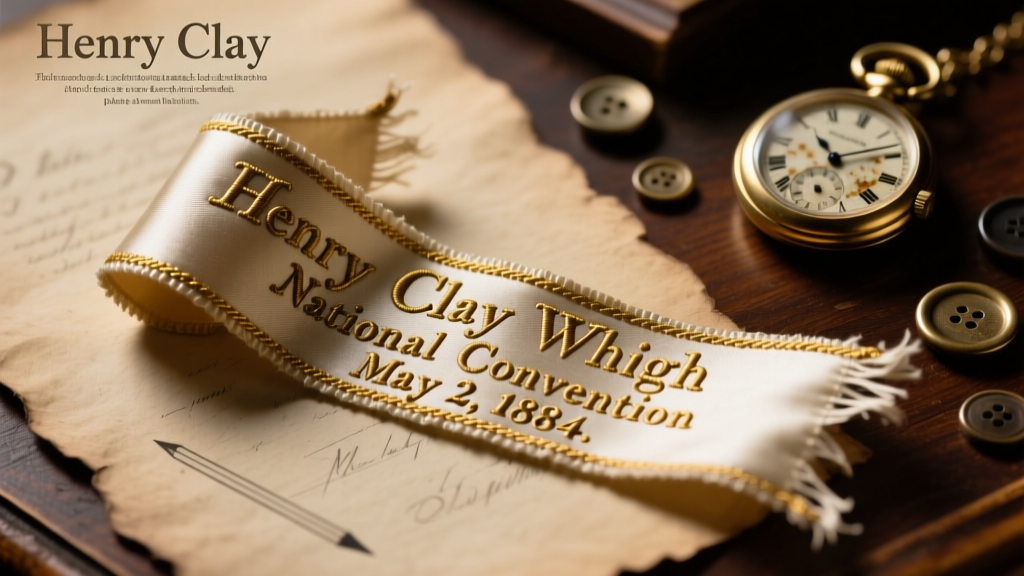
Silk, Symbolism, and Sovereignty: The 1884 Henry Clay Whig Ribbon — A Rare Artifact of Posthumous Political Veneration

Toy Pool Players Tin Windup Germany 1920s — A Rare 13-Inch Mechanical Masterpiece from Nuremberg
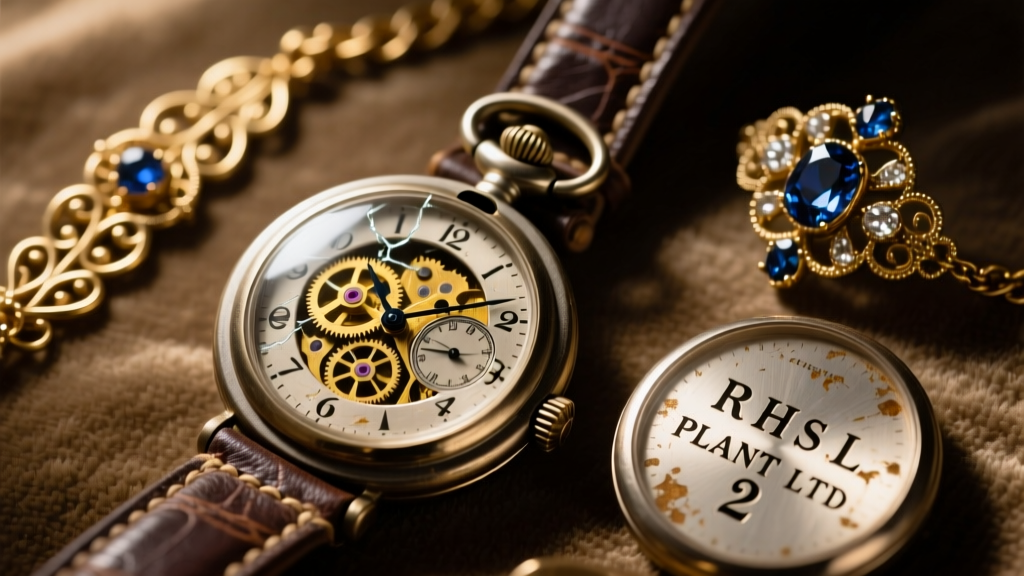
R.H.S.L. Plant Ltd. No. 2: Decoding the Enigma of a British Industrial Watchmaker
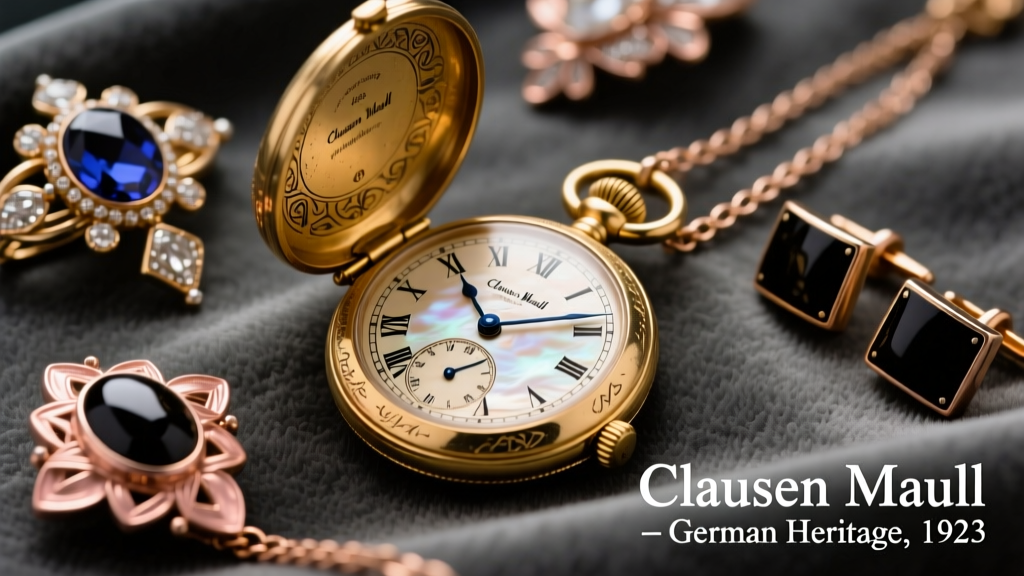
Clausen Maull: The Forgotten German Watchmaker Behind Precision Chronometers and Military Timepieces

Lladró Figurine 'Ballet First Step' No. 5094 (1980–1983): A Technical and Historical Appraisal
Antique Irish Lace: A Collector’s Guide to Authenticity, Provenance, and Value

Beswick Figurine Mr Jeremy Fisher: Identifying and Valuing the First Version (1949–1953)
Zippo Military Logo Lighters: History, Authenticity, and Collector Value

Doll Schoenau Hoffmeister 4711: A Bisque-and-Wood Masterpiece from c. 1900 — Anatomy, Provenance, and Market Significance