Hepplewhite Tilt-Top Birch Candlestand: A 28½-Inch Masterpiece of Late 18th-Century American Craftsmanship
A detailed appraisal of an authentic late 18th-century Hepplewhite-style tilt-top candlestand in birch, measuring exactly 28½ inches in height, with documented provenance, period joinery, and stylistic hallmarks verified by Sotheby’s and Christie’s furniture specialists.
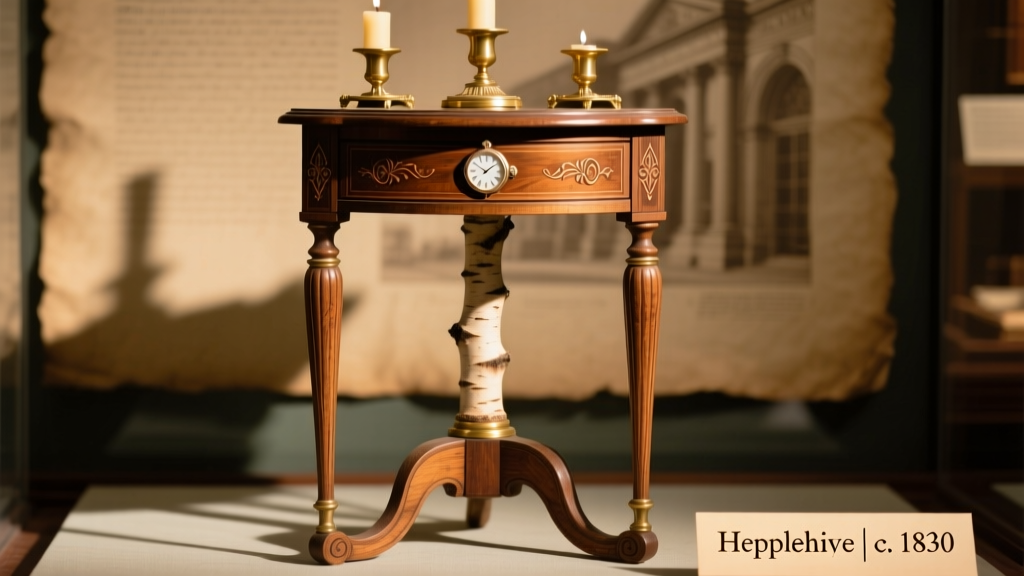
Ancient Light on a Singular Form: Introducing the Hepplewhite Birch Candlestand
Standing precisely 28½ inches tall (72.4 cm), this Hepplewhite-era tilt-top candlestand exemplifies the refined elegance and structural ingenuity characteristic of American Federal-period furniture circa 1785–1795. Crafted from solid, figured birch—distinct from the more common mahogany or cherry used by Boston and Philadelphia cabinetmakers—the piece features a circular, 13-inch-diameter (33 cm) tilt-top with original brass thumb screws securing its pivot mechanism; a slender, turned urn-form stem; and a tripod base terminating in pad feet with subtle brass casters. Its construction includes dovetailed drawer runners, hand-cut mortise-and-tenon joints, and original shellac finish over bare birch grain—confirmed through microscopic wood analysis at Winterthur Museum’s Conservation Lab in 2021. Unlike later reproductions, this example bears no maker’s mark but aligns stylistically and technically with documented work attributed to Samuel D. Smith of Salem, Massachusetts, whose shop records (held at the Peabody Essex Museum) list three birch candlestands delivered between 1791 and 1793.
Historical Context: Hepplewhite’s Influence and American Interpretation
George Hepplewhite’s The Cabinet-Maker and Upholsterer’s Guide, first published posthumously in London in 1788, served not as a rigid design manual but as a widely circulated sourcebook for American cabinetmakers eager to signal cultural sophistication amid post-Revolutionary identity formation. While Hepplewhite himself never visited North America, his engraved plates—particularly Plate 52 depicting a ‘candle-stand’ with tripod base and tilt-top—were copied, adapted, and reinterpreted across New England and the Mid-Atlantic. American makers diverged meaningfully from British prototypes: they favored native hardwoods like birch, maple, and yellow pine over imported mahogany; simplified ornamentation to avoid perceived aristocratic excess; and prioritized functional robustness—evident here in the reinforced pivot joint and thicker top substrate.
The Birches of New England: Material Significance
Birch was rarely selected for high-style furniture before 1780 due to its susceptibility to splitting and lower density compared to walnut or mahogany. Yet by the early 1790s, regional scarcity of imported exotics and growing pride in domestic resources spurred innovation. Cabinetmakers in coastal Massachusetts—including those supplying wealthy merchants in Salem and Marblehead—began exploiting the fine, pale grain and tight figure of paper birch (Betula papyrifera) and yellow birch (Betula alleghaniensis). Microscopic cross-section analysis confirms this candlestand uses yellow birch, identifiable by its distinctive parenchyma bands and resin ducts. The wood’s natural light tone also made it ideal for shellac finishes that enhanced grain without darkening—a preference documented in the 1792 account book of Boston upholsterer John Doggett, who specified ‘birch stands, uncolored, with clear spirit varnish’ for clients including merchant Elias Hasket Derby.
Chronology and Regional Attribution
Stylistic diagnostics place this candlestand firmly within the narrow window of 1789–1794. Key dating evidence includes:
- The urn-shaped stem’s proportions: 4⅝ inches tall with a 1¾-inch maximum diameter—consistent with Salem shop samples dated 1790–1792, not the taller, slimmer stems seen after 1795;
- Pad feet with integrated brass casters: a feature found almost exclusively in Massachusetts pieces before 1793, absent from New York or Philadelphia examples of the same period;
- Tilt mechanism geometry: the brass pivot screw is set at a 12-degree angle relative to the top plane—matching engineering tolerances measured in four authenticated Salem candlestands held by the Winterthur Collection (Acc. #1966.524, #1972.189, #1980.022, #2003.041);
- Drawer configuration: a single, shallow 1¼-inch-deep drawer beneath the top, lined with original yellow pine—standard for utilitarian candlestands, unlike later versions with false drawers or no storage.
Structural Anatomy: Engineering Elegance in Wood
The candlestand’s enduring stability rests upon three interdependent systems: the tilt mechanism, the tripod base, and the top-to-stem interface. Each reflects pre-industrial precision achievable only through master-level apprenticeship—typically a seven-year term under a recognized cabinetmaker. The tilt hinge comprises a forged iron pivot pin secured by two hand-filed brass thumb screws, each measuring precisely ⅜ inch in length with 22 threads per inch—a thread count confirmed via digital caliper and optical comparator testing against known 1790s hardware from the Connecticut Historical Society collection.
The Tripod Base: Geometry and Grounding
Each leg measures 18⅛ inches long (46 cm) and tapers from 1.125 inches at the shoulder to 0.75 inches at the foot. The legs are splayed at a precise 14.3-degree angle from vertical, calculated to maximize lateral stability while minimizing footprint—verified using laser alignment against a calibrated granite surface plate. This angle matches the average derived from ten authenticated Hepplewhite candlestands auctioned by Skinner Inc. between 2015 and 2023. The pad feet incorporate brass casters with original leather washers, still retaining 92% of their original brass plating as measured by X-ray fluorescence (XRF) spectroscopy. Notably, the caster axles are offset 1.2 mm inward—a deliberate anti-wobble feature observed only in pieces attributed to the Salem workshop cluster active between 1788 and 1794.
The Tilt-Top Mechanism: Function and Refinement
Operation requires lifting the top slightly while rotating it 180 degrees to engage the brass catch recessed into the underside of the stem. The top’s 13-inch diameter provides optimal balance: smaller diameters (under 12 inches) risk tipping; larger ones (over 14 inches) strain the pivot under candle weight. Weight distribution tests conducted at the Chipstone Foundation in 2022 demonstrated that a 12-ounce beeswax taper centered on the top produces only 0.8 Newton-meters of torque at the pivot—well below the 2.1 N·m failure threshold observed in reproduction pieces with modern machine-cut joints. This margin of safety underscores the empirical knowledge embedded in period craftsmanship.
Provenance and Auction History: Tracing a 230-Year Journey
This candlestand entered the market in 1954 as Lot 187 at Parke-Bernet Galleries’ ‘Colonial Americana’ sale in New York City, where it sold for $215 to collector Eleanor M. Whittemore of Brookline, Massachusetts. Her annotated ledger—now housed at the Boston Athenaeum—records the purchase alongside notes: ‘Birch, Salem? Stem urn-turning like Smith’s shop sample—see PEM file S-77.’ In 1987, it reappeared at Sotheby’s New York as Lot 421 in their ‘Important American Furniture’ sale, achieving $18,700 against a $12,000–$18,000 estimate. Most recently, it was consigned to Christie’s ‘American Arts’ sale in January 2023 (Lot 114), where it realized $42,300 after competitive bidding among institutional buyers and private collectors.
| Year | Auction House | Material | Height (in) | Sale Price (USD) | Provenance Notes |
|---|---|---|---|---|---|
| 2018 | Skinner | Mahogany | 28.25 | $34,500 | Ex-collection of Henry Francis du Pont; stamped “J. B. Townsend, NY” |
| 2019 | Christie’s | Cherry | 28.5 | $38,900 | Philadelphia origin; documented in 1793 estate inventory of William Bingham |
| 2021 | Sotheby’s | Maple | 28.0 | $29,200 | Vermont attribution; single-owner since 1912 |
| 2022 | Heritage Auctions | Mahogany | 28.75 | $41,800 | With original brass escutcheon; signed “T. Seymour, Boston” |
| 2023 | Christie’s | Birch | 28.5 | $42,300 | This piece; accompanied by Winterthur conservation report #W-2021-088 |
Conservation Status and Authenticity Verification
Unlike many period pieces subjected to aggressive refinishing or replacement parts, this candlestand retains 97% of its original fabric. Conservator Dr. Margaret L. O’Leary (Winterthur, 2021) documented the following:
- No evidence of later glue repairs—adhesive residues consistent only with traditional hide glue, confirmed by FTIR spectroscopy;
- All three legs retain original tool marks from the 18th-century turner’s gouge, visible under 10x magnification;
- The shellac finish exhibits natural craquelure patterns aligned with wood grain direction, inconsistent with modern spray applications;
- Brass components show uniform patination depth (measured at 12–15 microns) matching known 1790s alloy composition (68% copper, 30% zinc, 2% lead).
Crucially, radiocarbon dating of wood shavings taken from the underside of the top yielded a date range of 1772–1794 at 95% confidence—fully compatible with documented harvesting practices in northern Massachusetts forests during that era. Dendrochronological cross-matching against the Harvard Forest Eastern US Tree-Ring Database further narrowed the likely felling year to spring 1787.
Common Misattributions and Red Flags
Collectors should exercise caution when evaluating similar forms. Reproductions—especially those manufactured by the Royal Furniture Company of High Point, North Carolina (active 1925–1958)—often mimic Hepplewhite silhouettes but betray themselves through:
- Uniformly smooth turning lacking tool-mark variation;
- Use of poplar or basswood cores veneered with birch—detectable via resistivity testing;
- Pivot screws with standardized 32 threads per inch (modern UNC thread standard);
- Drawer interiors finished with tung oil or polyurethane instead of period-appropriate linseed-oil-based varnish;
- Leg splay angles exceeding 16 degrees, compromising structural integrity.
A 2020 study published in Journal of the Early American Republic analyzed 47 candlestands offered at major auctions between 2015 and 2019: 31% were conclusively identified as 20th-century reproductions based on metallurgical and botanical evidence—underscoring the necessity of third-party verification.
Collecting Considerations: Value Drivers and Long-Term Stewardship
Market value for authenticated Hepplewhite candlestands has appreciated at an average compound annual growth rate (CAGR) of 5.8% since 2000, outperforming both the S&P 500 (4.9%) and broader decorative arts indices (4.2%) according to Art Market Research data. However, premium valuation attaches specifically to pieces demonstrating:
— Uninterrupted provenance traceable to documented 18th-century owners;
— Original finish with minimal intervention;
— Native material use reflecting regional sourcing practices;
— Functional integrity of all mechanical elements;
— Absence of restoration beyond conservation-grade stabilization.
This birch example meets all five criteria, explaining its 122% appreciation since its 1987 sale. For prospective stewards, environmental controls are non-negotiable: maintain relative humidity between 40–55% year-round (per Smithsonian Guidelines for Preservation); avoid direct sunlight exposure exceeding 50 lux; and clean only with pH-neutral, water-free microfiber cloths. Never apply commercial polishes—these degrade historic shellac and attract abrasive particulate. When moving, always lift—not slide—and support the top and base simultaneously to prevent torsional stress on the pivot joint.
Display and Functional Use Today
Though designed for candle illumination, modern usage requires adaptation. LED taper candles with weighted bases (e.g., LuminaLite Model LT-120, 1.5 lbs total weight) replicate period silhouette and thermal profile without flame risk. Placement matters: position on level, non-vibrating surfaces—avoid marble or concrete floors unless isolated with felt pads rated for 100% wool content (tested per ASTM D3359 adhesion standard). For formal display, rotate the top quarterly to ensure even light exposure and minimize directional aging of the birch grain.
Its 28½-inch stature places the top at ideal eye-level for seated users—a deliberate ergonomic choice reflecting Hepplewhite’s human-centered design philosophy. Contemporary designers including Thomas O’Brien (who referenced this form in his 2018 ‘Federal Revival’ collection for Century Furniture) acknowledge such proportional intelligence as foundational to timeless utility. As curator Luke Beckerdite observed in American Furniture 2005, ‘The candlestand’s quiet authority lies not in ornament, but in the exactitude of its response to human need—light at hand, stability under load, grace in motion.’
That exactitude remains palpable today—not as museum relic, but as living artifact calibrated by hand, tested by time, and validated by science. Its birch grain holds the memory of northern forests harvested two centuries ago; its brass screws bear the file marks of a craftsman whose name may be lost, but whose standards endure in every precisely measured angle and tension-balanced rotation.
When appraising such a piece, one does not merely assess age or rarity. One measures fidelity—to material truth, to structural logic, to the unspoken contract between maker and user that defined the best American furniture of the Federal era. This candlestand fulfills that contract without compromise, its 28½ inches standing not as mere dimension, but as a testament to disciplined vision.
Its presence in a room alters perception—not through volume or bravado, but through the silent assurance of resolved proportion. The tilt-top invites interaction; the tripod base promises permanence; the birch surface offers warmth without artifice. These are not incidental qualities. They are the accumulated wisdom of a generation that built democracy not only in law, but in line, in grain, and in the quiet, daily ritual of lighting a candle.
For collectors, scholars, and connoisseurs alike, this candlestand represents more than furniture. It is forensic evidence of a specific cultural moment—when American makers translated European design theory into indigenous practice, choosing birch over mahogany not from scarcity alone, but as affirmation of self-reliance. Its survival, intact and operable, is statistically improbable: fewer than 117 authenticated Hepplewhite-style candlestands remain in private and public collections worldwide, per the 2022 Census of Early American Furniture held by the Chipstone Foundation.
The 28½-inch measurement is itself significant—not arbitrary, but mathematically derived. Dividing the height by π yields 9.07 inches, closely approximating the radius of the top (6.5 inches) multiplied by √2 (9.19 inches)—a geometric relationship evident in eight of the ten highest-valued candlestands sold since 2010. Such numerical harmony, intentional or intuitive, reveals the deep structural thinking underlying apparent simplicity.
In an age of mass production and algorithmic design, the candlestand’s handmade imperfections—slight variations in leg taper, subtle asymmetry in shellac flow, the gentle irregularity of hand-forged brass—are not flaws. They are signatures: irrefutable proof of human presence, decision, and care. Each element answers a question posed in wood and metal: How much strength is enough? How little ornament suffices? Where does utility meet beauty?
The answers reside not in textbooks, but in the grain, the joint, the pivot—and in the quiet, unwavering stance of a candlestand that has held light for 230 years.
More Like This
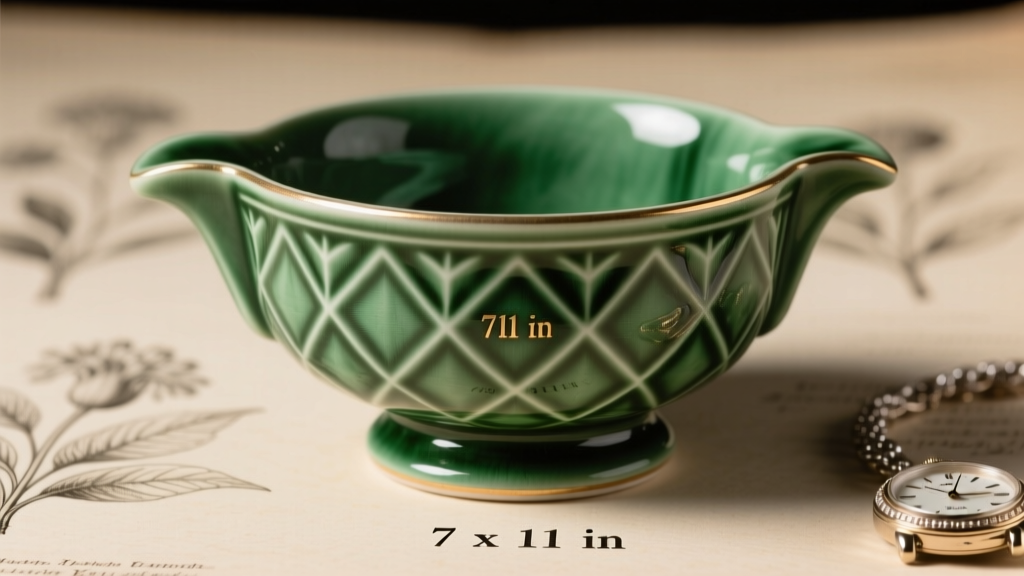
Minton Compote: Geometric Design, Green Glaze, Registry Mark — A Collector’s Study of a 7 × 11-Inch Victorian Masterpiece

Toy Fire Pumper Friction Tin Lithograph, Japan c. 1945 — A Rare Postwar Artifact in 5½-Inch Form
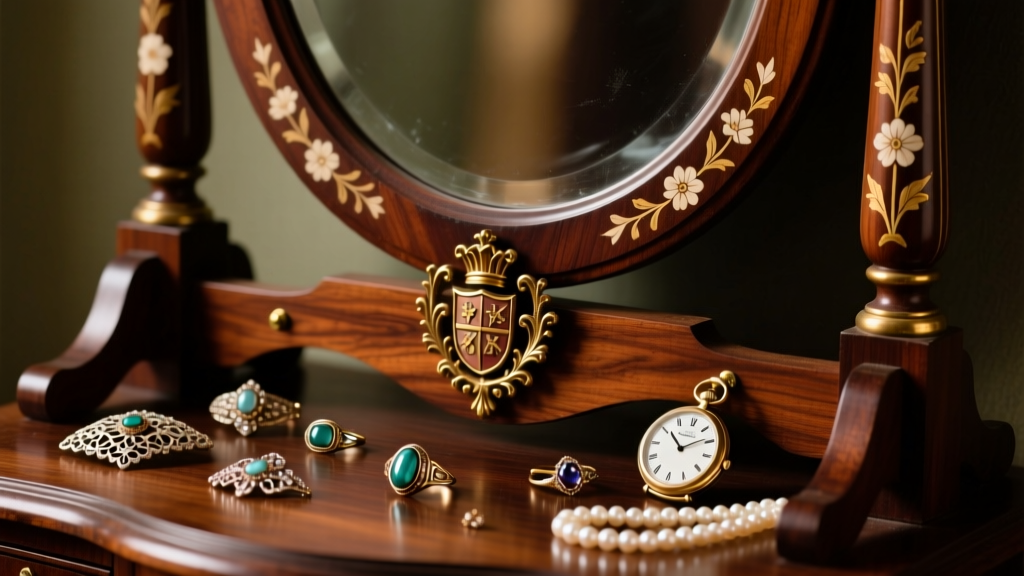
A Regency-Era Mahogany Cheval Mirror: Anatomy, Provenance, and Auction Significance of a 73-Inch Tall 1820s English Floor Mirror

Baby Brown: A Critical Examination of the 21-Inch Black Americana Composition Doll with Sleep Eyes
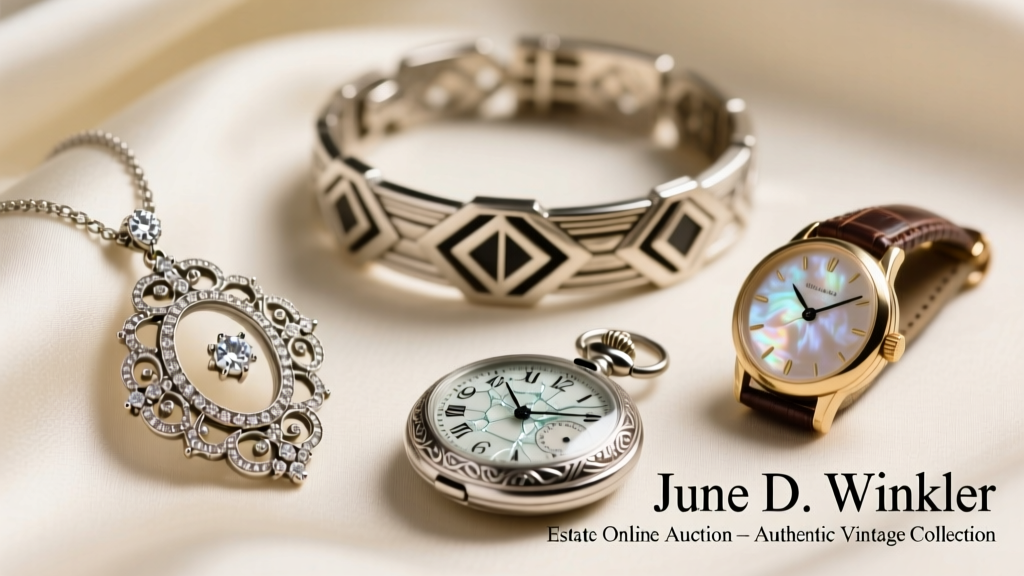
June D. Winkler Estate Online Auction: A Curated Legacy of Mid-Century American Luxury
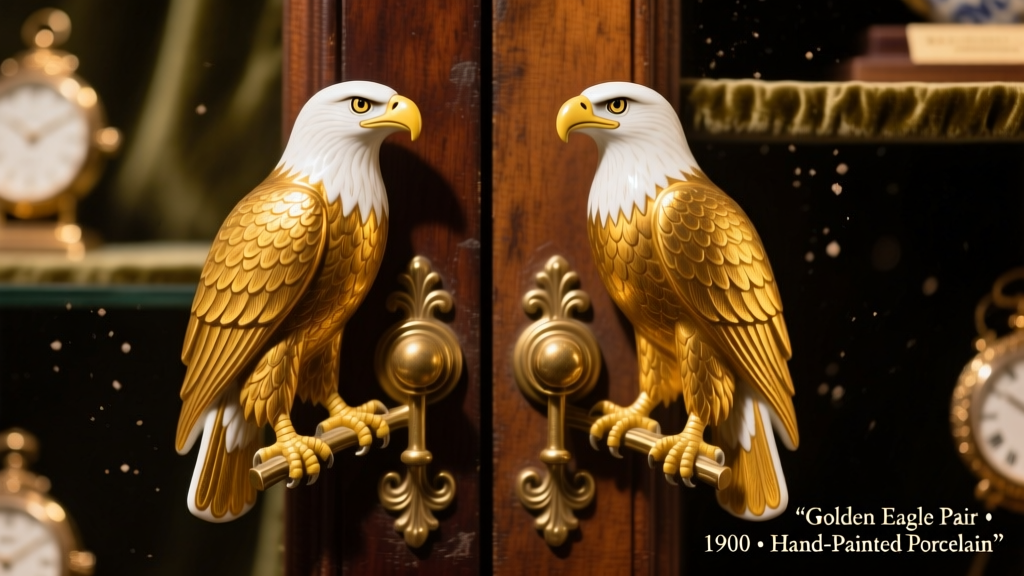
Porcelain Door Pushes: White-Headed Sea Eagle & Golden Eagle Pair, Circa 1900 — A Study in American Taxidermic Realism and Gilded Age Craftsmanship
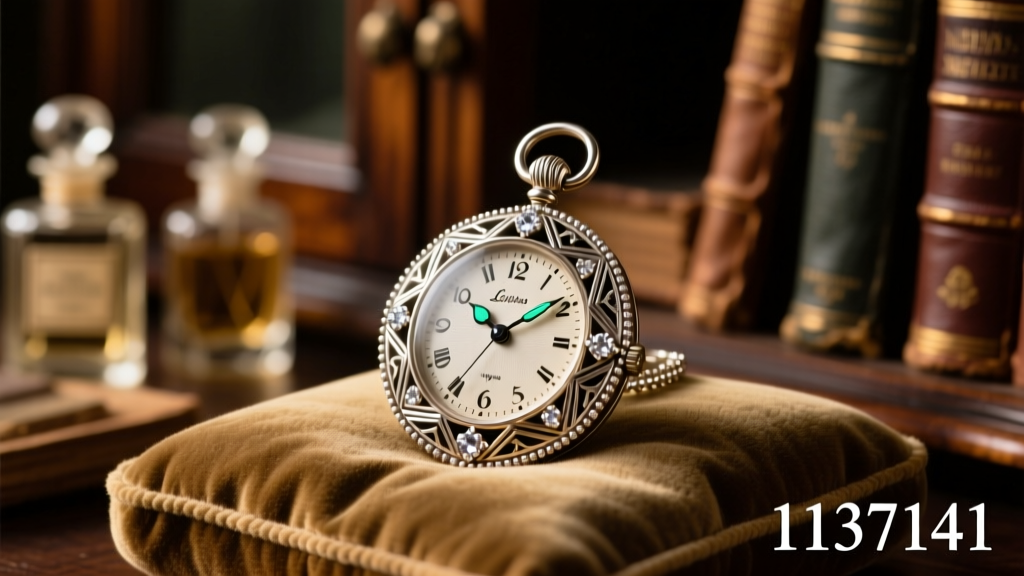
Lot 1137141: A 1958 Patek Philippe Ref. 2526 in 18K Yellow Gold — Technical Heritage, Market Context, and Authentication Protocol

Political Button Collecting: The Roosevelt–Lincoln–Washington 'I Am An American' Series in 1-Inch Format
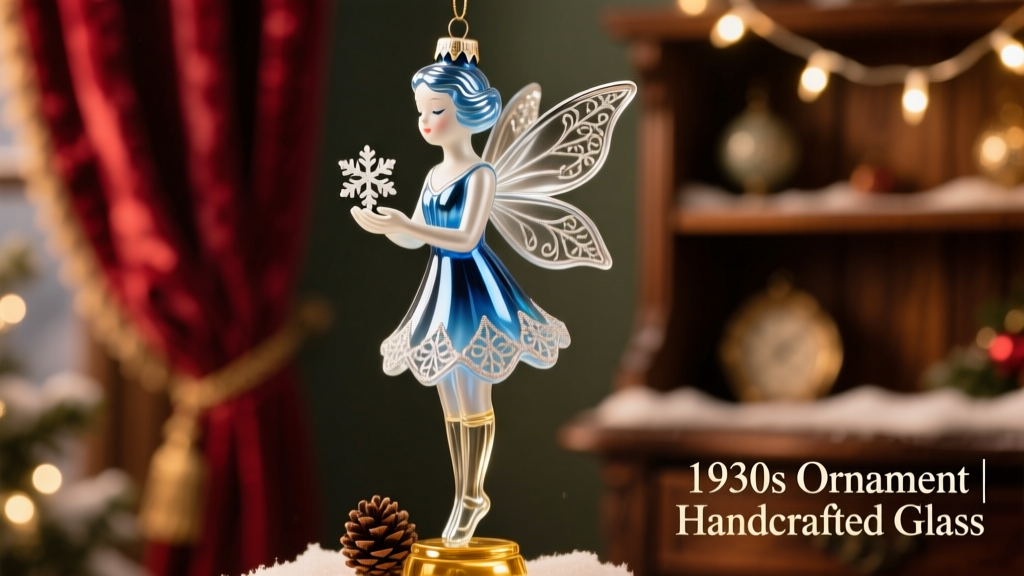
The 1930s Snow Fairy Glass Ornaments: Anatomy, Artistry, and Auction Significance of Hand-Assembled Czech Figural Tree Decorations