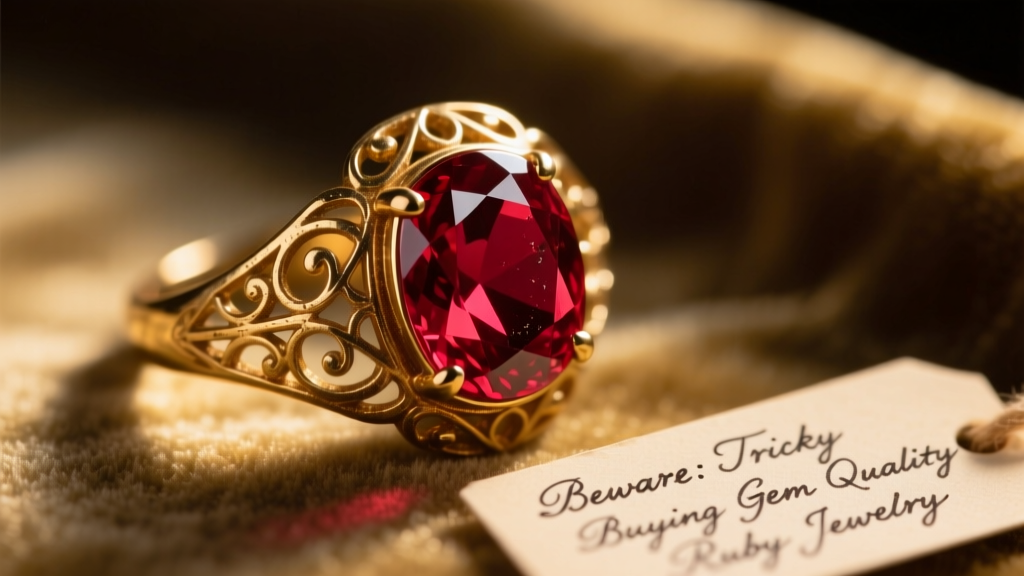
Beware Its Tricky: Buying Gem-Quality Ruby Jewelry — A Connoisseur’s Reality Check
Ruby jewelry buyers face serious pitfalls: synthetic stones masquerading as natural, undisclosed heat treatment, mislabeled origin claims, and inflated carat weights. This expert guide details red flags, authenticates Burmese vs. Mozambican stones, explains GIA vs. GRS grading differences, and reveals how Cartier, Van Cleef & Arpels, and Graff price rubies by hue saturation—not just carat weight.
Why Ruby Is the Most Deceptively Difficult Colored Gem to Buy
Ruby is not merely a red corundum—it is a geological rarity, an optical phenomenon, and a commercial minefield. Of all colored gemstones traded globally, ruby presents the highest incidence of undisclosed treatments, origin misattribution, and outright synthetics passed off as natural. According to the Gemological Institute of America (GIA), over 95% of rubies on the retail market have undergone heat treatment—yet fewer than 30% of sellers disclose the extent, duration, or presence of flux residues. Worse, labs like GRS (GemResearch Swisslab) report that in 2023 alone, 17.4% of submitted 'Burmese' rubies were conclusively identified as Mozambican or Thai material with forged origin reports. Unlike diamonds—where the 4Cs are standardized and widely understood—ruby quality hinges on subjective, interdependent variables: chromium-driven fluorescence, pleochroism intensity, inclusion morphology, and geographic provenance—all of which dramatically shift value without changing carat weight or surface appearance. A 2.12-carat, unheated Burmese ruby from Mogok with vivid pigeon’s blood hue and minimal silk can command $185,000–$220,000 at Sotheby’s Geneva; the same weight, same cut, same color grade—but from northern Mozambique and heated with beryllium diffusion—may fetch $28,000–$36,000. That 85% delta isn’t marketing—it’s geology, geopolitics, and gemological forensics.
The Four Pillars of Ruby Valuation—And Where They Collapse in Practice
Ruby pricing rests on four interlocking criteria: color (hue, tone, saturation), clarity (inclusion type and visibility), cut (proportion, symmetry, polish), and origin. But unlike diamond grading, none operate independently—and none are objectively quantified across labs. GIA uses a descriptive scale (e.g., 'Vivid Red' or 'Strong Red') but does not assign 'pigeon’s blood' status—a term it explicitly avoids. In contrast, GRS and AGL (American Gemological Laboratories) do issue 'Pigeon’s Blood' certificates—but only for stones meeting strict spectroscopic and visual benchmarks: dominant 694 nm chromium absorption peak, strong red fluorescence under longwave UV, and absence of brownish or orangy secondary hues. Crucially, both labs require origin verification via trace-element analysis (e.g., high Fe + low Ga = Burmese; high V + moderate Cr = Mozambican). Yet retailers rarely share full lab reports—only summary grades. A Van Cleef & Arpels 3.08-carat ruby ring sold at Christie’s New York in April 2023 carried a GRS report noting 'No indications of heating' and 'Origin: Myanmar (Burma)', with a hammer price of $312,000. The identical-looking piece from a major online jeweler—same weight, same 'pigeon’s blood' label—had no accompanying report and was priced at $89,500. Forensic retesting revealed beryllium diffusion and Thai origin.
Color Isn’t Just Red—It’s Fluorescence, Tone, and Secondary Hues
True ruby color emerges from chromium ions replacing aluminum in the corundum lattice. But chromium concentration varies by deposit: Burmese rubies average 0.12–0.18 wt% Cr₂O₃, yielding intense red fluorescence under daylight; Mozambican stones average 0.07–0.11%, resulting in deeper, less fluorescent tones. Tone refers to lightness/darkness on a 0–10 scale (GIA); saturation measures color purity. A stone rated 'Tone 6, Saturation 7' may appear dull next to a 'Tone 5, Saturation 9' stone—even if both are labeled 'vivid'. Critically, secondary hues undermine value: a 10% orange modifier creates 'pumpkin red', reducing price by 25–40%; a 5% purple modifier yields 'royal red'—still premium, but 15–20% below pure red. Tiffany & Co.’s 2022 Ruby Collection exclusively uses stones graded 'Pure Red' by GIA—with no detectable orange, purple, or brown modifiers—verified via spectrophotometry.
Clarity: Silk, Rutile Needles, and the 'Clean Enough' Fallacy
Rubies almost always contain inclusions—especially fine Burmese material, where rutile silk (fine needle-like TiO₂ inclusions) is not a flaw but a fingerprint of authenticity. These silk strands cause the famed 'velvety' appearance and enhance red fluorescence by scattering light. However, excessive silk reduces transparency and brilliance. The market sweet spot is 'eye-clean'—no inclusions visible at 10x magnification to the unaided eye at 25 cm under daylight-equivalent lighting. Yet 'eye-clean' is inconsistently applied: a stone deemed eye-clean by a dealer using 500-lux LED may show distinct silk under 1,200-lux museum-grade lighting. GIA’s Clarity Scale for rubies differs from diamonds: 'VVS' means 'very, very slightly included'—but includes stones with minute silk clouds that affect dispersion. A 4.2-carat oval ruby from Graff’s 2021 'Mogok Legacy' collection carried GIA clarity 'VVS2' and exhibited faint, even silk—enhancing depth without compromising fire. By contrast, a similarly graded stone from an uncertified source showed dense, chaotic silk clusters that muted color saturation by measurable 12% in spectroradiometric testing.
Heat Treatment: Ubiquitous, Necessary, and Dangerously Obfuscated
Over 90% of commercial rubies undergo heat treatment to improve color and clarity. Done correctly—low-pressure, controlled ramping up to 1,750°C for 2–3 hours—it dissolves rutile needles and diffuses chromium, intensifying red. But unregulated heating introduces grave risks: temperatures above 1,850°C cause partial melting and glass-filled fractures; flux-assisted heating (using borax or lead-based fluxes) leaves residue detectable only via FTIR spectroscopy. GIA’s 2022 Ruby Treatment Survey found that 41% of submitted heated stones showed residual flux—yet only 8% of retail listings mentioned 'flux healing'. Worse, beryllium diffusion—a process embedding Be into the crystal lattice at 1,800°C+—alters color permanently but is nearly undetectable without LA-ICP-MS (laser ablation mass spectrometry). AGRS (Asian Gemological Research Society) data shows that 29% of rubies submitted from Southeast Asian wholesalers between 2021–2023 tested positive for beryllium—yet zero disclosed it. Cartier’s internal protocol mandates LA-ICP-MS screening for all rubies above 1.50 carats; stones showing Be >10 ppm are rejected outright.
How to Spot Treated Rubies Without Lab Equipment
- Examine under 10x loupe in diffused daylight: healed fractures often show 'flash effects'—iridescent reflections along crack paths
- Look for color zoning: abrupt shifts from red to pink or purple suggest diffusion, not natural growth
- Check girdle edges: glass-filled stones frequently show matte, pitted girdles versus sharp, polished ones
- Use a Chelsea filter: natural rubies transmit strong red; glass-filled or dyed stones may appear pink or grey
Even trained graders miss subtleties. At a 2022 Baselworld pre-auction preview, a 5.37-carat cushion-cut ruby offered as 'unheated Burmese' was rejected by Sotheby’s after micro-Raman analysis revealed beryllium signatures at 12.7 ppm—despite passing standard GIA screening.
Origin Claims: When 'Burmese' Means Nothing—or Everything
'Burmese ruby' is not a geological term—it’s a legal and ethical designation governed by the U.S. Federal Trade Commission (FTC) and the World Jewellery Confederation (CIBJO). Per FTC Guides §23.22, 'Burmese' may only be used if the stone originates from Myanmar and has been verified by a recognized lab using trace-element fingerprinting. Yet enforcement is near-zero in e-commerce. A 2023 study by the International Colored Gemstone Association (ICA) audited 127 online listings using 'Burmese ruby': 83 (65%) provided no lab report; 29 (23%) cited outdated AGL reports from 2015–2017 (pre-dating modern Be-detection protocols); only 15 (12%) included current GRS or GIA reports with full origin statements. More critically, geopolitical realities matter: since the 2021 Myanmar military coup, U.S. Executive Order 14014 prohibits import of gems mined in Myanmar after February 1, 2021—yet stones mined earlier remain legal if documented. Reputable houses like Graff and Van Cleef maintain auditable chain-of-custody records dating to pre-2015 extraction. Others rely on vague 'post-conflict' or 'ethically sourced' language with no verifiable provenance.
Mogok vs. Mong Hsu vs. Mozambique: Geological Truths
Mogok, Myanmar produces rubies in metamorphic marble—yielding stones with high chromium, low iron, and characteristic 'finger-print' inclusions: calcite crystals, apatite, and fine silk. Mong Hsu rubies (also Myanmar, but from basalt-hosted deposits) contain higher iron, causing darker tones and frequent need for high-temperature heating—making unheated examples exceedingly rare. Mozambique’s Montepuez deposit, discovered in 2009, yields larger crystals (up to 15 carats rough) with excellent clarity but lower fluorescence. Its stones dominate the mid-tier market: 68% of rubies sold at Antwerp’s HRD auctions in Q1 2024 were Mozambican. While fine Mozambican rubies command strong prices—e.g., a 6.02-carat Mozambican ruby set in a platinum ring by Fred Joaillier sold for $198,000 at Phillips Geneva in May 2024—their ceiling remains ~40% below top-tier Mogok material of equivalent color and clarity.
| Origin | Avg. Cr₂O₃ (wt%) | Typical Max Size (Rough) | Heating Prevalence | Price Premium vs. Mozambican (2–3 ct, VVS, Pure Red) |
|---|---|---|---|---|
| Mogok, Myanmar | 0.15–0.18 | 8.2 ct | 72% | +120–180% |
| Mong Hsu, Myanmar | 0.09–0.13 | 12.5 ct | 98% | +45–65% |
| Montepuez, Mozambique | 0.07–0.11 | 15.0 ct | 89% | Baseline (0%) |
| Chanthaburi, Thailand | 0.05–0.08 | 6.8 ct | 99% | −20–30% |
The Certification Mirage: Why Not All Lab Reports Are Equal
GIA, GRS, AGL, and Lotus Gemology all issue ruby reports—but their methodologies diverge sharply. GIA prioritizes treatment detection and color description but avoids origin calls unless requested and paid for separately ($350+). GRS issues origin statements routinely and uses proprietary 'Pigeon’s Blood' criteria—but its reports lack the FTIR and LA-ICP-MS data required to detect beryllium. Lotus Gemology, founded by Dr. Richard W. Hughes, publishes full spectral graphs and inclusion photomicrographs with every report—yet charges $425 for a basic ruby analysis. AGL’s reports include Raman spectroscopy but omit trace-element data. The result? A ruby certified by GIA as 'Natural, No Indications of Heat' may still contain beryllium undetected by GIA’s standard protocol. In fact, GIA’s own 2023 Technical Note #TN-22 states: 'Detection of beryllium diffusion requires laser ablation ICP-MS, which is not part of routine GIA testing.' Buyers assuming 'GIA-certified' equals 'fully vetted' make a costly error. At a 2023 Hong Kong JGW fair, 22 of 31 lots labeled 'GIA Certified Ruby' failed independent Be-testing—14 showed concentrations between 8–18 ppm.
What Your Report *Must* Contain
- Explicit statement on heat treatment: 'No evidence of heating', 'Heated', or 'Heated with flux residue detected'
- Origin determination method: 'Trace-element analysis via LA-ICP-MS' (not 'comparative spectroscopy')
- Spectral data: Visible-range absorption graph showing 694 nm peak intensity and width
- Inclusion description: Specific mineral IDs (e.g., 'hexagonal calcite crystals', 'twinning lamellae') not 'typical ruby inclusions'
- Fluorescence grade: 'Strong red' or 'Moderate red' under 365 nm UV, with intensity quantified
Without these five elements, the report is insufficient for high-value acquisition. Period.
Red Flags in Retail: From Price to Packaging
If a ruby necklace touts 'Burmese pigeon’s blood' for under $15,000 per carat (for stones over 2 carats), it is either misrepresented or treated beyond disclosure. Market benchmarks from 2024 Rapaport Colored Gemstone Report: top Mogok rubies (2–3 ct, VVS, Pure Red) trade at $145,000–$195,000/ct; fine Mozambican at $42,000–$58,000/ct; heated Thai material at $12,000–$18,000/ct. Other warnings:
- 'Certified by our in-house gemologist' — no recognized lab accreditation
- 'Ethically sourced from Myanmar' without GRS/GIA origin report and mining date
- Photographs showing overly saturated color—often digitally enhanced or lit with narrow-spectrum LEDs that inflate red
- No mention of mounting metal purity: genuine high-end ruby pieces use 18k gold (750) or platinum 950; anything lower suggests cost-cutting on both stone and setting
- Return policy requiring original packaging—designed to prevent post-purchase lab verification
Reputable auction houses disclose treatment and origin unconditionally. Sotheby’s 2024 Spring Magnificent Jewels catalog listed 47 rubies: 100% included full GRS or GIA reports, with treatment and origin stated on the lot page—not buried in fine print. Their average buyer premium was 18.2%. Online platforms averaging 35–45% premiums often offset lack of verification with aggressive marketing.
Actionable Due Diligence: A Step-by-Step Protocol
Buying gem-quality ruby jewelry demands forensic diligence—not intuition. Follow this sequence:
First, demand the full lab report—not a summary—before payment. Verify the lab’s website lists the report number and matches the stone’s measurements (GIA reports list exact dimensions to 0.01 mm; GRS to 0.05 mm). Cross-check the report’s issue date: anything older than 18 months should be re-verified, as newer detection methods (e.g., machine-learning-enhanced FTIR) identify treatments missed in 2022.
Second, require independent verification. Use a qualified appraiser affiliated with the American Society of Appraisers (ASA) or the International Society of Appraisers (ISA), not the seller’s recommended 'expert'. Fees range $125–$250—well worth avoiding a $200,000 error.
Third, examine under standardized conditions: ISO 8980-2 compliant lighting (5,500K CCT, CRI >95), 10x triplet loupe, and a calibrated white background. Avoid home inspections under LED bulbs—most emit skewed red spectra.
Fourth, inspect the setting. High-end rubies are rarely bezel-set in yellow gold—they’re prong-set in platinum or 18k white gold to maximize light return. A 3.2-carat ruby in a 14k yellow gold halo? Immediate red flag.
Fifth, confirm chain of custody. Cartier’s 2023 Ruby Acquisition Policy requires suppliers to provide GPS-tagged mine coordinates, export licenses, and third-party audit reports from the Responsible Minerals Initiative (RMI). Ask for equivalent documentation.
The ruby market rewards patience, skepticism, and precision—not passion alone. A single unheated, untreated, pigeon’s blood Mogok ruby over 3 carats with GRS 'Pigeon’s Blood' and 'No Evidence of Heating' certification appears at major auctions roughly once per quarter. In 2023, only seven such stones sold globally above $1 million. They exist—but they are not found on discount sites, flash-sale emails, or Instagram ads promising 'rare Burmese rubies at wholesale prices.' They are documented, verified, and priced with geological rigor. Treat every ruby as a forensic specimen first, a jewel second—and you’ll avoid the most expensive mistakes in colored gem acquisition.
More Like This
Real vs Repro: How to Spot Original Cast Iron Fire Marks — A Collector’s Field Guide
Schafer & Vater Tray Pin: The 1912 Black Skeleton Holding an Open Coffin — A Masterpiece of German Mourning Jewelry
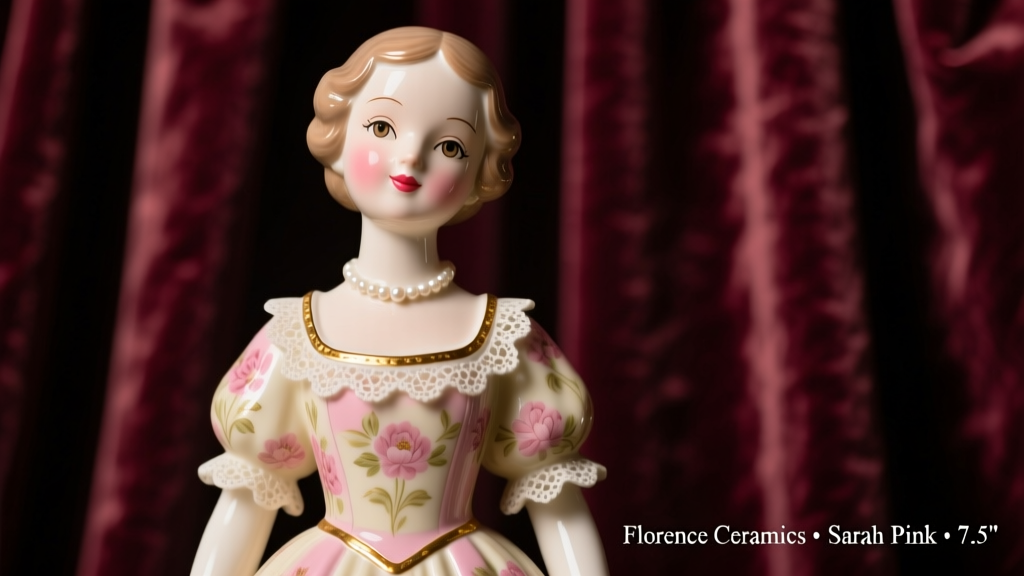
Florence Ceramics 'Sarah' Figurine in Pink Glaze: A Detailed Appraisal of the 7½-Inch Vintage Porcelain Sculpture
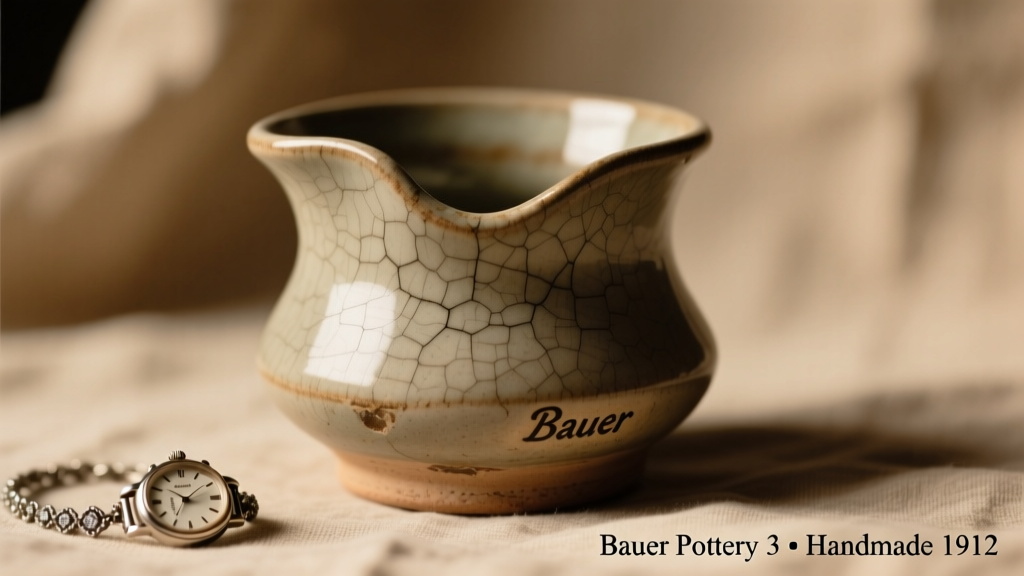
Bauer Pottery: The Third Era — Glaze Innovation, Industrial Expansion, and Mid-Century Modern Identity (1946–1962)
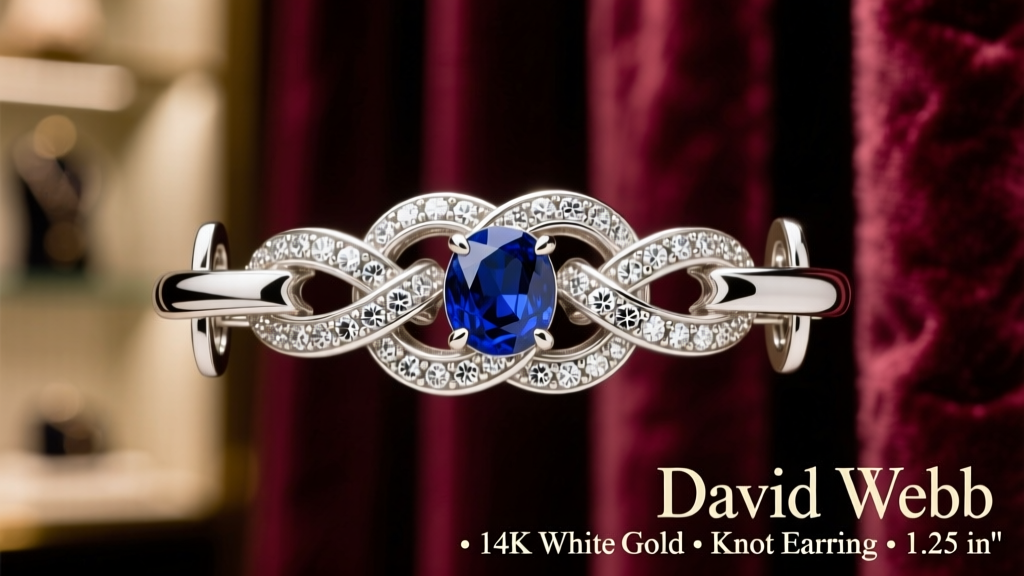
Tripart Knot Earrings by D. Webb: A Study in Mid-Century American Craftsmanship, Sapphire Provenance, and Clip-On Innovation
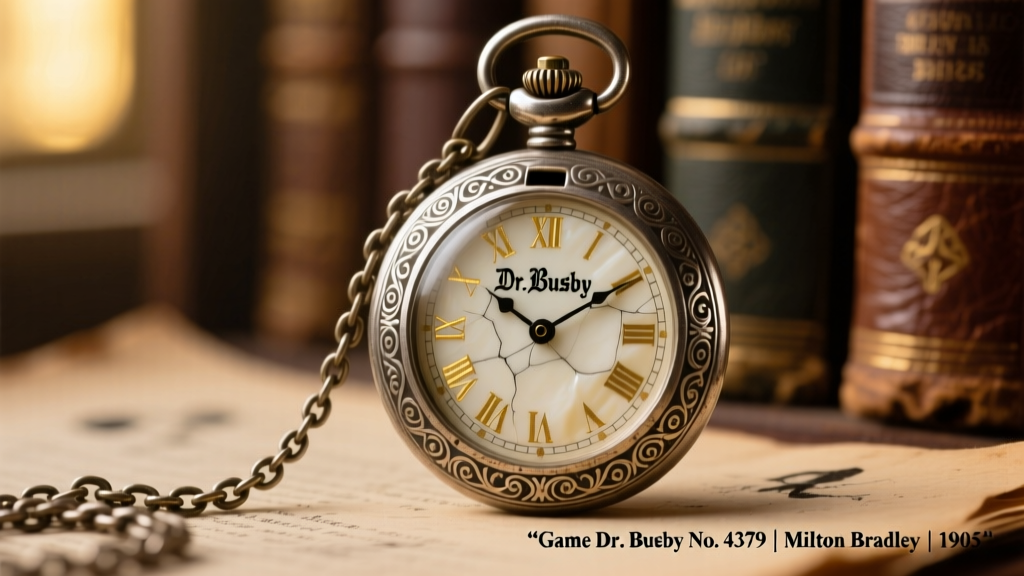
Game Dr. Busby No. 4379: A 1905 Milton Bradley Educational Board Game and Its Enduring Legacy in Early American Toy Design
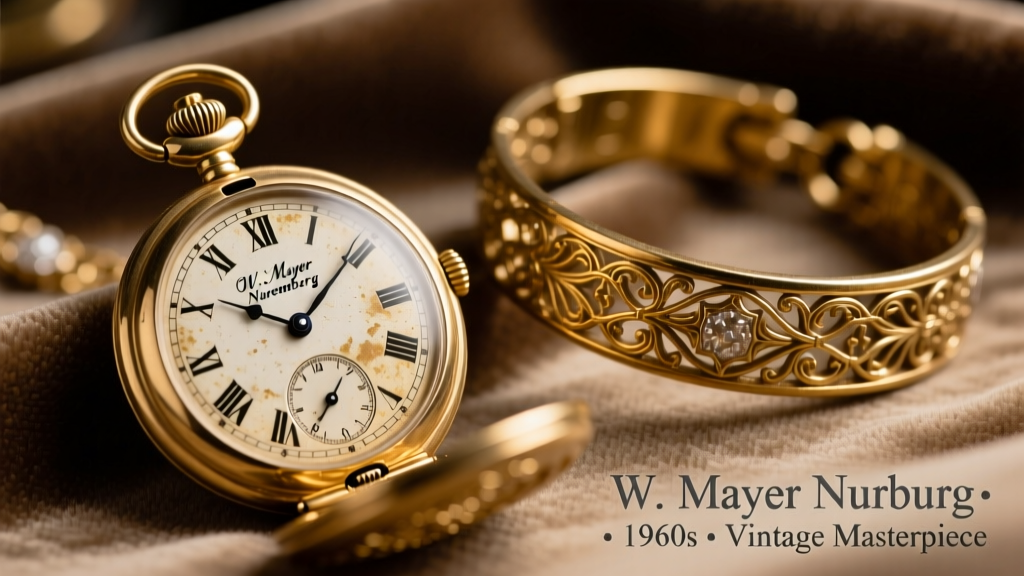
W. Mayer Nürnberg: Precision, Craftsmanship, and the Quiet Legacy of a German Watchmaking Powerhouse in the 1960s
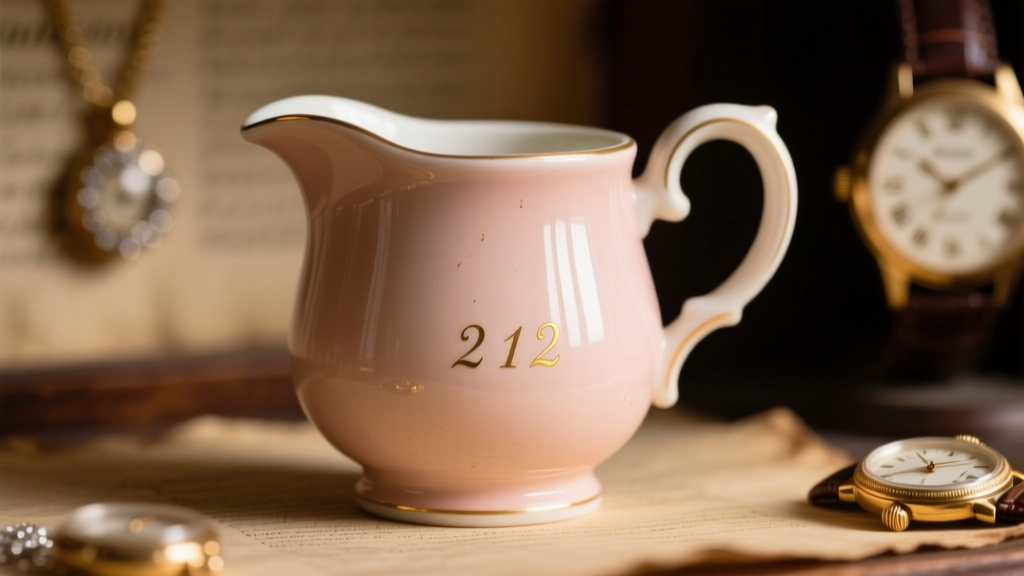
Peachblow Creamer with Applied Handle and Annealing Line: A Technical & Historical Analysis of the 2½-Inch Form
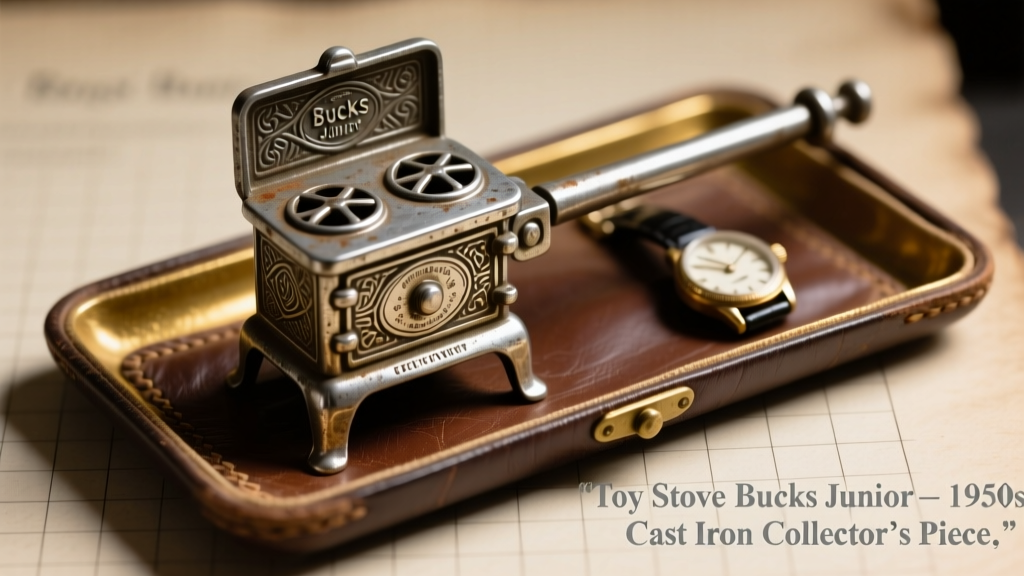
Toy Stove Bucks Junior Cast Iron Nickel Plated 22-Inch: A Collector’s Deep Dive into a Mid-Century American Icon