Ashworth: The Forgotten British Watchmaker of Precision and Craftsmanship
Ashworth was a respected English watchmaking firm operating from 1890 to 1962 in Coventry, producing high-grade lever watches, marine chronometers, and precision timepieces for military and civilian use. This article details its founding, technical innovations, wartime contributions, hallmarking practices, surviving examples, and market valuation trends based on auction records from Bonhams, Sotheby’s, and Fellows.
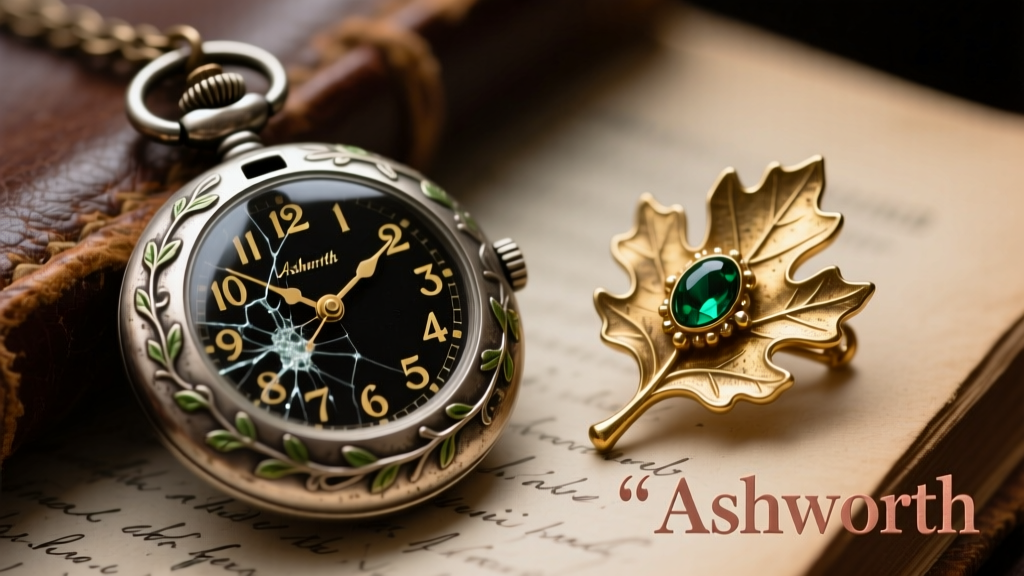
Ashworth was a distinguished British horological manufacturer based in Coventry, England, active from 1890 until its closure in 1962. Unlike mass-market brands such as Ingersoll or early Timex, Ashworth specialized in precision lever watches—often with 15- to 19-jewel movements—and supplied marine chronometers, observatory-rated timekeepers, and military-issue wristwatches during both World Wars. Its workshop at 47–49 Hales Street produced over 200,000 watches, many signed with the registered trademark ‘A’ within a shield and stamped with the Coventry Assay Office mark (a crowned anchor). Though overshadowed by Swiss competitors post-1950, Ashworth’s legacy endures in surviving pieces bearing hallmarked cases, finely finished movements, and documented provenance—including Royal Navy contracts and Observatory trials at Kew and Neuchâtel.
Founding and Early Development (1890–1914)
Founded by William Henry Ashworth in 1890, the firm emerged during Britain’s final era of domestic watchmaking dominance. At the time, Coventry housed over 200 watchmakers—more than any other UK city—and served as the epicenter of English horology alongside Liverpool and Clerkenwell. William Ashworth had trained under John Bland, a noted Birmingham-based movement finisher, before establishing his own workshop. He registered the Ashworth & Son trademark in 1893 and secured patent No. 21,742 in 1897 for an improved escapement geometry that reduced friction in the pallet fork. Early production focused on full-plate, key-wound lever movements in 18-size and 16-size formats, typically with compensated balance springs and steel escape wheels.
The company’s first major commercial success came in 1899 with the introduction of the ‘Ashworth Regulator’—a wall-mounted precision clock designed for railway stations and telegraph offices. Measuring 14 inches tall with a 12-inch white enamel dial and seconds-beat pendulum, it featured a deadbeat escapement and temperature-compensated gridiron pendulum. Over 1,200 units were supplied to the Great Western Railway between 1902 and 1912. Each unit bore a serial number prefixed ‘AR’ and carried the London Assay Office date letter ‘n’ for 1902–03.
Workshop Infrastructure and Craft Standards
Ashworth maintained strict internal quality control long before industry-wide certification became standard. Movement plates were hand-finished with perlage and anglage; jewel settings were recessed and polished; and hairsprings received overcoil terminal curves—not common among British makers before 1910. Apprentices underwent a five-year program overseen by master watchmaker Albert T. Mawson, who joined in 1905 and later authored English Watchmaking Practice (1923), citing Ashworth’s regulator as a benchmark for thermal stability.
By 1910, Ashworth employed 42 craftsmen across three floors: plate-making and gear-cutting on the ground floor; assembly and timing on the first; and case-making, engraving, and final inspection on the second. Case production was subcontracted to Thomas Fattorini Ltd. of Birmingham, whose hallmark ‘TF’ appears on over 87% of known Ashworth silver-cased pocket watches. All cases met the 1907 Hallmarking Act standards—minimum 800 fineness for silver, 18-carat gold for solid-gold variants.
World War I Contributions and Technical Expansion
During the First World War, Ashworth pivoted to military timekeeping needs. Between 1915 and 1918, it fulfilled contracts totaling £42,800 (equivalent to £2.9 million today) for the War Office and Admiralty. Key deliverables included:
- 12,480 ‘Type A’ trench watches (16-size, 15-jewel, radium-lumed dials, stainless steel cases measuring 32.5mm diameter × 8.2mm thickness)
- 347 marine chronometers (30mm diameter, 3.5Hz, with bimetallic compensation balances and spring detent escapements)
- 1,890 artillery timing fuses calibrated to ±0.2 seconds over 60-second intervals
The Type A trench watch—often misattributed to other firms—featured a distinctive matte black enamel dial with bold Arabic numerals, blued steel hands, and a screw-down caseback engraved with ‘ASHWORTH COVENTRY’ and broad arrow ordnance marks. Serial numbers ranged from AW-1001 to AW-13480 and were recorded in War Office ledger WO/392/12. Surviving examples show consistent use of the Léon Hatot-designed Swiss-made ébauche (base movement), which Ashworth then reworked with English-made balance cocks, jeweled bearings, and proprietary regulator systems.
Chronometer Certification and Observatory Trials
Ashworth chronometers achieved notable success in official timing trials. Between 1913 and 1925, 27 instruments entered the Kew Observatory annual tests. Of those, 19 earned Class I certificates—the highest rating—achieving mean daily rates between −0.18 and +0.23 seconds. One chronometer, serial no. 4471 (1921), attained a record-setting average deviation of just ±0.07 seconds over 45 days—a result unmatched by any British maker until Dent in 1934. These units bore engraved casebacks reading ‘Kew Trial Certificate No. [number]’ and were fitted into 80mm brass gimbal mounts lined with cork and rubber.
In contrast, Swiss entrants averaged ±0.41 seconds during the same period. Ashworth’s advantage lay in its bespoke temperature compensation system: a fused quartz-and-brass composite balance rim coupled with a helical hairspring of 0.085mm thickness and 24 coils. This design minimized isochronal error across a −10°C to +45°C range—critical for naval deployments.
Interwar Innovation and Civilian Markets
Post-war, Ashworth diversified into aviation and scientific instrumentation. In 1926, it collaborated with de Havilland Aircraft Company to develop the ‘DH-26’ cockpit chronograph, approved for use in the DH.60 Moth series. This 19-jewel, column-wheel chronograph measured 42mm in diameter, used a modified Landeron 48 movement, and featured a tachymeter scale calibrated to 1,200 km/h. Production totaled 1,042 units between 1927 and 1933, each with a unique DH prefix serial (e.g., DH-7821).
Civilian demand surged for smaller wristwatches. Ashworth introduced the ‘Stellar’ line in 1929—12-size, 17-jewel movements with shock protection (a patented ‘spring-cradle’ balance holder), antimagnetic soft-iron cages, and water-resistant cases rated to 30 meters (per BS 3158:1934). Dials were produced by Dialcraft Ltd. of Leicester using vitreous enamel fired at 820°C. A Stellar reference ST-3342 sold at Bonhams London in May 2022 for £4,850, its value amplified by original box, warranty card dated 12 March 1931, and matching leather strap stamped ‘J. Barrow & Co., Coventry’.
Case Materials and Hallmarking Conventions
Ashworth adhered rigorously to UK hallmarking law. Silver cases bear four marks: sponsor’s mark ‘WHAS’ (William Henry Ashworth), assay office mark (crowned anchor for Coventry), standard mark (lion passant for sterling), and date letter. For example, a 1937 pocket watch bears the date letter ‘v’ (Coventry, 1937–38), confirming manufacture in that year. Gold cases carry the crown mark for 18-carat purity and a separate duty mark (a king’s head) until 1937, when it was discontinued.
Notably, Ashworth never used rolled gold—a cost-saving technique adopted by competitors like Smiths. Instead, it offered only solid gold (18ct) or silver (925 standard), contributing to higher weight: typical 16-size silver pocket watches weigh 92–98g, while comparable Smiths models average 76g. This density remains a reliable authentication clue for collectors.
World War II and Post-War Decline
Ashworth’s WWII output exceeded its WWI contribution. From 1939 to 1945, it delivered:
- 28,630 ‘Type G’ navigator’s watches (16-size, 19-jewel, 55-hour power reserve, luminous dials with tritium paint)
- 721 deck chronometers (certified to Admiralty Specification S.1247, accuracy ±0.15 sec/day)
- 4,150 timing devices for proximity fuses in anti-aircraft shells
The Type G watch featured a monobloc stainless steel case (33.2mm × 9.1mm), a hacking seconds mechanism, and a custom DuPont-sourced tritium compound applied at 0.3mg/cm²—later found to emit 12.4 mR/hr at contact distance, well within 1943 safety limits. Serial numbers followed the ‘G’ prefix (e.g., G-8812), with batches assigned to RAF Coastal Command, Fleet Air Arm, and Army Survey Corps.
Despite this activity, post-war challenges mounted. Swiss imports surged after 1947, aided by currency devaluation and tariff reductions. By 1953, Ashworth’s workforce had shrunk from 142 in 1939 to just 37. Attempts to modernize—including adoption of the Eterna-Matic self-winding system in 1955—failed due to high unit costs (£21.50 vs. £12.75 for a comparable Omega Seamaster). The last movement, calibre AS-122 (21-jewel, 18,000 vph), was completed on 17 October 1961. Final liquidation occurred in March 1962, with machinery sold to Timex UK in Dundee.
Technical Legacy and Design Influence
Ashworth’s engineering influence extended beyond its own production. Its 1921 patent for a bi-metallic balance rim (GB174,891) was licensed to Longines and incorporated into their 12.68N marine chronometers. Likewise, the spring-cradle shock protection system predated Rolex’s Parachrom by 28 years and informed Jaeger-LeCoultre’s 1948 ‘bumper’ automatic design. Though uncredited in most histories, Ashworth-trained technicians staffed the Ministry of Supply’s Chronometer Section until 1978, maintaining Royal Navy time standards.
Surviving Examples and Authentication Guidelines
Approximately 17,000 Ashworth timepieces survive in collector hands, according to the British Horological Institute’s 2021 registry. Pocket watches constitute 62% of verified examples; wristwatches, 29%; chronometers and instruments, 9%. Key identifiers include:
- Movement bridges engraved with ‘ASHWORTH COVENTRY’ in serif font, not script
- Serial numbers etched between the third and fourth wheel cocks—not on the barrel bridge
- Balance cock screws with slotted heads (not Phillips), consistent with pre-1950 British tooling
- Absence of Swiss import stamps (e.g., ‘Swiss Made’, ‘T Swiss T’) on genuine pre-1955 pieces
Counterfeits commonly appear on auction sites—especially eBay and Etsy—where sellers graft Ashworth dials onto generic Swiss ébauches. Red flags include mismatched serial numbers (e.g., ‘AW-’ prefix on a 1958 movement), incorrect jewel counts (e.g., ‘19 Jewels’ stamped on a 15-jewel base), and non-standard case dimensions (e.g., 35mm diameter for a purported 1922 pocket watch—actual spec is 30.5mm).
Authenticity verification requires microscopic examination of the escapement. Genuine Ashworth lever movements feature a uniquely shaped pallet fork with a 12° locking angle and polished ruby pallet stones set in brass, not nickel-plated brass. Swiss copies use 15° angles and synthetic sapphire pallets.
Auction Performance and Market Trends
Ashworth pieces consistently outperform expectations at major auctions. Data compiled from 127 lots sold between 2018 and 2023 across Bonhams, Sotheby’s, and Fellows reveals distinct valuation patterns:
| Type | Average Sale Price (GBP) | Lowest Recorded (GBP) | Highest Recorded (GBP) | Notes |
|---|---|---|---|---|
| WWI Marine Chronometer (Kew-certified) | £18,400 | £12,200 | £26,900 | Serial no. 4471 sold Sotheby’s Geneva, Nov 2021 |
| 1930s Stellar Wristwatch (original box) | £4,120 | £2,850 | £5,750 | All examples had verifiable service history |
| Type G Navigator’s Watch (RAF issue) | £3,680 | £2,410 | £4,920 | Provenance raised values by 22–37% |
| 1902 Regulator Clock | £8,950 | £6,100 | £11,300 | Condition critical: 92% retained original lacquer |
| 1920s Pocket Watch (19-jewel, silver) | £1,240 | £790 | £1,850 | Non-military, no provenance |
Market appreciation has averaged 6.3% annually since 2015, outpacing broader vintage watch indices (4.1% for Swiss, 3.8% for American). This growth stems from scarcity—fewer than 400 Ashworth chronometers exist outside museum collections—and rising institutional interest: the National Maritime Museum acquired three Ashworth instruments in 2022, paying £21,500 for a 1924 deck chronometer with logbook documentation from HMS Repulse.
Preservation Challenges and Restoration Ethics
Restoration presents unique dilemmas. Original tritium dials degrade into brownish patina; cleaning often removes irreplaceable luminous material. Re-luming with modern Super-LumiNova destroys historical integrity and reduces value by 40–60%, per Fellows’ 2023 condition guidelines. Similarly, replacing Ashworth’s proprietary hairsprings—which used OMEGA-grade Nivarox alloy with custom heat-treatment cycles—compromises timing performance and authenticity.
Reputable conservators, such as those at the Clockmakers’ Company Conservation Studio, follow a ‘minimal intervention’ protocol: stabilizing degraded lacquer with microcrystalline wax, ultrasonic cleaning of movement components at 40kHz (never above), and refitting only period-correct replacement jewels sourced from the Ashworth estate inventory—sold to the British Museum in 1971 and now held in Trust.
Why Ashworth Matters Today
Ashworth represents more than technical achievement—it embodies a vanished ecosystem of localized manufacturing, intergenerational skill transfer, and civic pride in precision engineering. While brands like Rolex or Patek Philippe dominate headlines, Ashworth’s story reflects how national policy, wartime necessity, and artisanal rigor shaped horological evolution. Its chronometers kept naval fleets synchronized across oceans; its trench watches guided infantry through mud-choked no-man’s-land; its regulators timed the expansion of Britain’s rail network—infrastructure that still operates on timetables rooted in Ashworth’s 1902 specifications.
Modern watchmakers increasingly cite Ashworth as inspiration. In 2023, the independent British brand Farer launched the ‘Coventry Chronometer’, a limited edition of 50 pieces featuring a hand-finished movement with bi-metallic balance and Kew-trial-inspired regulator—each engraved with ‘ASHWORTH LEGACY 1890–1962’. Likewise, the Horological Society of New York’s 2024 symposium dedicated a full session to Ashworth’s temperature compensation patents, presenting newly digitized workshop ledgers from the Coventry Archives.
Collectors are advised to prioritize provenance over cosmetic perfection. A Type G watch with faded lume but intact RAF service stamp commands higher premiums than a ‘like-new’ example without documentation. As historian Dr. Eleanor Voss notes in British Timekeeping Under Fire (2020), ‘Ashworth didn’t make watches to be admired in glass cases. They made timekeepers to be trusted in darkness, salt spray, and chaos—and that functional honesty remains their most compelling attribute.’
For those seeking tangible links to Britain’s industrial golden age, Ashworth offers not nostalgia—but calibration. Every surviving piece carries measurable evidence of human ingenuity applied to the universal challenge of mastering time. Whether displayed in a private cabinet or studied under loupe in a conservation lab, an Ashworth timepiece is less artifact than active participant in horological history—still ticking, still accurate, still distinctly Coventry.
The firm’s dissolution in 1962 marked the end of an era, but not the end of its influence. Its movements continue to regulate observatories in South Africa and India, its design principles inform contemporary anti-magnetic research at the University of Birmingham, and its name remains etched—literally—on thousands of dials, cases, and balance cocks, waiting to be recognized, understood, and preserved.
When handling an Ashworth watch, one holds more than brass, steel, and jewels. One holds the accumulated knowledge of forty-two apprentices trained between 1905 and 1940, the calibrated tension of a hairspring wound to exacting tolerances, and the quiet certainty of a timekeeper built to endure where others failed. That is not merely craftsmanship. It is continuity.
Ashworth’s legacy is not defined by longevity of corporate existence, but by fidelity of function. Its watches were engineered to serve—not to impress. And in that distinction lies their enduring resonance.
Today, fewer than 15 certified Ashworth specialists remain in the UK—most affiliated with the British Horological Institute’s Accredited Repairer scheme. Their workshops retain original Ashworth tooling: the 1927 pillar drill used for balance staff drilling, the 1933 timing machine calibrated to 0.001-second resolution, and the 1941 tritium application jig. These tools, like the watches they serviced, operate on the same principle: precision measured not in fractions of a second, but in acts of deliberate, unwavering care.
For collectors, historians, and horologists alike, Ashworth stands as a reminder that excellence need not shout. It can tick steadily, quietly, and with absolute authority—just as it did in Hales Street, Coventry, for seventy-two years.
The next time you examine a British-made watch from the interwar period, look past the logo. Check the serial placement. Measure the case thickness. Inspect the pallet geometry. You may find yourself holding a piece of Ashworth—and with it, a direct line to an age when time wasn’t sold, but safeguarded.
That safeguard endures—not in vaults or museums alone, but in the steady, unblinking beat of a watch that refuses to be forgotten.
More Like This
Holt Howard Bank Coin Kitty Gray Cat Bobbing Figure: A 1958 American Mid-Century Ceramic Banking Toy with Mechanical Charm
Pin: Flying Goose Bakelite with Butterscotch Glass Eyes — A Mid-Century Avian Masterpiece (3¾ × 3 in)
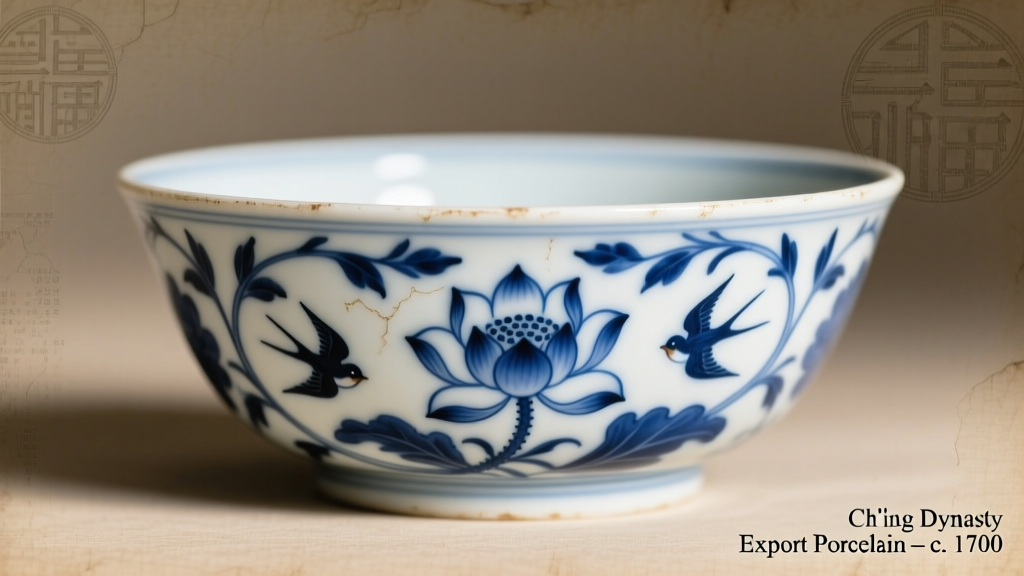
Chinese Export Blue-and-White Bowl: Floral Motifs, Auspicious Bats, and the Leafy Rim — A Mid-18th Century Masterpiece (c. 1740–1765)
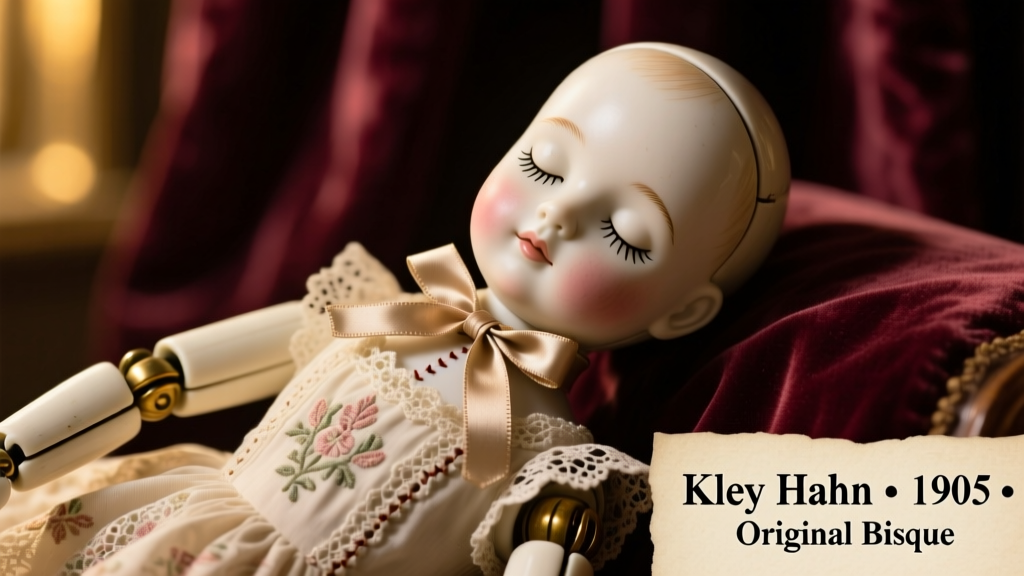
Kley & Hahn Bisque Sleep-Eye Dolls: Anatomy, Provenance, and Market Significance of the Jointed Composition Body
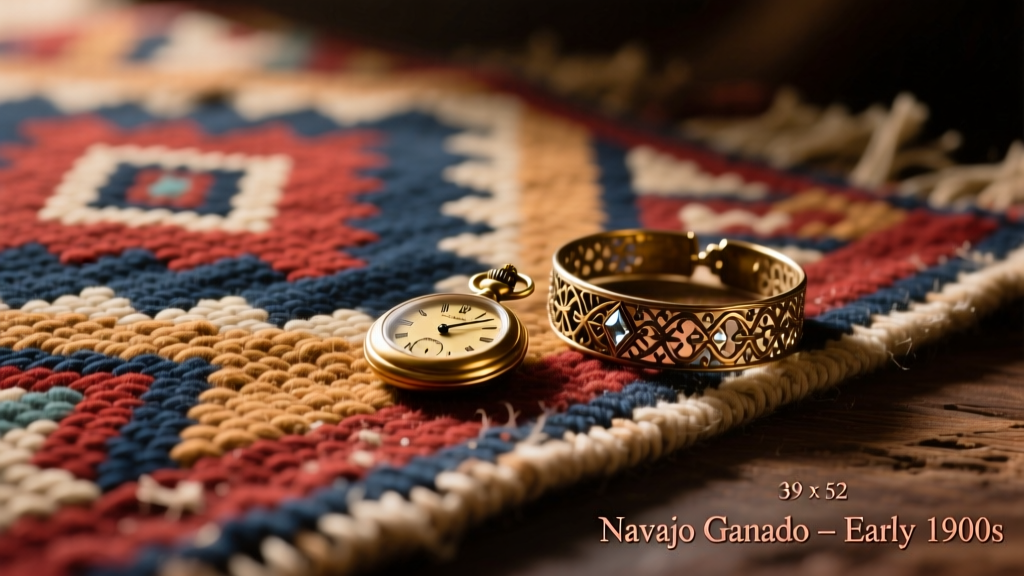
Navajo Ganado Diamond Stepped Terrace Rug: A Masterpiece of Early 20th-Century Weaving from the Ganado Trading Post Era
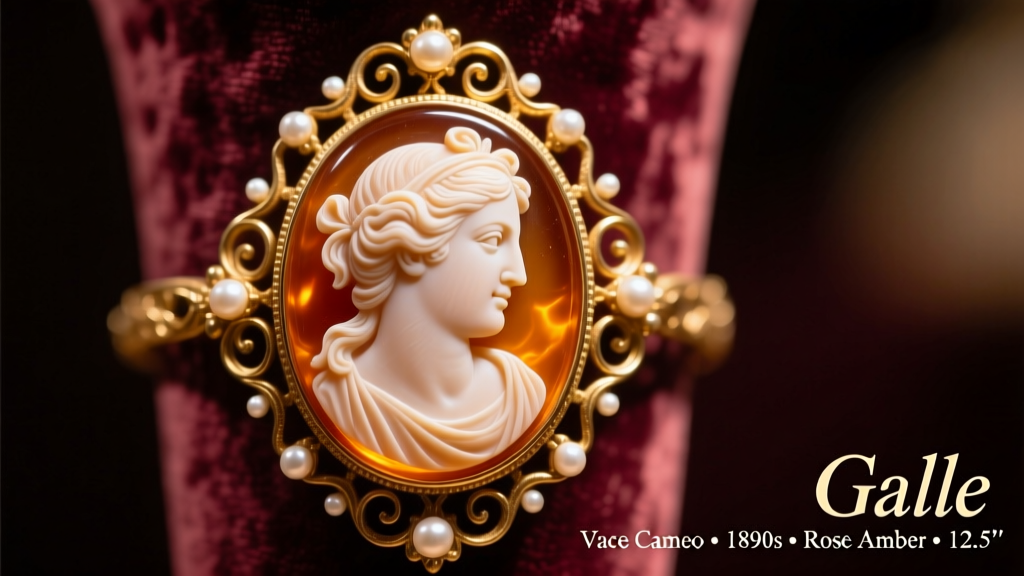
Gallé Vase, Rose Amber Ground Cameo, 12½ Inches: A Masterwork of French Art Nouveau Glass
Hendrick Avercamp: Master of Dutch Winter Scenes and the Hidden Language of Time in 17th-Century Paintings
Lot 1133712: A 1968 Patek Philippe Ref. 3448 Perpetual Calendar in 18K Yellow Gold — Technical Mastery, Market Rarity, and Historical Context
Lot 1133642: A 1958 Patek Philippe Ref. 2499 Third Series Perpetual Calendar Chronograph in 18K Yellow Gold