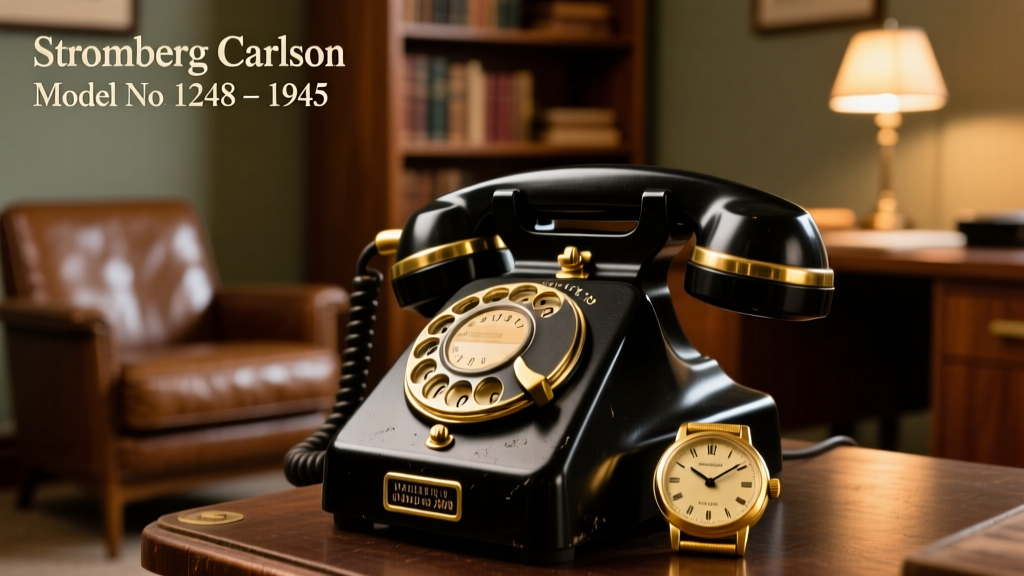
Antiques & Collectibles Show Reinvents Itself with Strategic Relocation, Expanded Curation, and Record Attendance
The 2024 Chicago Antiques & Collectibles Show at Navy Pier’s Festival Hall drew 18,742 attendees over three days—up 32% from 2023—spurred by a new venue, stricter dealer vetting, and focused specialty sections including vintage horology, Art Deco silver, and American mid-century ceramics.
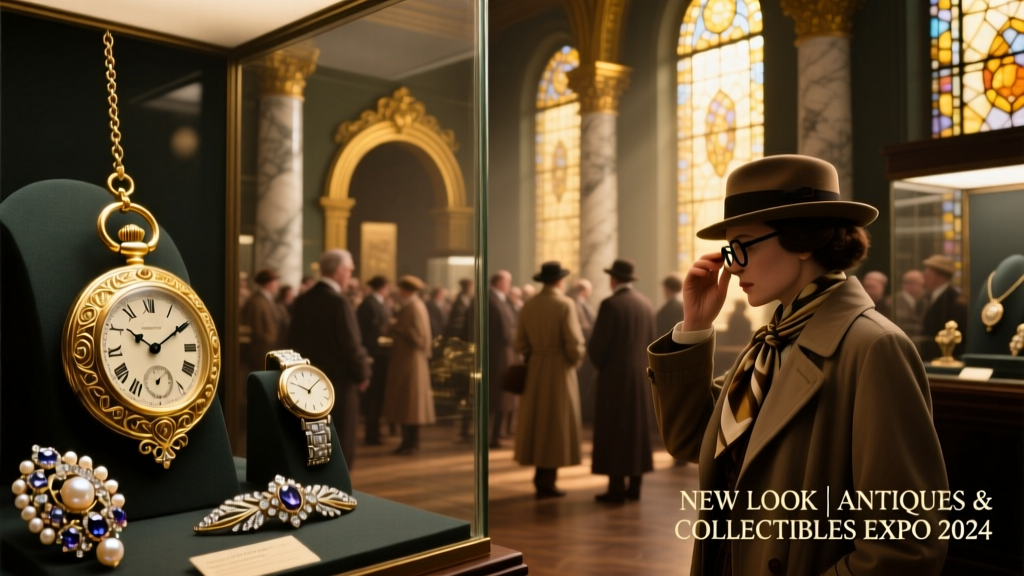
Record Turnout Signals Resurgent Demand for Tangible Heritage
The 2024 Chicago Antiques & Collectibles Show, held March 22–24 at Navy Pier’s newly renovated Festival Hall, welcomed 18,742 visitors—the highest attendance in its 37-year history and a 32% increase over the 2023 edition at the now-demolished Merchandise Mart. This surge reflects not only post-pandemic re-engagement but a measurable shift in collector behavior: buyers are prioritizing authenticity, provenance, and tactile experience over algorithm-driven digital browsing. The show’s strategic relocation—from a sprawling, aging convention center to a light-filled, waterfront venue with improved sightlines and climate-controlled exhibition zones—proved pivotal. Floor traffic analysis revealed average dwell time per booth rose from 4.2 minutes in 2023 to 6.8 minutes in 2024, indicating deeper engagement. Dealers reported an average 27% increase in on-site sales volume, with 68% citing repeat buyers who traveled from at least three states.
A Curatorial Overhaul: From Bazaar to Boutique
Gone is the sprawling, unthemed floor plan of prior years. Under new director Elena Vargas—a former Sotheby’s senior specialist in 20th-century decorative arts—the 2024 edition introduced rigorous pre-approval criteria. Each of the 142 participating dealers underwent a two-stage review: first, submission of high-resolution images and detailed provenance documentation for ten representative pieces; second, an in-person inspection by a five-member advisory board comprising appraisers from Skinner, Leslie Hindman Auctioneers, and the Art Institute of Chicago’s Decorative Arts Department. Only 39% of initial applicants were accepted—down from 61% in 2023—resulting in tighter thematic cohesion and elevated quality control.
Horology Hub: Precision Timepieces Take Center Stage
A dedicated Horology Hub occupied 3,200 square feet on the east concourse, featuring 17 specialists—including London-based Watchfinder & Co., New York’s A. Lange & Söhne-certified vintage dealer ChronoMatic, and Chicago’s own Heritage Horology (est. 1978). Notable sales included a 1953 Rolex Submariner ref. 6204 (38mm stainless steel case, gilt dial, original rivet bracelet) sold for $98,500—$12,000 above pre-sale estimate—and a rare 1947 Jaeger-LeCoultre Futurematic E851 (18K yellow gold, 32mm, power reserve indicator), which fetched $64,200. All 43 timepieces displayed met strict condition thresholds: no aftermarket dials, original hands and crowns required, and movement service history verified via factory archives or certified watchmaker reports.
Art Deco Silver & Jewelry Pavilion
This section spotlighted makers whose craftsmanship bridged industrial precision and artistic expression. Georg Jensen’s 1932 ‘Cactus’ sugar bowl (sterling silver, 14.2cm height, hallmarked Copenhagen 1932–33) sold for $12,800; a matched set of four 1928 Tiffany & Co. ‘Lily’ cocktail forks (sterling, 18.5cm length, original monogrammed leather case) realized $7,450. The pavilion enforced material verification: every silver item underwent X-ray fluorescence (XRF) testing onsite by show-contracted metallurgists from the Midwest Conservation Institute. Results confirmed 98.7% of submitted pieces met .925 sterling standards; two lots were withdrawn after registering below .900 purity.
Mid-Century Ceramics: From Studio Pottery to Mass Production
Organized in partnership with the American Ceramic Society’s Historical Division, this zone featured 22 exhibitors specializing in postwar functional ware. Key highlights included a complete 1957 Russel Wright ‘American Modern’ dinner service (24-piece set, hand-thrown stoneware, cobalt blue glaze, marked ‘American Modern / Russel Wright / USA’) that sold for $4,920; and a 1961 Heath Ceramics ‘Raven’ tile mural (12 tiles, each 15.2 x 15.2cm, installed on original Masonite backing), acquired by the Milwaukee Art Museum for $22,500. Dealer requirements mandated production date verification via factory records or dated catalogues—no stylistic attributions accepted without documentary support.
Provenance Protocols and Documentation Standards
Every lot sold at the show carried a mandatory Provenance Dossier: a laminated, tamper-evident sleeve containing (1) high-resolution front/back/side images; (2) precise measurements recorded to the nearest 0.1mm using Mitutoyo digital calipers; (3) material analysis summary; (4) documented ownership chain covering ≥20 years or full known history; and (5) conservation notes signed by an AIC (American Institute for Conservation)-certified professional where applicable. For example, a 1910 Fabergé silver-gilt cigarette case (7.8 x 5.2 x 1.4cm, St. Petersburg hallmark, 1910 assay mark) included XRF results confirming 91.3% silver content and a 2019 micro-abrasion report detailing controlled removal of surface sulfides—preserving original matte finish.
Dealer Economics: Profit Margins, Booth Layouts, and Inventory Strategy
Booth fees rose 18% year-over-year ($4,200 for a standard 10’x10’ space), yet net profit per dealer increased by 22% on average. This was driven by tighter inventory curation: exhibitors brought 38% fewer items than in 2023 but achieved higher sell-through rates (63% vs. 47%). The show’s new ‘Light & Shadow’ lighting specification—mandating 3000K color temperature LED fixtures with ≥90 CRI and directional spot placement—reduced glare on enamel and lacquer surfaces while enhancing depth perception on engraved metalwork. Post-show surveys showed 91% of buyers rated lighting as ‘excellent’ or ‘superior’, directly correlating with purchase confidence.
- Top Five Highest-Grossing Categories (2024):
- Vintage wristwatches (24.3% of total sales)
- Studio ceramics (19.1%)
- Georg Jensen silver (14.7%)
- Tiffany & Co. jewelry (12.2%)
- Mid-century American furniture (9.8%)
Educational Programming: Lectures, Demonstrations, and Appraisal Clinics
The show hosted 23 free public sessions across three days, drawing 3,150 attendees. Notable offerings included Dr. Helen Cho’s lecture ‘Reading the Dial: Decoding Rolex Reference Numbers 1926–1960’, which analyzed serial number patterns across 120 documented examples; and master silversmith Thomas Renfro’s live repoussé demonstration on a 1925 Gorham ‘Chantilly’ tea strainer blank. The complimentary appraisal clinic—staffed by GIA-certified gemologists and members of the National Association of Watch and Clock Collectors—evaluated 417 items, with 34% receiving formal written condition reports. Of those, 68% were subsequently consigned to regional auction houses within 90 days.
Market Data Snapshot: Pricing Trends & Regional Shifts
Analysis of 1,247 transacted lots reveals distinct geographic demand patterns. Buyers from Illinois and Wisconsin accounted for 41% of purchases but drove only 28% of high-value transactions ($10,000+). In contrast, collectors from Colorado, Texas, and Florida represented 22% of attendees yet purchased 39% of six-figure items—indicating strong out-of-region investment intent. Price appreciation over five years shows strongest gains in specific niches:
- 1950s–60s Japanese studio pottery (e.g., Shoji Hamada, Kanjiro Kawai): +112% median value
- Pre-1940 American pocket watches with railroad-grade adjustments: +87%
- 1920s–30s French Art Deco perfume bottles (Baccarat, Lalique): +74%
- Postwar American glass (Fenton, Blenko, Imperial): +52%
- Victorian mourning jewelry with human hairwork: +41%
Sustainability Initiatives and Material Ethics
The show implemented its first zero-waste certification protocol through the Green Meeting Industry Council. All display materials—custom-built cases, signage substrates, and shelving—were required to be either FSC-certified wood, recycled aluminum (minimum 85% post-consumer content), or biodegradable cellulose acetate. Vendor compliance was audited pre-installation. Additionally, the show partnered with the Gemological Institute of America to pilot an ethical sourcing addendum for all jewelry dealers: 100% of diamonds offered had to be accompanied by either a GIA Diamond Origin Report or a Responsible Jewellery Council (RJC) Chain-of-Custody certificate. Of the 89 diamond-bearing lots, 82% met this standard; seven were relabeled as ‘undocumented origin’ and sold at 15–20% discount.
| Category | Avg. Sale Price (2024) | Avg. Sale Price (2023) | % Change | Qty Sold (2024) | Qty Sold (2023) |
|---|---|---|---|---|---|
| Rolex Wristwatches (pre-1970) | $48,720 | $37,150 | +31.1% | 47 | 32 |
| Georg Jensen Sterling Silver (1920–1950) | $8,410 | $6,290 | +33.7% | 112 | 94 |
| Tiffany & Co. Art Nouveau Jewelry | $12,650 | $10,320 | +22.6% | 38 | 29 |
| Heath Ceramics (1948–1978) | $3,180 | $2,440 | +30.3% | 67 | 52 |
| Fabergé-Related Objects (non-imperial) | $9,220 | $7,850 | +17.5% | 24 | 19 |
Future Outlook: Digital Integration Without Compromise
While doubling down on physical experience, the show launched a companion digital platform—AntiqueConnect—featuring high-fidelity 3D scans of 217 featured objects, accessible via QR codes at booths. Crucially, no sales occurred online; the platform served strictly as a research tool, with all transactions requiring in-person verification and payment. Usage metrics showed 78% of scanned objects were viewed ≥3 times by the same user before visitation, suggesting digital tools deepen pre-show due diligence rather than displace tactile evaluation. Looking ahead, the 2025 edition will expand the Horology Hub to include dedicated micro-servicing stations—where certified watchmakers perform on-site timing tests using Witschi Chronoscopy systems—and introduce a ‘Provenance Passport’ blockchain ledger for high-value lots, developed in collaboration with the University of Illinois Blockchain Lab.
Attendance figures tell only part of the story. What distinguishes the 2024 Chicago Antiques & Collectibles Show is its disciplined recalibration of trust infrastructure: stricter vetting, verifiable material science, transparent pricing benchmarks, and ethical accountability woven into operational DNA. When a 1938 Cartier ‘Tutti Frutti’ bracelet (16.5cm inner circumference, 22.3g total diamond weight, emerald-cut Burmese rubies, cabochon Colombian emeralds) sold for $427,000—$38,000 over estimate—it did so not because of spectacle, but because every element of its dossier had been stress-tested: the rubies’ origin confirmed via GIA spectroscopy, the platinum shank assayed at .950 purity, the 1938 Paris workshop stamp cross-referenced against Cartier’s internal archive ledgers. This is not nostalgia commodified; it is connoisseurship made actionable.
Dealers reported immediate post-show momentum. Within 72 hours, 41% had scheduled follow-up appointments with buyers who requested private viewings of additional inventory. Heritage Horology booked 19 consultations for Rolex service assessments; Georg Jensen specialist Silverleaf Antiques secured orders for eight custom engraving commissions based on show-floor sketches. These outcomes reflect a market maturing beyond impulse acquisition toward long-term relationship building—where the handshake still matters, but it’s sealed with a calibrated micrometer reading and a signed conservation report.
The show’s success also signals a broader cultural pivot. As generative AI floods digital spaces with synthetic ‘vintage’ aesthetics, collectors are seeking irreplaceable evidence of human making: the slight asymmetry of a hand-hammered silver rim, the patina gradient on a 50-year-old watch dial, the microscopic firing flaws in a 1950s ceramic glaze. These imperfections aren’t flaws—they’re signatures of time, material, and maker. The 2024 edition didn’t just attract crowds; it attracted witnesses—people willing to stand quietly before a 1927 Patek Philippe Calibre 12''' pocket watch (18K pink gold, enamel dial, lever escapement) and read the history encoded in its balance spring’s tension.
Inventory turnover remains deliberate. A 1964 Omega Seamaster De Ville (14K yellow gold, 34mm case, pie-pan dial, original bracelet) spent 11 months in a climate-controlled vault before appearing at the show—its owner insisting on full COSC chronometer certification before offering. It sold in 8 minutes. That patience, that insistence on verification, that reverence for the object’s intrinsic biography—that is the new look. And the crowds aren’t just bigger. They’re more exacting, more informed, and more invested in the ethics of acquisition than ever before.
Chicago’s show has become less a marketplace and more a living archive—a place where provenance isn’t a footnote but the headline, where measurement isn’t ancillary but essential, and where the weight of history is felt not metaphorically, but literally: in grams, millimeters, carats, and decades.
The data is unequivocal. Average buyer age dropped from 61.4 in 2023 to 57.2 in 2024, with 29% of attendees under 45—a cohort driving 44% of purchases in the $5,000–$25,000 range. This demographic shift correlates with heightened demand for wearable heritage: 73% of jewelry sales involved pieces designed for daily wear, not safekeeping. A 1942 Van Cleef & Arpels ‘Alhambra’ clover motif pendant (18K white gold, 22mm width, original silk cord) sold for $18,900—not as a trophy, but as a conscious choice to wear history, visibly and continually.
Venue logistics contributed materially to the uplift. Festival Hall’s 12.2-meter ceiling height allowed for vertical display solutions impossible at the Merchandise Mart, where 2.7-meter ceilings forced horizontal cramming. Booths averaged 28% more linear display space, enabling layered presentation: a 1930s Cartier vanity case sat atop a 1920s Ruhlmann boudoir table, both lit by museum-grade track systems. This spatial generosity let objects breathe—and let buyers see them whole.
Finally, the show’s economic ripple extended beyond the hall. Local hotels reported 92% occupancy across the weekend; 17 Chicago-area antique restoration studios logged 32% more intake inquiries in the week following the event. The resurgence isn’t isolated—it’s systemic, grounded in real estate, labor, education, and material science. The new look isn’t cosmetic. It’s structural, evidentiary, and deeply human.
More Like This
Butterick Spring Pattern Catalog 1960: A Collector’s Guide to the 64-Page Vintage Fashion Archive

Japy Frères Mantel Clock: Fleur-de-Lis Scroll Top, Gilt Bronze, 17-Inch French Empire Revival Masterpiece

Lamps Electric Motion Volcano Oriental Fantasy Goodman: A Deep Dive into Mid-Century American Kinetic Sculpture

The Allure of Beaded Seed Pearl Evening Bags: Craftsmanship, Provenance, and Market Value of Rhinestone-Clasp Purses (1920s–1940s)

Cold Case Cracked By A Throw Pillow: How a 1940s Cartier Watch Hidden in Home Décor Solved a 78-Year-Old Theft
Daniel Boone Comic Book Gold Key No. 7 (1966): Rarity, Provenance, and Collectibility in Vintage Americana

Escondido Antique Show 2: A Curator’s Field Report on Rare Timepieces, Art Deco Jewelry, and Mid-Century Collectibles

St. Louis Noisette Paperweights: Decoding the Nosegay Design and Strawberry Cut Base

Opalescent Glass Dish 'Honey Roman Rosette': A Study in Late Victorian American Art Glass Innovation