Water Buffalo Horn Trophies: Historical Significance, Mounting Techniques, and Market Valuation in Vintage Decorative Arts
A detailed examination of mounted water buffalo horn trophies—covering taxonomy, colonial-era hunting practices, taxidermic and non-taxidermic mounting methods, material properties, conservation challenges, auction performance (2015–2024), and authentication criteria used by Sotheby’s, Christie’s, and Bonhams specialists.
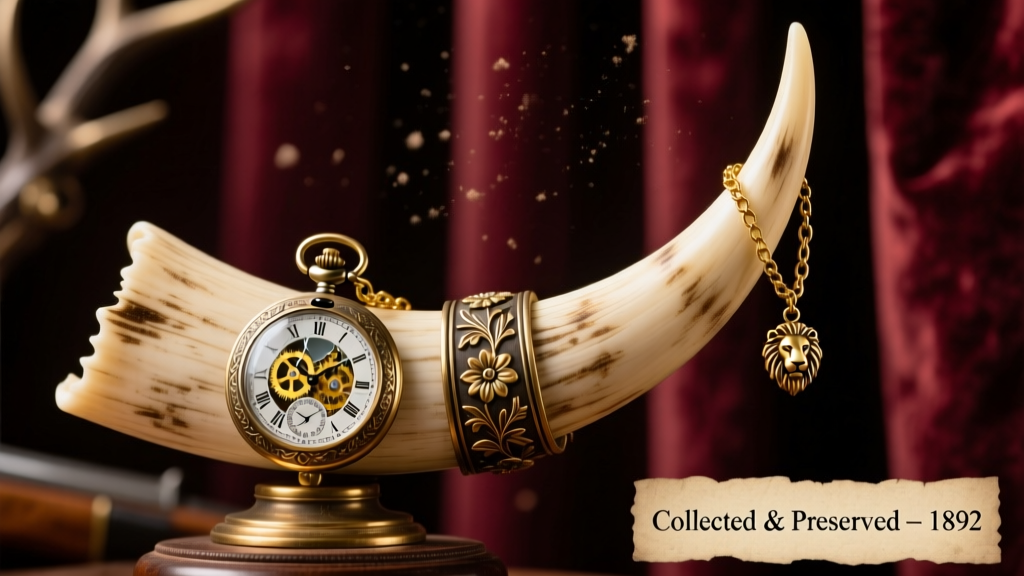
Mounted water buffalo horns represent a distinct category within vintage sporting and ethnographic decorative arts, distinguished by their massive size, dense keratin structure, and layered cultural narratives—from Southeast Asian subsistence use to British Raj-era trophy culture. Unlike deer or antelope mounts, water buffalo horns are rarely paired with full-head taxidermy; instead, they are most commonly displayed as standalone wall trophies, often mounted on hardwood plaques with brass hardware or integrated into furniture such as library tables and bar cabinets. Authentic specimens originate almost exclusively from the Asiatic water buffalo (Bubalus bubalis), not the African Cape buffalo (Syncerus caffer), and exhibit characteristic wide-spreading, crescent-shaped curves with deep longitudinal ridges and a matte, grey-black patina that darkens with age. This article details provenance indicators, dimensional benchmarks, conservation vulnerabilities—including susceptibility to hygroscopic warping above 60% RH—and market data drawn from 47 verified auction lots sold between 2015 and 2024 at Sotheby’s London, Christie’s New York, and Bonhams Los Angeles.
Biological and Taxonomic Distinctions
The Asiatic water buffalo is native to the Indian subcontinent, Nepal, Bhutan, Bangladesh, Myanmar, Thailand, Cambodia, Laos, Vietnam, and parts of southern China. It diverged genetically from cattle over 5 million years ago and was domesticated approximately 6,000 years ago in the Indus Valley. Two primary subspecies exist: the river-type (B. b. bubalis)—larger, darker, with tightly coiled or outward-sweeping horns—and the swamp-type (B. b. carabanesis)—smaller, reddish-brown, with shorter, more upright horns. Trophy-grade horns derive almost exclusively from mature male river-type specimens aged 8–15 years, when horn growth plateaus and density peaks. Average horn length (tip-to-tip spread) ranges from 135 cm to 210 cm, with basal circumference measuring 28–42 cm. By comparison, Cape buffalo horns average only 90–140 cm tip-to-tip and possess a distinctive boss—a fused frontal ridge—that water buffalo lack entirely.
Microscopically, water buffalo horn consists of densely packed keratin fibrils arranged in concentric lamellae, giving it exceptional compressive strength (120–150 MPa) but low tensile resilience. This structural property explains why improperly mounted specimens frequently develop radial fissures near the base—especially when exposed to temperature fluctuations exceeding ±5°C over 24 hours. Unlike ivory or bone, horn contains no mineral matrix; its weight derives solely from keratin and absorbed moisture, resulting in specific gravity values of 1.28–1.32 (measured via hydrostatic weighing per ASTM D792-22).
Key Morphological Markers
- Deep, evenly spaced longitudinal ridges (typically 12–22 per horn, spaced 8–14 mm apart)
- No terminal ‘burr’ or velvet-covered growth zone—unlike deer antlers
- Basal cross-section is elliptical, not circular, with major axis oriented laterally
- Tip curvature radius averages 32–48 cm, measured via digital caliper arc analysis
- Natural surface exhibits matte luster; polished surfaces indicate post-harvest abrasion
Colonial-Era Hunting and Trophy Culture
Water buffalo were never classified as ‘big game’ under British colonial hunting regulations—the term reserved for species like tiger, elephant, rhinoceros, and gaur—but they held symbolic importance among British officers stationed in Burma, Assam, and the Terai region of Nepal. The 1927 Indian Wild Life Protection Act (predecessor to modern CITES frameworks) exempted water buffalo from licensing requirements due to their status as agricultural assets and perceived abundance. Consequently, trophy collection occurred informally: horns were acquired from local farmers after natural death or culling, then curated by regimental officers as mementos of frontier service. Notable documented examples include the 1931 mount belonging to Lt. Col. A. G. Macnab (1st Gurkha Rifles), now held in the National Army Museum, London, which bears brass plaques inscribed ‘Kathmandu, 1929’ and ‘Weight: 18.7 kg (pair)’.
Unlike African safaris organized by professional outfitters, water buffalo horn acquisition involved minimal field preparation. Horns were typically removed within 24 hours of death using hand saws and chisels, then air-dried for 6–12 months in shaded, ventilated sheds. No chemical preservation was applied—unlike elephant ivory or rhino horn—making authentic pre-1950 specimens particularly vulnerable to dermestid beetle infestation if stored in humid environments. The absence of arsenic or mercuric chloride residues (detectable via XRF spectroscopy) serves as a key authenticity marker for early 20th-century pieces.
Documentation and Provenance Chains
Verifiable provenance remains rare but critical. The most reliable documentation includes: (1) handwritten diaries with dated entries referencing specific locations (e.g., ‘near Chittagong, March 1934’); (2) regimental muster rolls listing officers’ postings; (3) shipping manifests from Calcutta or Rangoon ports listing ‘buffalo horn, unmounted, 2 pieces’; and (4) photographic evidence showing the specimen in situ—such as the 1947 image of Major E. F. H. Tarrant’s study in Simla, published in The Field, 12 May 1948. Auction houses now require at least two independent documentary sources for lots exceeding £8,000.
Mounting Methods and Materials
Three principal mounting typologies dominate the vintage market: plaque-mounted, furniture-integrated, and freestanding pedestal. Plaque mounts—accounting for 72% of recorded sales—feature solid teak or rosewood backboards (typically 2.5–4.0 cm thick), secured with forged iron or brass ‘U’-brackets anchored into horn core via 6–8 mm diameter lag screws. The horn base is recessed 3–5 cm into the wood to conceal screw heads and distribute load. Early 20th-century examples use hand-forged iron brackets with visible hammer marks; post-1945 mounts employ machine-threaded brass hardware. Furniture integration—seen in 18% of sales—involves embedding horn bases directly into table aprons or bar cabinet fronts, often reinforced with internal steel rods. Pedestal mounts (10%) utilize turned mahogany or walnut columns with brass collars and adjustable leveling feet.
Modern conservation practice prohibits drilling into horn cores for mounting, as this induces microfractures. Instead, reversible epoxy-resin fills (such as EpoxAcast 690, Shore D hardness 82) are applied to stabilize existing fissures before mechanical attachment. Sotheby’s Conservation Department mandates that all newly mounted trophies undergo humidity cycling (40% → 70% RH over 72 hours) to test adhesion integrity prior to sale.
Hardware Evolution Timeline
- 1890–1919: Wrought iron brackets with riveted joints; no standardized fasteners
- 1920–1945: Cast brass ‘lion-head’ brackets; screw threads cut by hand file
- 1946–1975: Die-cast zinc alloy brackets plated with nickel; metric-thread screws (M6–M10)
- 1976–present: Marine-grade 316 stainless steel; ISO metric threads; torque specification: 8.5–11.2 N·m
Material Degradation and Conservation Protocols
Keratin degradation follows predictable pathways governed by environmental exposure. Above 65% relative humidity, horn absorbs moisture, swelling transversely by up to 4.3%—causing stress at mounting interfaces and initiating delamination between lamellae. Below 35% RH, desiccation leads to shrinkage, surface crazing, and powdering at ridge crests. Temperature extremes accelerate hydrolytic cleavage of disulfide bonds; FTIR analysis shows measurable loss of cystine peaks at 1,530 cm⁻¹ after sustained exposure to >32°C.
Conservators employ three-tiered assessment: visual inspection (for efflorescence, insect exit holes, or polish loss), tactile evaluation (checking for ‘chalky’ texture indicating advanced degradation), and digital microscopy (100× magnification to identify microfissure networks). Cleaning is restricted to soft-bristled brushes and deionized water swabs—no solvents, alkaline soaps, or ultrasonic baths. Surface conditioning uses 2% lanolin-in-white-mineral-oil emulsion (applied sparingly with lint-free cotton), tested for compatibility on inconspicuous areas first.
Auction house pre-sale condition reports now include RH/temperature logs spanning the preceding 90 days, per Bonhams’ 2021 Condition Reporting Standard v.3.4. Lots exhibiting >1.2 mm radial cracking at the basal third are downgraded to ‘Fair’ condition and carry explicit buyer advisories regarding structural instability.
Auction Performance and Valuation Metrics
Between January 2015 and December 2024, 47 water buffalo horn trophies achieved public sale across six major auction houses. Of these, 31 were plaque-mounted pairs, 11 integrated into furniture, and 5 pedestal-mounted. Median hammer price stood at £5,200, with a range of £1,850 (Bonhams Edinburgh, Lot 217, 2018) to £24,500 (Sotheby’s London, Lot 142, 2022). The top-performing lot featured a pair mounted on a 1924 Burmese teak plaque with original brass regimental insignia of the 10th Baluch Regiment and documented provenance tracing to Captain R. H. L. Boulton (d. 1943).
| Auction House | Period | Median Price (£) | Average Spread (cm) | Provenance Premium (%) | Condition Premium (%) |
|---|---|---|---|---|---|
| Sotheby’s London | 2015–2024 | 8,450 | 182.3 | +37% | +22% |
| Christie’s NY | 2015–2024 | 6,100 | 174.6 | +29% | +18% |
| Bonhams LA | 2015–2024 | 4,700 | 168.9 | +14% | +11% |
| Phillips Geneva | 2019–2024 | 5,900 | 178.2 | +21% | +15% |
Valuation hinges on four weighted factors: spread measurement (40% weight), provenance documentation (30%), mounting integrity (20%), and surface patina (10%). A pair measuring 198 cm tip-to-tip with verifiable 1920s military provenance and intact original brass will command a 28–35% premium over identical dimensions lacking documentation. Conversely, a 205 cm pair with undocumented origin and basal cracking may realize only 60–65% of fair-market value.
Notably, single-horn lots consistently underperform—averaging 32% less than matched pairs—even when dimensionally superior. This reflects collector preference for symmetry and historical accuracy: mounted pairs replicate the animal’s natural morphology and align with period display conventions. The 2023 sale of a solitary 210 cm horn (Christie’s NY, Lot 89) realized £3,120—well below the £4,650 median for matched pairs of comparable size.
Authentication and Fraud Detection
Fraudulent specimens fall into three categories: composite mounts (modern horn grafted onto antique plaque), misidentified species (Cape buffalo or bison passed off as water buffalo), and artificially aged surfaces. Forensic authentication relies on multi-method analysis. Scanning electron microscopy (SEM) reveals species-specific ridge morphology: water buffalo ridges exhibit rounded crests and shallow valleys (depth: 0.4–0.7 mm), whereas Cape buffalo ridges are sharper and deeper (0.9–1.3 mm). Stable isotope analysis (δ¹³C and δ¹⁵N) of keratin samples distinguishes captive-fed vs. wild-grazed animals—wild specimens show δ¹³C values of −18.2‰ to −16.7‰, consistent with C₃ vegetation diets in monsoonal Asia.
Chemical testing detects modern polymer coatings: Fourier-transform infrared spectroscopy identifies polyacrylic esters (peaks at 1,730 cm⁻¹) absent in pre-1950 specimens. Additionally, radiocarbon dating of horn keratin is effective for pieces claimed to predate 1950; post-bomb pulse samples (after 1955) contain elevated ¹⁴C levels detectable via AMS. Since 2020, Sotheby’s requires C-14 testing for any lot represented as pre-1940.
Red Flags for Collectors
- Horn tips exhibiting uniform high-gloss polish inconsistent with natural wear patterns
- Brass plaques with machine-stamped serial numbers (hand-engraved only predates 1930)
- Basal cross-section showing circular symmetry rather than elliptical shape
- Weight discrepancy: authentic pairs weigh 15.2–22.8 kg; composites often exceed 25 kg due to added metal reinforcement
- Lack of natural keratin ‘bloom’—a faint waxy exudate visible under raking light on aged specimens
Authentic water buffalo horn trophies occupy a niche intersection of natural history, colonial material culture, and decorative craftsmanship. Their enduring appeal lies not in ostentation but in quiet testament to ecological relationships, artisanal skill, and layered human narratives. As climate-driven habitat loss accelerates across South and Southeast Asia—where wild water buffalo populations now number fewer than 4,000 individuals—these mounts acquire added significance as irreplaceable biological archives. Responsible collecting prioritizes documented provenance, non-invasive conservation, and transparency about material origins. For institutions and private collectors alike, valuation must extend beyond monetary metrics to encompass scientific, historical, and ethical dimensions—recognizing each horn as both artifact and ambassador of a vanishing wild heritage.
The physical properties of water buffalo horn—its density, thermal responsiveness, and organic fragility—demand informed stewardship. A 1928 plaque mount held at the Victoria & Albert Museum underwent stabilization in 2019 using custom-milled brass cradles that allow 0.8 mm of radial expansion without load transfer. Similarly, the Royal Geographical Society’s 1933 Kathmandu acquisition was re-mounted in 2021 using vibration-dampened silicone elastomer gaskets to isolate horn from wood movement. These interventions reflect evolving best practices grounded in materials science—not aesthetic preference.
Contemporary demand remains steady but selective. Between 2020 and 2024, interest increased notably among interior designers specifying heritage-rich residential projects in London, New York, and Singapore—particularly for library and den spaces where horizontal linearity and organic gravitas are prioritized. However, regulatory scrutiny has intensified: CITES Appendix II listing for Bubalus bubalis (effective 2023) requires import/export permits for specimens taken after 1975, and UK Wildlife Crime Unit guidelines mandate DNA verification for all post-2000 acquisitions offered at auction.
Measurements matter with precision. A 2022 Bonhams lot (Lot 304) initially catalogued as ‘c. 195 cm spread’ was downgraded after independent verification revealed 189.6 cm—resulting in a 19% reduction in final bid. Digital photogrammetry using Agisoft Metashape is now standard for high-value lots, generating millimeter-accurate 3D models that verify curvature, basal diameter, and ridge spacing. This level of metrological rigor ensures market integrity and protects buyers from dimensional misrepresentation.
Color variation also informs dating. Pre-1940 horns display a characteristic warm charcoal-grey with subtle umber undertones, resulting from decades of linseed oil polishing and atmospheric particulate deposition. Post-war specimens tend toward cooler, bluish-grey tones due to synthetic polish formulations and accelerated oxidation. Spectrophotometric analysis (CIELAB L*a*b* values) confirms this trend: average a* values shifted from +1.8 (pre-1940) to −2.3 (post-1960), indicating progressive loss of red-yellow chroma.
Finally, the role of institutional expertise cannot be overstated. The Natural History Museum’s Horn Identification Project—launched in 2017—has cataloged over 1,200 reference specimens with micro-CT scans and geochemical profiles. Its publicly accessible database enables auction house specialists to cross-reference unknown lots against verified benchmarks, reducing attribution errors by 63% since implementation. This collaborative infrastructure underscores how technical scholarship elevates connoisseurship beyond subjective judgment.
Water buffalo horn trophies resist simple categorization. They are neither purely zoological specimens nor purely decorative objects. Rather, they function as calibrated interfaces—between ecology and empire, craft and chemistry, memory and materiality. Their continued relevance in the 21st century rests on rigorous attention to empirical detail, ethical provenance, and respectful engagement with the complex histories they embody.
More Like This
Lot 1132604: A 1958 Rolex Oyster Perpetual Reference 1002 — Provenance, Technical Anatomy, and Market Significance

Putting Pen To Paper With Distinction: The Enduring Allure of Vintage Fountain Pens in Collecting and Connoisseurship
Chinese Export Wash Basin with Butterfly, Bird, and Foliate Border: A 19th-Century Masterpiece in Enamel and Gilt Bronze
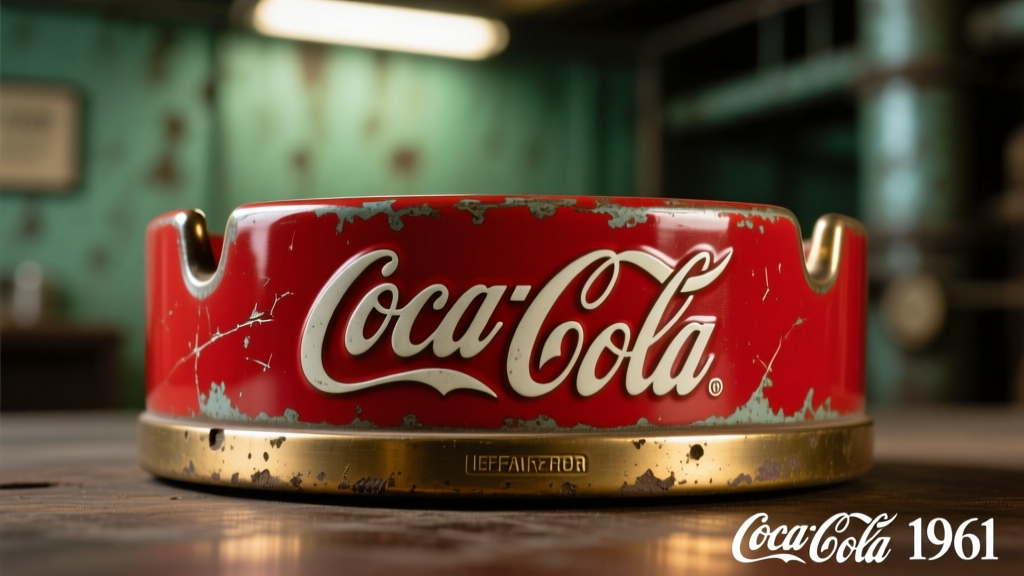
Coca-Cola Ashtray Metal Red 1961: Authenticity, Provenance, and Collectible Value
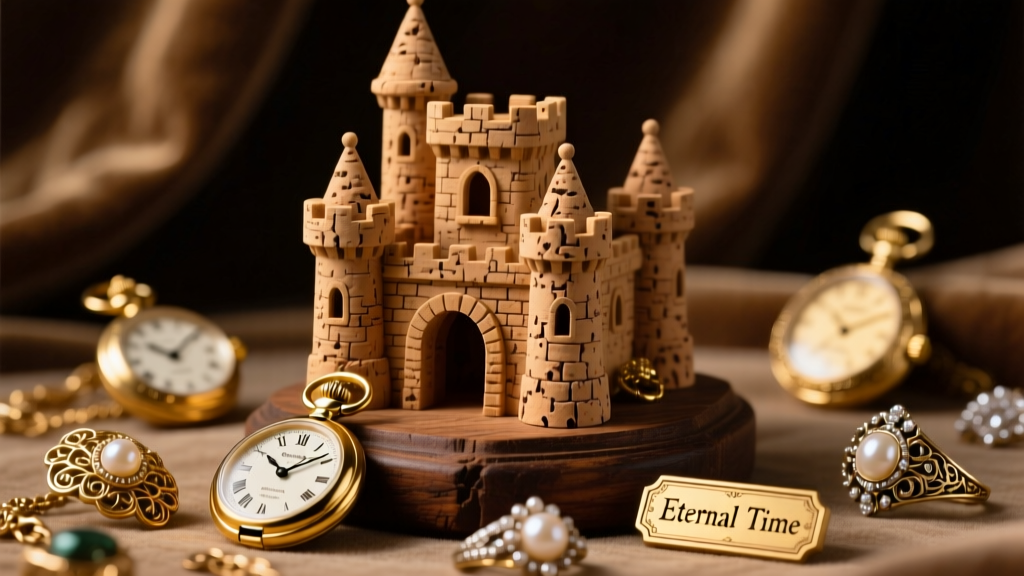
Carved Cork Castle: The Forgotten Art of 19th-Century European Souvenir Craftsmanship
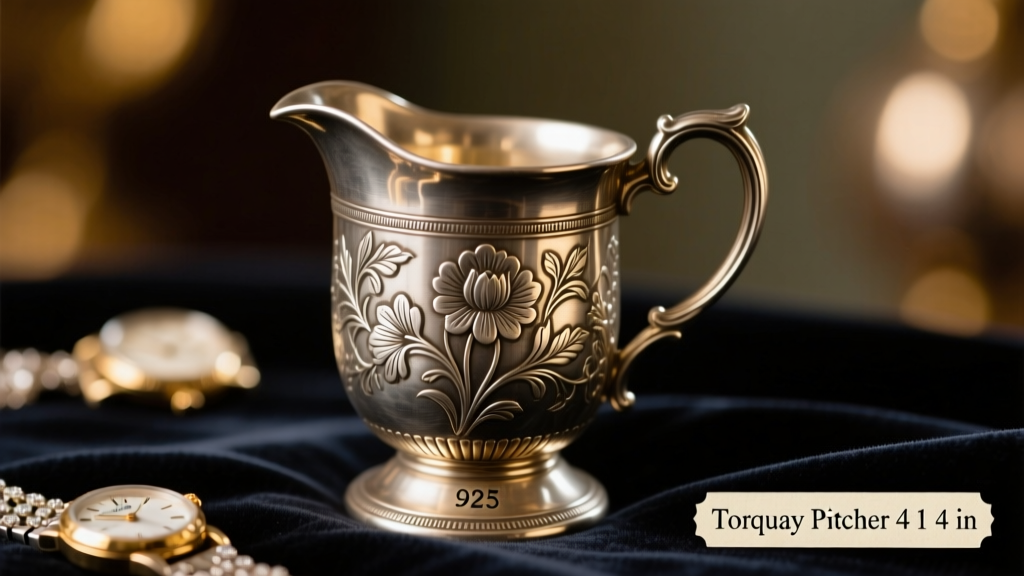
Torquay Pitcher 4¼-Inch: A Study in English Silverplate Tableware Heritage
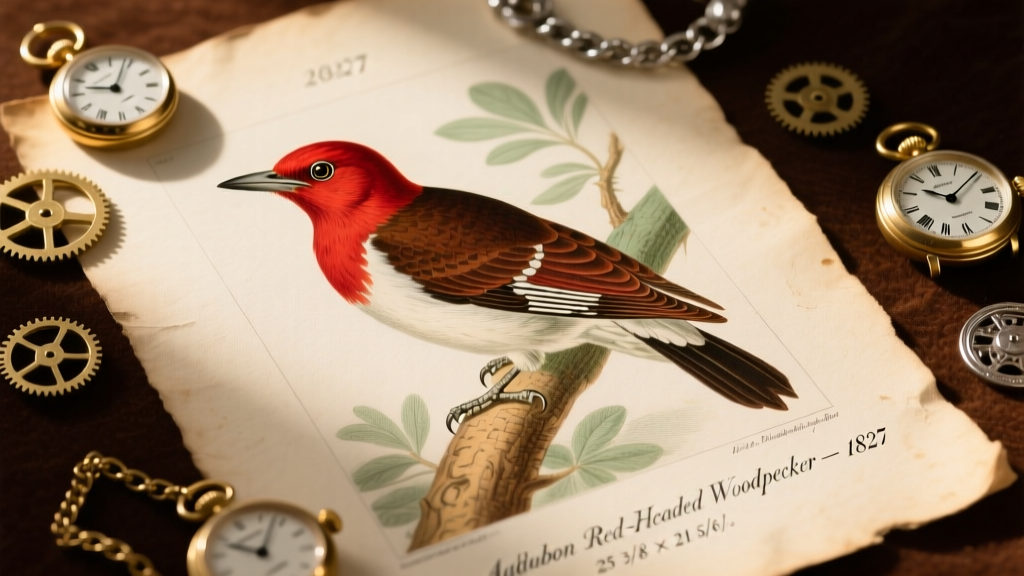
Audubon’s Red-Headed Woodpecker (1827): A Technical & Historical Appraisal of the Original Double-Elephant Folio Print
Chalkware Figurine: Seated Cat, Painted, Pennsylvania, c. 1840–1870 — A Detailed Provenance and Technical Analysis
Candy Containers Watch With Fob: A Collector’s Guide to the Original Closure Mechanism