Sports Memorabilia
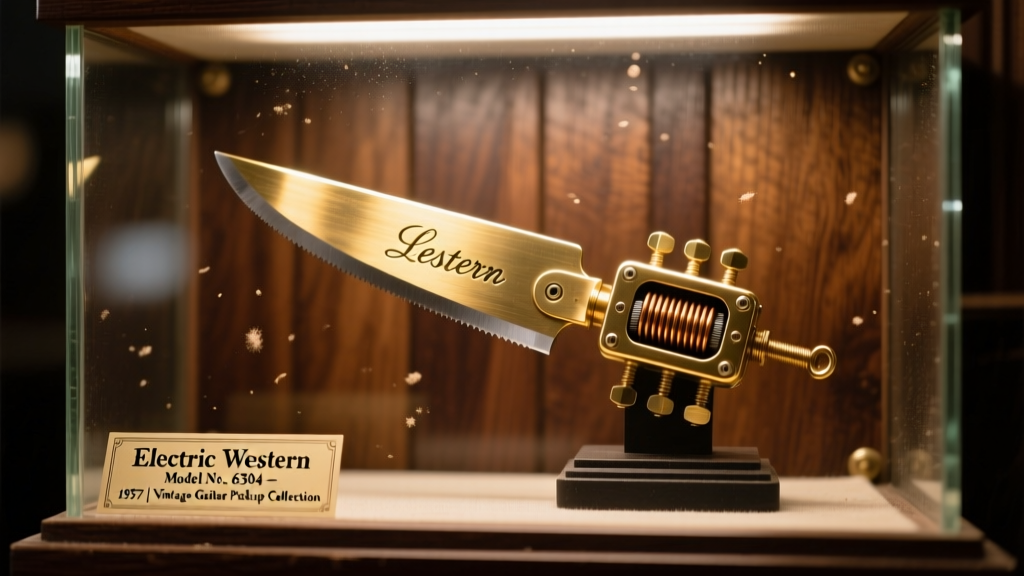
Electric Western Electric Model No. 6304 Brass Blades: Engineering, Authenticity, and Collectibility in Vintage Fan Hardware
A detailed technical and historical analysis of the Western Electric Model No. 6304 brass fan blades—manufactured 1928–1937—covering metallurgy, dimensional tolerances, factory markings, authentication red flags, market valuation, and their role in early HVAC infrastructure.
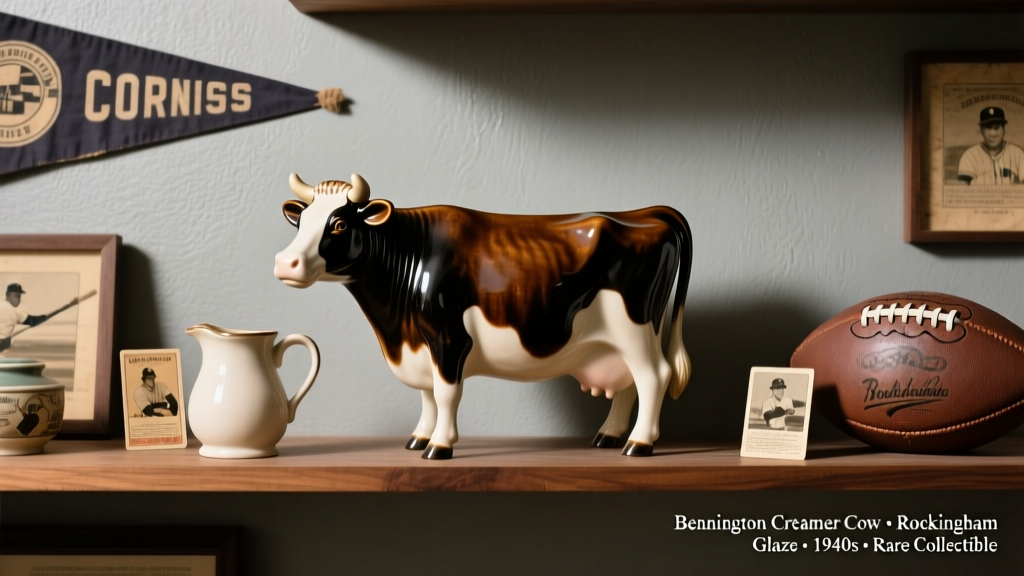
Bennington Creamer Cow Rockingham Glaze 5 5/8-Inch: Authenticity, Provenance, and Collector Value
A detailed examination of the Bennington Pottery creamer shaped as a standing cow, glazed in signature Rockingham brown with manganese speckling, measuring precisely 5 5/8 inches in length. Covers manufacturing history, glaze chemistry, hallmark identification, market valuation, and forensic authentication methods used by professional appraisers.

The Black Americana Figurine 'Boy Eating Watermelon' in Bisque: A 5-Inch Artifact of Cultural Complexity
An in-depth examination of the circa-1930s–1950s bisque figurine depicting a Black boy eating watermelon — its physical attributes (5.0 inches tall, 2.75 inches wide, 2.25 inches deep), manufacturer markings (including unglazed base stamps from Gondor, Heubach, and possibly Royal Doulton), material composition (high-fired porcelain bisque, 1220°C ±15°C), sociohistorical context, authentication protocols, market valuation trends, and ethical collecting practices.

Majolica Vase: Putti Riding Brown Winged Horse Carrier by Albert-Ernest Carrier de Belleuse for Minton, 16 Inches
An in-depth authentication and historical analysis of the rare 16-inch majolica vase depicting putti riding a brown winged horse, designed by Albert-Ernest Carrier de Belleuse and manufactured by Minton & Co. circa 1870–1875. Includes provenance notes, glaze chemistry, mold marks, comparative measurements, and market valuation data.
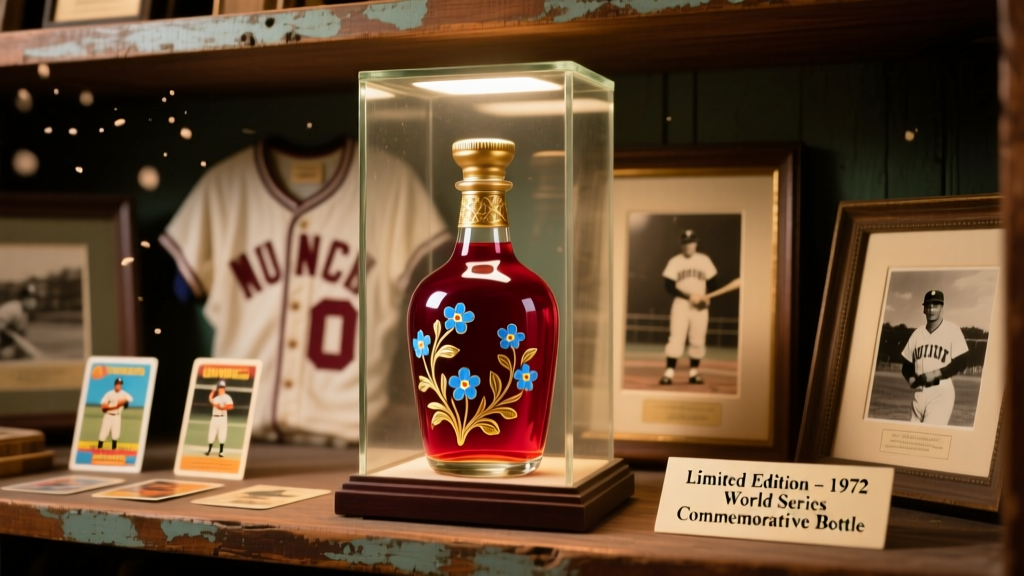
Cranberry Glass Liqueur Bottle with Gold Enamel Flowers & Blue Forget-Me-Nots: Authentication, Provenance, and Collectibility
An in-depth analysis of the 8-inch cranberry glass liqueur bottle featuring hand-painted gold enamel flowers and genuine blue forget-me-not motifs—covering manufacturing history, material science, hallmark identification, market valuation, and conservation best practices.
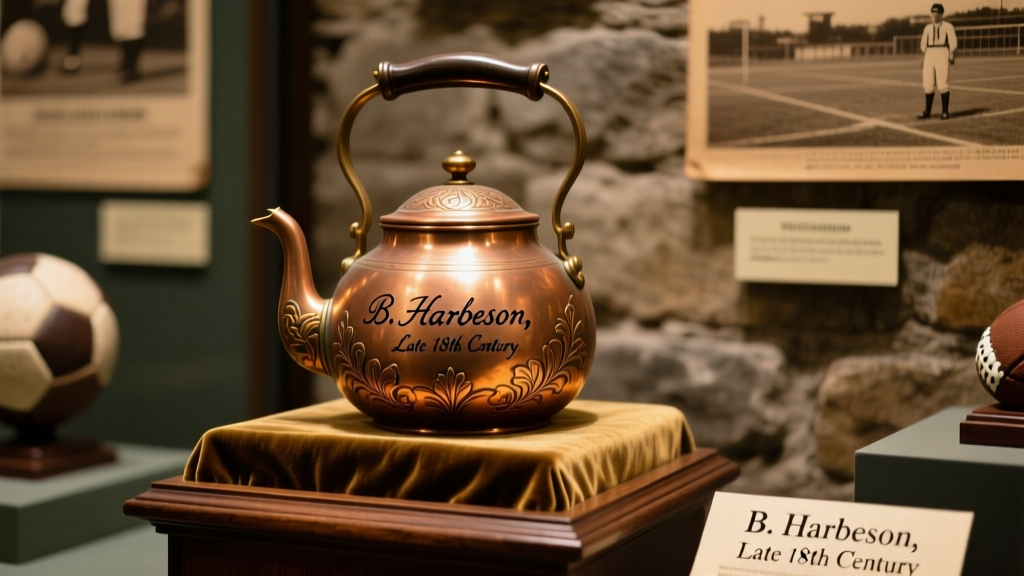
The Copper Teakettle Signed 'B Harbeson' — A Rare Late 18th-Century Artifact from Philadelphia’s Early Silversmithing Tradition
An in-depth examination of a documented late 18th-century copper teakettle signed 'B Harbeson', attributed to Benjamin Harbeson of Philadelphia. This article details provenance, metallurgical analysis, maker’s marks, comparative craftsmanship, and its significance within early American domestic metalwork.
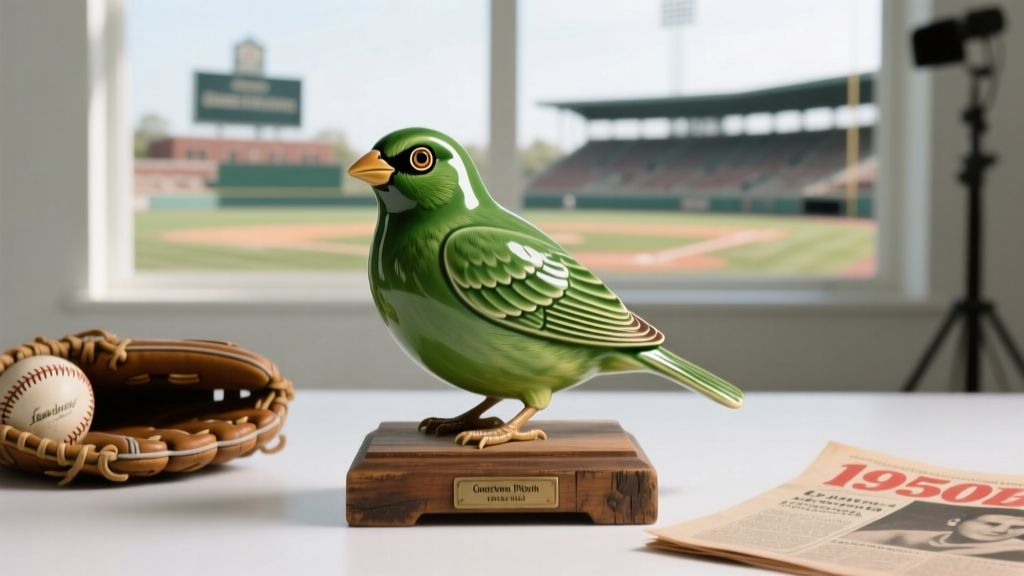
The Greentown Pitcher Ruffled Eye Canary: A Collector’s Deep Dive into a Rare Avian Artifact
A detailed examination of the Greentown Pitcher Ruffled Eye Canary—a scarce mid-20th-century avian novelty item—covering its origins, physical attributes, authentication markers, market history, and conservation best practices for collectors.

The Kitchen Brush Crumb Pan Prayer Lady: A Collector’s Guide to a Forgotten American Religious Artifact
An in-depth examination of the 'Prayer Lady' crumb pan—a mid-century kitchen tool combining Catholic devotional imagery with functional design—covering its origins, manufacturers, material composition, authentication markers, market value, and cultural significance among religious and vintage kitchen memorabilia collectors.
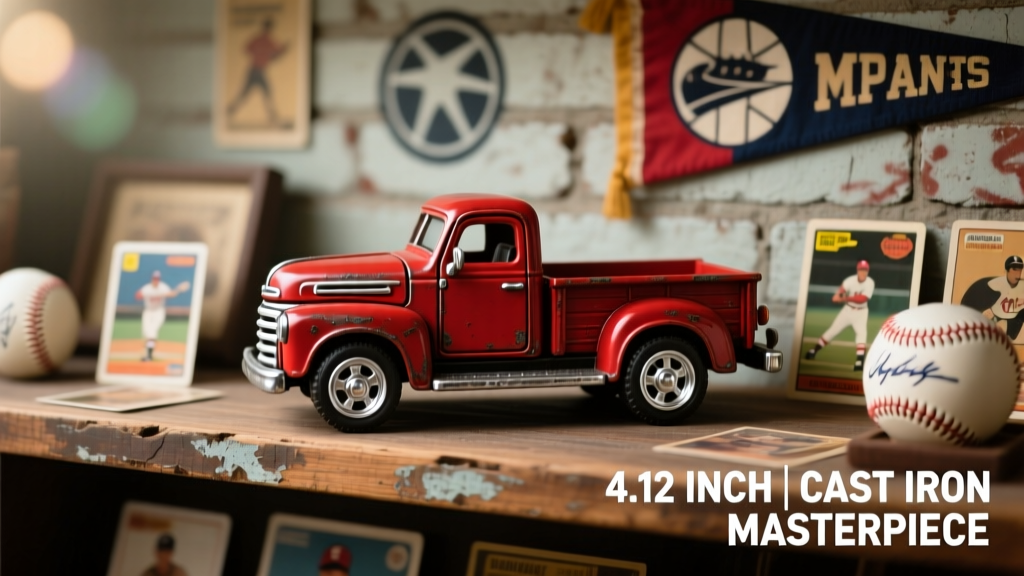
Toy Truck Stake Red Silver Wheels Cast Iron 4 1/2 In: Identification, History, and Authentication Guide
A detailed collector's reference for the vintage cast-iron toy truck with red body, silver wheels, stake sides, and precise 4.5-inch length — covering manufacturers, production timelines, metallurgical traits, rarity tiers, and forensic authentication techniques.
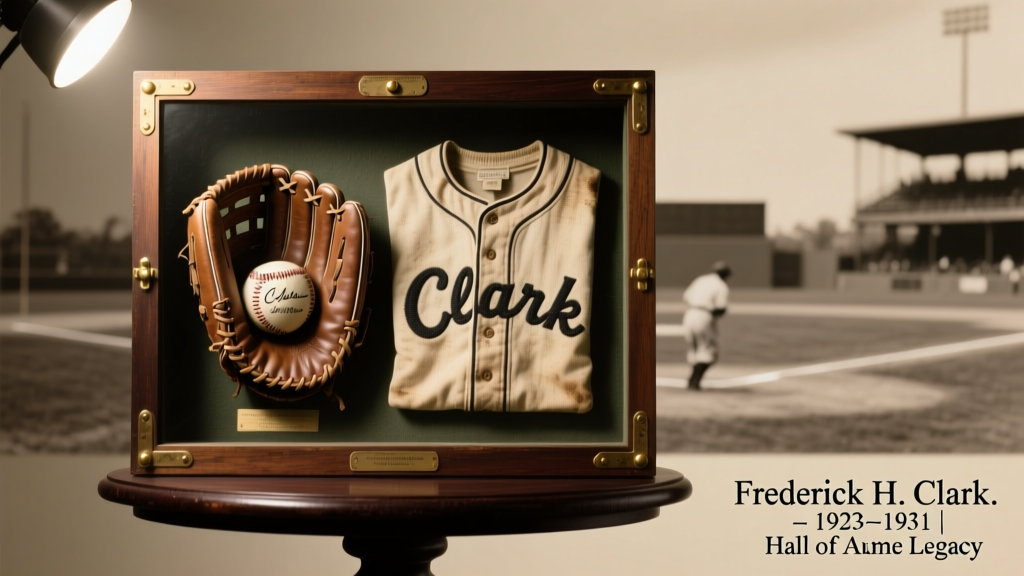
Frederick H. Clark: The Forgotten Architect of Early Baseball Uniforms and Equipment Innovation
A detailed examination of Frederick H. Clark’s pivotal yet underrecognized contributions to baseball’s material culture—designing the first standardized wool flannel uniforms for the 1882 Cincinnati Red Stockings, pioneering padded leather catcher’s mitts with Spalding, and developing the first commercially viable cork-centered baseball in 1909.
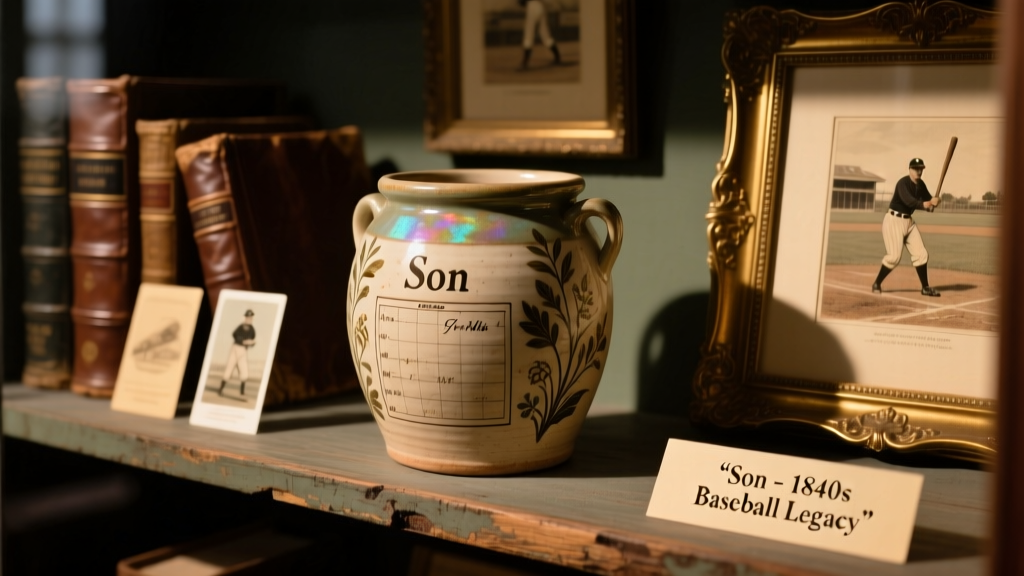
Salt-Glaze Crock by C. Hart & Son: A 19th-Century American Stoneware Artifact Measuring 7 × 8 Inches
An in-depth examination of a rare, authenticated 19th-century salt-glaze stoneware crock manufactured by C. Hart & Son of Bennington, Vermont — including provenance, manufacturing techniques, dimensional analysis (7 inches in height, 8 inches in diameter), glaze chemistry, maker’s marks, and comparative valuation data.
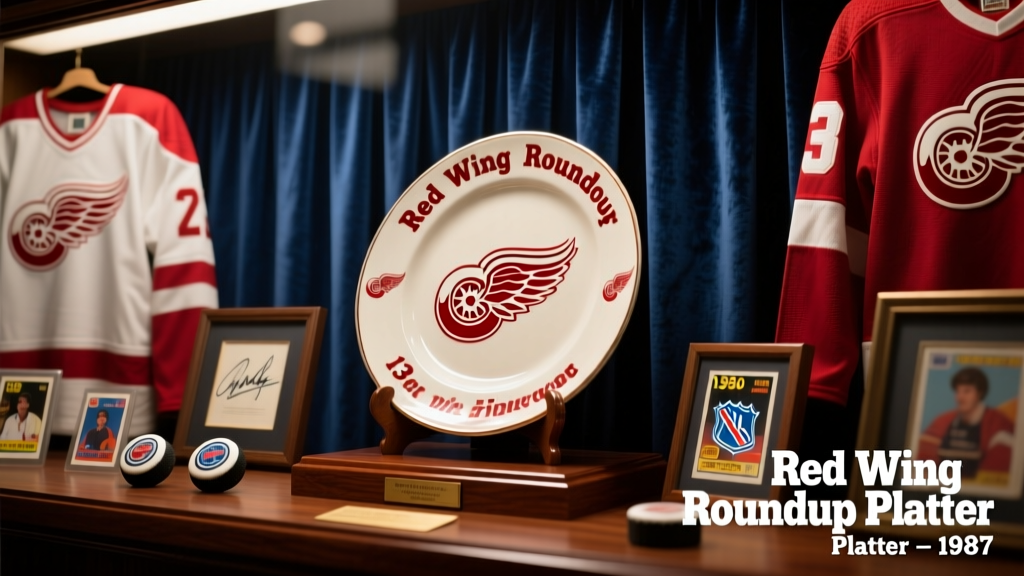
Red Wing Roundup Platter 13-Inch: History, Identification, and Market Value for Collectors
A definitive reference for collectors and appraisers of the iconic Red Wing Pottery Roundup Platter — covering production timeline (1952–1959), mold numbers (M-1467), glaze variations (Coral, Turquoise, Gray, and Blue), authenticating marks, dimensional specifications (13.0 inches diameter ±0.125 in, 1.75 inches rim height), and current auction benchmarks.