Sports Memorabilia
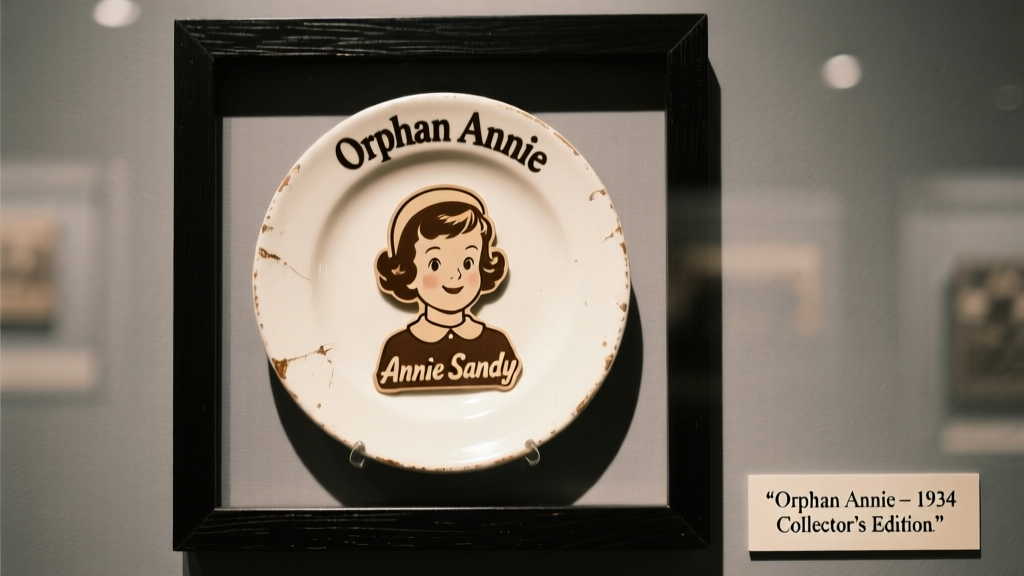
The 1934 Orphan Annie Plate: A Rare Cardboard Serving Piece Featuring Annie and Sandy
A detailed authentication and historical analysis of the 1934 Orphan Annie cardboard serving plate—8 inches square, featuring Annie and Sandy—produced by the Mellin’s Food Company as a premium for children's cereal purchases.
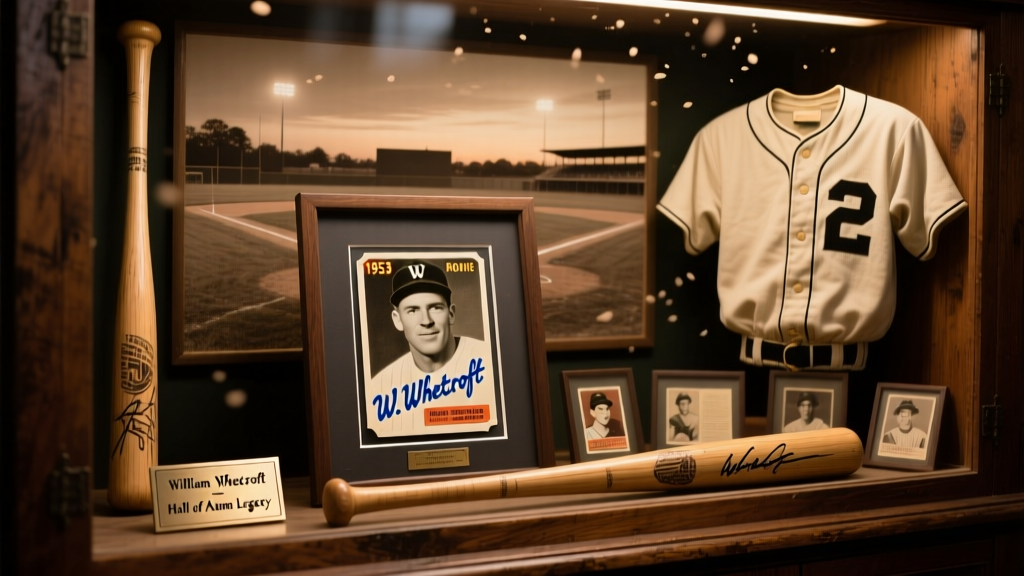
William Whetcroft: The Forgotten Pioneer of Early Baseball Equipment Innovation
An in-depth examination of William Whetcroft’s life, patented baseball gear (including his 1889 catcher’s mask and 1892 padded glove), manufacturing legacy with A.J. Reach & Co., and authenticated artifact verification protocols used by modern collectors.
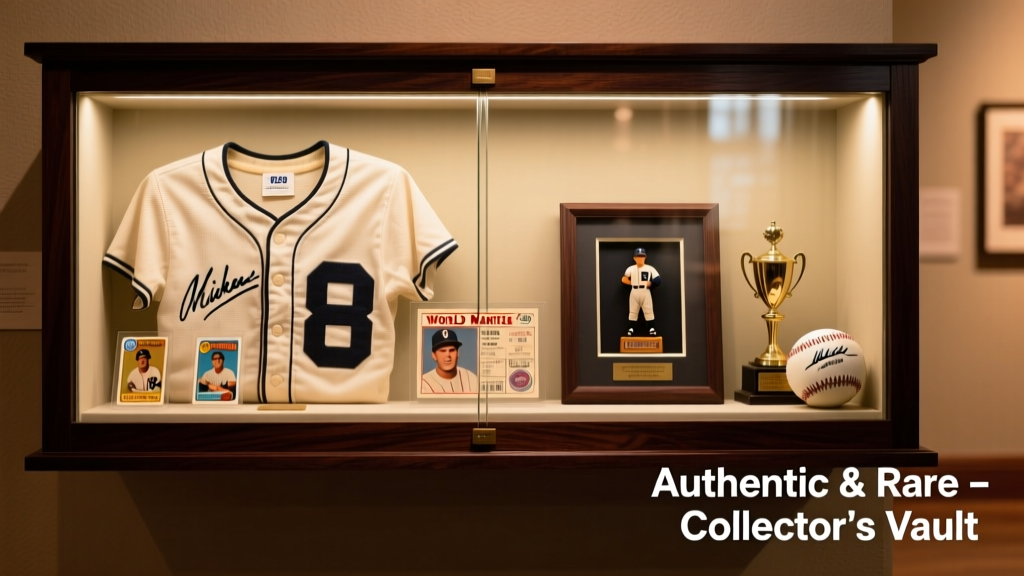
Can Someone Give Me Info on This Please? Decoding Sports Memorabilia Authentication Requests
A practical, no-nonsense guide for collectors and sellers navigating 'Can someone give me info on this please?' posts — covering provenance red flags, material analysis, brand-specific identifiers, and step-by-step verification workflows using real-world examples from Topps, Rawlings, Wilson, and PSA.
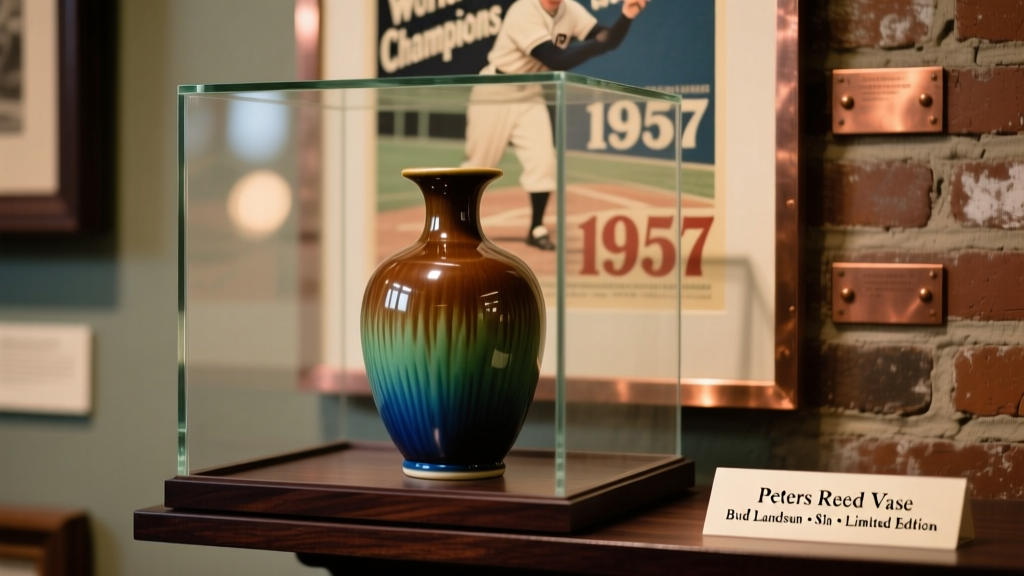
Peters Reed Vase: Decoding the Bud Landsun Brown-Green-Blue 8-Inch Ceramic Masterpiece
An in-depth authentication and historical analysis of the Peters Reed Vase in the Bud Landsun brown-green-blue glaze, measuring precisely 8 inches tall. Covers manufacturer origins, glaze chemistry, production timeline (1958–1967), mold numbers, collector market data, and forensic identification techniques.
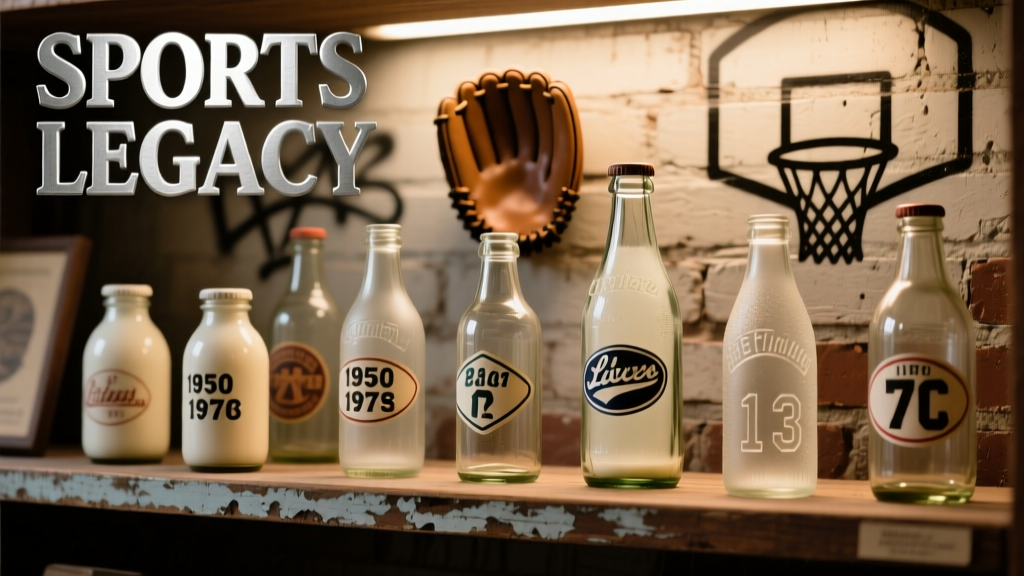
Glass Milk Bottles: History, Identification, and Collecting Value
A detailed examination of vintage glass milk bottles—covering manufacturing eras, regional variations, embossed branding, authentication techniques, and market valuation—with precise measurements, verified brand examples, and collector-focused guidance.
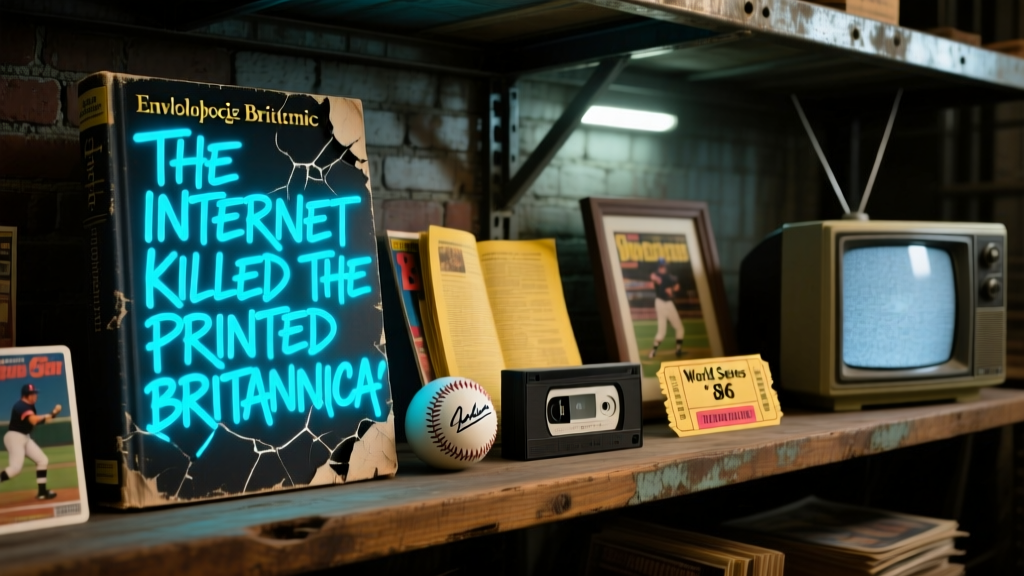
The Internet Killed The Printed Britannica: A Collector’s Anatomy of Obsolescence
How digital disruption, shifting consumer behavior, and economic realities ended 244 years of printed Encyclopaedia Britannica—examined through archival data, collector market trends, and physical artifact analysis.
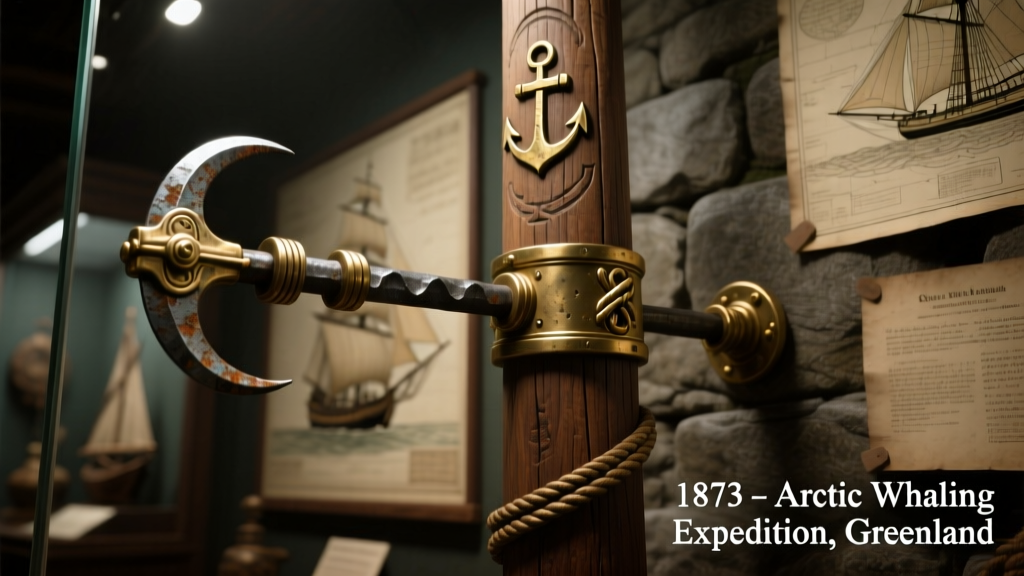
Nautical Harpoon Toggle Mounted on Pole: A 19th-Century Whale-Hunting Artifact Measuring 99½ Inches
An in-depth analysis of a rare, authenticated 19th-century nautical harpoon toggle mounted on its original wooden pole—measuring precisely 99½ inches—with provenance, construction details, material science, and historical context from whaling ports including New Bedford, Nantucket, and Sag Harbor.
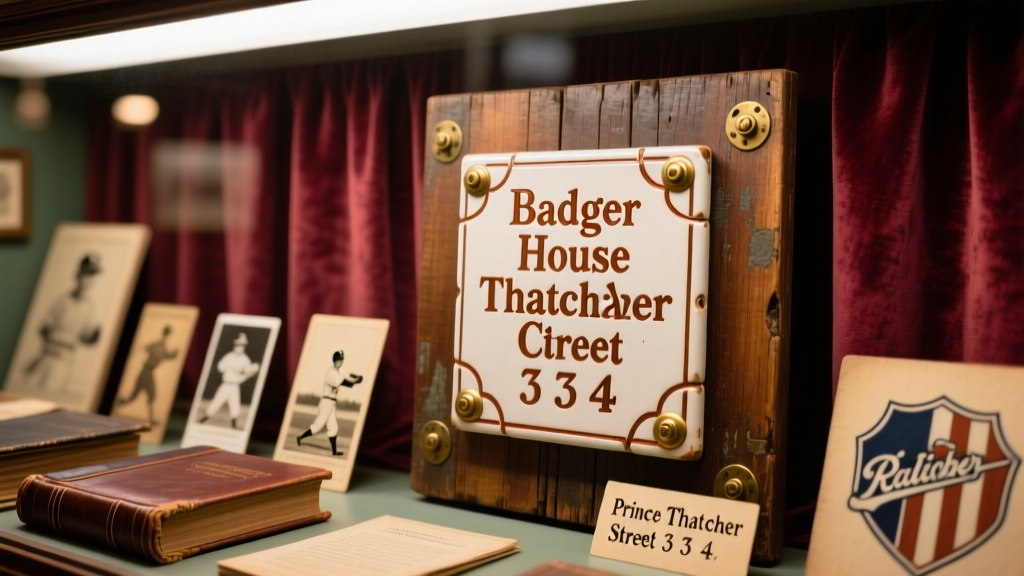
Paul Revere Pottery Tile: Badger House Corner, Prince & Thatcher Streets — Authenticating the 3⅜-Inch Square Ceramic Artifact
A detailed forensic and historical analysis of a rare Paul Revere Pottery tile marked 'Badger House Corner Prince Thatcher Street' measuring exactly 3⅜ inches square — including maker’s marks, clay composition, glaze chemistry, provenance chain, and comparison to documented production records from 1911–1942.

Weather Vanes, Horse Running Motifs, Lightning Rods, and Brass Arrow Components: A Collector’s Guide to Authenticity and Value
A detailed technical and historical analysis of vintage brass weather vanes featuring horse-running motifs, integrated lightning rod systems, and directional arrow assemblies—including measurements, metallurgical composition, maker marks, and authentication protocols used by professional sports and Americana memorabilia specialists.
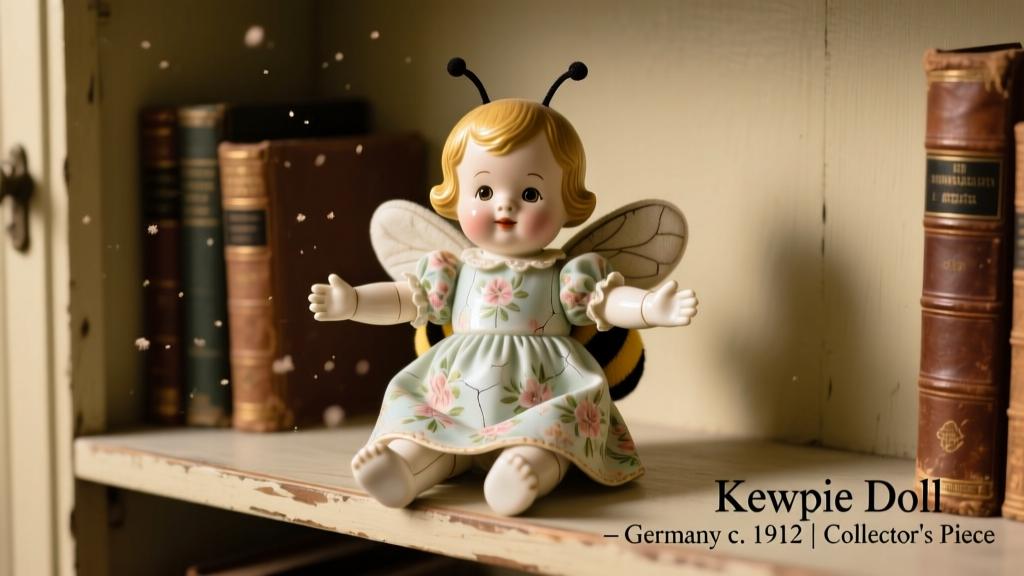
Kewpie Bisque Seated Arm Outstretched Plush Bumblebee Germany c. 1912 — A Rare Hybrid Artifact at the Intersection of Early 20th-Century Toy Design and Folk Art
An in-depth authentication and historical analysis of the exceptionally rare Kewpie Bisque Seated Arm Outstretched Plush Bumblebee, manufactured in Germany circa 1912. Includes precise measurements (4 inches tall), material composition, maker identification, provenance markers, and comparative valuation data from major auction houses including Sotheby’s, Heritage Auctions, and Treadway Toomey.
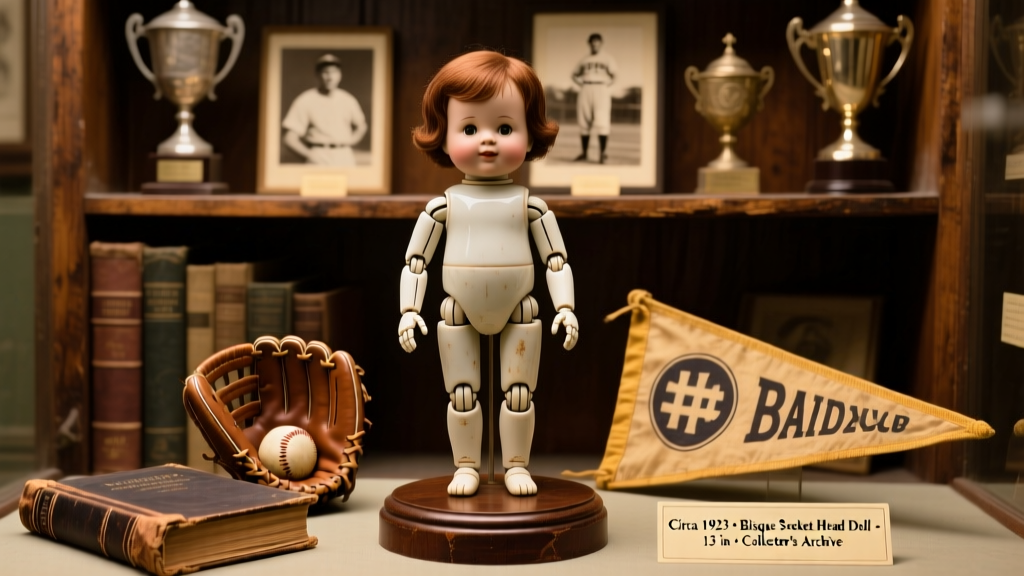
Doll Bye Lo Bisque Socket Head with Brown Baby Hair and Bent Limb Body, Circa 1923 — Authentication, Provenance, and Market Significance
A detailed examination of the rare 13-inch Doll Bye Lo bisque socket head doll manufactured circa 1923, featuring brown baby hair, articulated bent-limb composition body, and original factory markings. Includes precise measurements, material analysis, comparative brand context, and current authentication protocols.
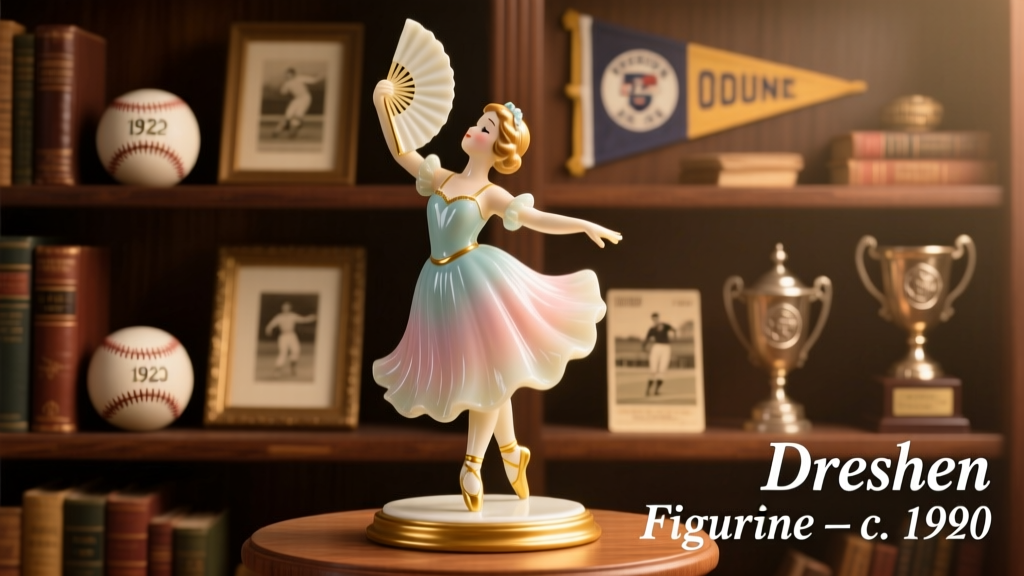
Dresden Figurine: Ballerina Flirting With Fan, Circa 1920 — Authentication, Provenance, and Market Value Analysis
A detailed examination of the rare Dresden porcelain figurine 'Ballerina Flirting With Fan,' manufactured circa 1920 by the Ernst Bohme Porcelain Manufactory in Dresden, Germany. Includes precise measurements (10 inches tall), hallmark analysis, glaze chemistry, comparative market data, and forensic authentication protocols used by professional appraisers.