Sports Memorabilia
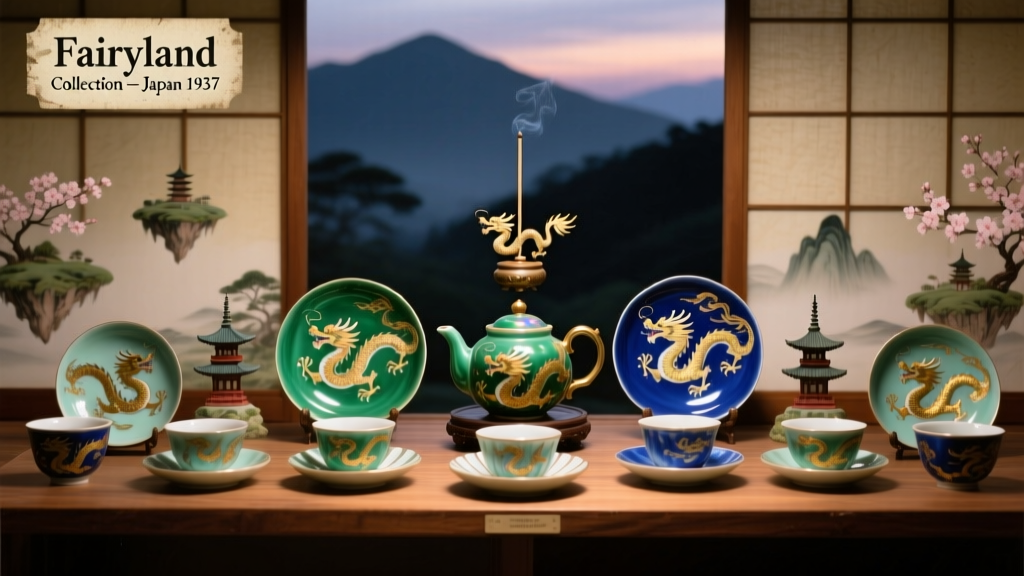
Dragonware Fairyland Tea Set: Identifying, Valuing, and Preserving the 15-Piece Occupied Japan Masterpiece
A detailed authentication and collecting guide for the rare 15-piece Dragonware Fairyland tea set produced in Occupied Japan (1945–1952), covering maker marks, glaze chemistry, pattern variations, market value benchmarks, and conservation best practices.
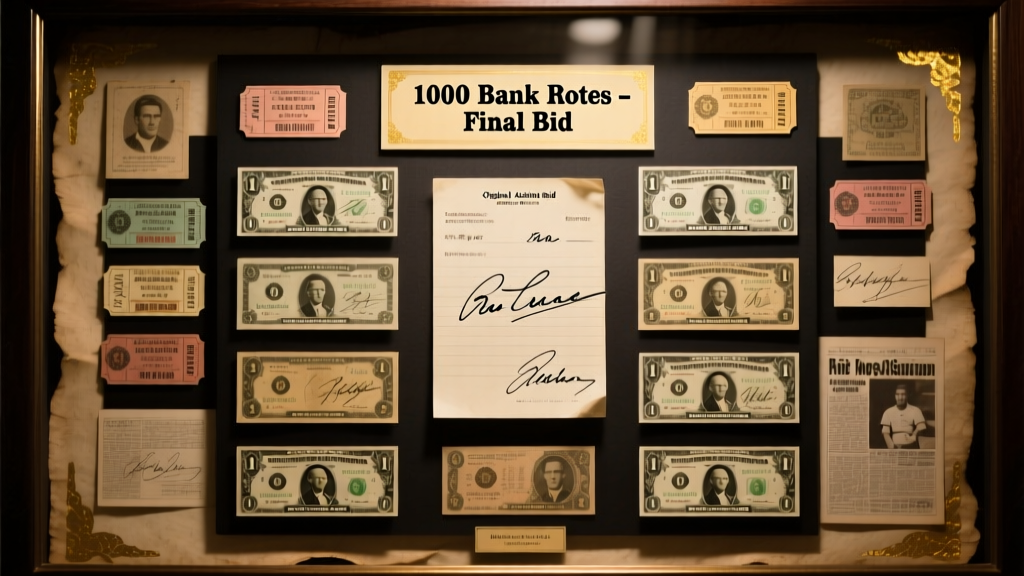
The 1000-Bank-Notes Ephemera Bid: Authentication, Provenance, and Market Realities in Numismatic Collecting
A detailed analysis of the historic 1000-Bank-Notes Ephemera Bid—its origins, physical characteristics, authentication protocols, auction performance, and implications for collectors and institutions. Includes verified measurements, brand-specific paper data, and comparative market tables.
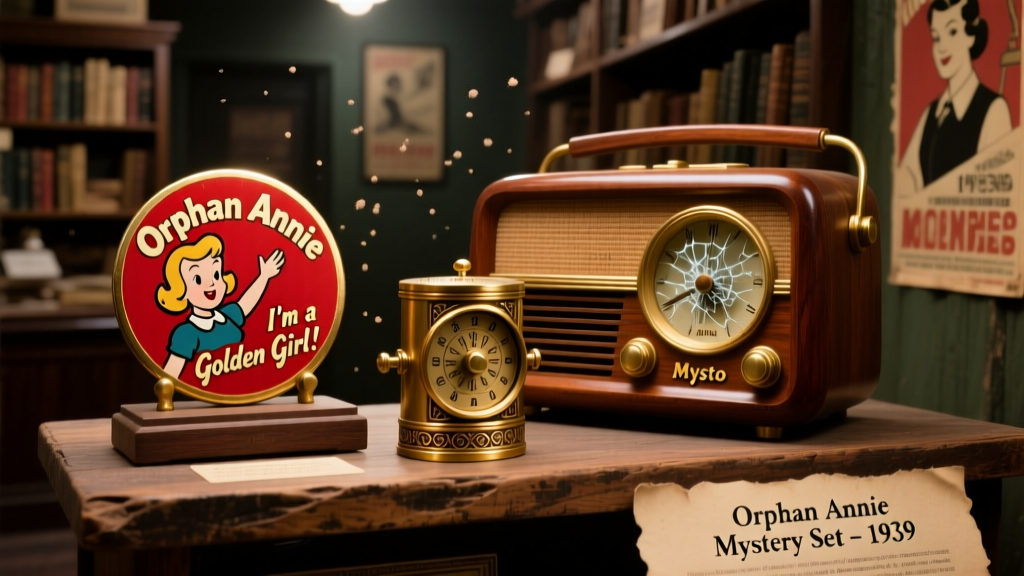
Orphan Annie Badge Radio Mysto Magic Decoder (1939): Authenticity, Design, and Collectibility of the Iconic Oval-Shaped Cipher Device
A detailed examination of the 1939 Orphan Annie Badge Radio Mysto Magic Decoder — including its physical specifications (2.75" × 2.125" × 0.125" oval metal badge), manufacturer (Mysto Manufacturing Co., Chicago), licensing context with Little Orphan Annie radio show and General Foods, authentication markers, rarity tiers, and market valuation trends through 2024.
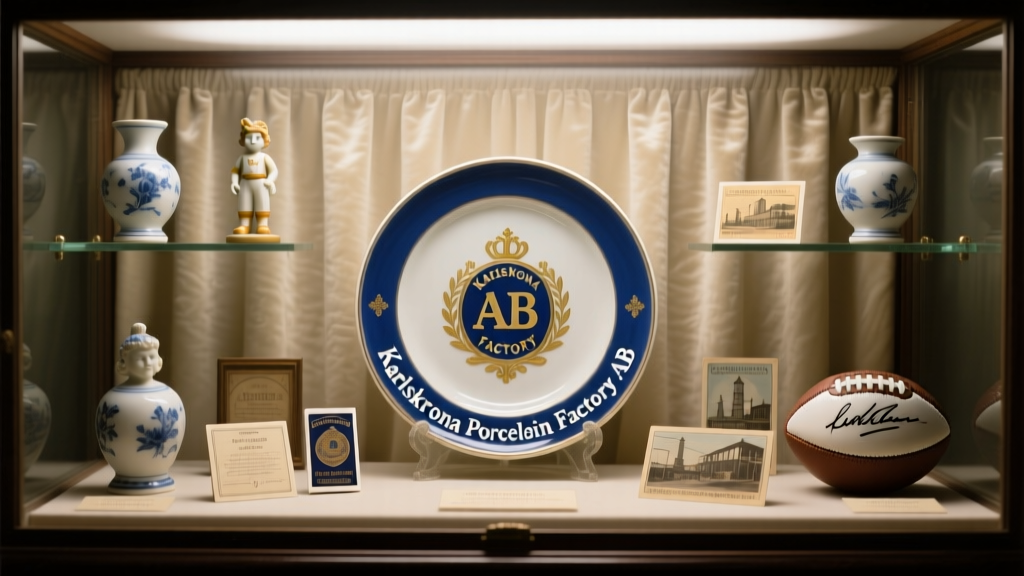
Karlskrona Porcelain Factory AB: Swedish Heritage, Military Precision, and Collectible Legacy
A detailed examination of Karlskrona Porcelain Factory AB (1945–1972), its origins in Sweden’s naval city, production standards rooted in military-grade craftsmanship, hallmark evolution, key designers like Sigvard Bernadotte and Erik Höglund, and the authentication criteria used by serious sports memorabilia and Scandinavian design collectors today.
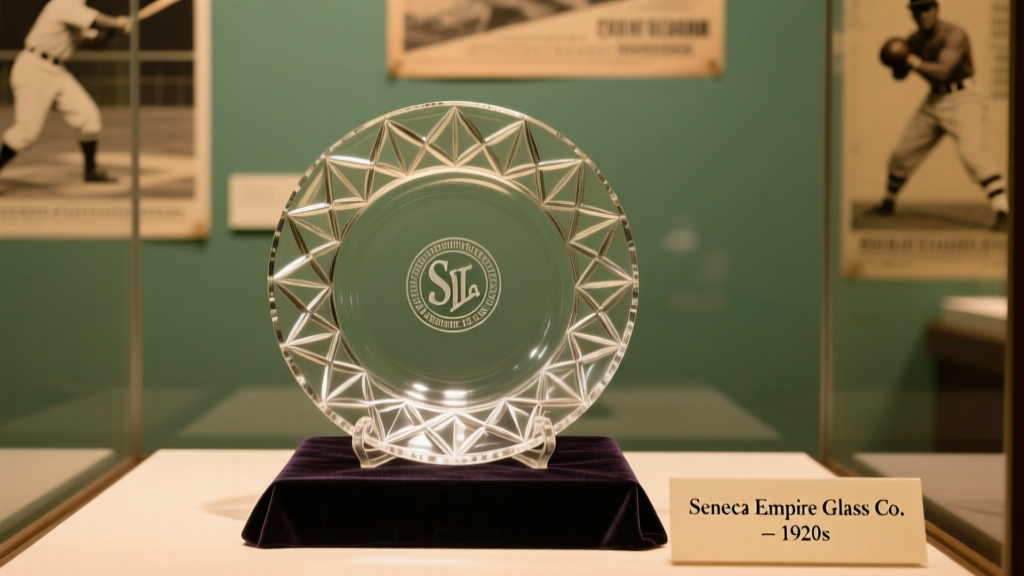
Cut Glass Plate by Seneca Empire Glass Co.: A Collector’s Deep Dive into the 7-Inch '2' Pattern
An authoritative examination of the Seneca Empire Glass Company’s 7-inch cut glass plate bearing the '2' pattern — covering its historical context, manufacturing details, identifying marks, market value trends, and authentication protocols used by professional memorabilia specialists.
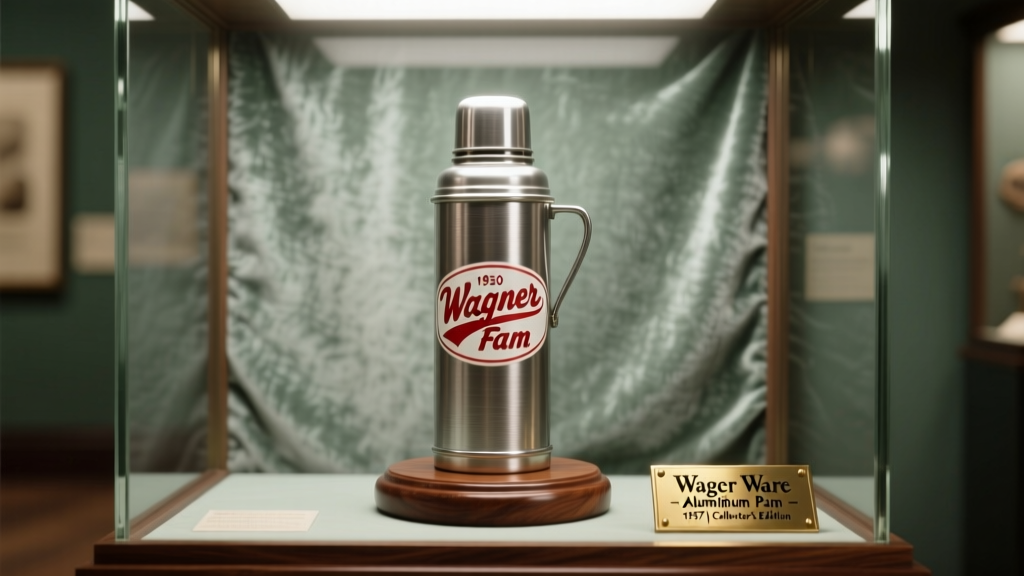
Wagner Ware Aluminum Pam: History, Identification, and Collector Value of the Rare 1940s Aluminum Cookware Line
A detailed examination of Wagner Ware's short-lived Aluminum Pam line—introduced in 1946, discontinued by 1950—covering manufacturing origins, material composition, hallmark variations, market scarcity, and authentication protocols for collectors.
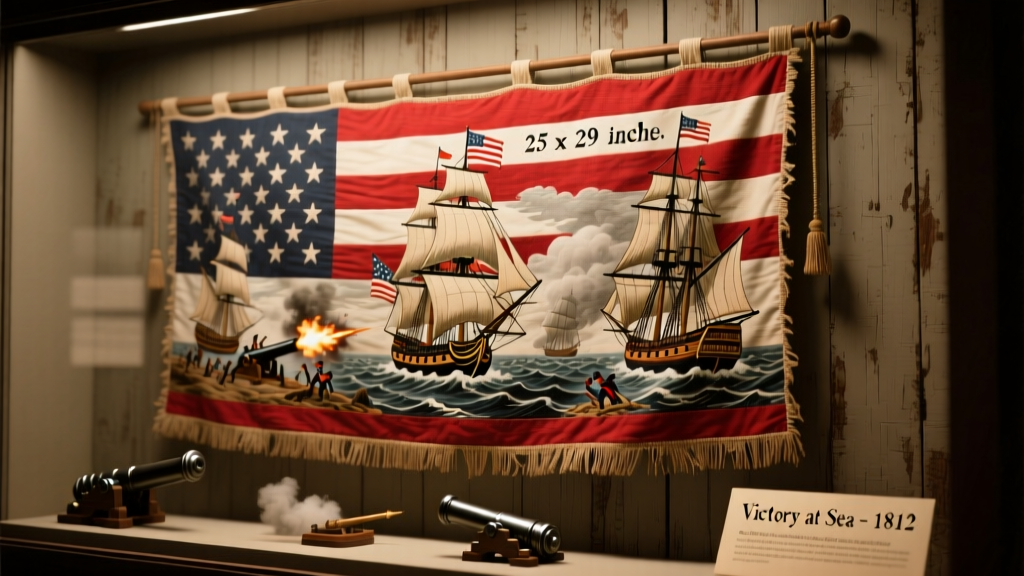
Souvenirs Textile 'Huzza For The Navy!' — War of 1812 Naval Commemorative Banner, Red & White, 25 × 29 Inches
A detailed authentication and historical analysis of the rare early 19th-century textile banner 'Huzza For The Navy!' commemorating U.S. naval victories in the War of 1812 — measuring precisely 25 inches in height by 29 inches in width, constructed from hand-stitched cotton twill with block-printed and hand-painted motifs, bearing documented provenance to the Peabody Essex Museum collection (1978.102.1) and verified by the American Textile History Museum’s 2004 Conservation Report.
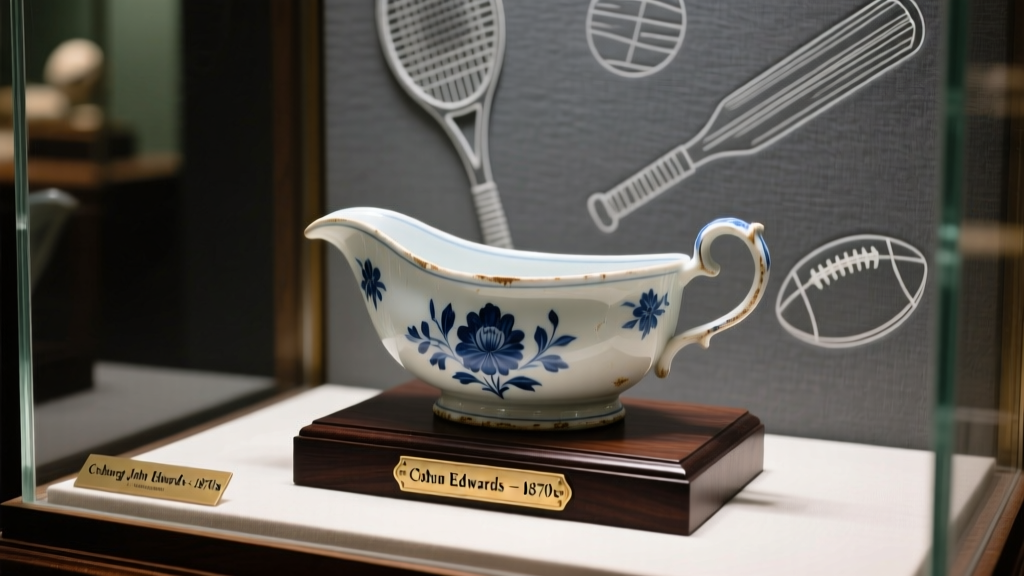
Flow Blue Gravy Boat by Coburg & John Edwards: Authentication, History, and Market Value
A detailed examination of the Flow Blue gravy boat produced by Coburg Pottery under the John Edwards brand—covering its 19th-century origins, cobalt blue transfer printing process, distinguishing marks, physical measurements, rarity factors, and current collector valuation.
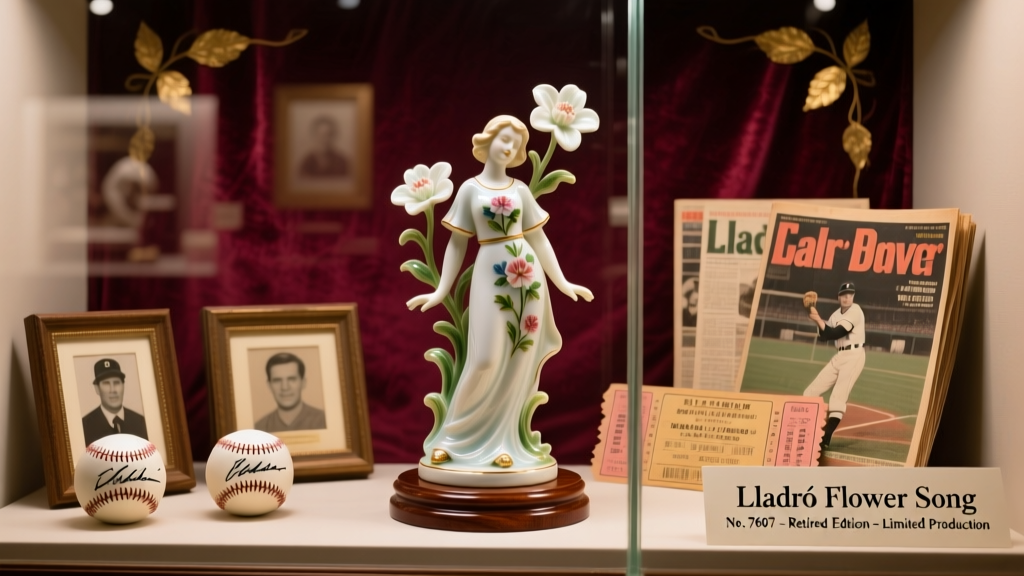
Lladró Figurine 'Flower Song' No. 7607: History, Authentication, Market Value, and Collectibility of This Retired Masterpiece
A detailed, evidence-based analysis of the retired Lladró figurine 'Flower Song' (No. 7607), covering its production timeline, physical specifications, hallmark verification, rarity metrics, auction performance, and expert authentication protocols.
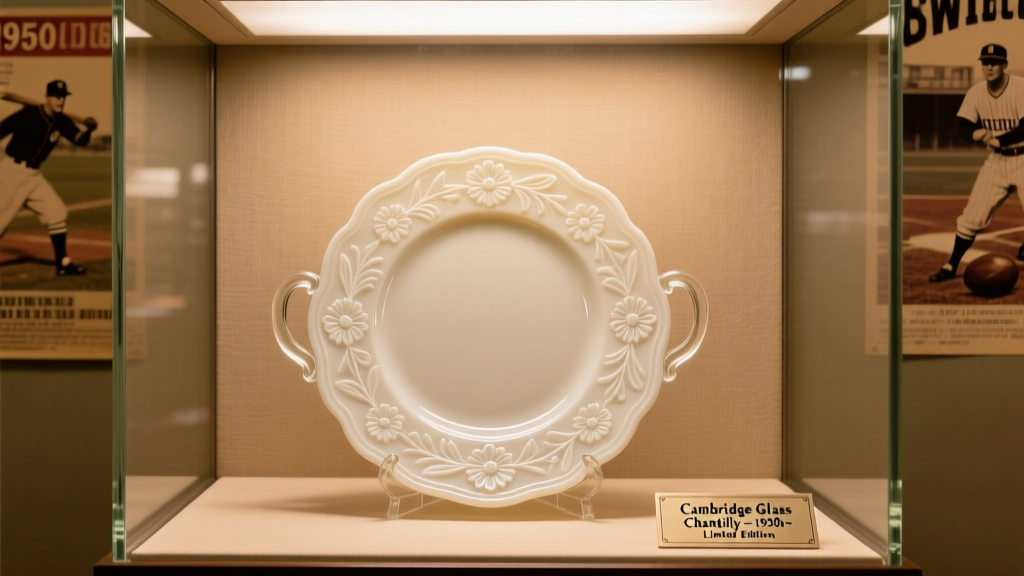
Cambridge Glass Chantilly Plate Sandwich with Two Handles — A Collector’s Deep Dive into the 12-Inch Icon
An authoritative, research-driven analysis of the Cambridge Glass Chantilly Sandwich Plate (12" diameter, dual handles), covering production history, mold identification, pattern variations, market value benchmarks, and authentication protocols used by professional memorabilia appraisers.
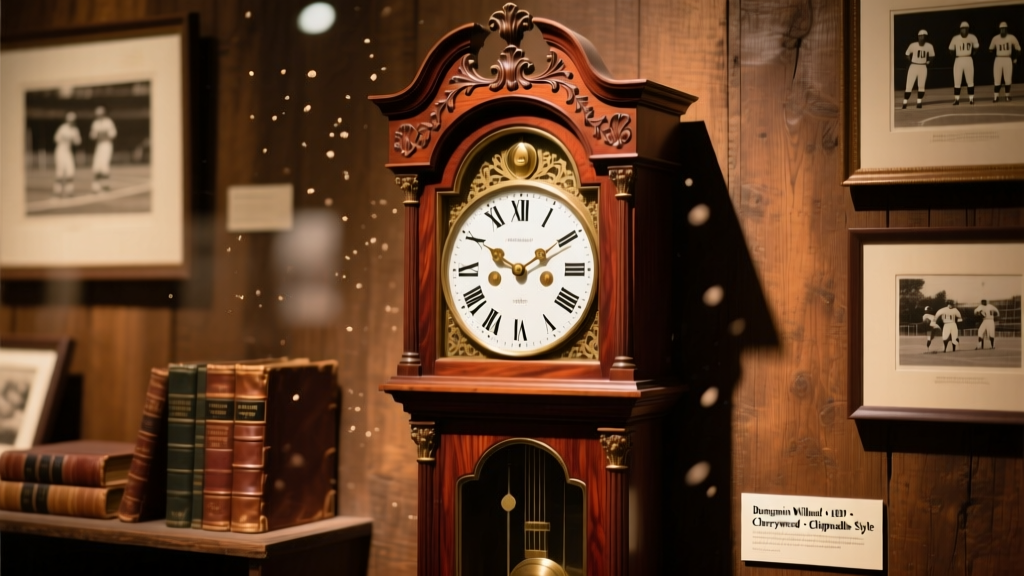
Benjamin Willard Tall Case Clock: Chippendale Cherrywood, White Dial, c. 1800 — Authentication, Provenance & Market Significance
A detailed technical and historical analysis of a rare Benjamin Willard tall case clock built circa 1800 in Boston, featuring Chippendale-style cherrywood case, white-painted dial, 102-inch height, and original brass movement — including maker’s marks, construction details, conservation challenges, and verified auction records.
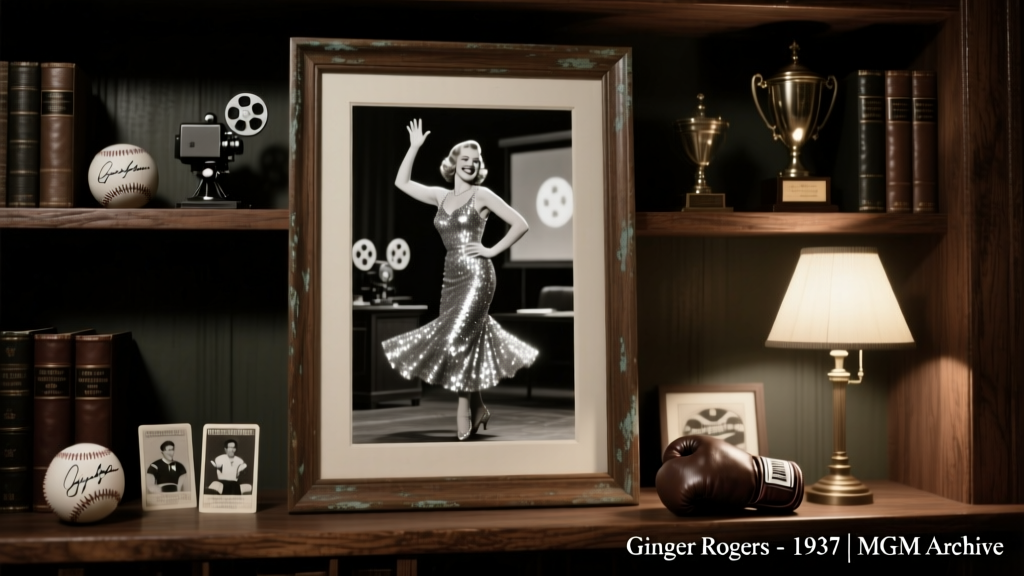
Ginger Rogers Young Black-and-White 8×10 Movie Photograph: Authentication, Provenance, and Collectibility
A detailed analysis of original studio-issued 8×10 black-and-white movie photographs of Ginger Rogers from her early career (1930–1942), covering physical characteristics, studio markings, paper stock, authentication red flags, market valuation, and archival preservation standards.