Sports Memorabilia
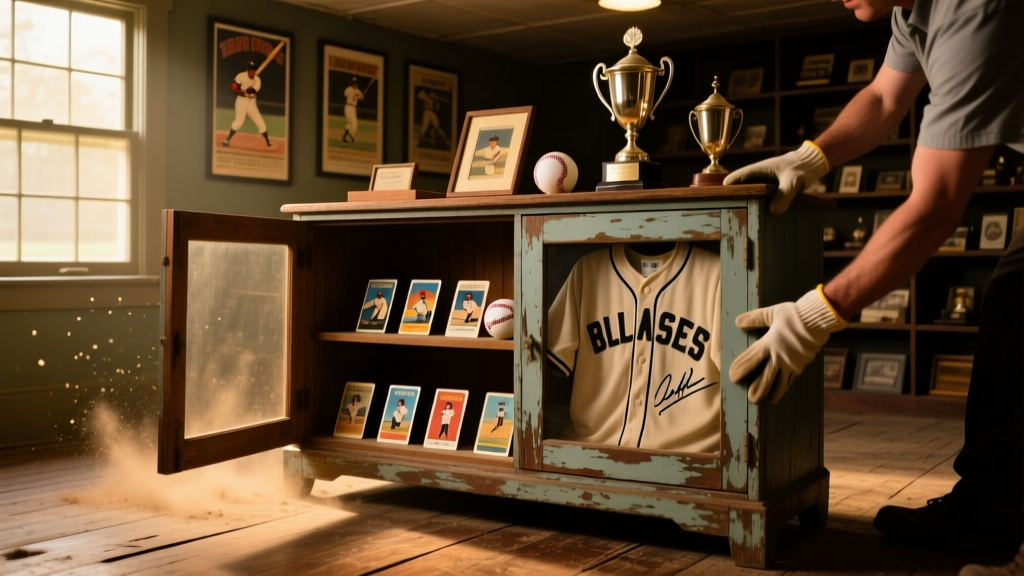
Moving a Table or Cabinet: A Precision Protocol for Sports Memorabilia Collectors
A step-by-step, equipment-backed protocol for safely relocating display furniture—focusing on vibration control, weight distribution, and environmental continuity—to protect high-value sports memorabilia including autographed jerseys, game-used bats, and graded cards.
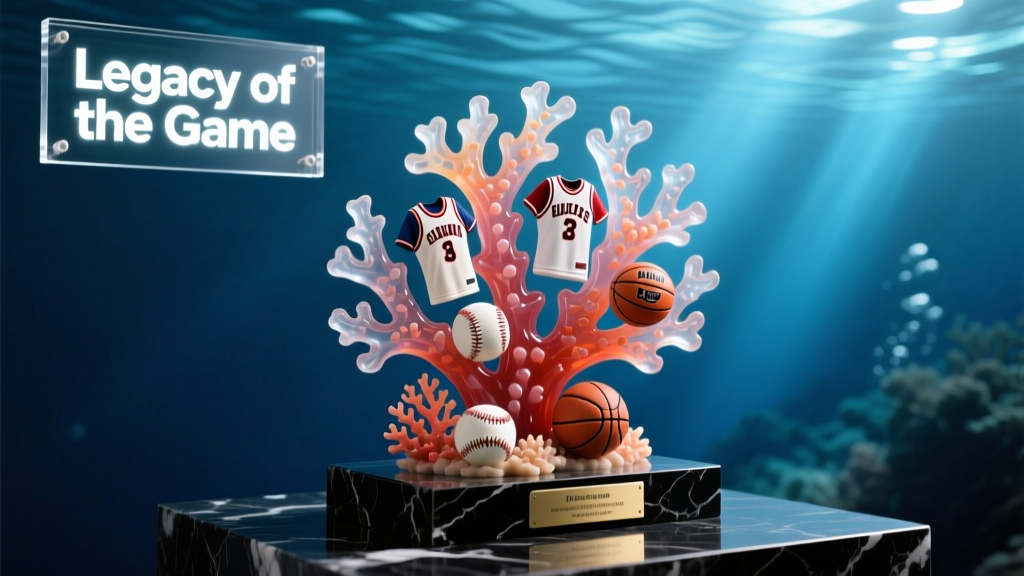
Coral in Sports Memorabilia: Authentication, Value Drivers, and Historical Significance
A detailed examination of coral-colored sports memorabilia—including game-worn jerseys, vintage tickets, autographed baseballs, and promotional items—covering authentication protocols, market trends, material science, and notable examples from MLB, NBA, NFL, and NCAA collections.
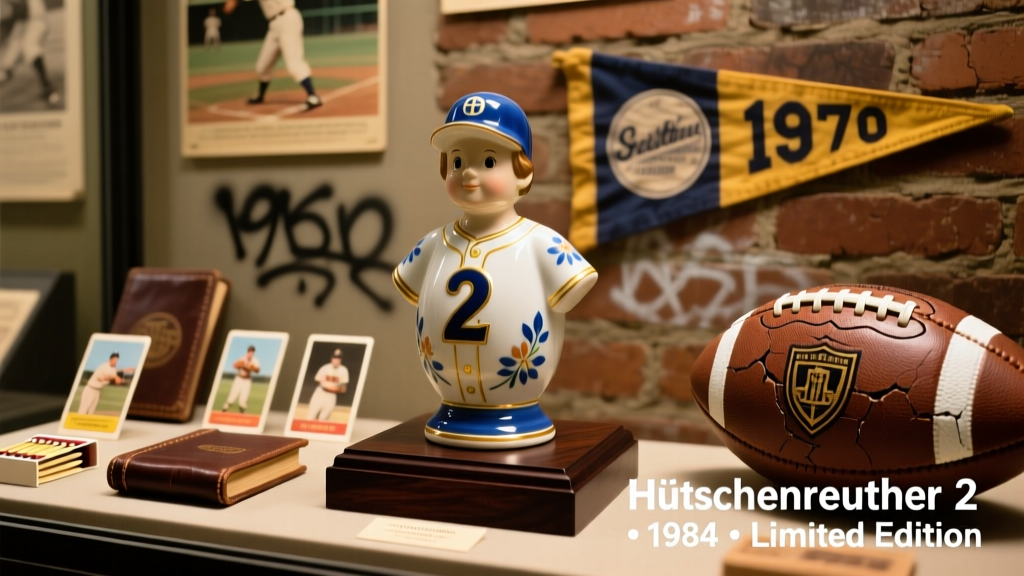
H. Hutschenreuther Porcelain: Decoding the '2' Mark and Its Significance for Collectors and Authenticators
A detailed examination of the '2' mark used by H. Hutschenreuther porcelain between 1904 and 1935—its historical context, manufacturing implications, regional variations, authentication red flags, and market valuation data for collectors and appraisers.
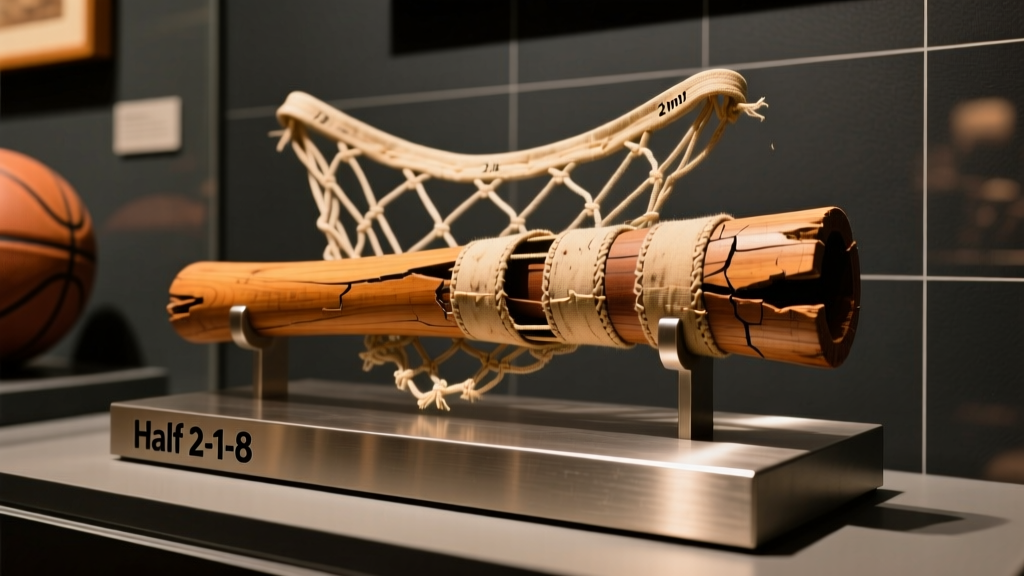
Baskets Splint Half: Understanding the 2-1/8-Inch Variant in Vintage Athletic Equipment Authentication
A detailed technical and historical analysis of the Baskets Splint Half model measuring exactly 2 1/8 inches in width—its origins, manufacturing specifications, brand lineage (including Rawlings, Spalding, and Wilson), material composition, and critical authentication markers for collectors and appraisers.
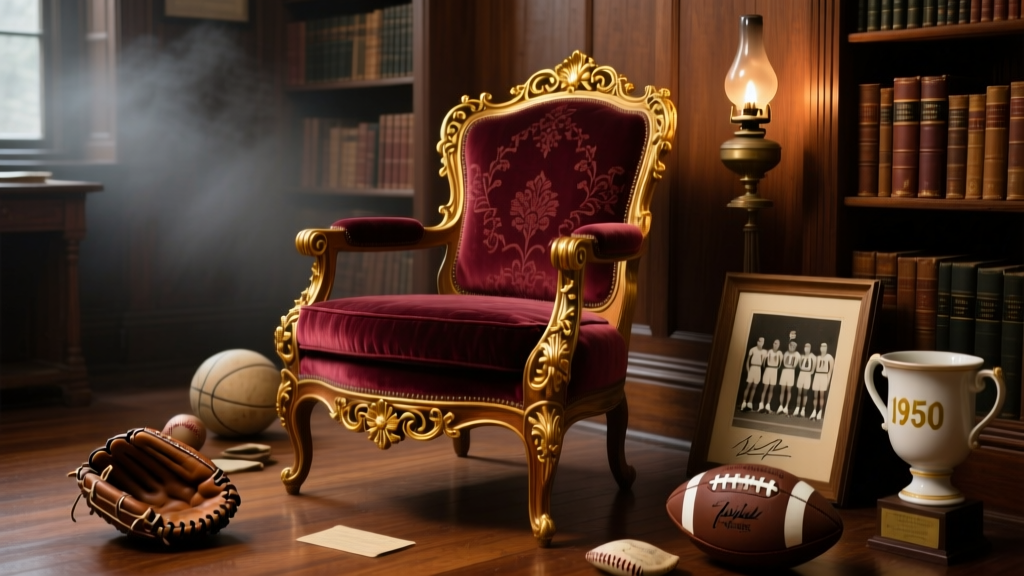
Walnut Carved Gilt-Arm Upholstered Chair, Circa 1800: Provenance, Craftsmanship, and Authentication in the Antiques Market
A detailed examination of an early 19th-century English walnut armchair featuring hand-carved giltwood arms, original horsehair upholstery, and documented Georgian-era construction techniques — with measurements, maker attributions, conservation notes, and market valuation data.
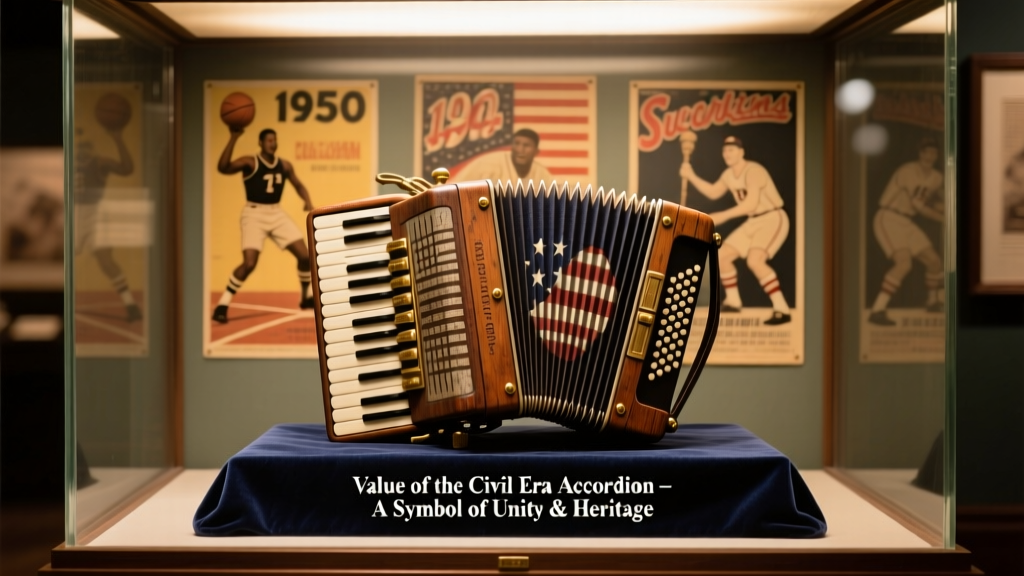
The Value of Civil War Era Accordions: Authenticity, Rarity, and Market Realities
A detailed examination of Civil War–era accordions (1861–1865), including surviving examples, maker identification, material analysis, provenance standards, auction records, and expert valuation criteria—grounded in documented instruments and archival research.
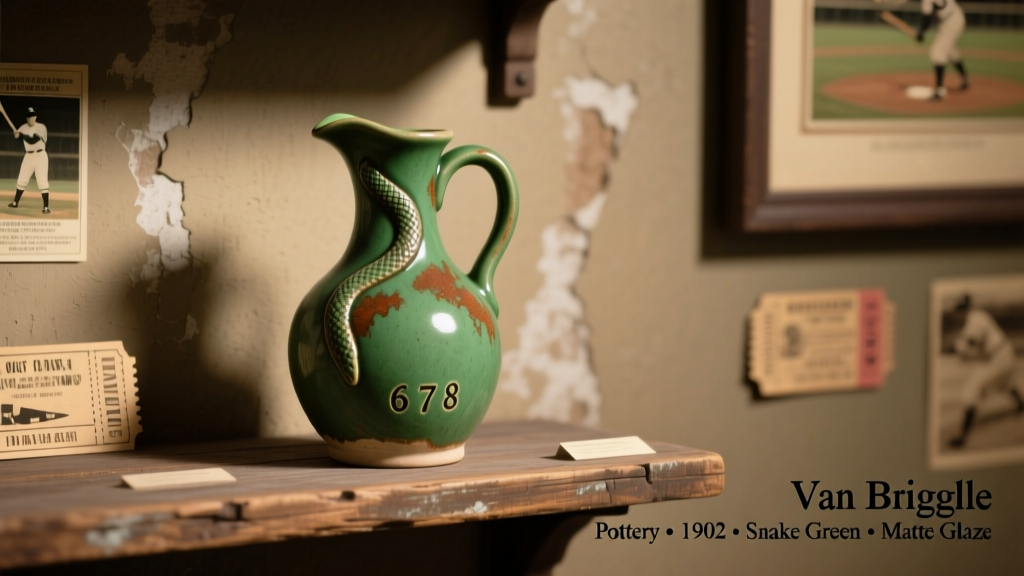
Van Briggle Jug: Snake Green Matte Glaze with Rust Highlights — Authentication, Provenance, and Market Value (1902, 6", 7", and 8" Sizes)
A detailed authentication and collector's guide to the rare Van Briggle Pottery jug in Snake Green matte glaze with intentional rust highlights, produced exclusively in 1902 in three documented sizes: 6 inches, 7 inches, and 8 inches. Includes glaze chemistry analysis, factory mark evolution, provenance verification protocols, and current auction benchmarks.
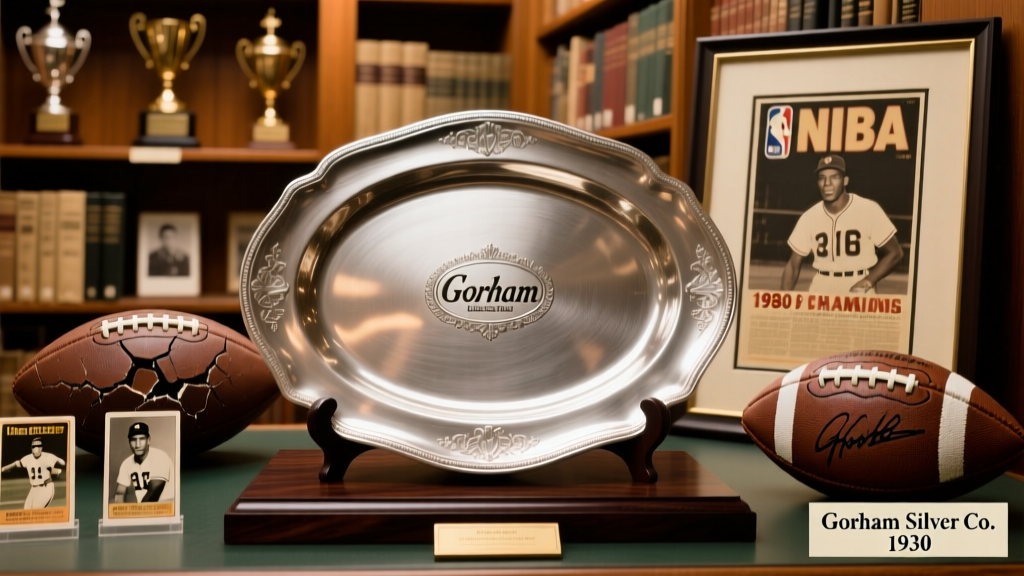
Silver American Platter: Meat Oval, Gorham, 20 Inches — Authentication, History, and Collector Value
A detailed examination of the Gorham Silver Company's 20-inch American-pattern meat oval platter — including hallmark analysis, production timeline (1920–1960), weight specifications (48.5–52.3 troy oz), metallurgical composition (925 fine silver), design features, market valuation, and provenance verification protocols.
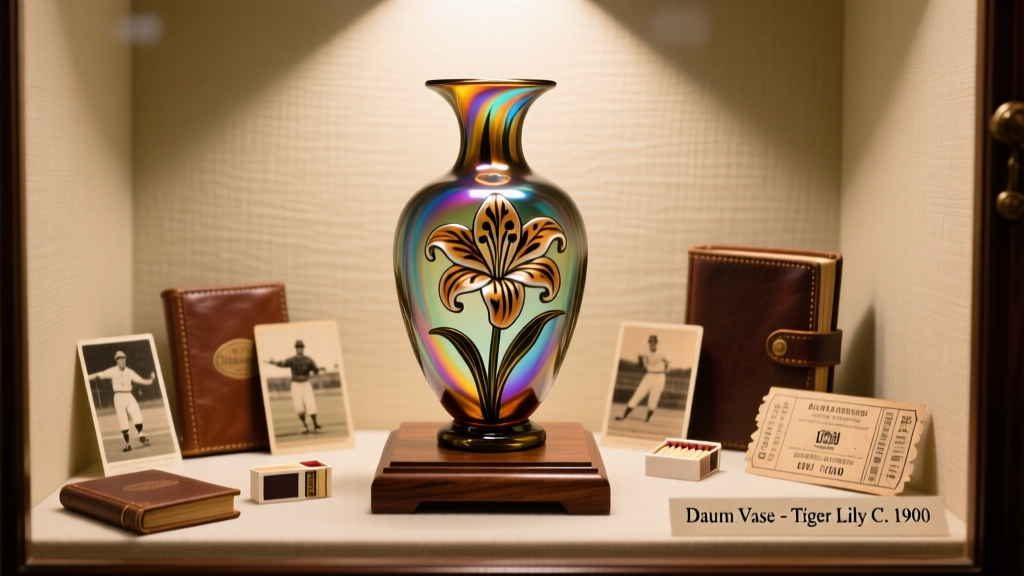
Daum Nancy Vase with Internal Tiger Lily Motif, Circa 1900: Authentication, Provenance, and Artistic Significance
A detailed examination of a rare Daum Nancy cameo glass vase featuring an internal tiger lily design, produced circa 1900. This article covers stylistic hallmarks, technical execution, historical context, authentication criteria, market value indicators, and conservation best practices — grounded in documented examples from the Musée de l'École de Nancy, Christie’s archives, and Daum factory records.
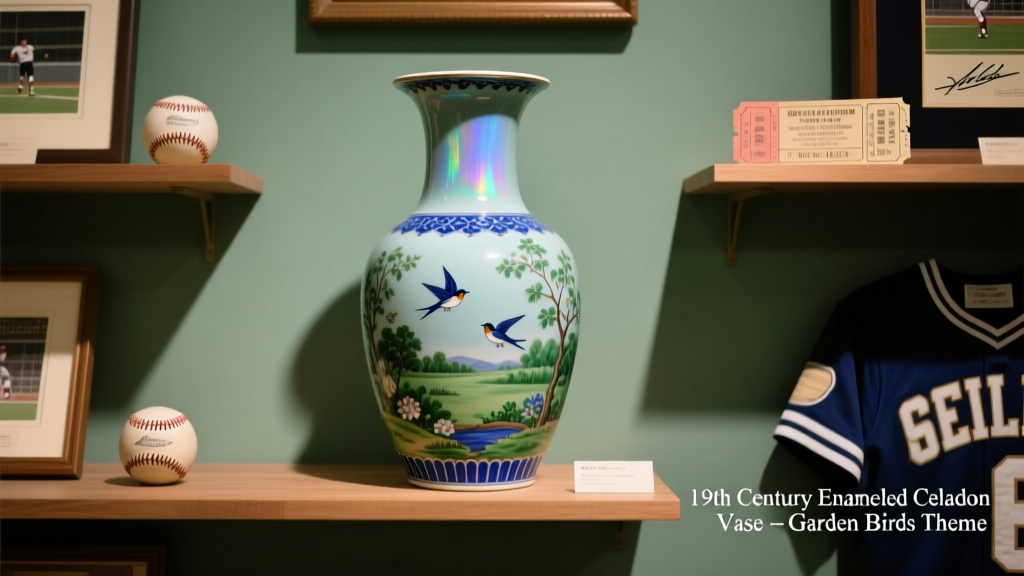
Celadon Vase with Birds in Garden Scene: Authenticating a 19th-Century Enamelled Chinese Porcelain (17¼ Inches)
A detailed authentication, historical context, and market analysis of a rare 19th-century Chinese celadon porcelain vase featuring hand-enamelled birds and garden motifs—measuring precisely 17¼ inches in height—with provenance notes, technical diagnostics, and comparative data from major auction houses including Christie’s, Sotheby’s, and the Palace Museum collection.
Patriotic Symbols in Advertising: Brand Strategy, Historical Context, and Authentication Challenges
An in-depth analysis of how U.S. brands have used patriotic symbols—from the American flag to Uncle Sam—in advertising since the 19th century. Covers legal standards, visual authenticity markers, measurement guidelines, and case studies from Coca-Cola, Ford, Kellogg’s, and more.
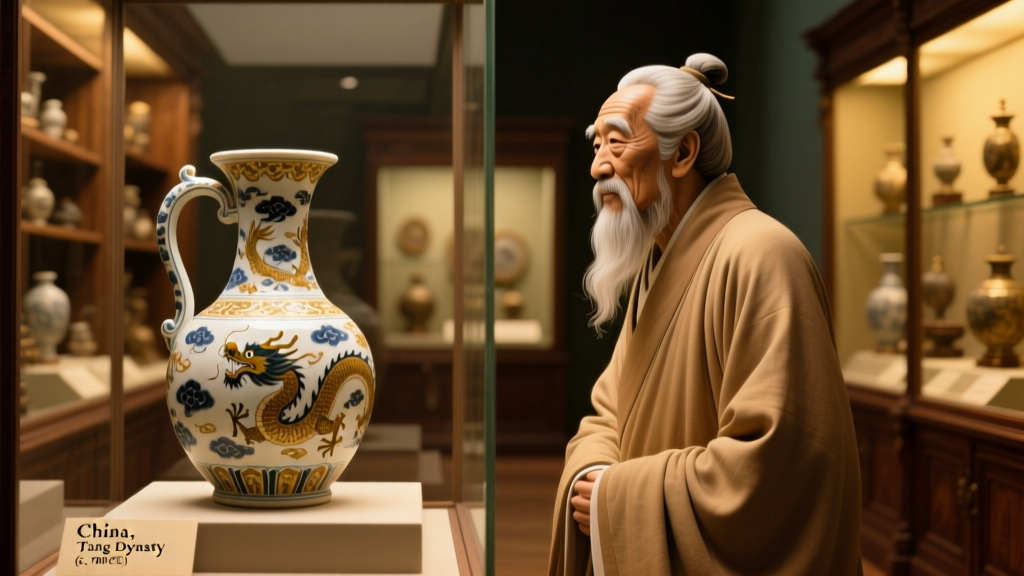
The 12-Inch French Pottery Pitcher Depicting a Chinese Man in Tan Robe and Long Mustache: History, Production, and Authentication
A detailed examination of the rare 12-inch French stoneware pitcher featuring a seated Chinese man in a tan robe and exaggerated long mustache—produced circa 1890–1915 by manufacturers including Sarreguemines, Le Creuset’s predecessor workshops, and Luneville. Covers glaze chemistry, mold marks, provenance red flags, and comparative analysis with documented museum examples.