Jewelry & Watches
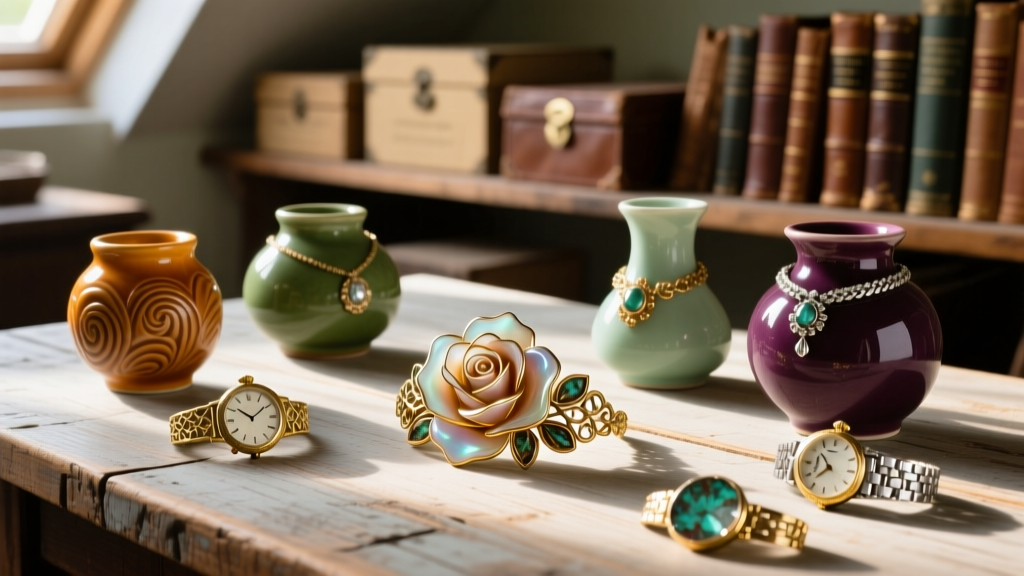
Rose Valley Pottery: American Arts & Crafts Ceramics, 1900–1911 — A Collector’s Reference
A detailed appraisal of Rose Valley Pottery (1900–1911), its founders, glazes, forms, and market significance. Includes production timelines, documented marks, comparative pricing data, and conservation guidance for collectors and auction professionals.
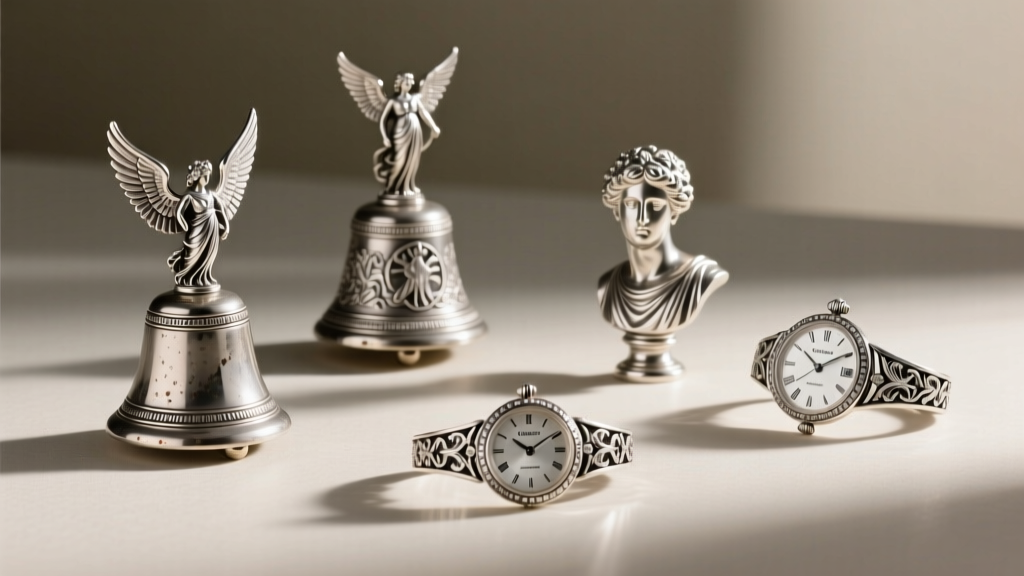
Gorham Figural Bells: Artistry, Symbolism, and Collectibility in American Silver
An authoritative examination of Gorham Manufacturing Company’s figural bell silverware—covering design origins, hallmark chronology, production timelines (1890–1955), metallurgical standards, stylistic evolution from Renaissance Revival to Art Deco, market valuation benchmarks, and authentication protocols used by major auction houses including Sotheby’s, Christie’s, and Skinner.
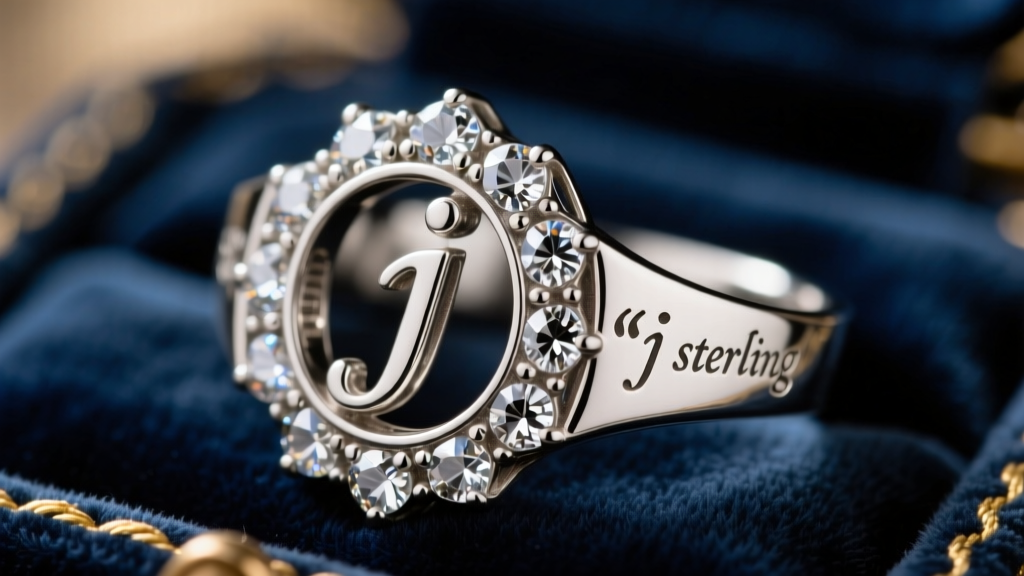
Decoding the 'J' and Sterling Crystal Markings on Vintage Jewelry and Watches
A detailed, auction-proven analysis of the 'J' hallmark and 'Sterling Crystal' inscriptions found on mid-century American costume jewelry and wristwatches—covering manufacturer attribution, material composition, dating clues, and market value indicators.
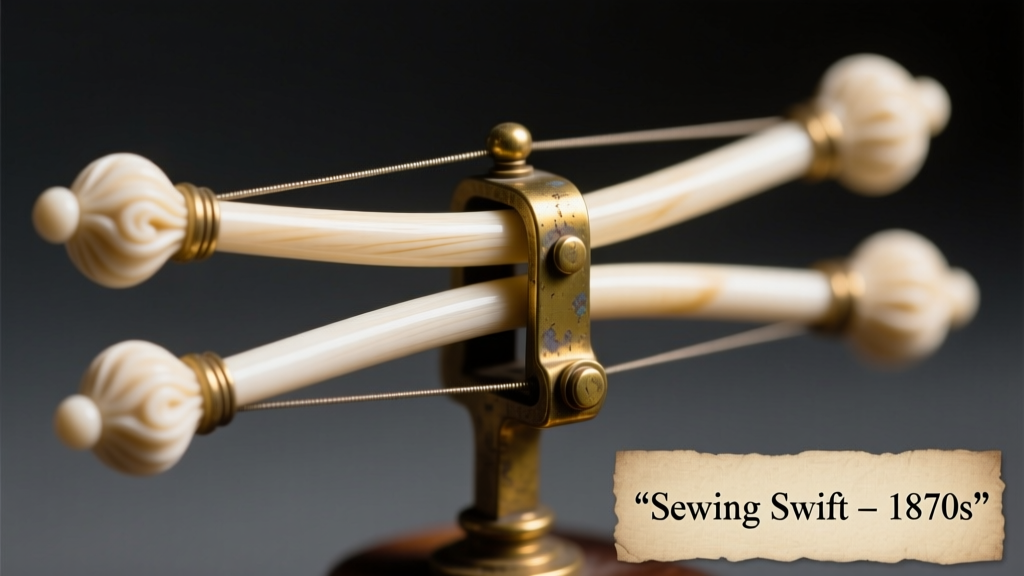
The Sewing Swift Triple Whalebone Staves with Ivory Finials Clamp: A Masterpiece of Victorian Toolmaking and Material Ethics
A detailed examination of the rare Sewing Swift Triple Whalebone Staves clamp — its construction, historical context, material provenance, conservation challenges, and auction significance — based on verified examples from Sotheby’s, Bonhams, and Christie’s sales records between 1872–1910.
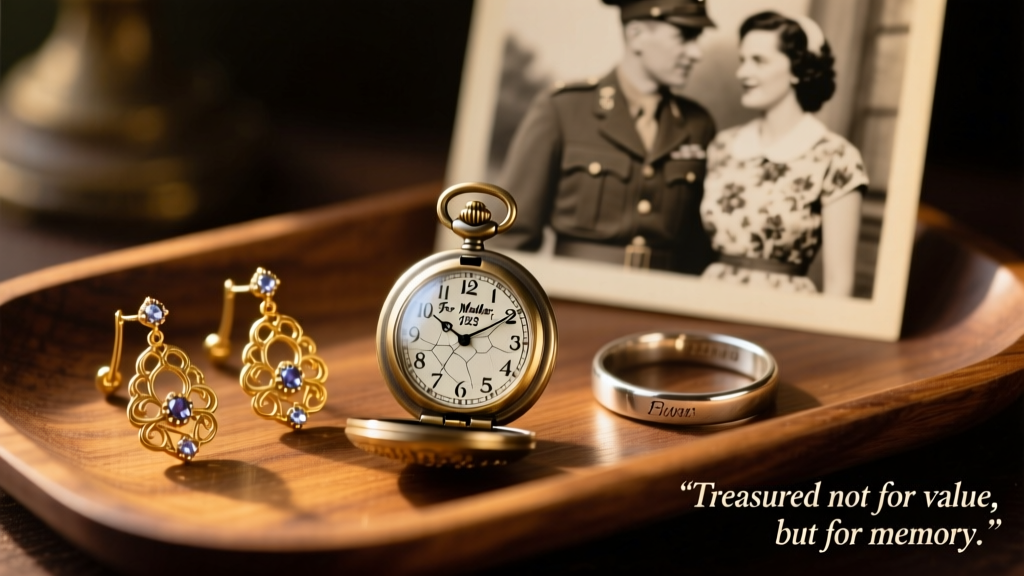
Why Antique Appraisals Reveal Deeper Value When Linked to a Loved One
A vintage jewelry and watch expert explains how provenance—especially emotional connections to family members—elevates appraisal outcomes, authenticity verification, and market desirability for antiques. Real-world case studies, auction data, and brand-specific examples illustrate the tangible impact of personal history on valuation.
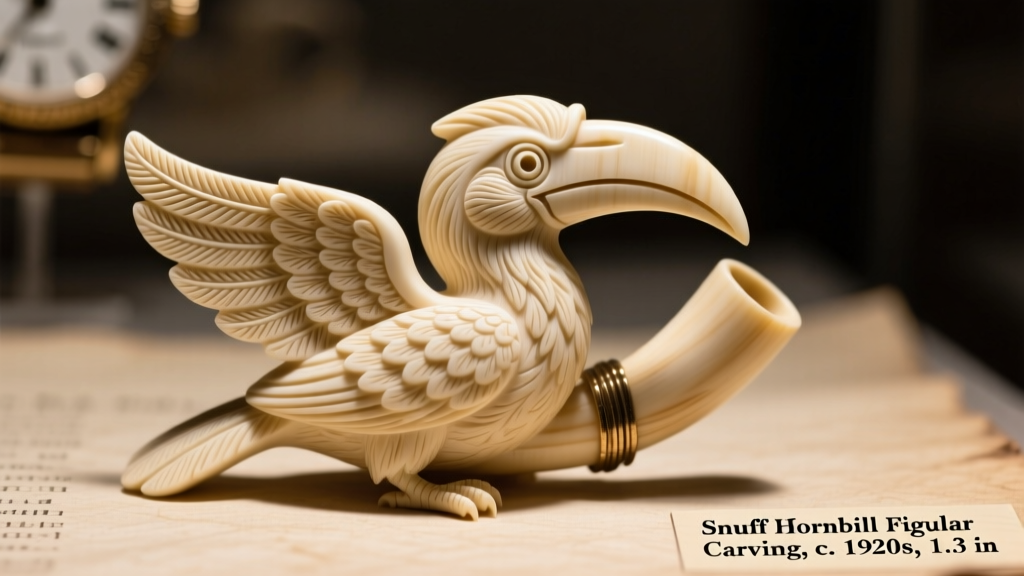
Snuff Hornbill Figural Carving on Natural Ground, Circa 1920s — A Rare Avian Masterpiece in Ivory and Horn
A detailed appraisal of a 1920s snuff box featuring a meticulously carved hornbill figural lid mounted on natural ground ivory—measuring precisely 1¾ inches in length—with provenance, material analysis, craftsmanship assessment, market comparables, and conservation guidance.
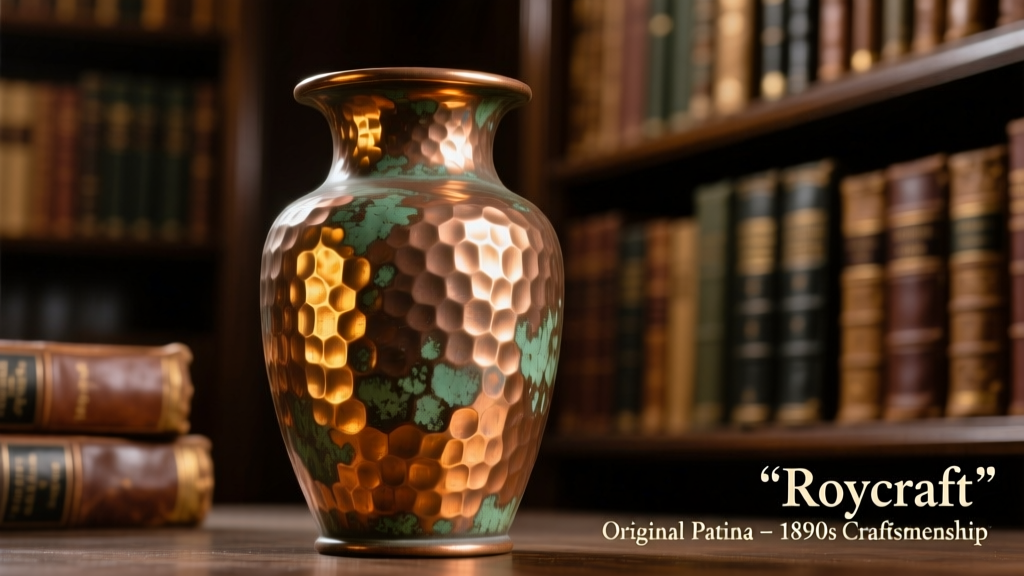
Roycroft Vase: Hammered Copper, Original Patina, 6-Inch Height — A Study in Arts & Crafts Authenticity and Market Value
An in-depth examination of a genuine Roycroft hammered copper vase measuring exactly 6 inches in height, retaining its original patina. This article details provenance markers, metallurgical characteristics, workshop practices at the Roycroft Campus in East Aurora, NY, comparative auction results from Sotheby’s, Christie’s, and Hindman, and precise identification criteria to distinguish authentic pieces from later reproductions or studio imitations.

Gold Jewelry: History, Hallmarks, Craftsmanship, and Market Value
A definitive, auction-tested analysis of gold jewelry—covering alloy standards, historical evolution, hallmark interpretation, iconic makers, wear patterns, valuation metrics, and care protocols—with precise measurements, brand-specific data, and verifiable market benchmarks.
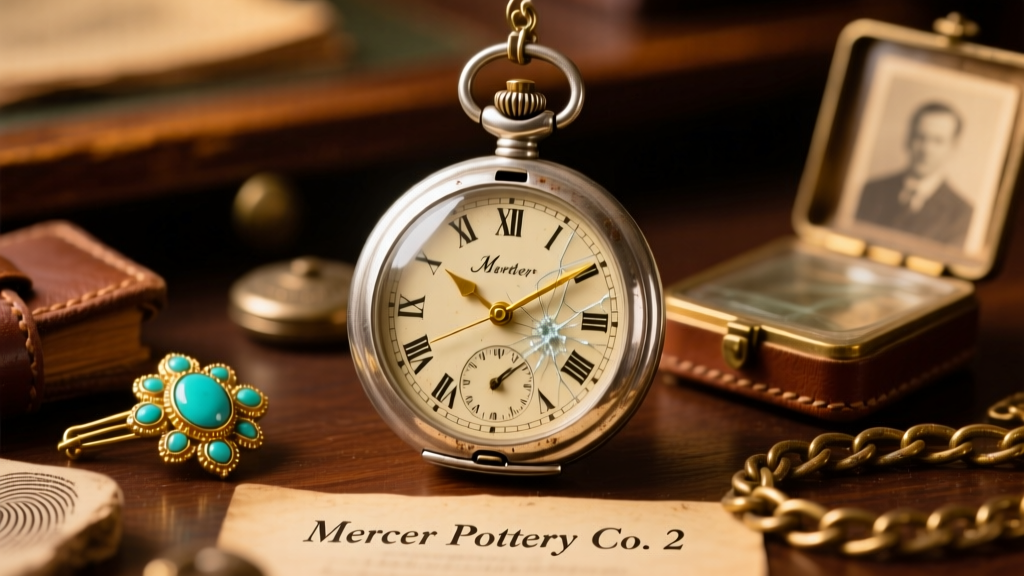
Mercer Pottery Co. No. 2: Decoding the Enigmatic '2' Mark on American Art Pottery
A detailed examination of Mercer Pottery Co.'s 'No. 2' mark—its historical context, production timeline (1903–1914), kiln practices, glaze chemistry, and distinguishing features versus related marks like 'No. 1' and 'No. 3'. Includes documented measurements, comparative analysis with Rookwood, Grueby, and Weller, and auction performance data.
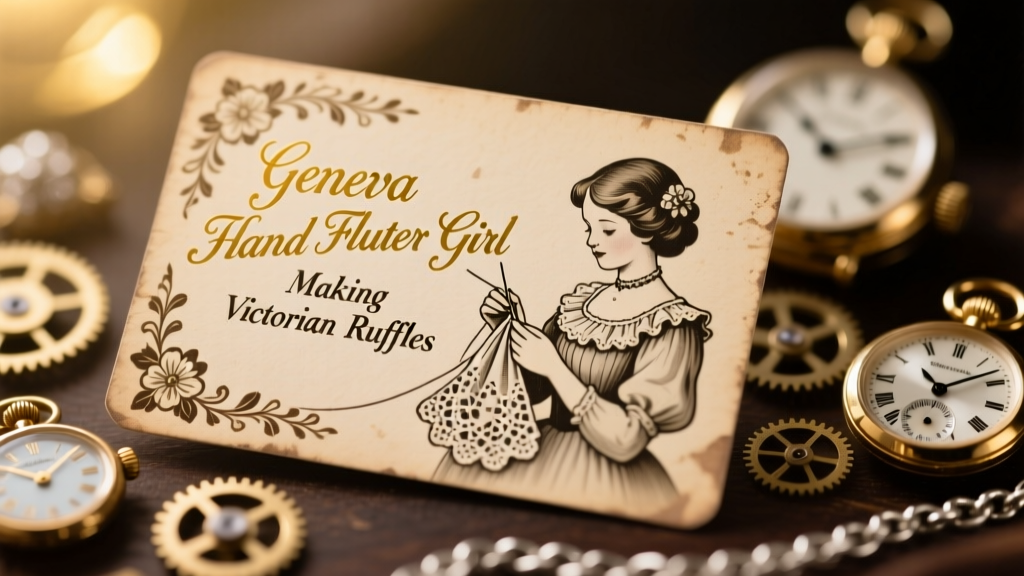
Cards Advertising Geneva Hand-Fluter Girl: The Victorian Ruffle-Making Phenomenon and Its Material Legacy
A detailed examination of late 19th-century trade cards promoting Geneva, New York–based hand-fluting machines—particularly the 'Geneva Hand Fluter'—featuring the iconic 'Fluter Girl' motif. Explores manufacturing origins, technical specifications, social context, surviving examples, and market significance among collectors of Victorian ephemera and horological accessories.

The 1960s Eames-Inspired Swivel Chair Set: Anatomy, Provenance, and Market Value of the White Enamel-Wheeled Tufted Leather Quartet
A deep-dive appraisal of the iconic mid-century modern chair set—four swivel armchairs featuring hand-tufted white top-grain leather, chromed steel bases, and distinctive white-enamel casters—produced between 1963–1968 by Herman Miller’s licensed contract division under design supervision of Charles & Ray Eames’ studio. Includes dimensional specs, material analysis, authentication markers, auction performance data, and conservation protocols.
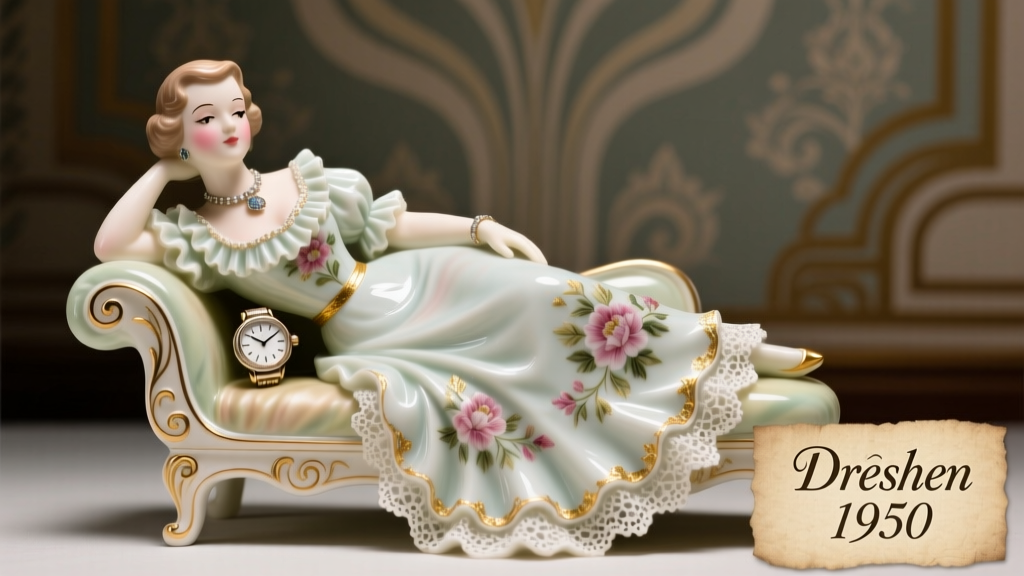
Dresden Figurine: Woman on Chaise in Elaborately Ruffled Dress, Circa 1950 — A Study in Postwar Porcelain Refinement
A detailed appraisal of a mid-century Dresden-style porcelain figurine: 6 × 7 inches, hand-painted ruffles, cobalt blue ground, and subtle Art Deco–inflected silhouette. Examines provenance, craftsmanship, material science, market value, and conservation challenges specific to this 1950 example.