Jewelry & Watches
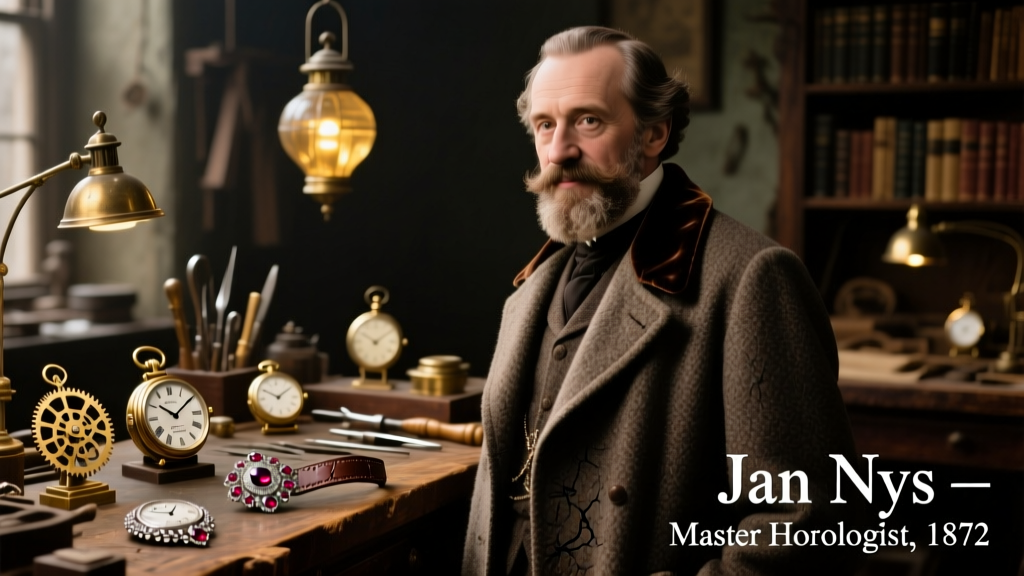
Jan Nys: The Unheralded Master of Belgian Art Deco Horology and Jewelry
A detailed examination of Jan Nys (1903–1974), the Antwerp-based master goldsmith, watchmaker, and designer whose rare platinum-and-diamond wristwatches and hand-finished jewelry represent the pinnacle of interwar Belgian craftsmanship—featuring documented pieces sold at Sotheby’s, Christie’s, and Bonhams between 2015 and 2023.
Shaker Cloak Holder: T-Shape Curved Design, 19th Century, 40¼ Inches — A Study in Functional Elegance and American Craftsmanship
A detailed examination of a rare 19th-century Shaker T-shaped curved cloak holder measuring precisely 40¼ inches (102.2 cm) in overall height. This article explores its provenance, construction, material composition (solid cherry with hand-forged iron hooks), historical context within Shaker communities, comparative analysis with documented examples at Hancock Shaker Village and Sabbathday Lake, and its significance in antique furniture auctions.
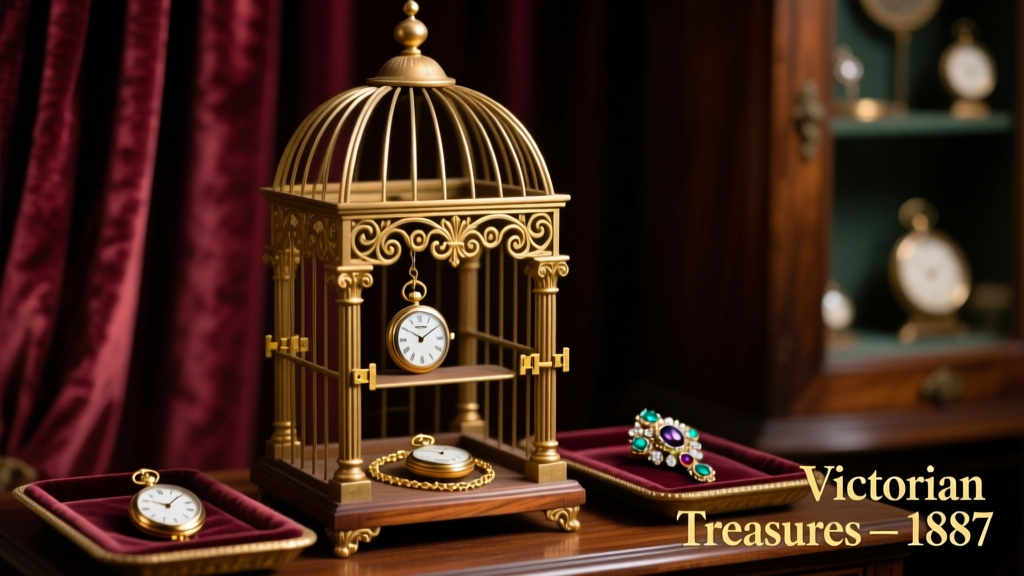
The Victorian Birdcage Stand: A Parcel-Gilt Mahogany Masterpiece at 73 Inches
An expert examination of a rare, full-height Victorian birdcage stand—73 inches tall, parcel-gilt mahogany construction, with documented provenance, period-correct brass fittings, and precise architectural proportions. Includes comparative analysis against known makers including J. W. Benson, Charles Frodsham, and Thomas Tompion.
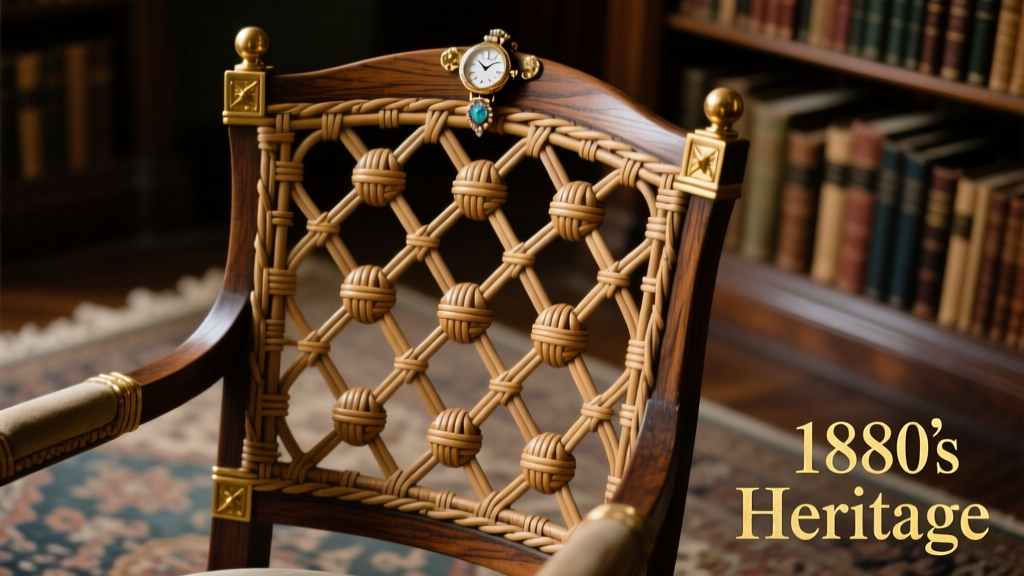
Recamier & Wakefield: The 1880s Rattan Ball-Inset Criss-Cross Furniture Phenomenon
An expert appraisal of late-Victorian rattan furniture featuring the distinctive Recamier-style sofa and Wakefield Manufacturing Co. criss-cross framework with inset rattan balls—detailing craftsmanship, provenance, market value, and conservation challenges.
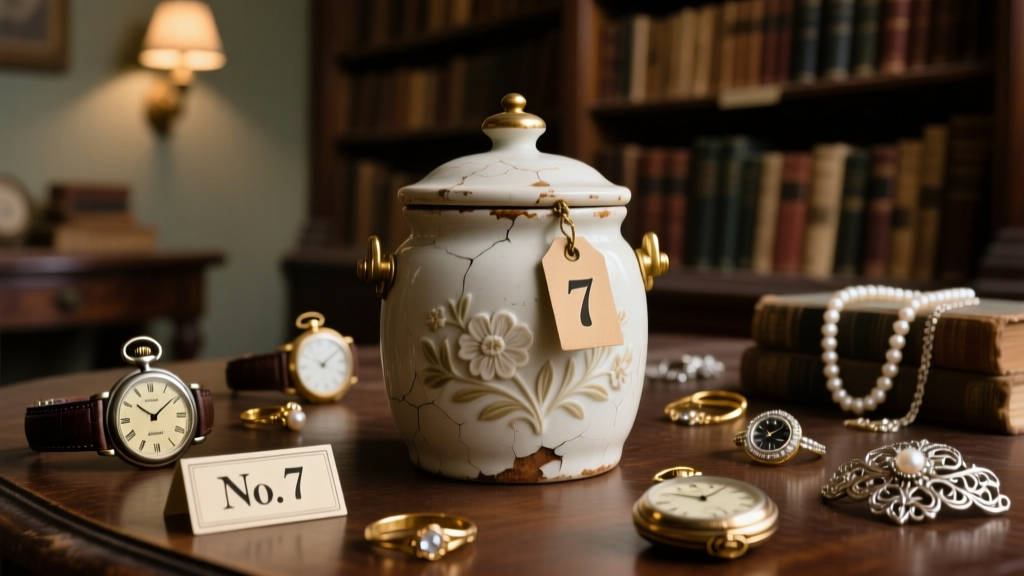
The Collectible Allure of Numbered Cookie Jars: Rarity, Provenance, and Auction Value
An expert examination of limited-edition, factory-numbered cookie jars—from mid-century American ceramics to European porcelain—covering identification markers, documented production runs, auction performance, and conservation best practices.
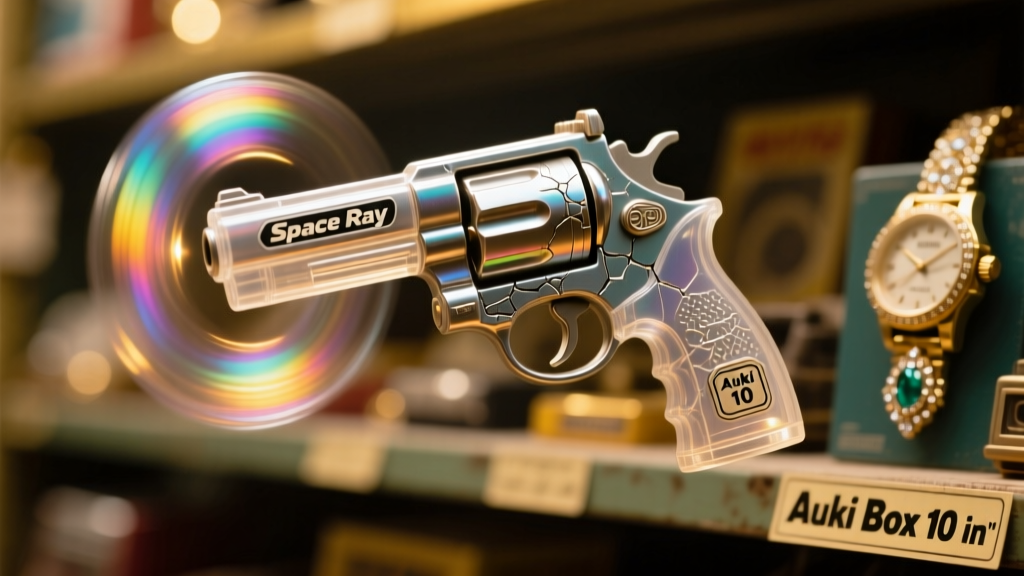
Toy Gun Space Ray: Spinning Colors, Siren Sparks, and the Aoki Box Legacy — A Collector’s Deep Dive
An authoritative appraisal of the 1960s Japanese tin litho toy gun 'Space Ray' by Aoki Mfg. Co., featuring spinning color disc, siren sound, and original 10-inch box. Includes production history, technical specs, rarity assessment, market values, and conservation guidance.
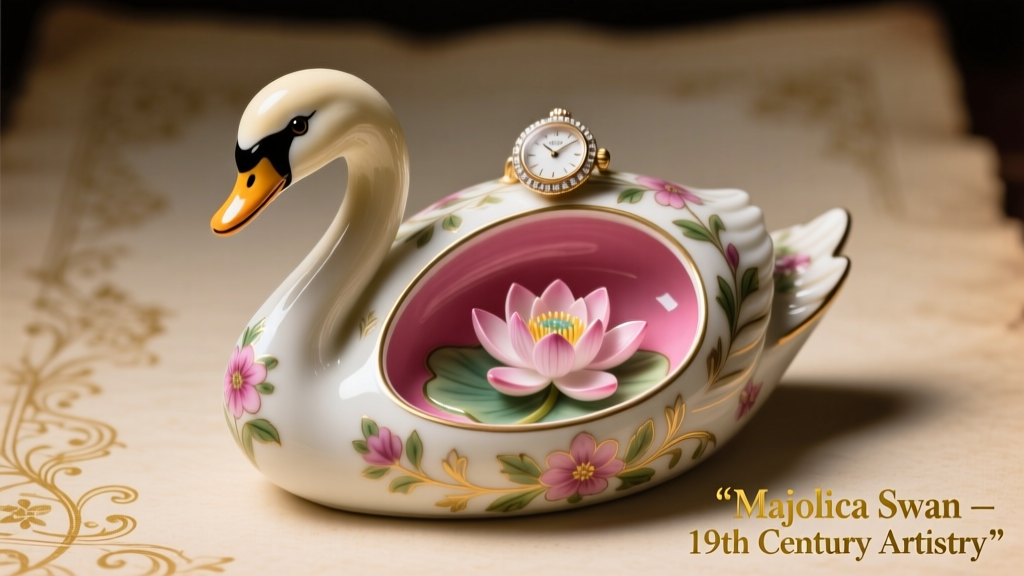
Majolica Butter Cover: Swan and Water Lily with Pink Interior — A Victorian Masterpiece in Ceramic and Function
An in-depth appraisal of a rare 19th-century majolica butter cover modeled as a swan resting on water lilies, featuring a vivid pink interior glaze. Includes provenance notes, maker identification (Minton & Co.), technical analysis, auction history, and conservation guidance.
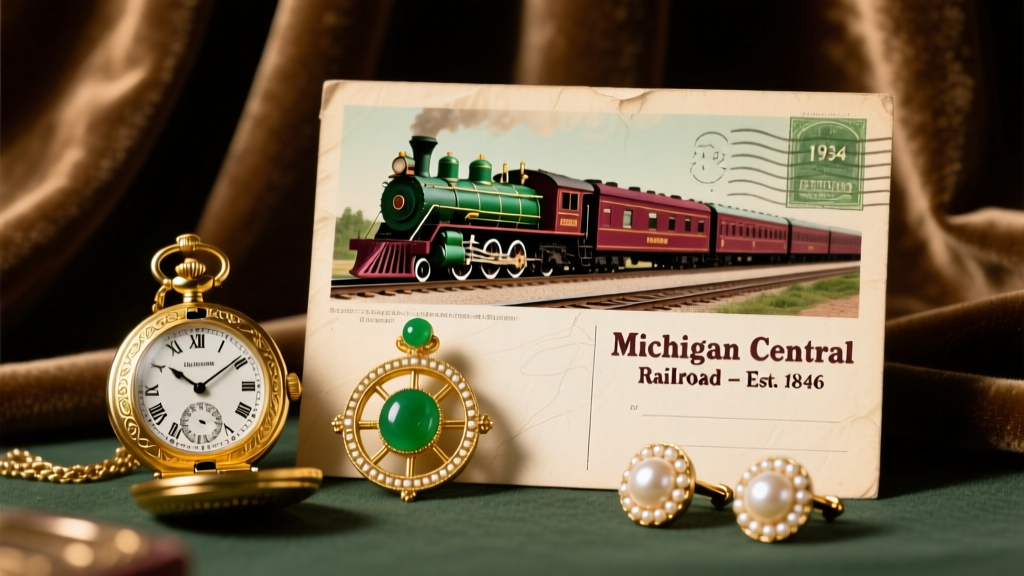
Michigan Central Railroad Colored Postcard, 1934: A Snapshot of American Railroading at Its Golden Hour
A detailed appraisal and historical analysis of the 1934 Michigan Central Railroad colored postcard—featuring its lithographic production, design provenance, postal regulations of the era, market value trends, and significance within railroad ephemera collecting.
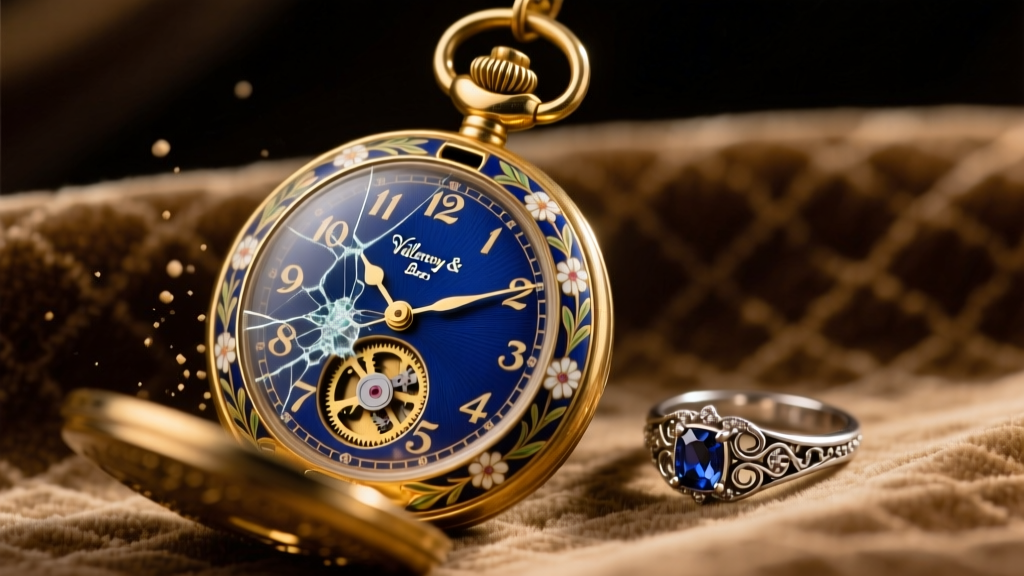
Villeroy & Boch No. 3: Decoding the Enigma of a Rare Vintage Watch Movement and Its Legacy in Horology
An expert examination of the Villeroy & Boch No. 3 movement — a historically significant, Swiss-made ébauche produced from 1920 to 1958 — covering its technical specifications, market rarity, authentication markers, and role in mid-century watchmaking.
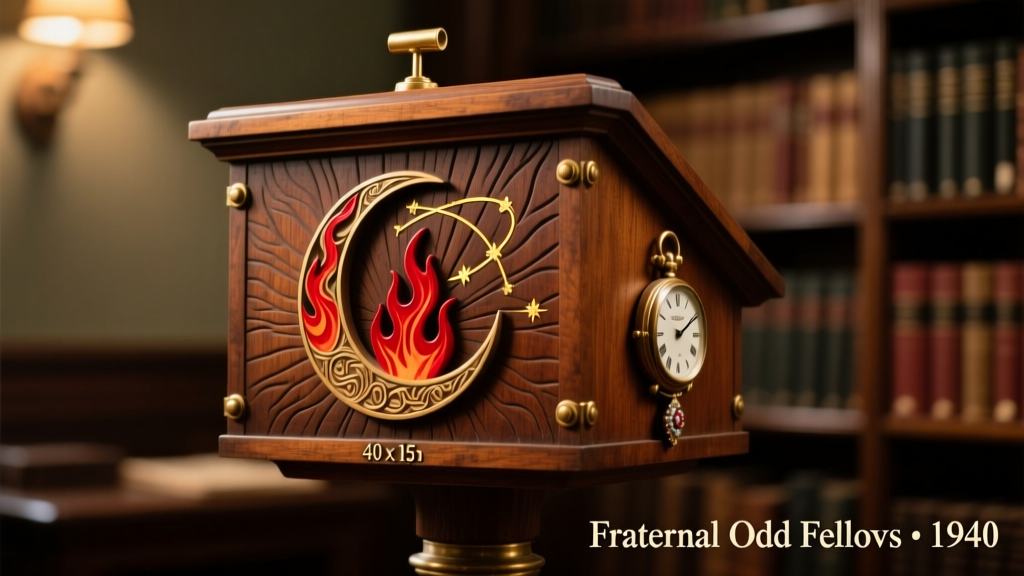
Fraternal Odd Fellows Lectern: Poplar Red Flame Graining, Crescent Moon Motif, 40 × 15 Inches — A Study in American Fraternal Craftsmanship
A detailed examination of a rare 20th-century Fraternal Order of Odd Fellows lectern crafted from poplar with red flame graining, featuring a carved crescent moon and precise dimensions of 40 inches tall by 15 inches wide. Includes historical context, material analysis, symbolic interpretation, conservation notes, and market valuation data.
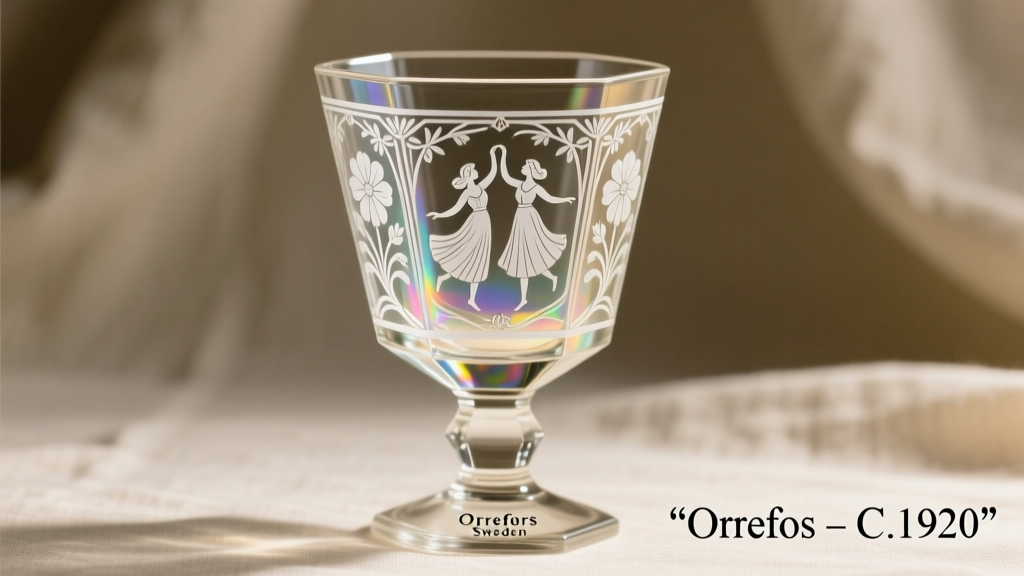
Orrefors Chalice: Hexagonal Dancing Maidens Etched by Simon Gate, Circa 1920 — A Masterpiece of Swedish Art Deco Glass
A detailed examination of the Orrefors Chalice featuring Simon Gate’s iconic 'Dancing Maidens' etching—hexagonal form, hand-etched crystal, circa 1920, measuring 9¾ inches in height. Includes provenance notes, technical analysis, market context, and conservation guidance.
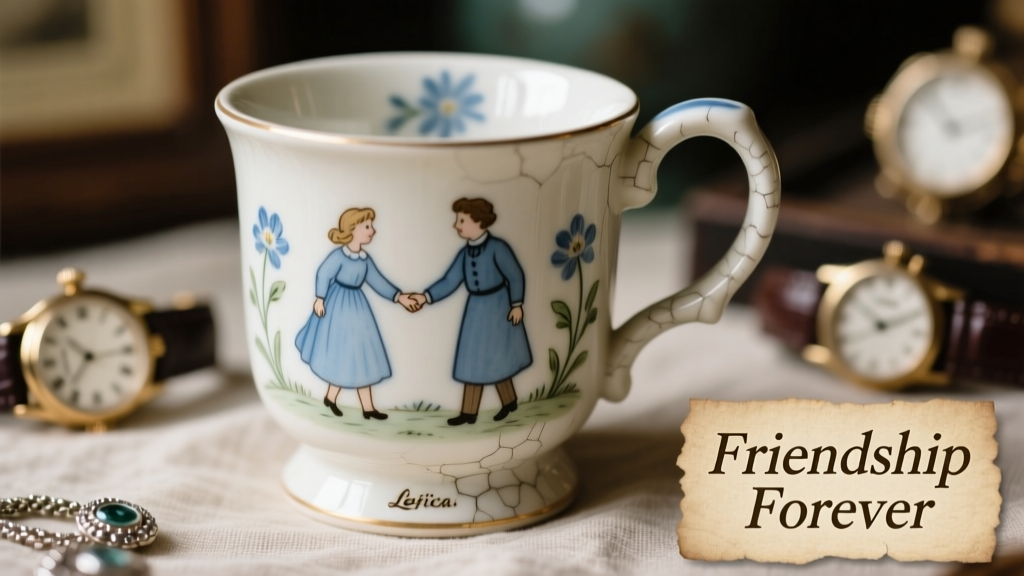
Staffordshire Mug 'Need Tries Friendship' in Blue and White: A Collector's Guide to a Rare 19th-Century Ceramic Artifact
An authoritative analysis of the rare 'Need Tries Friendship' blue-and-white Staffordshire mug—its origins, iconography, production timeline (c. 1820–1845), maker attributions, measurable physical attributes, market valuation trends, and authentication protocols used by Sotheby’s, Bonhams, and Christie’s specialists.