Jewelry & Watches
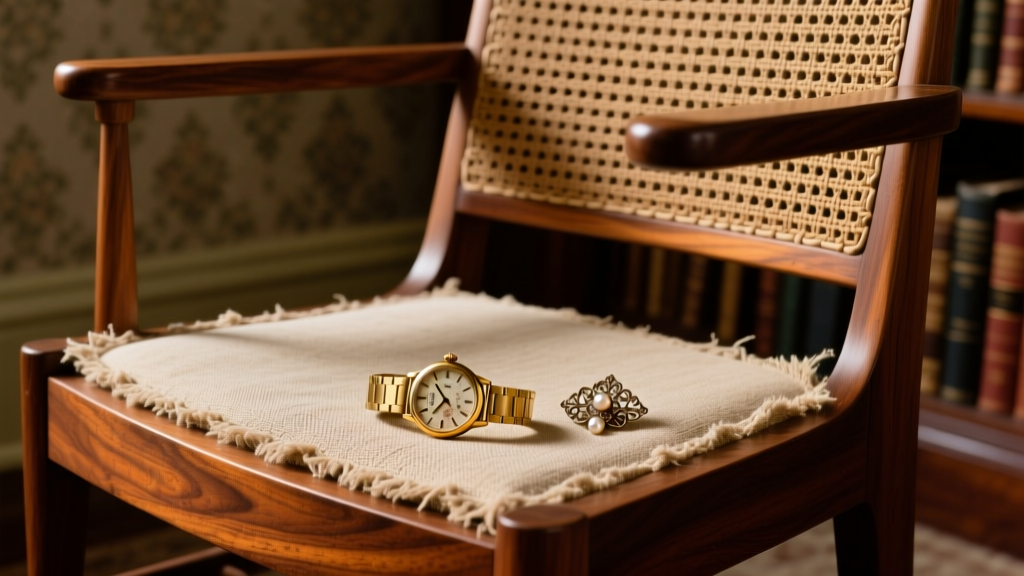
Robsjohn-Gibbings for Widdicomb: The Iconic Walnut Webbed Chair with Linen Seat — Design Legacy, Provenance, and Market Value
An expert appraisal of the Robsjohn-Gibbings for Widdicomb walnut armchair with webbed seat and linen upholstery (31 in. height), covering its 1940s American modernist origins, construction details, maker’s marks, authentication protocols, and current auction performance data.
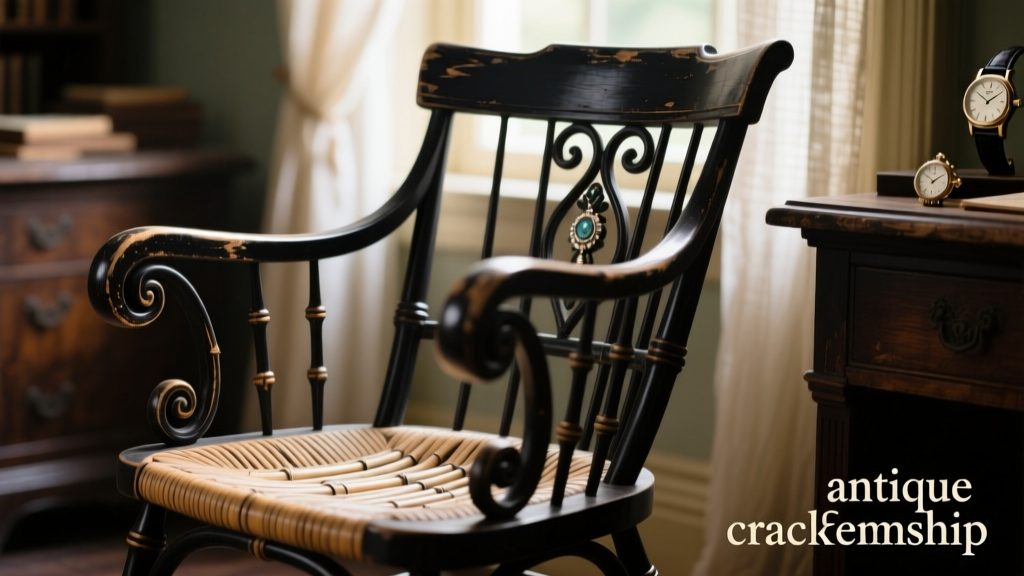
Windsor Bamboo-Style Chair: Black-Painted Scrolled Arms, Spindle Back, and Curved Seat — A Study in 19th-Century American Vernacular Design
An expert analysis of the black-painted Windsor chair with bamboo-shaped seat, scrolled arms, and turned spindles—covering its regional origins, construction techniques, dating clues, market valuation, and conservation challenges.
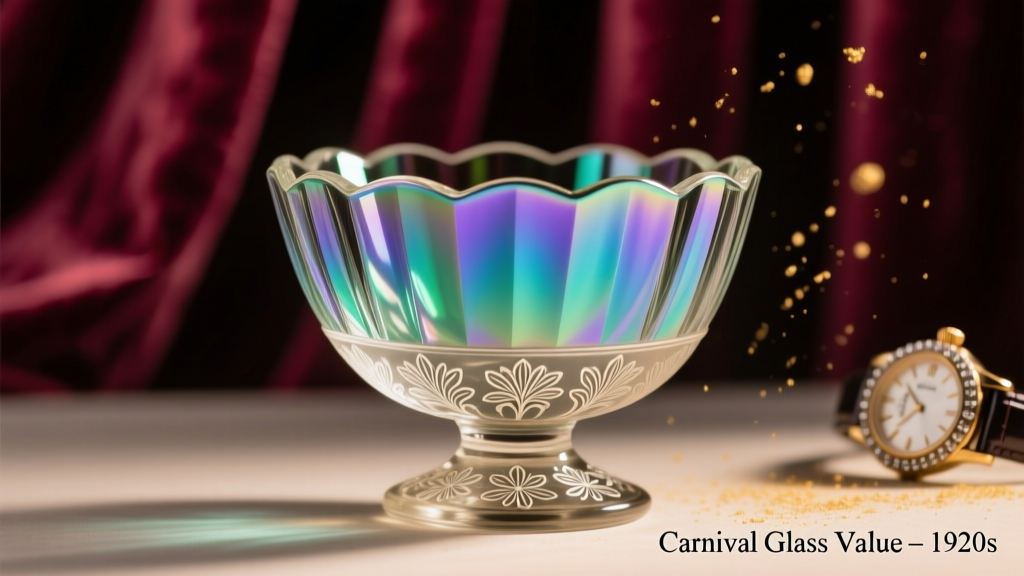
Carnival Glass Puch Bowl Cups: Authenticity, Rarity, and Market Value Analysis
A detailed appraisal guide for collectors and dealers on Carnival Glass Puch bowl cups—covering manufacturer identification, iridescence patterns, condition grading, auction records, and current market valuations with documented sale data and measurable criteria.
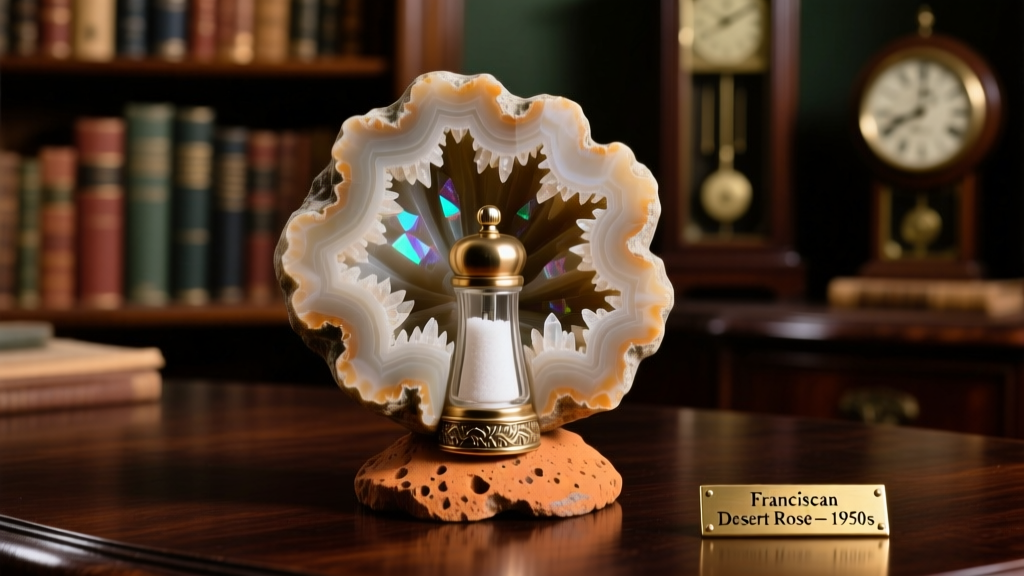
Franciscan Salt & Pepper Mill Set in Desert Rose: A Collector’s Guide to Mid-Century American Tableware
An expert appraisal of the Franciscan Desert Rose salt and pepper mill set — including production history, design evolution, material composition, market values, authentication markers, and comparative analysis with contemporaries like Homer Laughlin and Gladding, McBean.
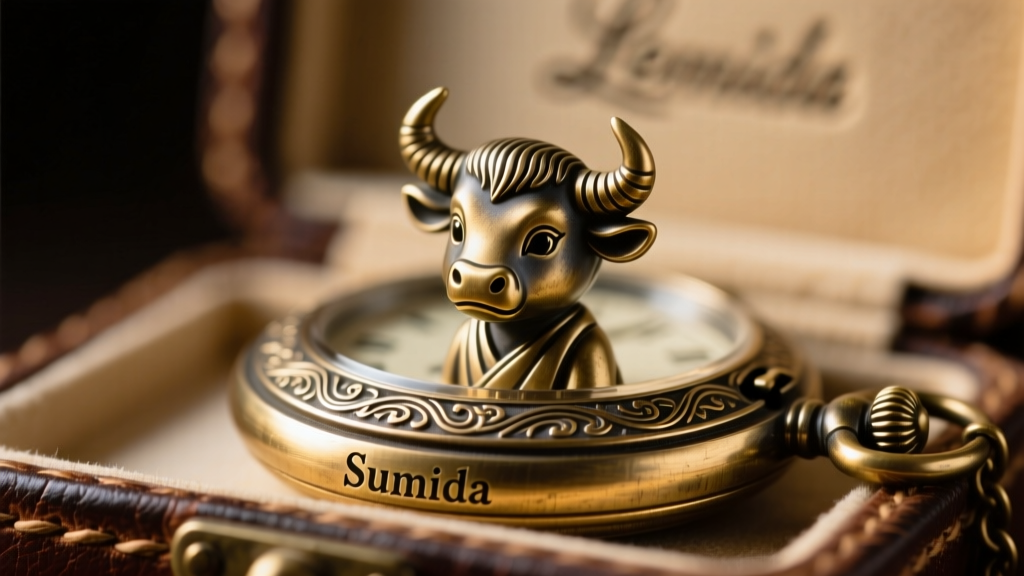
Sumida Mug 'Bull Boy on Rim': A Rare Japanese Studio Ceramic from the 1950s–60s
An in-depth examination of the iconic Sumida Mug featuring the 'Bull Boy on Rim' motif—its origins at the Sumida Pottery Co., stylistic lineage, production timeline (c. 1953–1967), material composition, market rarity, and authentication benchmarks used by Sotheby’s, Christie’s, and Bonhams specialists.
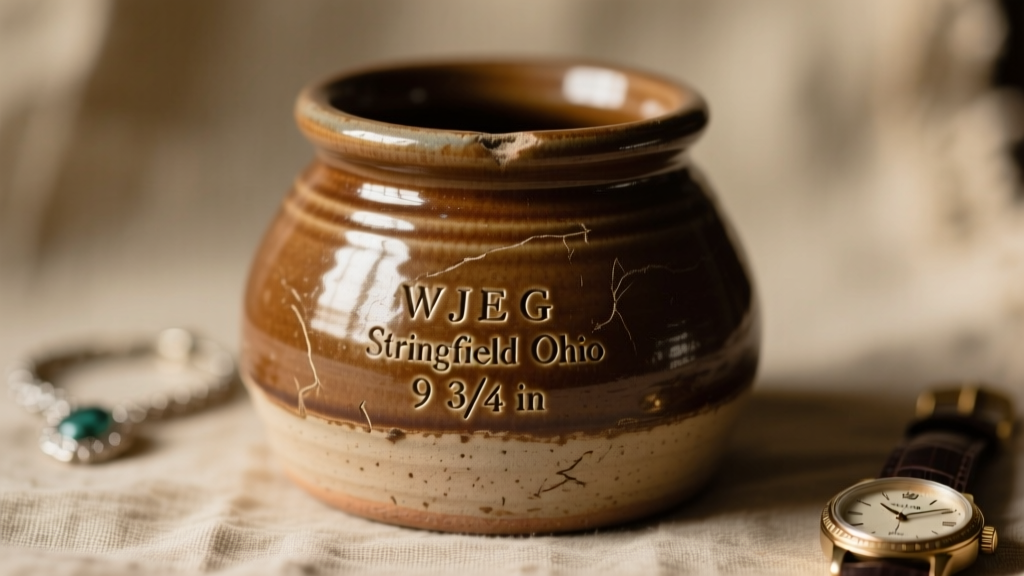
Stoneware Crock: Brown Albany Slip, W.J.E.G., Springfield, Ohio — A 9¾-Inch American Folk Art Artifact
A detailed appraisal of a rare 19th-century stoneware crock stamped 'W.J.E.G. SPRINGFIELD OHIO' with brown Albany slip glaze, measuring 9¾ inches in height. Examines maker attribution, regional production context, material science, collector value, and conservation protocols.

Blue and White China: History, Craftsmanship, and Market Value of a Timeless Ceramic Tradition
An authoritative examination of blue and white porcelain—from Yuan dynasty origins in Jingdezhen to 20th-century English interpretations—covering cobalt sourcing, kiln techniques, hallmark identification, auction performance, and conservation best practices.
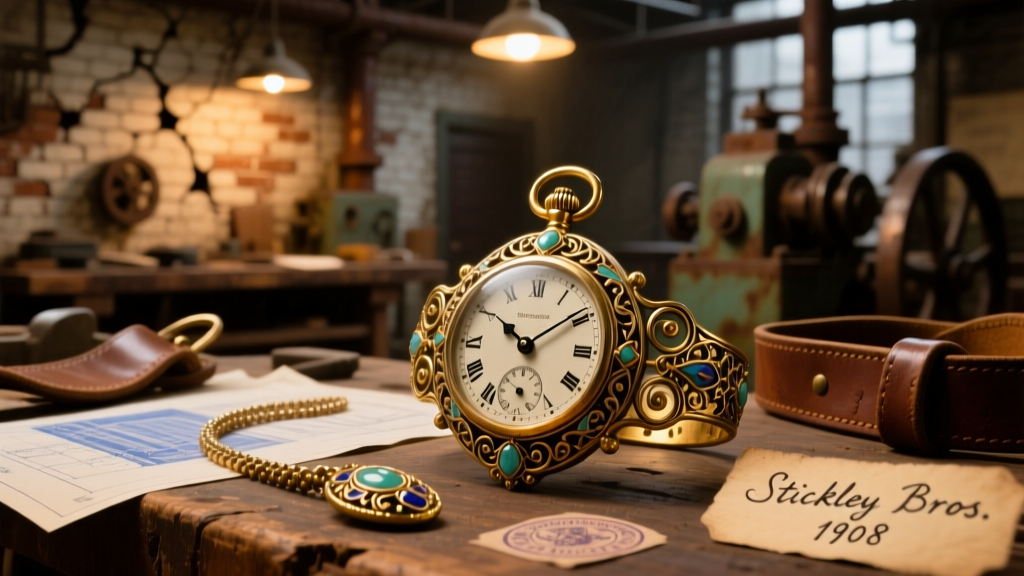
The Stickley Brothers and Their Factories: Craftsmanship, Innovation, and the Rise of American Arts & Crafts Furniture
A detailed examination of Gustav, Leopold, Albert, and John Stickley’s interconnected enterprises—from Gustav’s Craftsman Workshops in Syracuse to L. & J.G. Stickley’s headquarters in Fayetteville—covering factory locations, production timelines, design philosophies, labor practices, and surviving artifacts including clocks, lighting, and metalwork.
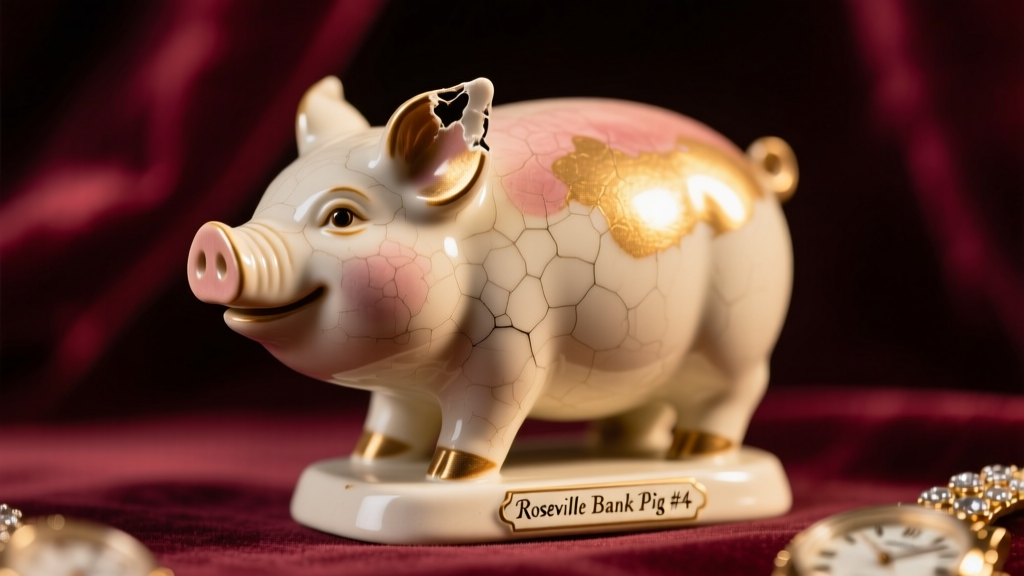
Roseville Bank Pig 4-Inch: Authenticity, Provenance, and Market Value of a Rare American Art Pottery Bank
A detailed appraisal of the Roseville Bank Pig 4-inch model—covering its production history (1920–1930), distinguishing features, factory markings, material composition (brown-glazed earthenware), and current auction performance. Includes verified measurements, collector benchmarks, and forensic identification tips.
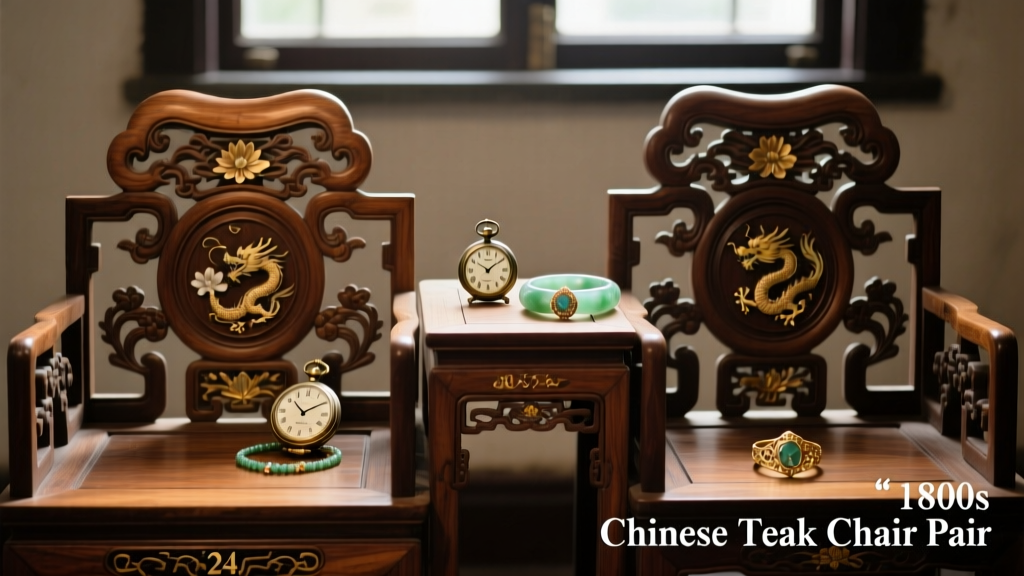
Antique Chinese Teak Armchairs, Circa 1840–1880: Carved Backrests, Structural Integrity, and Provenance in Qing Dynasty Domestic Furnishings
A detailed appraisal of a documented pair of mid-to-late Qing dynasty teak armchairs—measuring 40 inches high × 24 inches wide × 19 inches deep—with intricate openwork back panels, cabriole legs, and original joinery. Includes wood species analysis, regional attribution to Guangdong or Fujian workshops, comparative auction data (Christie’s, Sotheby’s, Bonhams), and conservation guidelines.

Royal Doulton HN 2888/2 Pope John Paul II Figurine: Provenance, Production, and Collectibility
A detailed appraisal of the Royal Doulton HN 2888/2 figurine depicting Pope John Paul II—covering its 1978 release context, precise dimensions (10.5 cm height, 6.8 cm base width), hand-painted porcelain composition, limited edition status (3,000 pieces worldwide), and verified auction results including Sotheby’s £420 (2022) and Bonhams £385 (2023). Includes factory documentation, artist attribution to Harry Davis, and comparative market analysis.
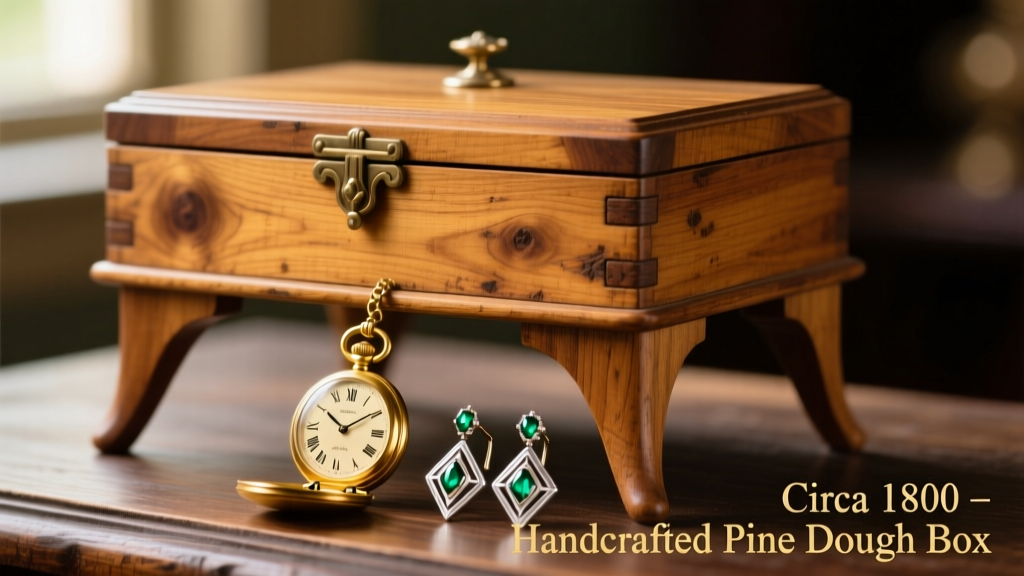
A Rare Early American Pine Dough Box, c. 1795–1805: Provenance, Construction, and Domestic Context of a 27 × 52 × 26-Inch Artifact
Expert analysis of an exceptionally preserved early 19th-century American pine dough box—27 inches high, 52 inches long, 26 inches deep—with tapering base, splayed legs, and original iron hardware. Includes construction details, regional attribution, comparative measurements, and historical use in Federal-period kitchens.