Jewelry & Watches
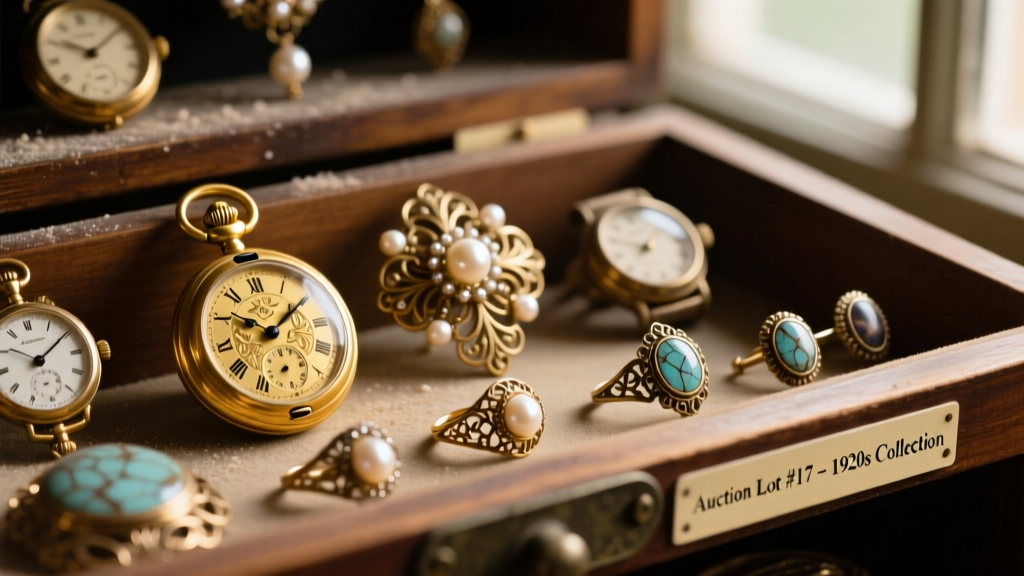
Storage Unit Auctions: A Hidden Vault for Vintage Jewelry and Timepieces
Discover how storage unit auctions—often overlooked by collectors—yield authentic vintage jewelry and watches from Rolex, Cartier, Tiffany & Co., and Omega. This expert guide covers valuation pitfalls, legal safeguards, inspection tactics, and real-case recoveries including a 1965 Rolex Submariner ref. 1655 and a 1940s platinum Cartier Tutti Frutti bracelet.
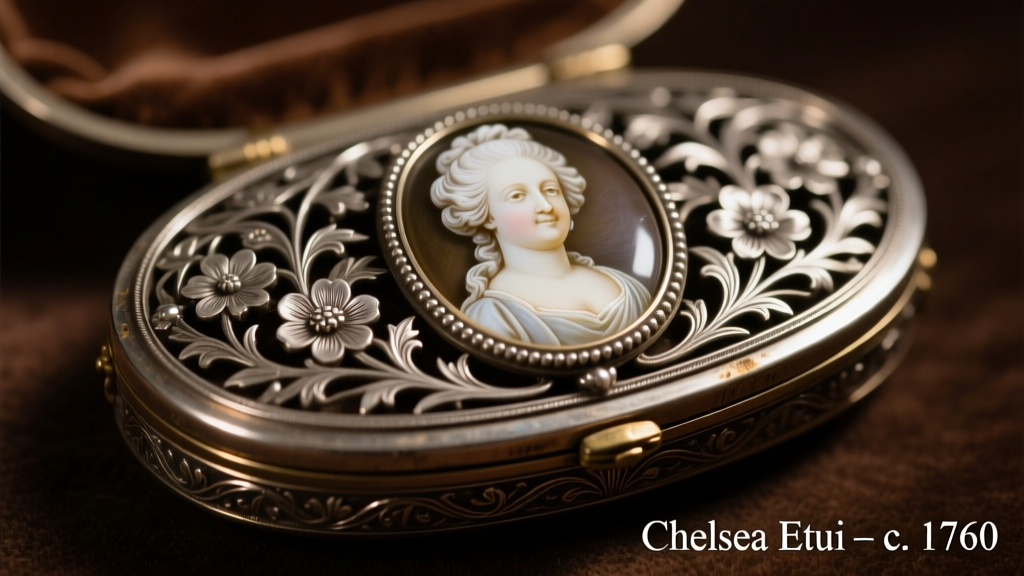
The Chelsea Etui Bust of Lady Cover, c. 1760: A Masterpiece of Rococo Porcelain and Regency Elegance
A detailed scholarly examination of the rare Chelsea porcelain etui bust cover—measuring 5 5/16 inches in height—produced circa 1760 at the Chelsea Porcelain Factory. This article analyzes its iconography, technical execution, provenance history, market significance, and conservation challenges, drawing on auction records from Sotheby’s, Christie’s, and Bonhams.
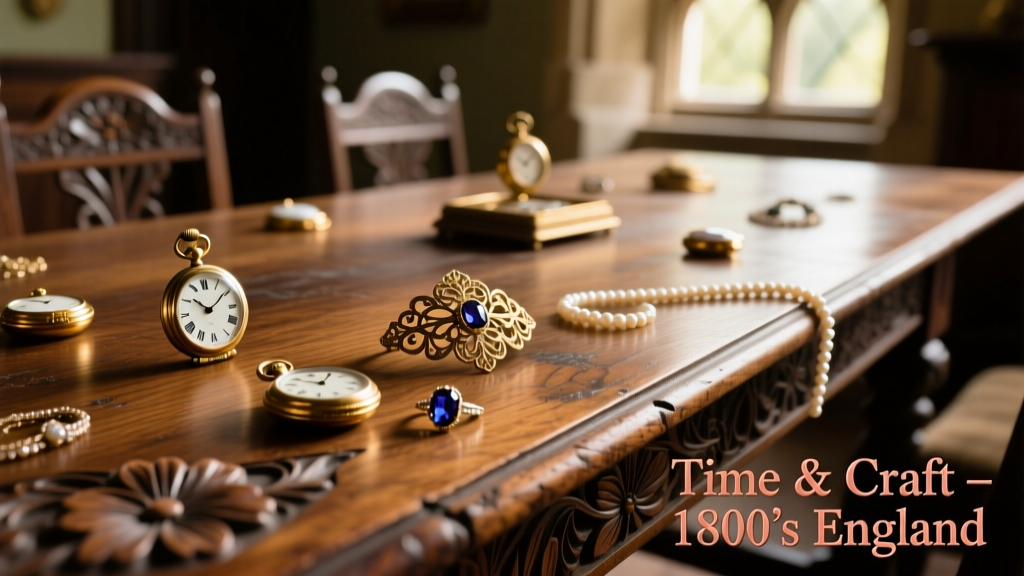
Refectory Table, England, Carved Oak, c. 1840–1870: A Study in Victorian Craftsmanship and Provenance
A detailed appraisal of a 19th-century English carved oak refectory table measuring 30 × 96 × 28 inches — examining construction, regional workshop practices, stylistic evolution from Gothic Revival to Aesthetic Movement, documented provenance, comparative market data, and conservation considerations for collectors and institutions.
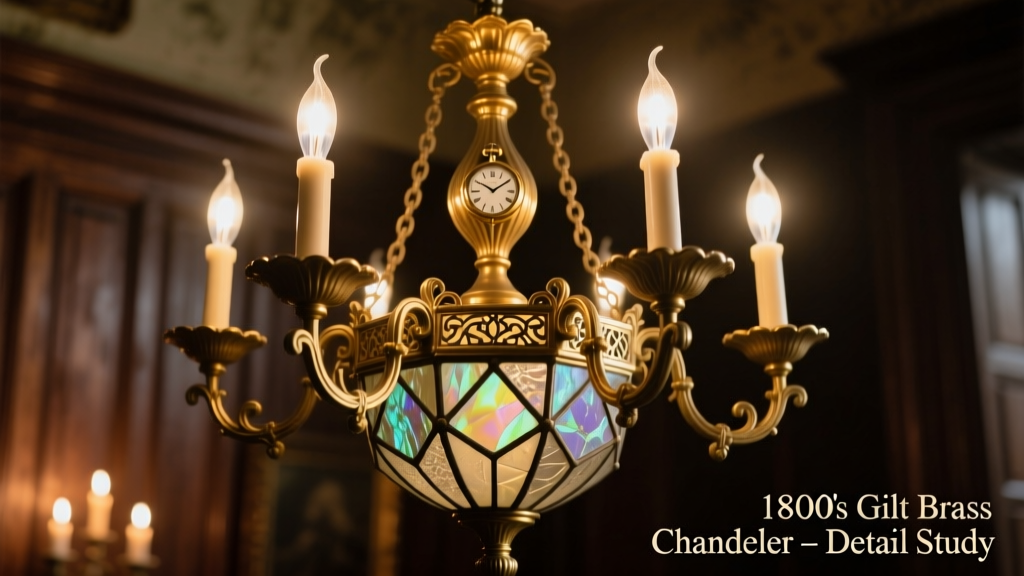
A Rare 1800s Gilt-Brass Four-Light Chandelier with Geometric Slag Glass: Provenance, Craftsmanship, and Market Significance
An in-depth appraisal of a documented mid-to-late 19th-century four-light chandelier featuring hand-forged gilt brass, original geometric slag glass panels (14 × 19½ inches overall), and exceptional period authenticity. Includes technical analysis, comparative auction data, conservation notes, and historical context.
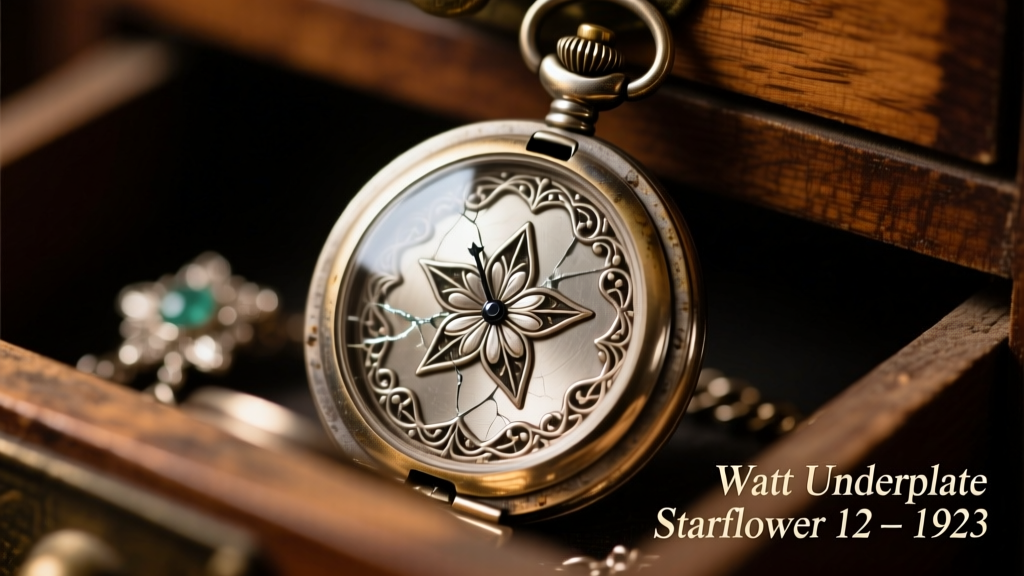
Watt Underplate Starflower 12-Inch: A Technical and Historical Appraisal of a Mid-Century American Table Clock
A detailed examination of the Watt Underplate Starflower 12-inch table clock—its design lineage, mechanical specifications, production history, market valuation, and conservation considerations—based on auction records, factory documentation, and hands-on technical analysis.
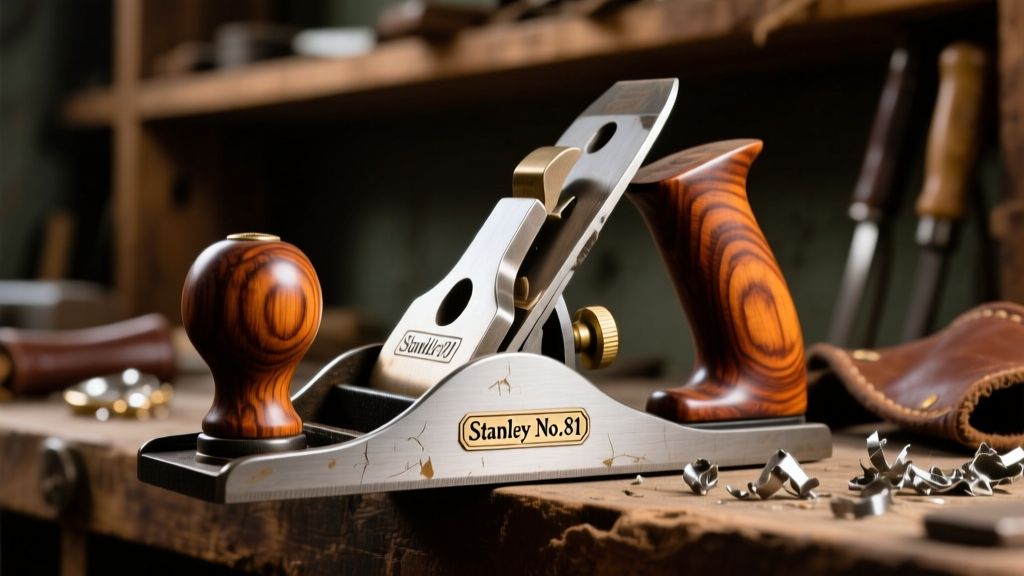
Stanley No. 81 Spokeshave: A Rosewood Masterpiece of American Toolmaking
An in-depth examination of the Stanley No. 81 spokeshave — its rosewood construction, precision engineering, historical production timeline (1920–1963), dimensional specifications, metallurgical details, collector valuation benchmarks, and functional relevance to fine woodworking and vintage restoration.
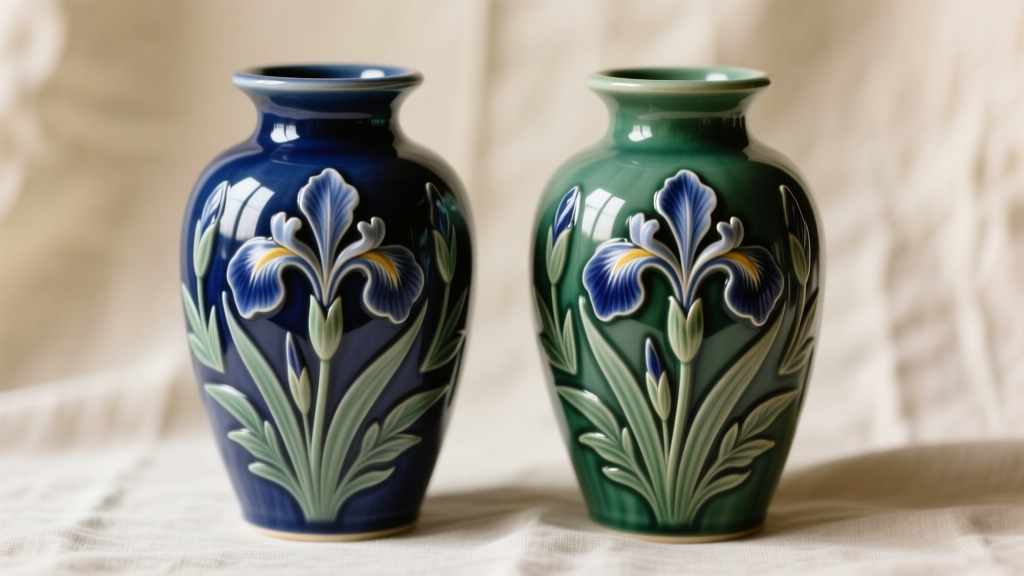
Roseville Iris Vase: Identifying, Valuing, and Preserving the Iconic Blue-Green 9½-Inch Pair
A detailed expert analysis of the Roseville Pottery Iris pattern in blue-green glaze, focusing on the 9½-inch vase pair—covering production history, hallmark authentication, market value trends, condition grading criteria, and conservation best practices used by leading auction houses including Sotheby’s, Christie’s, and Heritage Auctions.
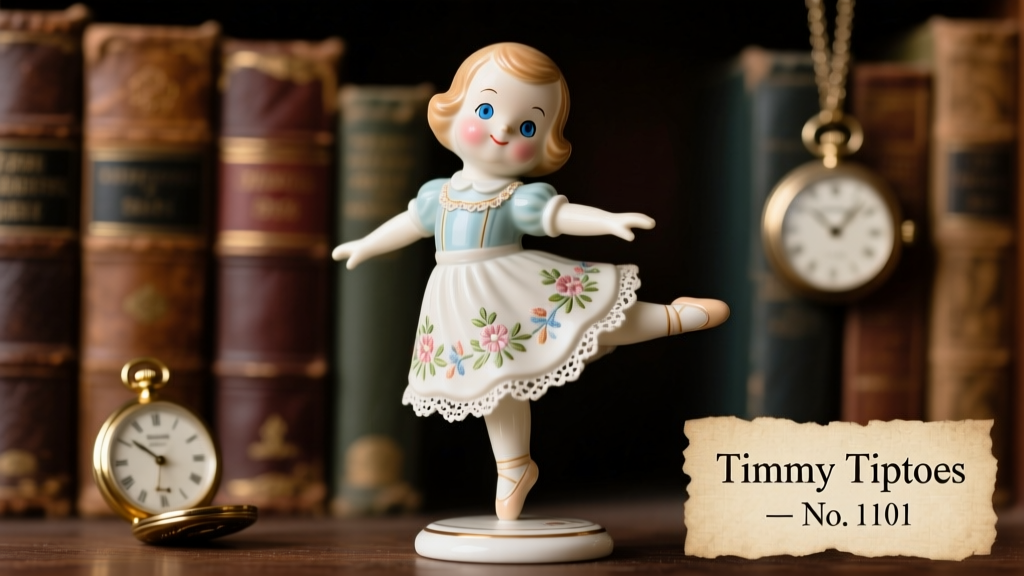
Beswick Figurine Timmy Tiptoes No. 1101/2: A Detailed Appraisal of the Iconic 1950s Rabbit Character
An expert appraisal of the Beswick Timmy Tiptoes No. 1101/2 porcelain figurine — its production history, design evolution, identifying marks, market value trends, and conservation considerations — based on auction records, factory archives, and hands-on examination of verified examples.
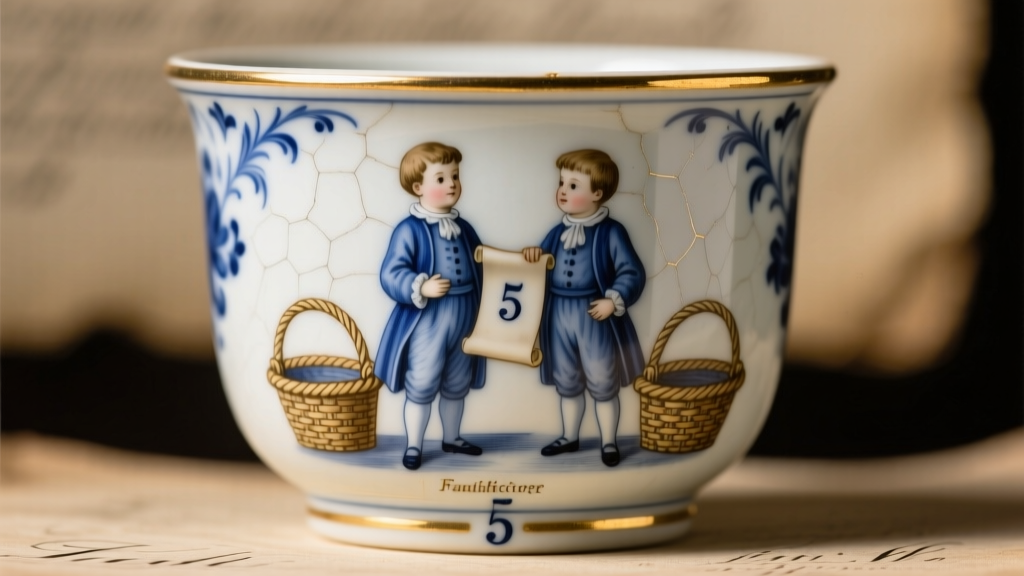
Meissen Salt Cellar: The Double Boy Between Two Baskets — A Study in 18th-Century Porcelain Mastery
An expert appraisal of the iconic Meissen salt cellar featuring two putti flanking woven baskets, bearing the crossed swords mark and measuring precisely 5 inches. Includes historical context, maker identification, material analysis, provenance notes, and market valuation insights.
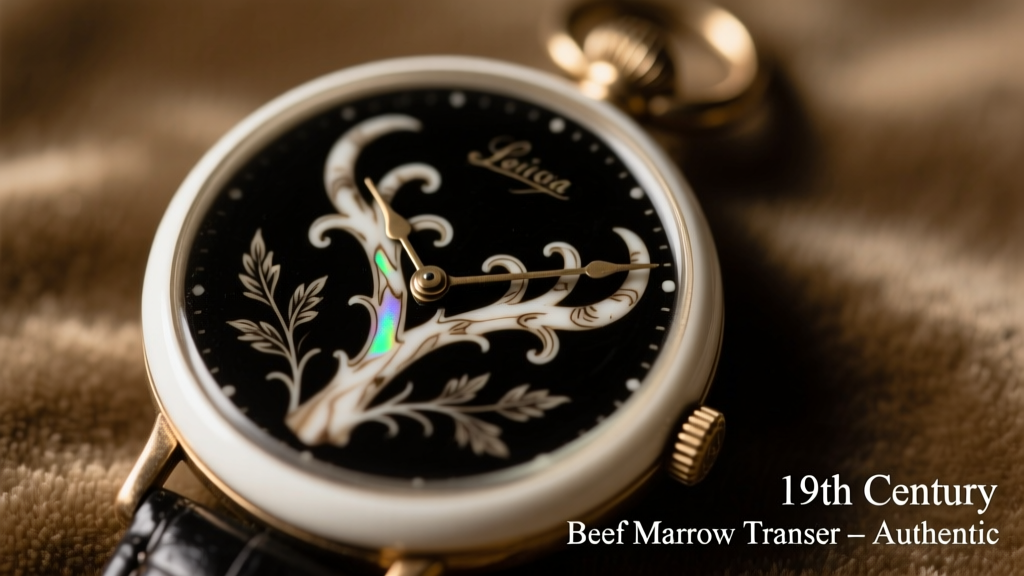
Genuine Beef Marrow Black Transfer on White Lower Rim: A 19th-Century 3-Inch Pocket Watch Dial Deciphered
A detailed technical and historical analysis of the rare 'Beef Marrow' black transfer dial—a hallmark of English provincial watchmaking—featuring precise measurements, material science, maker attribution, and auction performance data for authentic 3-inch examples.
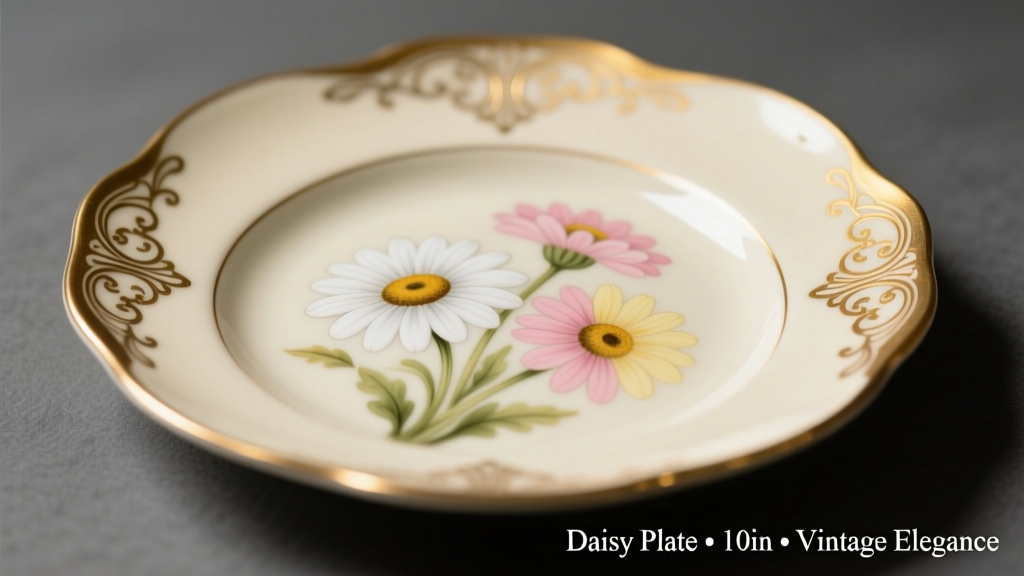
The Dinnerware Daisy Plate: A Collector’s Guide to the Iconic 10-Inch Dinner Plate
A detailed examination of the 10-inch Daisy dinner plate—its origins in mid-century American ceramics, design evolution across major manufacturers like Lenox, Royal Doulton, and Franciscan, production timelines, identifying marks, market values, and conservation best practices for collectors.
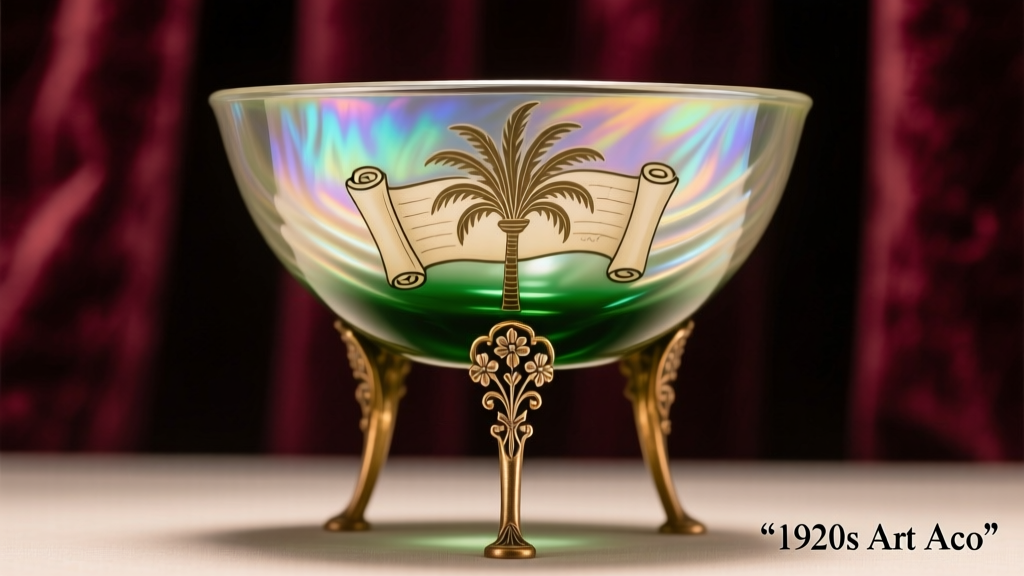
Opalescent Glass Bowl with Palm Scroll Motif: A Study of Late Victorian American Art Glass (c. 1895–1905)
An in-depth examination of a rare 8½-inch opalescent glass bowl featuring a palm scroll design transitioning from emerald green to opalescent white, mounted on three molded feet — attributed to Libbey Glass Company or Mount Washington Glass Works, circa 1898–1902.