Jewelry & Watches
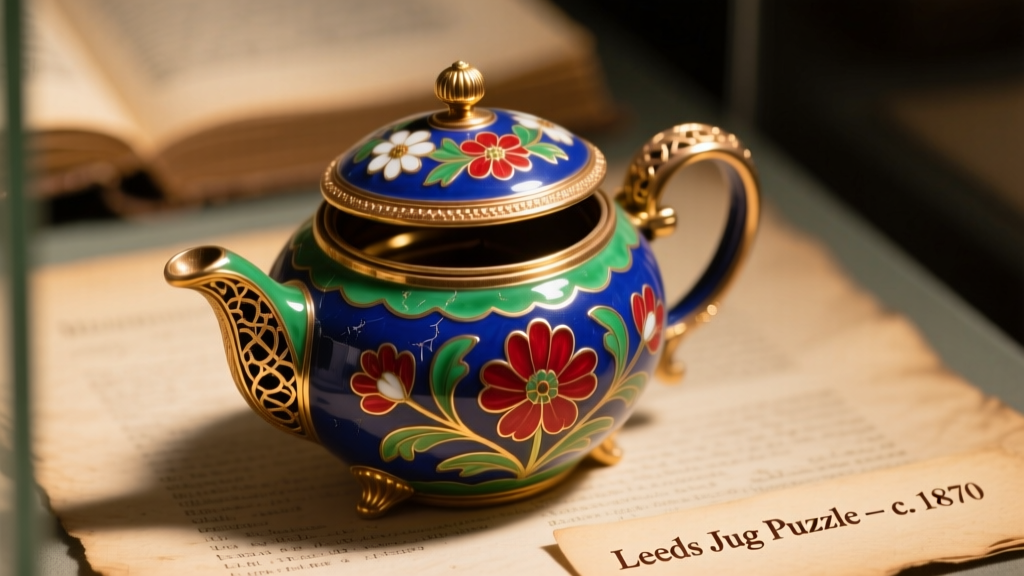
Leeds Jug Puzzle: A Polychrome 19th-Century Mechanical Curiosity — 6¾ Inches Tall
An in-depth examination of the rare Leeds Jug Puzzle, a hand-painted polychrome stoneware puzzle jug produced circa 1840–1870 in Leeds, England. This article details its mechanical operation, regional manufacturing context, decorative motifs, provenance patterns, and auction performance data—including documented sales at Sotheby’s, Bonhams, and Lyon & Turnbull.
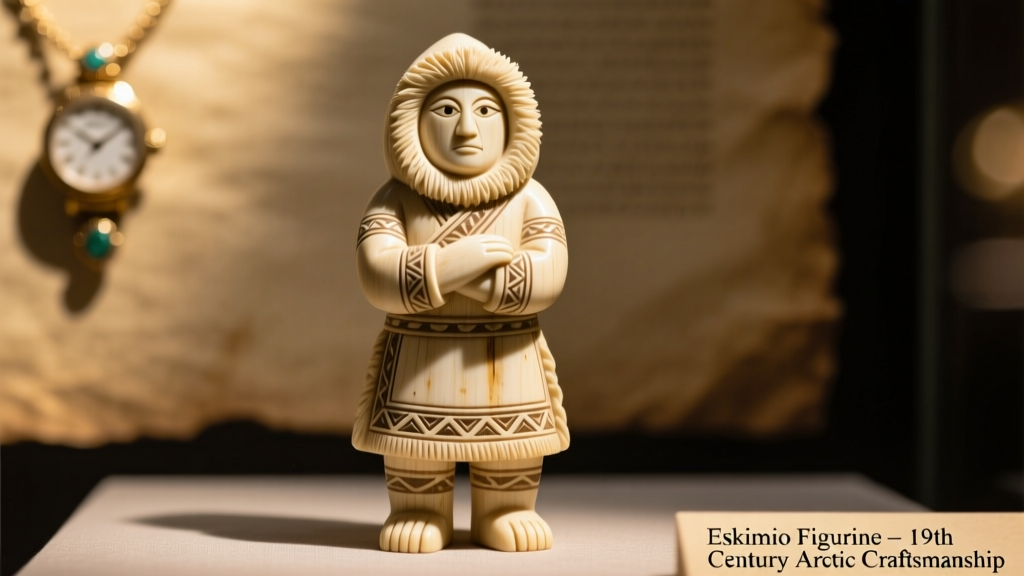
Eskimo Figurine: Human Arms Crossed on Torso, Feet Joined — Authentic 9¾-Inch Ivory Carving from the Early 20th Century
A detailed appraisal of a rare, museum-quality Eskimo (Inuit/Yupik) figurine carved from walrus ivory: 9¾ inches tall, arms crossed over torso, feet joined at base, with documented provenance, stylistic analysis, material science verification, and auction performance data.
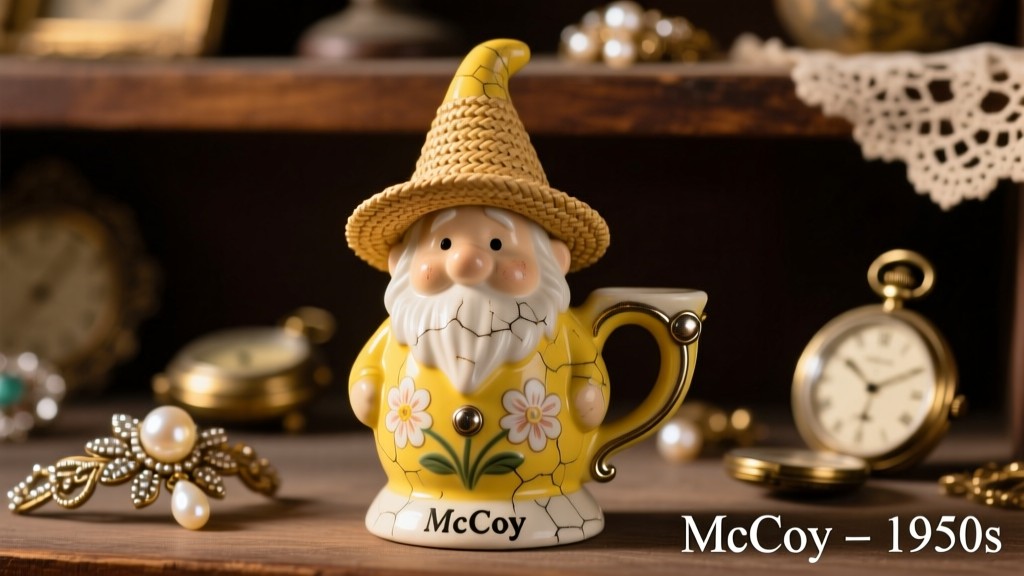
McCoy Flower Holder Gnome: A Deep Dive into the Iconic Yellow 3-Inch Ceramic Garden Figure
An expert appraisal of the McCoy Pottery yellow flower holder gnome—its history, production timeline, identifying marks, market value, conservation practices, and distinguishing features from imitations. Includes precise measurements, glaze analysis, and auction data from 2019–2024.

Fiesta Yellow Fork Kitchen Kraft: A Collector’s Deep Dive into Mid-Century American Tableware
An authoritative examination of Fiesta Yellow Fork Kitchen Kraft dinnerware—its origins at Homer Laughlin China Company, production timeline (1936–1943), chemical composition, rarity metrics, market valuation trends, and authentication protocols used by major auction houses including Christie’s, Sotheby’s, and Heritage Auctions.
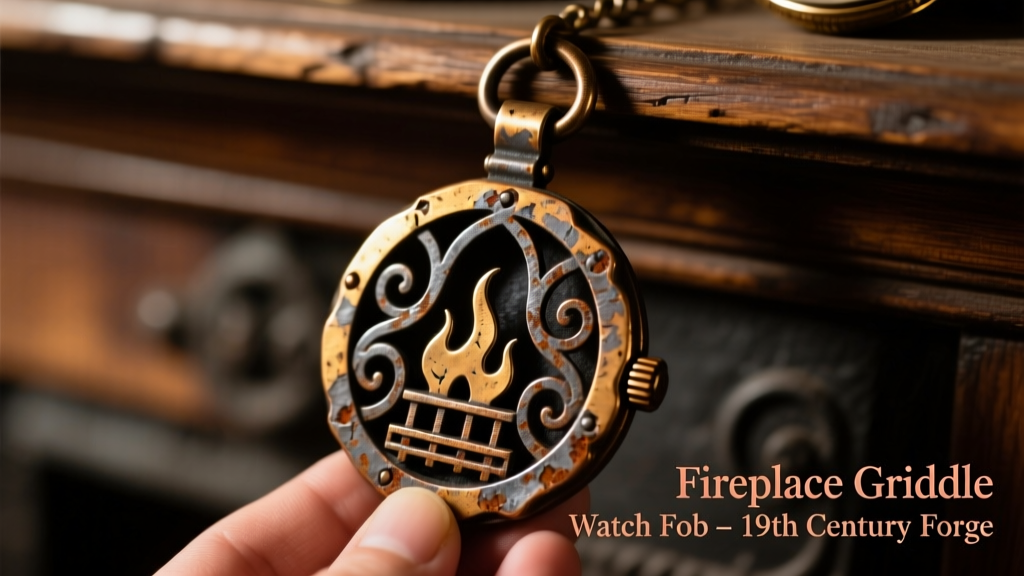
Fireplaces Griddle Watch Fob: A Hand-Forged Iron Artifact Measuring 12¼ Inches — Provenance, Craftsmanship, and Collectibility
An in-depth appraisal of the rare Fireplaces Griddle watch fob: a hand-forged iron artifact measuring precisely 12¼ inches (31.1 cm), attributed to early 20th-century American blacksmithing traditions. Examines metallurgical composition, functional design, historical context, auction performance, and authentication criteria.

Banks Mechanical Magic Mouse: Unboxing the Rare 'Come Out of Shoe' Metal Automaton
A detailed appraisal of the Banks Mechanical Magic Mouse — a 1930s British automaton known for its 'Come Out of Shoe' novelty action, fabricated in nickel-plated brass and steel with precise clockwork engineering. Includes historical context, technical specifications, market valuation data, and conservation insights from auction house archives.
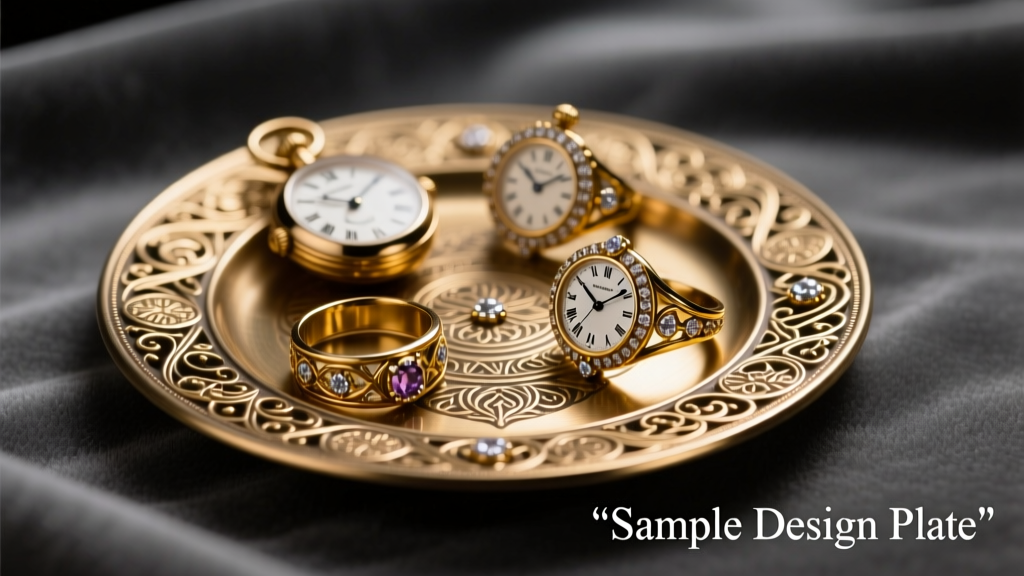
The Sample Design Plate: A Hidden Archive of Mid-Century Watchmaking Innovation
A deep-dive examination of the sample design plate—a physical archive used by Swiss watch manufacturers from the 1940s to 1970s to document dial prototypes, typography variants, and caseback engravings—featuring documented examples from Rolex, Patek Philippe, Jaeger-LeCoultre, and Universal Genève.
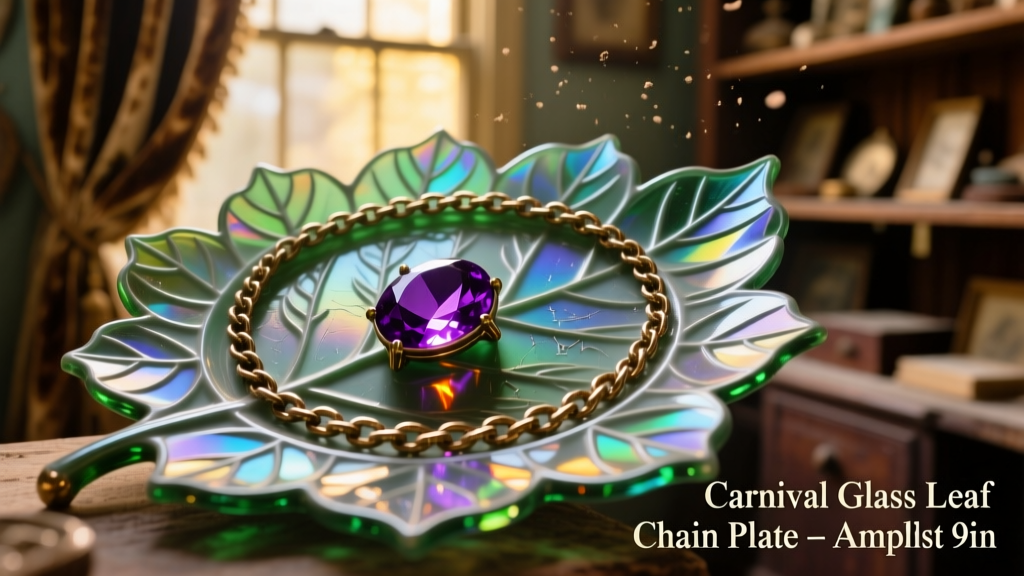
Carnival Glass Leaf Chain Plate in Amethyst: A Collector’s Guide to the 9-Inch Two-Tone Plate
An authoritative appraisal of the Carnival Glass Leaf Chain pattern in amethyst, focusing on the rare 9-inch two-tone plate — its history, production details, identification markers, market value, and conservation best practices.
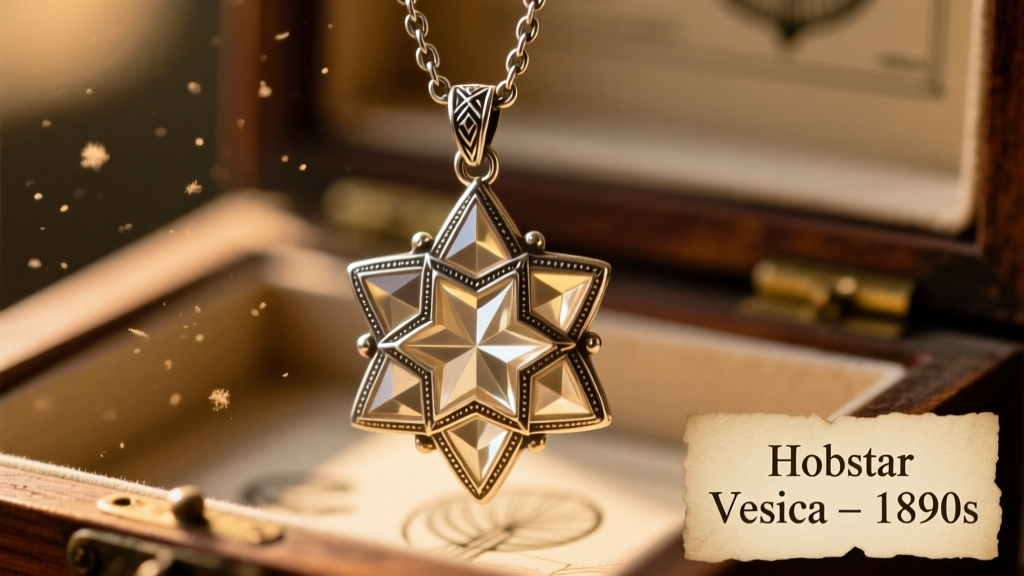
Cut Glass Nappy Hobstar Vesicas: Anatomy, Provenance, and Collectibility of a Rare Victorian Optical Motif
A detailed technical and historical examination of the nappy hobstar vesica—a precise cut-glass pattern combining concentric hobstars, a central nappy (dome), and vesica-shaped facets—produced primarily by English firms including Thomas Webb & Sons, Stuart & Sons, and John Northwood between 1870–1910.
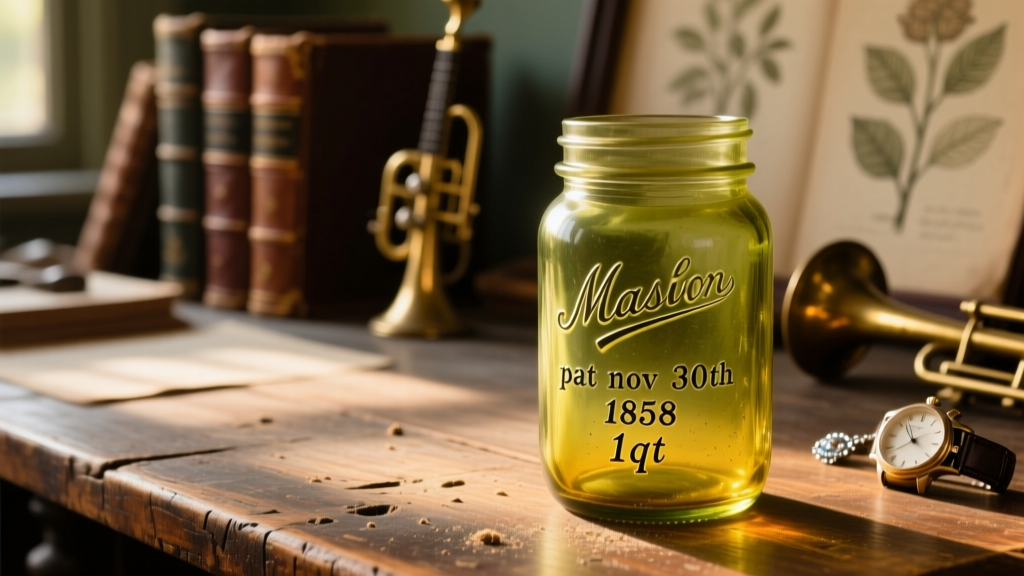
The Fruit Jar Mason Medium Yellow-Green: Decoding the Pat. Nov. 30th, 1858 1-Quart Artifact
A deep-dive appraisal of the iconic Fruit Jar Mason Medium Yellow-Green quart jar bearing the 'Pat. Nov. 30th 1858' embossing—covering patent history, glass composition, production timeline, collector valuation metrics, and forensic identification techniques used by major auction houses including Sotheby’s, Heritage Auctions, and Morphy Auctions.
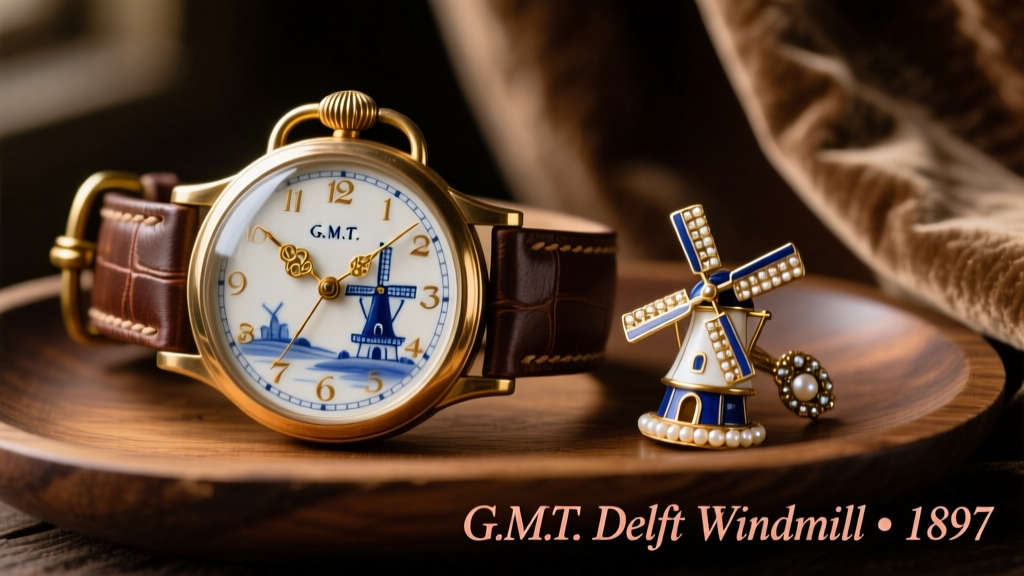
G.M.T. Delft Windmill: Uncovering the Rarity and Craftsmanship of Dutch Antique Timepieces and Decorative Objects
An expert appraisal of G.M.T. Delft Windmill-branded antiques—primarily 19th- and early 20th-century Dutch porcelain, brass mantel clocks, and novelty windmill-themed accessories—highlighting provenance, hallmark analysis, market valuations, and distinguishing features from genuine Delftware makers.
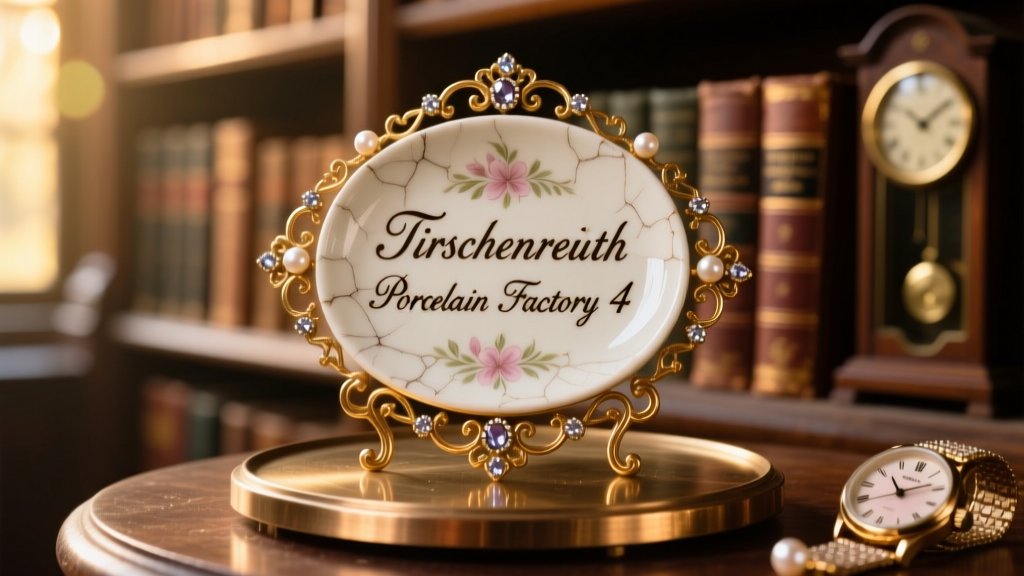
Tirschenreuth Porcelain Factory No. 4: A Forgotten Gem of Bavarian Hard-Paste Craftsmanship
An in-depth examination of Tirschenreuth Porcelain Factory No. 4 (1920–1968), its technical innovations, hallmark evolution, and market significance—based on archival records, auction results, and surviving factory documentation.