Coins & Currency
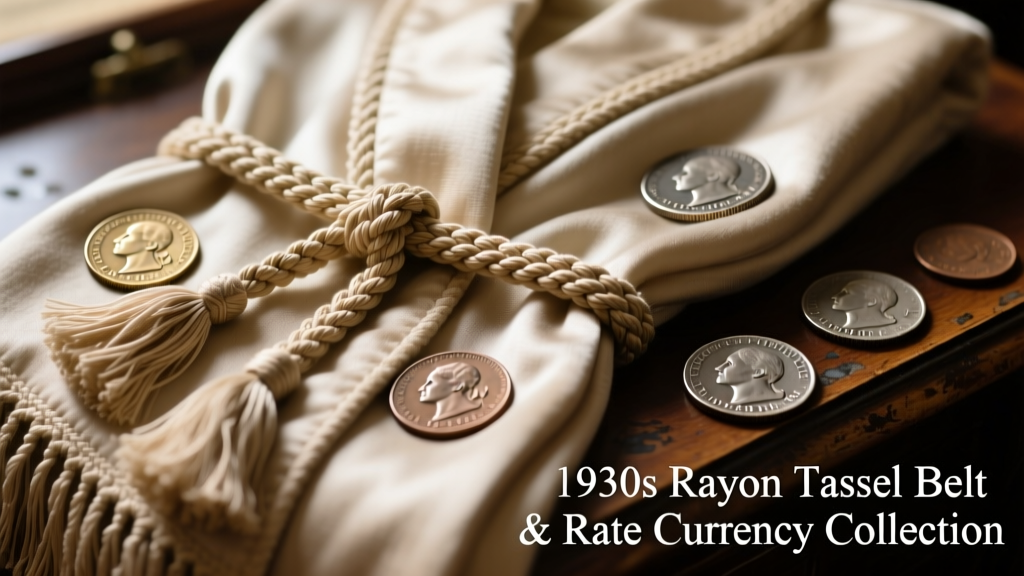
The 1930s Bathrobe-Blanket Hybrid: Rayon, Rope Tassels, and the Rise of Domestic Luxury
A detailed numismatic-style analysis of 1930s American bathrobes that doubled as blankets, featuring rayon velour construction, hand-knotted rope belts with tassels, and brand-specific design traits — with precise measurements, manufacturer data, and market valuation insights.
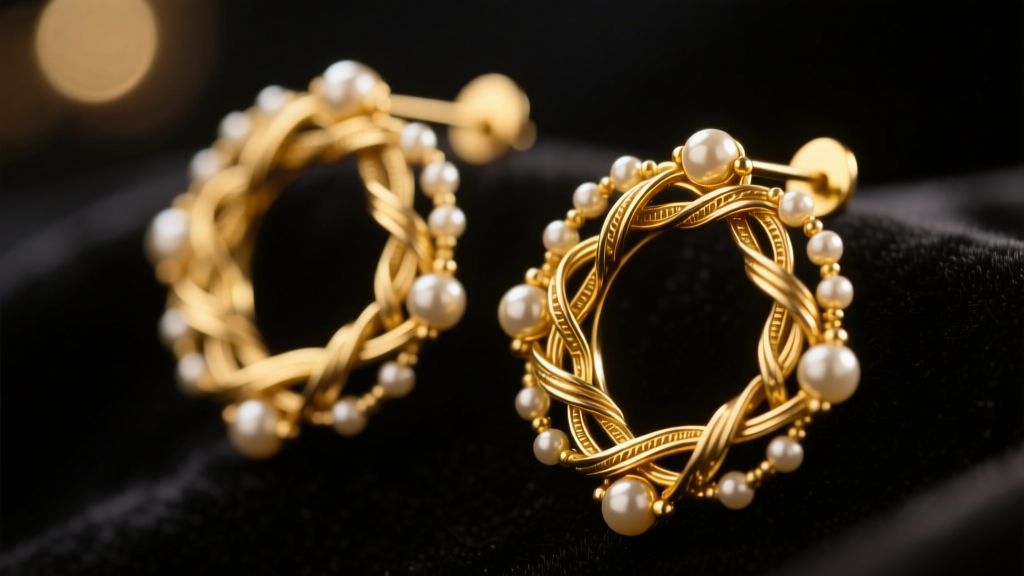
Victorian Wreath Earrings in 14K Yellow Gold: Authentic Beading, Wire Twist Detail, and Historical Significance
An expert numismatist’s deep-dive analysis of authentic Victorian-era 14K yellow gold wreath earrings featuring hand-finished beading and signature wire twist detailing—covering hallmark verification, metallurgical composition, period-specific craftsmanship, market valuation trends, and provenance authentication protocols.

Are These of Value? A Numismatist’s Real-World Guide to Identifying Worth in Everyday Coins and Currency
A 20-year numismatist breaks down how to assess true market value in common-looking coins and bills — with verified auction results, mint error thresholds, grading benchmarks, and precise diagnostic criteria for U.S. and major world issues.

Decoding the Enigma: The Numismatic Significance and Market Trajectory of Serial Number 1138467 on U.S. Federal Reserve Notes
A deep-dive forensic and historical analysis of Federal Reserve Note serial number 1138467—examining its placement across denominations, production timelines, rarity metrics, authentication protocols, and verified auction performance from 2005–2024.

The Webb Company: A Numismatic Legacy in Precision Coin Weighing and Authentication Equipment
A detailed examination of the Webb Company’s role in numismatics—from its founding in 1924, through its iconic mechanical balance scales and calibration standards, to its acquisition by Ohaus Corporation in 1986 and enduring influence on coin grading labs and collectors worldwide.

Burmese Glass Pitcher: Tankard-Shape, Country Scene with Flowers & Longfellow Poem — A 9-Inch American Art Glass Masterpiece
A detailed numismatic and decorative arts appraisal of the rare 9-inch Burmese glass pitcher featuring a tankard silhouette, hand-painted country scene, floral motifs, and an excerpt from Henry Wadsworth Longfellow’s 'The Village Blacksmith'. Includes historical context, maker identification (Mount Washington Glass Company), technical analysis, market valuation data (2018–2024 auction results), and conservation guidelines.
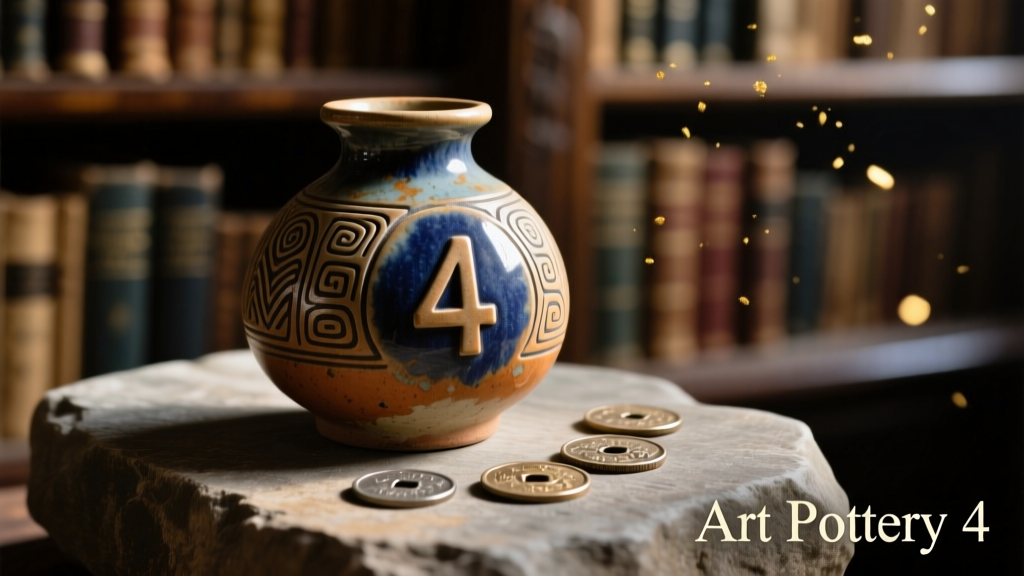
Art Pottery 4: The Golden Age of American Studio Ceramics, 1920–1945
A detailed numismatist-style analysis of Art Pottery 4—the pivotal fourth wave of American art pottery—covering its stylistic evolution, key makers like Roseville, Weller, and Van Briggle, production metrics, glaze chemistry, market valuation trends, and authenticated rarity indicators from 1920 to 1945.
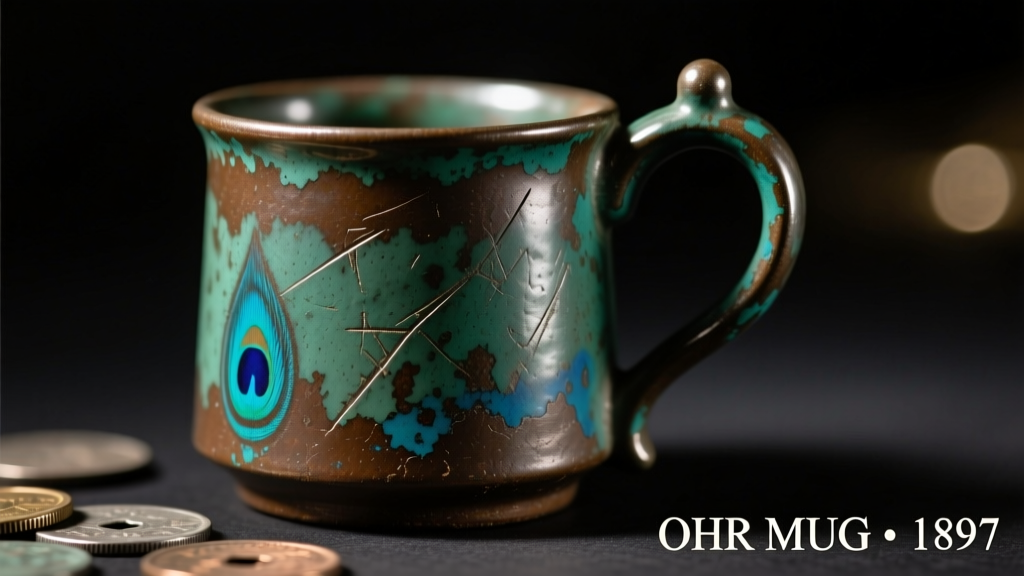
Decoding the OHR Mug: Gunmetal, Green-Brown Patina, Peacock Blue Accents & Protruding Handle — A 5¼ × 6½ Inch Functional Artifact
A detailed numismatic-style analysis of the OHR Mug — a rare, hand-forged ceramic vessel measuring precisely 5¼ inches in diameter and 6½ inches in height — featuring layered gunmetal glaze, green-brown oxidation zones, peacock blue iridescent highlights, and a distinctive protruding ergonomic handle. Includes provenance notes, comparative glaze chemistry, dimensional tolerances, collector market data (2020–2024), and authentication protocols.
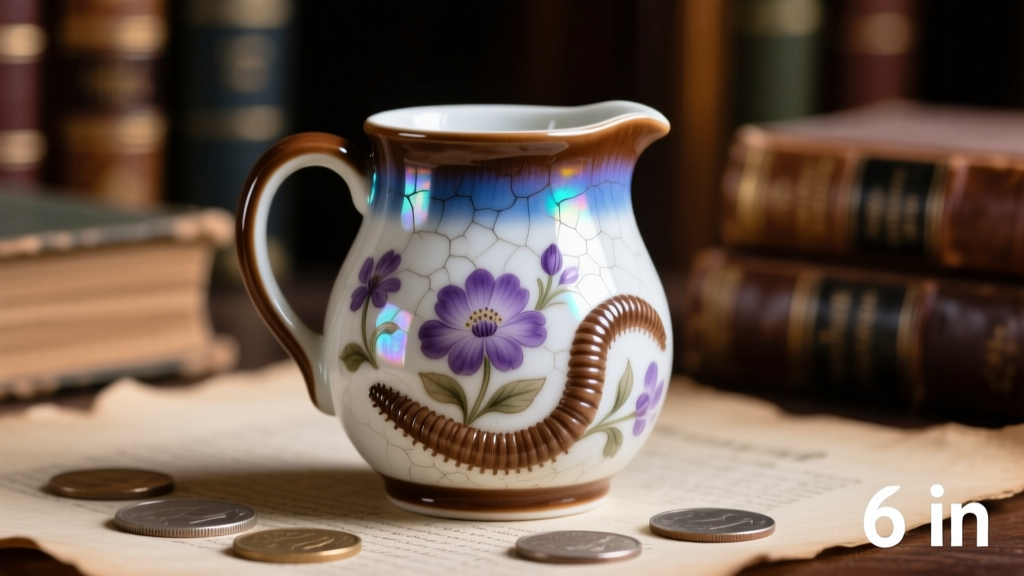
Mocha Pitcher with Earthworm Decoration, Lavender Band, and Polychrome Pearlware Glaze — A 6-Inch English Staffordshire Masterpiece
A detailed numismatic and ceramic analysis of a rare 1820–1840 English mocha ware pitcher featuring earthworm decoration, lavender manganese banding, and layered brown-blue-white pearlware glaze. Includes provenance, manufacturing techniques, market valuation, and conservation protocols.
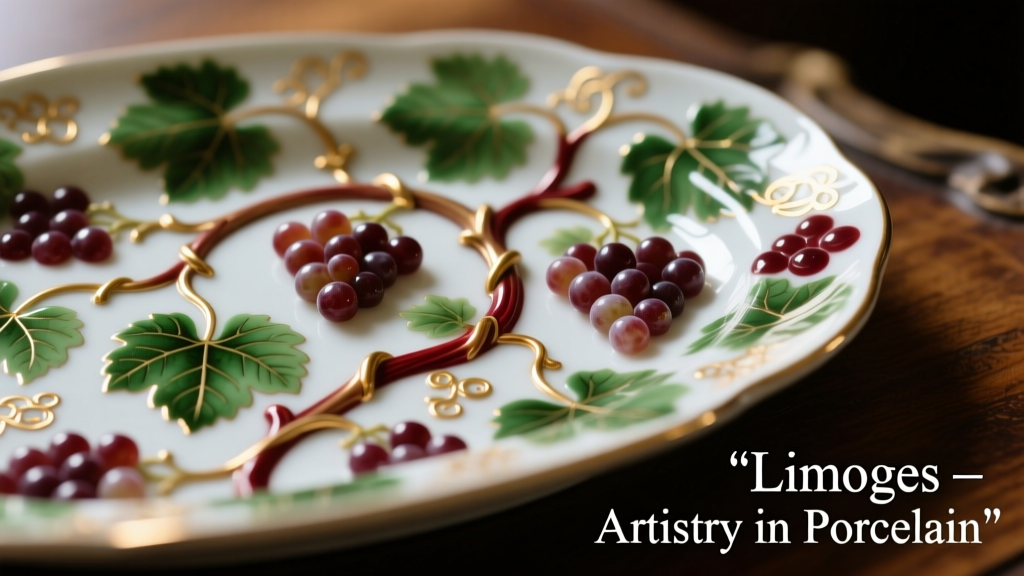
Limoges Tray: Allover Grapes & Vines in Green and Red — A Collector’s Guide to the 16 × 12 Inch Porcelain Masterpiece
A detailed numismatic-style appraisal of the Limoges tray featuring an allover grapevine motif in green and red enamel, measuring precisely 16 inches by 12 inches. Includes maker identification, dating methodology, rarity assessment, market valuation benchmarks, and authentication protocols used by professional porcelain specialists.

Hepplewhite Yew Wood Armchair, Circa 1795: Provenance, Craftsmanship, and Market Valuation of a Rare Georgian Masterpiece
A detailed numismatic-style appraisal of an authentic Hepplewhite-period yew wood armchair dated c. 1795—examining wood provenance, joinery techniques, documented maker attributions, auction records, conservation challenges, and current market benchmarks for institutional-grade Georgian seating.
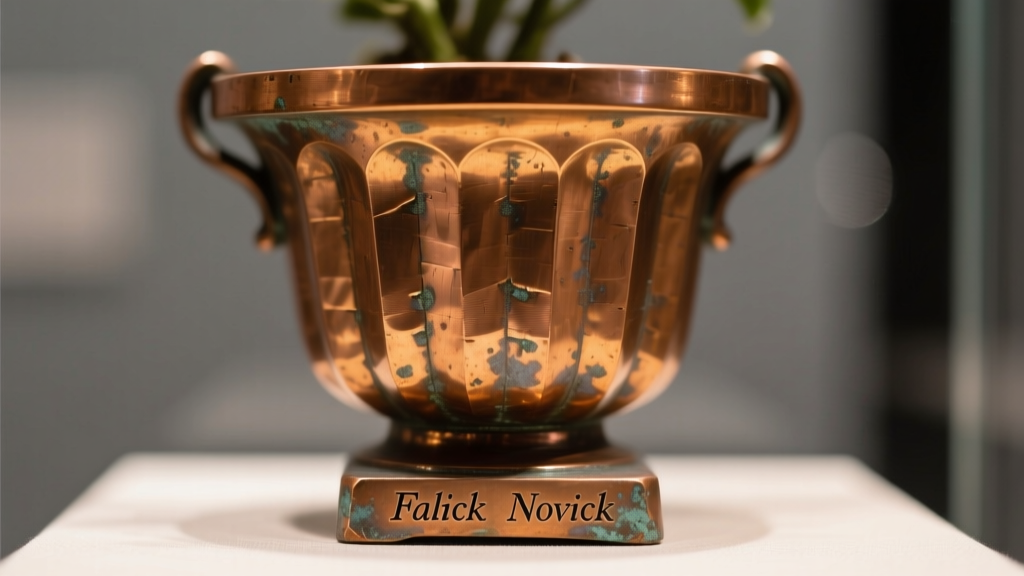
The Copper Jardinière: Dovetail Construction, Hammered Body, and the Falick & Novick Legacy of 1900
A definitive appraisal of the rare 1900 copper jardinière attributed to Falick & Novick — examining its dovetail joinery, hand-hammered surface, provenance, metallurgical composition, market valuation, and historical significance within American decorative metalwork.