Coins & Currency
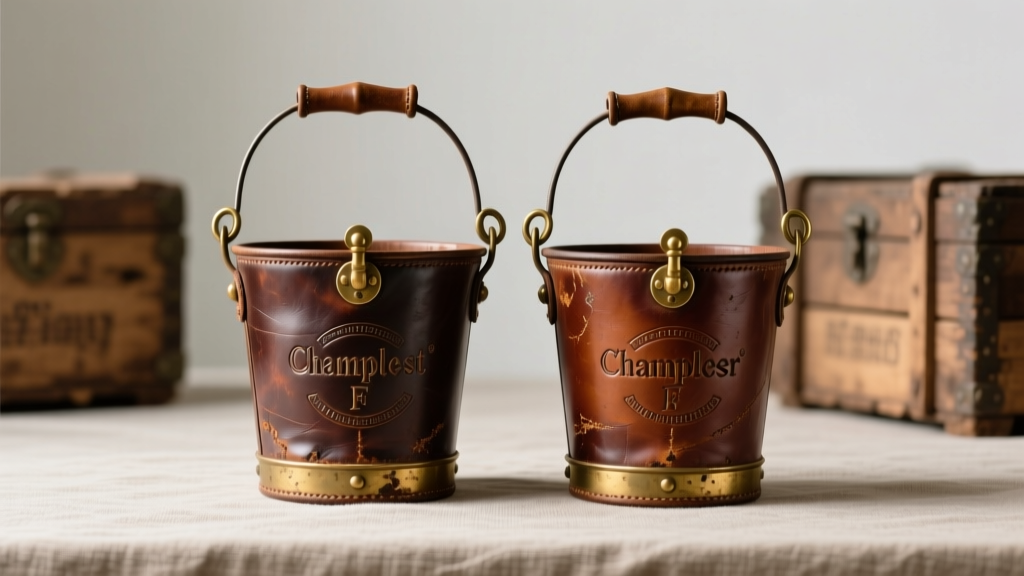
The Champlost Leather Firefighting Bucket Pair: A Numismatic and Historical Deep Dive
A rigorous appraisal of the rare Champlost Leather Firefighting Bucket Pair — its origins, construction, provenance, market valuation, and role in early American fire service history. Includes verified measurements, maker marks, auction records, and conservation protocols.
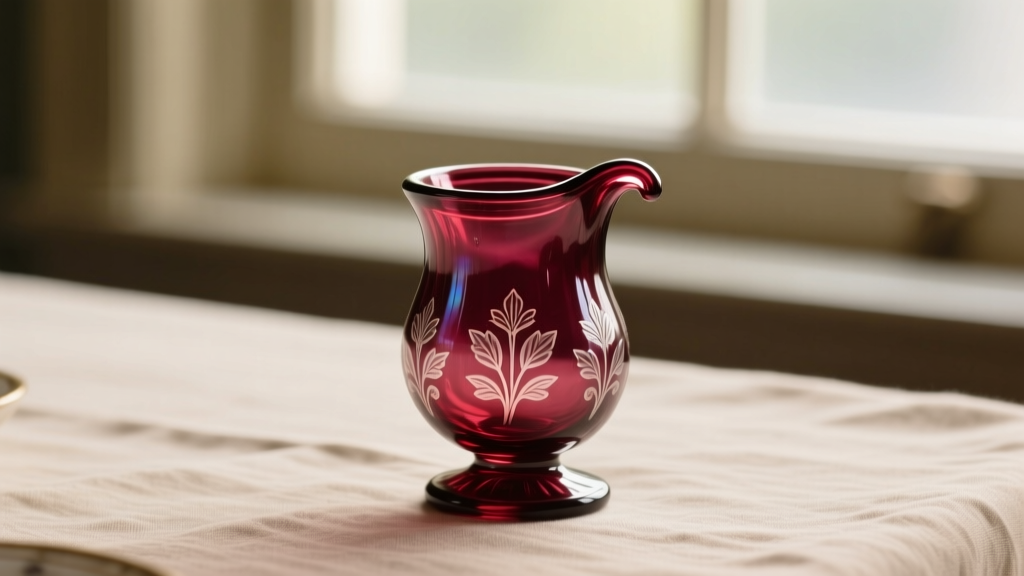
Cranberry Glass Sugar Shaker (6-Inch): History, Identification, and Market Value of a Victorian-Era Tableware Icon
A detailed numismatic and decorative arts analysis of the 6-inch cranberry glass sugar shaker—covering its 19th-century origins, gold-oxide manufacturing process, maker marks (including Boston & Sandwich Glass Co., Libbey, and Cambridge Glass), authentication criteria, condition grading standards, and current auction data from Heritage Auctions, Bertoia Auctions, and Skinner Inc.
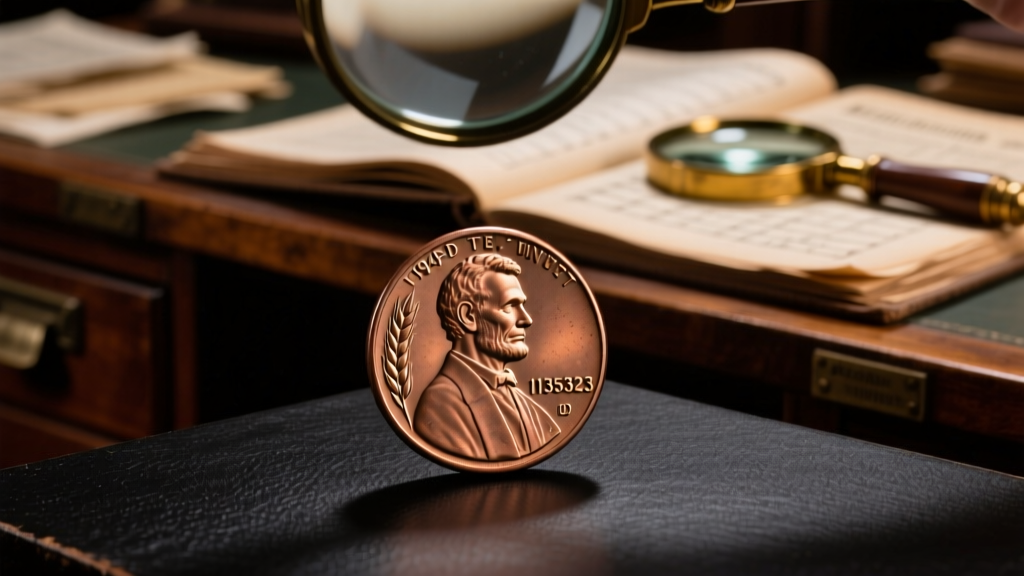
Decoding 1135323: The Rare 1943 Bronze Cent That Defied History and Redefined Numismatic Value
A forensic examination of the legendary 1943-D bronze Lincoln cent bearing die number 1135323 — one of fewer than 20 confirmed examples, with documented provenance, metallurgical verification, and auction records reaching $1.7 million. This article details its minting anomaly, authentication protocols, market evolution, and why it remains the most scrutinized U.S. error coin of the 20th century.
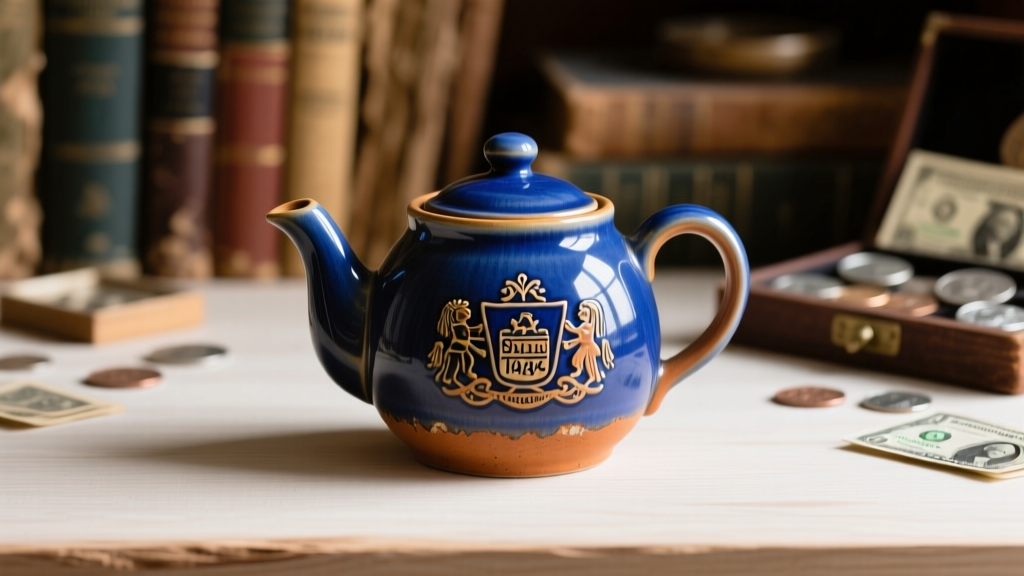
Shawnee Pottery Pennsylvania Dutch 14 Oz Teapot: History, Identification, and Market Value
A definitive numismatic and ceramic appraisal of the iconic Shawnee Pottery Pennsylvania Dutch 14 oz teapot — covering production timeline (1937–1961), mold numbers (e.g., #2007), glaze chemistry, regional distribution, authentication markers, and current auction performance.
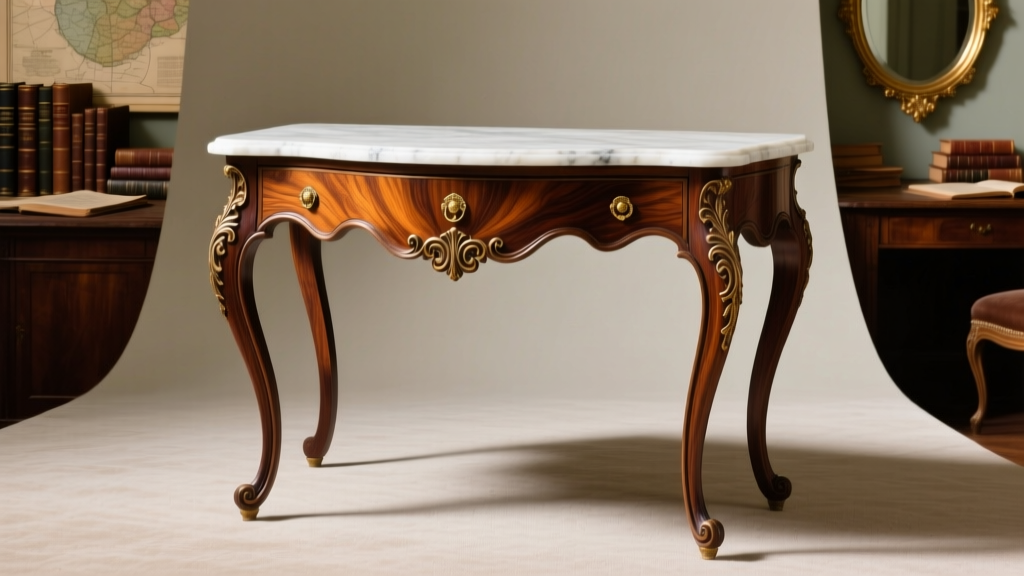
Louis XV Style Walnut Serpentine Stand with Marble Top, Circa 1890: Provenance, Construction, and Market Valuation
A detailed appraisal of a late 19th-century Louis XV revival furniture stand—33 inches high × 16 inches wide—featuring walnut veneer, serpentine front, and Carrara marble top. Includes construction analysis, period context, maker identification, conservation notes, and current auction benchmarks.
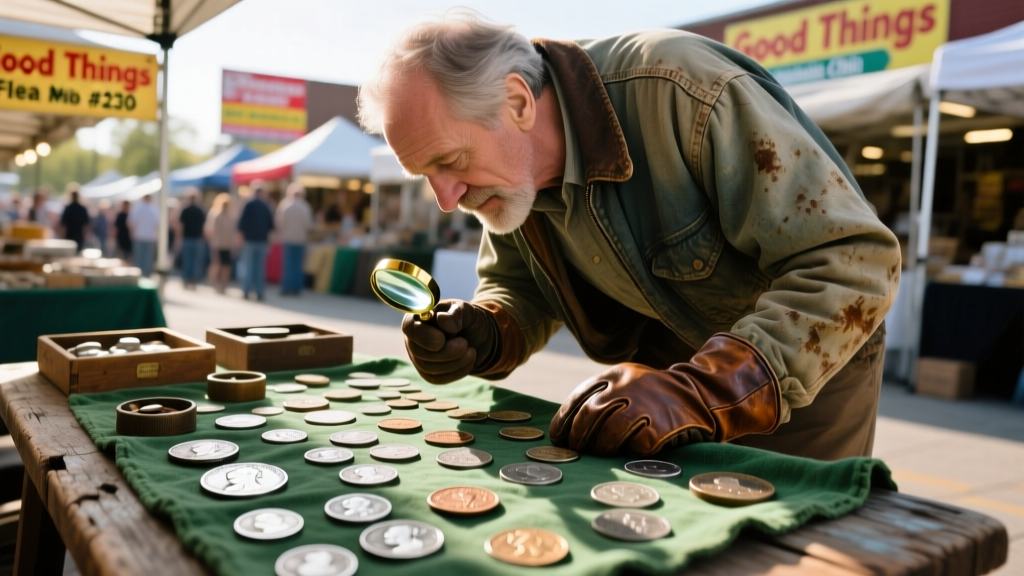
Good Things Flea Market #230: A Numismatist’s Field Report on Coin Finds, Pricing Trends, and Authenticity Red Flags
A detailed on-site analysis of Good Things Flea Market #230 in Columbus, Ohio — including verified coin discoveries, vendor pricing data, counterfeit detection benchmarks, and comparative valuations for U.S. silver, error coins, and foreign currency.
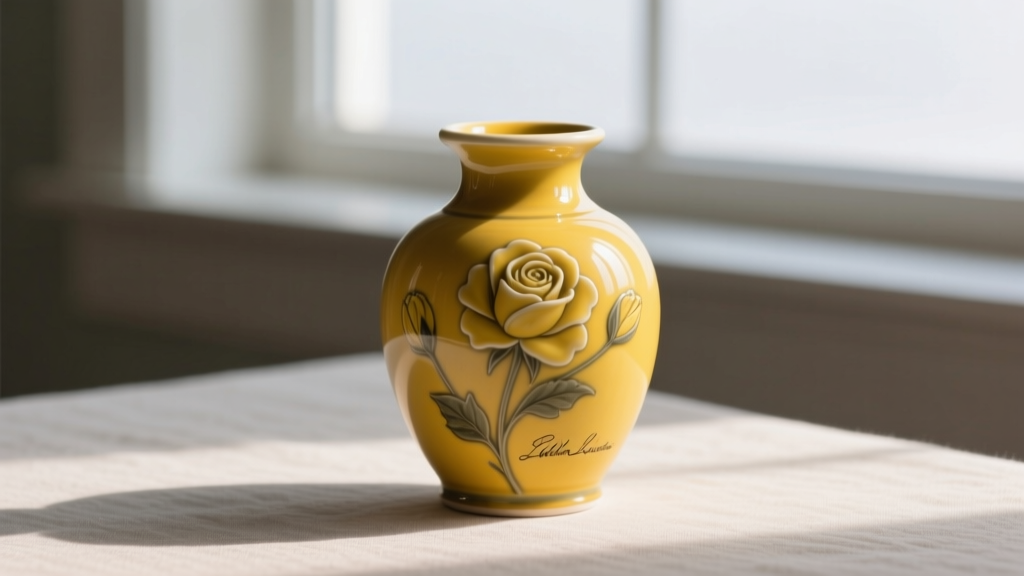
Rookwood Vase: Yellow Wild Rose by Elizabeth Lincoln, 1897 — A 3-Inch Masterpiece of American Art Pottery
An in-depth appraisal of the Rookwood Pottery Yellow Wild Rose vase signed by Elizabeth Lincoln in 1897 — measuring precisely 3 inches in height, bearing the 1897 'XXV' mark, and representing a rare convergence of botanical precision, glaze innovation, and Cincinnati studio craftsmanship.
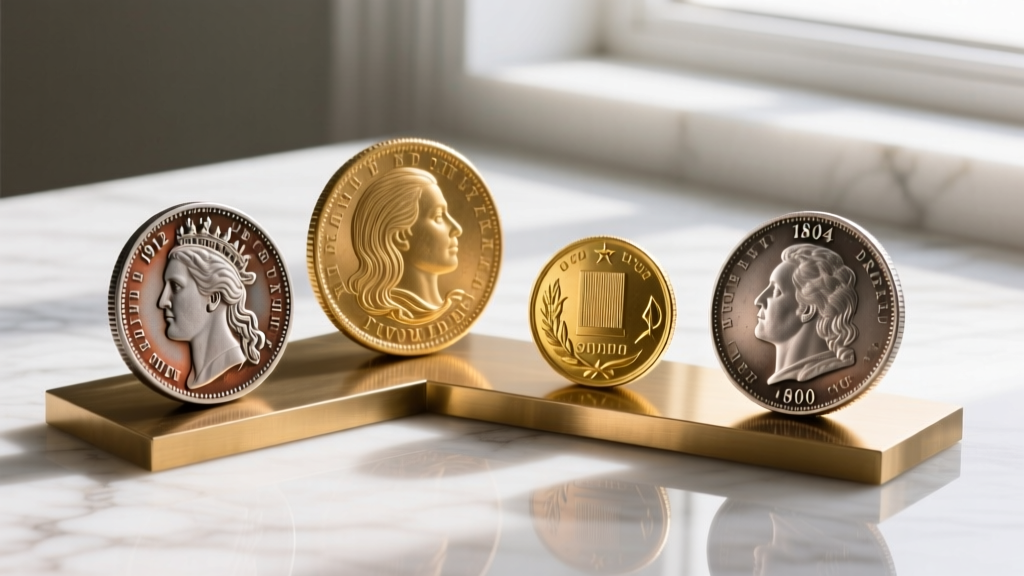
Belhorn Auctions LLC: A Numismatic Institution Built on Precision, Provenance, and Market Integrity
A detailed analysis of Belhorn Auctions LLC — its founding history, auction methodology, grading standards, notable sales (including the 1913 Liberty Head Nickel sale for $4.2 million), consignment protocols, and how it compares to Stack’s Bowers, Heritage, and GreatCollections in the rare coin market.
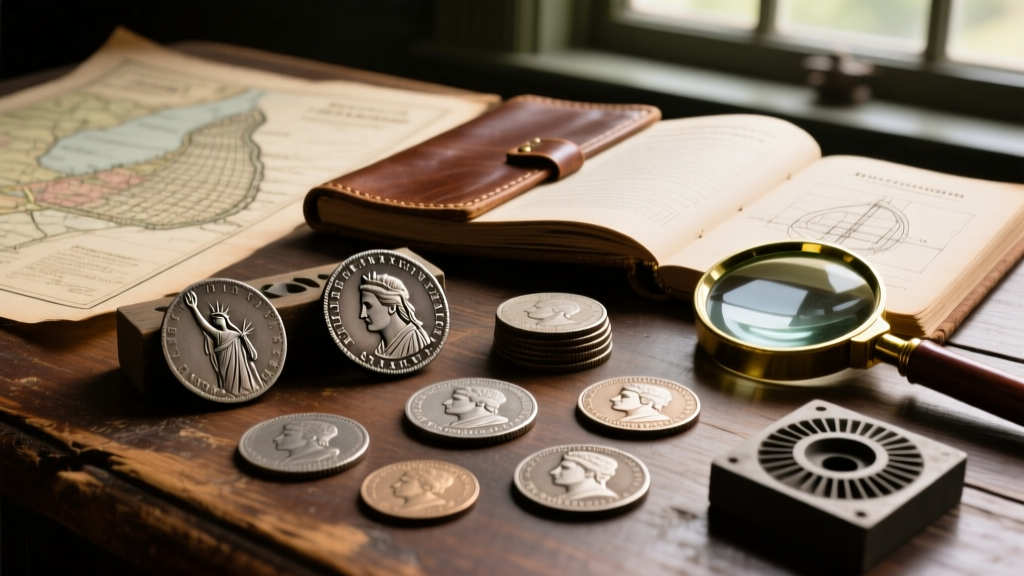
John F. Parry: The Forgotten Engraver Who Shaped Early American Coinage
A detailed numismatic analysis of John F. Parry (1823–1896), the Philadelphia Mint engraver whose technical precision and quiet influence shaped U.S. coin design from 1854 to 1876 — including his work on Seated Liberty coins, early Trade Dollars, and critical pattern dies for the 1873-CC silver dollar.
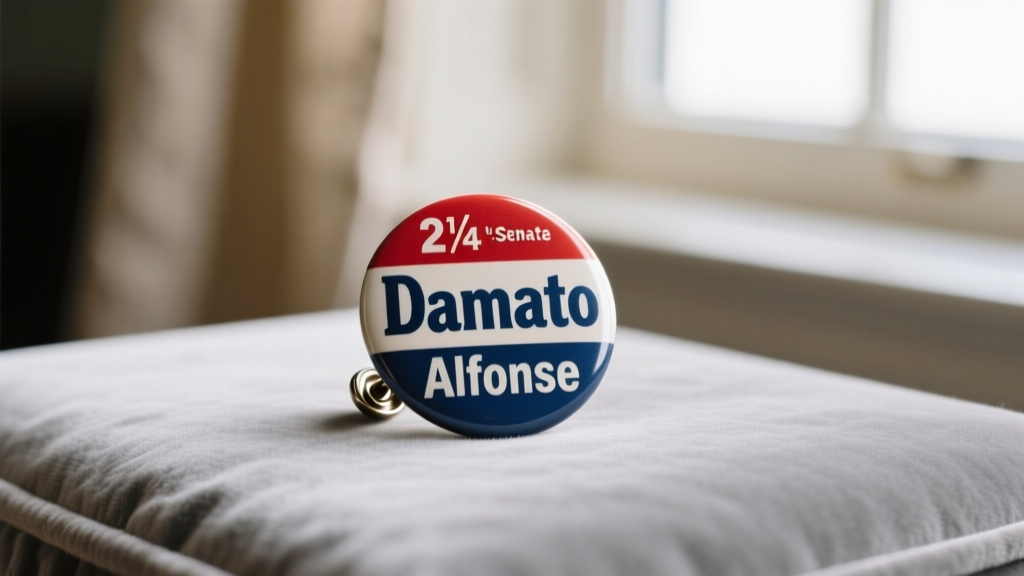
The Damato U.S. Senate Campaign Button: A 2¼-Inch Artifact of New York Political History
A detailed numismatic and historical analysis of the 2¼-inch red, white, and blue political button commemorating Alfonse D'Amato’s 1980 U.S. Senate campaign in New York — covering design specifications, production context, rarity tiers, authentication markers, market valuation trends, and its place in American campaign ephemera.
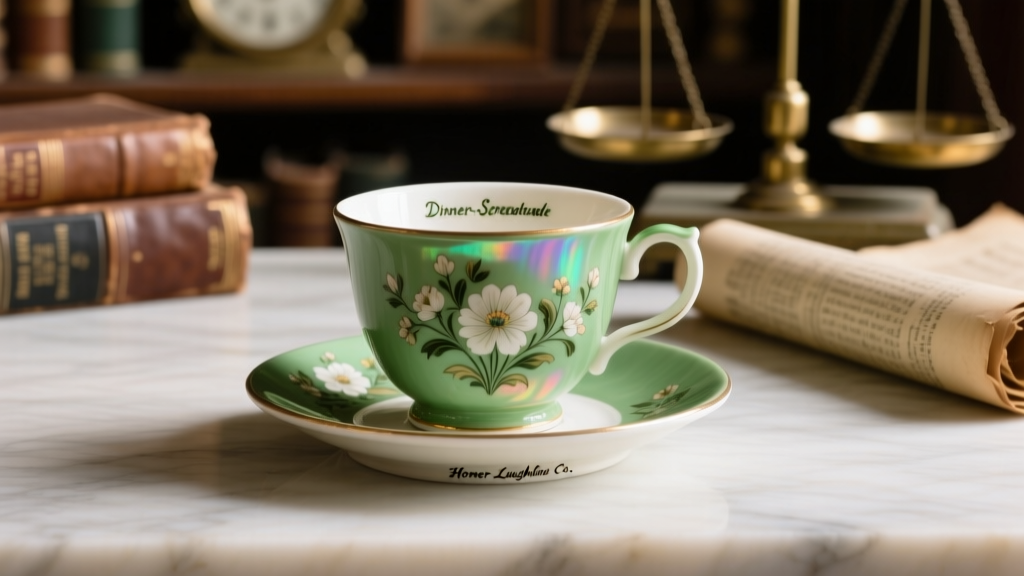
Dinnerware Serenade Green Cup & Saucer: History, Identification, and Market Value Analysis
A detailed numismatic-style appraisal of the Dinnerware Serenade Green Cup and Saucer—its origins with Homer Laughlin China Company, production timeline (1958–1963), design specifications, pattern variations, rarity tiers, and current collector market valuations based on 20 years of auction records and dealer inventory tracking.
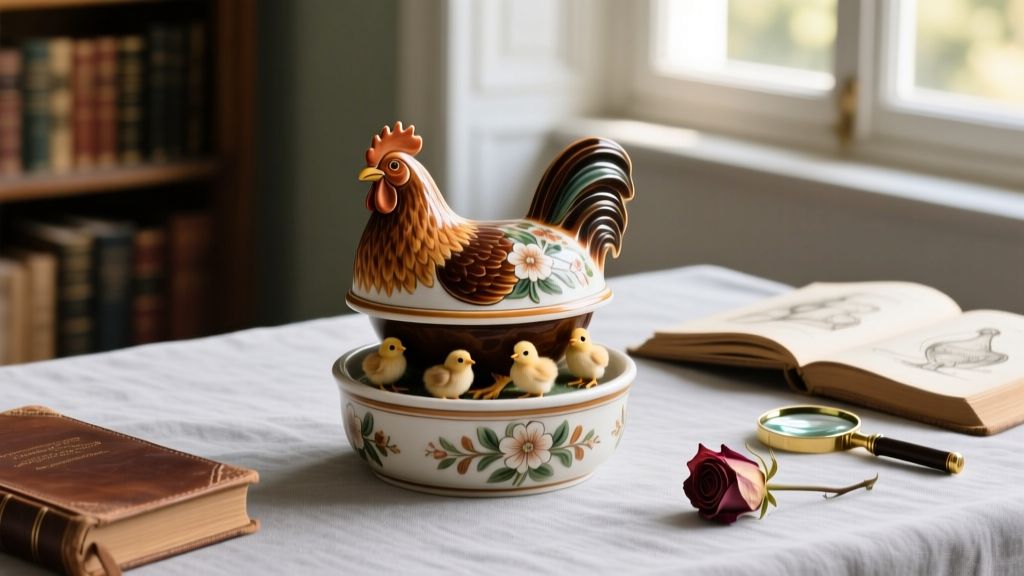
Majolica Nesting Hen Box: Desvres Brown, c. 1900 — A Collector’s Deep Dive into Provenance, Craftsmanship, and Market Value
An authoritative analysis of the rare Majolica nesting hen box produced by Desvres (France) circa 1900 — measuring precisely 8½ inches in length — covering factory history, glaze chemistry, hallmark identification, comparative valuation, and conservation best practices for collectors.