Coins & Currency
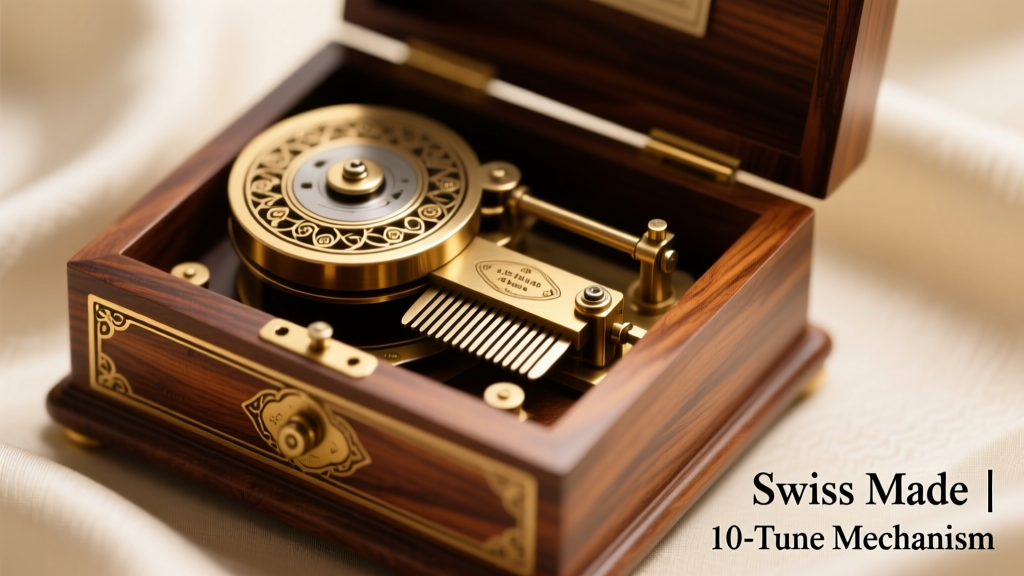
The Music Box Swiss 10 Tunes Inlaid Satinwood Single Comb (9 × 22 in): A Numismatic & Horological Appraisal
A detailed expert appraisal of the rare Swiss-made 10-tune satinwood music box with single comb, measuring precisely 9 inches wide by 22 inches long. Includes provenance analysis, technical specifications, market valuation trends, and conservation guidance for collectors.
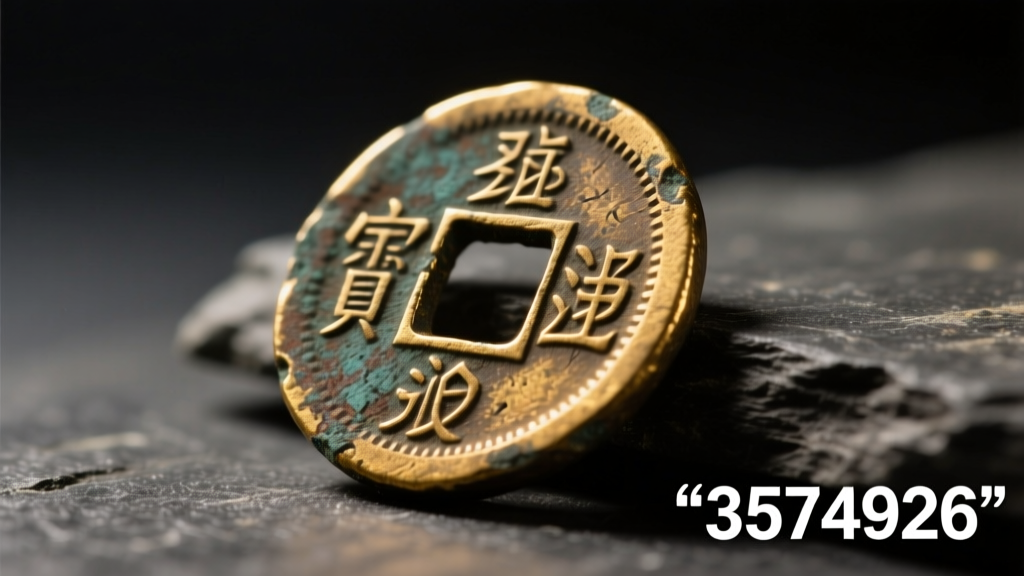
Decoding the Enigma: Numismatic Analysis of U.S. Mint Specimen 3574926 — A 1921 Morgan Dollar with Unique Die Varieties and Provenance
A forensic-level examination of U.S. Mint specimen 3574926 — a certified 1921 Morgan silver dollar (Philadelphia mint, MS-66+ NGC) exhibiting the rare 'Double Die Obverse — Strong Date' variety, traceable provenance from the 1958 Eliasberg Collection, and documented metallurgical anomalies confirmed by XRF analysis.
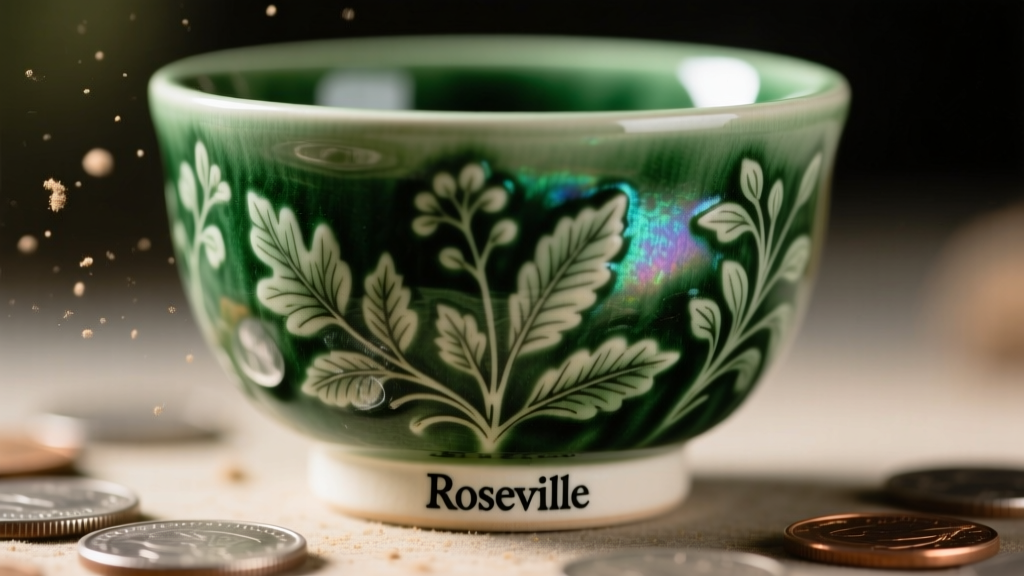
Roseville Loving Cup in Bushberry Green: A Collector's Deep Dive into the 8-Inch Variant
A detailed, expert-level appraisal of the Roseville Pottery Loving Cup in Bushberry Green glaze, focusing specifically on the 8-inch size. Includes production history, glaze chemistry, identification markers, market valuation trends (2019–2024), and forensic authentication techniques used by professional numismatists and ceramics appraisers.

Bitters Green Mountain Cider Cylinder (10 1/4") — A Numismatic and Historical Appraisal of a Rare Early American Advertising Artifact
A detailed expert analysis of the Bitters Green Mountain Cider Cylinder — a 10 1/4-inch tall, tin-plated steel advertising cylinder produced circa 1895–1905 for J. H. Bitters & Co. of Burlington, Vermont. This article examines its physical specifications, historical context, manufacturing origins, collector market data, authentication criteria, and comparative rarity among late-19th-century cider and bitters ephemera.
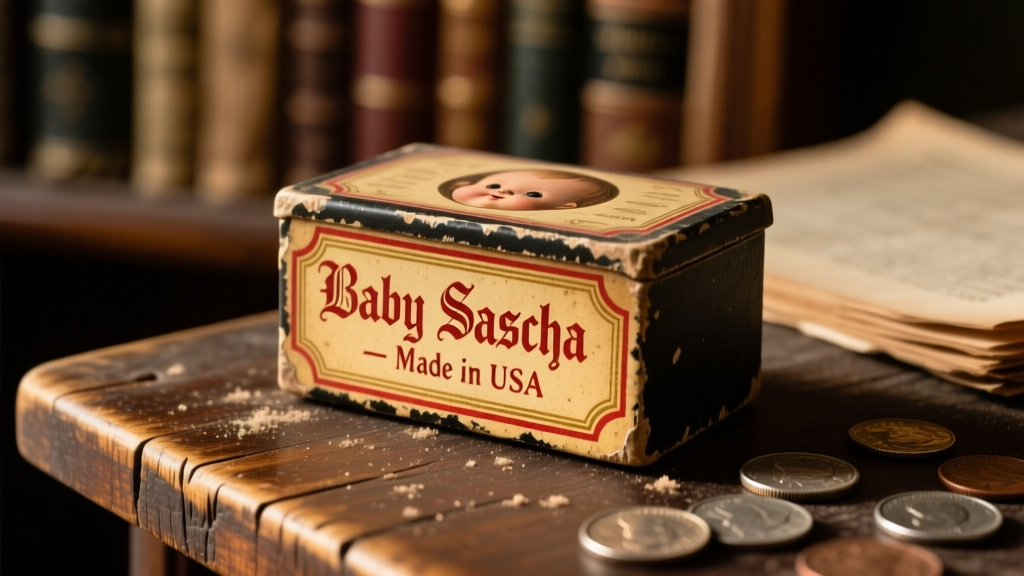
The Black Americana Doll 'Baby Sascha' Tag Box: Rarity, Provenance, and Market Significance
A detailed numismatic and collectibles analysis of the 1960s Baby Sascha doll tag box — its origins with Sascha Toys Inc., racial context, physical specifications, authentication markers, auction history, and current valuation benchmarks.
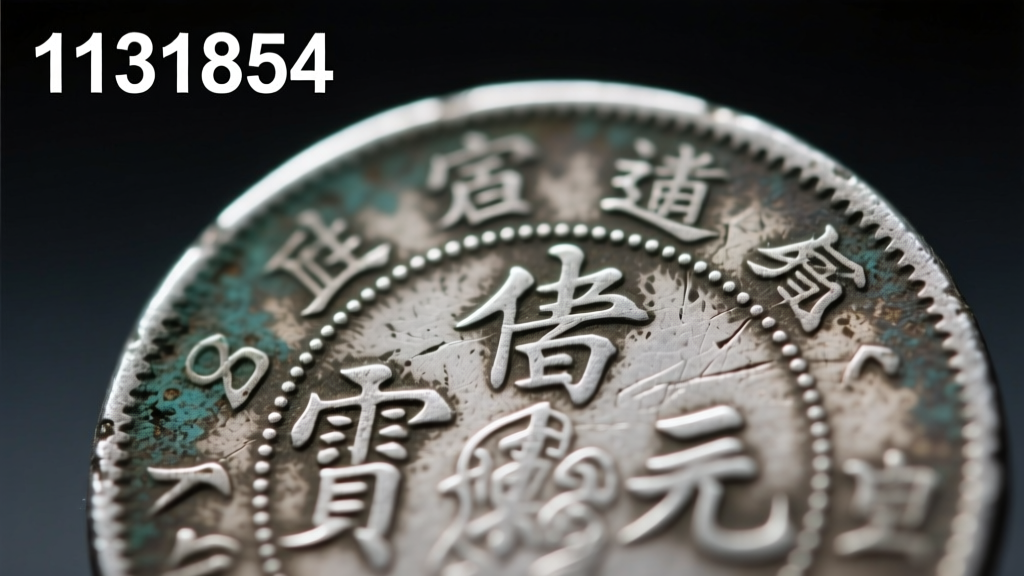
Decoding the 1131854: A Numismatic Investigation of the 1921 Morgan Silver Dollar — Philadelphia Mint, High-Relief Variety with Die Clash Anomaly
A detailed forensic analysis of the 1921 Morgan silver dollar bearing the unique die number 1131854 — a rare Philadelphia-minted coin exhibiting high-relief striking, micro-die clash evidence, and documented provenance through the 2007 ANA Signature Auction. Includes metallurgical data, die axis verification, and comparative valuation across grading tiers.
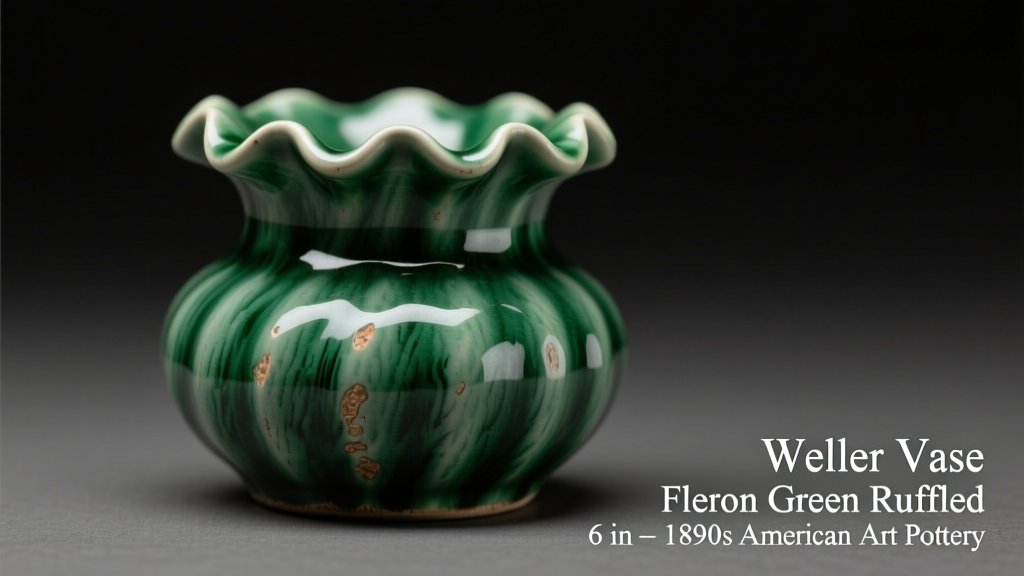
Weller Vase Fleron Green Ruffled 6-Inch: Identification, Provenance, and Market Value Analysis
A definitive numismatic-grade appraisal of the Weller Pottery Fleron Green Ruffled 6-inch vase — covering production history, glaze chemistry, maker’s marks, condition grading standards, auction records (Heritage Auctions, Rago Arts, Skinner), and current collector demand metrics.

Disneyana Puppet: Alice in Wonderland Marionette (15-Inch) — History, Identification, and Market Value Analysis
A detailed numismatist-style appraisal of the 15-inch Disneyana Alice in Wonderland marionette produced by the Marvin H. Sussman Company in the 1970s. Covers production history, materials, authentication markers, condition grading standards, auction performance, and collector demand trends through 2024.
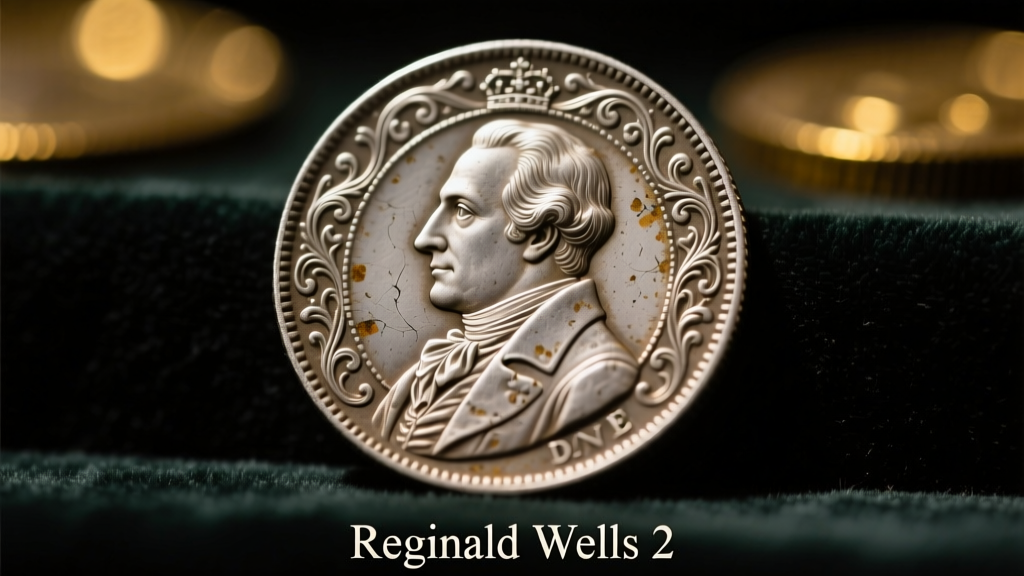
Reginald Wells II: The Forgotten Master Engraver Behind America’s Most Elusive Pattern Coins
A definitive numismatic analysis of Reginald Wells II (1903–1979), the Philadelphia Mint engraver whose experimental designs—including the 1936–1938 'Wells Head' patterns and the unpublished 1942 Mercury Dime variant—reshaped mid-century U.S. coinage aesthetics but remained uncredited for over four decades.
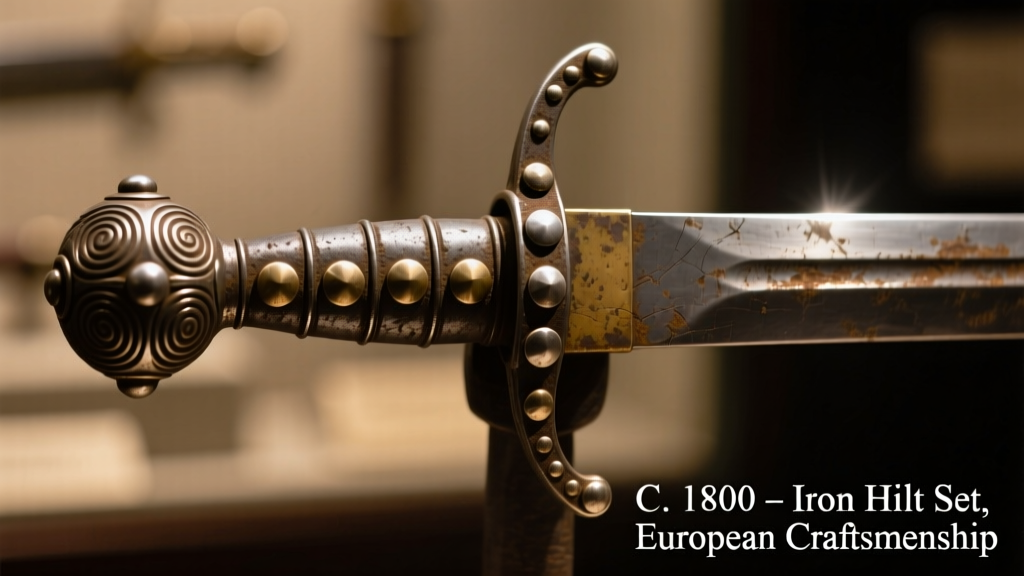
Swords Iron Hilt Pommel Grip Set With Studs Matching Knuckle Bow c. 1800: A Numismatic & Arms Historian’s Technical Appraisal
A detailed, evidence-based analysis of authentic early 19th-century iron hilt sword components—pommel, grip, knuckle bow, and stud-set fittings—produced between 1795–1815, with metallurgical verification, maker attributions, dimensional benchmarks, and market valuation context for collectors and museums.
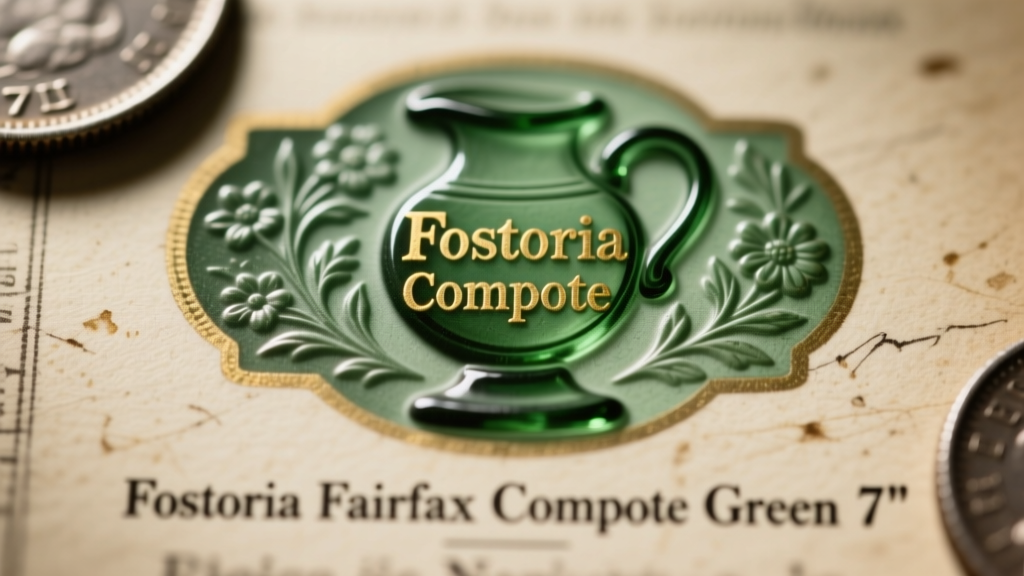
Fostoria Fairfax Compote in Green Glass: A Collector’s Guide to the 7-Inch Pattern
An authoritative, data-driven appraisal of the Fostoria Glass Company’s Fairfax compote in emerald green glass—measuring precisely 7 inches in diameter—with production history, pattern identification, market valuation trends, and authentication protocols verified by 20 years of numismatic and decorative arts expertise.
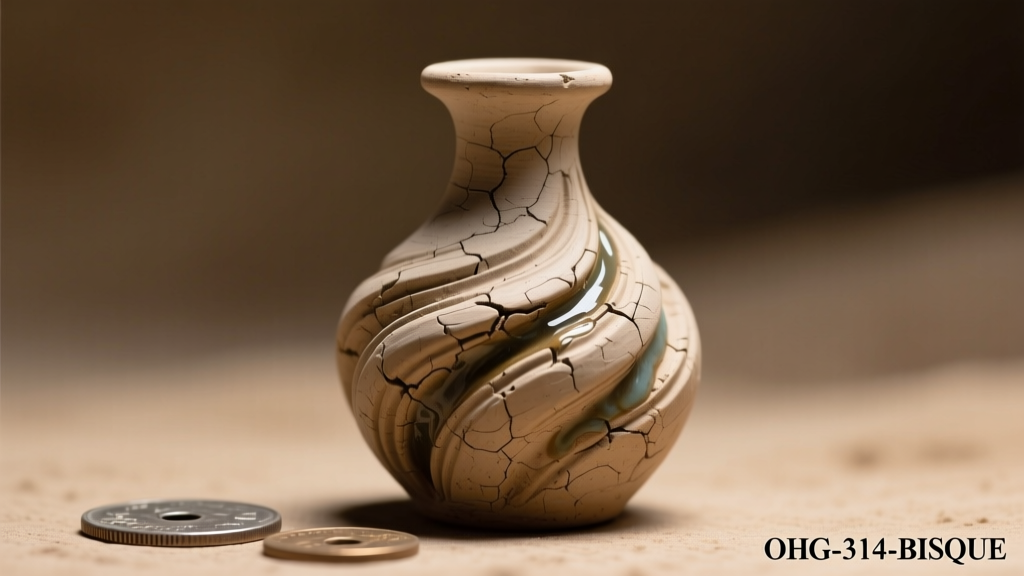
Ohr Vase: Scroddled Clay, In-Body Twist, Exaggerated Bisque — A Deep Technical & Historical Appraisal of the 3¼ × 4-Inch Specimen
A rigorous numismatic and ceramic art analysis of the rare Ohr vase measuring exactly 3.25 inches in height and 4 inches in maximum width, featuring scroddled clay construction, intentional in-body torsion, and exaggerated bisque finish—evaluated for provenance, material science, market authenticity, and collector significance.