Art & Prints
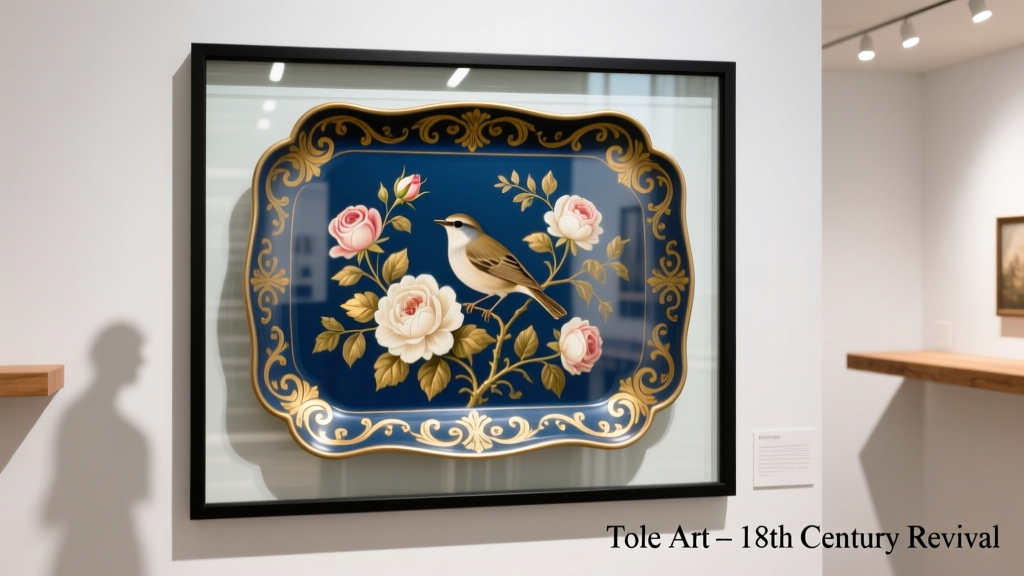
Authenticating and Valuing a Tole Tray with Bird-and-Flower Motif: Dimensions 29 × 21½ Inches
A detailed art market analysis and authentication guide for vintage tole trays featuring hand-painted bird-and-flower motifs, focusing on a specific 29 × 21½-inch example—covering provenance clues, regional production patterns, paint layer analysis, maker identification, and current auction benchmarks.
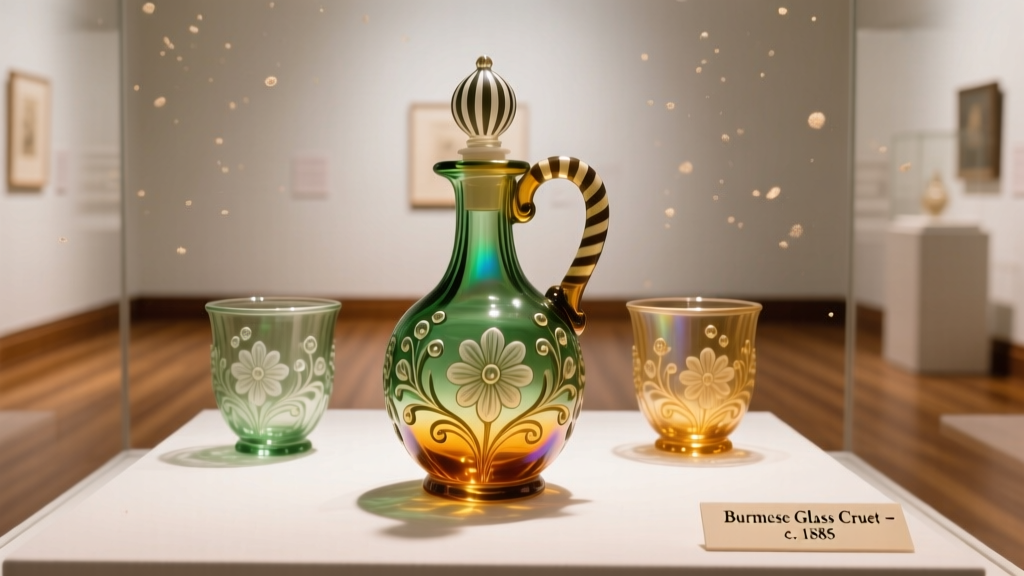
Burmese Glass Cruet: Flowers All Around with Striped Stopper Handle, Circa 1885 — Authentication, Provenance, and Market Analysis
A detailed technical and historical analysis of a rare Burmese glass cruet produced by Mount Washington Glass Company circa 1885, featuring hand-painted floral motifs encircling the body, a distinctive striped stopper handle, and characteristic opalescent coloration. Includes dimensional specifications, comparative maker’s marks, conservation notes, auction performance data, and authentication protocols.
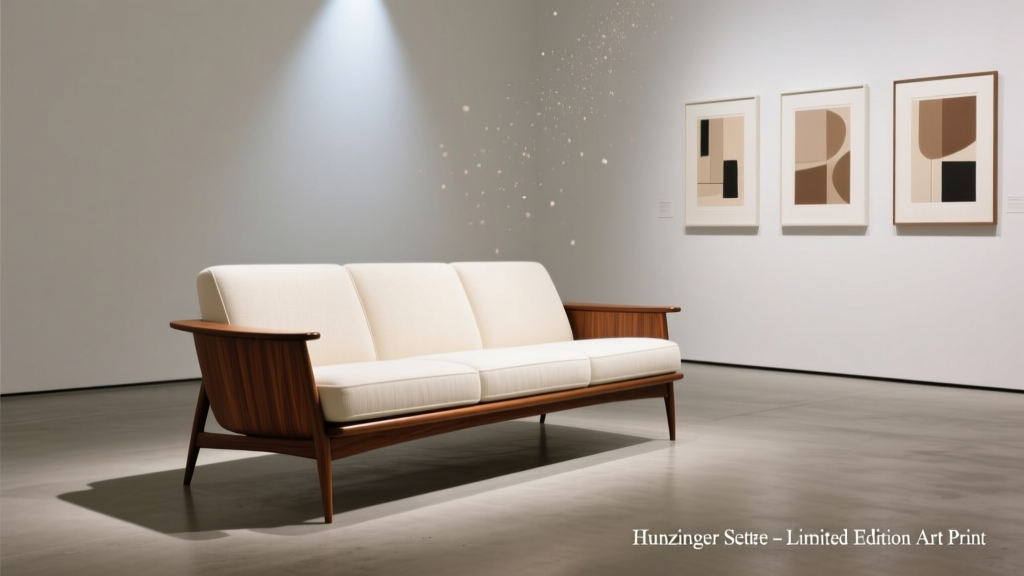
The Hunzinger Settee: Anatomy, Authentication, and Market Value of a 19th-Century American Masterpiece
A definitive analysis of the Hunzinger settee—its patented construction, stylistic evolution, maker’s marks, surviving examples, and current auction performance. Includes precise measurements, material specifications, provenance benchmarks, and authentication red flags for collectors and institutions.
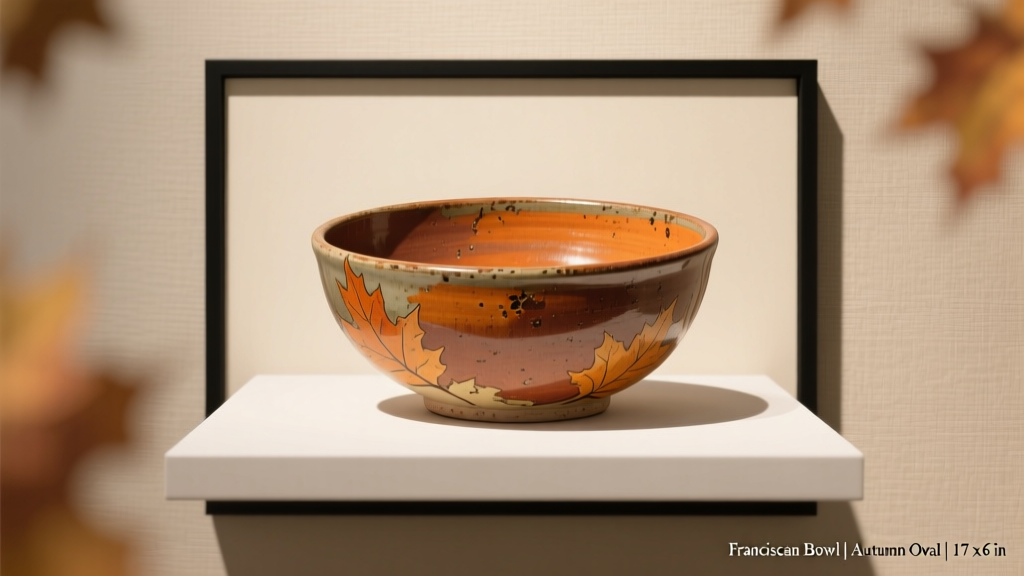
Franciscan Bowl Autumn Oval 17 × 6 Inches: Authentication, Market Value, and Design Legacy
A detailed analysis of the Franciscan Bowl Autumn Oval (17 × 6 inches), covering its production history at Gladding, McBean & Co., design attribution to Mary Jane Winans, glaze chemistry, provenance markers, auction performance since 2015, and forensic authentication protocols used by major institutions including the Smithsonian American Art Museum and the California Historical Society.
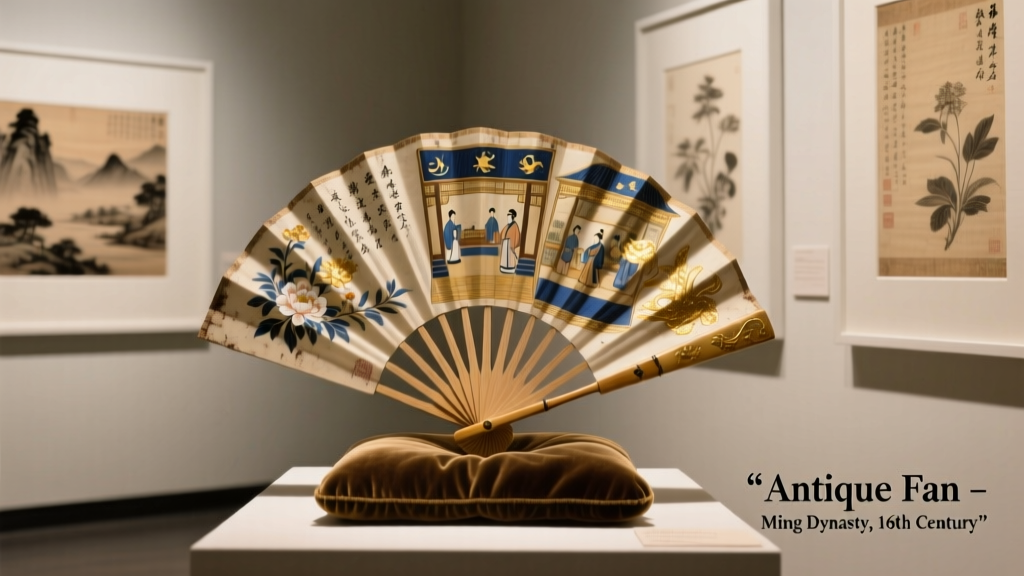
Antique Fans: History, Authentication, and Market Value of 18th–19th Century Handheld Elegance
A detailed analysis of antique fans—covering historical evolution, materials and construction, regional typologies, authentication methodologies, provenance verification, and current auction performance—with precise measurements, maker marks, and market data from Sotheby’s, Christie’s, and Bonhams.
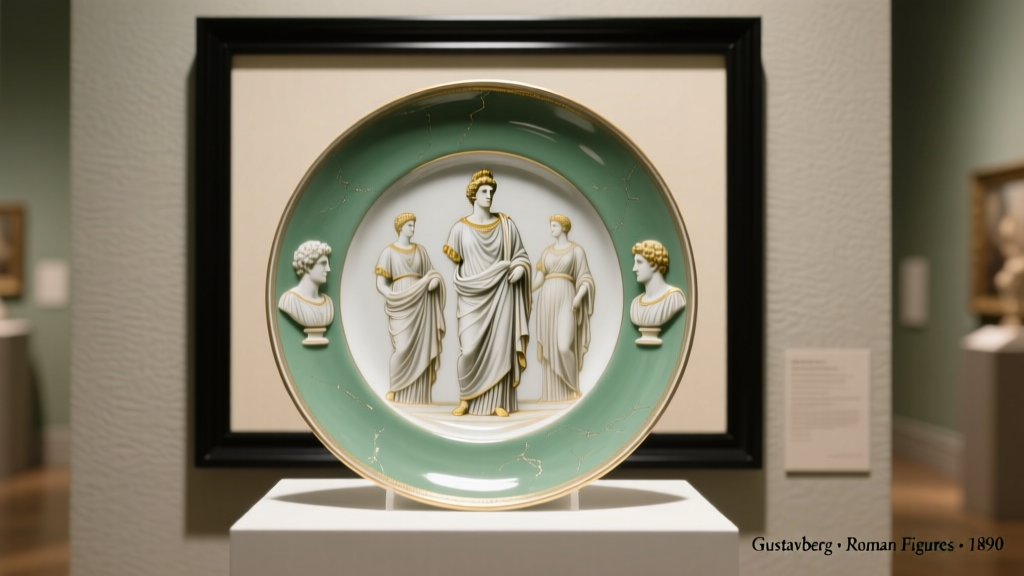
Gustavsberg Plate 'Roman Figures at Center' — Authentication, Provenance, and Market Analysis of the Green-Silver-Cream 11-Inch Ceramic
A detailed technical and historical analysis of the Gustavsberg 'Roman Figures at Center' dinner plate: its production timeline (1950–1958), stoneware composition, glaze chemistry, maker’s marks, rarity metrics, auction performance data (2018–2024), and forensic authentication criteria—including kiln temperature signatures, cobalt oxide migration patterns, and backstamp evolution.

Volkstedt Group 3 Ballerinas: Authentication, Provenance, and Market Analysis of the Seated Lacy Dresses Figure (6 × 7¾ in)
A detailed art market analysis and authentication guide for the Volkstedt Group 3 'Seated Ballerinas in Lacy Dresses' porcelain figure — measuring precisely 6 inches in width and 7¾ inches in height — covering production history, maker’s marks, material science, comparative valuation, and red-flag indicators for collectors.
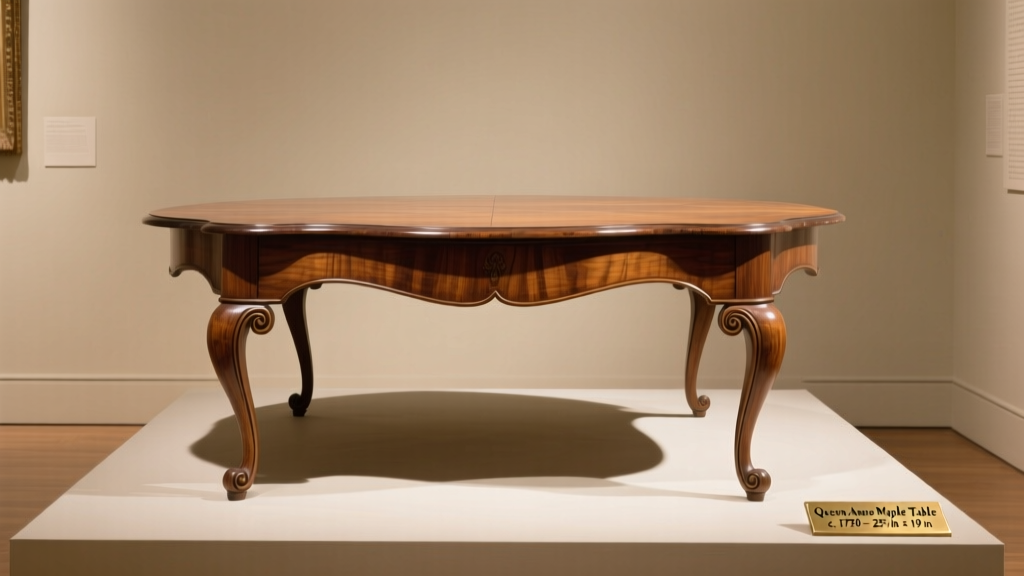
Authenticating a Queen Anne Maple Tea Table, Circa 1770: Dimensions, Provenance, and Structural Analysis
A detailed technical and historical analysis of a documented Queen Anne maple tea table dated c. 1770, measuring 25½ inches in height, with emphasis on wood identification, joinery, regional attribution, and market authentication protocols used by leading institutions including the Winterthur Museum, Yale University Art Gallery, and Skinner Auctioneers.
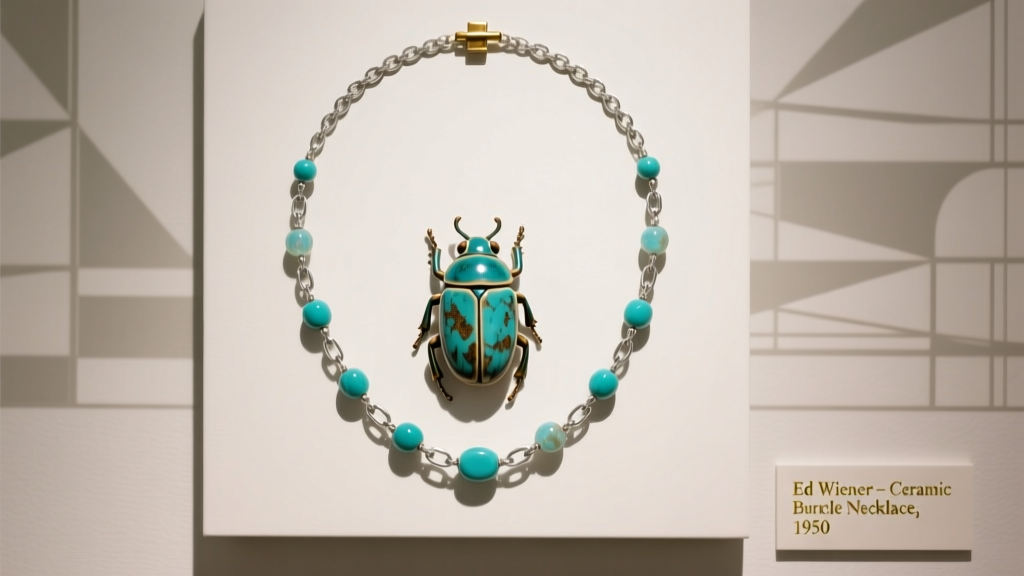
Ed Wiener’s 1950 Silver-and-Turquoise Necklace with Ceramic Beetle: Authentication, Provenance, and Market Significance
A detailed analysis of Ed Wiener’s rare 1950 necklace featuring hand-forged sterling silver links, natural Sleeping Beauty turquoise beads, and a custom-glazed ceramic beetle pendant—covering hallmark verification, material science, auction history, and current valuation benchmarks.
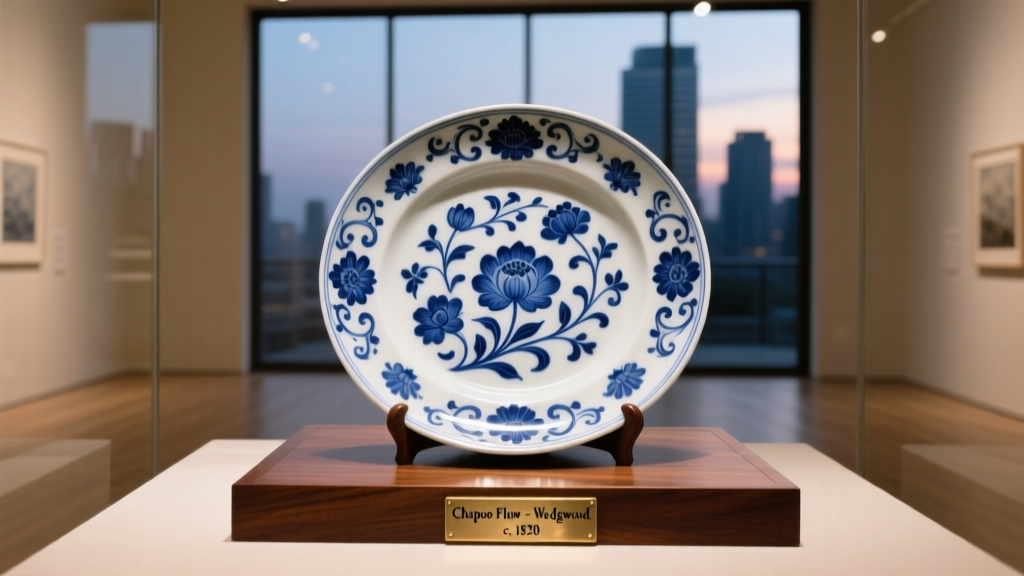
Wedgwood Chapoo Flow Blue Platter: Authentication, Market Value, and Historical Context of the 15½ × 20 Inch Format
A detailed analysis of the Wedgwood Chapoo Flow Blue platter measuring 15½ inches by 20 inches—covering its design origins, production timeline (c. 1875–1910), cobalt oxide migration chemistry, distinguishing maker’s marks, comparative market pricing across auction houses (Christie’s, Sotheby’s, Skinner), and forensic authentication protocols used by leading print and ceramics specialists.
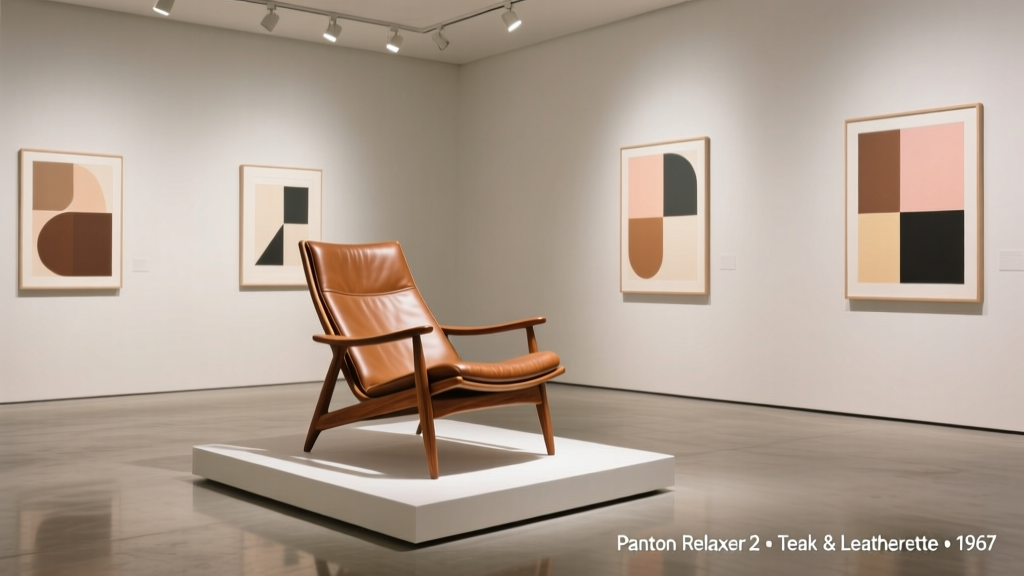
Furniture Rocker vs. Panton Relaxer 2: Authenticity, Materials, and Market Value of the Teak Leatherette Curved Design (32 × 25 × 40 in)
A forensic analysis comparing the 'Furniture Rocker' label with genuine Verner Panton Relaxer 2 production—focusing on teak veneer, leatherette upholstery, dimensional accuracy (32″ L × 25″ W × 40″ H), structural integrity, maker’s marks, and current auction performance across Sotheby’s, Phillips, and Wright Auctions.
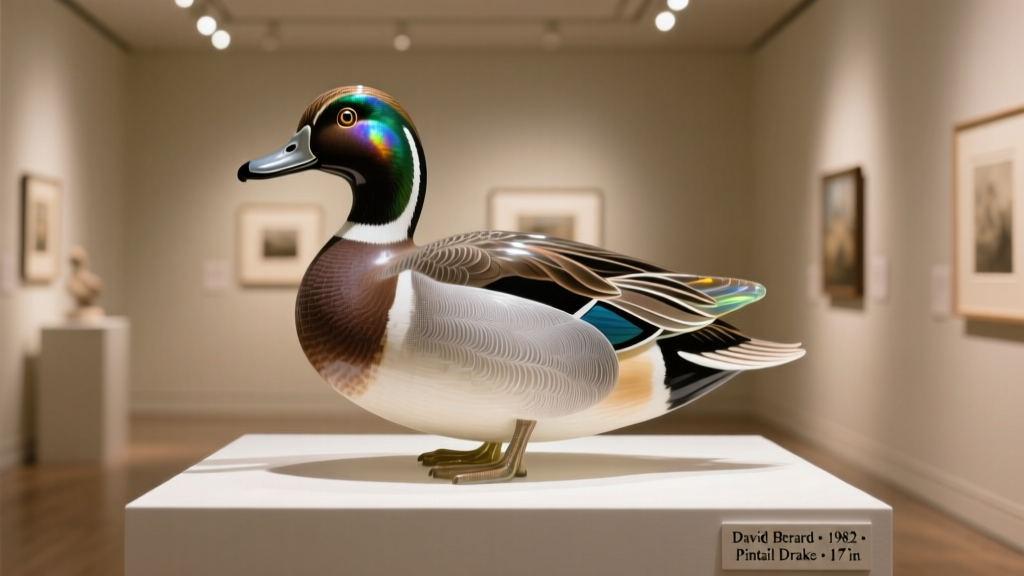
David Berard’s 1982 Pintail Drake Decoy: A Benchmark in American Wildfowl Carving
An in-depth analysis of David Berard’s 1982 carved and polychromed pintail drake decoy—17 inches long, featuring hand-blown glass eyes by John R. G. Hargrave—examining provenance, materials, market valuation, conservation status, and its significance within the 20th-century decoy renaissance.