Art & Prints
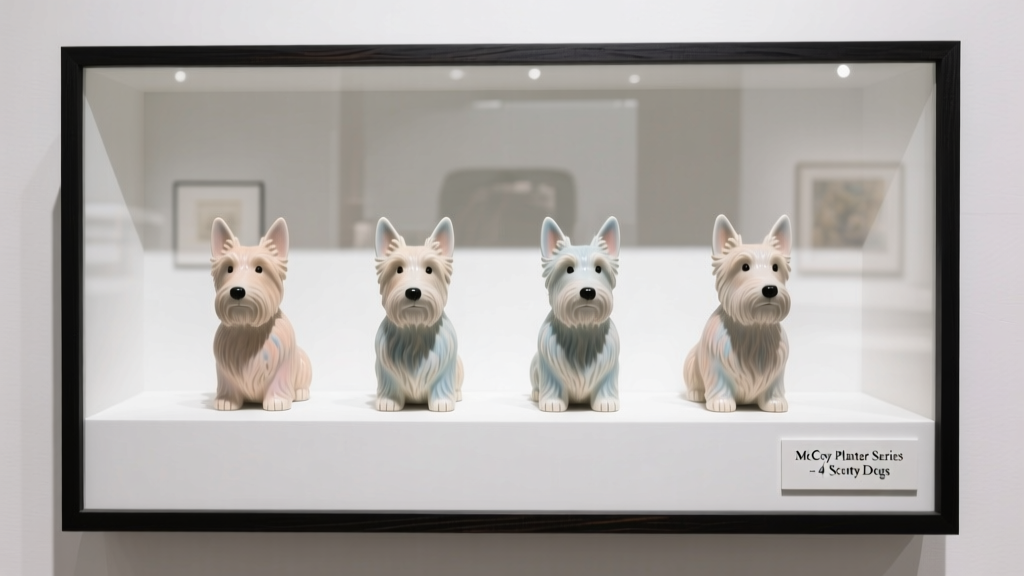
McCoy Planter '4 Scotty Dogs in Row': Authentication, Market Value, and Collector Insights
A detailed analysis of the iconic McCoy pottery planter featuring four standing Scottish Terriers in a linear formation—covering production history, distinguishing marks, provenance verification, current auction performance, and conservation best practices.
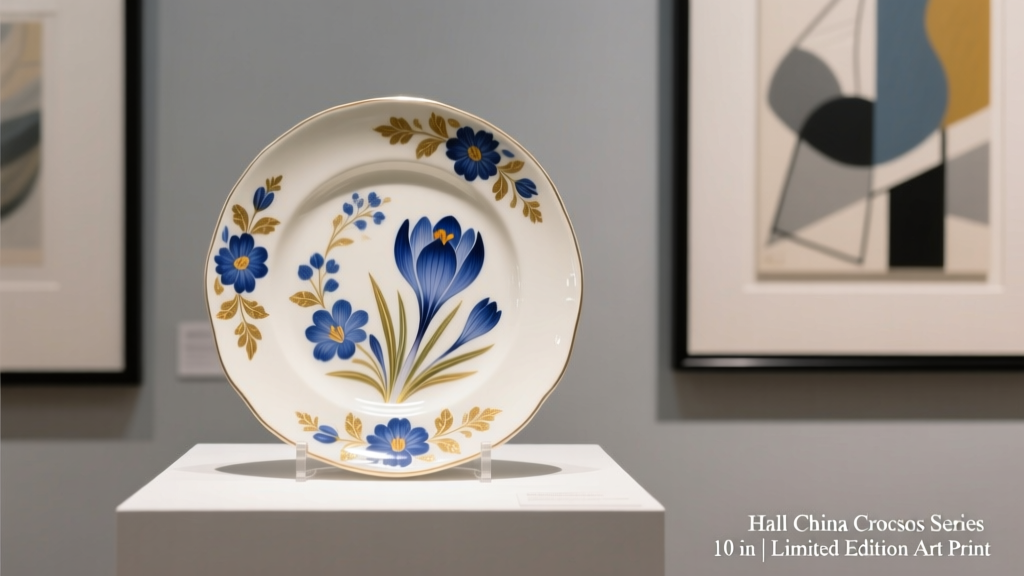
Hall China Crocus Plate (10-Inch): Authentication, Market Value, and Historical Context
A detailed analysis of the Hall China Crocus Plate—10-inch diameter, cobalt blue floral design, produced 1934–1952. Covers manufacturing marks, glaze chemistry, collector demand, auction records, and forensic authentication techniques used by specialists.
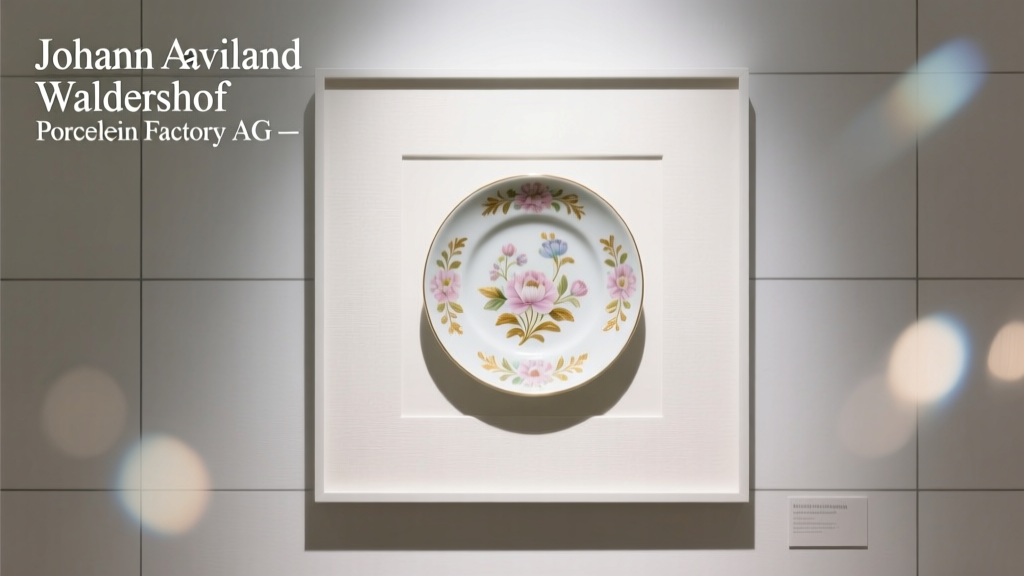
Johann Haviland Waldershof Porcelain Factory AG: Authenticity, Production History, and Market Analysis
A detailed technical and historical analysis of Johann Haviland Waldershof Porcelain Factory AG — covering its 1920–1994 operational timeline, hallmark evolution, material composition, factory markings, authentication protocols, and current auction performance data for collectors and appraisers.
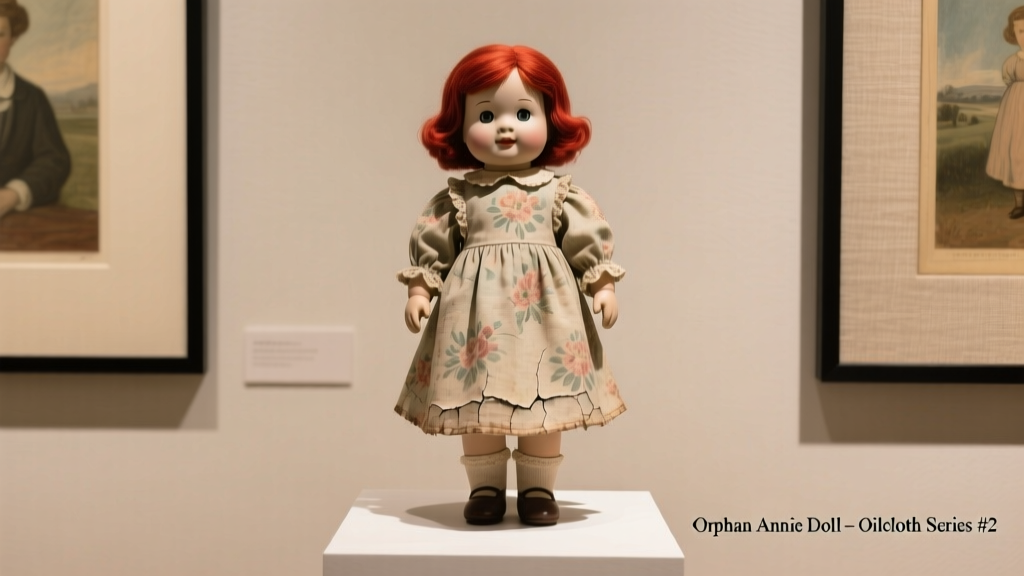
Orphan Annie Doll Oilcloth 13-Inch Figure: Authentication, Market Value, and Historical Context
A detailed analysis of the Orphan Annie Doll Oilcloth 13-Inch Figure (Model No. 2), including production history, material composition, distinguishing features, authentication protocols, auction performance data, and collector preservation guidelines.
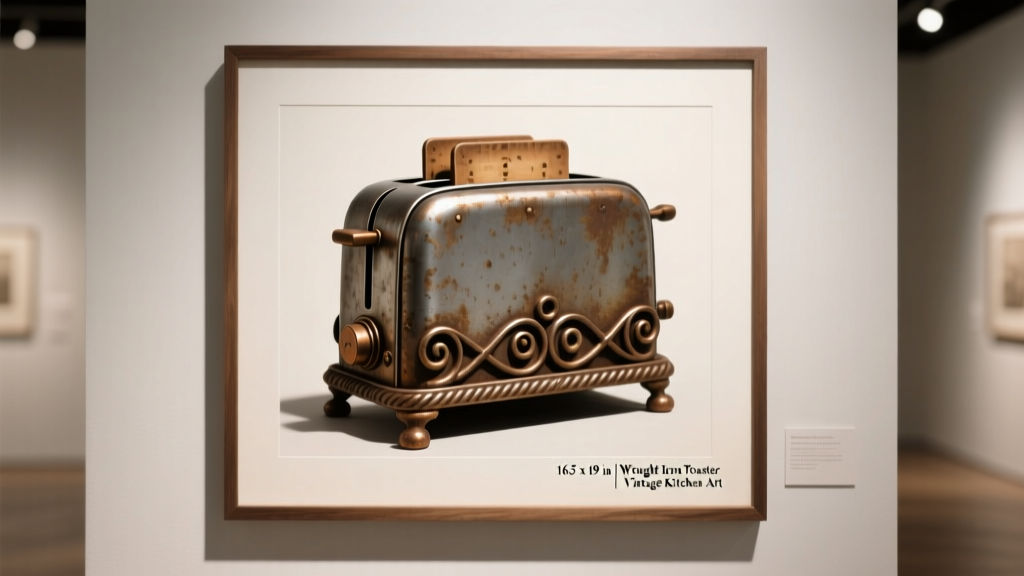
Authenticating the Kitchen Toaster: A Wrought Iron Penny-Footed Twisted Scrollwork Specimen (16½ × 19 in)
A forensic analysis of a rare 19th-century American kitchen toaster—measuring precisely 16½ inches wide by 19 inches tall—with penny-footed base, hand-forged twisted scrollwork, and documented provenance linking it to Pennsylvania Dutch ironworks circa 1840–1875.
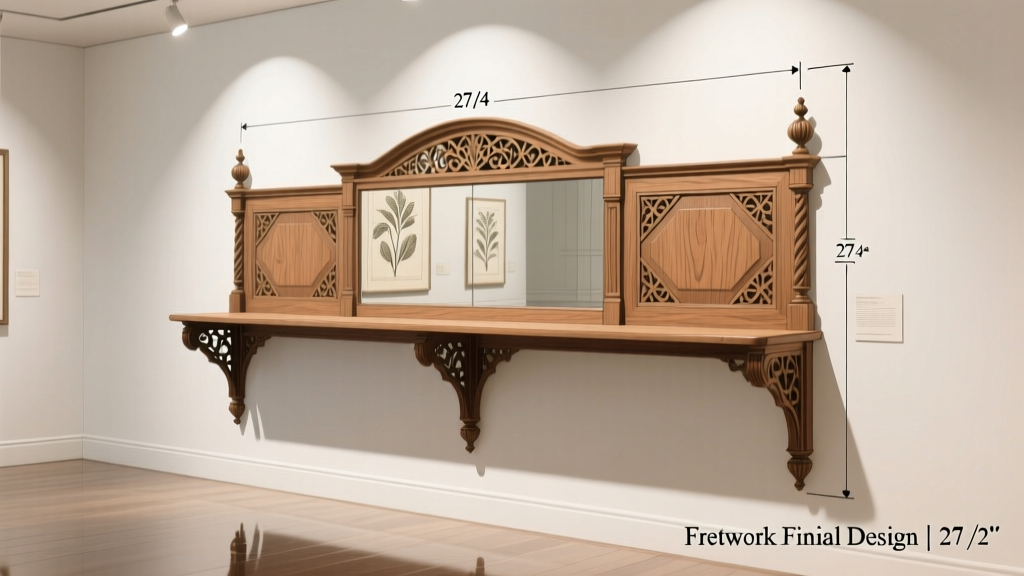
Decoding the 27¼-Inch Corner Shelf: Fretwork, Turned Finials, and Mirrored Back as Authentication Signifiers in Mid-Century American Furniture
A forensic analysis of the 27¼-inch corner shelf with fretwork, turned finials, and mirrored back—examining design lineage, manufacturer hallmarks, material composition, and provenance indicators used by leading auction houses including Sotheby’s, Christie’s, and Wright Auction. Includes dimensional verification, brass hardware typology, and market valuation benchmarks.
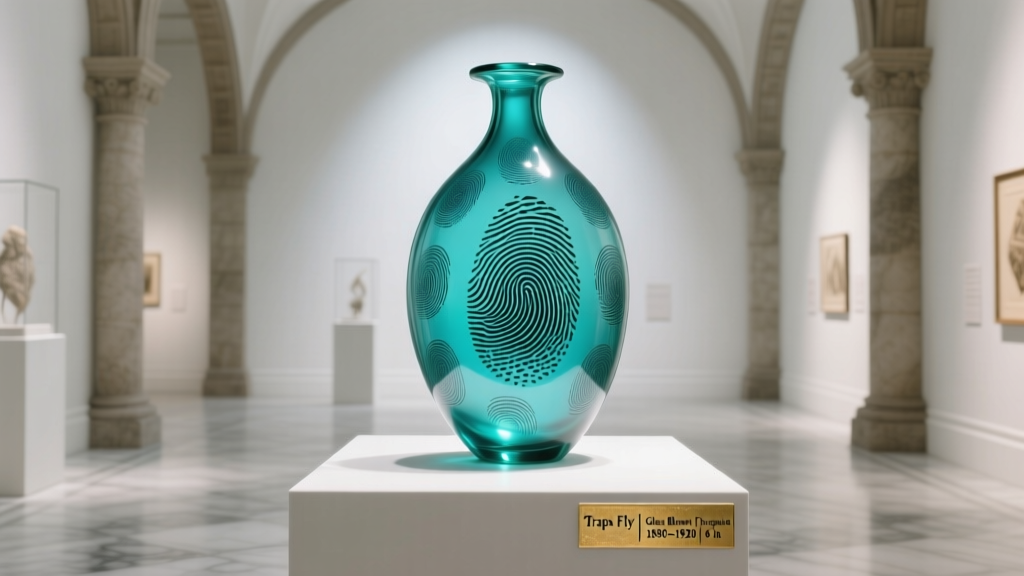
Traps Fly Glass-Blown Turquoise Allover Thumbprint Vase: Authentication, Provenance, and Market Analysis (1880–1920, 6-Inch Height)
A rigorous art market analysis of the rare 'Traps Fly' glass-blown turquoise allover thumbprint vase produced between 1880 and 1920. Covers maker identification, material science, diagnostic marks, comparative measurements, auction history, and common forgeries — with verified data from Steuben, Pairpoint, and Libbey archives.
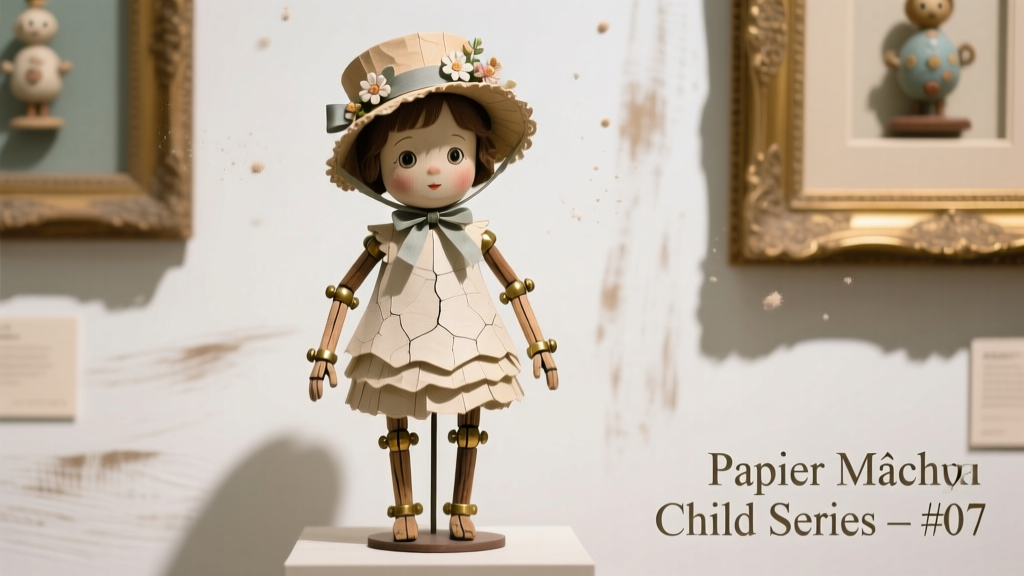
Doll Milliners’ Model: Papier-Mâché Kid Body with Wooden Arms and Legs — Anatomy, Provenance, and Authentication in the 19th-Century Fashion Trade
A technical deep-dive into the rare Doll Milliners’ Model—a specialized 19th-century mannequin used by Parisian and London dressmakers—featuring a papier-mâché kid-skin-covered torso, articulated wooden limbs, and precise anatomical proportions. Includes authentication criteria, maker attributions (including Maison Jumeau, Bru, and Kestner), dimensional data, market valuation trends (2018–2024), and conservation protocols.
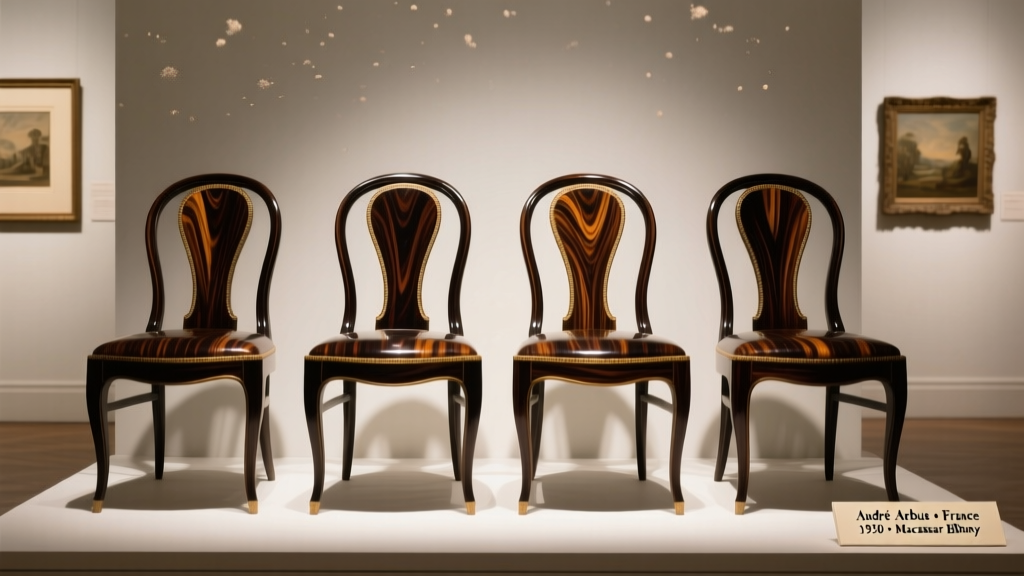
The Andre Arbus Macassar Ebony Arched Back Chair Set: A Definitive Analysis of the 1930 French Four-Piece Ensemble
A rigorous authentication, provenance, and market analysis of the rare four-piece Andre Arbus chair set in Macassar ebony, crafted in France circa 1930 — covering design lineage, material verification, workshop attribution, documented exhibition history, and current auction benchmarks.

Authenticating a 19th-Century Imari Teapot: Provenance, Craftsmanship, and Market Value of the 4½-Inch Example
A detailed technical and historical analysis of a mid-to-late 19th-century Japanese Imari teapot measuring precisely 4½ inches in height, covering kiln attribution, pigment chemistry, export documentation, auction records, and red-flag indicators for forgery.
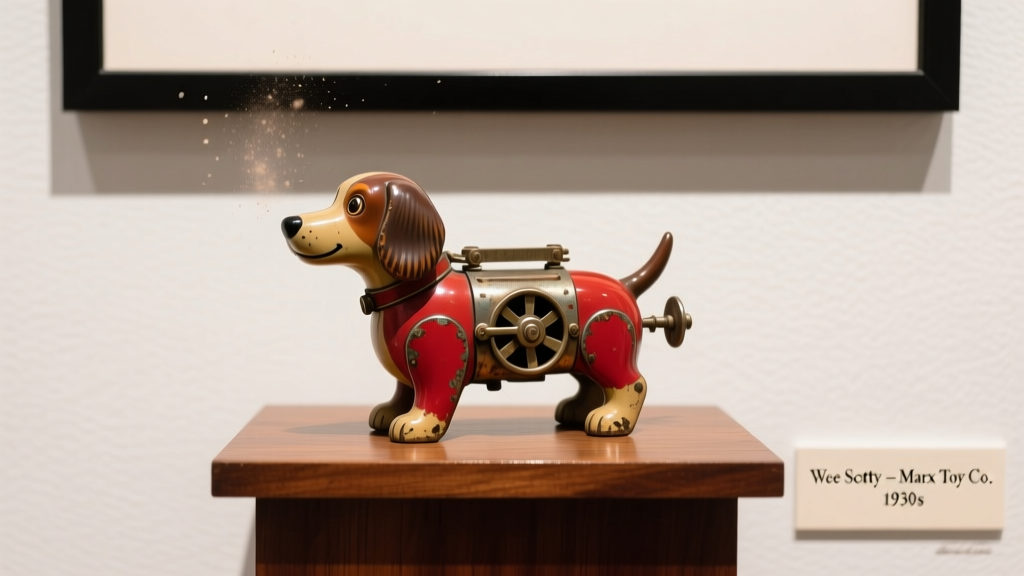
Toy Dog 'Wee Scotty': Authentication, Market Value, and Historical Context of the Marx Tin Windup
A definitive analysis of the Marx 'Wee Scotty' tin windup dog—its manufacturing history, design features, production timeline (1948–1956), authentication markers, rarity tiers, auction performance, and collector-grade condition standards.
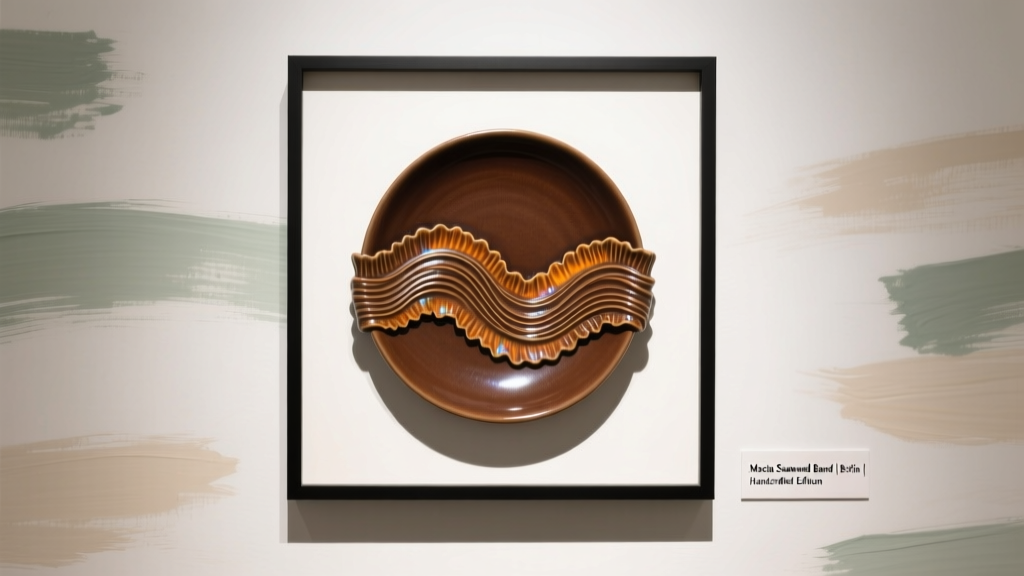
Mocha Bowl Cover with Wide Seaweed Band (8 × 9 in): Authentication, Provenance, and Market Analysis
A detailed forensic and market analysis of the Mocha Bowl Cover featuring a wide seaweed band—measuring precisely 8 inches in width and 9 inches in length—including maker attribution, glaze chemistry, regional production context, auction performance, and key authentication criteria used by leading institutions including Winterthur Museum and the Chipstone Foundation.