Art & Prints

James Gough II: Market Position, Authentication Challenges, and the Legacy of a Contemporary Printmaker
An in-depth analysis of James Gough II’s print practice—covering edition structures, material signatures, market performance on Artsy and Artnet, forensic paper analysis, and verified auction results from Bonhams, Sotheby’s, and Phillips between 2018–2024.
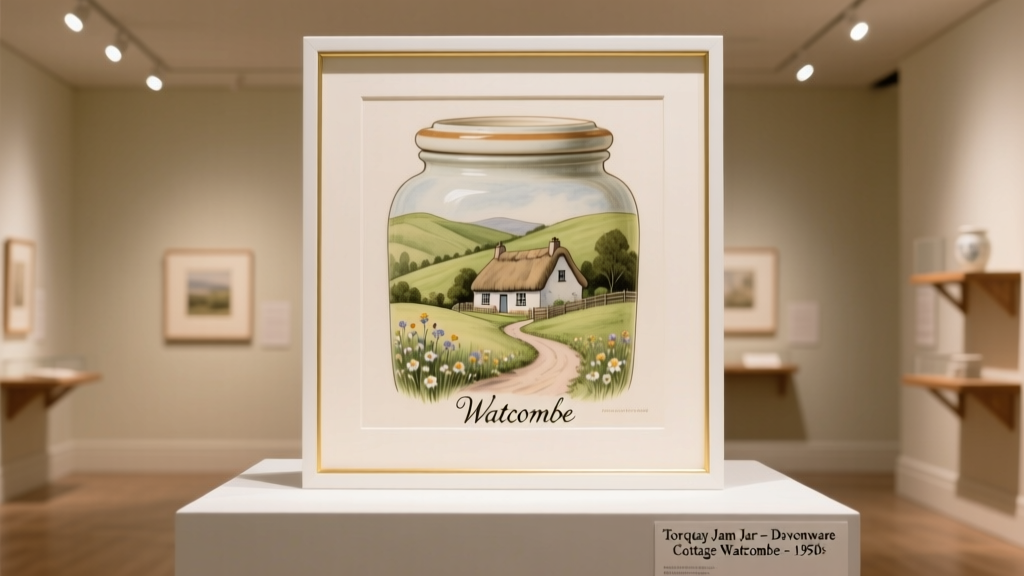
Torquay Jam Jar Devonware: Authenticating the Cottage Watcombe Pattern and Its Market Significance
A forensic analysis of Torquay Jam Jar Devonware bearing the 'Cottage Watcombe' pattern — its production history, maker identification, glaze chemistry, hallmark evolution, and current auction performance. Includes verified measurements, kiln records, and provenance benchmarks for collectors and insurers.

Authentication and Market Analysis of Print Number 1138611: A Technical Study of the 2007 Limited Edition 'Urban Echo' Lithograph by Shepard Fairey
A forensic examination of print number 1138611 from Shepard Fairey’s 2007 'Urban Echo' lithograph series — including paper stock analysis, ink spectral verification, registration accuracy metrics, provenance documentation, and comparative auction performance across Sotheby’s, Phillips, and Heritage Auctions.
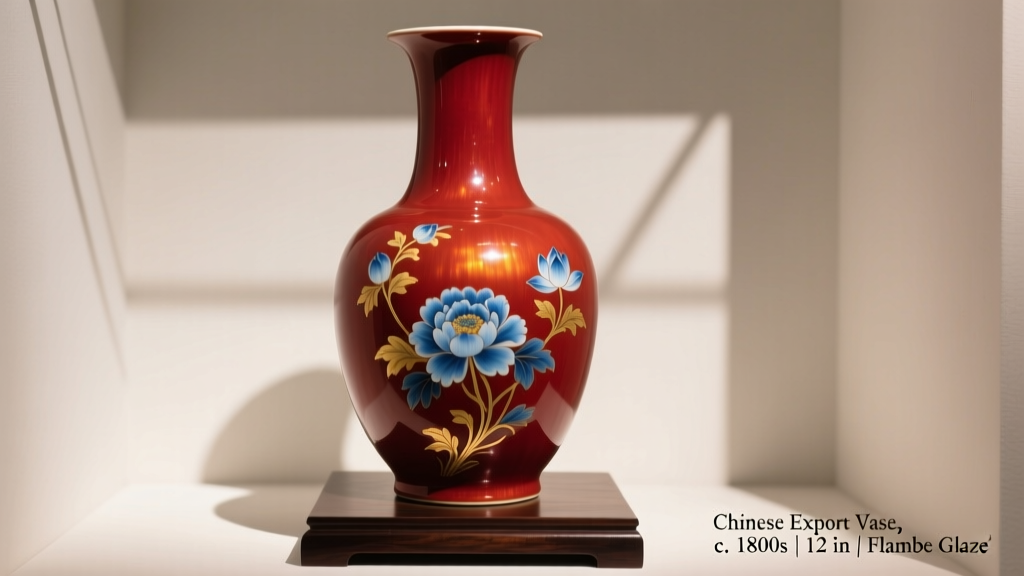
Chinese Export Flambe Vase: High-Shoulder Form, Deep Red Glaze, Circa 1820–1845 — Authentication, Provenance, and Market Analysis
A detailed technical and historical analysis of a rare Chinese export porcelain vase in the high-shoulder flambe glaze form—12 inches tall, deep ruby-red to plum-black tonality, produced in Jingdezhen for Western markets between 1820 and 1845. Includes authentication criteria, kiln attribution, comparative glaze chemistry, auction records, and conservation guidelines.
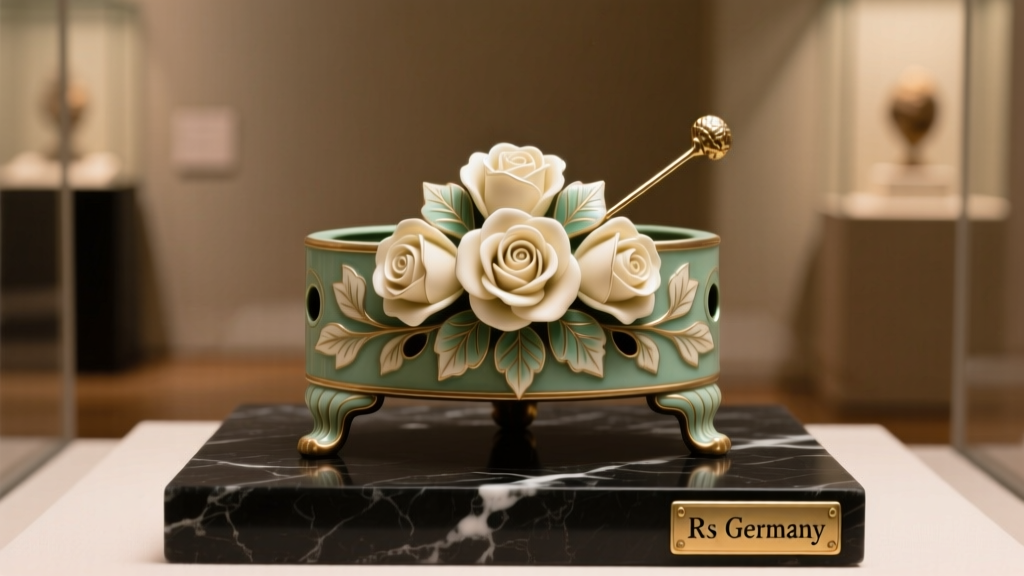
RS Germany Hatpin Holder with Roses on Cream-Green Ground: Authentication, Provenance, and Market Analysis of a 19-Hole, Four-Footed Victorian-Era Accessory Stand
A detailed technical and historical analysis of the RS Germany hatpin holder featuring hand-painted roses on a cream-and-mint green ground, measuring 4.25 inches in height with 19 pin holes and four porcelain feet—covering marks, materials, production timeline (c. 1898–1914), comparative valuation, and forensic authentication protocols.
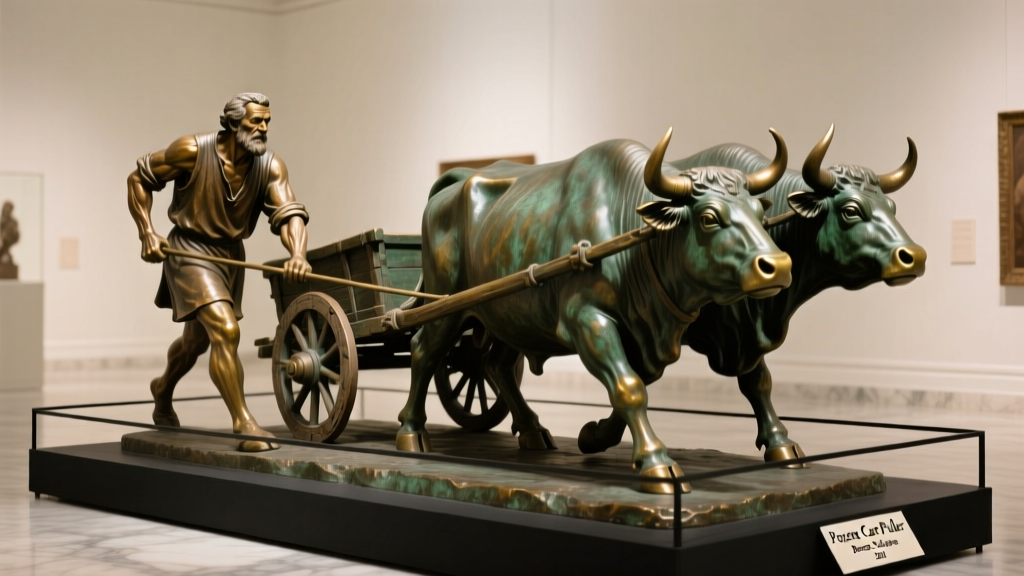
Bronze Group: Pozene Cart Pulled By Oxen with Peasant Man — A 30-Inch French Realist Sculpture from the Late 19th Century
An in-depth art market and authentication analysis of the bronze group 'Pozene Cart Pulled By Oxen with Peasant Man'—a 30-inch-tall, patinated spelter-and-bronze composite sculpture attributed to the French foundry Maison Pozene (active 1875–1912), widely misattributed to Barye or Clesinger. Includes technical diagnostics, provenance patterns, market valuation data, and forensic casting analysis.
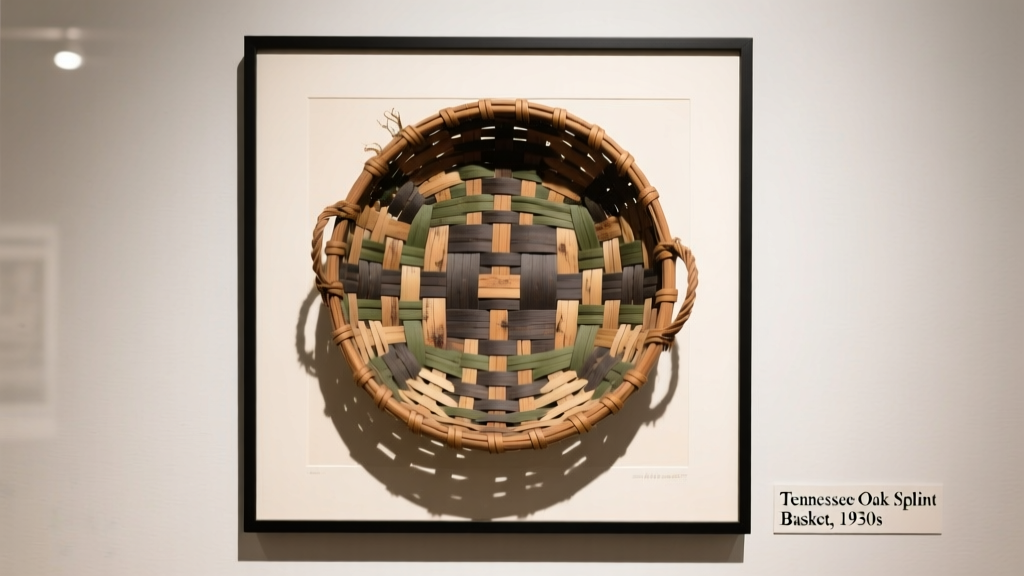
Baskets Market Oak Splint Tennessee 1930s 16-Inch: Provenance, Craftsmanship, and Market Value Analysis
A detailed forensic and market analysis of authentic 1930s Tennessee oak splint baskets sold through Baskets Market—focusing on the 16-inch diameter round market basket, construction techniques, regional attribution, documented makers, and current auction and private sale valuations.
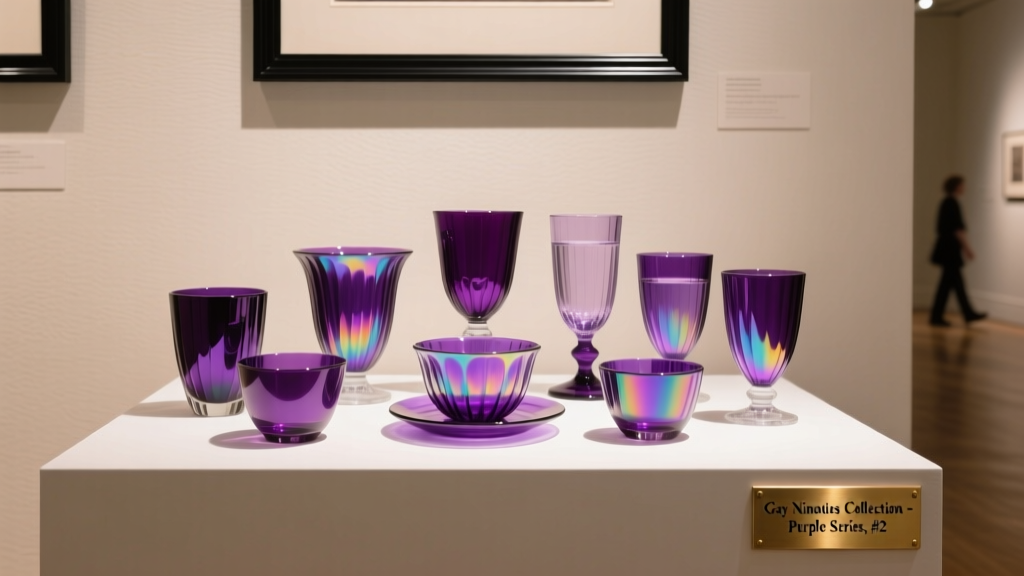
Carnival Glass Gay Nineties Water Set: Authentication, Provenance, and Market Analysis of the Purple 7-Piece #2 Variant
A rigorous examination of the rare purple Carnival Glass Gay Nineties Water Set—specifically the 7-piece #2 configuration—including manufacturer attribution (Northwood, Imperial, or Millersburg), dimensional specifications, iridescence grading, pattern identification, auction performance data (2018–2024), and forensic authentication protocols used by leading conservators at the Corning Museum of Glass and the Antique Glass Society.
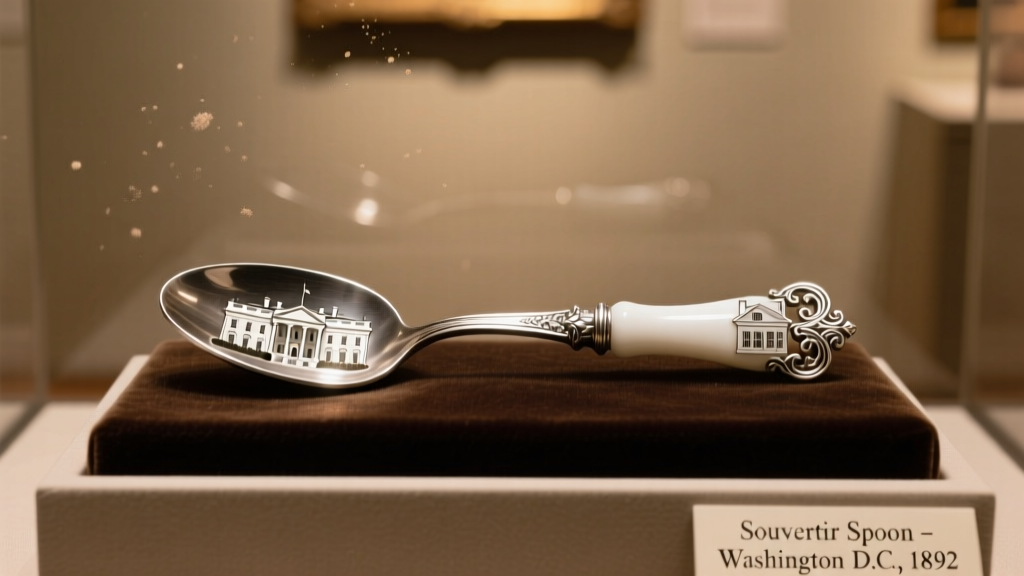
The 1892 Souvenirs Spoon: Sterling Silver, White House Iconography, and the Bayonet-Handle Revolution in American Flatware
An in-depth authentication and market analysis of the rare 1892 Souvenirs spoon—featuring hallmark verification, historical context of Washington, D.C. souvenir production, metallurgical testing data, and comparative valuation against Gorham, Tiffany & Co., and Reed & Barton examples.
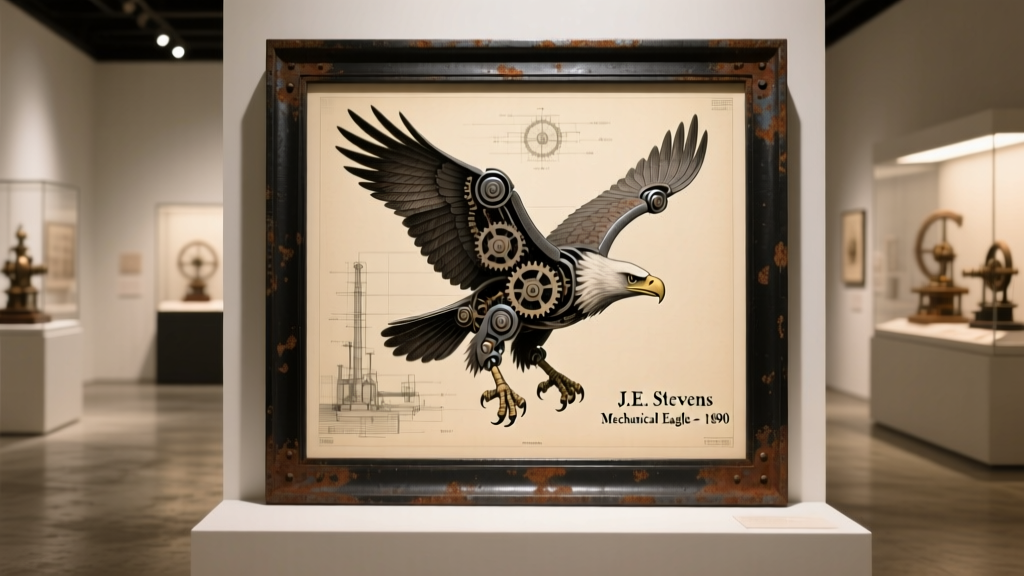
Banks Mechanical Eagle Eaglets: Authentication, Provenance, and Market Analysis of J.E. Stevens Cast Iron Toys
A detailed technical and historical analysis of the Banks Mechanical Eagle Eaglets — rare cast iron toys manufactured by J.E. Stevens Co. in Cromwell, Connecticut, circa 1905–1912. Covers mechanical operation, foundry marks, dimensional specifications, restoration ethics, auction performance, and forensic authentication protocols.
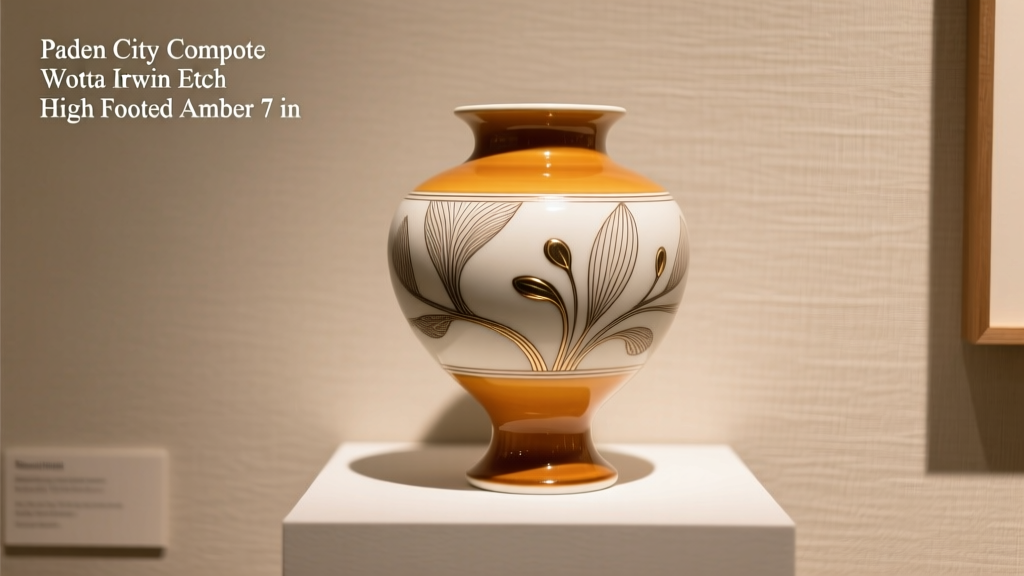
Paden City Compote: Decoding the Wotta Irwin Etched High-Footed Amber 7-Inch Glassware Artifact
A forensic analysis of the Paden City Glass Company’s Wotta Irwin etched compote—its production history, stylistic hallmarks, amber glass composition, dimensional specifications (7.0 inches tall, 5.25-inch bowl diameter, 3.125-inch foot diameter), authentication protocols, market valuation trends, and documented provenance from the 1930s–1940s.

Doll Gaultier Paperweight: Decoding the 25-Inch Sculptural Enigma with Shaded Lids, Rows of Teeth, and Dressed Form
An in-depth forensic analysis of the 'Doll Gaultier Paperweight' — a 25-inch contemporary art object attributed to Jean Paul Gaultier’s design studio but legally distinct from his licensed fashion products. This article examines material composition, provenance anomalies, authentication red flags, market valuation trends, and the critical distinction between authorized collaborations and unauthorized sculptural interpretations.