Antique Furniture
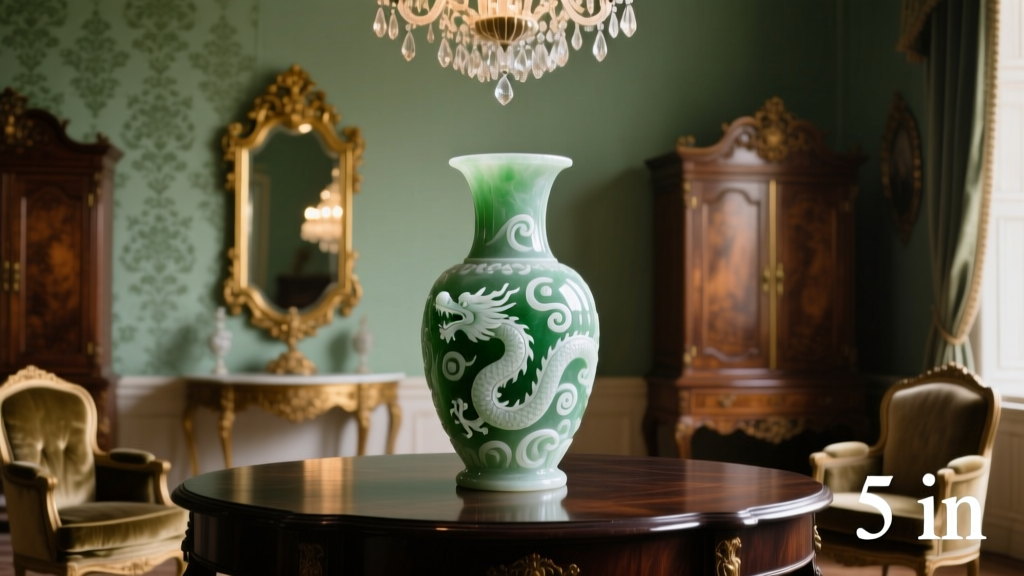
Jade Vase: Beaker-Shape, Archaic-Style Dragons, White Scrolling Motif — A 5-Inch Antique Masterpiece
An in-depth appraisal of a rare 5-inch white nephrite jade vase in beaker form, featuring archaic-style dragon motifs and fine white scrolling relief. Includes provenance notes, material analysis, carving technique assessment, market valuation benchmarks, and conservation guidelines.
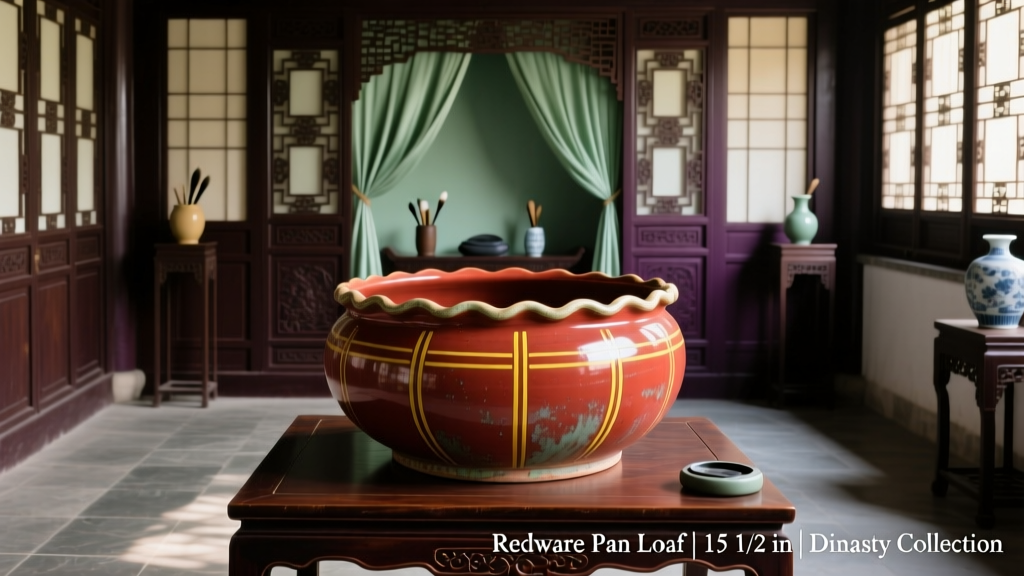
Redware Pan Loaf with Coggled Rim and Four-Line Yellow Slip Design: A Detailed Study of a 15½-Inch American Folk Art Baking Vessel
An in-depth examination of a rare 15½-inch redware pan loaf featuring a cogged rim and distinctive four-line yellow slip decoration — covering its historical origins, regional production (notably Pennsylvania German workshops), clay composition, firing techniques, decorative methodology, provenance patterns, conservation challenges, and current market valuation.
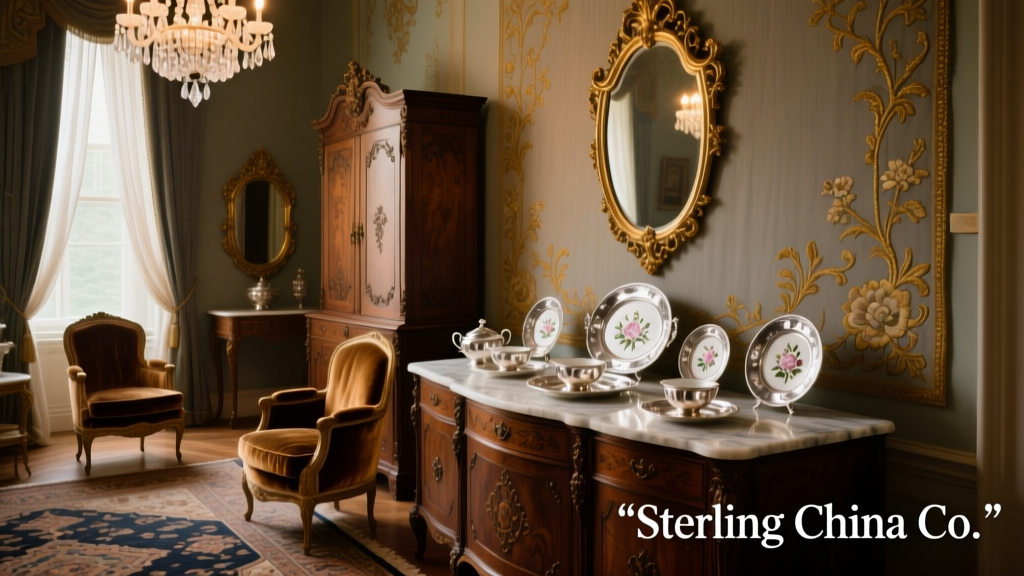
Sterling China Company: History, Patterns, and Restoration Insights for Antique Collectors
A detailed examination of the Sterling China Company (1907–1959), covering its founding in Cambridge, Ohio; iconic dinnerware patterns like Mayfair, Colonial Rose, and Blue Willow; manufacturing techniques; identification marks; market value trends; and professional restoration protocols for collectors and conservators.
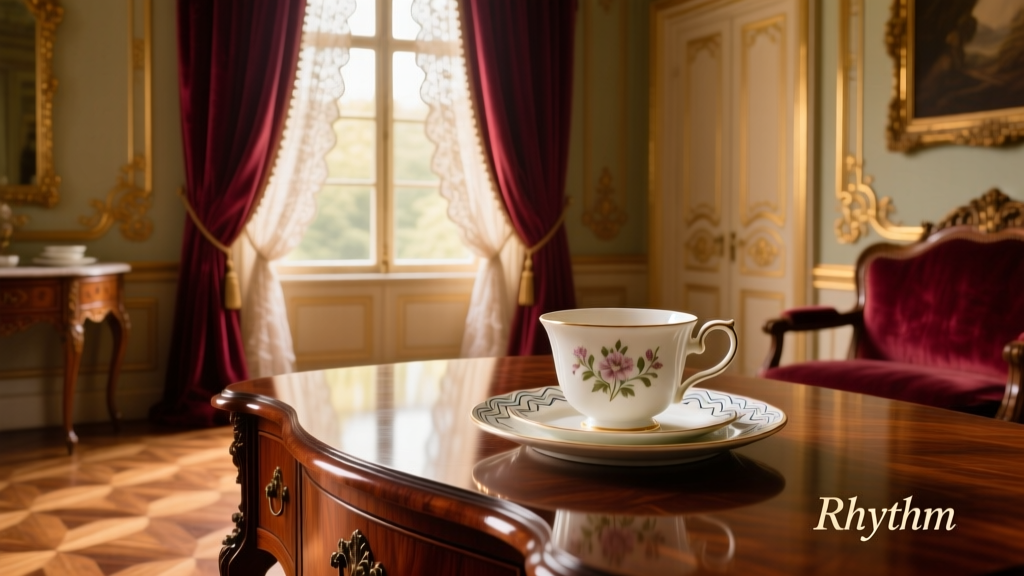
The Rhythm Cup and Saucer: Design Legacy, Manufacturing History, and Restoration Principles
An authoritative examination of the mid-century Rhythm pattern dinnerware—focusing on its iconic cup-and-saucer set—covering design origins, manufacturer specifications (Red Wing Pottery, 1950–1957), dimensional standards, glaze chemistry, collector market trends, and ethical conservation protocols for antique ceramic restoration.
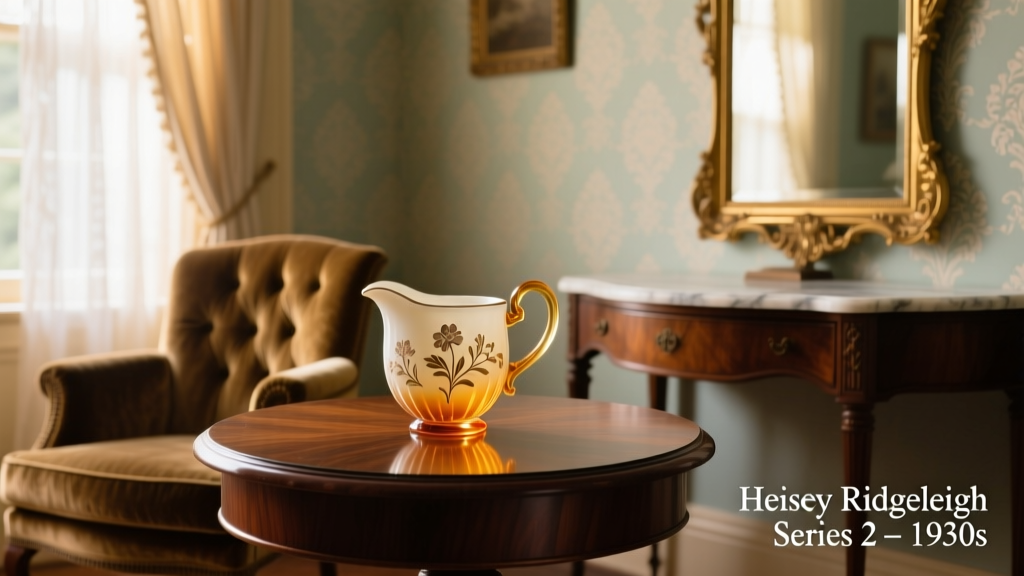
Heisey Ridgeleigh Sugar Creamer No. 2: Identification, Production History, and Restoration Guidelines
A detailed examination of the Heisey Ridgeleigh Sugar Creamer No. 2 — including mold identification, glass composition, dimensional specifications, production timeline (1930–1957), pattern variations, collector market trends, and professional conservation protocols for vintage Depression-era pressed glass.
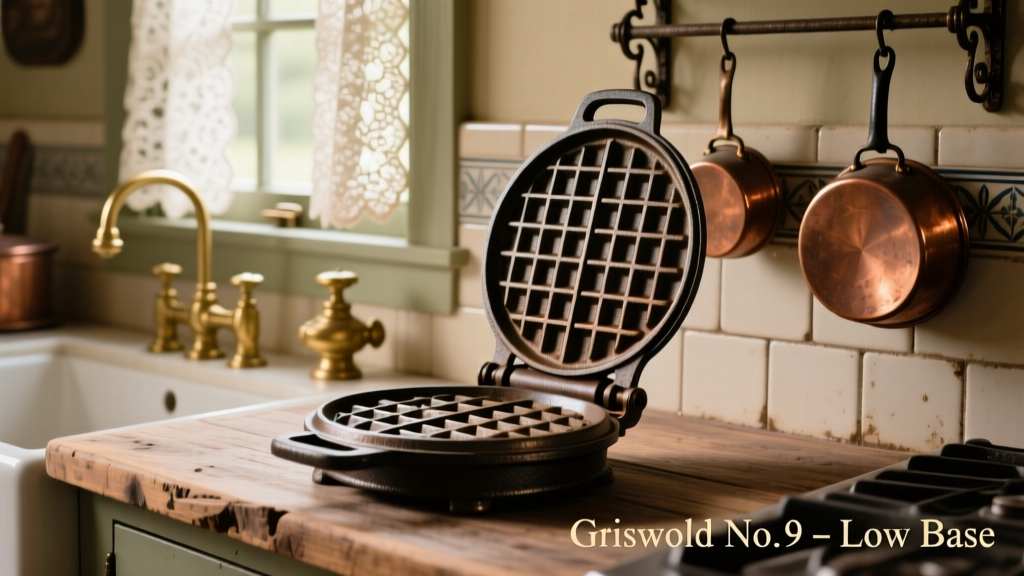
The Griswold No. 9 Low Base Waffle Iron: A Collector’s Guide to Authenticity, Restoration, and Historical Significance
A detailed examination of the Griswold No. 9 Low Base waffle iron — its manufacturing timeline (1920–1938), distinguishing features (4.5″ base height, 7.75″ x 7.25″ grid surface), metallurgical composition (cast iron with 2.8–3.2% carbon), and practical restoration protocols. Includes identification tips, value benchmarks, and comparative analysis against Wagner, Favorite, and Enameled Ware Co. models.
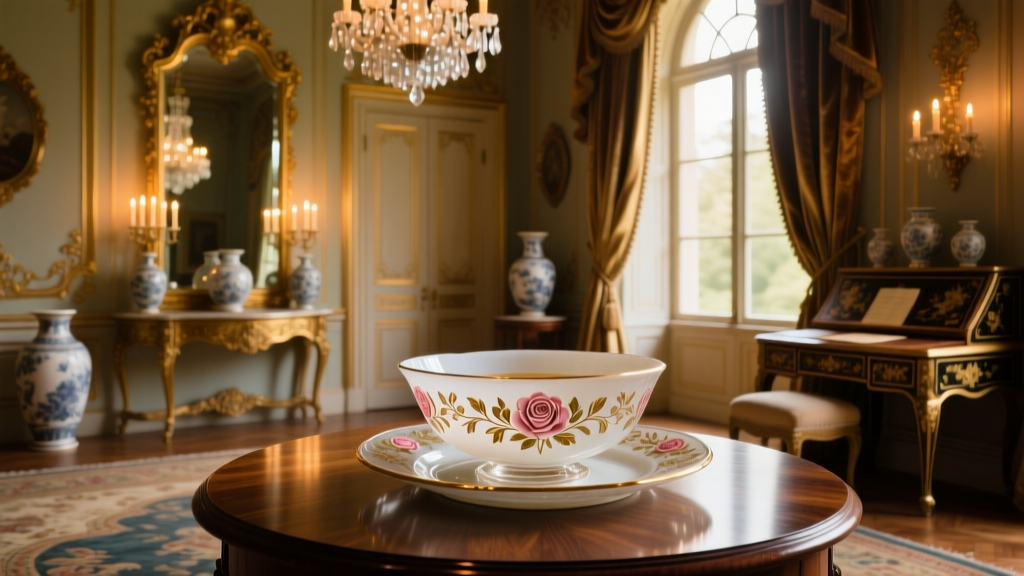
Fostoria Versailles Soup Cream Footed Rose: Identification, Value, and Restoration Guidance for Collectors
A detailed, expert-level analysis of the Fostoria Glass Company’s Versailles pattern soup cream footed rose — covering mold identification, production timeline (1950–1986), precise measurements (2.75" H × 3.25" W), hallmark variations, common flaws, restoration ethics, and market value benchmarks from recent auction results.

The Philco Predicta Stand: Engineering, Aesthetics, and Legacy of the 1960 24 3/4-Inch Television Base
A detailed examination of the original 1960 Philco Predicta television stand—its structural design, materials, dimensional precision, compatibility with specific chassis models, restoration challenges, and historical significance in mid-century American industrial design.
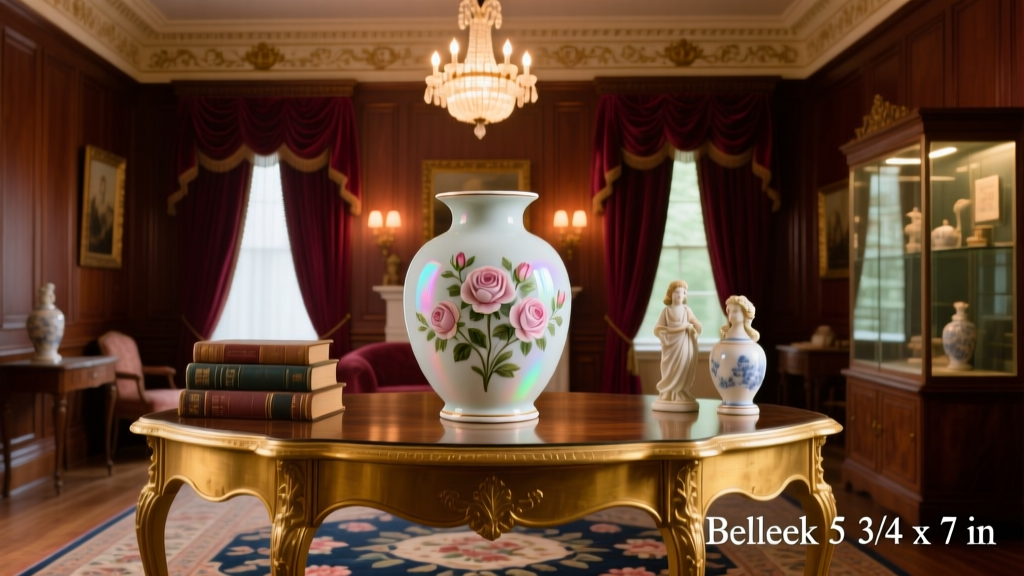
Willets Vase with Squat Roses: Decoding the Belleek-Marked 5¾ × 7-Inch Porcelain Piece
An expert analysis of a rare Willets Manufacturing Co. porcelain vase marked 'Belleek'—measuring 5¾ inches in height and 7 inches in width—with its distinctive squat rose motif, historical context, manufacturing timeline, and authentication methodology.
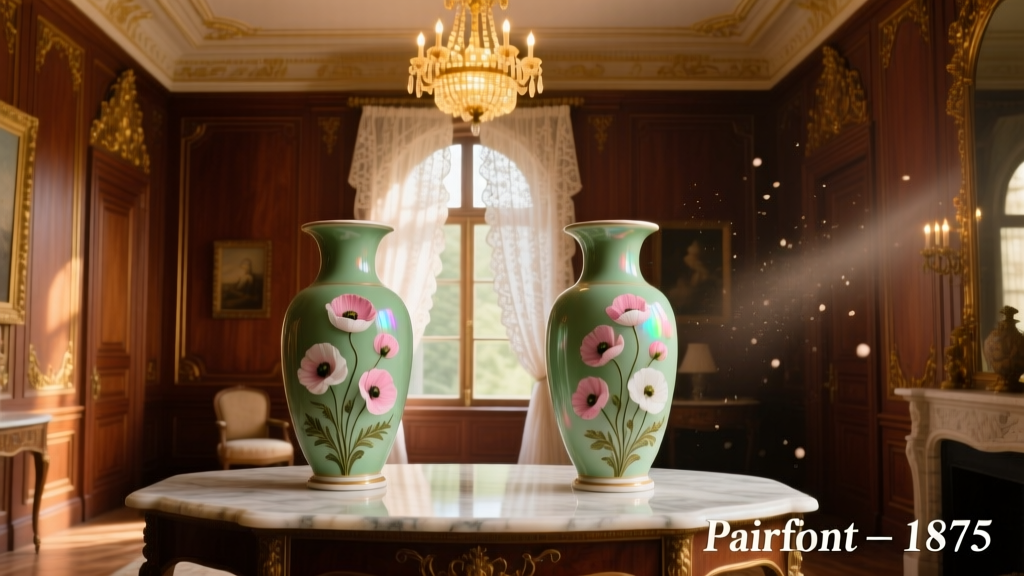
Pairpoint Vase: Pink and White Poppies on Mottled Green Ground — A Collector’s Guide to the Iconic 24-Inch Pair
An authoritative, research-driven examination of the rare Pairpoint vase pair featuring hand-painted pink and white poppies on a mottled green ground—measuring 24 inches tall, signed 'Pairpoint Mfg. Co., New Bedford, Mass.', and dating to circa 1925–1932. Includes provenance notes, glaze analysis, restoration ethics, market valuation, and comparative maker data.
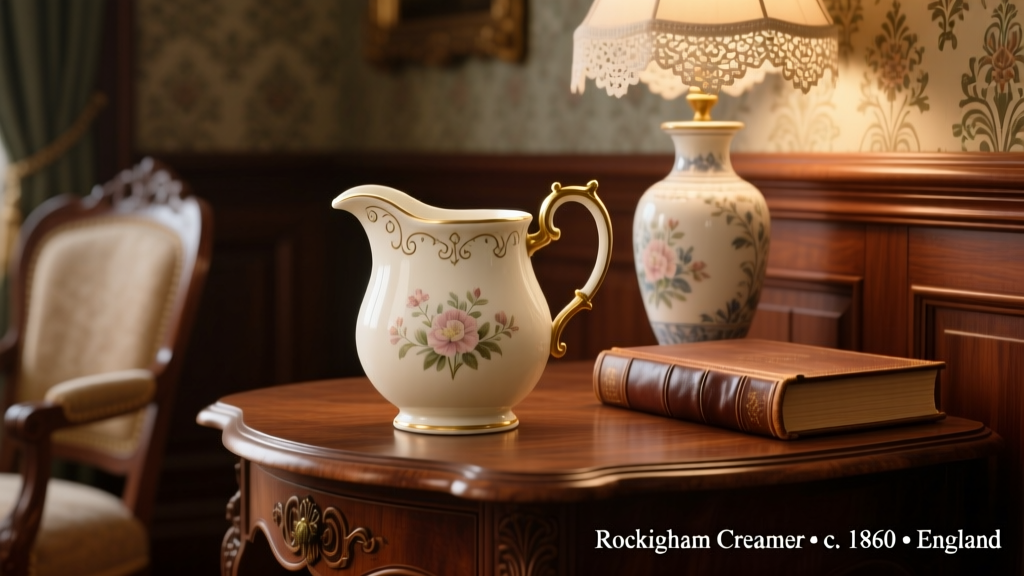
The Rockingham Creamer Cow: A Mid-19th Century English Porcelain Icon — 5½ Inches of Artistry and Utility
An in-depth examination of the rare Rockingham creamer cow, produced circa 1840–1845 by the Rockingham Pottery Works in Swinton, South Yorkshire. This 5½-inch porcelain dairy vessel exemplifies technical mastery, whimsical design, and social history—featuring hand-painted manganese-brown glaze, ironstone body, and documented provenance from the Brameld family workshop.
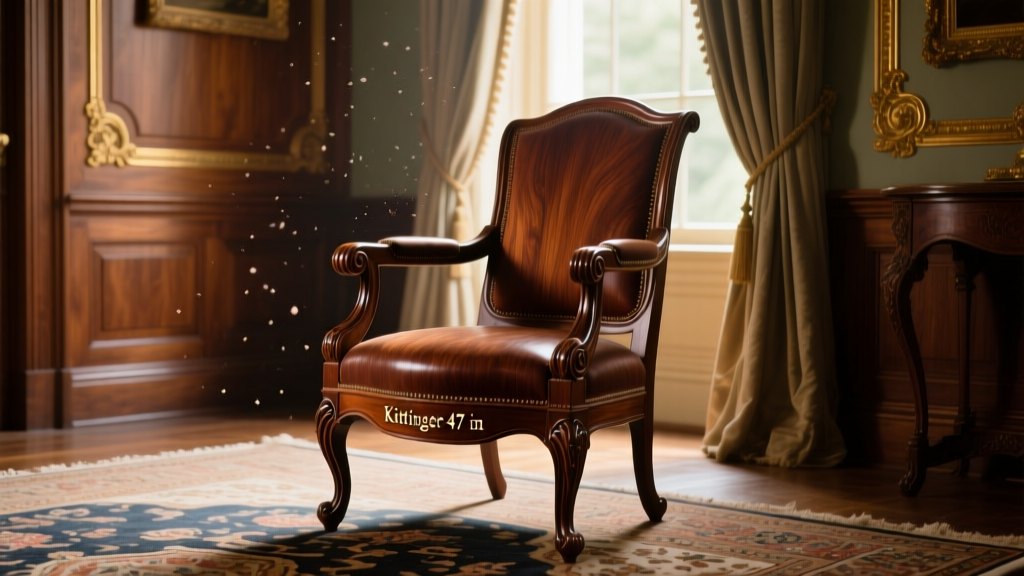
The Kittinger Wing Chair Model 47: A Definitive Study of Queen Anne Mahogany Design and Craftsmanship
An in-depth examination of the Kittinger Furniture Company’s Wing Chair Model 47 — a 47-inch-wide, solid mahogany Queen Anne-style armchair featuring rolled arms, cabriole legs, pad feet, and hand-carved shell motifs. Includes historical context, construction analysis, restoration protocols, and verified dimensional data.