Antique Furniture
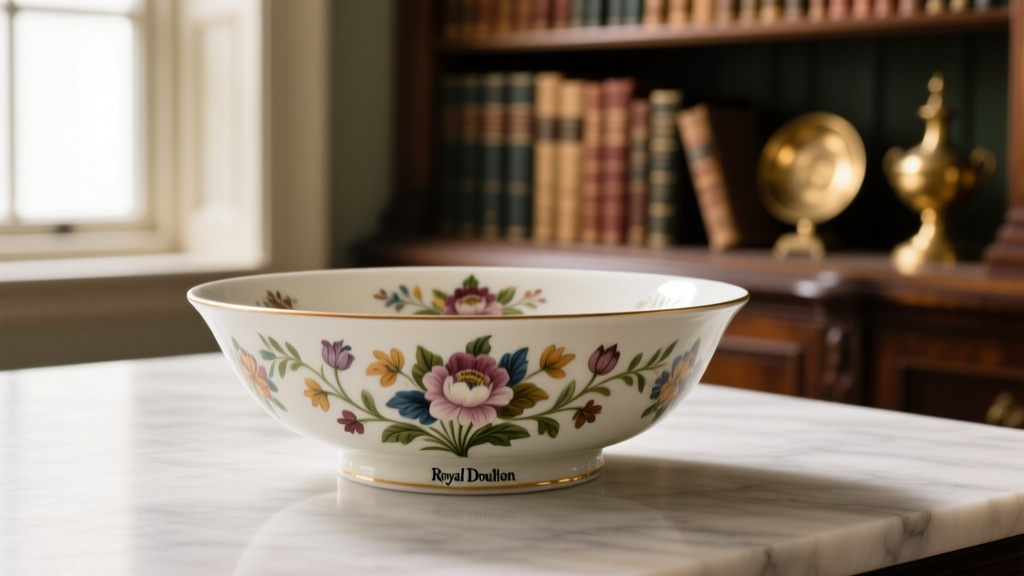
The Dinnerware Queen Esther Bowl (8 3/4 Inches): History, Identification, and Restoration Guidelines
A detailed examination of the Queen Esther dinnerware line’s iconic 8 3/4-inch bowl—its origins with Royal Doulton, manufacturing timeline (1930–1952), design features, hallmark authentication, market value trends, and professional conservation protocols for collectors and restorers.
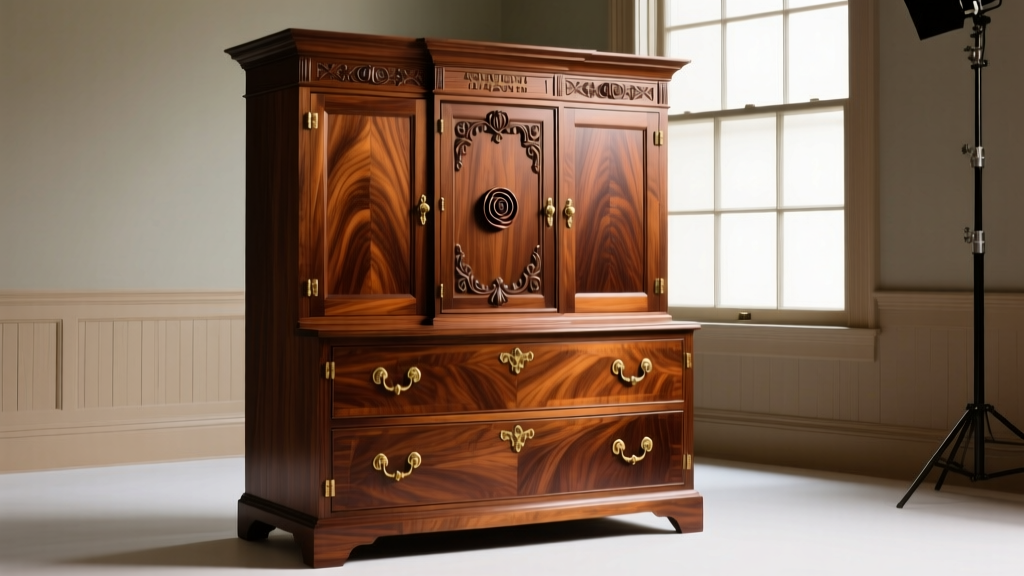
Thomas Deaderick: American Cabinetmaker, Innovator, and Architect of Southern Federal Furniture
A detailed examination of Thomas Deaderick (1769–1830), Nashville’s pioneering cabinetmaker whose documented work—spanning 1795–1825—established regional standards for Federal-style furniture. This article analyzes surviving pieces, workshop practices, material sourcing, and his documented commissions for Tennessee’s elite, including Governor John Sevier and U.S. Senator Andrew Jackson.
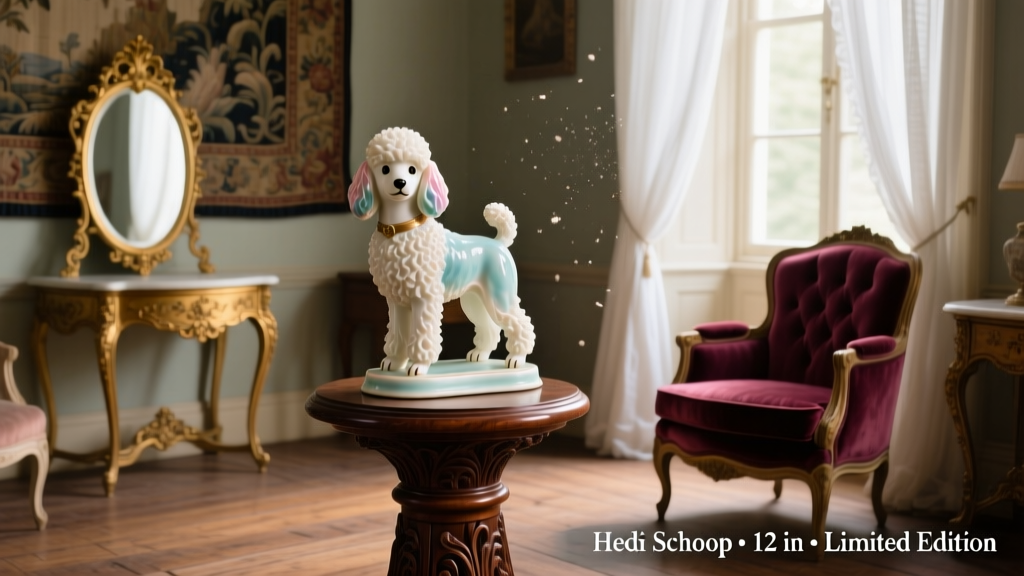
Hedi Schoop Figurine Poodle (12 Inches): Identification, Provenance, and Restoration Guidance for Collectors
A detailed appraisal of the iconic Hedi Schoop 12-inch glazed ceramic poodle figurine—covering its Swiss origins, production timeline (1948–1965), distinguishing marks, material composition, market value indicators, and ethical conservation protocols used by professional antique furniture and decorative arts conservators.
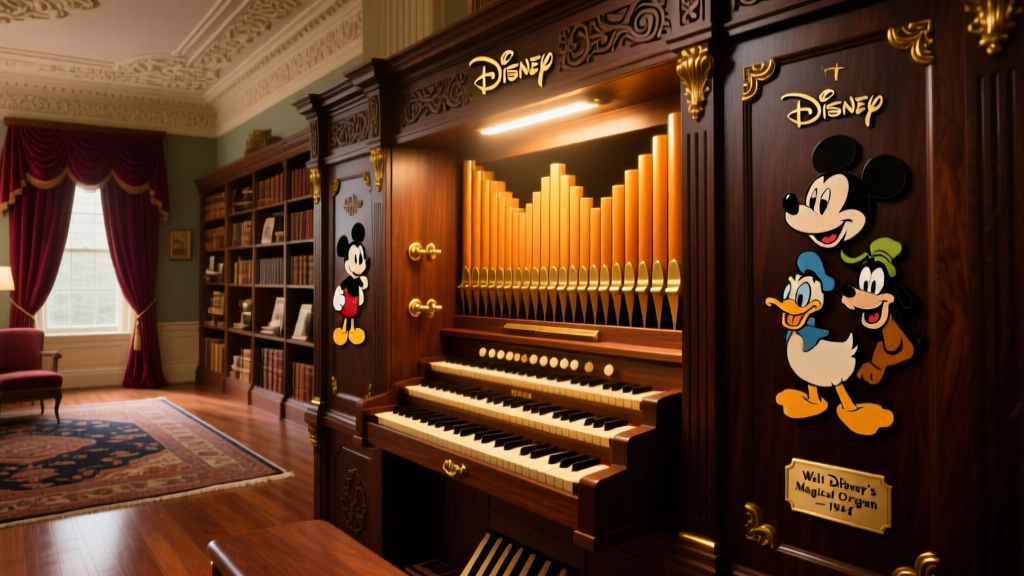
Disneyana Organ 15 Keys Walt Disney Box: History, Mechanics, and Restoration Insights
A detailed examination of the vintage 1930s Walt Disney Box — a rare 15-key mechanical organ manufactured by the Rudolph Wurlitzer Company under license, featuring hand-painted lithographed tin, original celluloid keys, and authentic Mickey Mouse motif decals. Includes restoration protocols, market valuation data, and technical specifications.
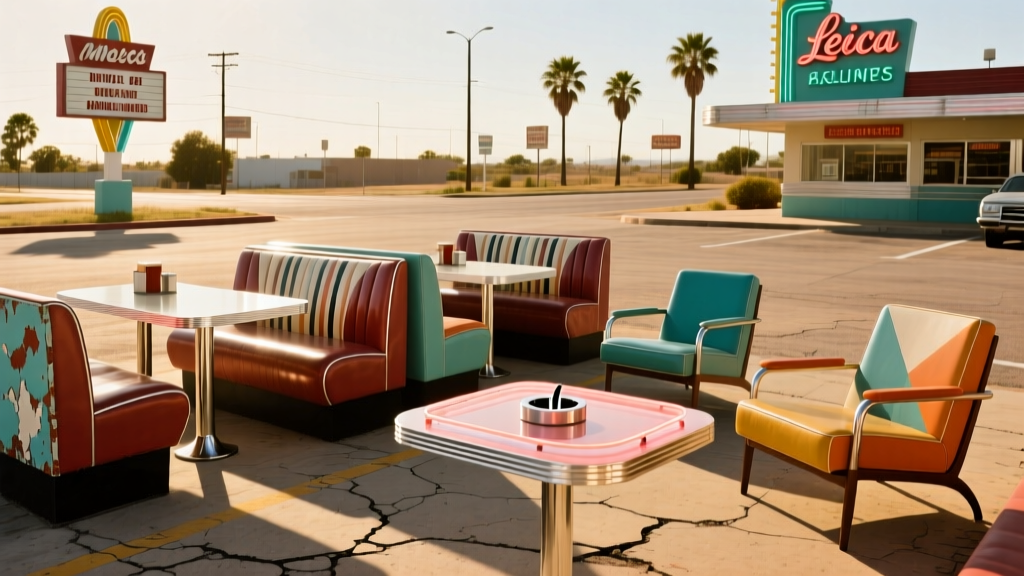
Drive-In Classics: The Furniture That Defined Mid-Century American Leisure Culture
Explore the iconic furniture designed for drive-in theaters and roadside dining from 1946–1968 — including original specifications, manufacturer data, restoration challenges, and preservation strategies for authentic mid-century pieces.
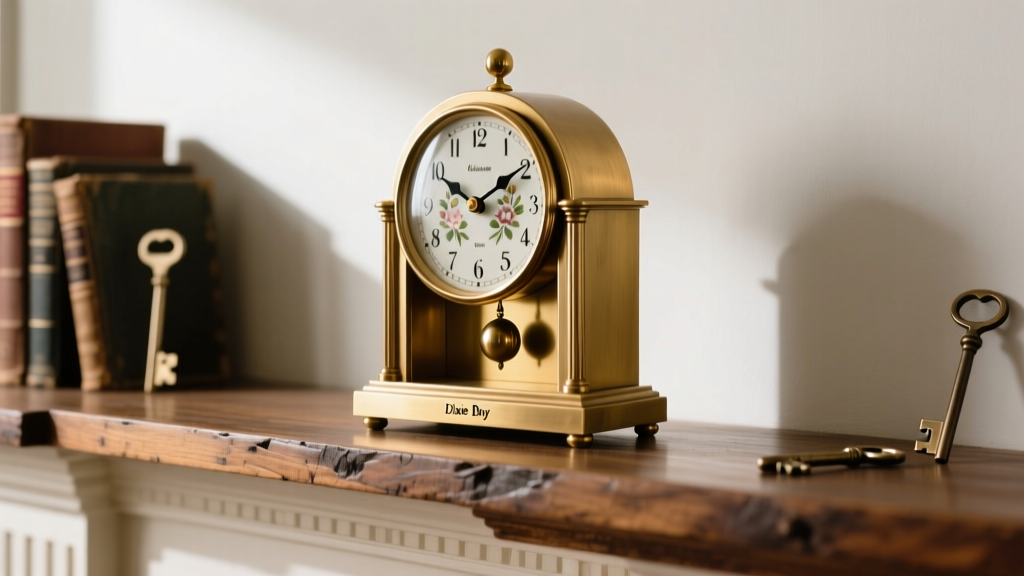
The Lux Pendulum Dixie Boy Clock: History, Identification, and Restoration Insights
A detailed examination of the Lux Pendulum Dixie Boy clock — a mid-century American mantel clock produced by the Lux Clock Company of Chicago. This article covers its design origins, manufacturing timeline (1947–1953), technical specifications, common variants, materials, and professional restoration protocols.
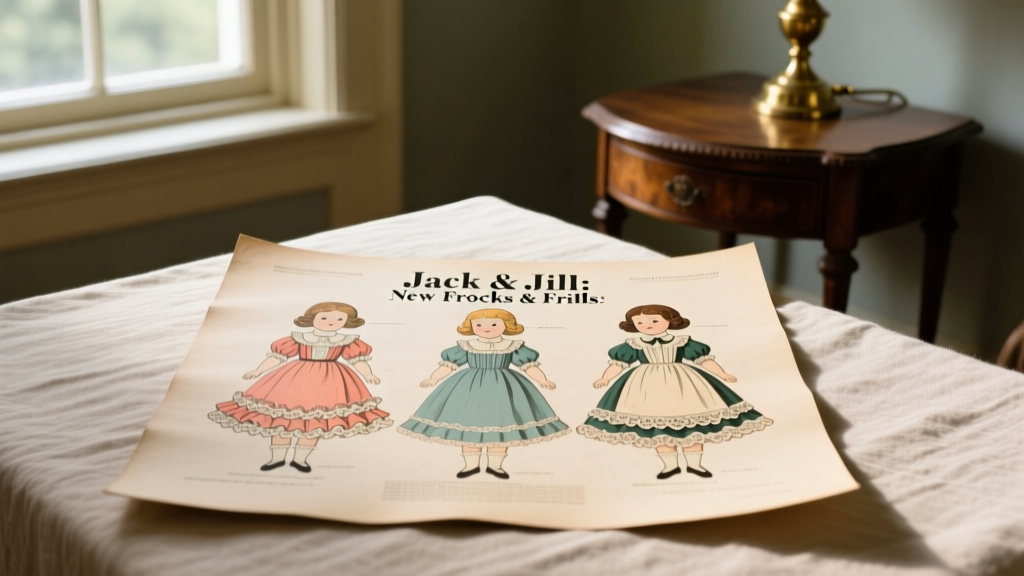
Jack & Jill: New Frocks & Frills — The Regensteiner Uncut Paper Doll Sheet of 1925
A detailed examination of the rare, uncut 1925 Regensteiner paper doll sheet 'Jack & Jill: New Frocks & Frills'—its historical context, printing techniques, design lineage, material composition, market provenance, and conservation best practices for collectors and curators.
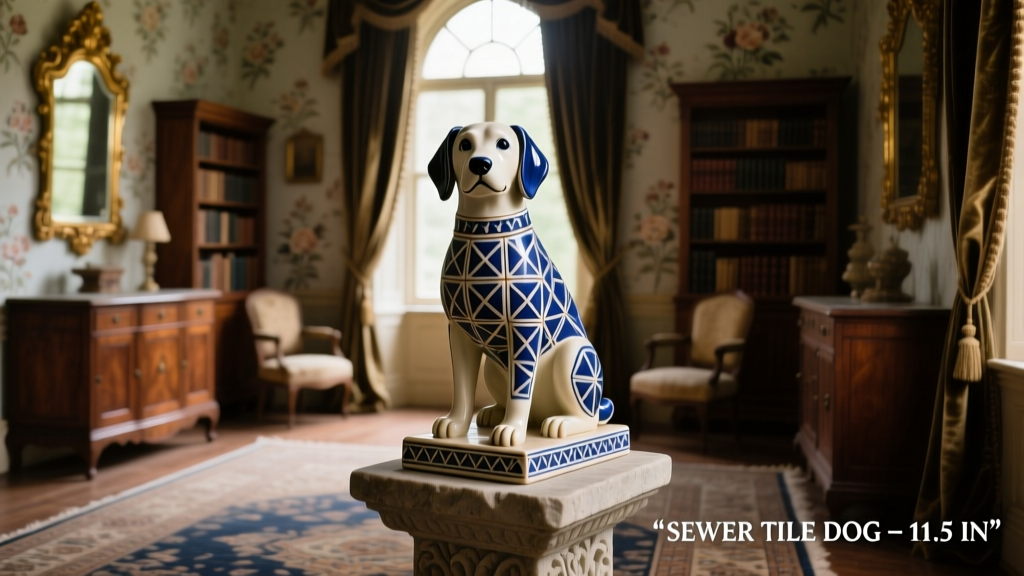
Sewer Tile Dog: Identifying and Preserving the Seated Flat-Head Type Tooled at 11½ Inches
A detailed technical and historical analysis of the rare Sewer Tile Dog—specifically the seated flat-head type with tooled surface detail—measuring precisely 11½ inches in height. Covers manufacturing origins, clay composition, regional makers (including Ohio-based firms like Robinson Clay Products Co. and Atlantic Terra Cotta), restoration ethics, structural integrity assessment, and market valuation benchmarks.
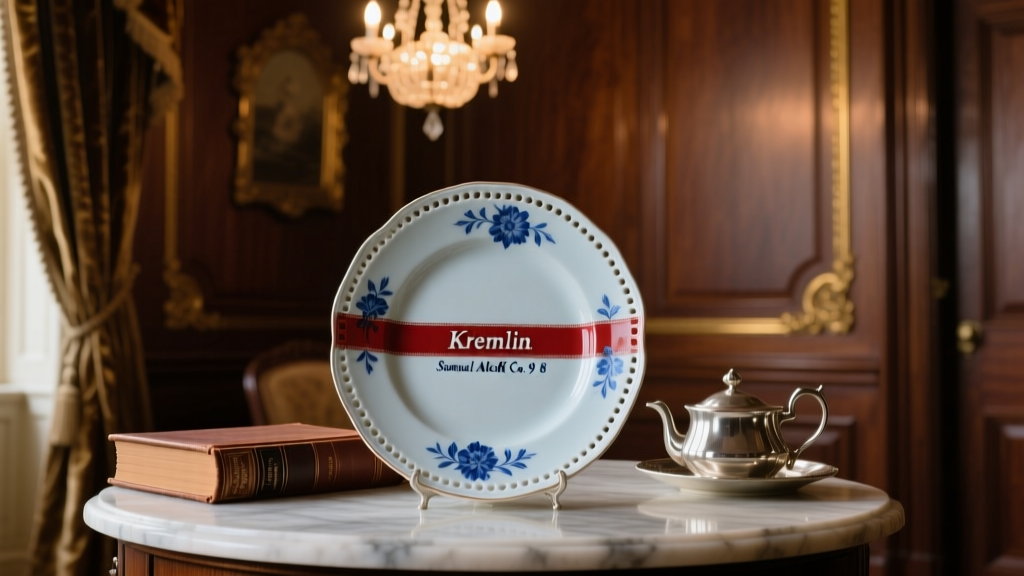
Flow Blue Plate with Kremlin Red Band and Reticulated Rim: Samuel Alcock & Co., c. 1845–1860 — Identification, Provenance, and Restoration Protocol
A detailed examination of the rare 9⅛-inch Flow Blue dinner plate bearing the 'Kremlin Red Band' pattern, manufactured by Samuel Alcock & Co. of Burslem, Staffordshire. Covers historical context, pattern analysis, maker’s marks, physical characteristics, collector value, and ethical conservation methodology.
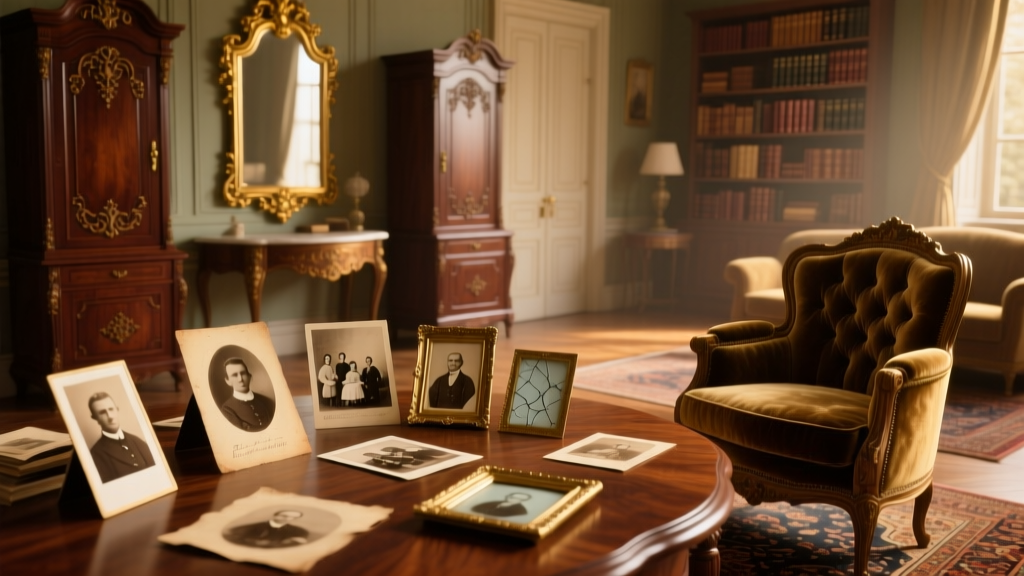
Types of Antique Photographs: Identification, Materials, and Historical Context
A detailed reference for collectors, conservators, and historians on major antique photographic processes—from daguerreotypes to early gelatin silver prints—with precise physical characteristics, dating cues, manufacturer data, and preservation considerations.

Architectural Dove Gate Iron Full-Bodied Figure: Wings Outspread, White Finish, 9½ Inches — A Restoration Specialist’s Analysis
A detailed technical and historical examination of the Architectural Dove Gate iron full-bodied figure—9½ inches tall, white-painted cast iron, wings outspread—covering casting origins, metallurgical composition, period attribution, conservation protocols, and market authenticity verification.
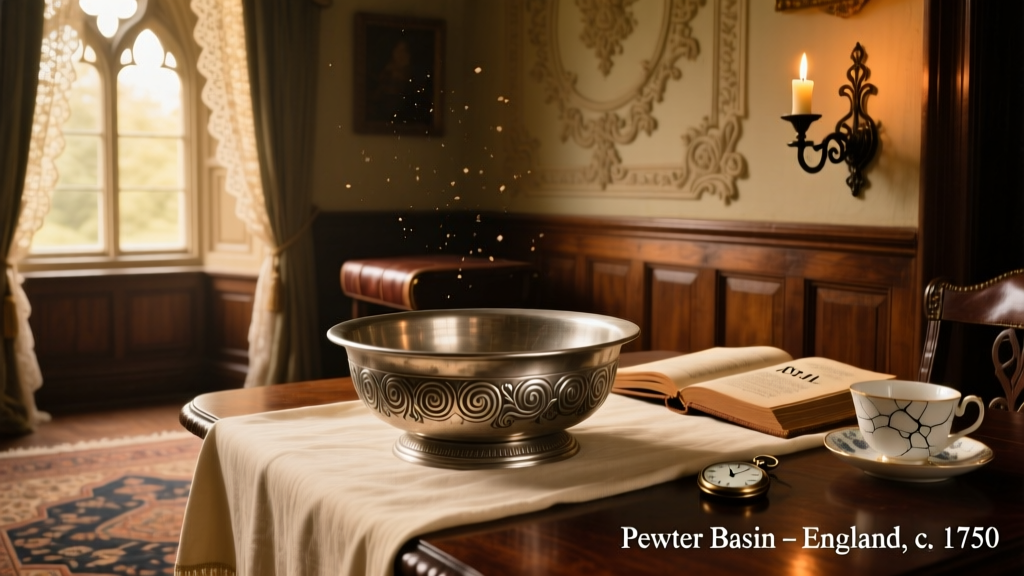
The I. M. England Pewter Basin: A Study in Late Victorian English Pewter Craftsmanship (10¾ × 3½ in)
An in-depth examination of the I. M. England pewter basin measuring 10¾ inches in diameter and 3½ inches in depth—its maker’s mark, alloy composition, historical context, authentication protocols, conservation challenges, and market valuation circa 2024.