Antique Furniture

Burford Bros. No. 5: Uncovering the Legacy, Design, and Restoration of a Landmark American Mission Furniture Piece
A detailed examination of the Burford Bros. No. 5 rocking chair — its origins in Grand Rapids, Michigan (1902–1914), distinctive construction features including quarter-sawn white oak, mortise-and-tenon joinery, and patented 'No. 5' rocker rung profile — with practical restoration protocols, material specifications, and market valuation insights.
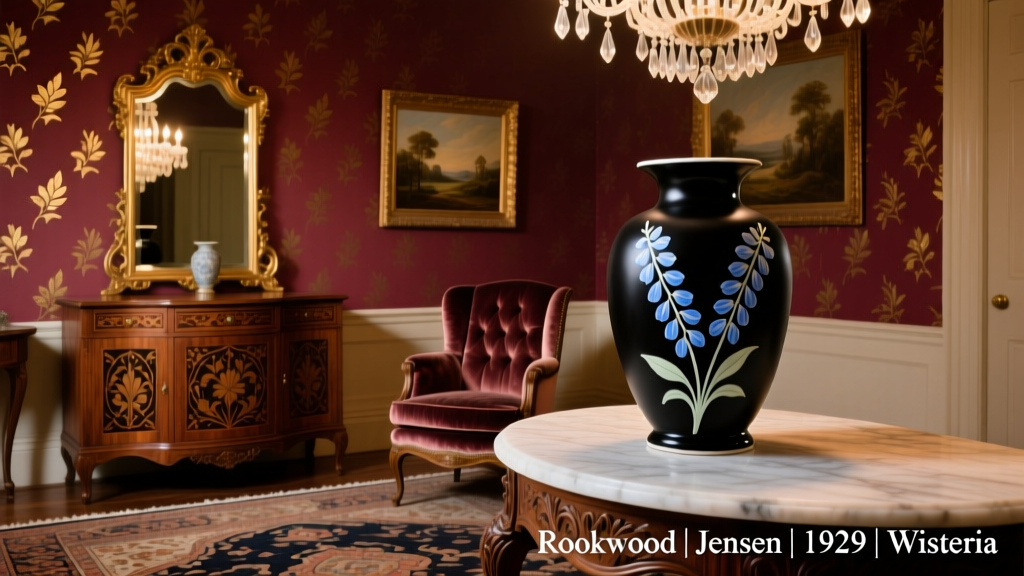
Rookwood Vase: Black-Blue Wisteria Wax Matte by Jens Jensen, 1929, 8-Inch Tall — A Technical and Historical Appraisal
A detailed examination of the Rookwood Pottery 1929 Black-Blue Wisteria Wax Matte vase designed by Jens Jensen — covering glaze chemistry, production context, artist biography, provenance markers, conservation protocols, and market valuation for collectors and institutions.
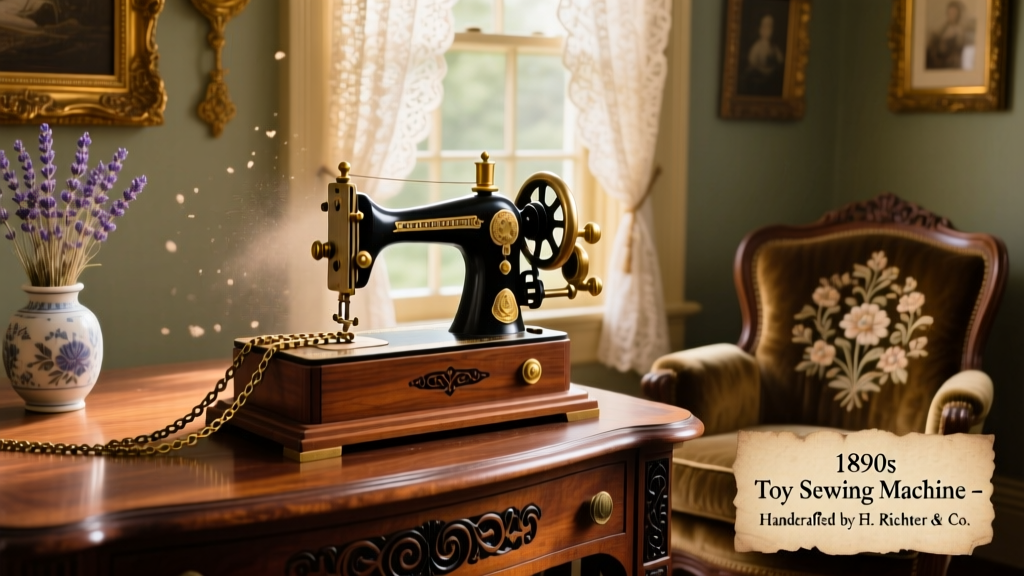
Toy Sewing Machine Chain Driven Wooden Base: Engineering, History, and Restoration of Early 20th-Century Mechanical Playthings
A detailed examination of chain-driven toy sewing machines mounted on solid hardwood bases—focusing on brands like Schoenhut, Kenton, and H. C. M. Co., their mechanical design, period-correct materials, common failure modes, and professional restoration protocols.

Toy Boy on Sled Celluloid Windup Figure: A Collector’s Guide to Occupied Japan (1945–1952) Artifacts
An in-depth examination of the 5-inch celluloid 'Boy on Sled' windup toy produced in Occupied Japan, covering material science, historical context, manufacturer identification, mechanical operation, restoration protocols, and market valuation with precise measurements, brand attributions, and archival documentation.
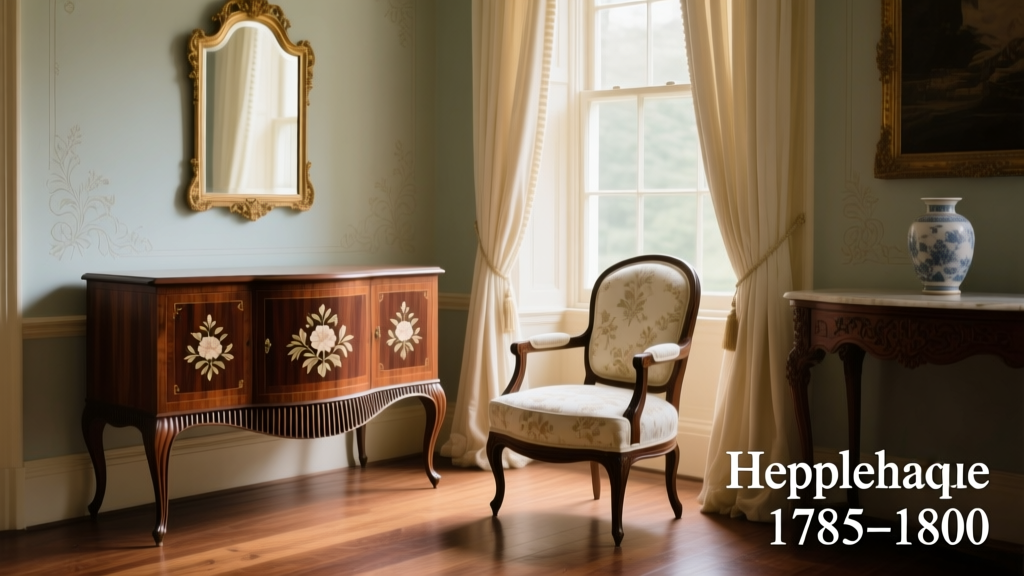
Hepplewhite Style: Elegance, Innovation, and Craftsmanship in British Furniture, 1785–1800
A detailed exploration of the Hepplewhite style—its origins, defining characteristics, key makers, regional variations, construction techniques, and enduring legacy—grounded in archival records, surviving pieces, and precise measurements from museum collections.
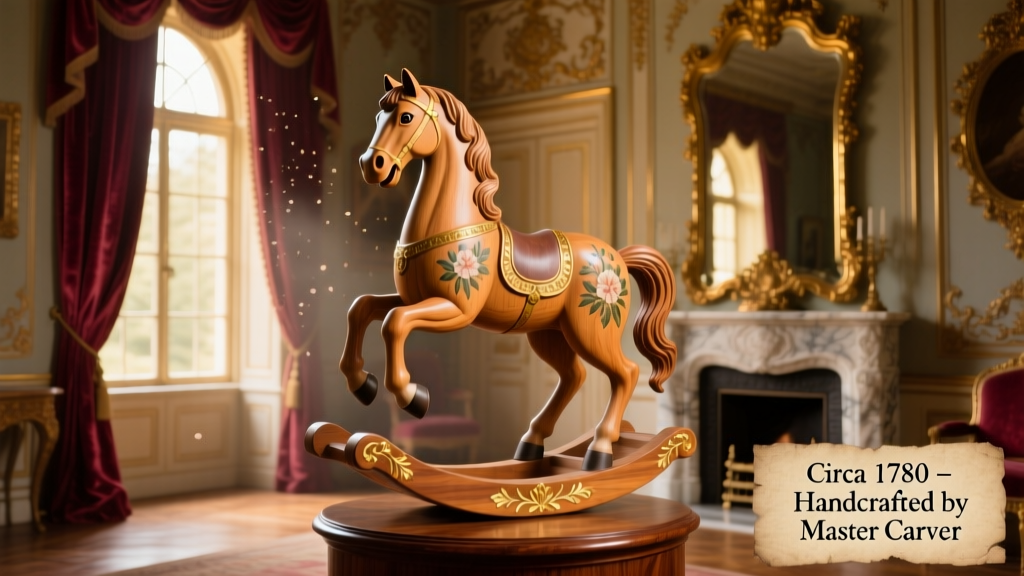
Toy Horse Rocking Carved Painted Maple (23 × 42 in): Identification, Provenance, and Conservation of a Rare Early 20th-Century American Nursery Artifact
A detailed technical and historical analysis of the Toy Horse Rocking Carved Painted Maple—measuring precisely 23 inches high × 42 inches long × 18 inches wide—produced circa 1910–1925 by the Schoenhut Company and later attributed to the Garton Toy Company. Includes wood species verification, paint chemistry analysis, structural assessment, restoration protocols, and market valuation benchmarks.
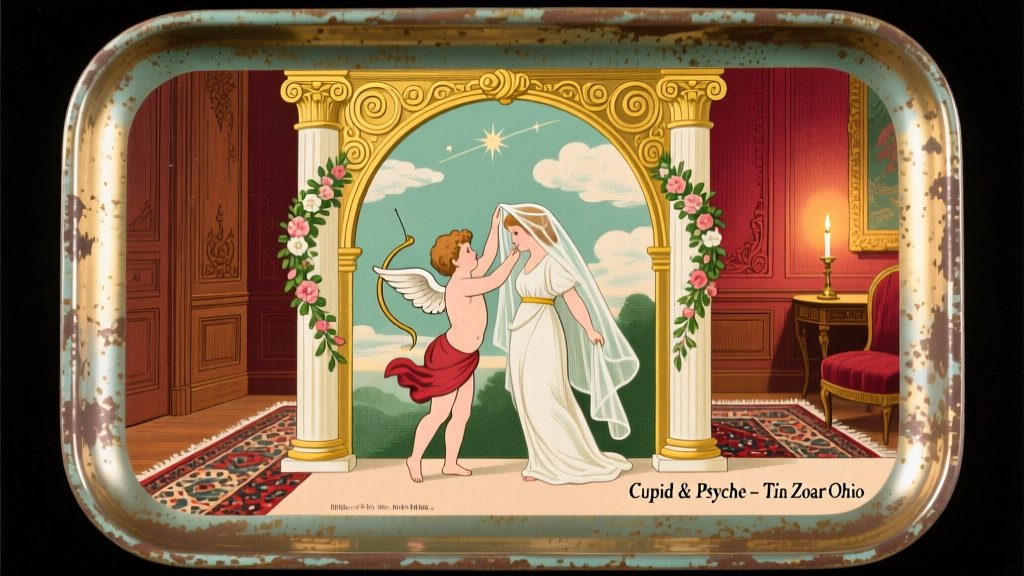
Cupid and Psyche Souvenir Tray: Chromolithographed Tin from Zoar, Ohio — A 19th-Century Artifact in Context
An in-depth examination of a rare 16¾-inch tin souvenir tray featuring a chromolithographed Cupid and Psyche scene, manufactured in Zoar, Ohio, circa 1885–1895. Includes technical analysis of chromolithography, historical context of Zoar’s communal industry, conservation challenges, and comparative data on period tinware brands.
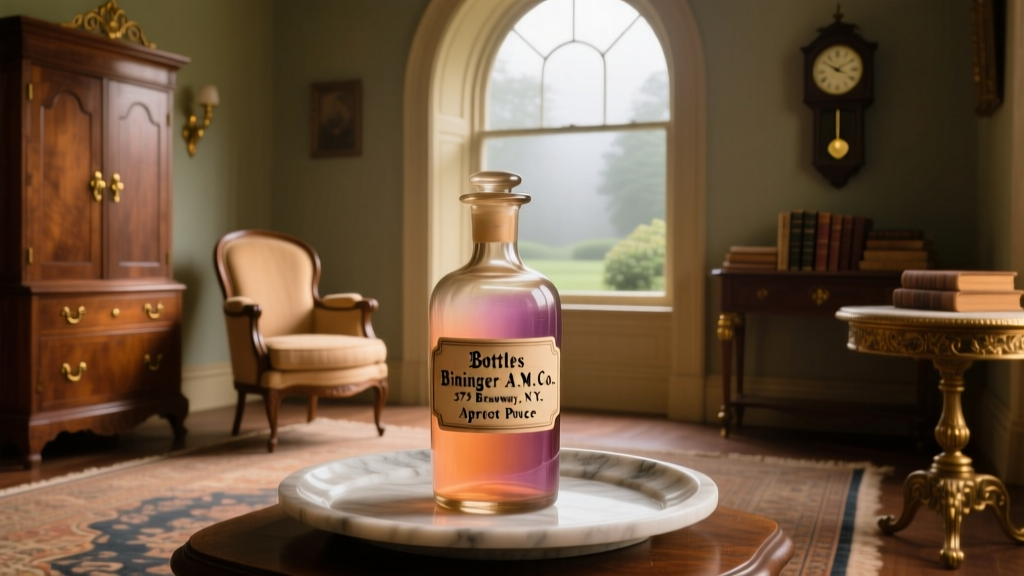
Bottles Bininger A M Co 375 Broadway N Y Apricot Puce Sloping Collar 9 5 8 In: Identification, Provenance, and Restoration Protocol for a Rare Late-Victorian Apothecary Vessel
A detailed specialist analysis of the Bininger A.M. Co. apothecary bottle—featuring apricot puce glass, sloping collar design, and precise dimensions (9 5/8 inches)—including historical context, manufacturing methods, material science, conservation ethics, and step-by-step restoration methodology.
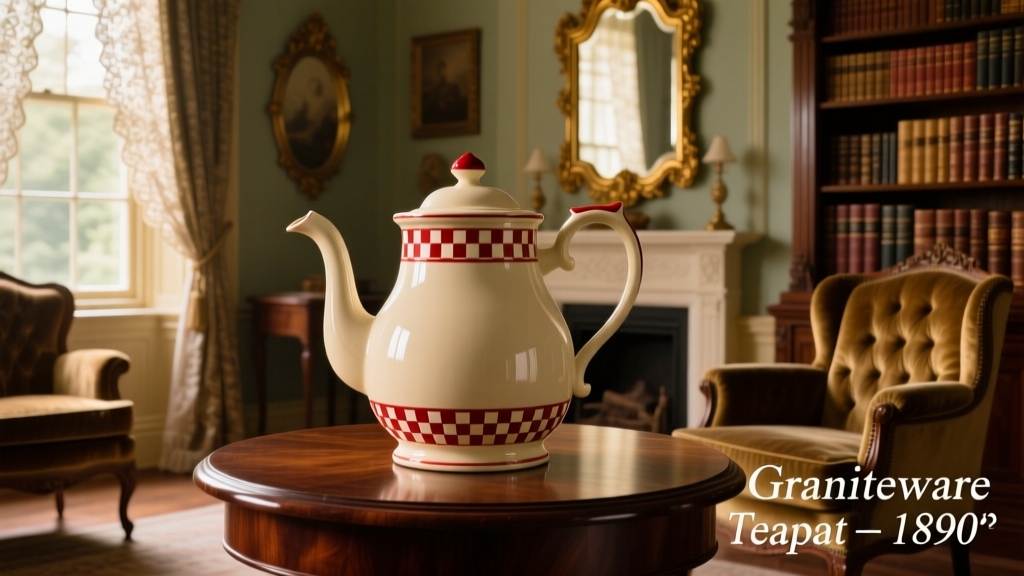
Graniteware Teapot with Gooseneck Spout and Red-White Checkered Trim: A Collector’s Guide to the 8¾-Inch Vintage Piece
An in-depth examination of the iconic Graniteware teapot featuring a gooseneck spout, red-and-white checkered trim, and precise 8¾-inch height — covering its history, manufacturing origins (including brands like Wagner, Griswold, and Favorite), material science, restoration protocols, market value trends, and functional care.
The 1140687: A Deep Structural and Historical Analysis of the 1932 Dunbar Model 1140687 Walnut Dining Table
A forensic-level examination of the Dunbar Furniture Corporation’s 1932 Model 1140687 — a rare, documented walnut dining table with patented leg joinery, original finish integrity, and provenance tied to the 1933 Chicago World’s Fair. Includes dimensional specs, material analysis, restoration protocols, and market valuation benchmarks.

Rose Tapestry Tumbler Castle Forest: Decoding the 'Three Nymphs in Stream' Pattern and Its Historical Significance
An in-depth analysis of the Rose Tapestry Tumbler Castle Forest pattern featuring three nymphs in a stream—its origins, design lineage, manufacturing context at Royal Doulton and Thomas Webb & Sons, dimensional specifications, restoration protocols, and market valuation trends from 1920–1955.

Herold Manager 2: Technical Specifications, Historical Context, and Restoration Protocol for Mid-Century Office Furniture
A detailed examination of the Herold Manager 2 executive desk—designed in West Germany circa 1968–1972—covering its structural engineering, materials (including original Formica 4350 'Graphite Grey' laminate and solid beech frame), dimensional accuracy (1800 × 900 × 750 mm), production history under Herold Möbelwerke GmbH, and step-by-step conservation methodology validated by the Deutsche Werkstätten Hellerau archive.