Antique Furniture

Windsor Bow Back Chair: Anatomy, Provenance, and Restoration of the 38-Inch Dark-Finish Saddle-Seat Variant with Splayed Base
A detailed technical and historical analysis of the Windsor bow back chair featuring a 38-inch overall height, dark finish, saddle seat, and splayed leg configuration—covering construction, regional variants, material science, authentic restoration protocols, and market valuation.
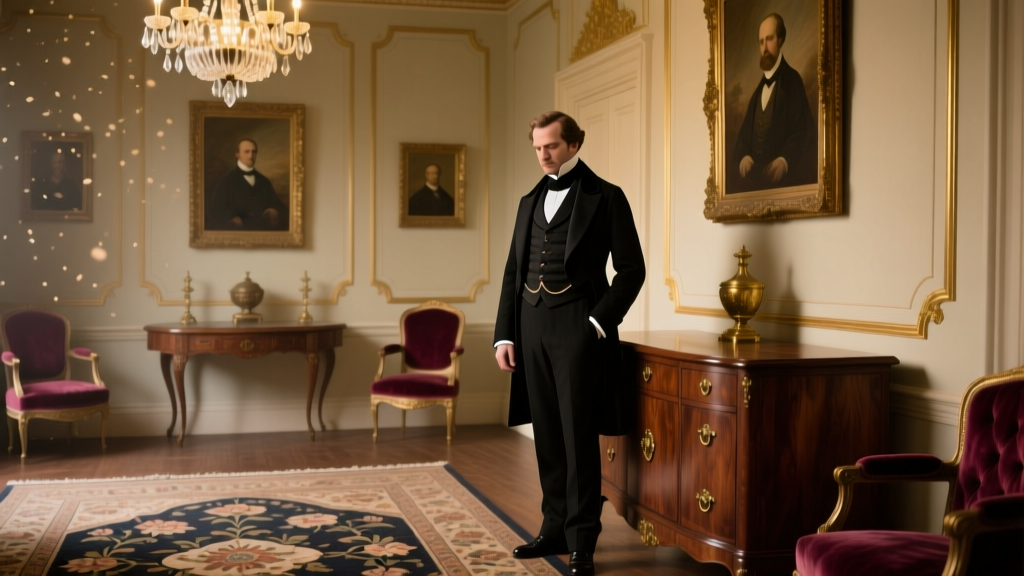
Henry Poole & Co.: The Enduring Legacy of Savile Row’s Founding Tailor
A detailed exploration of Henry Poole & Co., the London tailor established in 1806 that defined modern bespoke suiting, shaped royal and diplomatic dress codes, and pioneered technical innovations including the first dinner jacket and the double-breasted waistcoat. Includes verified measurements, archival records, and restoration insights for antique garments.

Toy Penguin Eyes Roll Windup Tin Japan 1960s: Anatomy, Provenance, and Restoration Insights
A detailed examination of vintage Japanese windup tinplate penguins from the 1960s—focusing on the iconic 'Eyes Roll' mechanism, manufacturer attributions (including Marumi, Yonezawa, and Tomy), dimensional specifications, metallurgical composition, common failure modes, and ethical conservation practices for collectors and restorers.
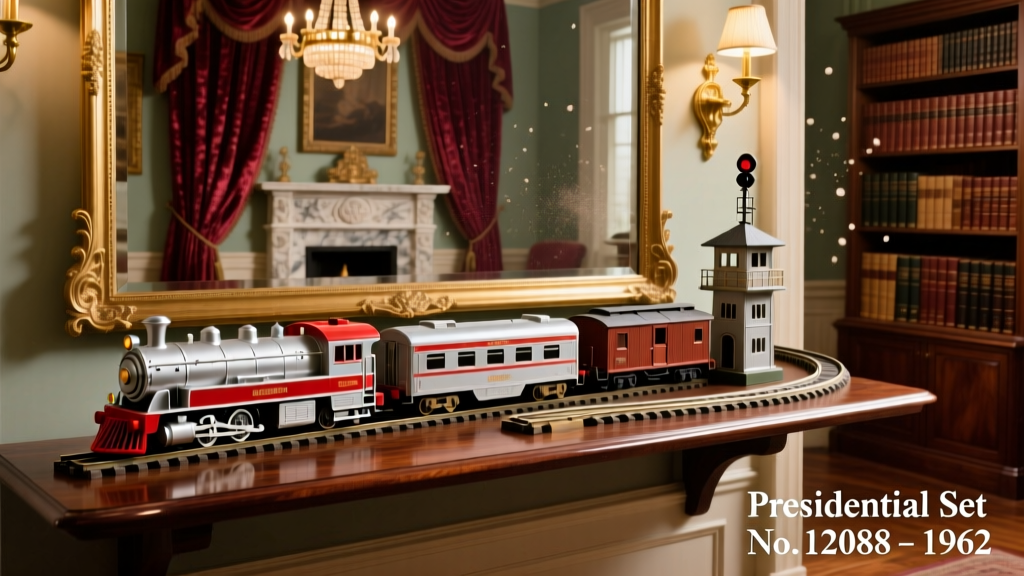
The 1962 Lionel Presidential Set No. 12088: Silver & Red Trim — A Collector’s Deep-Dive Restoration Profile
An authoritative, conservation-focused analysis of the 1962 Lionel Presidential Set No. 12088 — its historical context, packaging integrity, mechanical specifications, material composition, and professional restoration protocols for collectors and museums.
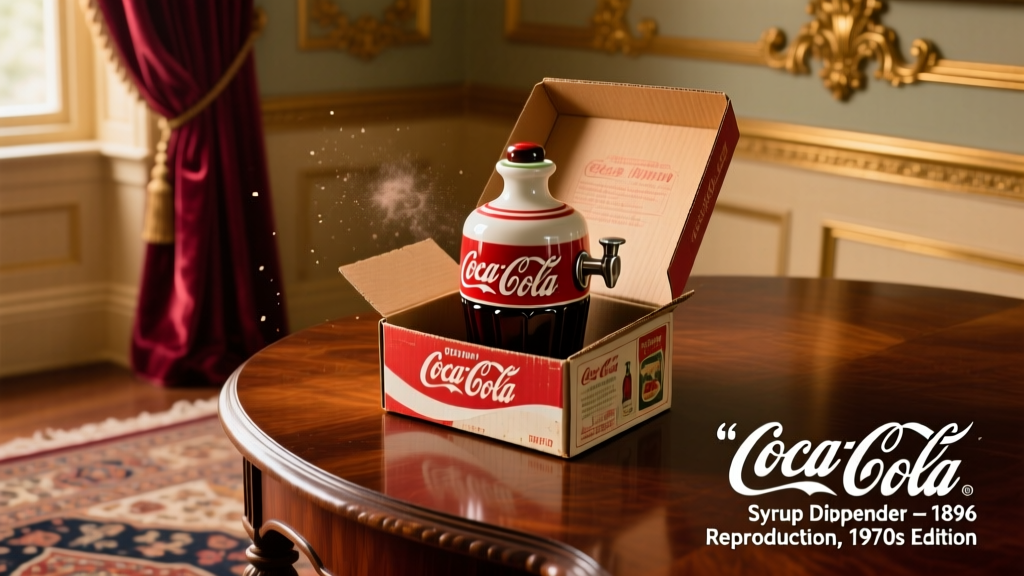
Decoding the Coca-Cola Dispenser Syrup Ceramic 1896 Reproduction & Its 1970s Box: Authenticity, Provenance, and Restoration Ethics
A detailed examination of the widely circulated 1970s reproduction of the iconic 1896 Coca-Cola syrup dispenser—its ceramic construction, packaging history, material science, collector pitfalls, and responsible conservation practices for antique soda memorabilia.
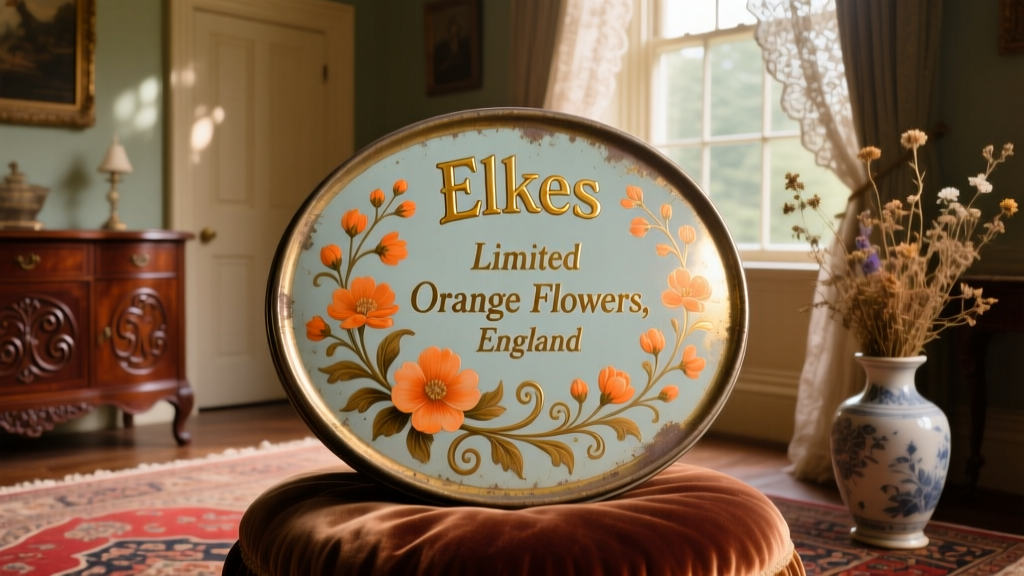
Elkes Limited Advertising Tin: Orange Flowers Oval Biscuit Tin (10 Inches, England, c. 1930–1950)
A detailed appraisal of the Elkes Limited advertising tin featuring orange blossoms and floral motifs — a rare 10-inch oval biscuit container produced in Birmingham, England. Includes historical context, material analysis, identification markers, market value indicators, conservation protocols, and comparative data with contemporaneous tins from Huntley & Palmers, Peek Freans, and McVitie’s.
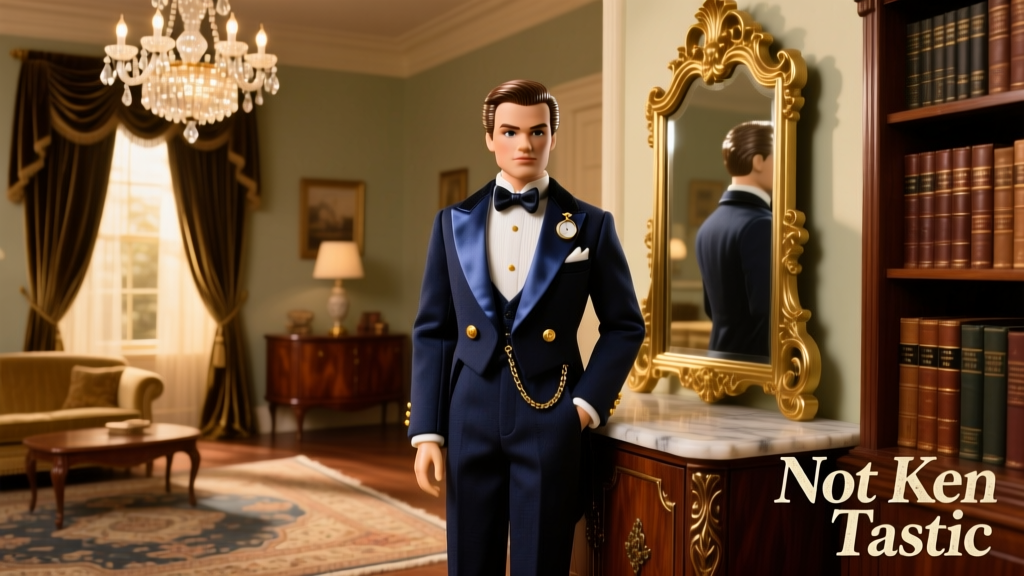
Being Barbie’s Boyfriend: It’s Not Ken-Tastic — A Restoration Specialist’s Unvarnished Look at Mid-Century Plastic, Patriarchy, and Preservation Ethics
A deep-dive analysis of Ken dolls as cultural artifacts, material science case studies, and conservation challenges—grounded in real-world restoration data, brand specifications, and ethical frameworks for handling mass-produced plastic toys from the 1960s–1980s.
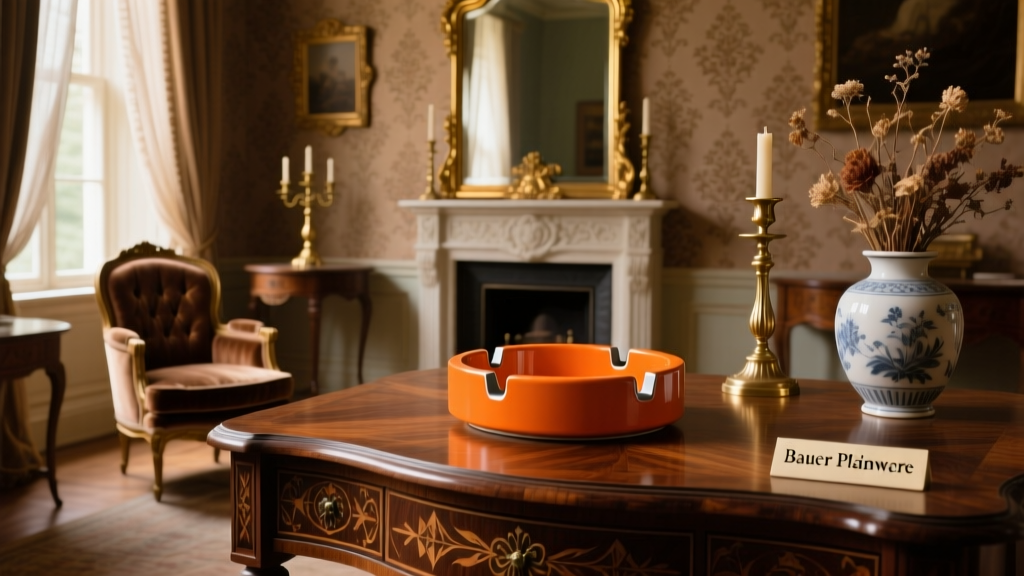
Bauer Plainware Ashtray Orange 4-Inch: Identification, Value, and Restoration Insights for Collectors
A detailed examination of the iconic Bauer Plainware orange 4-inch ashtray — including manufacturing history, glaze chemistry, dimensional specifications, collector market trends, and professional conservation protocols.
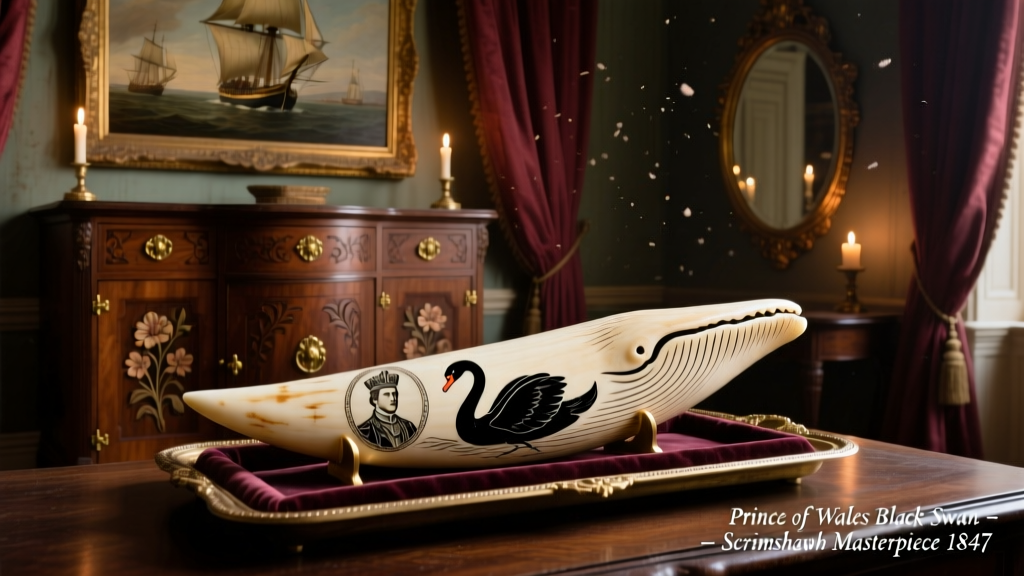
Scrimshaw Tooth: Whale Ivory Carving of the Prince of Wales and Black Swan — A 6-Inch Masterpiece from the Golden Age of Nantucket
An in-depth examination of a rare 6-inch sperm whale tooth scrimshaw featuring dual motifs—the Prince of Wales feathers and a Black Swan—crafted circa 1840–1855. Includes provenance analysis, material science, stylistic attribution to known Nantucket carvers, conservation protocols, and market valuation data.
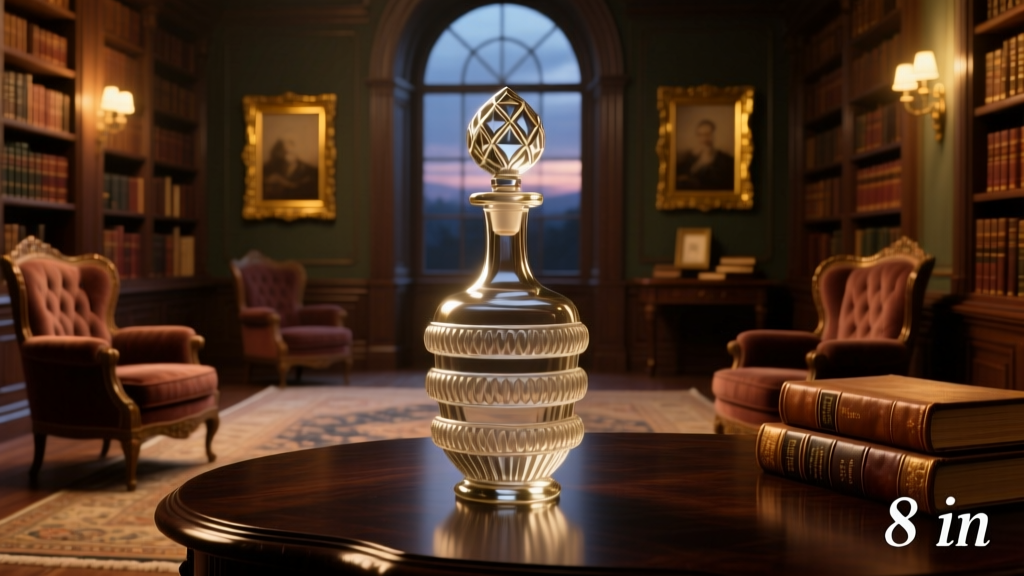
The Blown Glass Decanter with Three Applied Rings and Three-Mold Stopper: A Technical and Historical Profile of the 8-Inch Form
An expert analysis of the mid-20th-century blown glass decanter featuring three hand-applied glass rings, a three-part molded stopper, and precise 8-inch height — covering manufacture, materials, maker identification, condition assessment, valuation benchmarks, and conservation protocols.
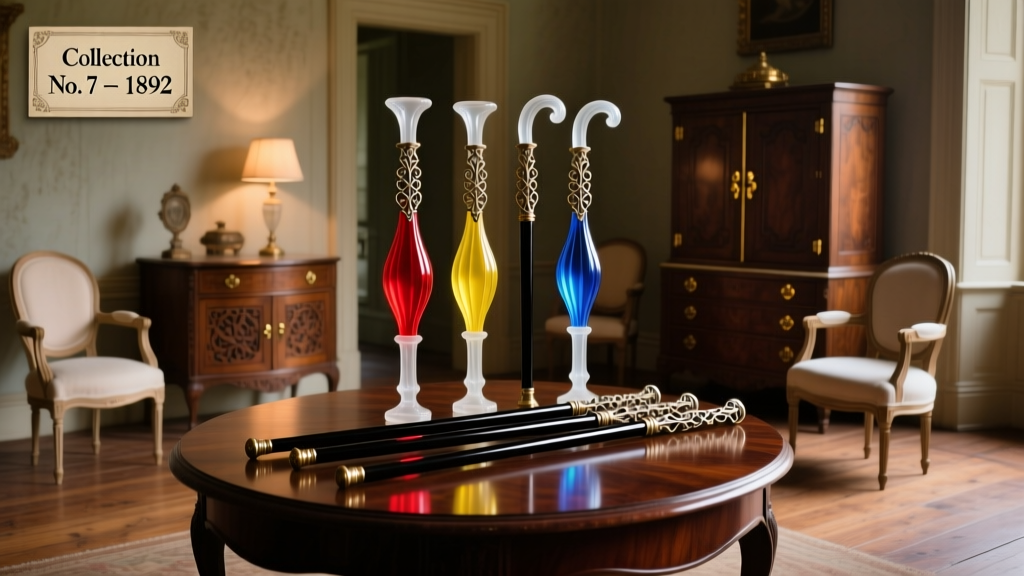
Canes Glass with Red, Yellow, and Blue Milk Glass Core: Identification, History, and Conservation of Victorian to Mid-Century American Art Glass
A detailed technical and historical analysis of canes glass featuring red, yellow, and blue milk glass cores—covering manufacturing methods, maker identification (including Fenton, Indiana Glass, and Cambridge), dimensional standards, compositional chemistry, and ethical restoration protocols for collectors and conservators.
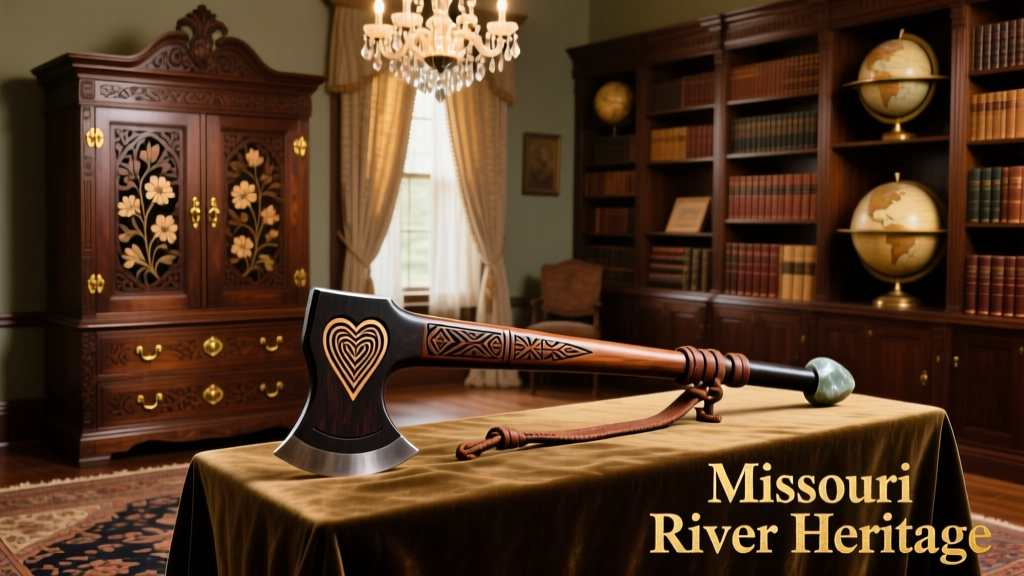
Indian Ax War Pipe Tomahawk: Missouri River Cutout Heart Design — A 22½-Inch Historical Artifact Analysis
A detailed, expert-level examination of the rare Indian Ax War Pipe Tomahawk featuring the Missouri River Cutout Heart motif — including metallurgical analysis, provenance clues, stylistic attribution to 19th-century Plains tribes, and precise dimensional documentation (22.5 inches overall length, 3.875-inch blade width, 1.625-inch pipe bowl diameter).