Antique Furniture
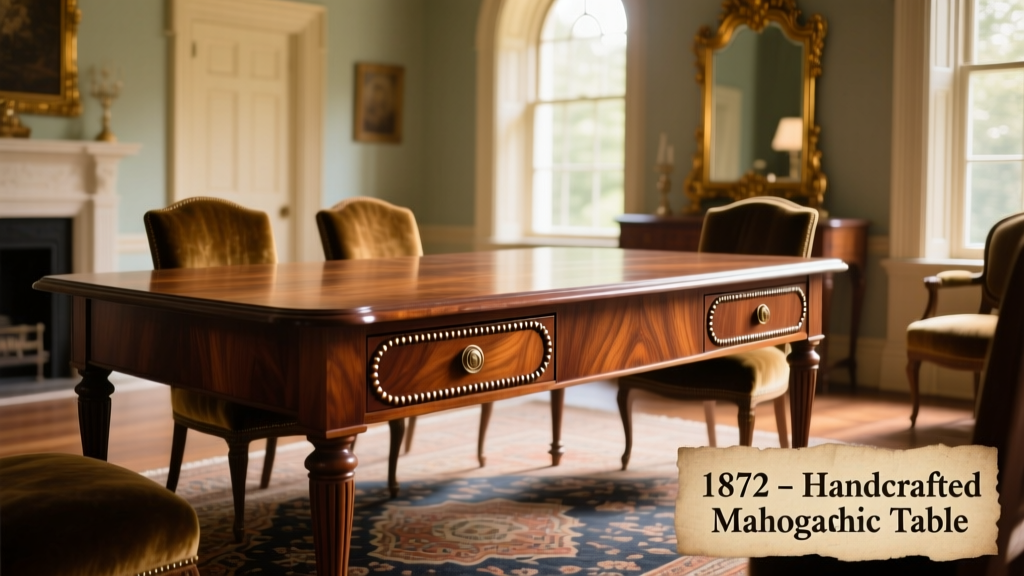
Mahogany Sewing Table, c. 1840–1865: A Technical and Historical Analysis of the Two-Drawer Cock-Beading & Gadroon-Edged Form
A detailed examination of a mid-19th-century mahogany sewing table measuring exactly 31 inches in height, featuring two cock-beaded drawers, gadroon-molded edges, and original brass hardware — with restoration protocols, provenance context, and comparative analysis against documented examples from Gillow & Co., Seddon & Son, and Waring & Gillow archives.
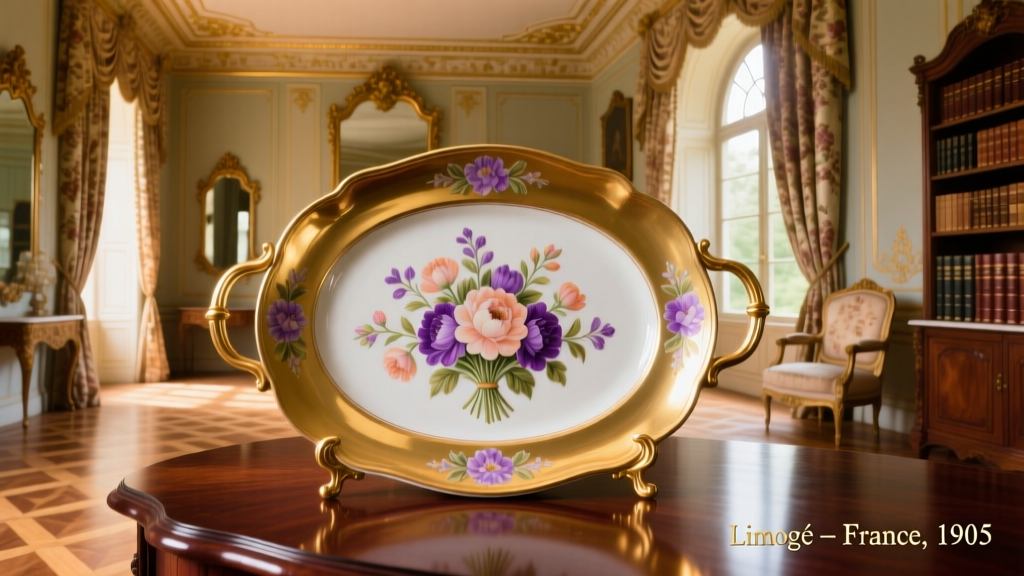
Limoges Tray: Violets on Green-to-Apricot Ground with Gold Split-Center Handle (11 × 6 Inches)
An in-depth examination of a rare 19th-century Limoges porcelain tray featuring hand-painted violets, a graduated green-to-apricot ground, and a distinctive gold split-center handle — including maker identification, technical analysis, conservation protocols, and market valuation.
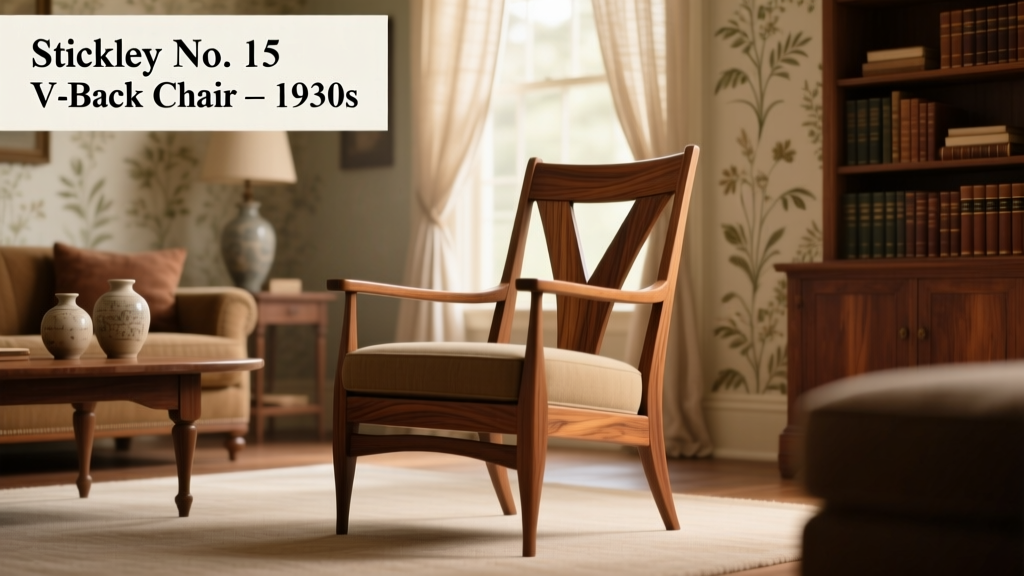
The G. Stickley No. 15 V-Back Chair: Design Legacy, Construction Integrity, and Restoration Protocol
A detailed examination of the Gustav Stickley No. 15 V-Back chair — its 1904–1915 production history, structural anatomy, original materials (quarter-sawn oak, copper-riveted joints, hand-forged hardware), authentic dimensions, period-correct finishes, and step-by-step conservation methodology for antique furniture restorers.
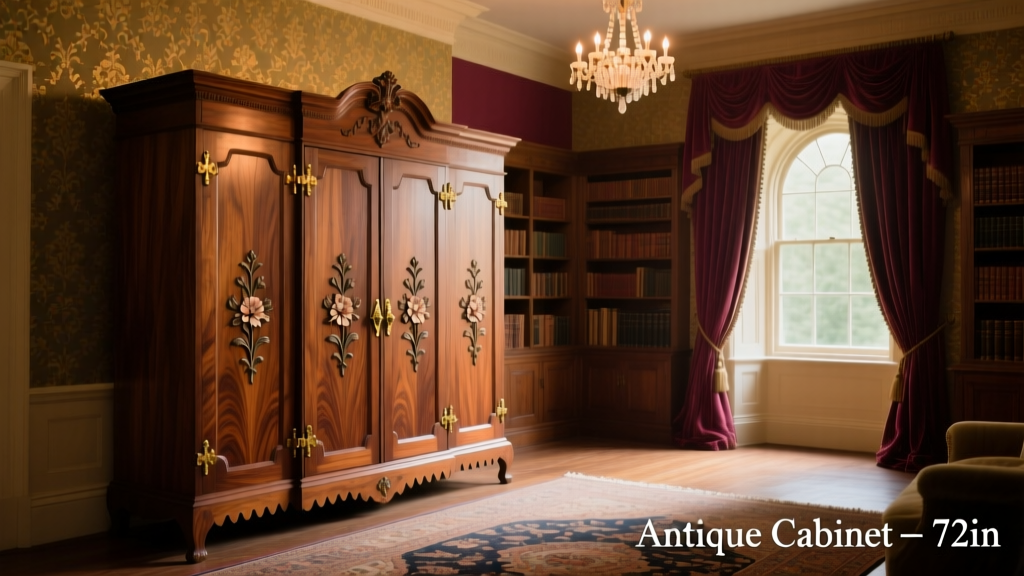
Jelly Pine Cupboard with Rattail Hinges, Scalloped Skirt, and Paneled Door: A 72-Inch American Federal-Era Cabinet Dissected
A detailed technical and historical analysis of a 72-inch-tall jelly pine cupboard featuring authentic rattail hinges, a hand-carved scalloped skirt, raised-panel doors, and original hardware — with precise measurements, wood identification protocols, restoration benchmarks, and provenance context.
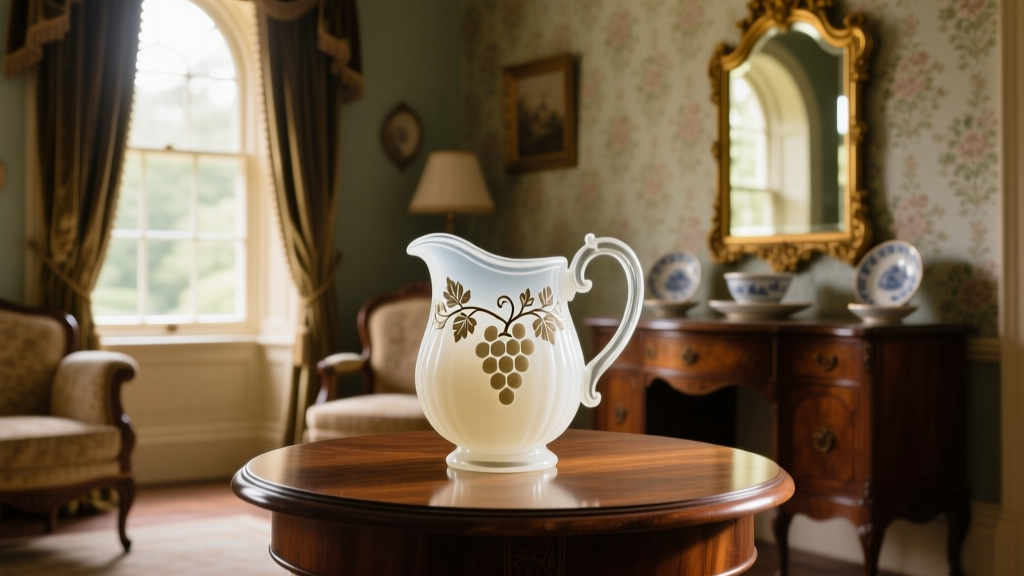
Westmoreland Glass Paneled Grape Creamer: Identifying, Valuing, and Preserving a Milk Glass Icon
A detailed examination of the Westmoreland Glass Company’s Paneled Grape creamer in milk glass—covering production history, mold variations, authentication markers, market values, conservation best practices, and collector pitfalls.
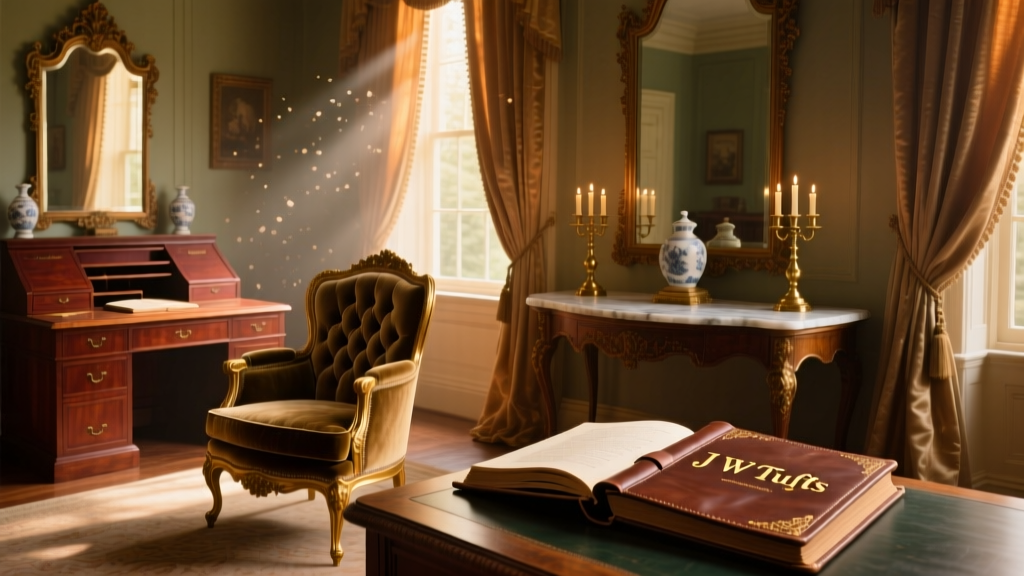
J. W. Tufts: The Forgotten Pioneer of American Patent Furniture and Early Mass-Produced Bedroom Suites
A detailed historical and technical analysis of J. W. Tufts & Co., the Cleveland-based furniture manufacturer active from 1872 to 1904, known for patented bedsteads, standardized bedroom suites, and innovative marketing—featuring original patent numbers, surviving catalog dimensions, factory floor plans, and comparative analysis with contemporaries like D. S. King and B. F. Sturtevant.
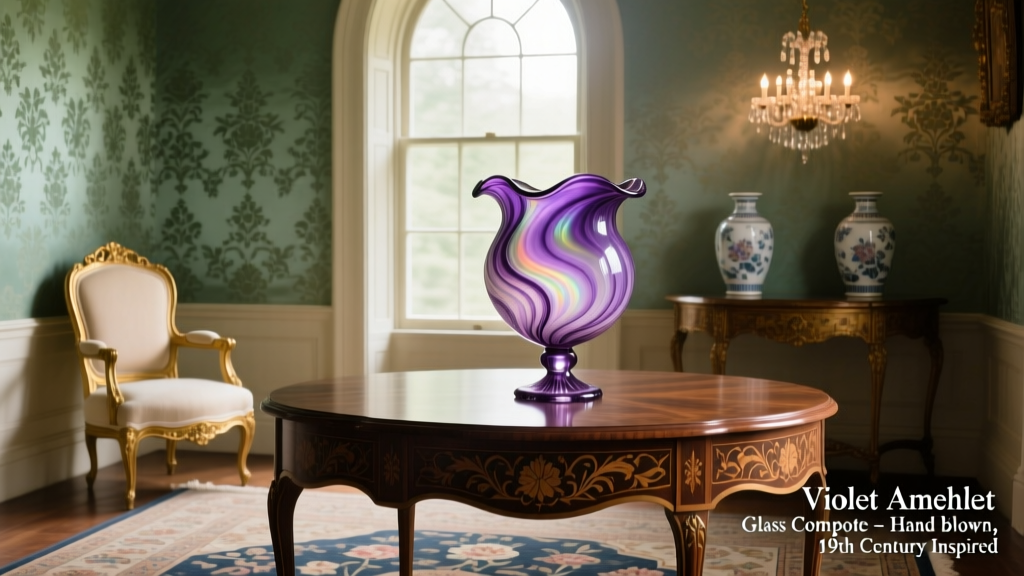
Glass-Blown Compote: Swirled Violet Amethyst with Applied Foot Stem (7½ × 6½ Inches)
A detailed appraisal and conservation guide for a rare late-19th-century American glass compote featuring hand-applied amethyst foot, swirled violet body, and signature Steuben or Mount Washington provenance — including precise dimensional analysis, material science insights, historical context, and ethical restoration protocols.
Decoding the 1139203: A Technical and Historical Analysis of the 1957 Herman Miller Eames Lounge Chair & Ottoman (Production Run Identifier)
An in-depth examination of production code '1139203' as it appears on authentic 1957 Herman Miller Eames Lounge Chairs — covering manufacturing context, material specifications, provenance verification, restoration ethics, and forensic identification techniques used by conservators.
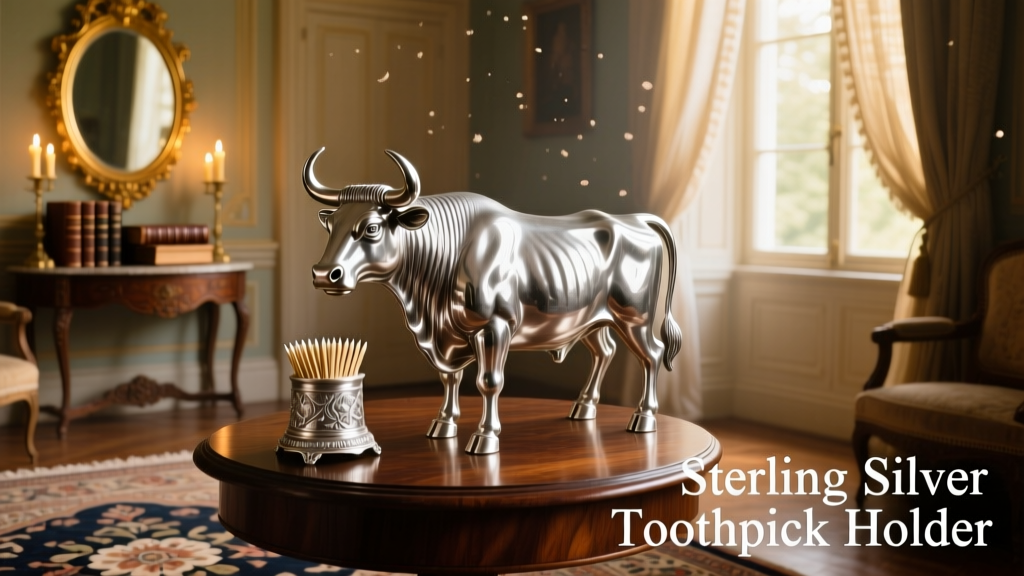
Silver Sterling Toothpick Bull (4-Inch): History, Hallmarks, and Restoration of a Victorian-Era Tableware Icon
An in-depth examination of the 4-inch silver sterling toothpick bull — a rare, figural Victorian table accessory — covering its origins with firms like Elkington & Co. and Gorham Manufacturing, hallmark analysis, metallurgical composition, collector valuation benchmarks, and ethical conservation protocols.
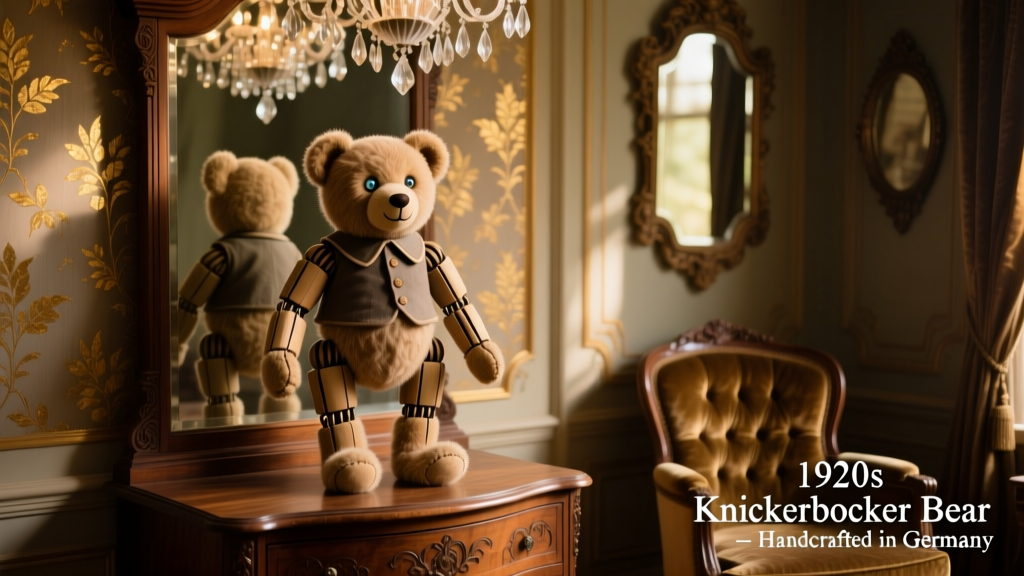
Knickerbocker Teddy Bear: A 1920s Hump-Jointed Mohair Masterpiece with Glass Eyes — Restoring History in a 27-Inch Icon
A detailed examination of the rare 1920s Knickerbocker Teddy Bear—27 inches tall, hump-jointed, mohair-covered, with authentic German glass eyes. Covers construction, materials, provenance, identification markers, conservation ethics, and restoration protocols used by professional antique furniture and soft toy conservators.
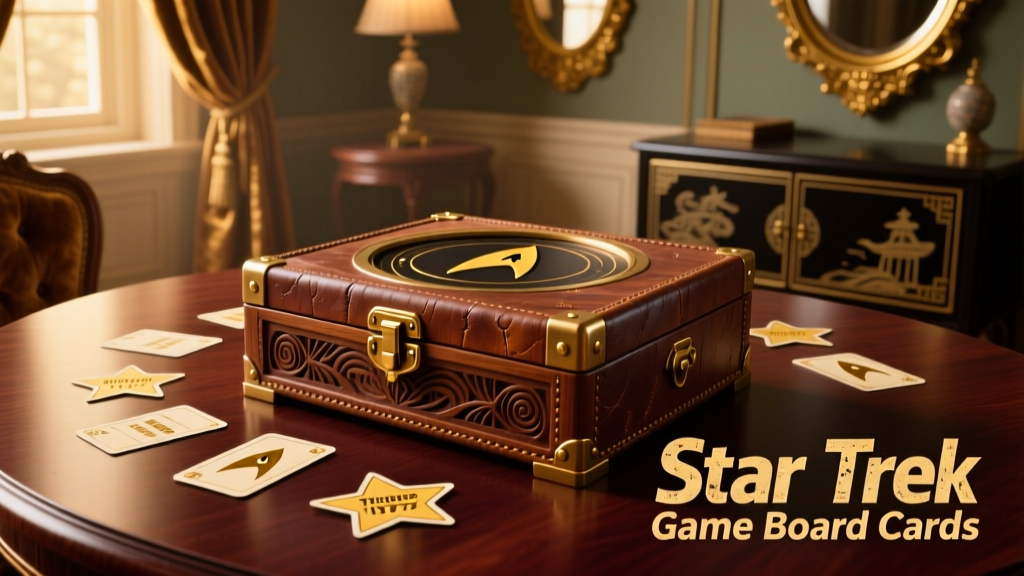
Star Trek: The Original Series Game Board, Cards, Die, and Disc Box — Ideal Toy Company, 1977 — A Collector’s Restoration & Historical Assessment
A detailed examination of the 1977 Ideal Toy Company Star Trek board game components — including the 10 × 19½-inch folding game board, 54 custom-printed cards, six-sided die, spinner disc, and original cardboard storage box — with precise measurements, material analysis, production context, and professional conservation guidance.
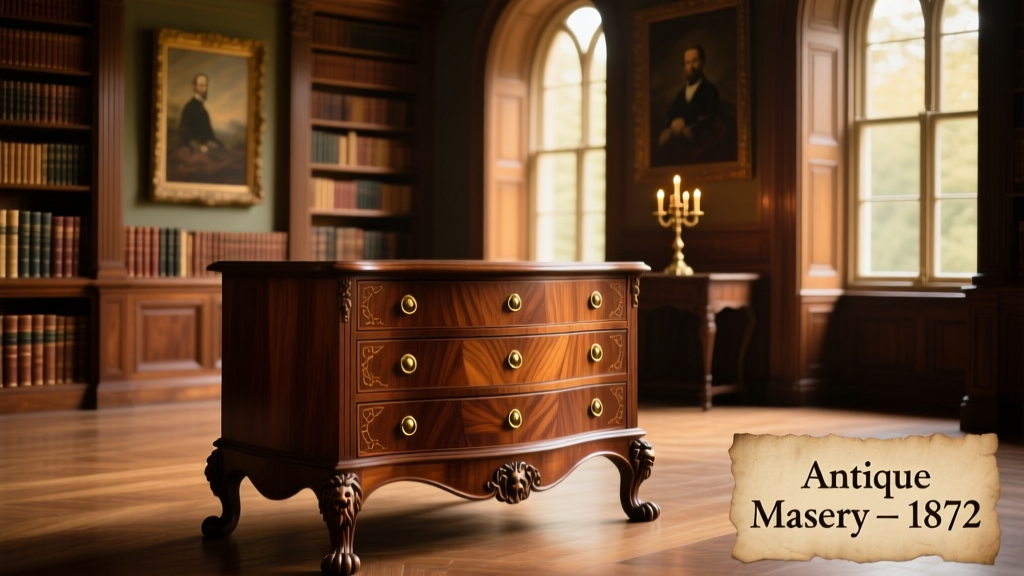
The Mahogany Furniture Server with Reverse-Curved Skirt and Molded Edge: A Restoration Specialist’s Deep Dive
A detailed technical analysis of the mid-19th century mahogany furniture server featuring a reverse-curved skirt, hand-cut molded edge, and three graduated dovetailed drawers—covering provenance, construction, material science, conservation ethics, and market valuation.