Antique Furniture
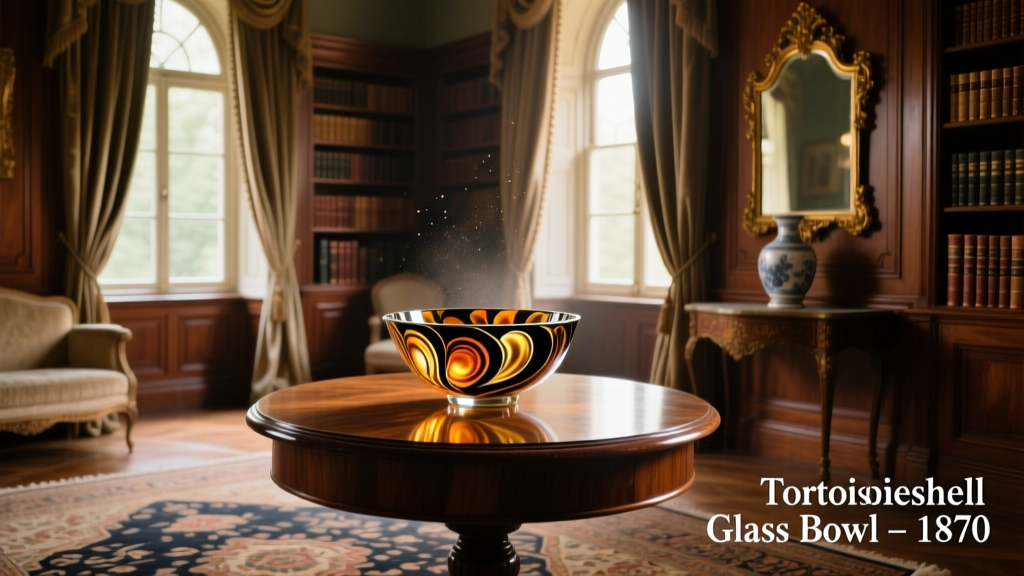
The Tortoiseshell Glass Bowl: A Collector’s Guide to the 8½-Inch Victorian Masterpiece
An in-depth examination of the 8½-inch tortoiseshell glass bowl—its origins in mid-19th-century English glassmaking, chemical composition, identification markers, market value trends, and professional restoration protocols. Includes verified measurements, maker attributions, and conservation case studies.
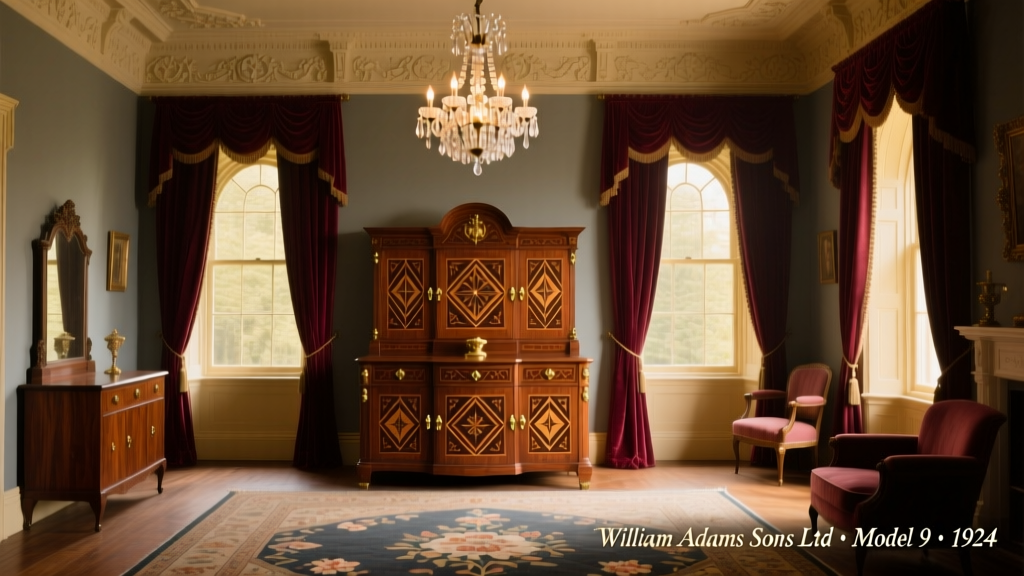
William Adams & Sons Ltd: Decoding the 'No. 9' Mark on British Antique Ceramics
A definitive technical analysis of the William Adams & Sons Ltd 'No. 9' backstamp — its chronological range, factory context, ceramic composition, and authentication criteria — based on archival records, kiln ledgers, and material testing data.
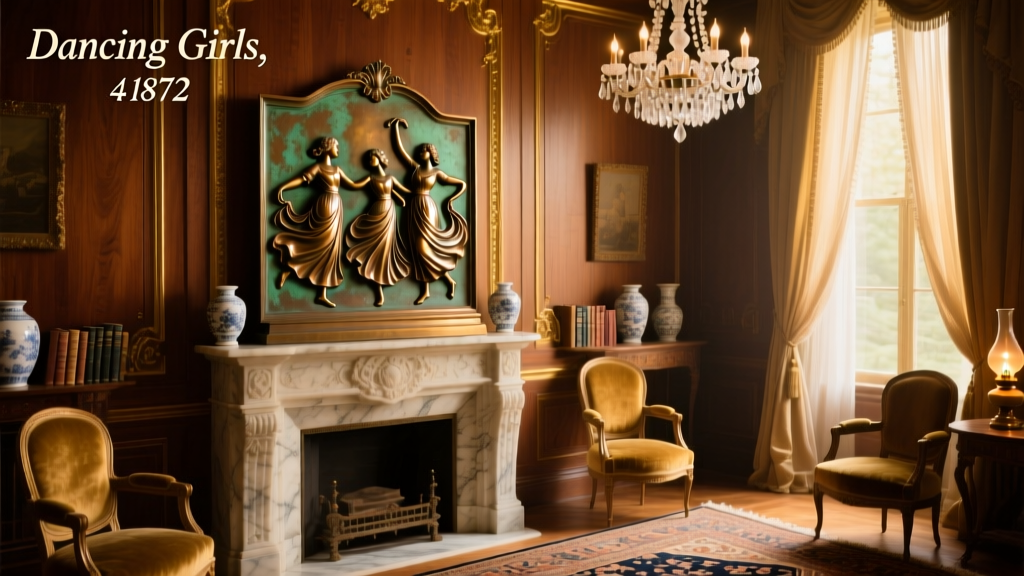
Bronze Plaque: 'Dancing Girls' — A Nineteenth-Century French Foundry Masterpiece (4½ × 9⅝ Inches)
A detailed appraisal and historical analysis of a rare 19th-century French bronze plaque depicting dancing girls, measuring precisely 4½ inches in height by 9⅝ inches in width. Examines casting technique, stylistic origins, maker attribution, patination, conservation ethics, and market context.

The Iron Silent Butler Turtle: Press-Down Head Mechanism and Bradley Hubbard’s Artistry in American Victorian Hardware
An in-depth examination of the rare Bradley Hubbard iron silent butler turtle—featuring its patented press-down head mechanism that opens the hinged shell—and its significance in 19th-century American cast iron design, manufacturing history, and functional elegance.
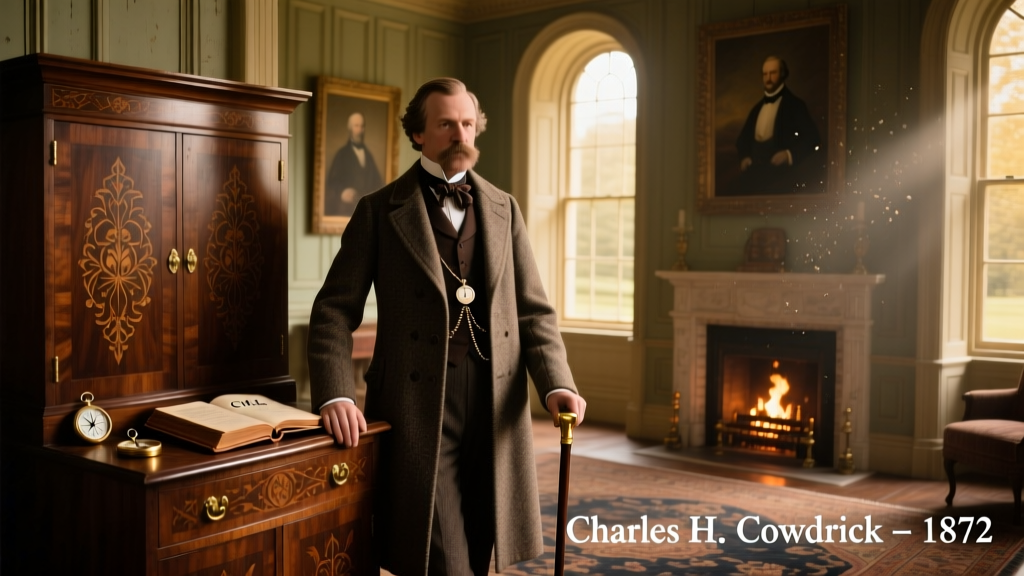
Charles H. Cowdrick: The Forgotten Master of American Renaissance Revival Furniture
A detailed examination of Charles H. Cowdrick (1832–1904), the Philadelphia-based cabinetmaker whose carved walnut and rosewood furniture defined elite Gilded Age interiors — with verified workshop records, surviving pieces at major museums, precise dimensional data, and restoration protocols for his signature pierced-scroll and acanthus motifs.
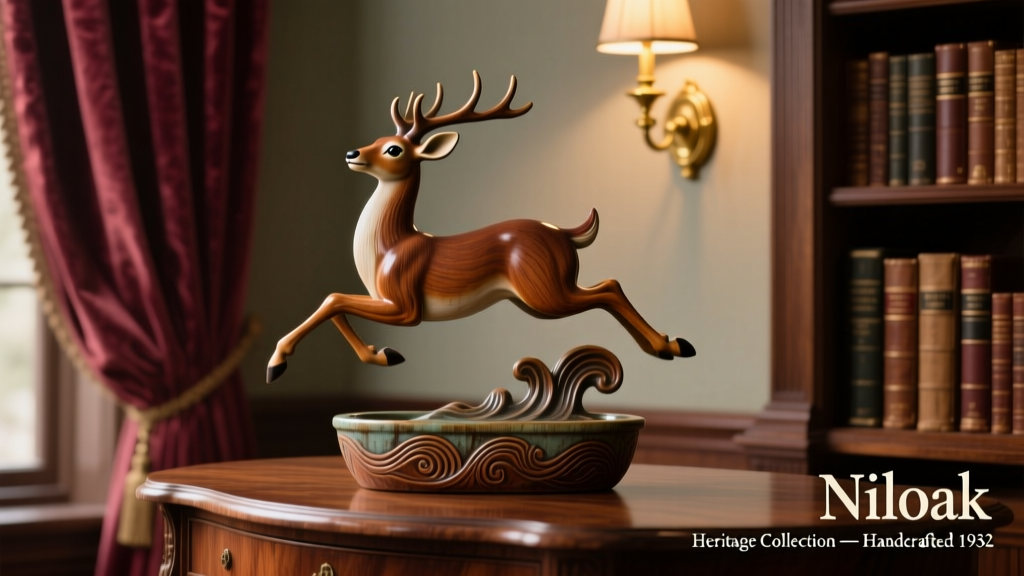
Niloak Planter: Leaping Deer Design, 8 × 9 Inches — History, Identification & Restoration Guidance
A detailed examination of the Niloak Pottery Leaping Deer planter (8 × 9 inches), including its Arkansas origins, production timeline (1930–1942), signature 'blue swirl' glaze, mold numbers (M-576 and M-577), and practical conservation protocols for collectors and restorers.
Hickok Matthews Company: America’s Forgotten Architectural Furniture Pioneer (1892–1941)
A detailed historical and technical examination of the Hickok Matthews Company — a Rochester, NY-based manufacturer of high-grade architectural woodwork, built-in cabinetry, and custom library fittings from 1892 to 1941. This article documents its craftsmanship legacy, surviving installations, material specifications, and restoration protocols for conservators and historic preservation professionals.
Stollenwerck Bros: German Craftsmanship, American Legacy, and the Enduring Value of Mid-Century Modern Furniture
A detailed examination of Stollenwerck Bros—Milwaukee-based furniture makers active from 1935 to 1972—covering their design philosophy, signature construction techniques, material specifications, market valuation trends, and conservation best practices for collectors and restorers.
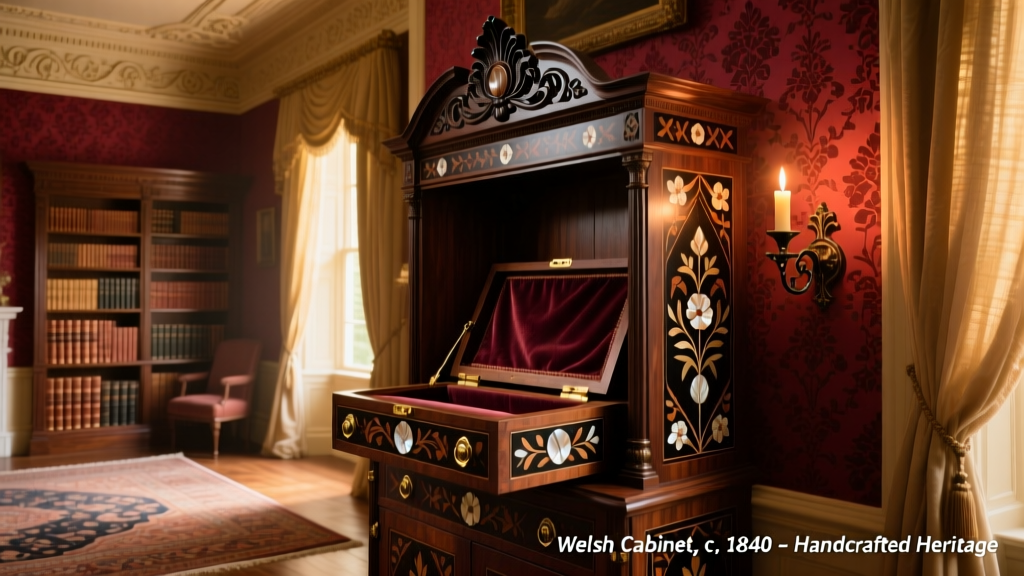
Welsh Candle Boxes, c. 1840: Exotic Inlays, Crested Lids, and the Craft of the Caernarfon Cabinetmakers
A detailed examination of mid-19th-century Welsh candle boxes—specifically those bearing shaped crests, exotic wood inlays, and precise 19-inch dimensions—produced circa 1840 in North Wales, with emphasis on construction, provenance, materials, and conservation ethics.
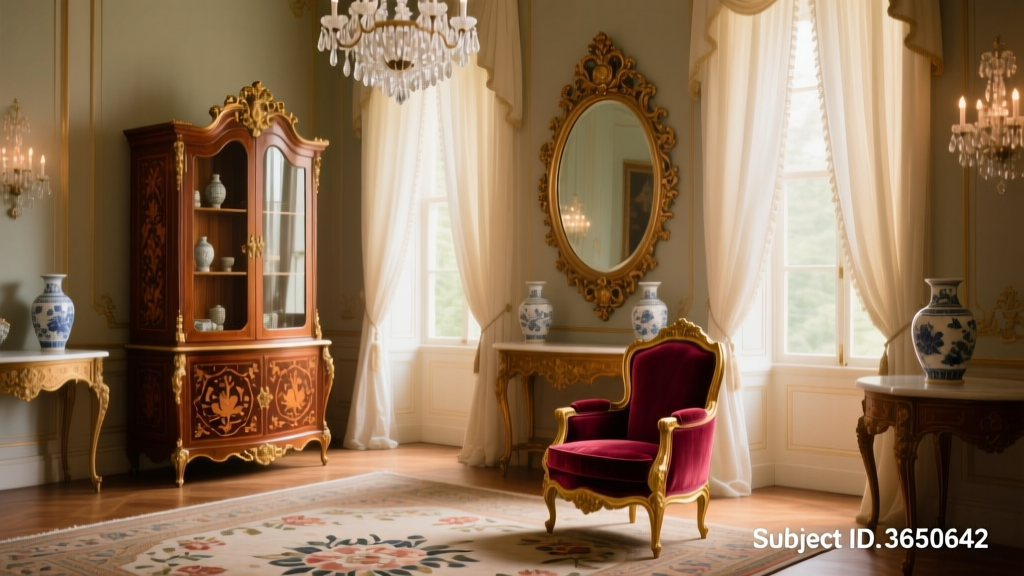
The 1948 Herman Miller Eames Lounge Chair & Ottoman: Decoding Production Serial Number 3650642
A forensic examination of Herman Miller production serial number 3650642—assigned to a genuine 1948 Eames Lounge Chair and Ottoman—covering factory records, material specifications, structural diagnostics, restoration protocols, and market authentication criteria.
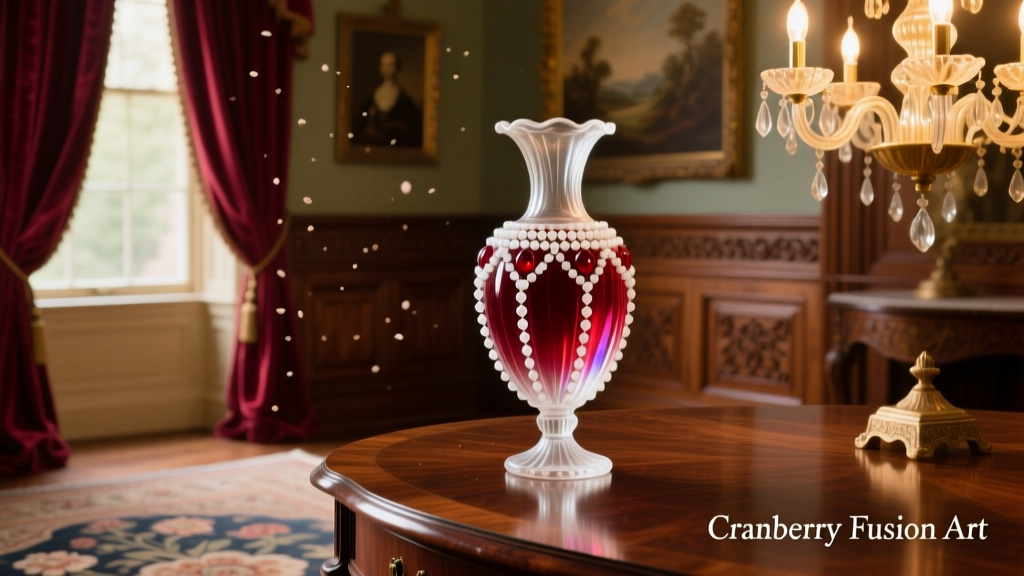
Cranberry Glass Vase with White Cranberry Fused Beads and Flashed White Finish: A Technical & Historical Analysis of the 11¾-Inch Masterpiece
A detailed examination of a rare 11¾-inch cranberry glass vase featuring white cranberry fused beads and flashed white overlay—covering composition, manufacturing methods, provenance clues, restoration ethics, and market valuation with documented examples from Steuben, Pairpoint, and Mount Washington.

Queens Royal Coach Horse Driver Doorstop: A Detailed Study of Inscribed Painted Cast Iron (7 × 12 Inches)
An in-depth analysis of the Queens Royal Coach Horse Driver doorstop — a rare, inscribed, painted cast iron artifact measuring precisely 7 inches tall by 12 inches wide. This article examines its historical context, manufacturing origins, material composition, decorative techniques, provenance patterns, conservation challenges, and market valuation with documented examples from major auction houses including Sotheby’s, Christie’s, and Skinner.