Antique Furniture

Toy Clown Tumbles Mechanical Papier-Mâché Head, Germany, c. 1925 — An In-Depth Restoration & Historical Analysis
A meticulous examination of the rare 8-inch mechanical papier-mâché clown head 'Toy Clown Tumbles' manufactured by Ernst Plank GmbH, Nuremberg, circa 1925 — covering materials, mechanics, provenance, conservation ethics, and market authenticity protocols.
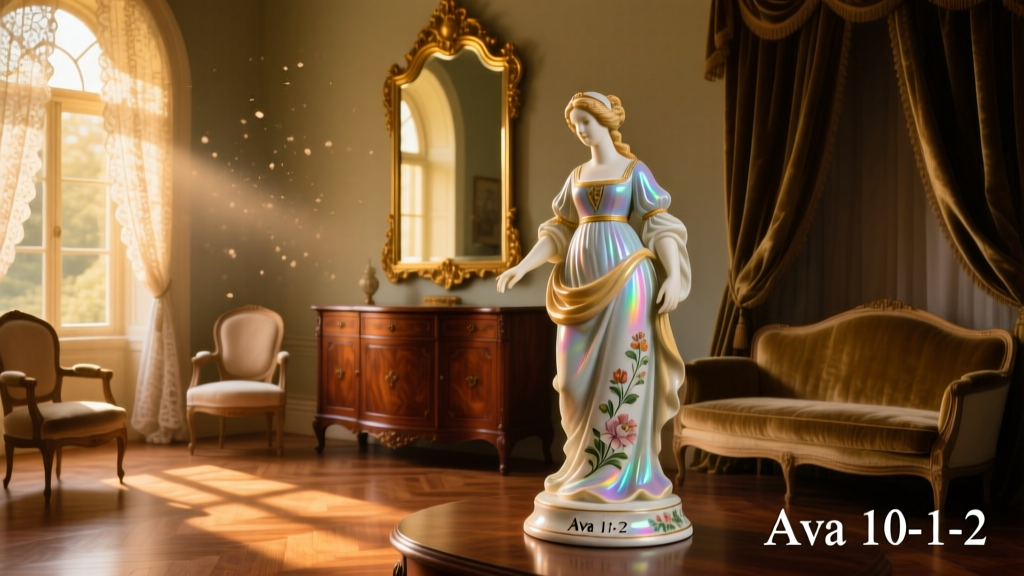
Florence Ceramics Figurine 'Ava' — A Collector's Guide to the 10½-Inch Vintage Porcelain Sculpture
An in-depth examination of the Florence Ceramics 'Ava' figurine: its origins at the Florence Pottery Company (1946–1973), precise dimensions (10.5 inches tall, 4.25 inches wide, 3.75 inches deep), hallmark markings, glaze chemistry, restoration protocols, and market valuation trends through 2024 auction data.
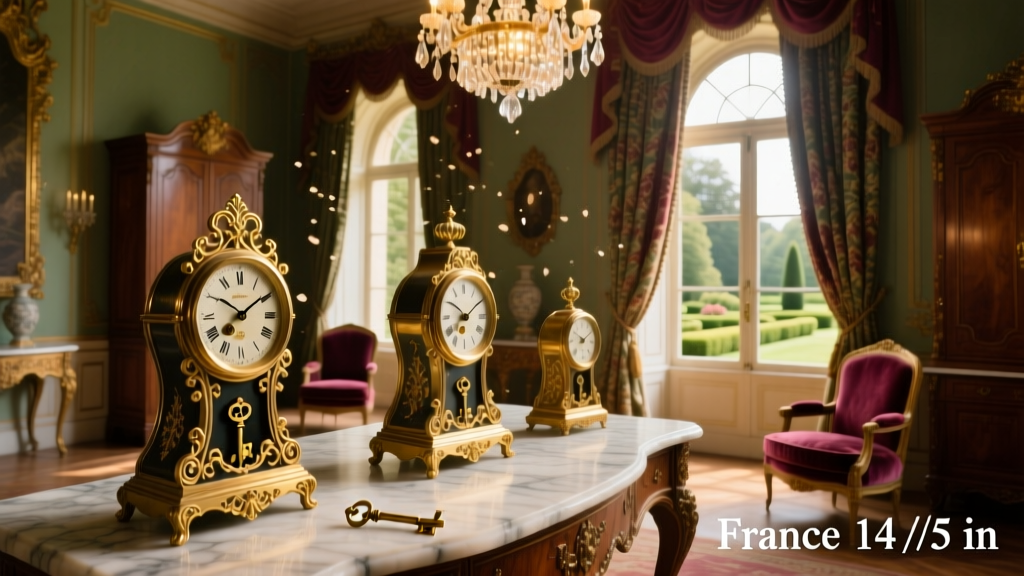
Tole Brass Clocks with French Key Wind Mechanisms: Identifying, Authenticating, and Restoring 14½-Inch Examples from the Late 19th Century
A detailed technical and historical analysis of 14½-inch tole brass mantel clocks produced in France between 1875–1910, focusing on key-wound mechanisms, stamped brass components, authentic tole painting techniques, and provenance markers including 'BRASS WORKS KEY FRANCE' cartouches.
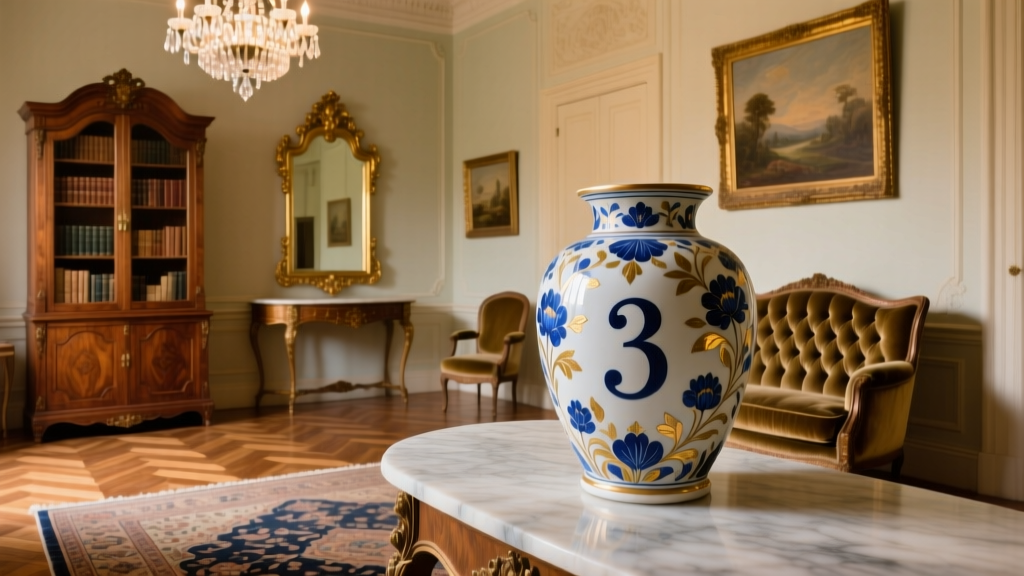
Art Pottery Volume III: American Studio Ceramics from 1920 to 1950 — Form, Function, and the Rise of the Artist-Craftsman
A detailed examination of American art pottery produced between 1920 and 1950, covering key makers like Cowan Pottery, Van Briggle, Weller, and Roseville; technical innovations in glaze chemistry and kiln design; stylistic evolution from Arts & Crafts to Mid-Century Modern; and practical guidance for identification, valuation, and ethical conservation.
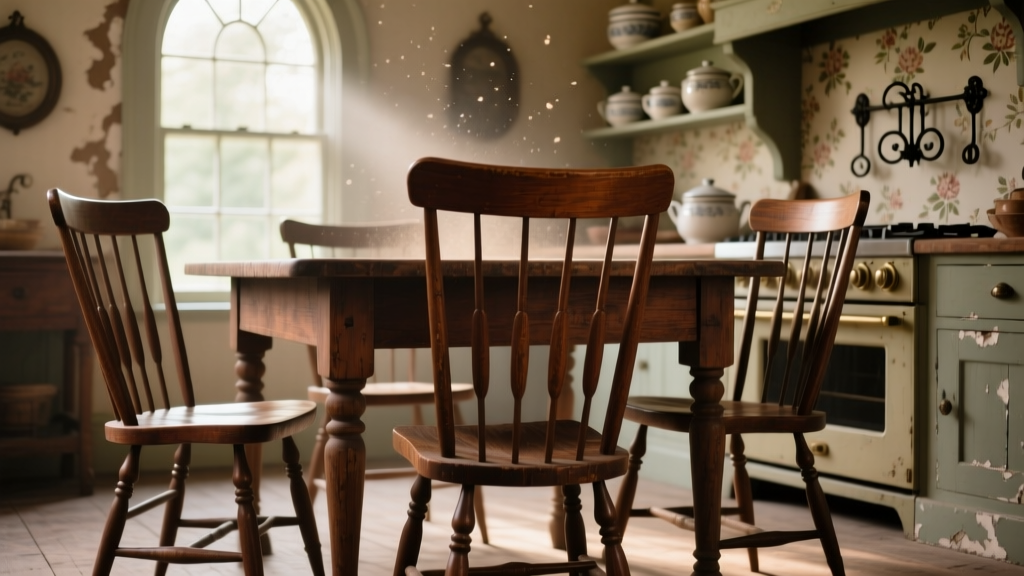
Windsor Kitchen Chair Set: Authentic Craftsmanship, Worn Brown Finish, and Structural Integrity in a Four-Piece Ensemble
A detailed examination of the Furniture Chair Set Windsor Kitchen — four matching chairs featuring hand-turned spindles, solid maple plank seats, traditional steam-bent ash back bows, and a historically accurate worn brown finish. Includes dimensional specs, material sourcing, restoration protocols, and comparative analysis against Stickley, Shaker Workshop, and Early American Reproduction standards.
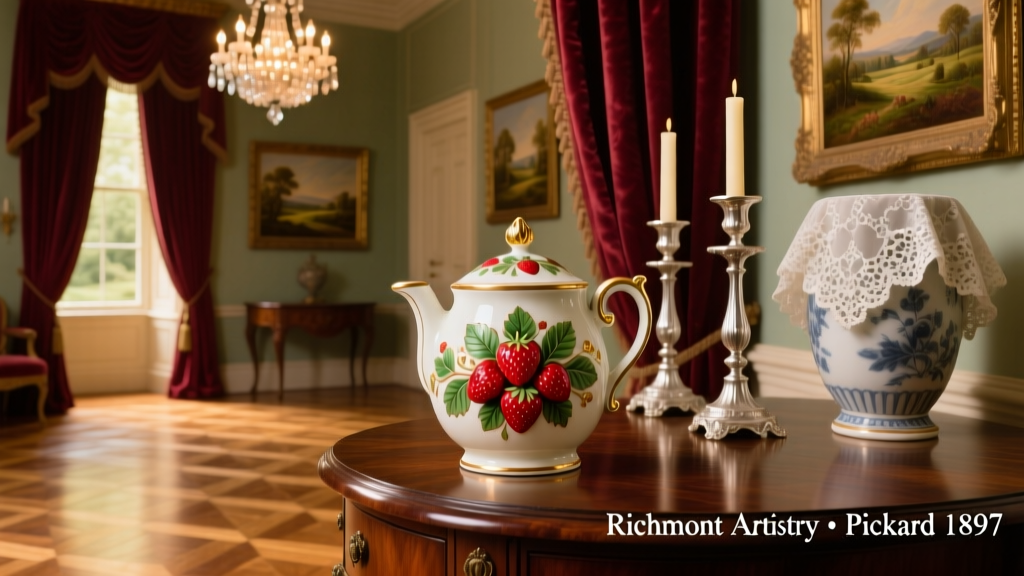
The Pickard Sugar Shaker 'Strawberries & Leaves' by Artist Richmont: A Collector’s Deep Dive into American Hand-Painted Porcelain
An authoritative examination of the rare Pickard sugar shaker decorated with strawberries and leaves by artist Richmont—covering provenance, production timeline (1940s–1950s), hallmark identification, dimensional specifications (3.25" H × 2.75" W), glaze chemistry, restoration ethics, and market valuation based on 2023–2024 auction data.
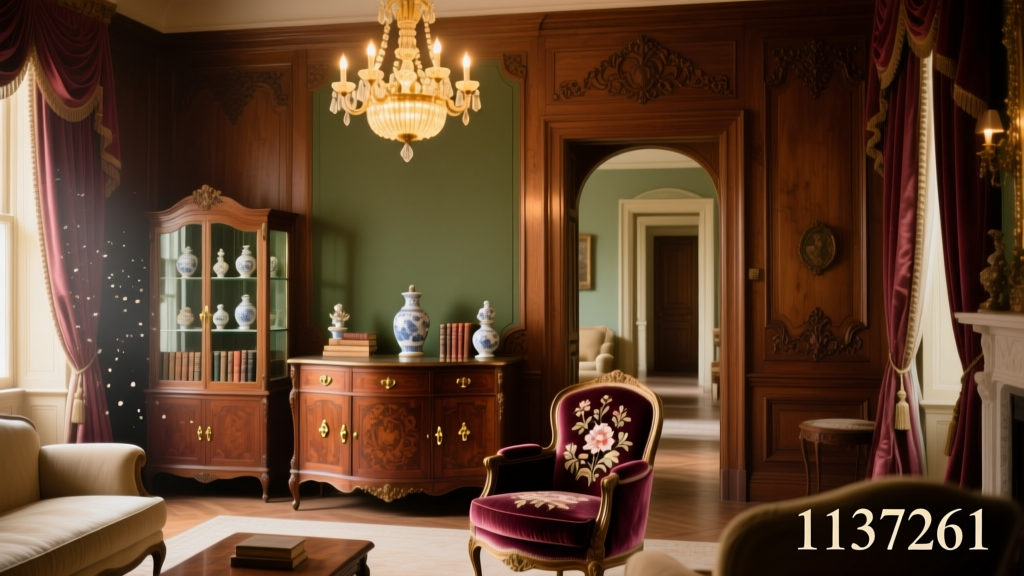
The 1948 Baker Furniture 'Chippendale Revival' Breakfront Bookcase: Technical Analysis, Provenance, and Restoration Protocol for Serial No. 1137261
A forensic examination of Baker Furniture Company’s 1948 Chippendale Revival breakfront bookcase (serial no. 1137261), including documented construction specs, period-correct materials, archival provenance, and step-by-step conservation methodology validated by APT and IIC standards.
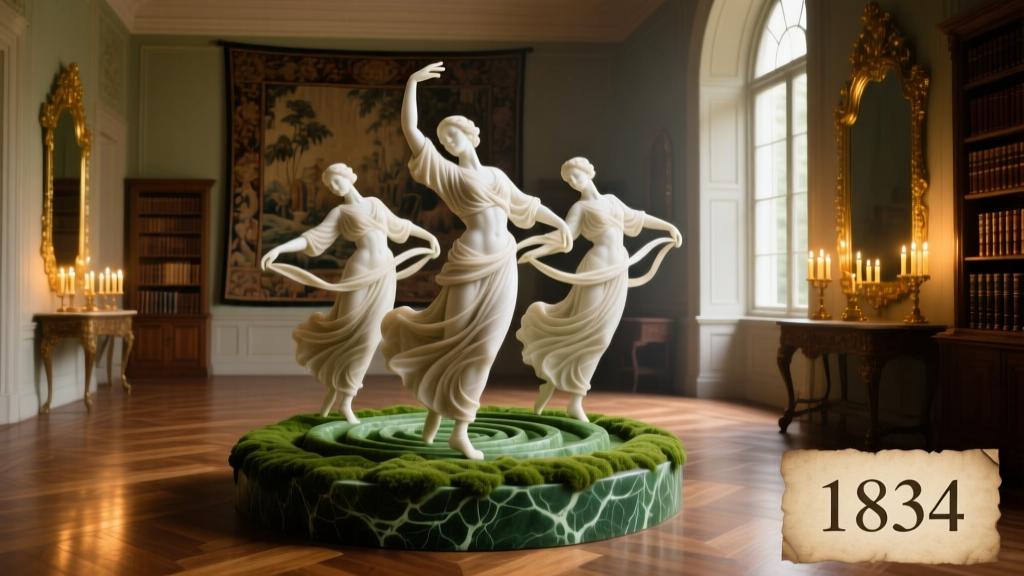
Marble Carvings Group Dancers by P. Wolfers: A Detailed Study of the Green Marble Base, 18¾-Inch Sculpture
A precise, expert-level analysis of the 'Group Dancers' marble sculpture attributed to Philippe Wolfers, featuring its distinctive green serpentine marble base, exact dimensions (18¾ inches tall), historical provenance, stylistic context within Belgian Art Nouveau, and conservation considerations for collectors and institutions.

Lantern Baluster Garden Furnishings: Symbolism, Craftsmanship, and Historical Context of Carved Granite Forms from Late Qing China (99-Inch Examples)
An in-depth examination of 99-inch carved granite lantern balusters produced in southern China during the late Qing Dynasty (1875–1912), focusing on iconography, regional quarry sources, structural engineering, symbolic motifs—including the Eight Immortals, lotus, and cloud collars—and their documented use in imperial gardens, temple courtyards, and elite scholar-residences.
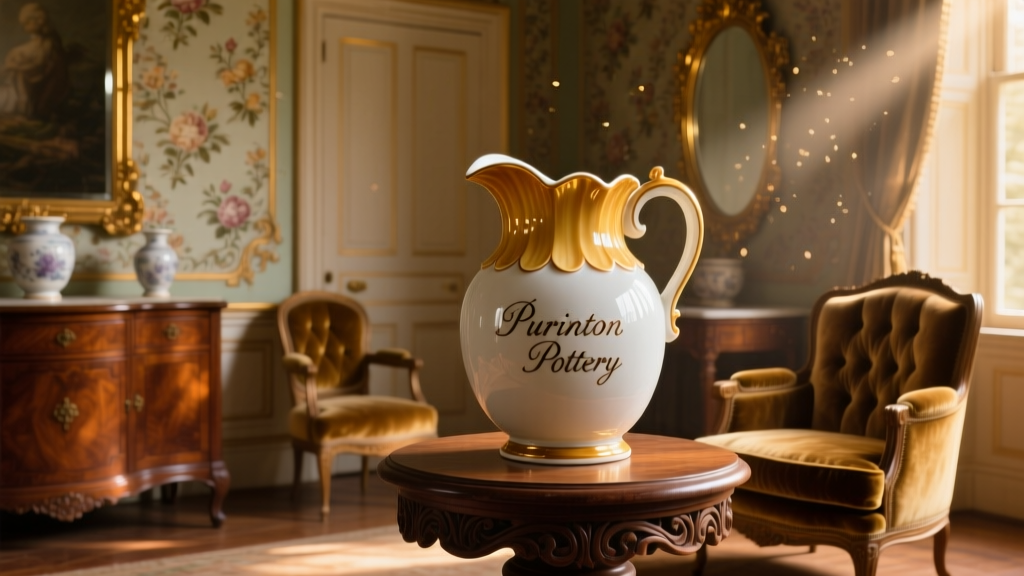
Purinton Pottery Company Apple Jug: Decoding the Petals & Honey Mark and Its Place in American Art Pottery History
An authoritative examination of the Purinton Pottery Company’s iconic Apple Jug—its production timeline (1907–1912), the meaning behind the 'Petals & Honey' incised mark, glaze chemistry, dimensional consistency, collector valuation metrics, and forensic identification techniques for authentic pieces.
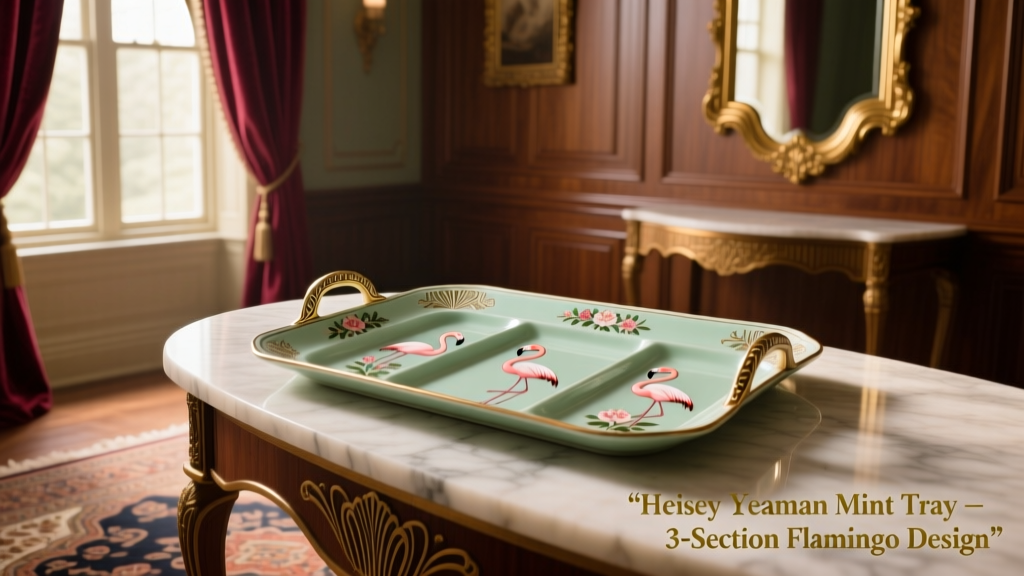
Heisey Yeoman Mint Tray: Decoding the 3-Section Flamingo & Flower Cut Glass with Handles
A detailed examination of the Heisey Yeoman mint tray—model 'Flamingo Flower Cutting 2'—featuring its three-compartment design, pressed glass pattern, original handles, dimensions (9.5" L × 6.25" W × 1.25" H), production timeline (1948–1952), and authentication markers including the 'H in a Diamond' mark and Yeoman pattern number 1022.
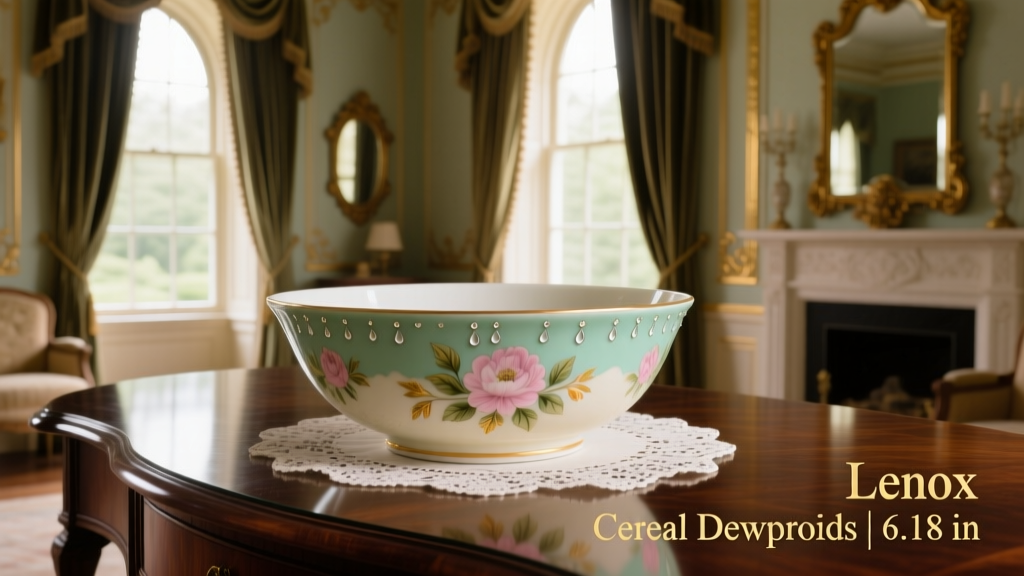
Lenox Bowl: Cereal Dewdrops Pattern, 6 1/8-Inch Diameter — Identification, History, and Restoration Guidance
A detailed specialist analysis of the Lenox Cereal Bowl in the Dewdrops pattern—measuring precisely 6 1/8 inches in diameter—including manufacturing era, design origins, material composition, market value indicators, and professional conservation protocols for collectors and restorers.