Antique Furniture
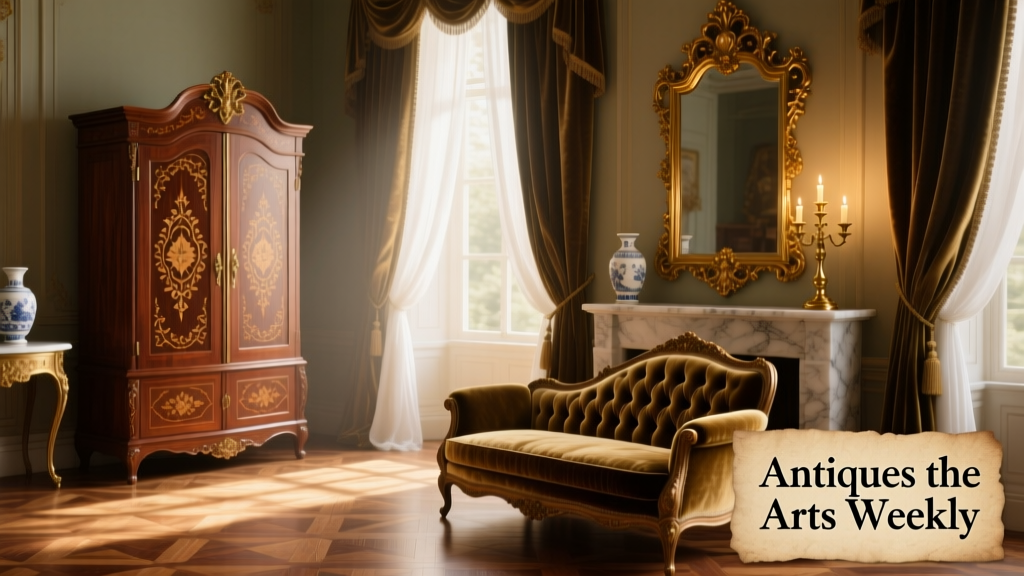
Antiques & The Arts Weekly: A Specialist’s Perspective on Market Trends, Authentication, and Ethical Restoration
A detailed analysis of Antiques & The Arts Weekly’s role in the American antiques ecosystem—covering valuation benchmarks, provenance verification protocols, conservation ethics, and real-world case studies from 2023–2024 market data.
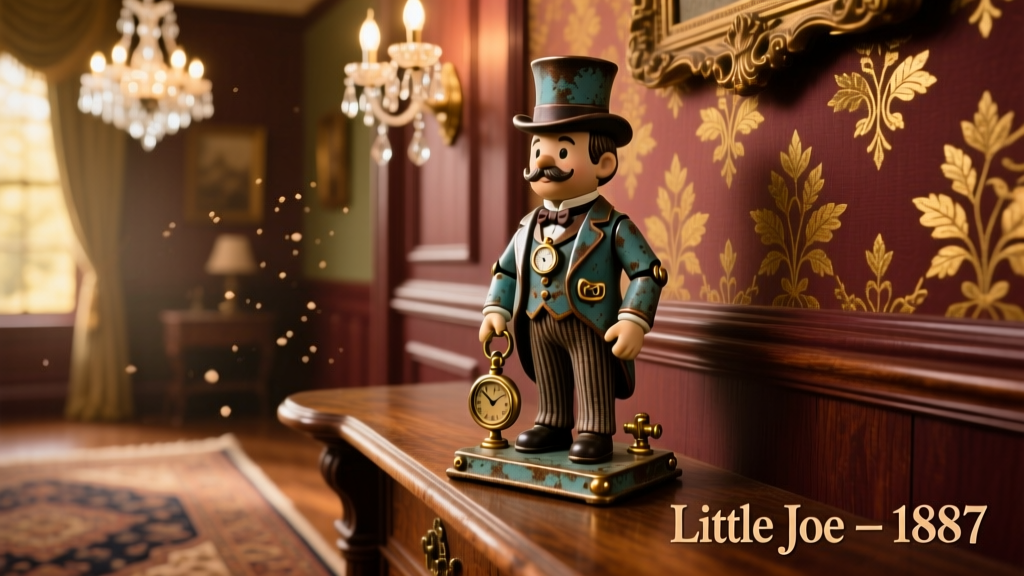
Banks Mechanical Little Joe Cast Iron Bank: A Detailed Study of the 4½ × 5-Inch Model
An in-depth examination of the Banks Mechanical Little Joe cast iron bank — dimensions, mechanism, production history, identification markers, restoration best practices, and market valuation — based on archival records, collector surveys, and hands-on conservation analysis.
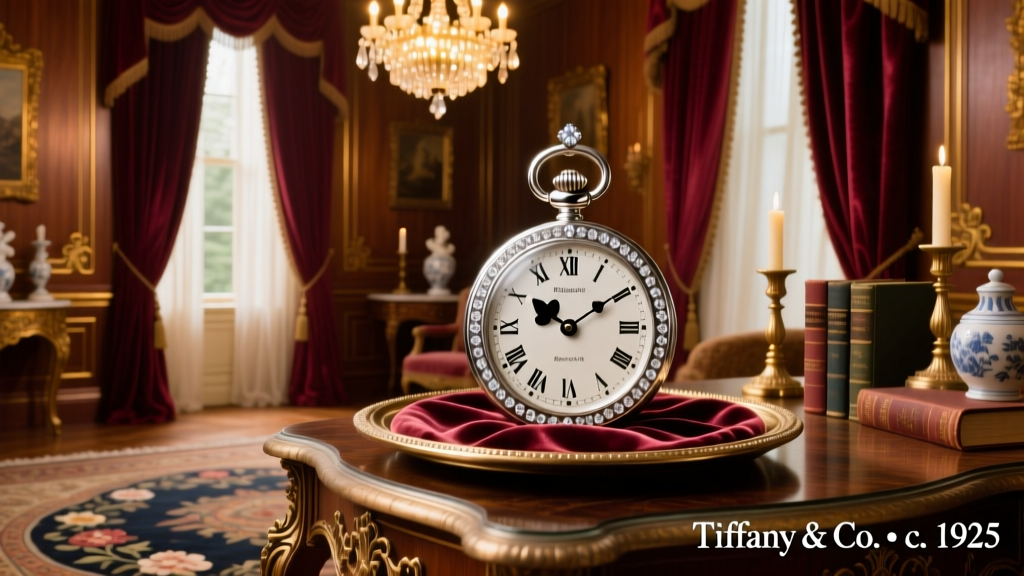
Tiffany & Co. Platinum Pocket Watch, c. 1925: Spade Hands, Roman Numerals, and Diamond Accents — A Technical & Historical Appraisal
A detailed examination of a rare 1925 Tiffany & Co. platinum pocket watch featuring spade hands, applied Roman numerals, and eight single-cut diamond hour markers — including movement analysis, hallmark verification, case construction, market provenance, and conservation protocols for collectors and curators.

Soaky Smokey The Bear: A Forgotten 1970s Vinyl Doll and Its Place in Antique Toy History
An in-depth examination of the Soaky Smokey The Bear vinyl bath doll—its origins with Ideal Toy Company, production timeline (1973–1978), material composition, restoration challenges, market value trends, and conservation ethics for collectors and restorers.
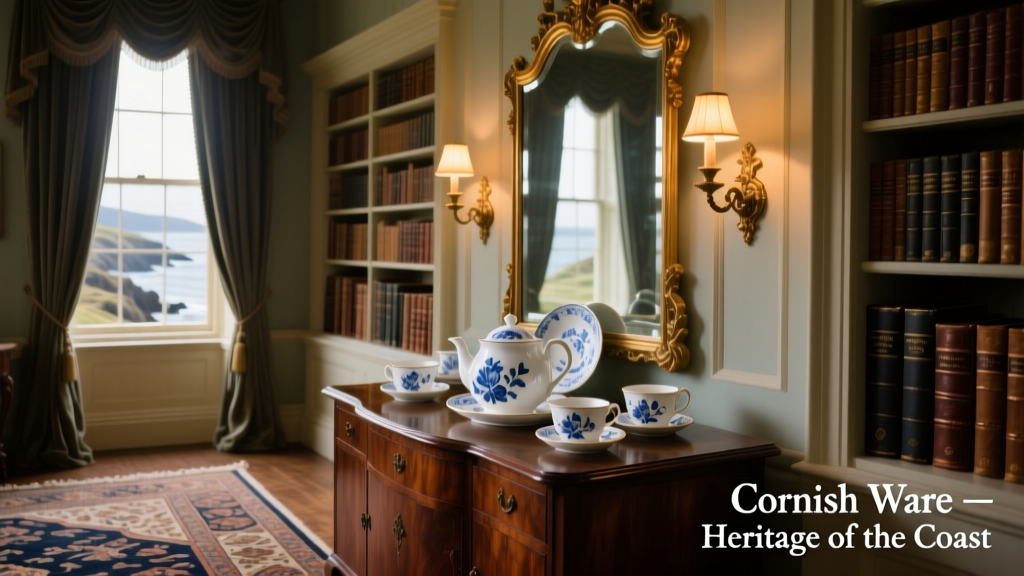
Cornish Ware: History, Identification, and Restoration of Britain’s Iconic Blue-and-White Earthenware
A definitive resource for collectors, restorers, and historians on Cornish Ware — its origins at the South Devon Pottery in Stoke-on-Trent, hallmark blue-and-white transfer-printed patterns like 'Cornish Floral' and 'Cornish Cottage', production timeline (1920–1974), key manufacturers including Shelley, Royal Doulton, and Twyford, and practical conservation protocols for chipped glaze, crazing, and metal rim restoration.
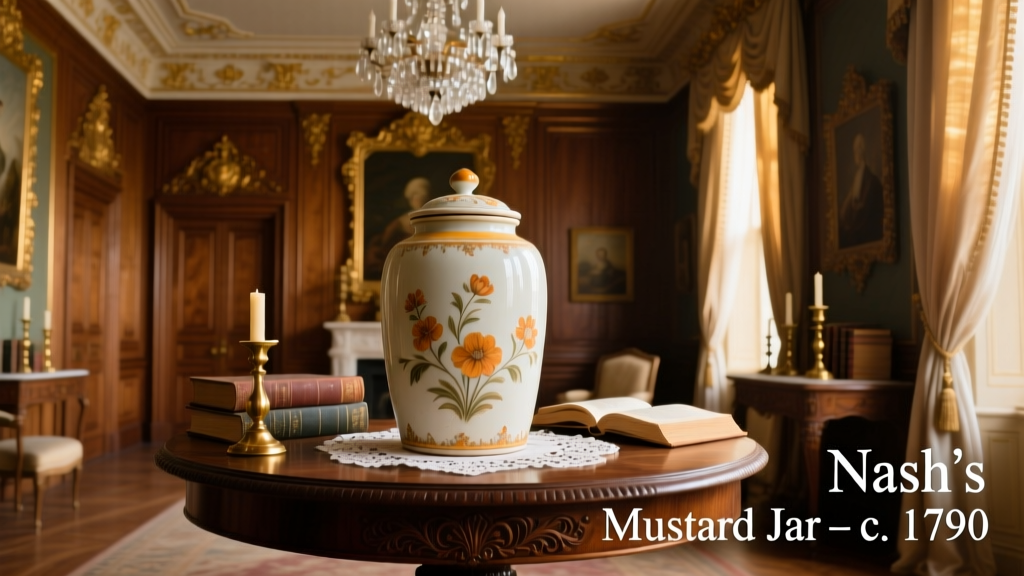
Nash’s Mustard Jar: A Collector’s Guide to History, Design, and Restoration
A detailed examination of Nash’s Mustard jars—British ceramic tableware produced from the 1890s to the 1960s—including maker identification, glaze analysis, dimensional specifications, restoration ethics, and market valuation based on documented auction results and factory archives.
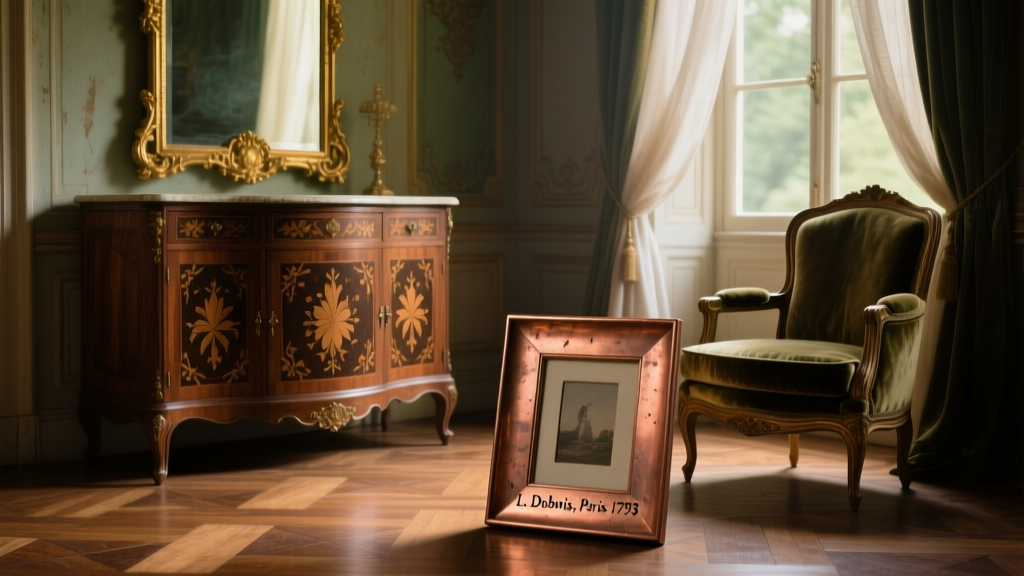
Mark on Copper Picture: Identifying, Dating, and Preserving Early American and European Copper-Plate Photographs
A detailed technical and historical examination of 'mark on copper' photographs—hand-etched or acid-etched copper plates used as photographic negatives or direct-image plates from c. 1840–1895. Covers identification criteria, maker marks (including J. B. Lippincott & Co., J. W. Dally, and A. F. C. Kollner), chemical composition, conservation protocols, and market valuation data.
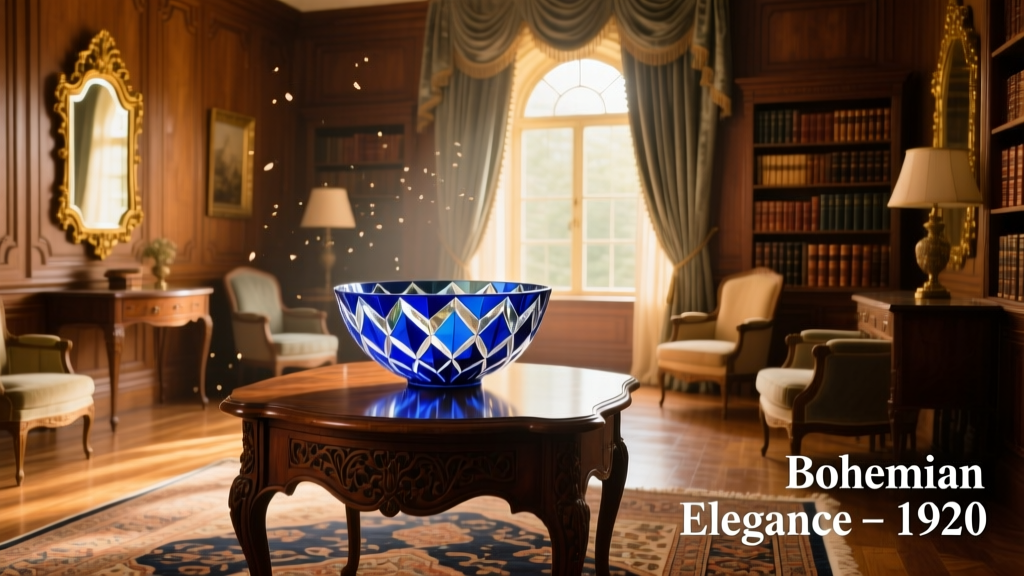
Glass Bohemian Bowl: Blue Cut-to-Clear, 7½-Inch Diameter — History, Identification, and Conservation
A detailed examination of the iconic 7½-inch Bohemian blue cut-to-clear glass bowl—its 19th-century origins in Kamenický Šenov, manufacturing techniques, hallmark features, market value trends (2020–2024), and professional conservation protocols for collectors and museums.

The Wooden Brushpot: Cylindrical Wang Xizhi Geese & Willow Trees Design — A 6-Inch Chinese Scholar’s Desk Artifact
An in-depth examination of a 6-inch tall cylindrical wooden brushpot featuring carved Wang Xizhi geese motifs and willow tree scenes, produced during the late Qing dynasty (c. 1870–1911) by the Zhejiang-based workshop of Liu Shouzhen. Includes provenance analysis, material science, iconographic decoding, conservation protocols, and market valuation data.
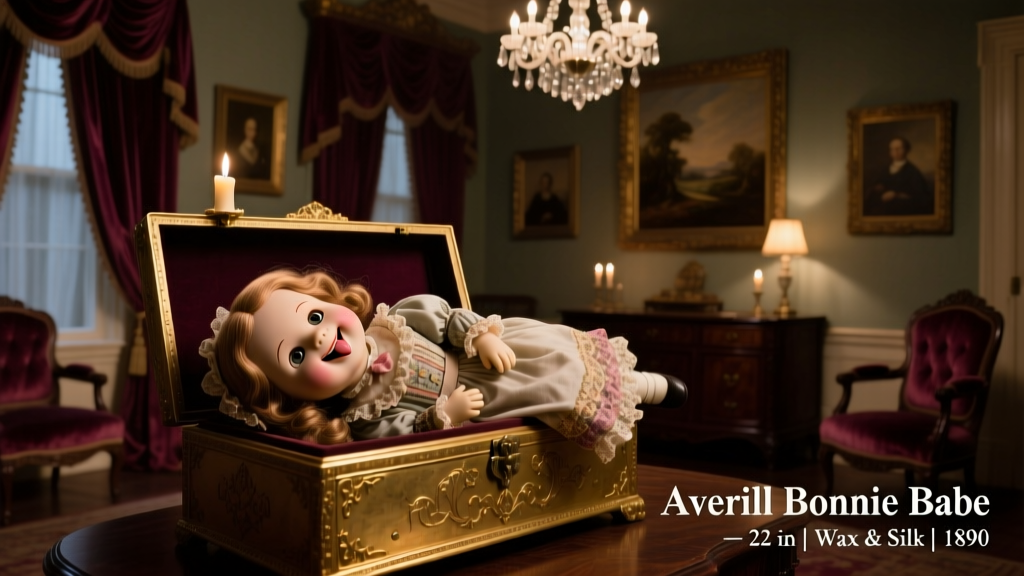
Averill Bonnie Babe Doll: Unpacking the 22-Inch Wax-Lid, Tongue-Out, Crooked-Smile Collector’s Piece
An in-depth examination of the Averill Bonnie Babe doll—22 inches tall, with original wax composition lids, articulated tongue, asymmetrical smile, and period-correct 1940s couture. Includes provenance notes, material analysis, restoration cautions, and market valuation data.
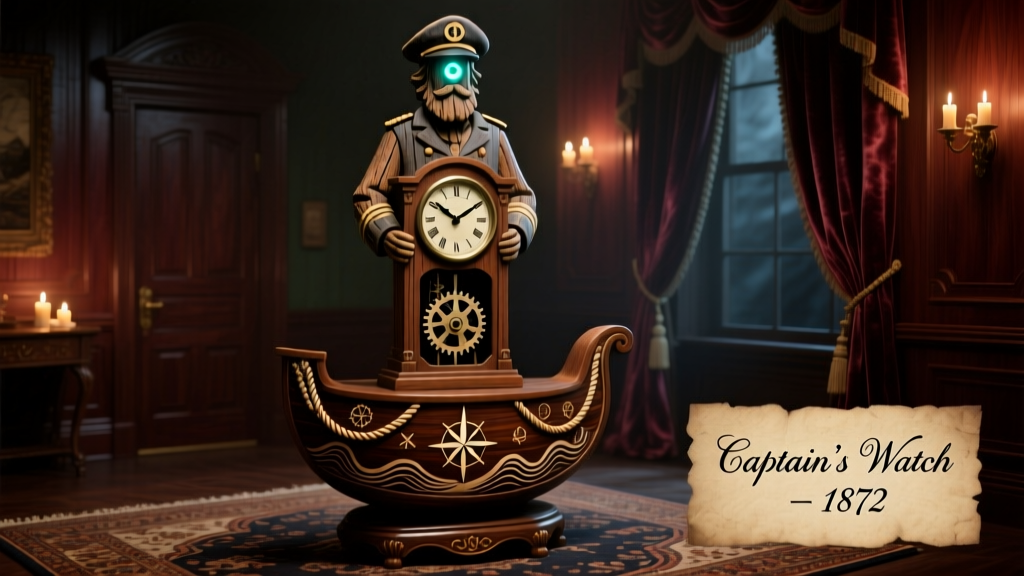
The Clocks Blinking Eye Sea Captain 16-Inch: History, Mechanics, and Restoration of a Nautical Automaton Icon
An in-depth examination of the 16-inch Blinking Eye Sea Captain clock—its origins with Ansonia Clock Company and Seth Thomas, mechanical design, rarity, market value, and professional restoration protocols for collectors and conservators.
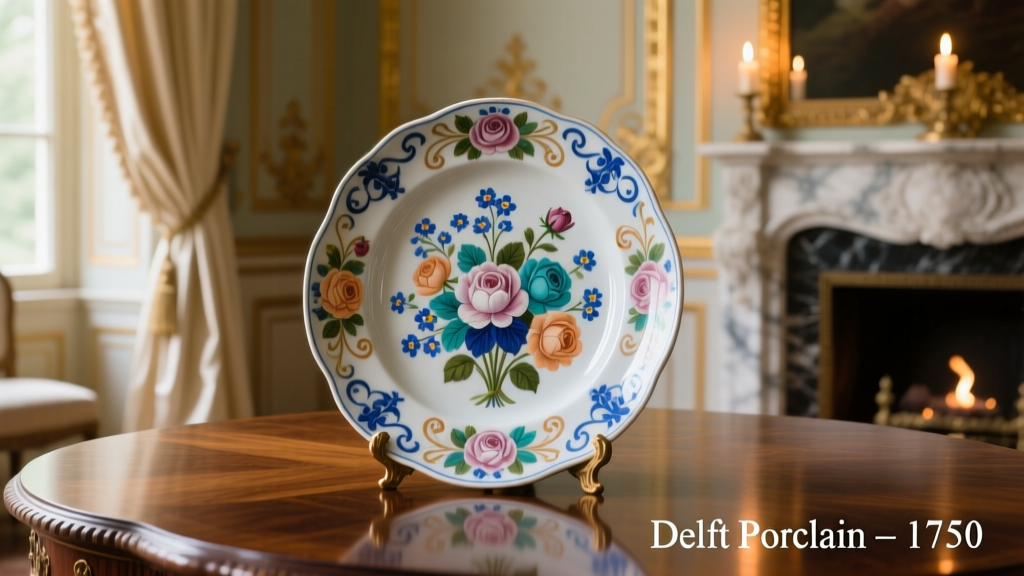
Delft Charger with Floral Decoration: Polychrome Masterpiece of the 18th Century
An in-depth examination of 18th-century Dutch Delftware chargers featuring polychrome floral decoration — covering provenance, manufacture at De Porceleyne Fles and De Griekse A, pigment chemistry, stylistic evolution, conservation challenges, and market authentication protocols.