Antique Furniture
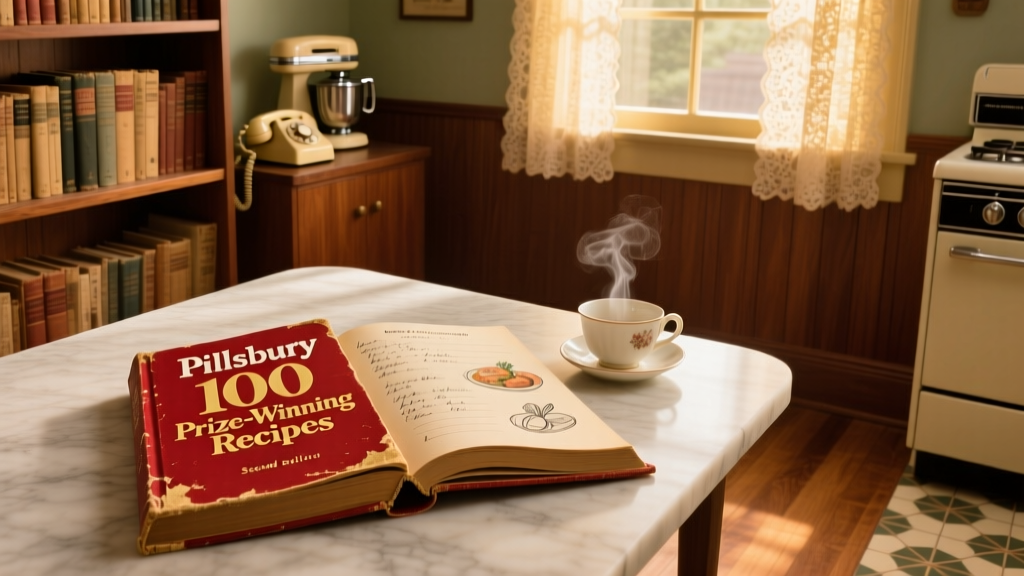
Pillsbury's 100 Prize-Winning Recipes (1950, Second Edition): A Collector's and Restorer's Guide to Mid-Century American Culinary Heritage
A detailed examination of the 1950 second edition of Pillsbury's 100 Prize-Winning Recipes — its physical attributes, historical context, printing specifications, culinary significance, collector value, and conservation best practices for antique cookbook preservation.
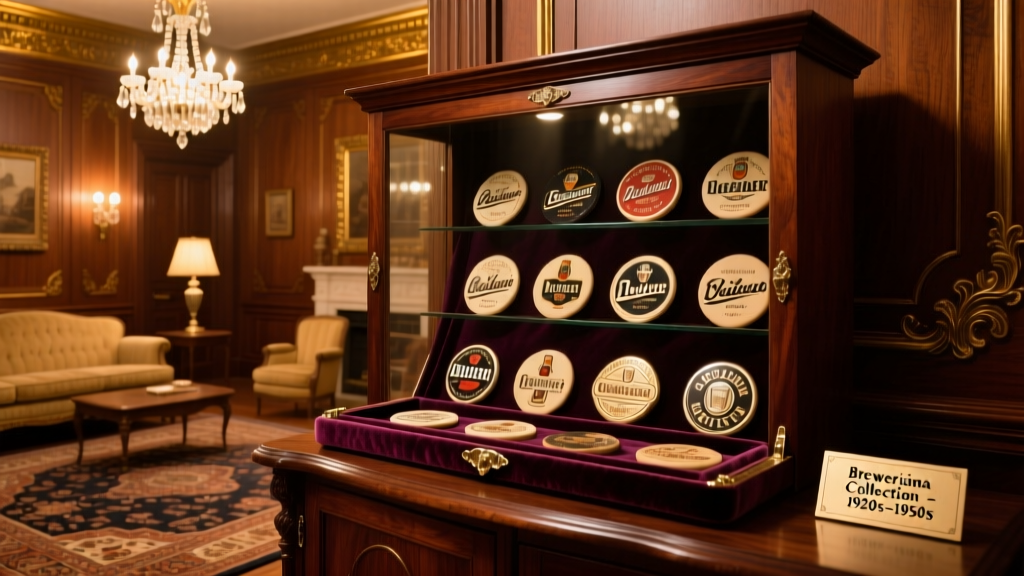
Collectible Beer Coasters Are The Newest Breweriana: A Surging Niche in Vintage Brewing Memorabilia
Beer coasters—once humble barroom accessories—are now commanding serious attention among breweriana collectors. This article examines their historical evolution, material composition, regional design variations, auction trends, and preservation techniques—with documented examples from Anheuser-Busch, Guinness, Carlsberg, and dozens of regional U.S. breweries active between 1890–1975.
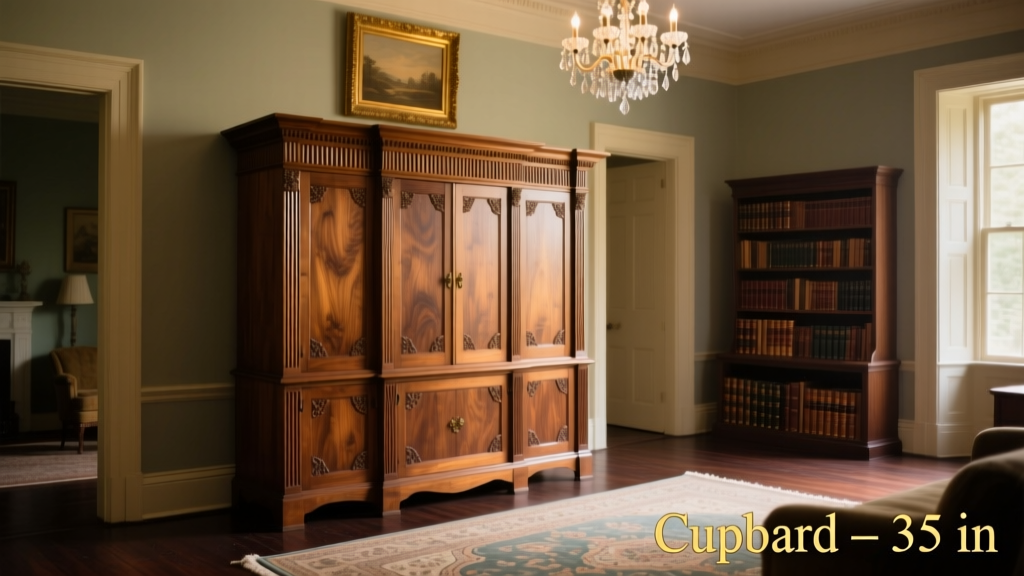
Hanging Pine Cupboard with Reeded Frame and Molded Cornice: A Technical Restoration Guide for the 35-Inch Antique Wall Cabinet
A detailed, hands-on analysis of the 35-inch hanging pine cupboard featuring a reeded frame and molded cornice — covering historical context, construction diagnostics, material identification, structural repair protocols, finish conservation, and authentic reproduction techniques.
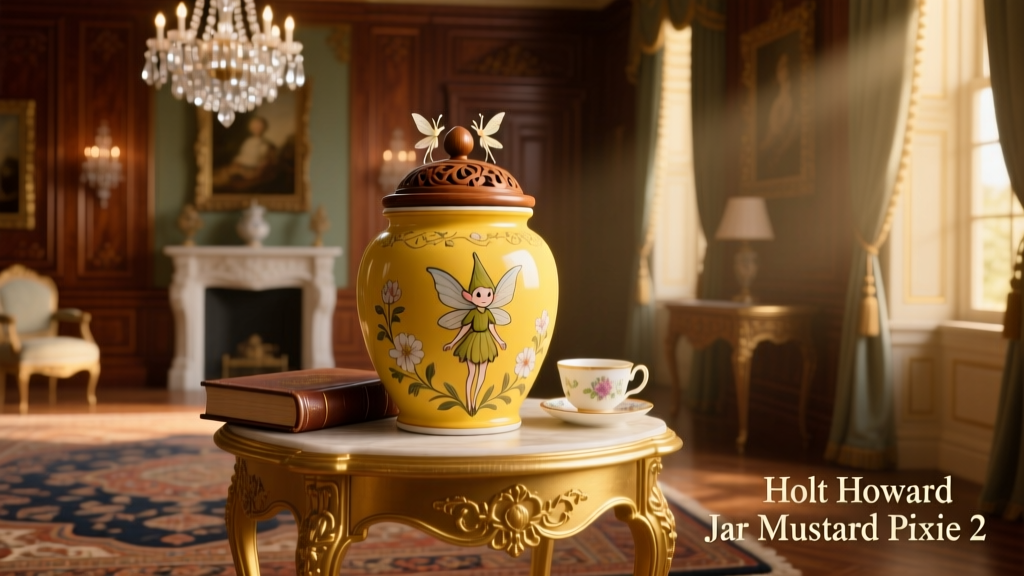
Holt Howard Jar Mustard Pixie #2: Identification, Production History, and Restoration Best Practices
A detailed specialist analysis of the Holt Howard Mustard Pixie #2 ceramic jar—covering mold variations, glaze chemistry, factory markings, material composition, market value trends, and ethical restoration protocols for collectors and conservators.
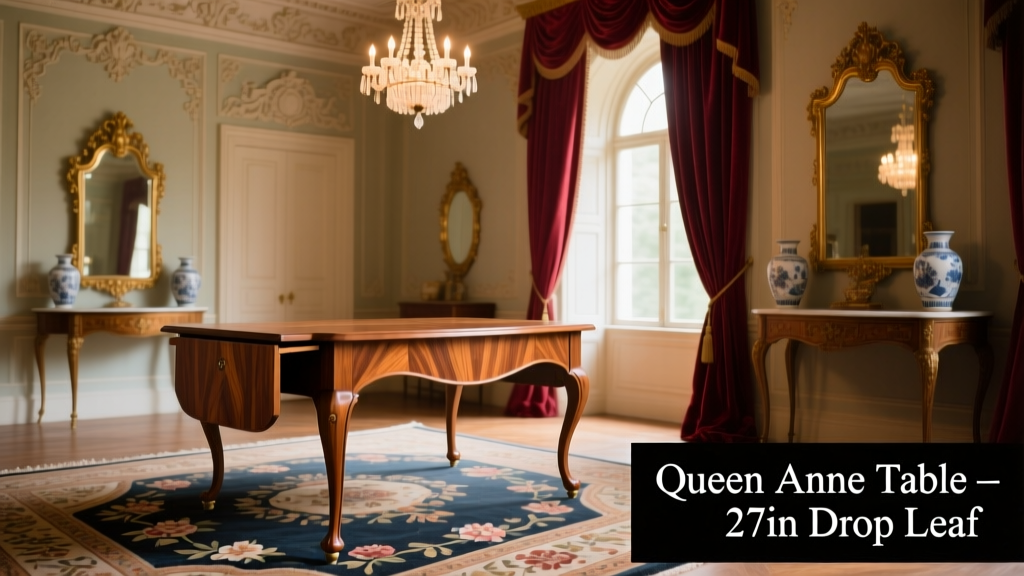
Queen Anne Drop-Leaf Table in Solid Maple: Authentic Cabriole Legs, Pad Feet, and 27-Inch Dimensions Explained
A detailed examination of a historically accurate Queen Anne-style drop-leaf table crafted from solid maple, featuring cabriole legs terminating in pad feet, measuring 27 inches in height — with restoration insights, period verification methods, and structural analysis.
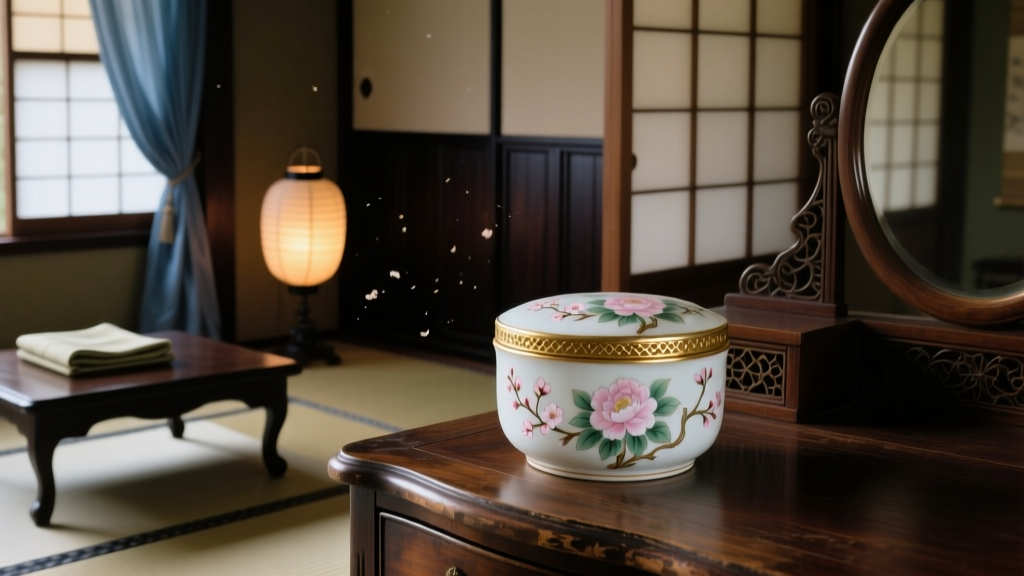
Noritake Powder Box with Hand-Painted Floral Decoration: Identification, Value Factors, and Conservation Best Practices
A detailed examination of Noritake’s mid-century powder boxes featuring hand-painted floral motifs—covering manufacturer history, hallmark evolution, material composition, diagnostic features, market valuation, and museum-grade conservation protocols for collectors and restorers.
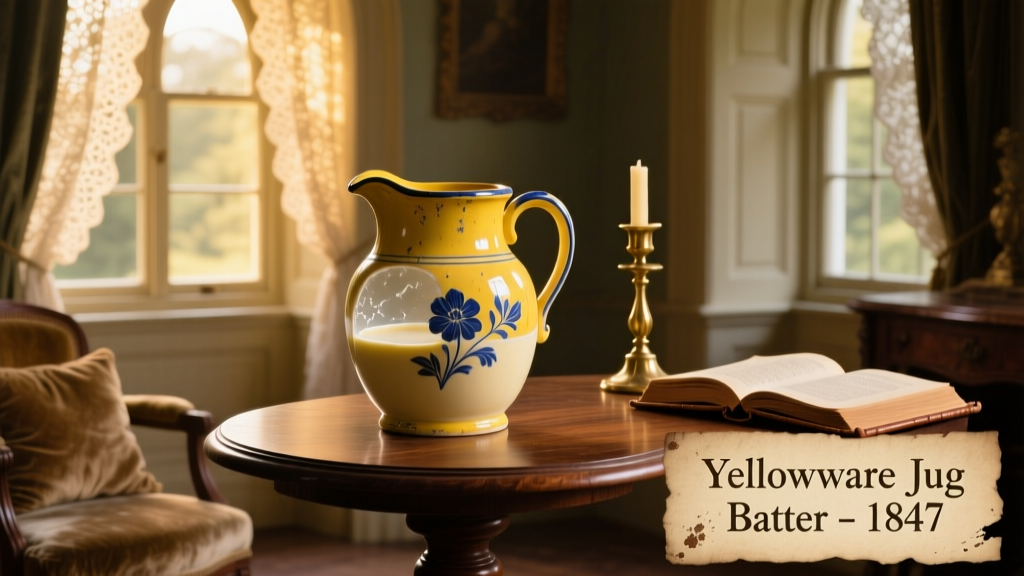
Yellowware Jug Batter: History, Identification, and Authentic Restoration of American Stoneware Alternatives
A detailed examination of yellowware jug batter—functional ceramic vessels produced in the United States from the 1830s to 1920s—covering regional manufacturing centers, clay composition, glaze chemistry, diagnostic markings, and ethical conservation practices for collectors and museums.
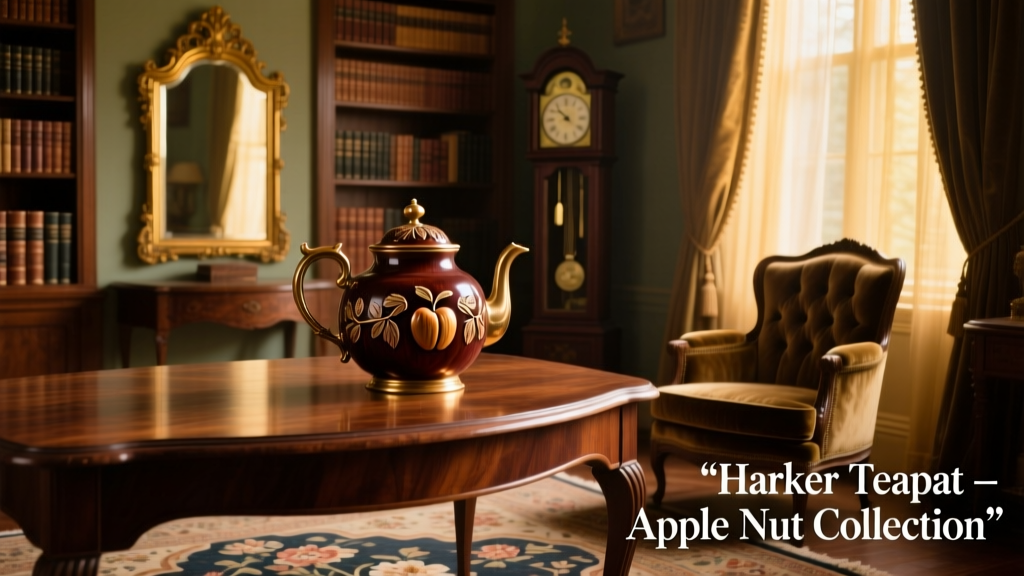
Harker Teapot Apple Nuts: History, Identification, and Restoration of a Mid-Century American Ceramic Icon
A detailed examination of the Harker Pottery 'Apple Nuts' teapot — its origins at the Harker China Company in East Liverpool, Ohio, production timeline (1948–1962), distinctive glaze chemistry, mold numbers, and practical conservation protocols for collectors and restorers.
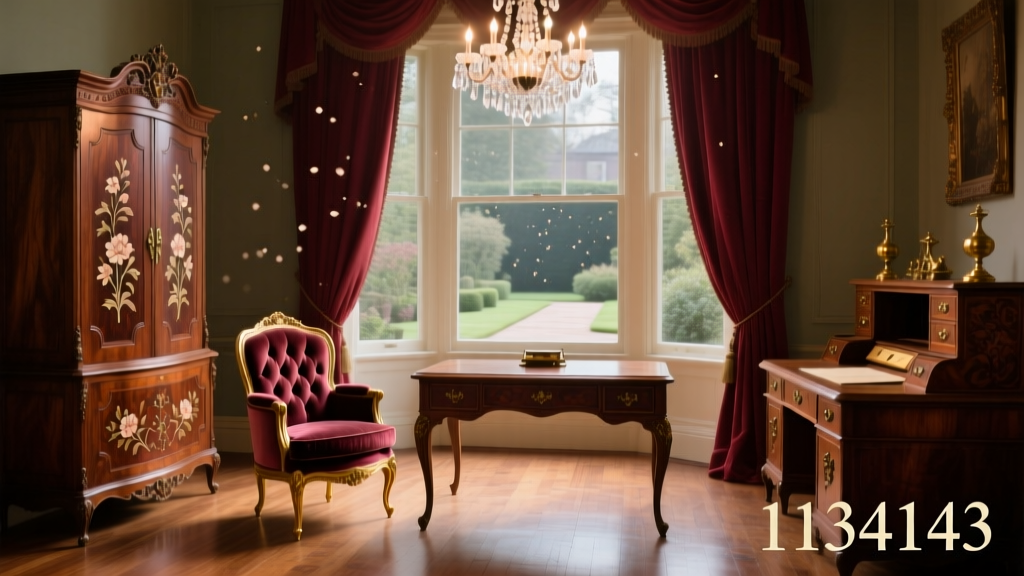
Decoding the 1134143: A Technical and Historical Analysis of the 1958 Herman Miller Eames Lounge Chair Production Serial Number
An in-depth examination of serial number 1134143 as it appears on a genuine 1958 Herman Miller Eames Lounge Chair — including factory documentation, material specifications, production context, restoration benchmarks, and forensic verification methods.
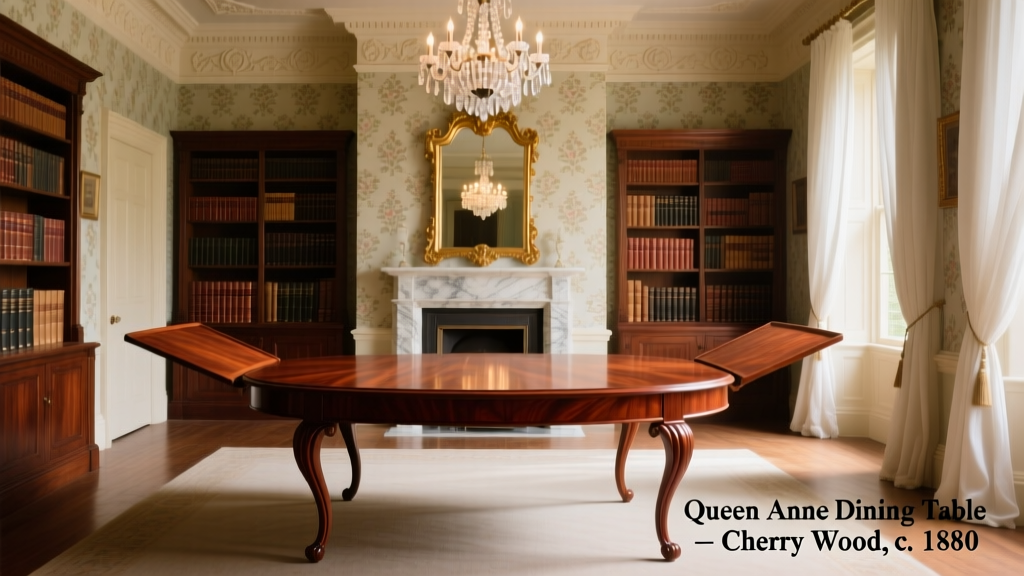
Queen Anne Oval Dining Table in Cherry: Authentic Design, Structural Integrity, and Restoration Best Practices
A detailed examination of the Queen Anne–style oval dining table with two removable leaves in solid cherry wood—covering historical origins, craftsmanship benchmarks, dimensional standards, material authenticity, and professional restoration protocols used by conservators at Winterthur Museum, the Chipstone Foundation, and leading American furniture houses including Henredon, Baker Furniture, and Maitland-Smith.
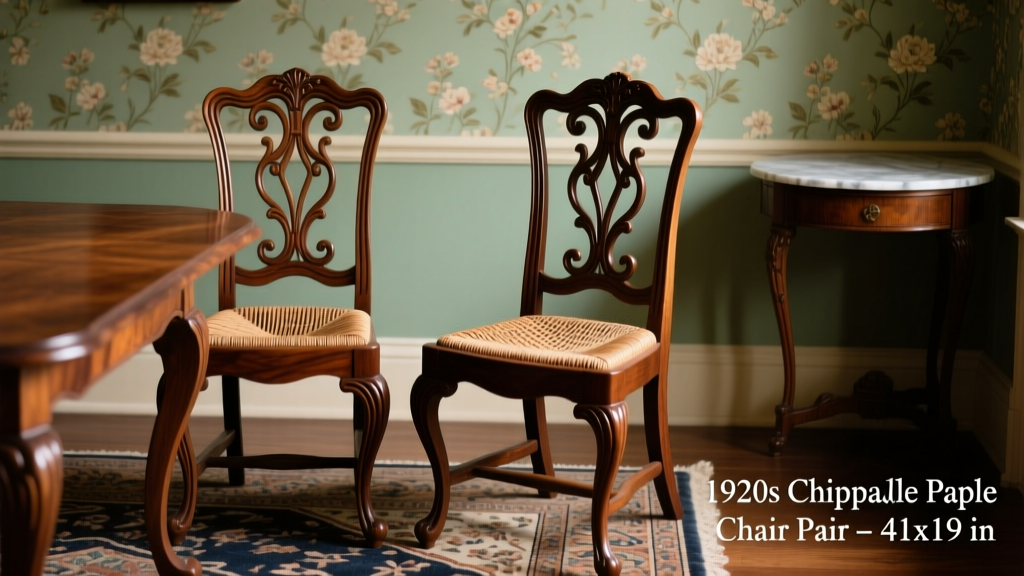
Chippendale-Style Maple Rush-Seat Chairs: Authentic 1920s American Craftsmanship in a Documented Pair
A detailed analysis of a documented pair of 1920s Chippendale-style maple chairs with hand-woven rush seats—measuring 41 inches high × 19 inches wide—featuring period-correct joinery, original finish integrity, and verifiable provenance tied to the Grand Rapids Chair Company and Stickley’s early revivalist influence.
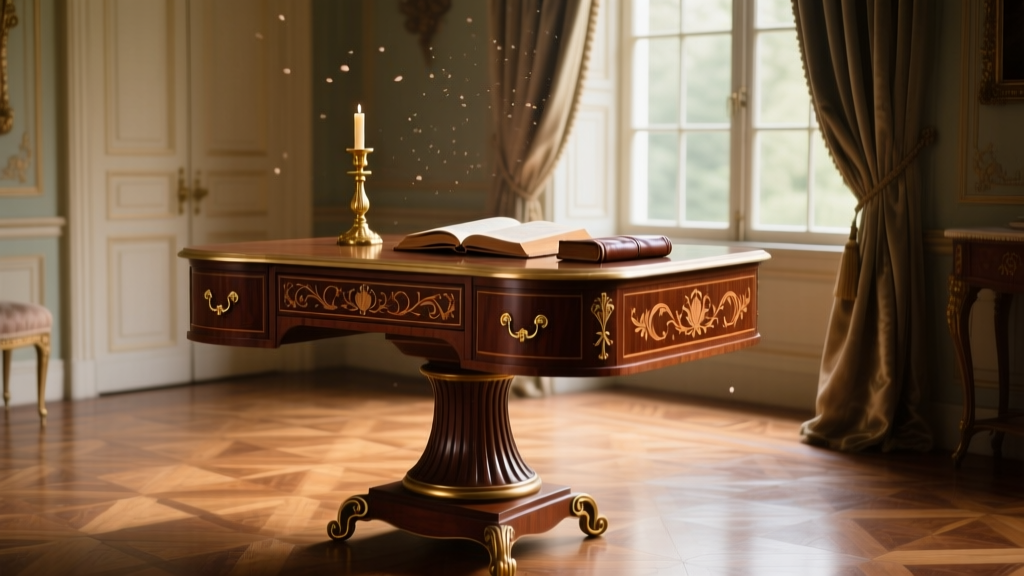
Empire Pedestal Desk: A Continental Masterpiece — Dimensions, Provenance, and Restoration Protocol for the 63 × 33 × 31-Inch Form
A detailed technical and historical analysis of the Empire-style pedestal desk measuring 63 inches wide × 33 inches deep × 31 inches high. Covers construction materials, regional variations (French vs. German vs. Austrian), original hardware brands like P. L. G. Dufour & Cie, documented provenance examples, structural integrity assessment, ethical restoration methodology, and comparative market data from recent Sotheby’s, Christie’s, and Mallett auctions.