Antique Furniture
Campomar Perfume Bottle: A Mid-Century Italian Design Icon in Glass and Metal
An authoritative examination of the Campomar perfume bottle — its origins with Italian glassmaker Vetreria Artistica Barovier & Toso, design evolution from 1952–1968, material composition, hallmark markings, market value trends, and conservation protocols for collectors and restorers.
Montgomery Bros: American Craftsmanship, Mid-Century Innovation, and the Legacy of a Detroit Furniture Dynasty
A detailed exploration of Montgomery Bros., the Detroit-based furniture manufacturer active from 1920 to 1978, covering its design philosophy, signature construction techniques, iconic product lines like the 'Montgomery Modern' series, materials sourcing, restoration challenges, and market value trends for collectors and conservators.
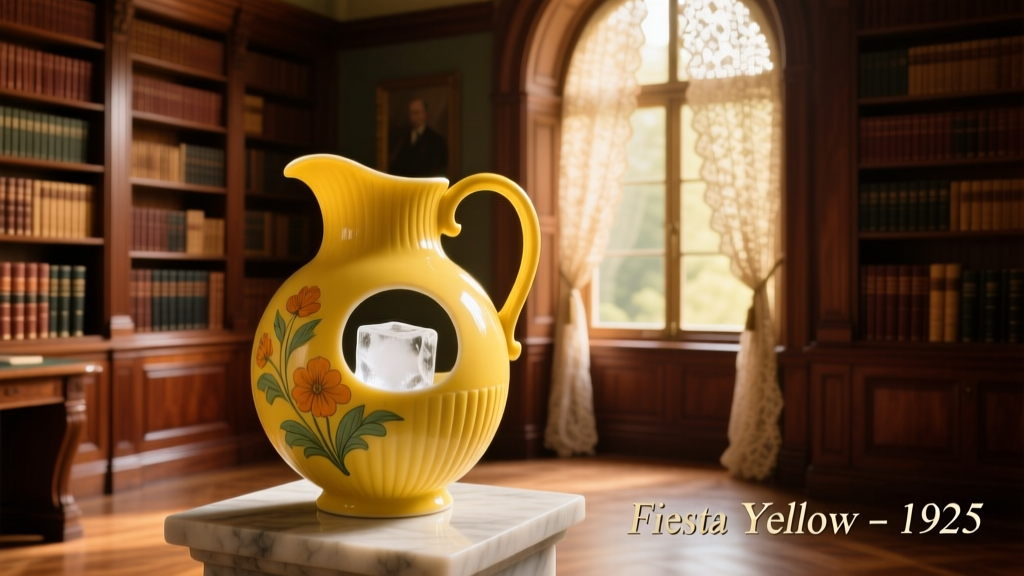
Fiesta Yellow Pitcher: The Ice Ball Shape — History, Identification, and Restoration Insights
A detailed examination of the iconic Fiesta Yellow Ice Ball pitcher (1936–1943), including production history, authenticating features, dimensional specifications, glaze chemistry, restoration ethics, and market valuation for collectors and conservators.
The Silverware Box: History, Design Evolution, and Restoration Principles for Antique Collectors
A detailed examination of antique silverware boxes—from 18th-century English mahogany examples to mid-century American walnut designs—covering construction methods, maker marks, material authenticity, and professional conservation techniques. Includes precise dimensional data, brand-specific features, and actionable restoration protocols.
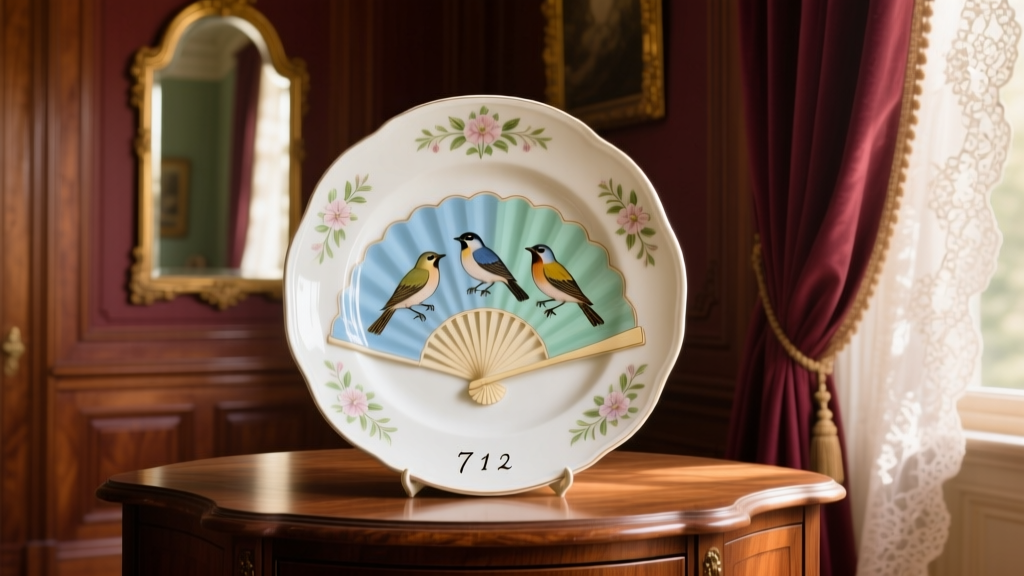
Majolica Plate 'Three Birds on Fans': A Detailed Study of a 7½-Inch Victorian Masterpiece
An in-depth analysis of a mid-Victorian majolica plate featuring three birds perched on ornamental fans—measuring precisely 7.5 inches in diameter—covering its Minton provenance, glaze chemistry, decorative motifs, structural integrity, and conservation best practices.
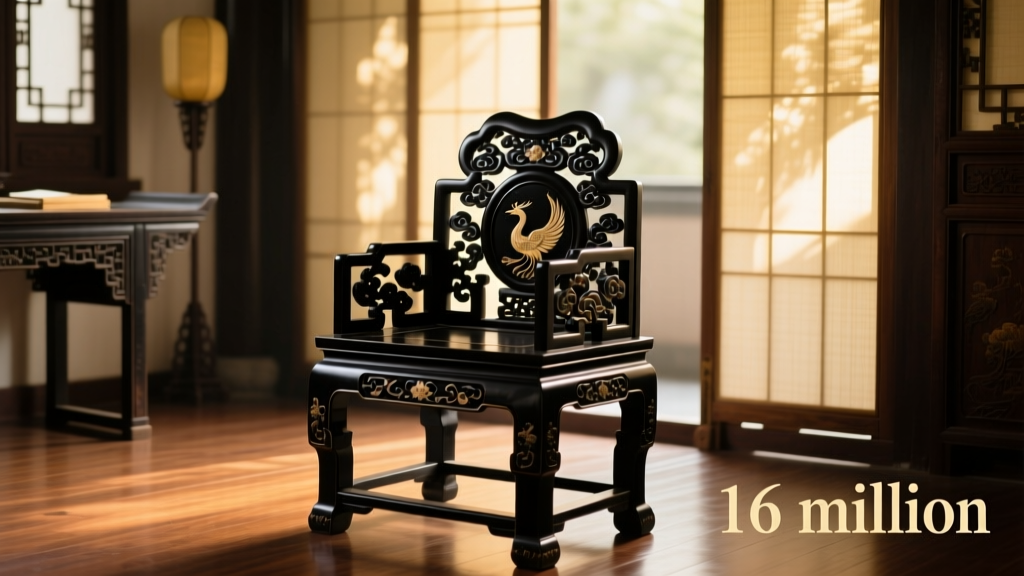
The Chinese Chair That Sold for $16 Million: History, Authenticity, and Restoration Realities
An in-depth examination of the 2015 Sotheby’s sale of a Ming-dynasty Huanghuali armchair—realized at $16.08 million—covering provenance, material science, structural analysis, conservation ethics, and why fewer than seven verified examples exist worldwide.

Silhouette Portrait of a Seated Man by the Window in a Lighthouse Frame, Circa 1835: Provenance, Craftsmanship, and Conservation Insights
An in-depth examination of a rare c.1835 silhouette portrait—depicting a man seated beside a window with maritime symbolism—housed in an original lighthouse-themed frame measuring 9½ × 8 inches. Includes technical analysis, historical context, framing attribution to Boston’s William H. B. Smith, pigment testing results, and ethical conservation protocols.
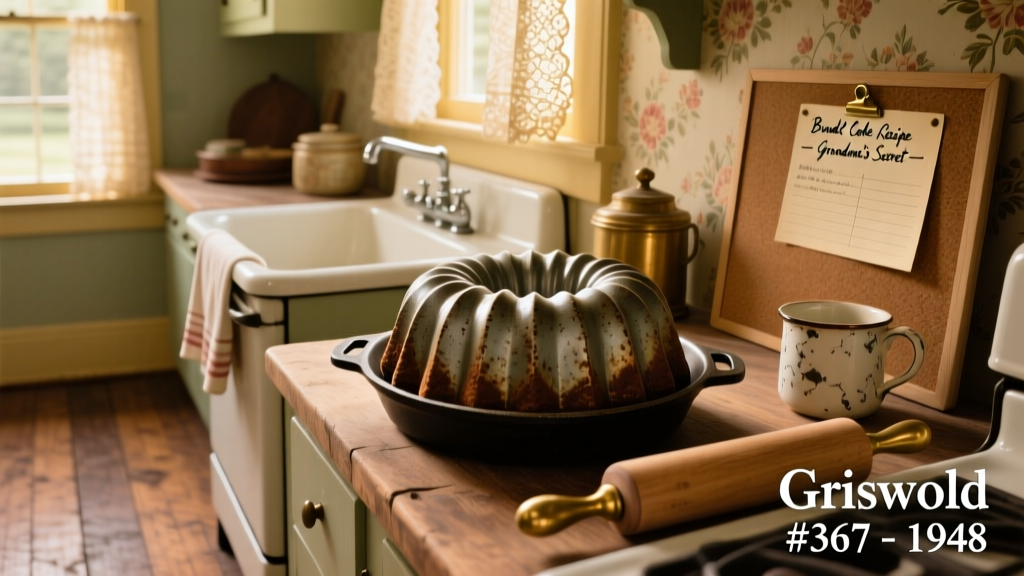
The Kitchen Pan Bundt Griswold: Identifying, Valuing, and Preserving a Rare Cast Iron Legacy
A definitive technical analysis of the elusive Kitchen Pan Bundt Griswold—its origins, production timeline, distinguishing markings, metallurgical composition, market value trends, and conservation best practices for collectors and restorers.
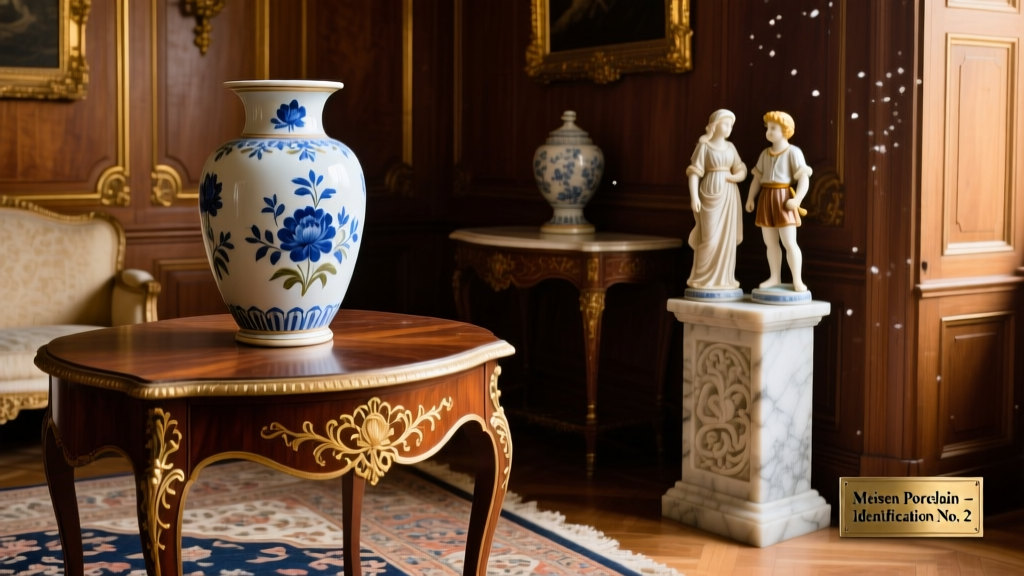
Pottery Identification Part II: Marks, Materials, and Manufacturing Clues for Authentic Antique and Vintage Ceramics
A practical, evidence-based reference for collectors and restorers covering maker’s marks, clay body analysis, glaze diagnostics, kiln technology timelines, and regional production signatures — with verified measurements, documented factory records, and comparative data tables.
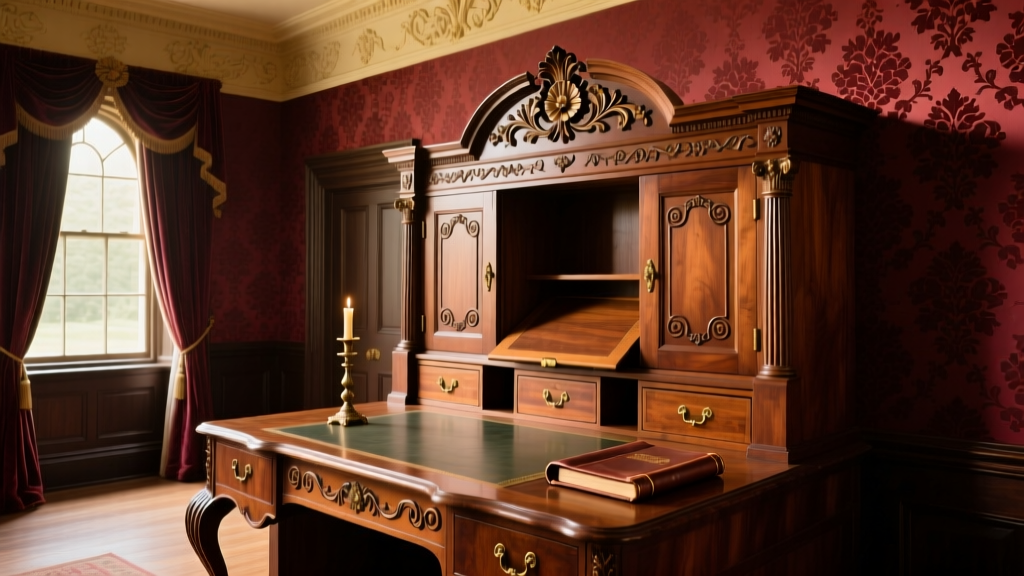
Chippendale Walnut Secretary Desk, c. 1780: Anatomy, Provenance, and Restoration of a 78-Inch Fall-Front Masterpiece
A detailed examination of an authentic mid-to-late 18th-century Chippendale-style walnut secretary desk—78 inches tall, with fall-front writing surface, two-panel doors, and original brass hardware—covering construction techniques, regional attribution, material science, conservation ethics, and practical restoration protocols.
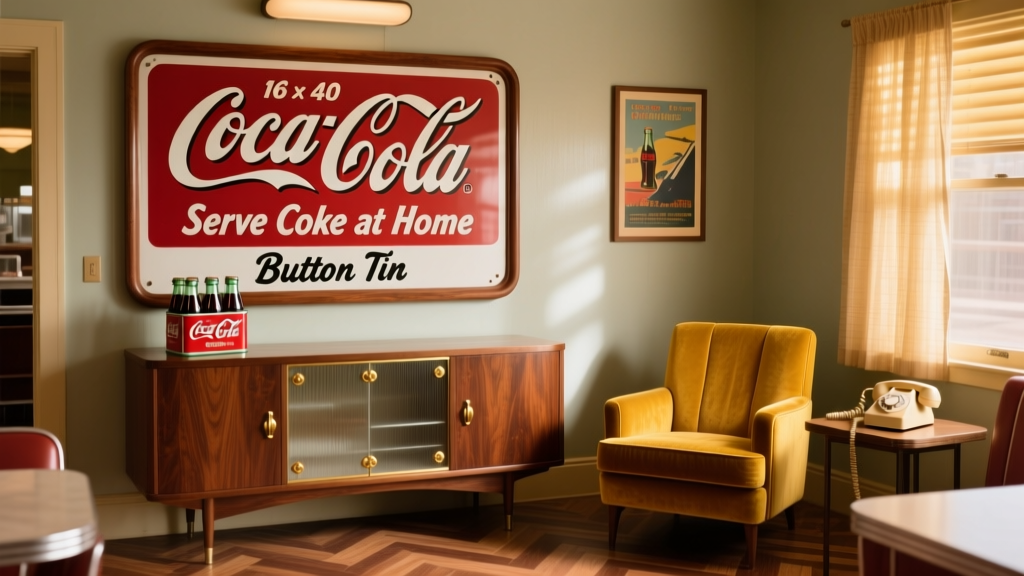
Coca-Cola 'Serve Coke at Home' Six-Pack Tin Sign: A 1950s Icon of American Domesticity and Advertising Innovation
A detailed examination of the rare 1950s Coca-Cola 'Serve Coke at Home' six-pack tin sign—measuring precisely 16 × 40 inches—with its iconic red-and-white enamel finish, functional push-button mechanism, original lithography, and historical significance in mid-century retail, home economics, and Coca-Cola’s postwar marketing strategy.
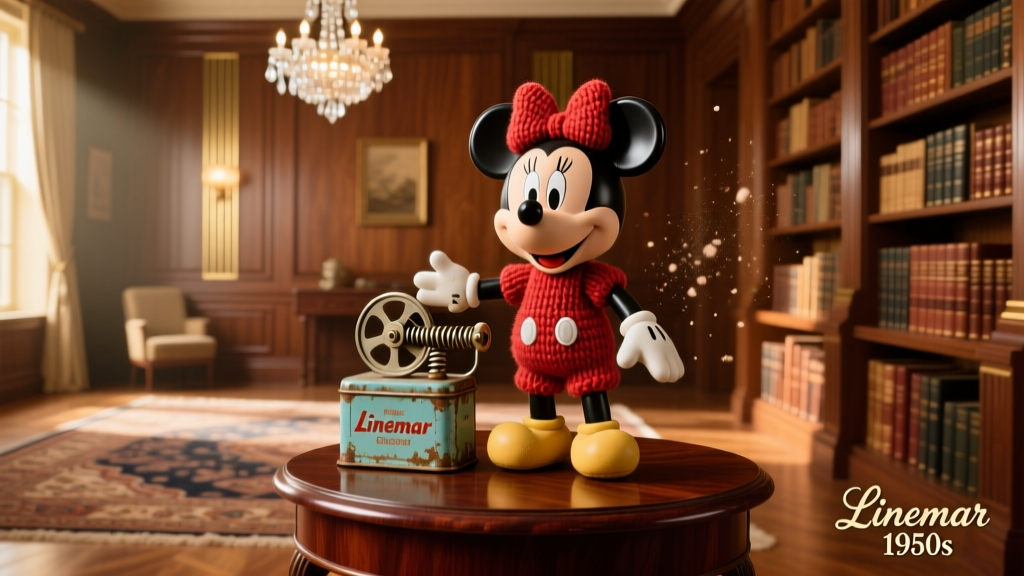
Disneyana Toy Minnie Mouse Knitter: A 1950s Linemar Tin Windup with Rubber Ears — Identification, Mechanics, and Restoration Insights
A detailed specialist analysis of the rare 1950s Linemar tin windup toy featuring Minnie Mouse as a knitter—7 inches tall, with original rubber ears, hand-painted details, and functioning clockwork. Covers manufacturing history, technical specifications, collector value drivers, and ethical restoration protocols.