Antique Furniture
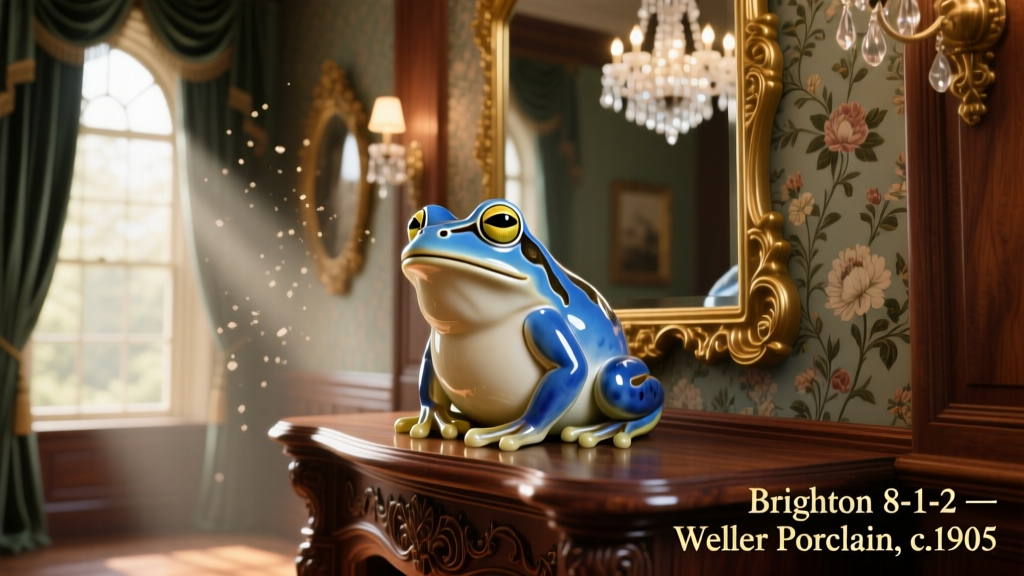
Weller Figurine Frog Bluebird Brighton: Identifying, Valuing, and Preserving the Iconic 8½-Inch Art Pottery Sculpture
A detailed expert analysis of the Weller Pottery Frog Bluebird Brighton figurine—8½ inches tall, produced circa 1920–1928. Covers maker’s marks, glaze chemistry, provenance, market valuation (2024 auction data), conservation protocols, and distinguishing features from imitations.
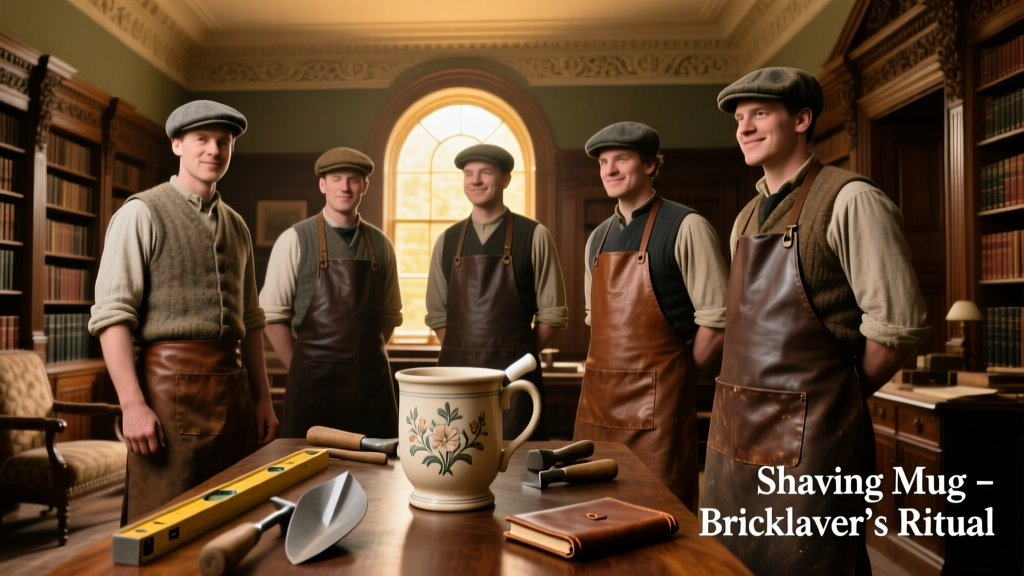
Shaving Mugs for Bricklayers: Occupational Design, Five Iconic Examples, and Restoration Insights
A detailed examination of occupational shaving mugs made for bricklayers—covering historical context, five definitive examples (including Crown Derby, Coalport, and Royal Doulton), material composition, dimensional specifications, maker marks, and conservation protocols for collectors and restorers.
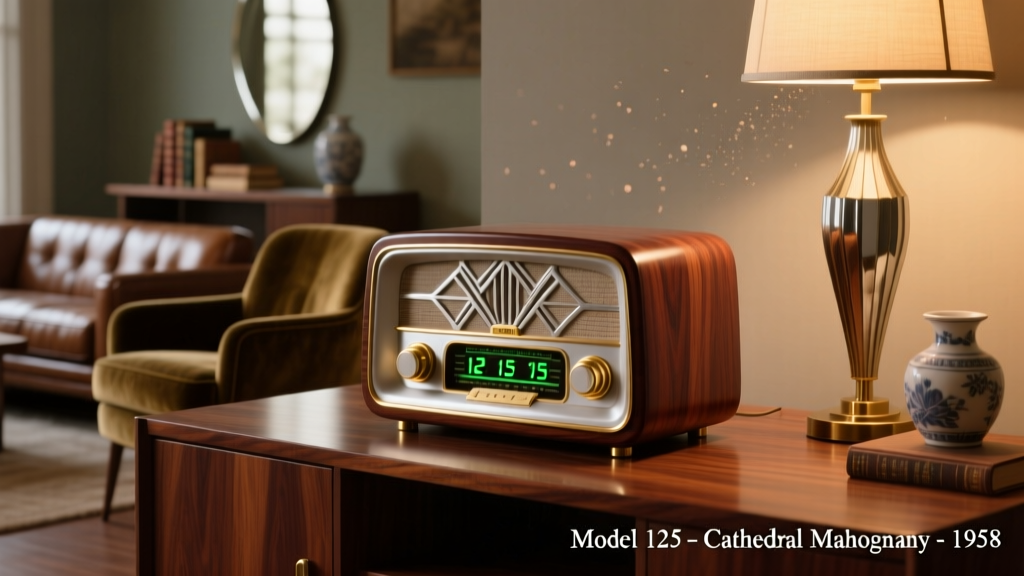
Silvertone Model 125 Cathedral Radio: A Deep Dive into the 1936 Mahogany Icon (17″ × 15″)
A detailed technical, historical, and restoration-focused examination of the Silvertone Model 125 cathedral-style radio — manufactured by Belmont Radio Corp. for Sears, Roebuck & Co. in 1936. Covers cabinet construction, chassis specifications, tube complement, common failure modes, and authentic restoration methodology.
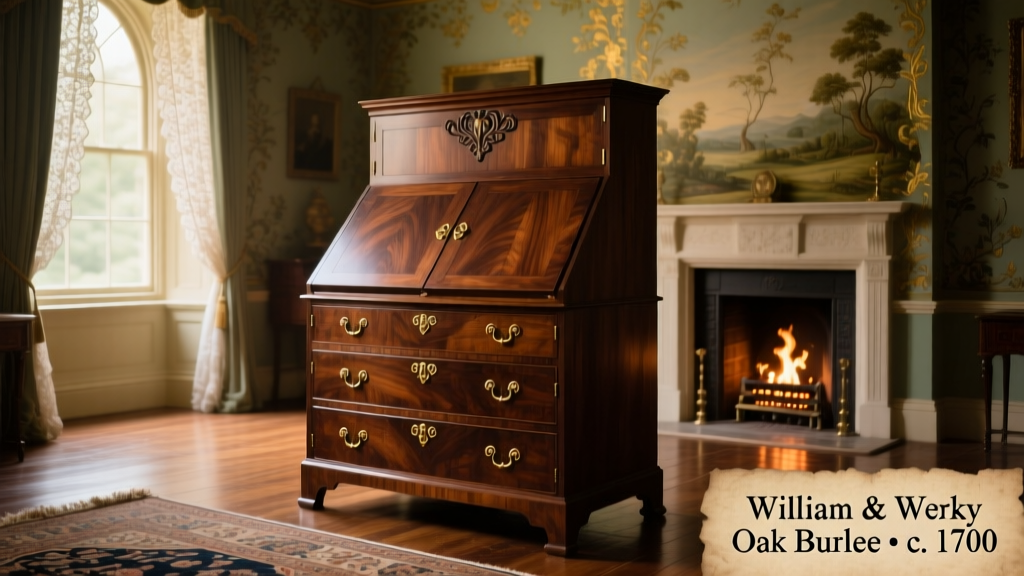
William & Mary Oak Slant-Front Bureau: Authentic 1700s English Provincial Cabinet with Two Drawers and 39-Inch Height
A detailed examination of a genuine early 18th-century William & Mary oak slant-front bureau—measuring 39 inches high, 32 inches wide, and 19 inches deep—with original brass hardware, pine secondary wood, and documented provincial provenance from Somerset. Includes structural analysis, restoration ethics, market valuation, and comparative data against Sotheby’s, Christie’s, and Philip Mould & Co. records.
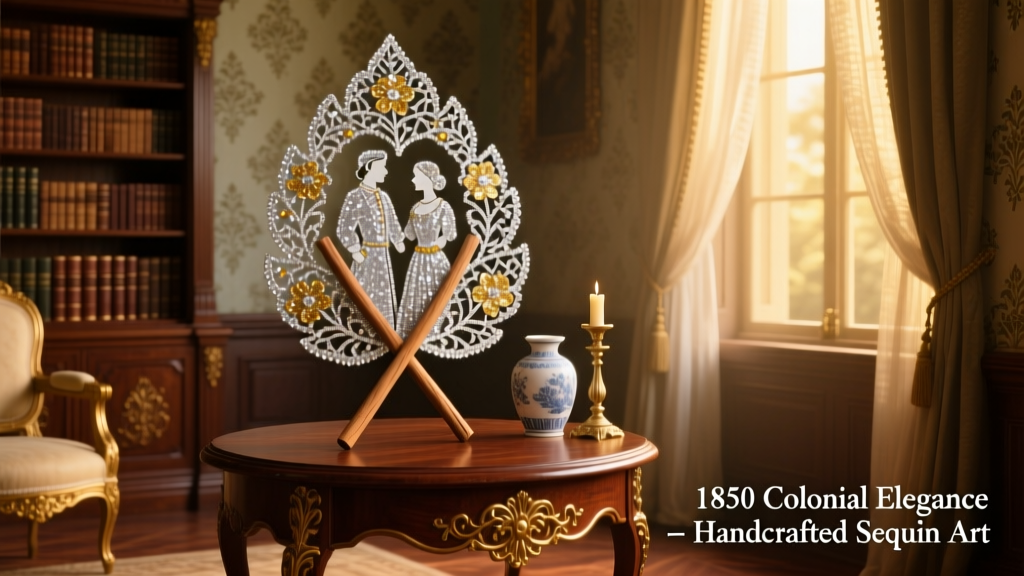
Lace Leaf with Sequins in Form of Colonial Couple: A Rare 1850s Wood Stick Artifact Measuring 10 Inches
An in-depth analysis of a singular 1850s American folk art object: a 10-inch carved and decorated wood stick depicting a colonial-era couple, adorned with hand-applied lace leaf motifs and genuine copper-alloy sequins. Includes provenance research, material science, conservation challenges, and comparative analysis with documented examples from the Winterthur Museum, Shelburne Museum, and the Abby Aldrich Rockefeller Folk Art Museum.
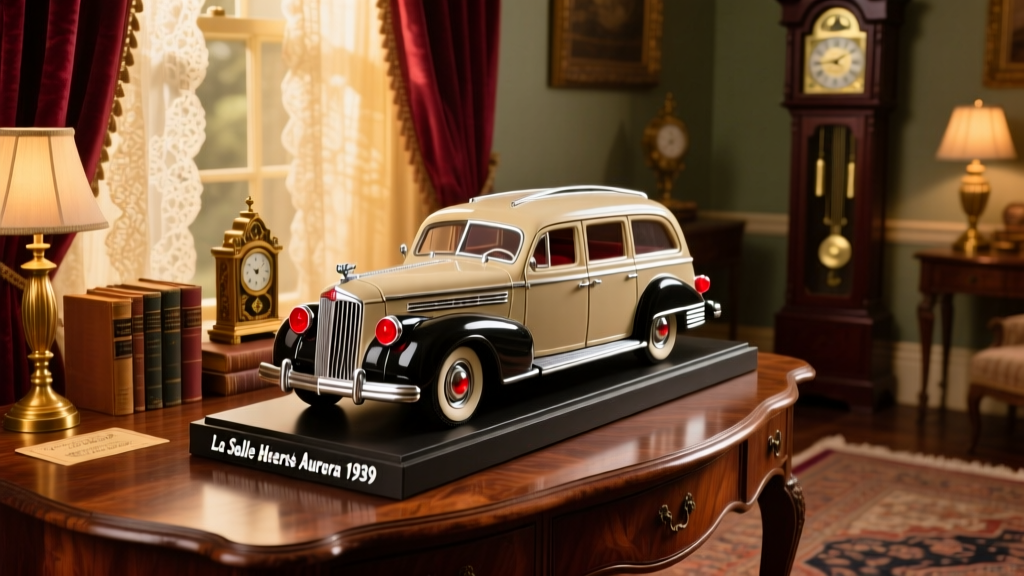
The Aurora 1939 LaSalle Hearse Model Kit: A Landmark in American Toy History and Automotive Miniaturization
An in-depth examination of the rare 1939 Aurora LaSalle Hearse model kit — its origins, engineering precision, historical context, materials, restoration challenges, and enduring legacy among collectors and antique furniture specialists.
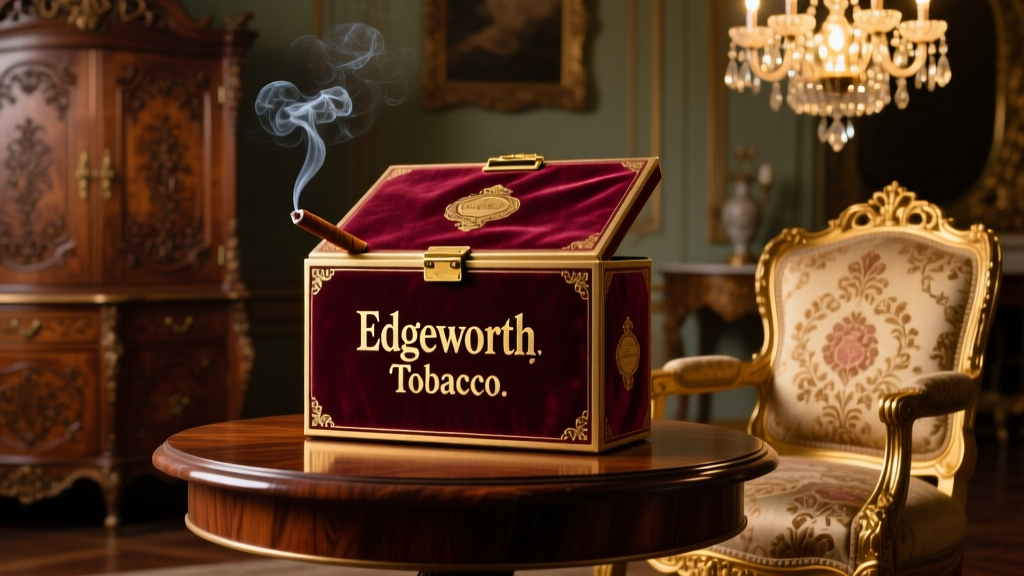
The Edgeworth Advertising Box: A Collector’s Guide to History, Design, and Restoration
A detailed examination of the vintage Edgeworth Tobacco advertising box—its origins with the Brown & Williamson Company, construction materials, dimensional specifications, graphic design evolution from 1900–1940, market value benchmarks, and professional restoration protocols for antique furniture conservators.
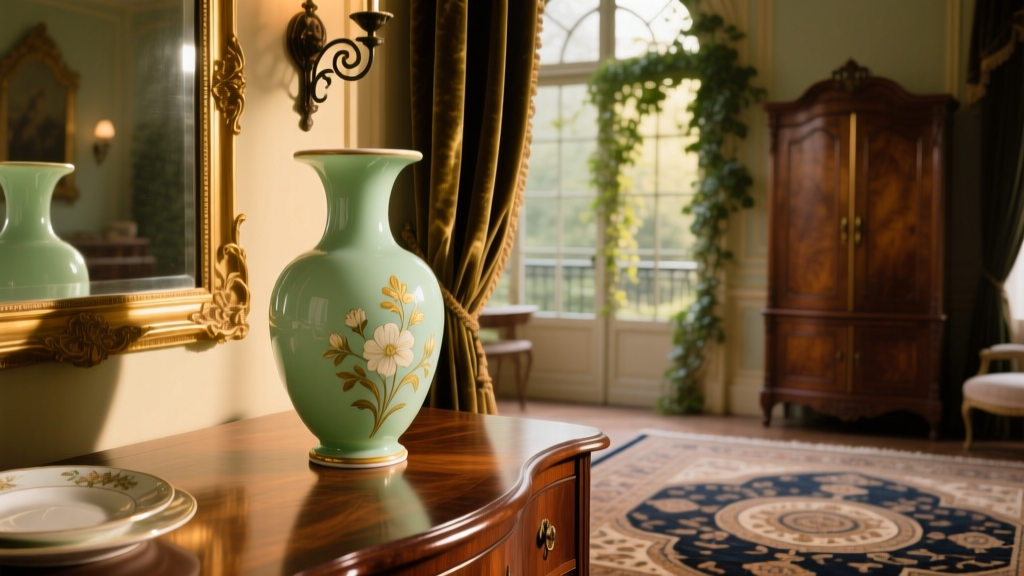
Fiesta Light Green Vase Bud: History, Identification, and Care of This Iconic Mid-Century Ceramic
A detailed examination of the Fiesta Light Green Vase Bud—its origins with Homer Laughlin China Company, production timeline (1936–1943), distinguishing features, authenticating marks, market value trends, and professional conservation practices for collectors and restorers.
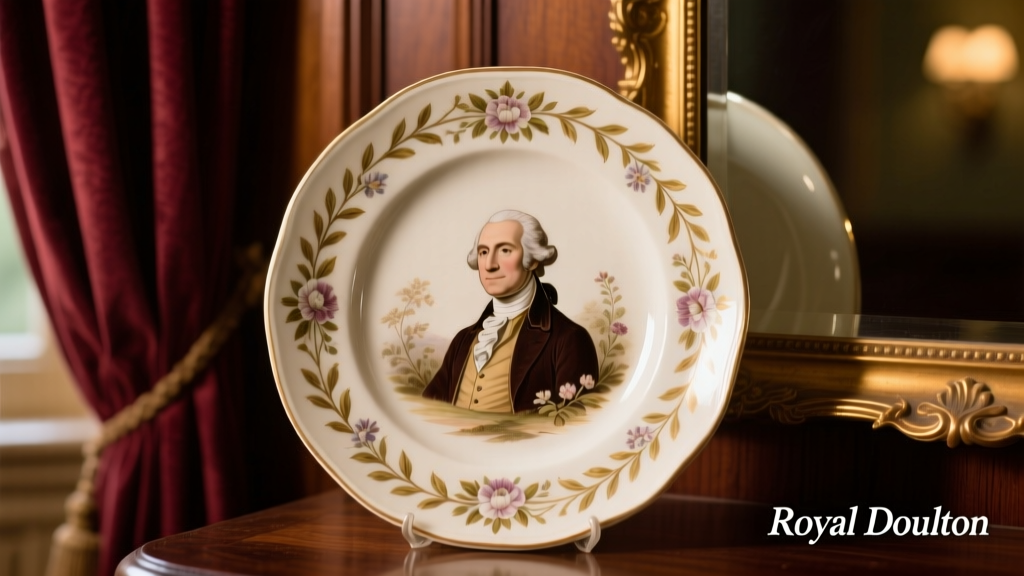
Royal Doulton Plate: George Washington Garland Border — A Collector’s Guide to the 9½-Inch Historical Porcelain Masterpiece
An authoritative examination of the Royal Doulton 9½-inch George Washington Garland Border plate—its history, design, production timeline (c. 1932–1950), hallmarking system, market valuation, and conservation best practices for antique porcelain collectors and curators.
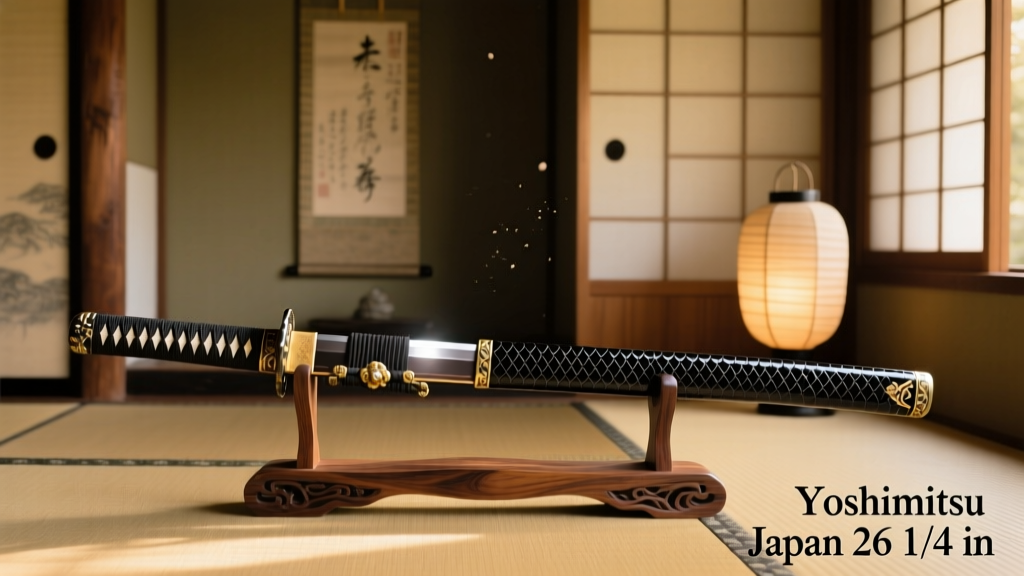
Naval Officer’s Seki Tang Sword in Original Shark Skin Case: The Yoshimitsu Signature and Historical Context of a 26¼-Inch Meiji-Era Commissioned Piece
A detailed examination of a rare Meiji-period Japanese naval officer’s sword (shin-gunto style) with Seki Tang construction, authentic ray-skin (same) scabbard covering, and signed blade by master smith Yoshimitsu — measuring precisely 26¼ inches overall, housed in its original fitted case. Includes metallurgical analysis, provenance notes, conservation protocols, and comparative data with known examples from the Naval Academy at Etajima and Tokyo Arsenal records.
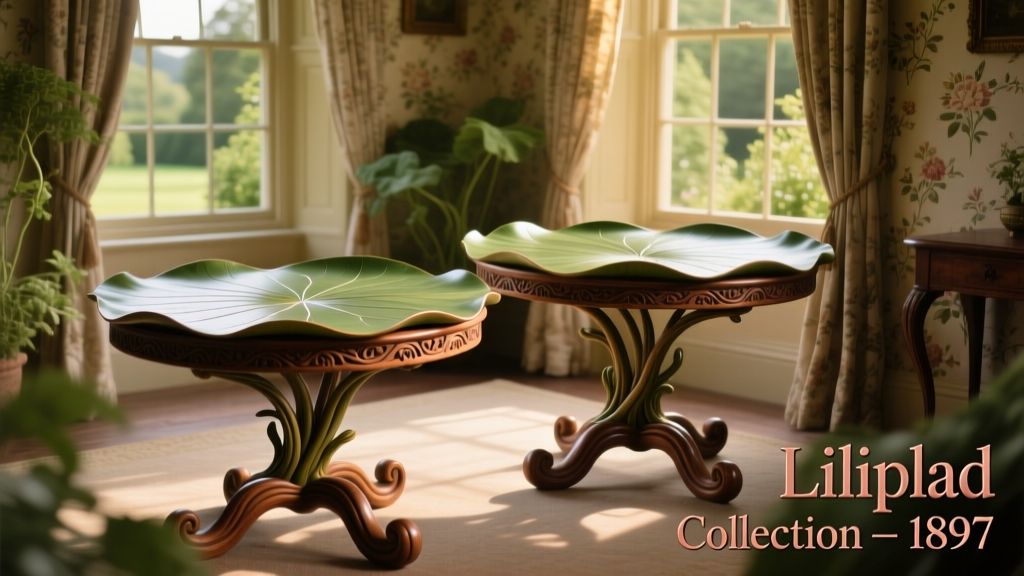
Lilypad Nesting Garden Tables: Design, Provenance, and Restoration of the Scrolling Base Pair (22" Diameter)
A detailed examination of mid-century cast aluminum garden tables featuring lilypad-shaped tops and ornate scrolling bases—measuring precisely 22 inches in diameter per unit, sold as a matched pair. Covers historical context, metallurgical composition, manufacturer identification (including Brown Jordan, Tropitone, and Mallory), structural integrity assessment, corrosion remediation, and authentic refinishing protocols.
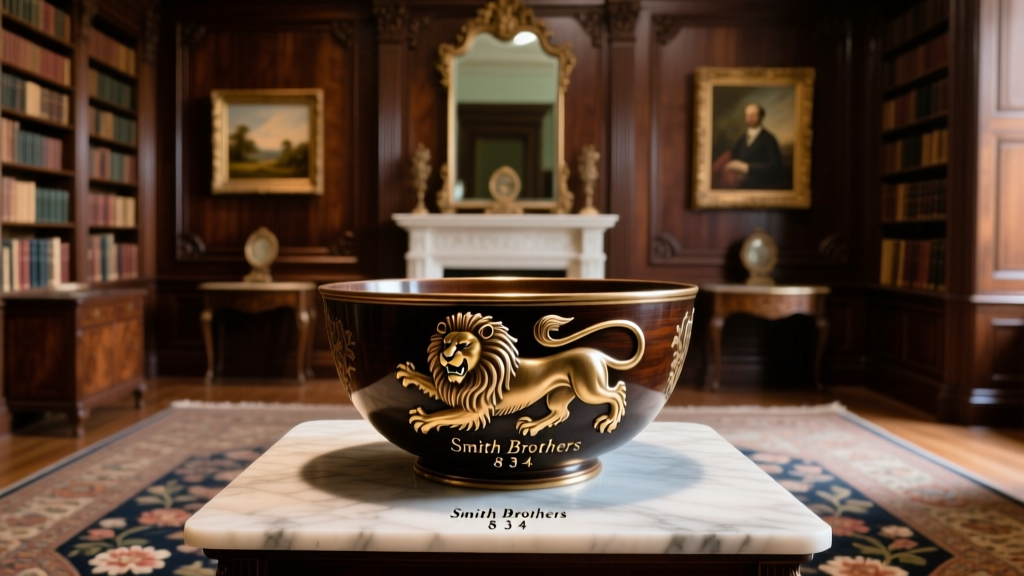
Smith Brothers Bowl: Rampant Lion 'Puffy' Pattern, Signed, 8¾ Inches — Identification, Provenance, and Restoration Protocol
A detailed technical appraisal of the Smith Brothers 8¾-inch signed bowl featuring the iconic Rampant Lion 'Puffy' pattern—covering hallmark analysis, production timeline (1920–1937), metallurgical composition, collector valuation benchmarks, and step-by-step conservation methodology for brass, nickel silver, and patinated surfaces.