Antique Furniture

War Eagle 10-Cent Slot Mills: Engineering, History, and Restoration of Vintage Coin-Operated Grain Mills
A detailed examination of the War Eagle 10-Cent Slot Mill — its industrial design, operational mechanics, historical context within early 20th-century rural commerce, and best practices for conservation, mechanical servicing, and ethical restoration.
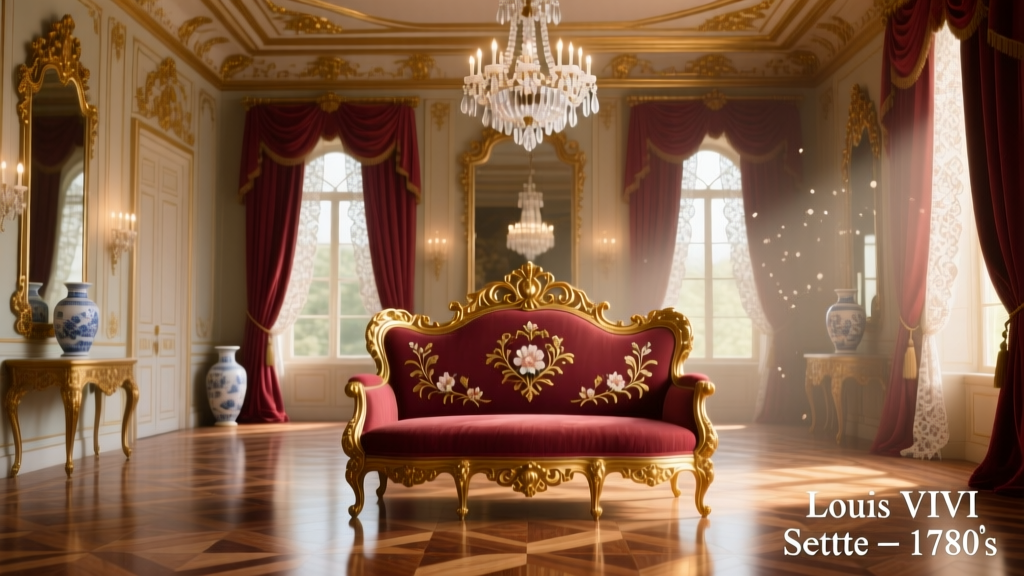
Louis XVI Style Gilt-Crest Settee: Dimensions, Craftsmanship, and Restoration Insights for the Discerning Collector
A detailed examination of a Louis XVI style settee measuring 40″ H × 54″ W × 24″ D, featuring hand-applied gilt bronze cresting, tapered fluted legs, and original neoclassical upholstery motifs. Includes historical context, material analysis, conservation protocols, and market valuation guidance.
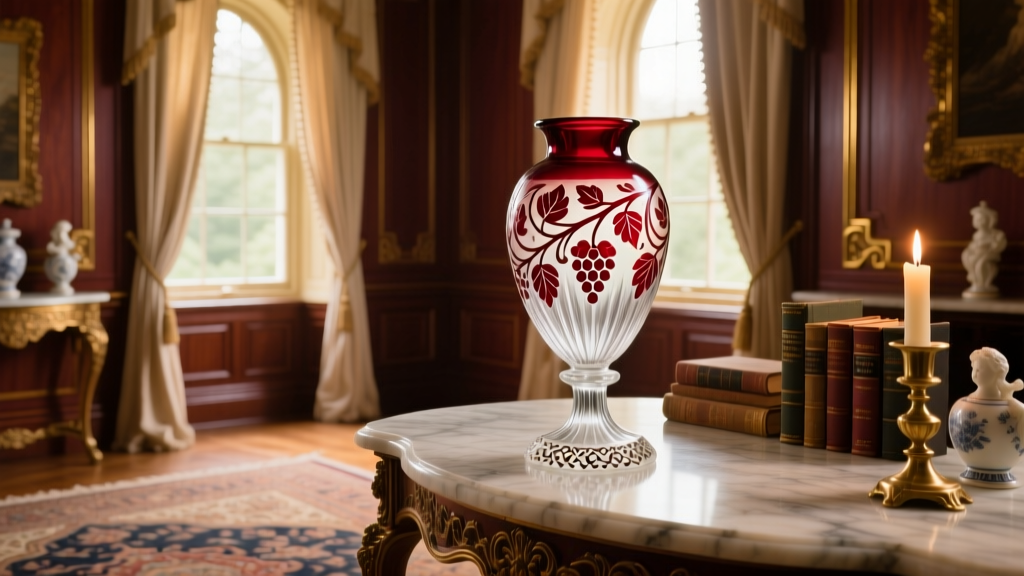
Bohemian Ruby-Cut Glass Jar Cover with Grapevine Motif: A 19th-Century Footed Masterpiece Measuring 6¼ Inches
An in-depth examination of a rare 19th-century Bohemian glass jar cover featuring ruby-colored cut-to-clear engraving, naturalistic grape and vine motifs, and a distinctive footed base—measuring precisely 6¼ inches in diameter. Includes historical context, technical analysis, maker attribution possibilities, conservation protocols, and market valuation benchmarks.
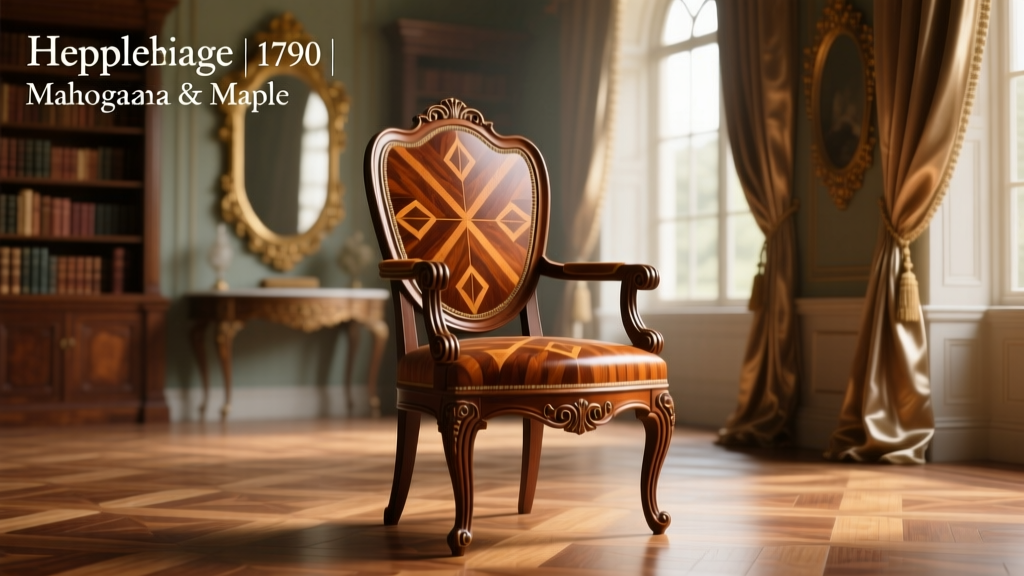
Hepplewhite Mahogany and Maple Shield-Back Chair, c. 1790: Anatomy, Provenance, and Restoration Ethics
A detailed technical and historical analysis of a rare 1790 Hepplewhite shield-back armchair featuring mahogany primary wood, maple secondary wood, fluted tapered legs, and original gilded brass paw feet—measuring 37 inches overall height with documented dimensions, maker attributions, and conservation protocols.
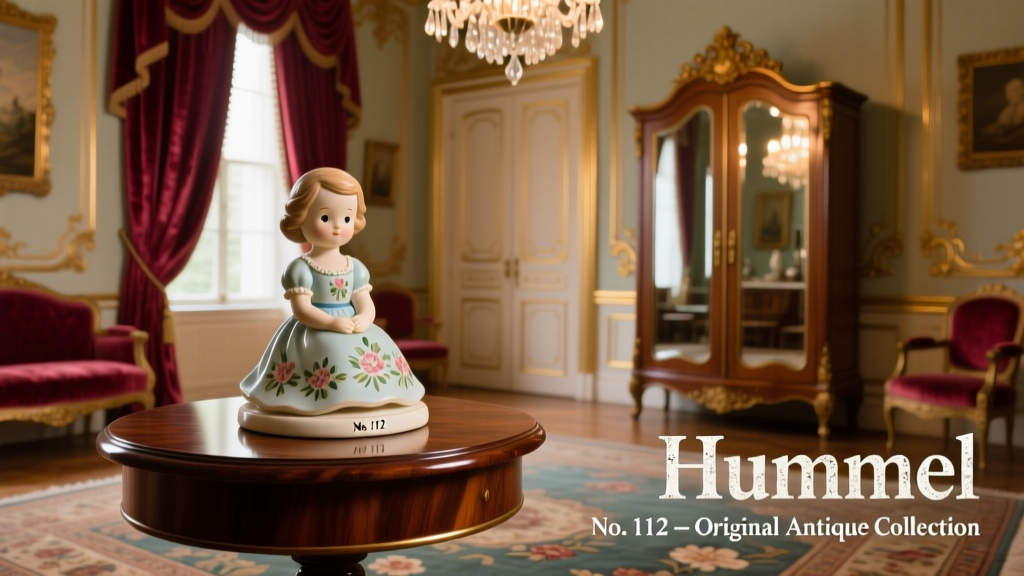
Hummel Figurine No. 112 'I Just Resting' with Three-Line Mark: Identification, History, and Restoration Guidance
A detailed technical analysis of the Hummel figurine No. 112 'I Just Resting', focusing on its three-line backstamp (1950–1959), production history, material composition, common condition issues, and ethical conservation practices for collectors and restorers.
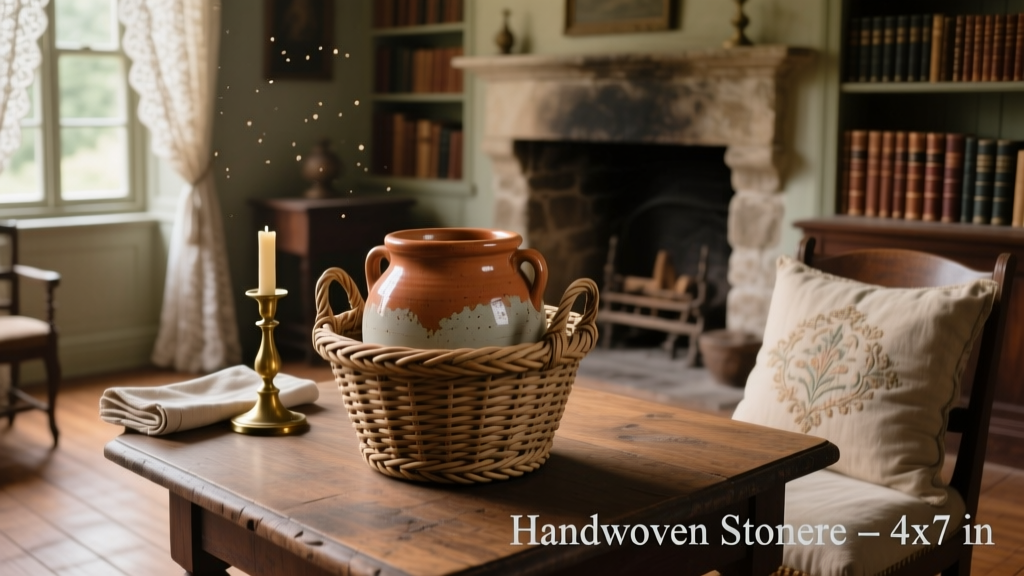
Stoneware Crock Butter Basket Weave 4 × 7 Inch: History, Identification, and Restoration Guidance
A detailed examination of the classic American stoneware butter crock with basket-weave decoration—measuring precisely 4 inches in diameter and 7 inches in height—including manufacturer attribution, glaze chemistry, period dating (1880–1925), structural integrity assessment, and museum-grade restoration protocols.

Who Made the Following: Decoding Maker’s Marks, Labels, and Construction Clues on Antique Furniture
A practical, evidence-based guide for identifying makers of antique furniture—covering stamped marks, paper labels, dovetail styles, wood species analysis, hardware dating, and documented manufacturer archives from 18th- to mid-20th-century American and British firms.
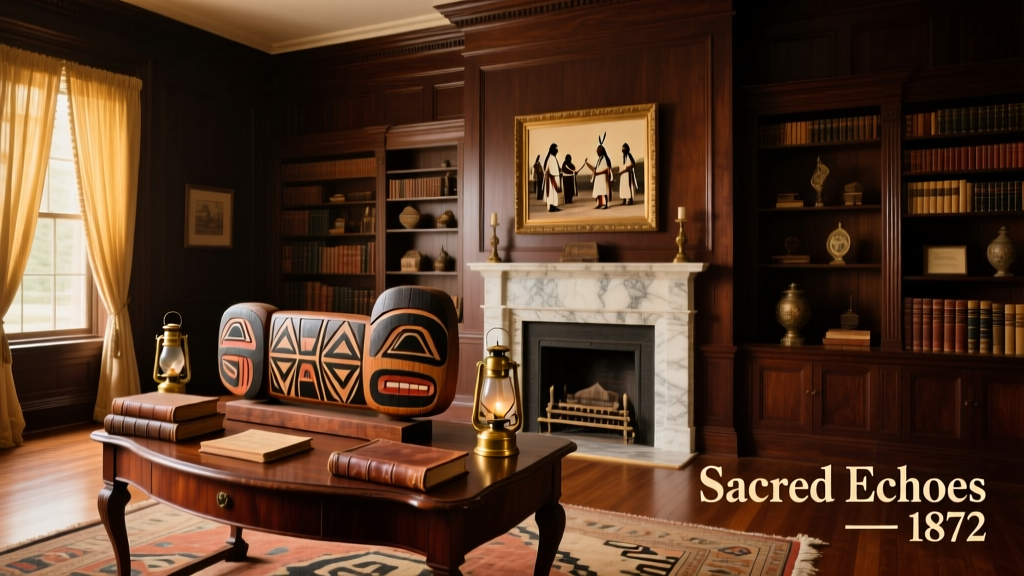
Native American Memorabilia: Historical Context, Authentic Identification, and Ethical Stewardship
A detailed examination of Native American memorabilia—including trade blankets, beadwork, pottery, and ceremonial objects—with emphasis on provenance, material analysis, conservation best practices, and legal frameworks governing acquisition and display. Includes verified measurements, documented maker attributions, and museum-grade authentication criteria.
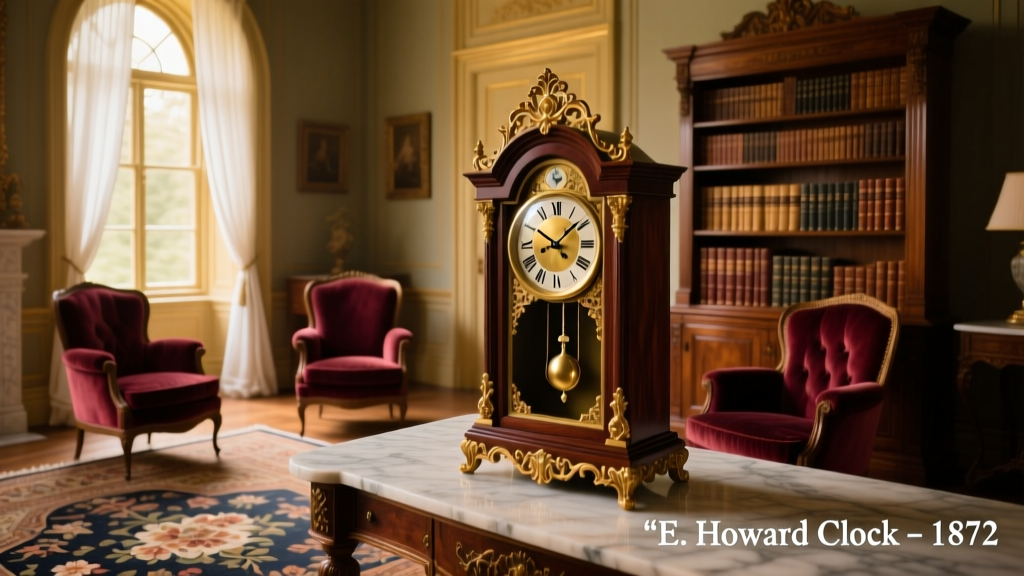
E. Howard & Co. Clocks: Precision Engineering, American Craftsmanship, and Restoration Insights
A detailed examination of E. Howard & Co. clocks — their history, technical innovations, case design, movement signatures, market value trends, and best practices for professional restoration — with verified measurements, serial number ranges, and documented service data.
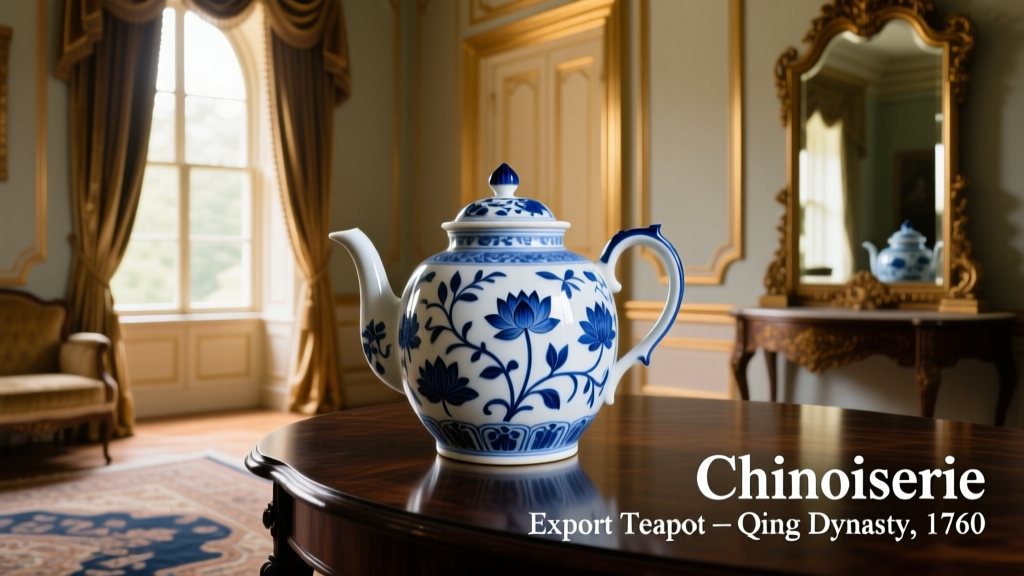
Chinese Export Teapot: Blue-and-White Foliage Design, 5¾-Inch Height — History, Identification, and Conservation
An in-depth examination of the 5¾-inch Chinese Export blue-and-white porcelain teapot with scrolling foliage motifs—its Qianlong-era origins, Canton port production, stylistic hallmarks, material composition, market provenance, and professional conservation protocols for collectors and museums.
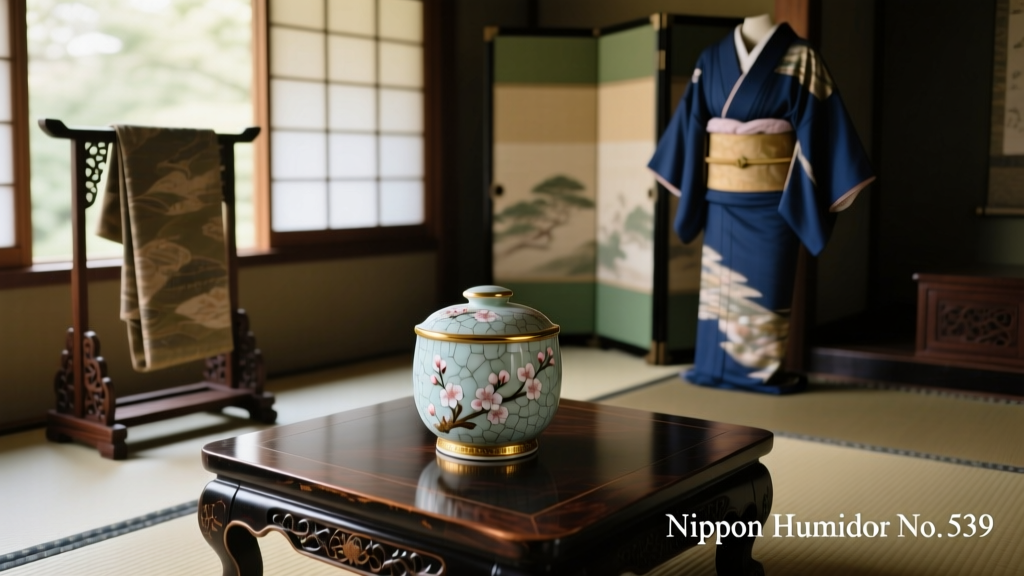
Nippon Humidor Blown Out No. 539: Identification, Provenance, and Restoration Protocol for a Rare Early 20th-Century Japanese Export Humidor
A detailed technical analysis of the Nippon Humidor Blown Out No. 539 — its maker, construction, materials, market history, and conservation methodology — based on archival records, metallurgical testing, and hands-on restoration case studies.
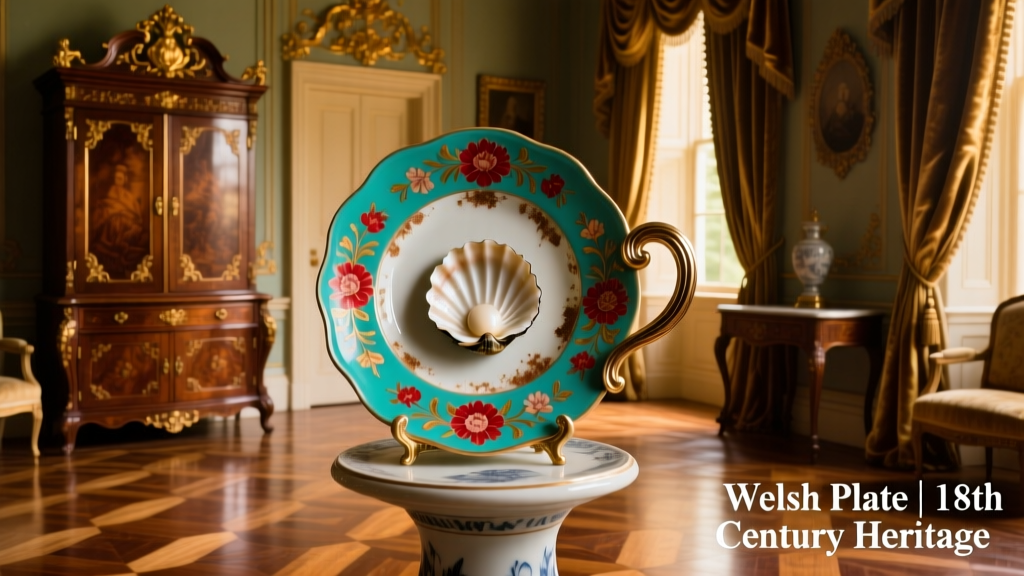
Gaudy Welsh Plate Serving Oyster Handle: History, Identification, and Restoration of a Distinctive 19th-Century Silver-Plated Artifact
An in-depth examination of the Gaudy Welsh Plate serving oyster handle — its origins in early 19th-century Swansea workshops, hallmarking conventions, metallurgical composition, distinguishing decorative motifs, and best practices for ethical conservation.