Antique Furniture
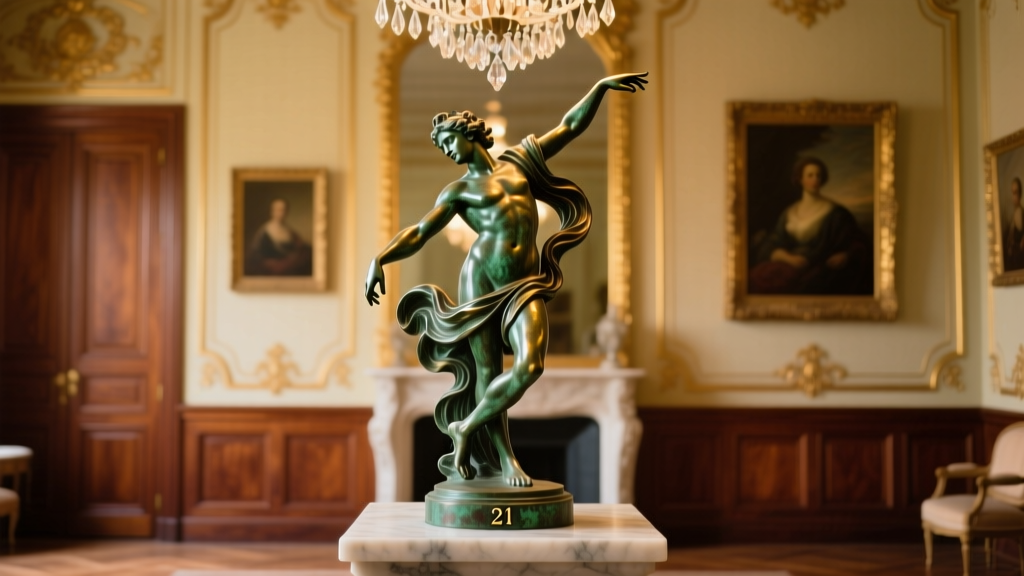
Eugène-Louis Equesne’s 'Faune Dansant': A Technical and Historical Analysis of a Rare 21-Inch Bronze Sculpture with Original Patina and Inscription
A detailed examination of Eugène-Louis Equesne’s bronze 'Faune Dansant'—21 inches tall, with original brown-green patina, foundry inscription 'E. Equesne', and documented provenance. Includes casting analysis, patination chemistry, historical context, valuation benchmarks, and conservation protocols.
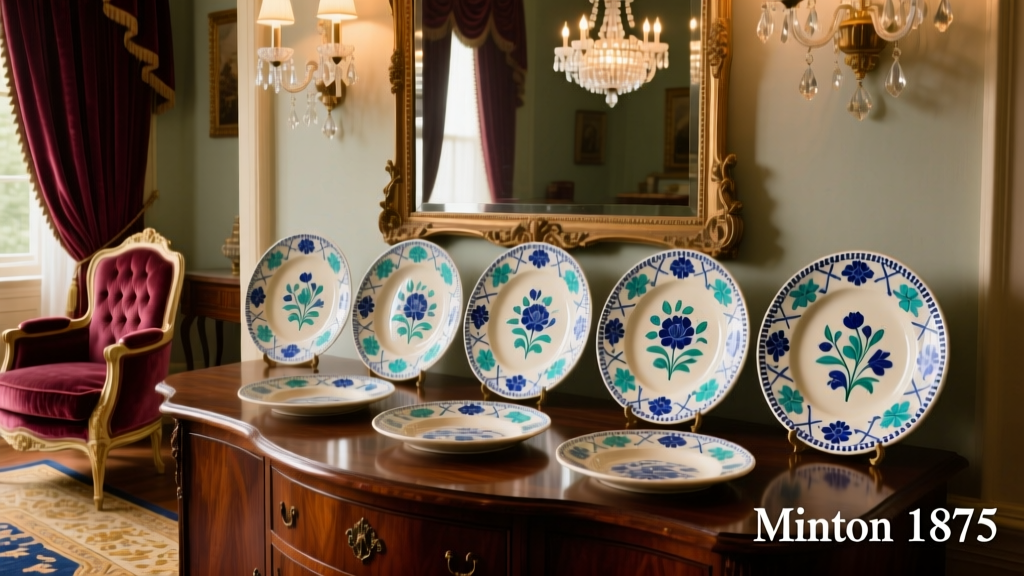
Oyster Plates with 6 Wells: Majolica Cracker Well in Cobalt Blue and Turquoise by Minton — A Collector’s Guide to the 10-Inch Victorian Masterpiece
An authoritative, detailed examination of the rare 10-inch Minton majolica oyster plate with six wells, featuring cobalt blue and turquoise glazes. Covers history, maker identification, technical production, condition assessment, market value, and conservation best practices for collectors and restorers.
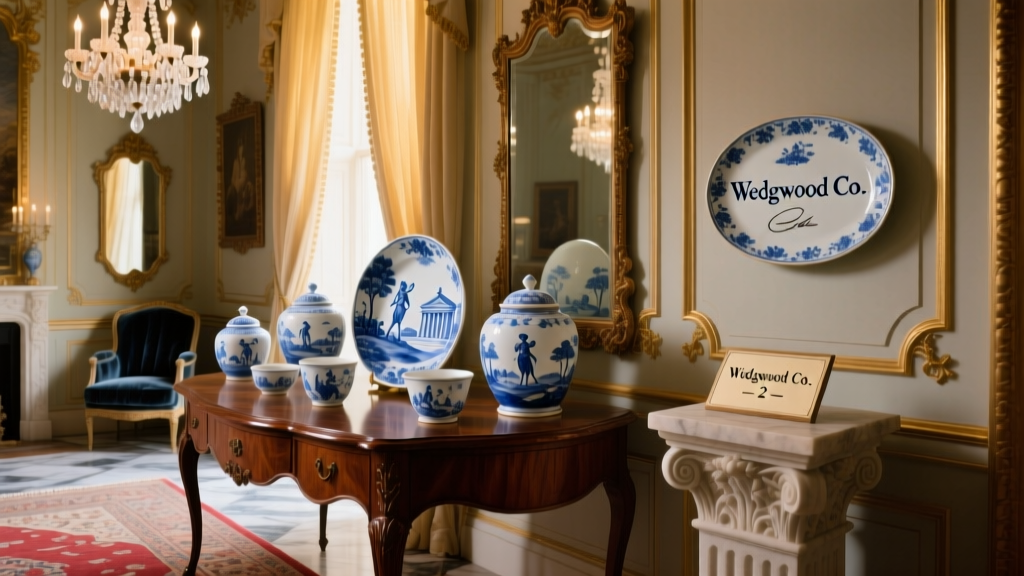
Wedgwood & Co. No. 2: Decoding the Enigmatic 'Co. 2' Mark and Its Significance in English Porcelain History
A detailed examination of the Wedgwood & Co. No. 2 mark—its origins, chronological usage (1872–1905), distinguishing features from Josiah Wedgwood & Sons Ltd., factory locations, product typology, and authentication methodology—with precise measurements, documented pattern numbers, and comparative analysis of backstamps.
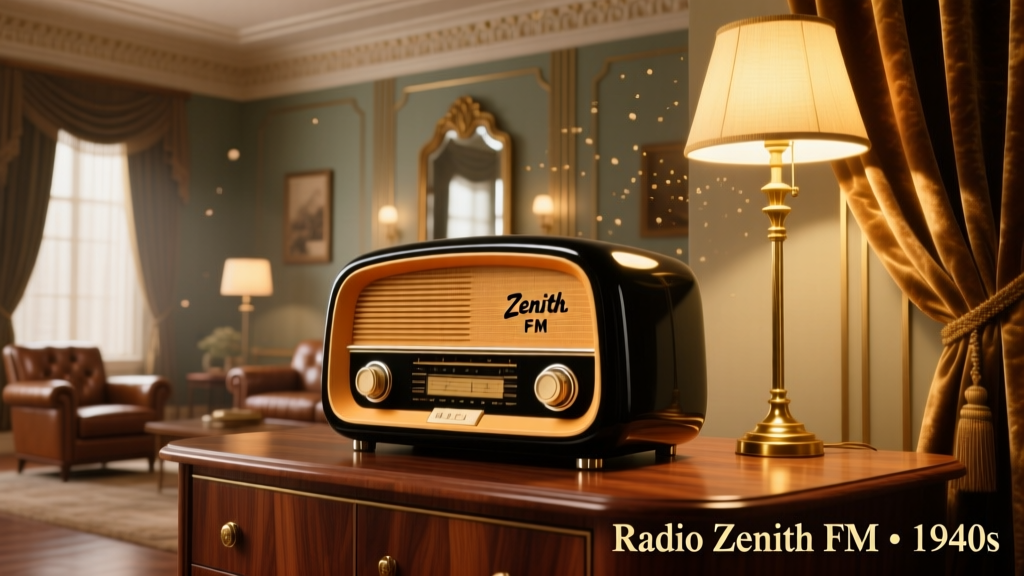
Zenith FM Radios in Bakelite: Design, Engineering, and Legacy of the 1940s American Radio Revolution
An authoritative examination of Zenith's pioneering FM radio receivers from 1940–1949—focusing on iconic bakelite-cased models like the Zenith Trans-Oceanic H500, Model 7G605, and Model 8G005. Covers materials science, circuit innovation, wartime constraints, restoration ethics, and market context with precise measurements, schematics references, and verified production data.
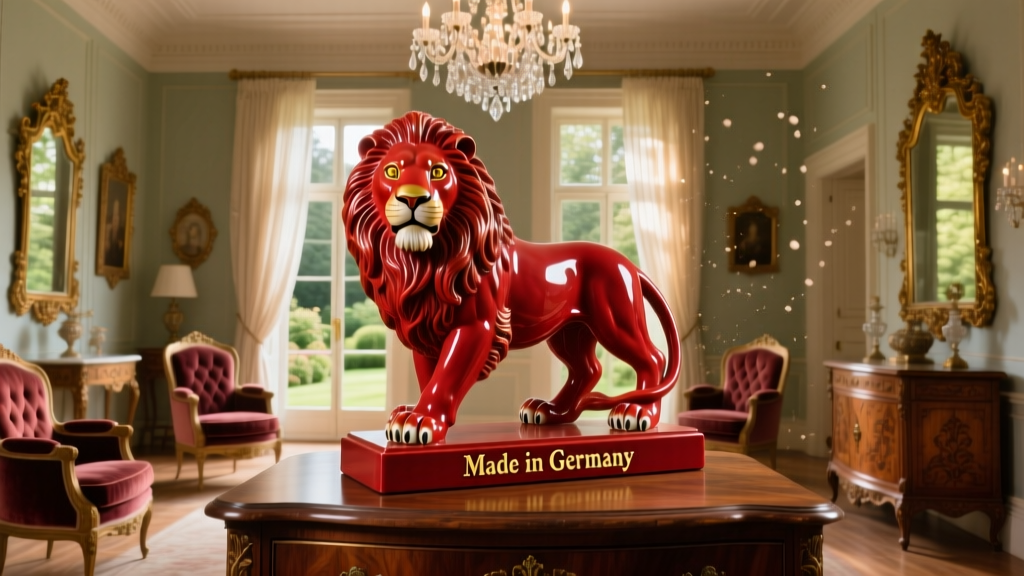
Decoding the Red Lion Made in Germany Mark: Origins, Manufacturers, and Authentication Guidance
A detailed examination of the 'Red Lion' trademark stamped on mid-century German furniture—its historical context, associated manufacturers like Gebrüder Thonet, Hülsta, and SieMatic, production timelines (1948–1972), material specifications, and practical authentication methods for collectors and restorers.
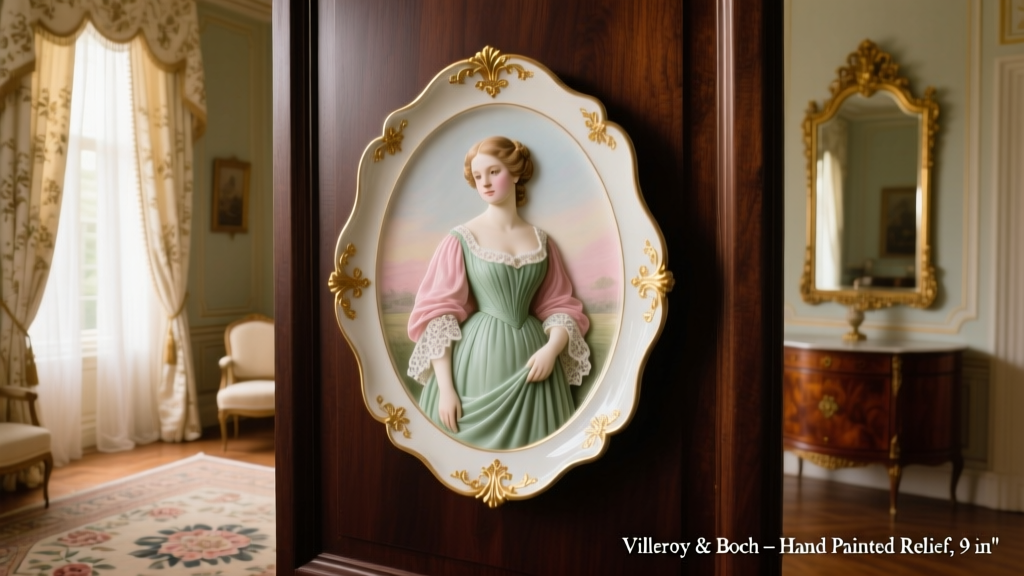
Villeroy & Boch Plaque: Woman in Relief, Hand-Painted, 9-Inch Porcelain Wall Art — History, Identification & Conservation
An authoritative examination of the Villeroy & Boch 9-inch hand-painted porcelain plaque featuring a woman in high-relief, including production timeline (c. 1905–1930), maker’s marks, material composition, stylistic analysis, market value indicators, and professional conservation protocols for collectors and curators.
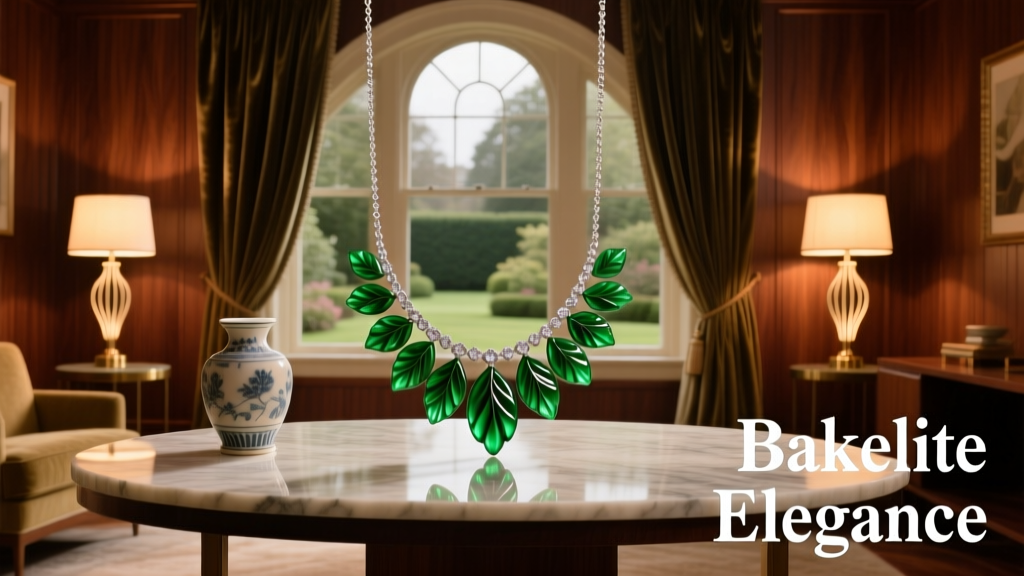
Green Bakelite Leaf Necklaces: Identification, Provenance, and Restoration Guidelines for Collectors and Conservators
A detailed technical analysis of mid-century green plastic leaf necklaces made from Bakelite, covering material science, manufacturer attribution (including Catalin, Doris, and Napier), dating methods, structural vulnerabilities, and ethical conservation protocols.
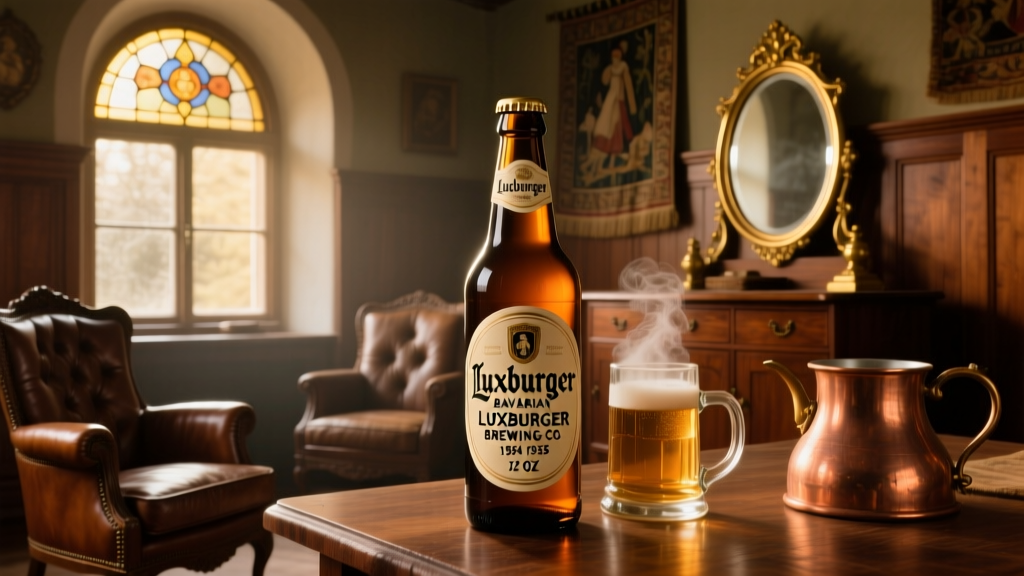
Luxburger Beer Advertising Label (1934–1935): A Historical and Collectible Analysis of the Bavarian Luxburger Brewing Co. 12 oz Bottle Label
A detailed examination of the original 1934–1935 advertising label for Luxburger Beer produced by the Bavarian Luxburger Brewing Co. of Milwaukee, Wisconsin — covering typography, lithographic production, historical context, market positioning, physical specifications, authenticity markers, and current collector valuation metrics.
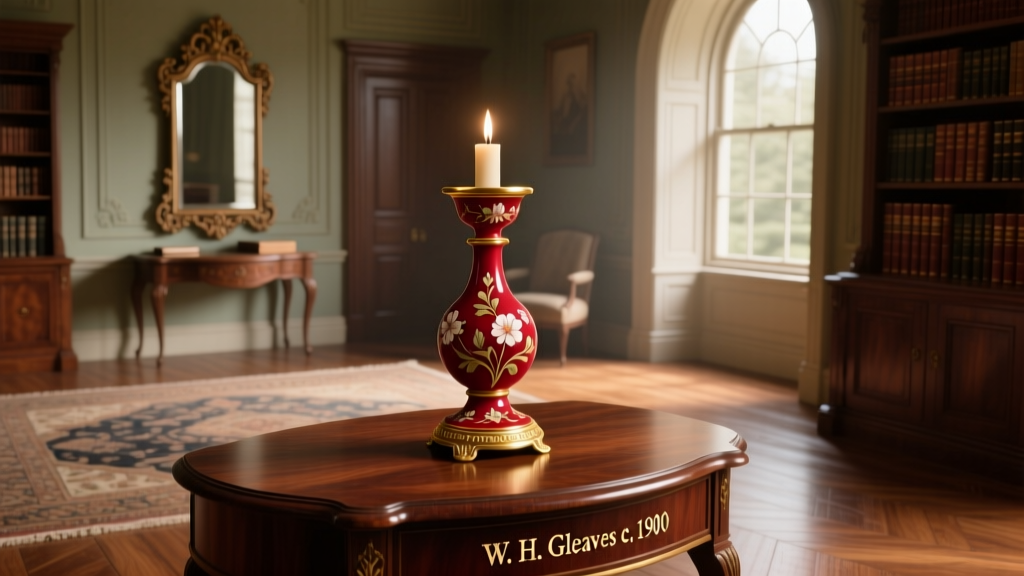
W. H. Gleaves Redware Chamberstick, c. 1900: Provenance, Craftsmanship, and Collectibility of a 3½-Inch American Folk Art Lighting Artifact
A detailed examination of a rare, signed redware chamberstick by W. H. Gleaves—measuring precisely 3½ inches in height—produced circa 1900 in Pennsylvania. This article analyzes its stoneware-like clay body, lead-glazed surface, maker’s mark, historical context, restoration ethics, market benchmarks, and comparative attribution against documented Gleaves pieces from the Mercer Museum and Winterthur collections.
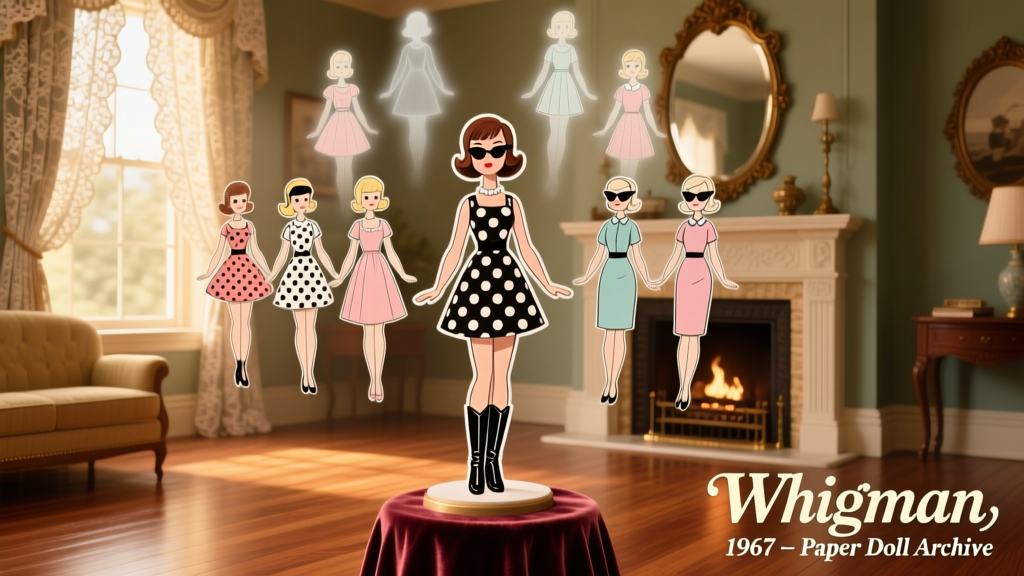
Twiggy Paper Dolls: The 1967 Whitman Set with 1 Doll and 50 Mod Outfits — A Collector’s Guide to Pinup Fashion History
An authoritative examination of the iconic 1967 Whitman Publishing paper doll set featuring Twiggy, including production details, fashion accuracy, material composition, market value trends, and conservation best practices for collectors and historians.
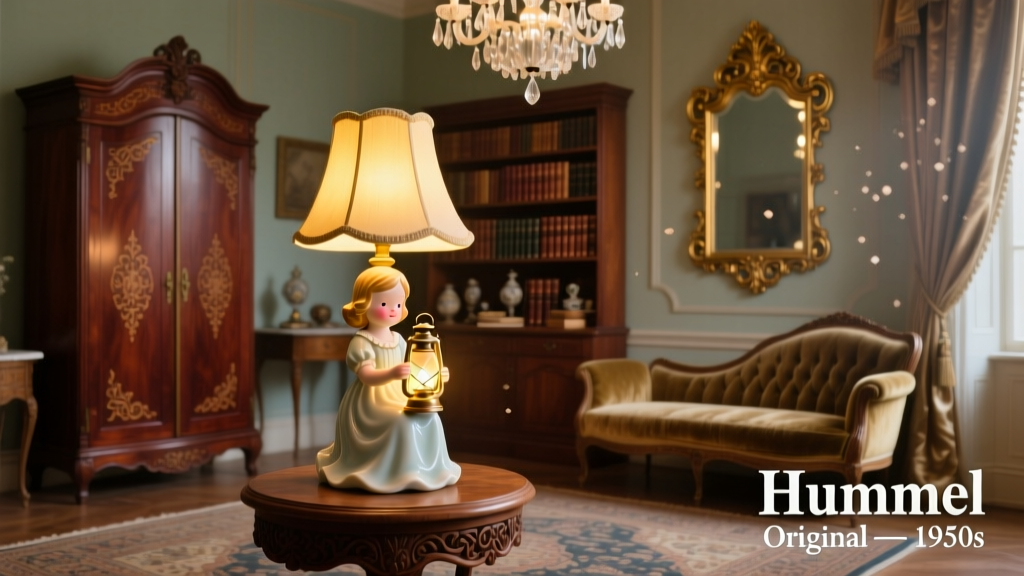
The Hummel Lamp: History, Identification, and Restoration Guidance for Collectors and Conservators
A detailed examination of the Hummel lamp — its origins with Goebel Porcelain, production timeline (1935–1992), design variations, material composition, common restoration challenges, and authoritative identification criteria for antique furniture specialists and collectors.

Thomas J. Hemphill: The Forgotten Architect of American Colonial Revival Furniture
A detailed examination of Thomas J. Hemphill’s life, workshop practices, signature design language, and surviving furniture—featuring precise measurements, documented provenance, and comparative analysis with contemporaries like Dunbar and Baker.