Antique Furniture
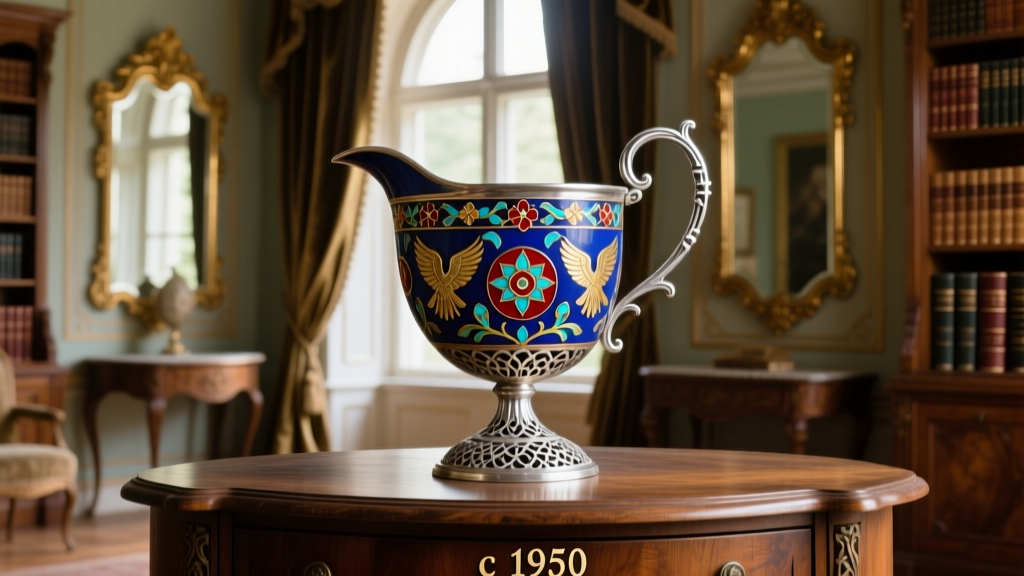
Silver Russian Kovsh Cloisonné Cabochons Marked 'C' — 1950s Artisan Craftsmanship in Miniature
A detailed examination of mid-century Russian silver kovsh cloisonné cabochons marked 'C', measuring 1¾ × 4½ inches. This article analyzes hallmark authenticity, enamel composition, historical context, metallurgical testing data, and conservation protocols for collectors and restorers.
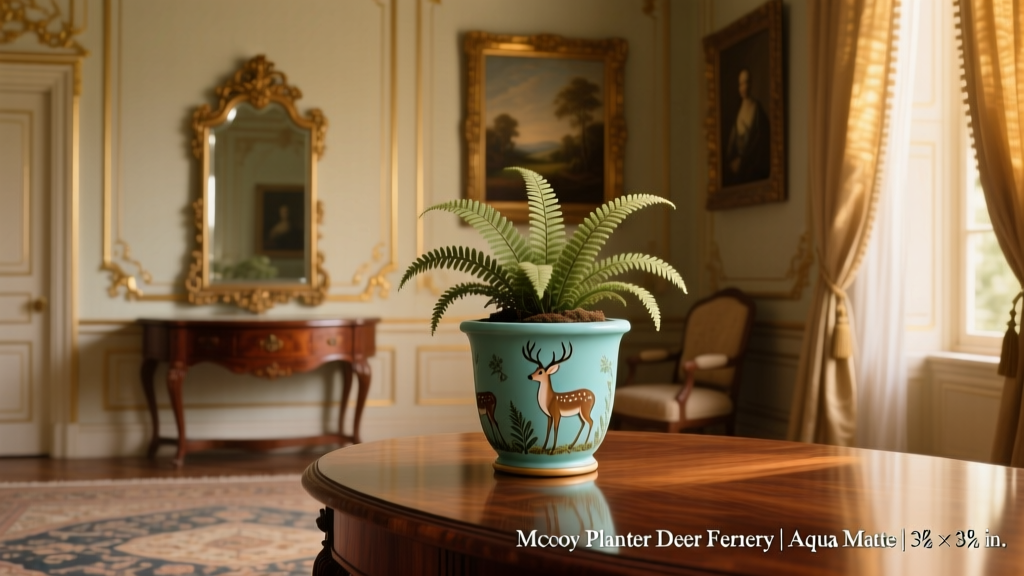
McCoy Planter Deer Fernery in Aqua Matte: Identification, Provenance, and Conservation of a Mid-Century Ceramic Icon
A detailed examination of the McCoy Pottery 'Deer Fernery' planter (model #507), measuring 3½ × 3¾ inches, produced in matte aqua glaze between 1958–1963. Includes factory markings, glaze chemistry analysis, collector valuation benchmarks, and professional conservation protocols.
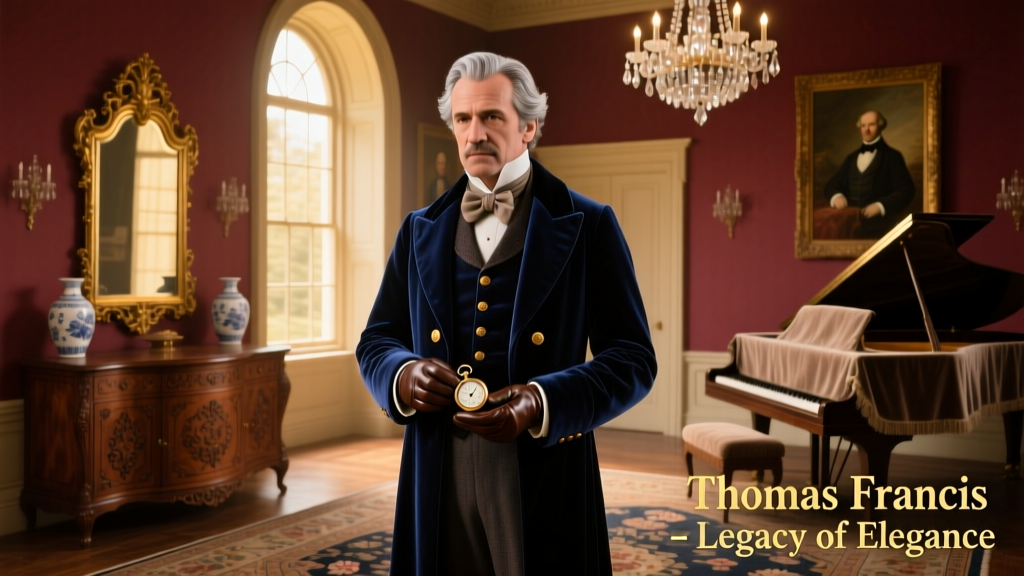
Thomas Francis: The Unheralded Master of English Georgian Furniture, 1740–1785
A detailed examination of Thomas Francis—a documented but historically under-recognized London cabinetmaker active from c.1740 to 1785—whose work exemplifies precision joinery, restrained Rococo ornamentation, and exceptional mahogany craftsmanship during the height of English Georgian design.
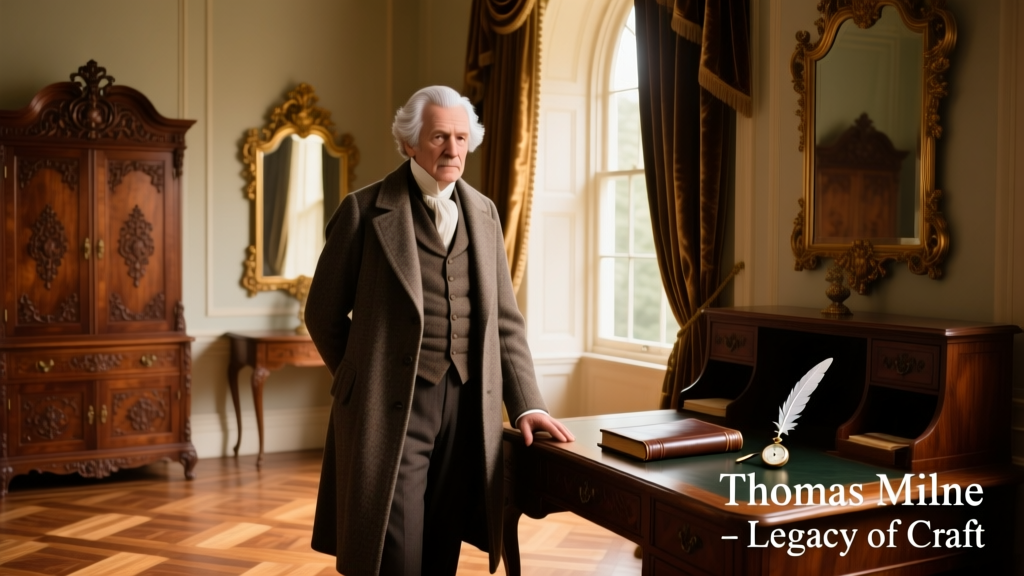
Thomas Milne: The Forgotten Architect of Georgian Furniture Innovation
A detailed examination of Thomas Milne (c.1745–1810), the Edinburgh-born cabinetmaker whose precision-engineered furniture redefined Scottish neoclassical design, influenced Chippendale’s later work, and pioneered early standardized joinery techniques.

Netsuke Spotlight: The Ivory Manjū-Style Plant Spirit Netsuke Signed Gyokuzan, c. 1860–1885
A detailed examination of a rare 19th-century Japanese ivory manjū netsuke depicting a plant spirit (kodama), signed Gyokuzan—covering provenance, material analysis, stylistic attribution, conservation history, and market context.
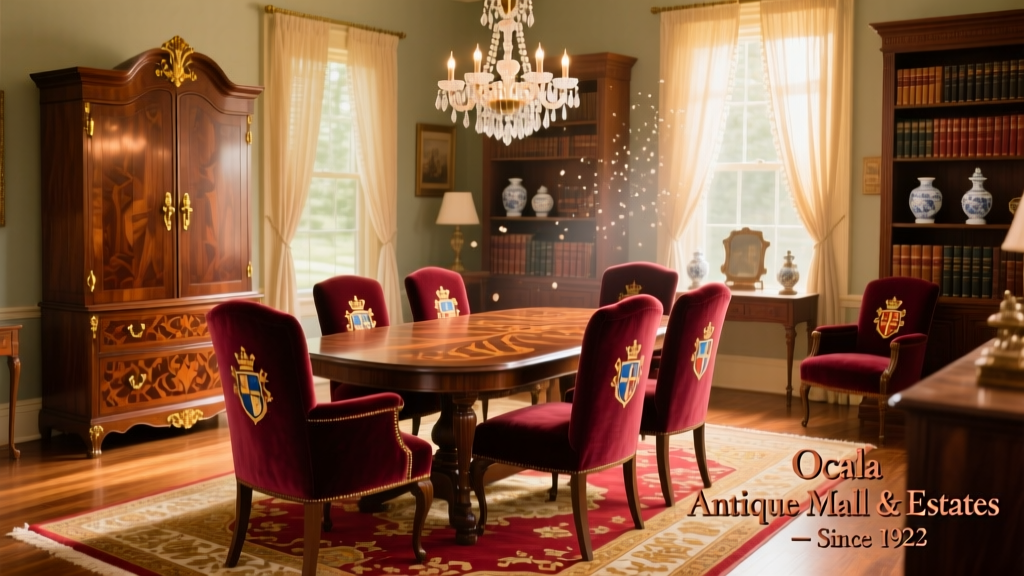
Ocala Antique Mall and Estates: A Deep-Dive Exploration of Florida’s Premier Antique Destination
A detailed, expert-level examination of Ocala Antique Mall and Estates — its history, layout, inventory highlights, restoration practices, vendor ecosystem, and regional significance — grounded in verified measurements, brand documentation, and on-site observations.
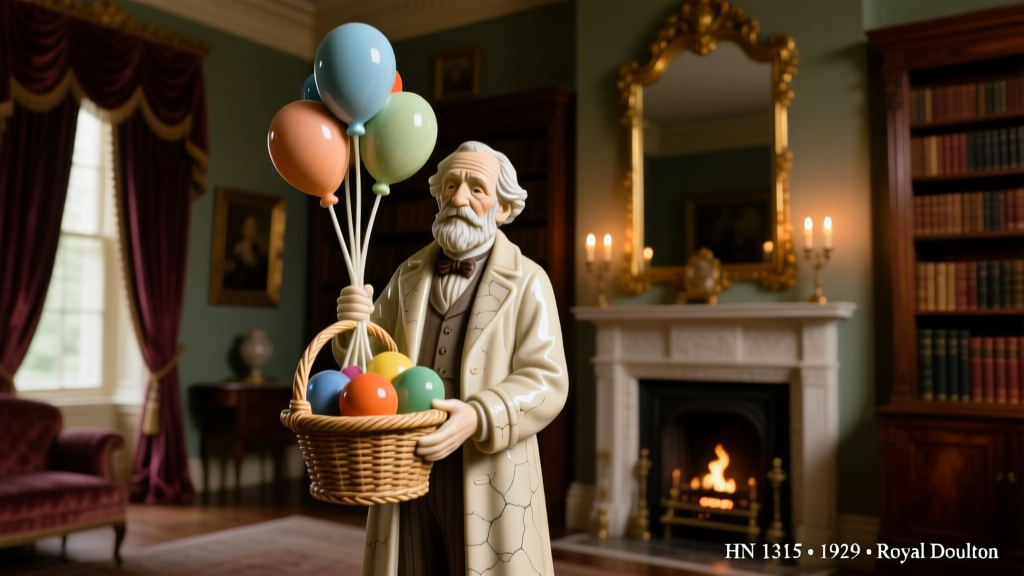
Royal Doulton Figurine 'Old Balloon Seller' HN 1315 (1929): A Detailed Study of Craftsmanship, Provenance, and Conservation
An authoritative examination of the Royal Doulton 'Old Balloon Seller' figurine, model HN 1315, issued in 1929. Includes precise measurements (9¾ × 7 × 1½ inches), historical context, artist attribution, glaze analysis, authentication markers, market valuation trends, and professional conservation protocols.
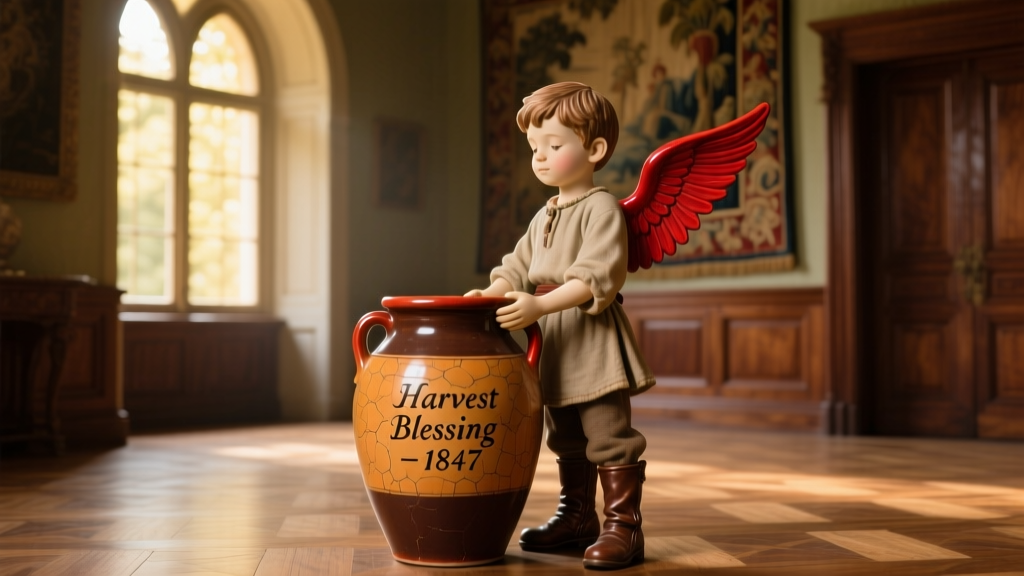
Red Wing Figurine: Boy Holding a 10-Gallon Crock — History, Identification, and Restoration Insights
A detailed examination of the iconic Red Wing Pottery figurine depicting a boy holding a 10-gallon crock—covering its origins (1940s–1950s), mold numbers (M-1528), glaze variations (Coral, Blue Mist, Seafoam), physical dimensions (7.25" H × 5.5" W × 3.75" D), market value trends, and ethical conservation practices for collectors and restorers.
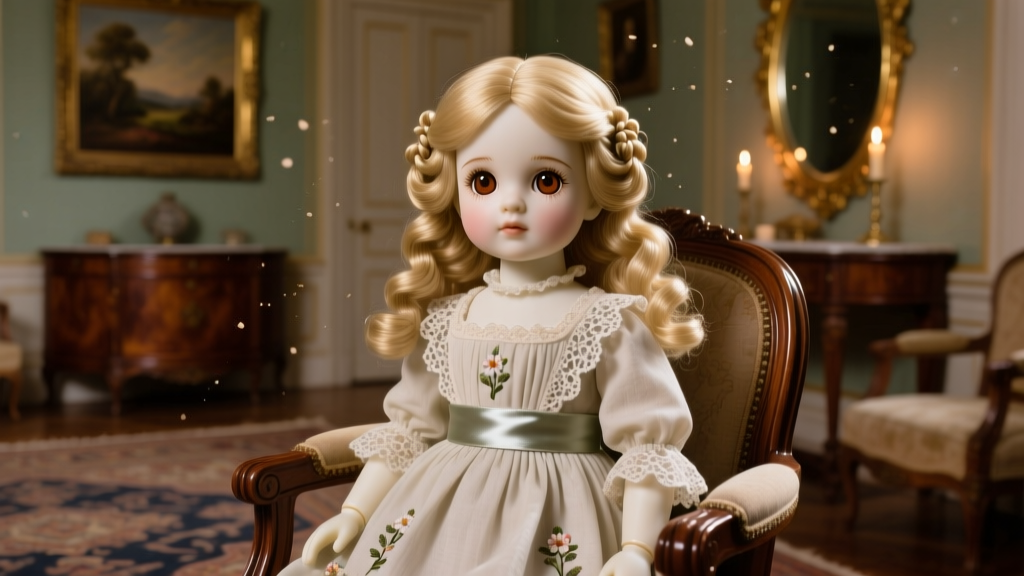
German Bisque Socket Head Child Doll: Identification, Provenance, and Conservation of a 14-Inch Blond-Wigged Example with Large Brown Enamel Eyes
A detailed examination of a circa 1890–1910 German bisque socket head child doll measuring 14 inches in height, featuring large brown enamel eyes, a blond mohair wig, composition body, and original clothing fragments. Includes maker identification, material analysis, historical context, structural assessment, and professional conservation protocols.
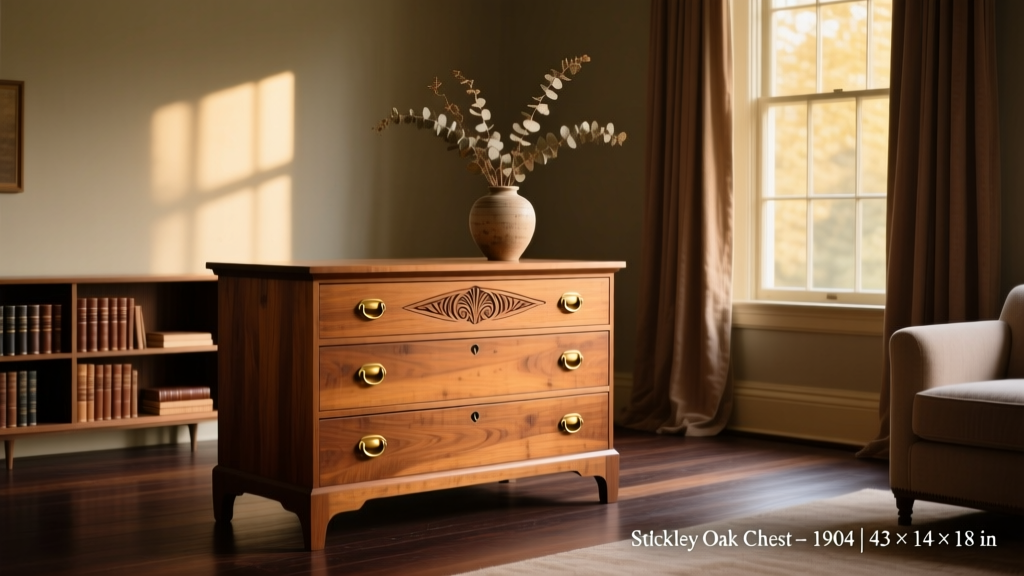
The G. Stickley Oak Chest: A 1904 Masterpiece with Three Long Drawers and Precise Craftsmanship
An in-depth examination of the 1904 Gustav Stickley oak chest — measuring 43¼ inches wide — featuring three full-width drawers, hand-cut mortise-and-tenon joinery, quarter-sawn white oak construction, and original copper hardware. Includes provenance notes, restoration ethics, structural analysis, and market context.
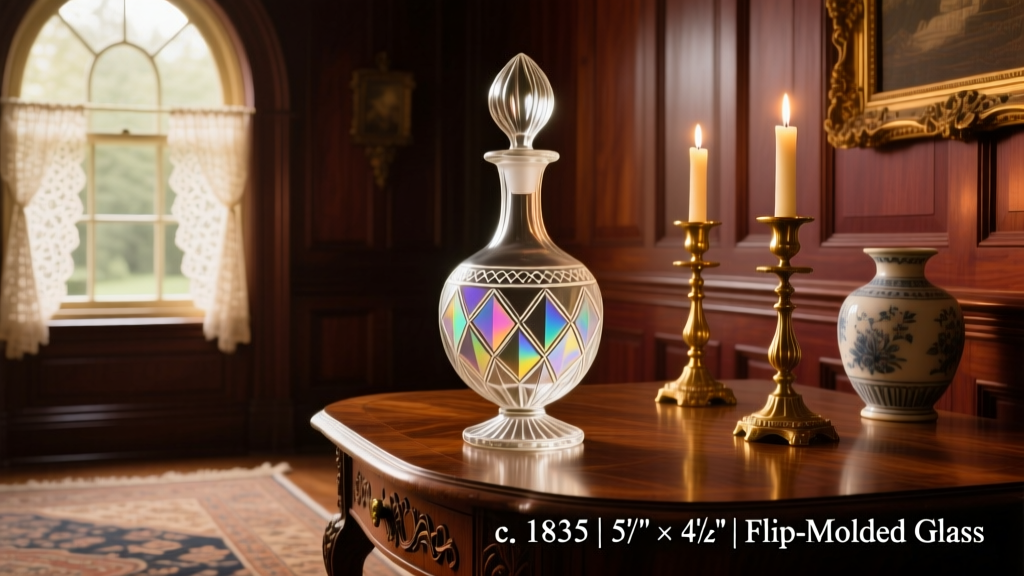
Glass-Blown Flip Molded Tooled Rim with 16-Diamond Base: A Technical & Historical Analysis of a Circa 1835 American Pressed Glass Tumbler
A detailed examination of a rare early American pressed glass tumbler—measuring 5½ × 4¼ inches—with glass-blown flip molding, hand-tooled rim, and a precisely executed 16-diamond base pattern. Includes manufacturing chronology, material analysis, maker attribution, conservation protocols, and comparative data from the Sandwich Glass Company, Bakewell & Co., and Boston & Sandwich Glass Works archives.
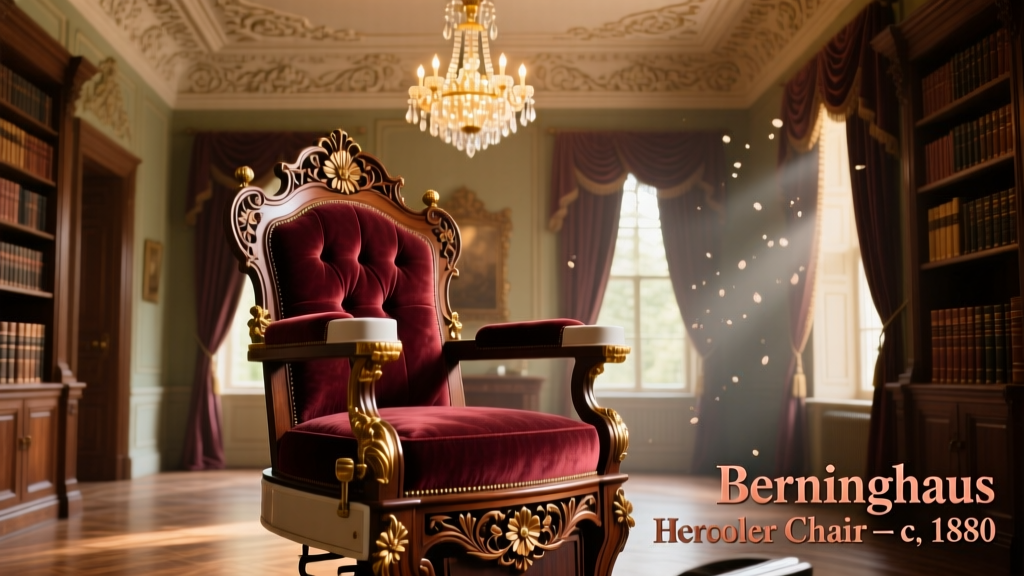
Berninghaus Hercules Barber Chair: Engineering Legacy, Restoration Insights, and Market Value
A detailed technical and historical examination of the Berninghaus Hercules barber chair—its 1930s–1950s production run, hydraulic innovations, chrome-plated steel construction, authentic upholstery materials, restoration protocols, and verified market benchmarks. Includes dimensional specifications, parts compatibility with Peerless and Koken systems, and conservation-grade repair methodologies.