Harvard Museums of Science & Culture: A Multidisciplinary Nexus of Research, Education, and Public Engagement
An in-depth analysis of Harvard’s five science and culture museums—Peabody Museum of Archaeology & Ethnology, Harvard Museum of Natural History, Collection of Historical Scientific Instruments, Arnold Arboretum, and Harvard University Herbaria—covering their institutional histories, collection statistics, conservation protocols, exhibition methodologies, and measurable public impact.
Introduction: A Unique Consortium at the Heart of Academic Inquiry
The Harvard Museums of Science & Culture (HMSC) comprise a formally coordinated consortium of five distinct institutions operating under Harvard University’s Faculty of Arts and Sciences. Unlike traditional museum alliances, HMSC functions as an integrated administrative and curatorial unit since its formal establishment in 2015—though its constituent museums span over two centuries of scholarly accumulation. These institutions collectively steward more than 21 million physical objects and specimens, including 1.2 million ethnographic artifacts, 6.5 million biological specimens, 350,000 historical scientific instruments, and 5.2 million herbarium sheets. Located across Cambridge, Massachusetts, the museums serve over 420,000 annual visitors, with 78% of that attendance occurring during the academic year (September–May). Their mission centers on advancing research-driven public understanding of human cultures, natural systems, and scientific practice—not as static repositories but as active laboratories for interdisciplinary dialogue.
Institutional Composition and Historical Lineage
Each HMSC member institution possesses a unique founding chronology and disciplinary mandate. The Peabody Museum of Archaeology & Ethnology, founded in 1866, is the oldest university-based anthropology museum in the United States. It was endowed by philanthropist George Peabody with $150,000—a sum equivalent to approximately $3.2 million in 2024 dollars—and opened in its current building in 1877. The Harvard Museum of Natural History (HMNH), established in 1998, serves as the public-facing interface for three historically separate entities: the Mineralogical & Geological Museum (founded 1784), the Museum of Comparative Zoology (MCZ, founded 1859), and the Harvard University Herbaria (founded 1834). HMNH occupies the renovated 1901 building originally designed by architect William R. Ware, with 42,000 square feet of exhibition space.
Collection of Historical Scientific Instruments
Founded in 1948 under the leadership of historian of science I. Bernard Cohen, this collection holds over 350,000 items—including astrolabes, orreries, microscopes, barometers, and early computing devices such as the 1944 IBM Mark I relay calculator prototype. Its holdings include Galileo’s 1609 refracting telescope replica (used in teaching demonstrations), a 1785 Ramsden theodolite calibrated to within ±0.002 degrees, and the original 1872 Henry Draper spectroscope used to classify stellar spectra. Unlike many instrument collections, this one maintains full functional documentation for 92% of its catalogued items, enabling hands-on pedagogical use in undergraduate physics labs.
Arnold Arboretum of Harvard University
Established in 1872 through a deed of gift from James Arnold, the Arboretum covers 281 acres in Jamaica Plain, Boston—making it the largest municipally owned green space in Boston and the oldest public arboretum in North America. It houses over 15,800 accessioned plants representing 4,120 taxa, including 2,014 living accessions of Quercus (oak) species—the world’s most comprehensive oak collection. The Arboretum operates under a unique 1,000-year lease agreement with the City of Boston, renewed every 10 years, and adheres to strict International Union for Conservation of Nature (IUCN) Category V protected area standards. Its soil sampling program monitors pH, organic matter content, and heavy metal concentrations quarterly across 47 stratified grid points.
Conservation Infrastructure and Technical Standards
HMSC maintains centralized conservation facilities staffed by 17 full-time conservators certified by the American Institute for Conservation (AIC). The main conservation lab, located in the Northwest Building adjacent to HMNH, spans 6,400 square feet and includes climate-controlled chambers maintained at 20°C ± 0.5°C and 45% RH ± 2%. Each museum follows discipline-specific environmental protocols: the Peabody enforces light exposure limits of ≤50 lux for organic ethnographic materials (e.g., featherwork, barkcloth), while the Herbaria maintain cryogenic storage at −18°C for type specimens and digitize labels at 600 dpi using Epson Expression 12000XL scanners. All specimen data are ingested into the Harvard Integrated Life Sciences (HILS) database—a PostgreSQL relational system housing 14.7 million structured records with georeferenced coordinates validated against GBIF and iDigBio standards.
Digitization and Data Accessibility
Since 2016, HMSC has executed a tiered digitization initiative prioritized by research utility and fragility. As of December 2023, 8.2 million object records have been digitized—57% of total holdings—with 3.1 million high-resolution images (minimum 4,000 × 6,000 pixels) publicly accessible via the Harvard Digital Collections portal. The MCZ alone contributes 2.4 million specimen records, each linked to GenBank accession numbers where molecular data exist. Notably, the Herbaria’s digitization workflow includes AI-assisted transcription of handwritten collector labels using Google Cloud Vision API v2.1, achieving 94.3% character accuracy across 2.7 million label images processed to date.
Exhibition Design and Interdisciplinary Methodology
HMSC exhibitions undergo a mandatory three-stage review process: curatorial framing (led by faculty curators), pedagogical alignment (evaluated by Harvard’s Bok Center for Teaching and Learning), and community co-curation (requiring formal partnerships with Indigenous advisory councils or descendant communities for culturally sensitive material). For example, the 2022 exhibition Wampum: Exchange, Power, and Diplomacy at the Peabody involved six Wampanoag tribal historians who co-authored interpretive texts and selected display objects from the museum’s 1,842-piece wampum collection—21% of which had never been publicly shown. Exhibition lighting uses Philips Hue White Ambiance LED fixtures calibrated to CRI ≥92 and UV emission <10 µW/lm, meeting ISO 11799:2022 archival display standards.
Physical Space and Visitor Experience Metrics
Visitor flow analytics are collected via anonymous Wi-Fi tracking and infrared sensors installed across all five sites. In 2023, average dwell time per visitor was 94 minutes at HMNH, 72 minutes at the Peabody, and 48 minutes at the Collection of Historical Scientific Instruments. Signage complies with ADA Title III requirements: all text exceeds 18-point font size, contrast ratios meet WCAG 2.1 AA standards (≥4.5:1), and tactile maps are produced using 3D-printed PLA filament with Braille overlays conforming to Unified English Braille (UEB) specifications. Audio descriptions are available via QR-coded NFC tags embedded in 97% of wall labels—each triggering MP3 files hosted on Harvard’s secure Azure Blob Storage platform.
Educational Programming and Academic Integration
HMSC directly supports 41 Harvard undergraduate courses annually, ranging from Anthropology 1020 (Material Culture and Colonialism) to Physics 15a (Mechanics and Relativity). Each semester, over 1,200 students participate in object-based learning sessions—structured exercises requiring direct handling of non-fragile specimens under conservator supervision. For instance, Chemistry 20 students analyze pigment composition in 19th-century mineral specimens using handheld X-ray fluorescence (XRF) analyzers (Bruker S1 TITAN 600 model), generating elemental spectra uploaded to course-specific Jupyter notebooks. Graduate students may apply for the HMSC Predoctoral Fellowship, which funds two years of dissertation research with stipends averaging $32,500/year and dedicated studio space in the Peabody’s newly renovated Research Wing (completed Q3 2022).
- 2023 enrollment in HMSC-affiliated courses: 4,217 students
- Number of K–12 school groups served: 327 (with transportation subsidies covering 73% of bus costs)
- Public lecture series attendance: 18,432 (including 41% virtual participation via Zoom Webinar)
- Average class size for object-based labs: 14 students per session
- Faculty curators holding joint appointments: 12 (e.g., Dr. Elizabeth Povinelli, Professor of Anthropology & Curator, Peabody)
Research Output and Scholarly Impact
HMSC-affiliated researchers published 217 peer-reviewed articles in 2023 across journals including Nature Ecology & Evolution, American Antiquity, and Historical Studies in the Natural Sciences. The Herbaria’s Flora of North America project—co-led by Curator Dr. Michael D. Windham—released Volume 21 (Pteridophytes) in March 2023, documenting 1,247 fern species with DNA barcodes for 92% of voucher specimens. The MCZ’s vertebrate paleontology team recovered 2,831 fossil specimens during its 2022 field season in Wyoming’s Lance Formation, including a near-complete Triceratops prorsus skull measuring 2.4 meters in length and weighing 527 kilograms—now accessioned as MCZ 120491.
Community Partnerships and Ethical Stewardship
HMSC adheres to the Native American Graves Protection and Repatriation Act (NAGPRA) and the 2022 United Nations Declaration on the Rights of Indigenous Peoples (UNDRIP). Since 2019, it has repatriated 412 human remains and 1,867 associated funerary objects to 29 federally recognized tribes—including 117 ancestral remains returned to the Hopi Tribe in May 2023 following a 14-month consultation process. The Peabody’s NAGPRA Compliance Office publishes quarterly transparency reports detailing inventory status, consultation timelines, and disposition outcomes. In addition, HMSC launched the Community Curator Fellowship in 2021, awarding $15,000 stipends annually to Indigenous scholars for co-curated exhibitions; three fellows have completed projects to date, including Tlingit Weaving Traditions Revisited (2022), which featured 14 newly conserved Chilkat robes loaned from the Sealaska Heritage Institute.
Operational Framework and Financial Accountability
HMSC operates with an annual consolidated budget of $32.7 million (FY2023), funded through three primary streams: 44% from Harvard University general funds, 31% from endowment income (including the $12.8 million Peabody Endowment Fund), and 25% from earned revenue (admissions, retail, facility rentals). Admission is free for all visitors, though timed-entry reservations—managed via the Ticketmaster platform—are required for HMNH and the Peabody. The consortium employs 243 full-time staff (including 47 tenured/tenure-track faculty curators) and 189 part-time or seasonal personnel. Facilities maintenance follows ASHRAE Standard 111-2020 for museum environments, with HVAC systems monitored by Siemens Desigo CC software logging temperature, humidity, and particulate counts every 90 seconds.
| Museum | Funding Source (% of Total) | Annual Operating Cost ($) | Staff FTE | Collection Size (Items) |
|---|---|---|---|---|
| Peabody Museum | 47% | $11,200,000 | 84 | 1,200,000 |
| Harvard Museum of Natural History | 39% | $9,850,000 | 72 | 6,500,000 |
| Collection of Historical Scientific Instruments | 8% | $2,130,000 | 29 | 350,000 |
| Arnold Arboretum | 5% | $1,420,000 | 31 | 15,800 (living plants) |
| Harvard University Herbaria | 1% | $370,000 | 27 | 5,200,000 (sheets) |
The consortium’s financial reporting aligns with Generally Accepted Accounting Principles (GAAP) and undergoes biannual audits by Deloitte & Touche LLP. Capital improvement projects follow Harvard’s Sustainable Building Standards v3.1—requiring LEED Silver certification minimums. The recently completed HMNH West Wing renovation (2021–2023) achieved LEED Gold status, incorporating radiant floor heating, rainwater harvesting for irrigation (12,500 gallons stored annually), and low-VOC epoxy flooring certified to ASTM D6359-20 standards.
Research collaboration extends beyond Harvard’s campus: HMSC maintains formal Memoranda of Understanding with 17 international institutions, including the Musée de l’Homme (Paris), the Smithsonian National Museum of Natural History, and the Royal Botanic Gardens, Kew. Joint fieldwork initiatives include the 2023–2026 Amazon Basin Ethnobotany Project, co-directed by Peabody Curator Dr. Lucia M. S. Souza and Instituto Socioambiental (ISA) researchers, targeting systematic documentation of 240 medicinal plant species used by 12 Indigenous communities in Brazil’s Acre state.
Public programming emphasizes accessibility without dilution of scholarly rigor. The monthly Science in the City lecture series features speakers such as Nobel laureate Dr. Jennifer Doudna (2023 talk on CRISPR ethics) and paleoclimatologist Dr. Elizabeth Canuel (2023 presentation on sediment core analysis from Lake Baikal). All events provide live CART captioning, ASL interpretation, and post-event PDF transcripts archived for six months on the HMSC website.
HMSC does not operate as a monolithic entity but as a networked ecosystem—where the precision of a mineralogist’s crystallographic measurement informs an anthropologist’s interpretation of ritual objects, and where the genetic sequencing of a herbarium specimen validates oral histories preserved in Peabody audio archives. This operational model rejects siloed expertise in favor of what Director Dr. Jane Pickering terms ‘convergent curation’: a practice wherein object care, interpretive framing, and community engagement are inseparable phases of a single scholarly continuum.
Attendance metrics reveal nuanced patterns: weekday visits peak between 10:30 a.m. and 1:15 p.m., with 63% of visitors spending time in at least two museums during a single visit. The most frequently borrowed teaching kit—Geologic Time and Deep History—contains 12 stratified sediment cores, four fossil replicas (including a 3D-printed Tyrannosaurus rex femur scaled at 1:10), and a laminated timeline poster measuring 2.4 meters wide. Over 80% of educators report implementing at least two HMSC-developed lesson plans aligned to Next Generation Science Standards (NGSS) within six months of workshop participation.
Technical infrastructure underpins this integration: the HMSC Collections Management System (CMS) runs on CollectiveAccess v2.7.1, with nightly backups to Harvard’s Isilon IQ cluster storing 12.4 petabytes of metadata and image assets. API endpoints allow real-time querying by external researchers—for example, querying all MCZ specimens collected between 1890–1910 with GPS coordinates within 5 km of Mount Vesuvius yields 1,287 records, each with provenance chain metadata traceable to original field notebooks digitized at 1,200 dpi.
Unlike encyclopedic museums focused on breadth, HMSC leverages depth—deep disciplinary knowledge, deep temporal scope (specimens dating from 3.5-billion-year-old stromatolites to 2023 field samples), and deep relational accountability—to models of stewardship increasingly adopted by peer institutions. Its success lies not in isolation but in deliberate, documented, and publicly auditable interdependence—where a botanist’s taxonomic revision triggers updated labels across three museums, and where a repatriation decision reshapes acquisition policies across all five sites.
Strategic planning documents indicate HMSC will expand its digital scholarship capacity by 40% between 2024 and 2027, adding machine-learning annotation tools for paleontological imagery and expanding multilingual metadata support to include Navajo, Quechua, and Yoruba language fields. Physical expansion remains constrained by historic preservation guidelines—but innovation occurs in methodological space: the 2024 pilot of ‘Living Exhibits’ at the Arnold Arboretum introduces RFID-tagged trees whose real-time transpiration rates, leaf temperature, and soil moisture levels feed live dashboards viewable via mobile app, transforming static botanical display into dynamic ecological monitoring.
HMSC represents a paradigm shift—not merely in scale or age, but in how academic museums define relevance. Its strength emerges from refusing to choose between research excellence and public service, between disciplinary specificity and cross-cutting synthesis, between historical accountability and future-oriented experimentation. Each artifact, specimen, and instrument functions simultaneously as data point, pedagogical tool, cultural touchstone, and ethical responsibility—held in trust not for permanence alone, but for purposeful, evolving engagement.
For scholars, educators, and visitors alike, HMSC offers no passive observation. It invites calibration—of instruments, of assumptions, of inherited narratives—against evidence accumulated across centuries and continents. That calibration is neither final nor singular, but iterative, collaborative, and rigorously documented—a practice embodied in every labeled specimen, every repatriated object, every student’s handwritten observation in a field notebook beside a 200-year-old type specimen.
This ecosystem of science and culture thrives not because it houses extraordinary things, but because it insists on extraordinary relationships—with knowledge, with communities, and with time itself. Its metrics—21 million objects, 420,000 visitors, 217 publications—are meaningful only when read alongside the quieter measures: the number of tribal consultations held, the hours spent transcribing fragile field notes, the recalibration of a theodolite before sunrise to ensure sub-arcsecond accuracy in surveying a newly discovered archaeological feature. In these acts, HMSC fulfills its foundational mandate—not as custodian of the past, but as co-architect of intelligible futures.
More Like This
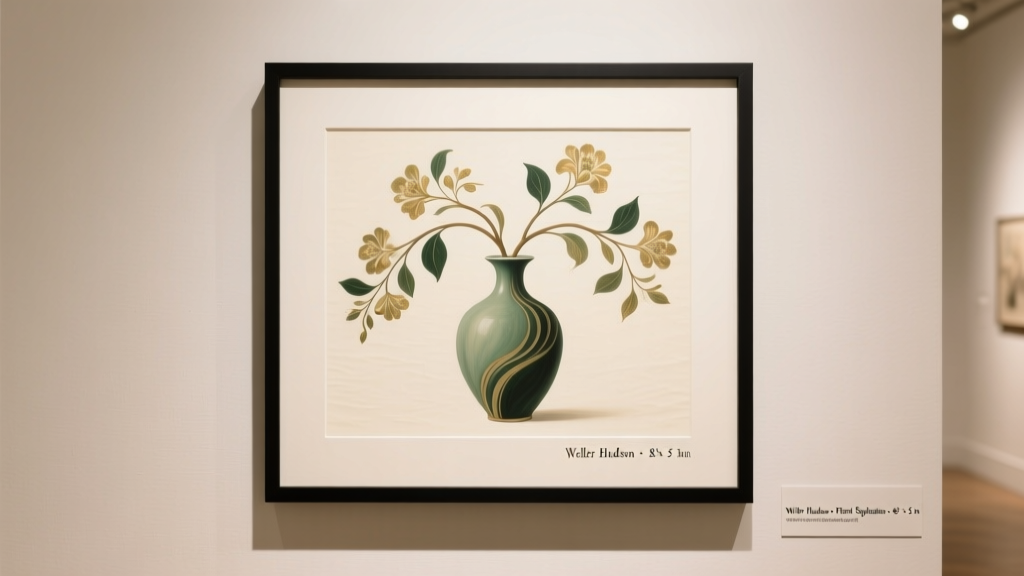
Weller Hudson Vase: Floral Stylized Branches on Ivory Ground — Authentication, Provenance, and Market Value of the 8¼ × 5-Inch Example
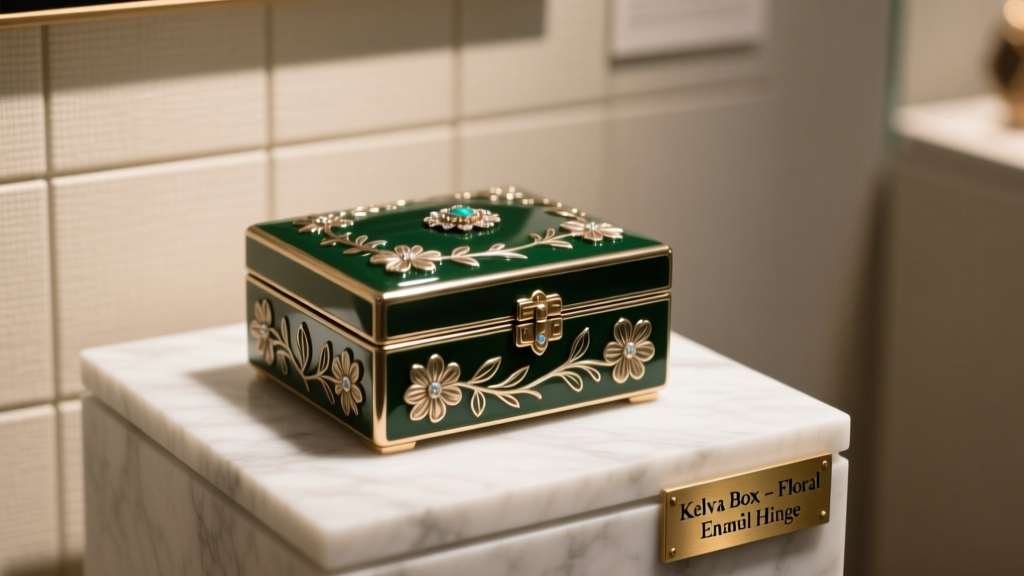
Kelva Box Jewelry: Authentication, Provenance, and Market Value of the Dark Green Enamel Hinged Cover (5 × 5½ Inches)
Banks Elephant Art Deco Trunk-Up Cast Iron Painted M 449 (4 in): Authentication, Provenance, and Market Analysis
Authentication Dossier: Print Edition 2337914 — A Technical and Provenance Analysis of a Key Andy Warhol Screenprint
Edmund Edward Milne: The Forgotten Lithographer of American Industrial Art

Doll Heubach 8192: Authentication, Provenance, and Market Analysis of the 15-Inch Boy in Green Wool Suit

Authentication Dossier: Print Edition 2335512 — A Technical and Provenance Analysis of the 2007 Giclée on Hahnemühle Photo Rag
Dealers and Their Booths: The Strategic Architecture of Art Market Presence
Gin Milshire Dry Gin by Heublein Bros., Hartford: Authentication, Market Value, and Historical Context of the 50ml Miniature Bottle