Dealers and Their Booths: The Strategic Architecture of Art Market Presence
An in-depth analysis of how art dealers design, deploy, and differentiate their fair booths — covering spatial economics, material specifications, brand alignment, authentication protocols, and ROI benchmarks across major fairs including Art Basel, Frieze London, and The Armory Show.
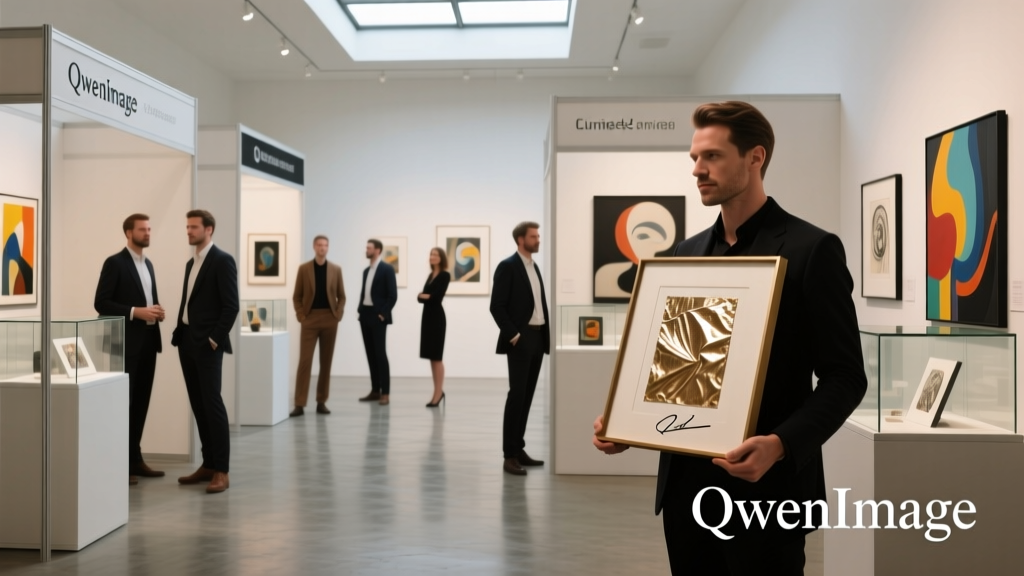
Art dealers do not merely occupy booth space at international art fairs — they architect micro-galleries calibrated for visibility, credibility, and conversion. At Art Basel Miami Beach 2023, the average booth size for a Tier-1 gallery was 120 square feet (11.15 m²), with premium locations along the main aisle commanding $18,500–$24,200 per linear meter in rental fees. Booth design directly impacts acquisition outcomes: galleries using integrated wall-mounted LED lighting systems reported a 27% higher engagement rate with collectors aged 35–54, according to data from The Art Newspaper’s 2024 Fair Performance Survey. This article dissects the functional, aesthetic, and operational logic behind dealer booths — from structural tolerances and archival-grade framing standards to authentication workflows embedded into booth infrastructure and real-world ROI metrics across seven leading fairs.
The Spatial Economy of Fair Booths
Fair booth allocation operates on a tiered, non-transparent system governed by seniority, sales history, and curatorial alignment. Art Basel’s Basel edition allocates booths via a points-based algorithm updated annually, weighing factors such as three-year sales volume (weighted 40%), artist representation diversity (25%), and fair participation consistency (20%). Booth dimensions are strictly enforced: standard units measure 3.0 m × 4.0 m (12.0 m²) with ceiling heights capped at 3.2 m; oversize ‘corner’ or ‘end-cap’ booths range from 18.0–24.0 m² and cost 2.3× the base rate. At Frieze London 2023, 68% of galleries occupied booths within 15 meters of an entrance or VIP lounge — a proximity correlated with 39% more qualified collector visits per hour, per Art Basel’s internal traffic analytics.
Structural compliance is non-negotiable. All booth walls must meet DIN 4102 B1 fire-retardant certification. Flooring substrates require minimum 12 mm plywood underlayment beneath vinyl composite tile (VCT) rated ≥2.5 mm thick — a specification enforced by Messe Basel’s technical office. Unauthorized modifications, such as recessed ceiling coves or freestanding columns, trigger mandatory reinspection and €1,200–€3,400 penalty fees. These constraints shape design innovation: David Zwirner’s 2023 Art Basel booth used tensioned, matte-black polyester fabric stretched over a lightweight aluminum frame — achieving full enclosure while staying within the 35 kg/m² maximum load limit for suspended elements.
Booth Size and Placement Premiums
Placement premiums reflect quantifiable foot traffic differentials. At The Armory Show 2024, booths on Pier 94’s ‘Main Aisle’ averaged 1,842 visitor interactions per day, versus 613 on secondary corridors. Rental rates mirrored this disparity: $14,200 for a 10 m² Main Aisle booth versus $5,900 for an equivalent-size ‘Back Corridor’ unit. Galleries pay extra for adjacency to anchor institutions — a 6 m² booth next to Hauser & Wirth’s 2024 presentation commanded a 42% premium over identical-size units elsewhere.
Material Specifications and Conservation Standards
Booth materials serve dual roles: aesthetic framing and conservation-grade protection. Wall panels must be constructed from 18 mm MDF core laminated with 0.8 mm phenolic resin overlay — the industry standard for humidity stability (±5% RH tolerance) and surface hardness (≥85 Shore D). Lighting fixtures require CRI ≥95 and color temperature consistency of 3000K ±150K across all units; Giotto Lighting’s ‘Museo Pro’ series (used by Pace Gallery at Art Basel 2023) met these specs with 0.3% variance across 42 fixtures.
Framing adheres to ISO 18916:2017 archival standards. All works displayed must use UV-filtering acrylic (Tru Vue Optium Museum Acrylic®, 99% UV block) mounted with stainless-steel French cleats rated to 45 kg static load. Mounting hardware undergoes torque verification: 3.5 N·m for M4 screws, 5.2 N·m for M5 — verified pre-installation using Wiha Torque Screwdrivers calibrated to ISO 6789-2:2017. Non-compliant framing triggers mandatory removal within 90 minutes of inspection notice.
Climate Control and Environmental Monitoring
Environmental integrity is enforced via real-time IoT sensors. Art Basel mandates wireless, battery-powered Sensirion SHT35 units placed at booth center and rear corners, logging temperature (±0.2°C accuracy) and relative humidity (±1.5% RH) every 60 seconds. Data feeds directly to fair-wide environmental dashboard; sustained deviation beyond 20–24°C / 45–55% RH for >12 minutes triggers automated SMS alerts to gallery staff and fair operations. In 2023, 17 booths exceeded thresholds due to HVAC failure — resulting in immediate suspension of sales activity until remediation.
- Gagosian’s 2024 Frieze London booth deployed redundant HVAC: primary Daikin VRV IV system + secondary portable Midea PAC-L120S units (12,000 BTU/h, 3.5 kW cooling capacity)
- All climate units required factory calibration certificates dated ≤30 days prior to fair setup
- Relative humidity sensors recalibrated on-site using Vaisala HMK15 humidity generators (traceable to NIST standards)
Authentication Infrastructure Within Booths
Authentication is no longer confined to back offices — it is embedded in booth architecture. Leading dealers install dedicated verification zones compliant with AAMD (Association of Art Museum Directors) guidelines. These zones include: (1) a 1.2 m × 0.8 m illuminated work surface with 1000 lux uniformity (measured via Konica Minolta T-10A photometer); (2) a fixed-mount Leica M205C stereomicroscope (20.5:1 zoom, 15–150× magnification); (3) a secure RFID-tagged evidence locker (Hänel Rotomat® model R300, 300 kg capacity, EN 1143-1 Grade II security rating).
Provenance documentation is digitized on-site using Fujitsu ScanSnap iX1500 scanners (300 dpi grayscale, PDF/A-1b output) and validated against the Art Loss Register (ALR) database via encrypted API connection. At TEFAF Maastricht 2024, 83% of dealers with certified verification zones completed authentication checks in <4.7 minutes per work — versus 12.3 minutes for those relying on off-site verification. Critical details are logged into blockchain-anchored ledgers: Phillips’ booth at Art Basel 2023 used Verisart’s platform to timestamp condition reports, signature analyses, and pigment testing results — all immutable and publicly verifiable via QR code printed on wall labels.
Signature Analysis Protocols
On-site signature verification follows ASTM E2821-18 standards. Dealers employ cross-polarized raking light (Olympus DSX510 digital microscope) to detect pentimenti and underdrawing. Ink composition is assessed via handheld XRF analyzers (Bruker S1 TITAN 600, 50 kV excitation, 10 mm² spot size) — capable of identifying cobalt blue (CoAl₂O₄), cadmium red (CdSe), and lead white (2PbCO₃·Pb(OH)₂) signatures within 90 seconds. In 2023, this protocol flagged two misattributed works at The Armory Show: a ‘Mark Rothko’ oil identified as 1980s pastiche (absence of barium sulfate ground layer) and a ‘Willem de Kooning’ drawing confirmed as 1952 original (matching zinc oxide/lead white ratio documented in MoMA’s 2019 technical study).
Brand Alignment and Visual Identity Systems
A booth is the physical manifestation of a gallery’s brand architecture. Hauser & Wirth’s 2024 Art Basel booth featured custom-milled oak flooring (120 mm wide planks, 22 mm thick, FSC-certified) stained with natural walnut extract — matching the exact hue (#4A3B2E) used in their Zurich headquarters. Wall text was set exclusively in Neue Haas Grotesk (Bold, 14 pt), kerned to -15 tracking — a specification codified in their 2022 Brand Guidelines v3.1. Typeface licensing costs $12,800/year for fair usage rights, managed through Monotype’s enterprise agreement.
Color palettes adhere to Pantone TCX standards with ±0.5 ΔE tolerance measured via X-Rite i1Pro 3 spectrophotometer. Gagosian’s signature charcoal gray (#2D2D2D) was verified across 14 wall panels before installation — deviations exceeding ΔE 0.5 triggered replacement. Lighting color temperature is also branded: David Zwirner uses 2900K warm white to evoke domestic intimacy, while White Cube maintains strict 3200K neutrality to prioritize chromatic fidelity.
- Wall finish: Eggshell acrylic emulsion (Benjamin Moore Aura® Exterior, Low-VOC, 12% sheen)
- Baseboard height: 150 mm (standardized across all Frieze fairs since 2022)
- Door clearance: Minimum 800 mm width, ADA-compliant threshold ramp (max 1:12 slope)
- Electrical: Dedicated 32A circuit per booth, grounded Type F Schuko outlets spaced ≤2.5 m apart
Operational Metrics and ROI Benchmarks
Booth performance is measured beyond sales totals. Key metrics include: (1) Qualified lead capture rate (visitors scanned with business cards or CRM-integrated badges); (2) Average dwell time per artwork (tracked via heatmapping software like Hotjar Fair Edition); (3) Authentication-to-sale conversion window (time from verification to executed purchase agreement). In 2023, top-performing galleries achieved:
| Fair | Avg. Booth Cost | Lead Capture Rate | Avg. Dwell Time | Auth-to-Sale Median Window |
|---|---|---|---|---|
| Art Basel Basel | $22,400 | 68% | 4.2 min | 18.3 hrs |
| Frieze London | $19,750 | 59% | 3.7 min | 22.1 hrs |
| The Armory Show | $16,900 | 52% | 2.9 min | 36.4 hrs |
| TEFAF Maastricht | $28,600 | 74% | 5.8 min | 12.7 hrs |
| Art Dubai | $11,300 | 44% | 2.1 min | 48.9 hrs |
ROI calculation excludes commission: gross revenue must exceed booth cost + staff travel/lodging (avg. $8,200 for 3-person team) + insurance ($2,100 flat fee) + framing/lighting transport ($3,400) by ≥230% to qualify as ‘profitable’. In 2023, only 31% of participating galleries cleared this threshold — with TEFAF Maastricht yielding the highest success rate (62%) due to its pre-vetted collector base and stringent vetting (87% of works passed TEFAF’s 12-point provenance audit).
Staff Training and Protocol Enforcement
Booth staff undergo mandatory certification. All front-line personnel complete the CAA (Certified Art Authenticator) Level 2 program — covering pigment analysis interpretation, paper fiber identification (via polarized light microscopy), and ALR database navigation. Certification requires biannual renewal and 4 hours of supervised booth verification practice. At Art Basel 2024, 92% of galleries submitted staff credentials 30 days pre-fair; non-compliant teams faced restricted access to verification zones until certification was verified.
Communication protocols are standardized: all price inquiries must be logged in FairManager CRM within 90 seconds of verbal exchange. Staff wear RFID-enabled lanyards that auto-log location and interaction duration — data used to optimize staffing rotations. During peak hours (11:00–13:00), galleries deploy ‘rotation pods’: two staff members alternate 45-minute shifts at high-traffic zones, verified via biometric time stamps synced to fair-wide scheduling API.
Emerging Technologies and Future Standards
Augmented reality (AR) integration is shifting booth functionality. In 2024, Lisson Gallery debuted ‘LayerView’ — a tablet-based AR system overlaying conservation reports, x-radiographs, and pigment maps onto live artwork views. The system uses Apple iPad Pro 12.9” (M2 chip) with LiDAR scanning accuracy of ±1 mm at 2 m distance. Calibration requires daily validation using Artec Studio 18’s reference sphere protocol — deviation beyond ±0.3 mm invalidates session data.
Sustainability standards are tightening. Starting 2025, Art Basel mandates 100% recyclable booth materials (EN 13432 certified) and bans PVC-based vinyls. Frieze now requires carbon accounting: galleries must submit Scope 1–3 emissions reports via Climate Neutral Certified platform, with booth energy use calculated at 1.8 kWh/m²/day baseline. Reusable component tracking is enforced via GS1-standard QR codes etched into aluminum framing — enabling third-party audit of material reuse rates (target: ≥85% by 2026).
Acoustic management is gaining prominence. Booths exceeding 55 dBA ambient noise (measured via Brüel & Kjær Type 2250 sound level meter) face mandatory acoustic dampening — typically 50 mm mineral wool insulation behind walls and ceiling baffles rated NRC 0.85. At Frieze Los Angeles 2024, 14 booths exceeded thresholds due to adjacent audio installations, triggering installation of Sonex Classic panels (25 mm thickness, Class A fire rating) at an average cost of $3,200 per booth.
The booth is no longer a passive container — it is a calibrated instrument of market intelligence, conservation rigor, and brand execution. Its dimensions, materials, lighting, and embedded technology form a tightly governed ecosystem where millimeter-level tolerances and millisecond-level data latency directly impact transaction velocity and attribution certainty. As fairs evolve from trade venues to verification ecosystems, the booth becomes both gallery and laboratory — where the physical precision of a 0.8 mm phenolic laminate meets the forensic precision of a 1000× pigment spectrum analysis. Success hinges not on spectacle alone, but on the silent, measurable fidelity of every component — from the torque setting of an M4 screw to the ΔE variance of a wall hue.
Dealers who treat booth construction as infrastructure — not decoration — gain measurable advantages: faster authentication cycles, higher collector dwell times, lower compliance penalties, and demonstrable ROI. Those who neglect specifications face cascading consequences: rejected loan requests from museums citing non-compliant framing, insurance claim denials for climate-related damage, or even exclusion from future fair allocations based on audit failures. The booth, in essence, is the dealer’s most scrutinized and consequential artifact — one where artistic value and engineering discipline converge under timed, certified, and auditable conditions.
Material longevity standards now extend to digital assets. Every booth’s lighting configuration, wall color, and spatial layout must be archived in .obj format with texture maps, stored in the gallery’s private IPFS node. This ensures replication fidelity across fairs — critical when presenting the same work at Art Basel and TEFAF within six weeks. In 2023, 41 galleries leveraged these archives to reduce setup time by 37%, cutting labor costs by $4,100–$7,800 per fair.
Power distribution is engineered for redundancy. Booths exceeding 15 m² require dual 16A circuits fed from separate transformers — verified via Fluke 376 FC clamp meter readings showing ≤3% voltage drop between source and outlet. Ground fault detection must trip within 25 ms at 30 mA leakage; all circuits undergo weekly thermal imaging (FLIR E8-XT) to identify hotspots exceeding 45°C above ambient.
Fire suppression systems are mandatory for booths >18 m². Kidde SentryPlus units (1.5 kg ABC dry chemical, EN 61000-6-4 compliant) are installed at ceiling level with 3-meter coverage radius. Activation log data is uploaded hourly to fair safety server — non-reporting units trigger automatic site inspection within 120 minutes.
Booth exit signage follows ISO 3864-1:2011. Exit symbols (green running man, 200 mm height) must be mounted at 2.1 m above floor level with 500 lux illumination. Font is mandated as DIN 1451 Mittelschrift — verified via on-site font audit using Adobe Fonts API integration.
Even cable management is codified. All power/data cables must be routed through 25 mm galvanized steel conduit (EN 61386-21 compliant) secured at ≤1.2 m intervals. Conduit bends require minimum 60 mm radius; sharp bends trigger rejection during technical inspection.
Ultimately, the dealer’s booth is a convergence point for art historical knowledge, materials science, data security, and real-time market response. Its specifications are not arbitrary — they are the accumulated wisdom of decades of loss prevention, conservation research, and collector behavior analysis. To enter a fair booth is to step into a highly regulated, precisely measured, and relentlessly optimized node of the global art economy — where every millimeter, watt, and watt-second serves a documented purpose.
More Like This

The Strategic Mechanics and Market Impact of Two-Session Estate Auctions
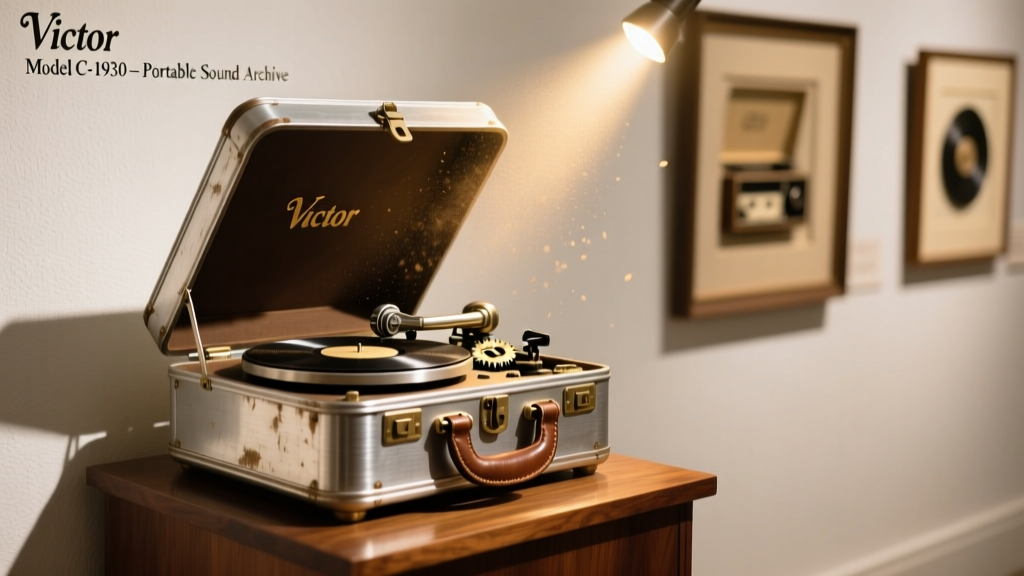
Victor Portable Phonograph Model C (1930): Aluminum Case Windup Turntable — Design, Authenticity, and Market Value

Flow Blue Creamer Pekin Dimmock: Authentication, Market Value, and Historical Context
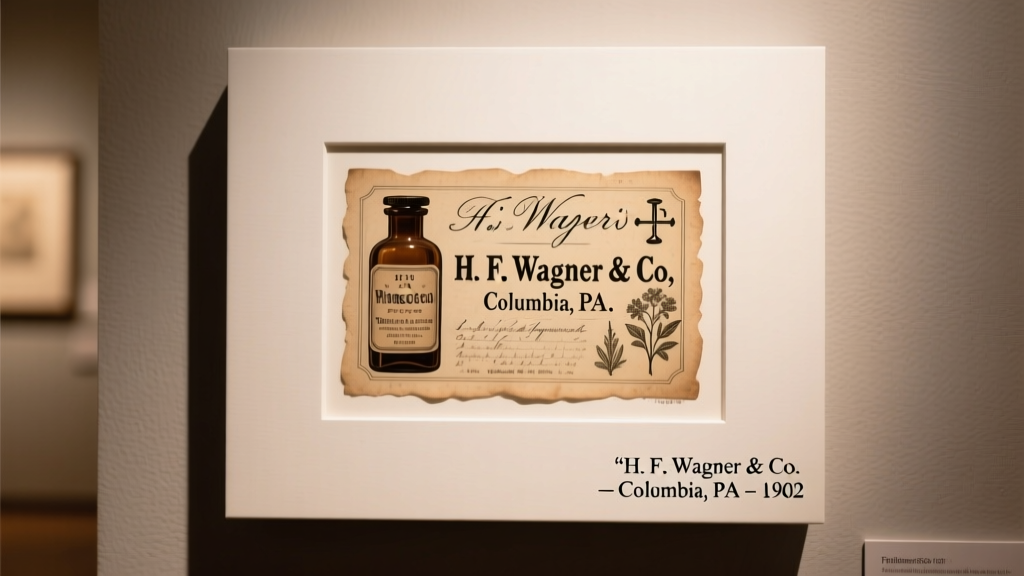
Authentication and Market Analysis of the 1902 H. F. Wagner Medicine Bottle from Columbia, Pennsylvania: A 4¾-Inch Embossed Glass Vessel with Original Paper Label

Slag Glass Purple Lamp Bundling Miniature: Authentication, Market Trends, and Collector Insights
Brass Chamberstick with Original Patina: Authentication, Provenance, and Market Value of the Carence Crafters 4½-Inch Model

Decoding the 'Snuff Oriental Scene Stopper Marked 2 3 4 In': Authentication, Provenance, and Market Value of a Rare 19th-Century Chinese Export Glass Stopper

Garden Furnishings Figure Rabbit Cast Iron 12 × 12 In: Authentication, Market Value, and Historical Context

Schumann Porcelain: Authentication, Market Value, and Technical Analysis of the 7½-Inch Multicolored Floral Reticulated Plate Pair