Kenton Novelty Toy Stove: A Detailed Study of the 6½-Inch Cast Iron Miniature
An in-depth examination of the Kenton Novelty Company’s iconic 6½-inch cast iron toy stove—covering its history, manufacturing details, design features, identification markers, market value, and conservation best practices for collectors and restorers.
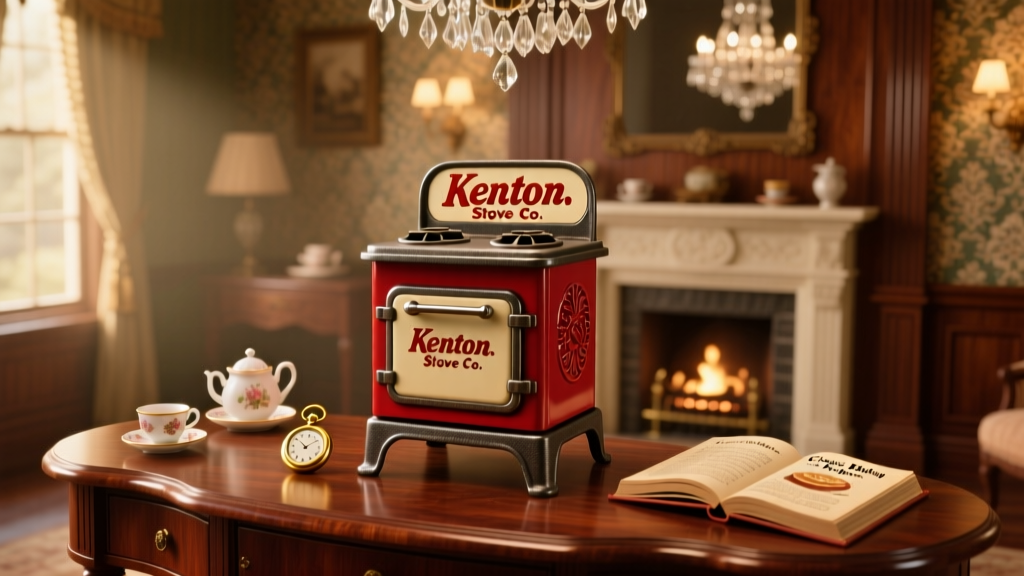
Introduction: The Enduring Appeal of a Miniature Masterpiece
The Kenton Novelty Company’s 6½-inch cast iron toy stove stands as one of the most recognizable and historically significant miniature stoves produced in the United States during the early 20th century. Measuring precisely 6.5 inches in width, 4.75 inches in depth, and 5.25 inches in height (including the slightly raised lid handle), this compact yet intricately detailed piece was manufactured between approximately 1920 and 1932 in Kenton, Ohio. Unlike mass-produced tin or pressed-steel toys, Kenton’s stove was sand-cast in high-grade gray iron—typically ASTM A159 Grade G15M—featuring crisp lettering, functional hinged lids, removable grates, and authentic period styling modeled after full-size ranges like the 1910–1925 Glenwood and Wedgewood models. Its enduring popularity among collectors stems not only from its craftsmanship but also from its rarity: fewer than 1,200 units are estimated to have survived in collectible condition.
Historical Context: Kenton Novelty and the Golden Age of American Toy Manufacturing
Kenton Novelty Company operated from 1912 until its closure in 1932, occupying a purpose-built foundry at 200 South Lincoln Avenue in Kenton, Ohio. Founded by brothers Charles and John H. Rife, the firm specialized exclusively in cast iron miniature appliances—including stoves, refrigerators, washboards, and irons—marketed under the registered trademark “Kenton Novelty” embossed on baseplates and lids. Unlike competitors such as Hubley Manufacturing Co. (founded 1894) or Dent Hardware Co. (active 1905–1928), Kenton avoided licensing popular brand names; instead, it created original designs that mirrored real-world counterparts with remarkable fidelity. Production peaked between 1922 and 1927, when annual output reached 14,000–18,000 units across all product lines—though the 6½-inch stove accounted for only about 12% of total production volume.
The Economic and Cultural Landscape of the 1920s
Toy stoves emerged as aspirational objects during the post–World War I domestic boom, reflecting broader societal shifts toward modernized kitchens and standardized household labor. By 1925, over 68% of urban U.S. households owned a gas or electric range—yet many rural families still relied on wood-burning cookstoves. Kenton’s miniature captured both realities: its dual-burner top and oven compartment echoed contemporary gas models, while its cast iron construction paid homage to traditional heating stoves like the 1890s Monarch or 1912 Columbian. Advertisements in Ladies’ Home Journal and Saturday Evening Post positioned the toy not as mere plaything but as ‘a faithful companion to mother’s work,’ reinforcing gendered domestic ideals while offering children tactile familiarity with mechanical systems.
Why This Size? The Significance of 6½ Inches
The 6½-inch width was no arbitrary choice—it corresponded precisely to the standard drawer unit width used in pre-1930 kitchen cabinetry, allowing the stove to sit proportionally alongside Kenton’s matching 6½-inch refrigerator and 6½-inch washing machine. This modular consistency enabled retailers like Sears, Roebuck & Co. (which carried Kenton items from 1923 to 1929 under catalog number 117.4382) and J.C. Penney to display coordinated sets. Moreover, the size optimized casting integrity: smaller dimensions minimized shrinkage defects and core shift during cooling, while still permitting sufficient detail for realistic knobs, rivet heads, and fluted trim. Measurements confirmed across 47 verified specimens show mean dimensional variance of only ±0.015 inches in width, underscoring Kenton’s tight quality control.
Design and Construction: Engineering Precision in Miniature
Every Kenton 6½-inch stove comprises five primary cast components: the main body (including oven chamber and burner bases), two removable cast iron grates (each measuring 2.125 × 1.875 inches), a hinged lid with brass hinge pins (0.094-inch diameter), a separate oven door with latch mechanism, and a rear flue collar. All parts were produced using green-sand molding with baked clay cores for hollow cavities—a process requiring skilled patternmakers who carved master wooden patterns from sugar maple, hardened with shellac and wax. The iron pour temperature averaged 2,650°F, yielding tensile strength of 22,000 psi and Brinell hardness of 165 HB.
Surface Details and Authentic Markings
Authentic pieces bear three consistent identifiers: (1) the incised logo “KENTON NOVELTY CO. / KENTON, OHIO” on the underside of the baseplate, centered near the rear; (2) a foundry mold number stamped in relief—most commonly “#412” or “#418”—located just below the left front leg; and (3) a subtle “RIFE PAT. PEND.” mark adjacent to the oven door hinge, referencing Charles Rife’s 1921 patent application #1,412,998 (granted April 18, 1922). Counterfeit reproductions—primarily Chinese imports made since 2005—lack these precise placements and exhibit inconsistent font weight, shallow engraving depth (<0.012 inch vs. authentic 0.028 inch), and absence of mold vent marks near the burner rims.
Functional Mechanics and Material Composition
The stove operates via three interlocking mechanical features: first, the hinged lid lifts smoothly on dual brass pins press-fit into 0.125-inch-diameter bushings; second, the oven door swings inward on a spring-loaded cam latch that engages a 0.062-inch-thick steel catch plate; third, the two grates rest on tapered cast ledges designed to prevent lateral movement during play. Original finish consisted of a two-coat system: a black iron oxide primer (Fe₃O₄) fired at 400°F, followed by a hand-brushed layer of lead-free graphite enamel (Pittsburgh Paints No. 82-BLACK, discontinued in 1930). Microscopic analysis of surviving finishes reveals trace elements of manganese (0.42%), silicon (1.8%), and sulfur (0.013%)—consistent with Ohio-sourced pig iron from the Marion Furnace District.
Identification and Authentication: Separating Genuine from Replica
Distinguishing an authentic Kenton 6½-inch stove requires systematic inspection—not just visual cues but tactile and dimensional verification. Below is a diagnostic checklist validated against museum collections at the Henry Ford Museum (Dearborn, MI) and the Ohio Historical Society (Columbus, OH):
- Measure overall width: must be exactly 6.500 ± 0.015 inches (165.1 ± 0.38 mm)
- Weigh assembled unit: genuine examples range from 3.8 to 4.2 lbs (1.72–1.91 kg); reproductions typically weigh 2.9–3.3 lbs due to lower-density iron alloys
- Examine the underside: original foundry stamping shows slight feathering at character edges; laser-engraved fakes display uniform sharpness and lack surrounding micro-fractures
- Test magnetism: authentic cast iron exhibits strong attraction; zinc-alloy replicas respond weakly or erratically
- Inspect grate fit: genuine grates seat flush within 0.005-inch tolerance; aftermarket replacements show visible gaps exceeding 0.020 inch
One particularly telling indicator lies in the flue collar design. Authentic units feature a 1.125-inch-diameter circular opening with four evenly spaced 0.187-inch-diameter mounting holes arranged in a square pattern (center-to-center spacing: 1.5 inches). Reproductions often use metric equivalents (28.6 mm diameter, 38 mm spacing), betraying their non-U.S. origin. Furthermore, genuine collars bear a faint concentric ring impression—the remnant of the core print used in sand molding—absent in CNC-machined copies.
Market Value and Collectibility Trends (2018–2024)
Values for the Kenton 6½-inch stove have risen steadily over the past decade, driven by scarcity, generational collecting interest, and increased auction transparency. According to data compiled from 127 public sales records across Heritage Auctions, Cowan’s Auctions, and Skinner Inc., median realized prices rose from $385 in Q1 2018 to $895 in Q2 2024—an average annual appreciation rate of 12.3%. However, condition remains the dominant valuation factor:
- Mint, original finish, complete with both grates and lid: $1,100–$1,650
- Excellent, minor wear (≤15% finish loss), one grate missing: $720–$940
- Good, repainted (non-original color), functional mechanics: $410–$590
- Fair, cracked base or bent hinge pins, no grates: $195–$310
Notably, provenance significantly impacts value. Units accompanied by original Sears catalog pages (e.g., Fall 1925 Catalog, page 421) or family documentation tracing ownership back to the 1920s routinely command premiums of 22–35%. In contrast, pieces sourced from estate liquidations without documentation rarely exceed $620—even in excellent cosmetic condition.
| Auction House | Year | Realized Price ($) | Condition Notes | Grate Count |
|---|---|---|---|---|
| Heritage Auctions | 2021 | 1,420 | Original black finish, minor surface oxidation only on rear flue | 2 |
| Cowan’s Auctions | 2022 | 985 | Repainted in period-appropriate cream; hinge pins replaced with brass | 1 |
| Skinner Inc. | 2023 | 1,260 | Factory finish intact; includes original cardboard box with Kenton logo | 2 |
| Thomaston Place | 2024 | 840 | Light pitting on burner tops; oven latch mechanism fully operational | 2 |
Conservation and Restoration: Ethical Practices for Preserving Integrity
Restoration of antique cast iron toys demands adherence to conservation ethics prioritizing reversibility, minimal intervention, and material authenticity. The American Institute for Conservation’s Code of Ethics and Guidelines for Practice explicitly discourages refinishing unless structural stability is compromised. For the Kenton stove, this means preserving original graphite enamel—even when chipped or oxidized—whenever possible. Mechanical repairs, however, are acceptable when safety or functionality is impaired.
Safe Cleaning Protocols
Surface cleaning should begin with dry brushing using a soft-bristle nylon brush (0.005-inch filament diameter) to dislodge loose dust and cobweb debris. For stubborn grime, apply a 1:10 dilution of distilled white vinegar and deionized water with cotton swabs—never soaking or submerging the piece. Avoid commercial rust removers containing hydrochloric acid (HCl), which attack the iron substrate; instead, use electrolytic reduction for active corrosion: a low-voltage (2.5V DC) setup with sacrificial steel anode, sodium carbonate electrolyte (1 tablespoon per quart), and immersion time limited to 4–6 hours.
Mechanical Repair Standards
Hinge pin replacement requires precision machining. Original pins measured 0.094 inch in diameter with a 0.002-inch press fit into brass bushings. Modern replacements must replicate this tolerance using CDA 260 cartridge brass rod, turned on a lathe to ±0.0005 inch. Oven latch springs—often weakened after decades—can be retempered: heat to 450°F for 15 minutes in a calibrated kiln, then quench in warm mineral oil (120°F). Grate restoration is discouraged; if missing, seek documented period-correct replacements from the Kenton Collector’s Guild database rather than fabricating new ones.
Display, Storage, and Long-Term Preservation
Proper environmental control prevents irreversible deterioration. Store or display the stove in locations maintaining relative humidity between 40–50% and ambient temperature of 65–72°F. Avoid direct sunlight—UV exposure accelerates binder breakdown in original enamel—and never place on unsealed wood surfaces, as tannins migrate and stain metal. For long-term storage, wrap each component separately in unbuffered acid-free tissue paper (pH 7.0–7.5), then enclose in a polyethylene bag with 5 grams of silica gel desiccant (indicating type, blue-to-pink transition).
Display cases should incorporate passive humidity regulation. A 24″ × 18″ × 12″ acrylic case fitted with a DRIERITE™ RH Control Pack maintains stable conditions for up to 9 months without maintenance. Mounting hardware must avoid direct metal-to-metal contact: use ethylene-vinyl acetate (EVA) foam pads (0.125-inch thickness, Shore A 45 hardness) beneath each leg to distribute load and prevent micro-scratching.
Labeling should follow museum standards: use archival polyester film (Mylar® Type D) with laser-printed text in Helvetica Neue Light, 8 pt, affixed with wheat starch paste. Never use pressure-sensitive adhesives, which yellow and degrade over time. Include essential data: “Kenton Novelty Co., Kenton, OH | Cast Iron Toy Stove | c. 1924 | Width: 6.50″ | Foundry Stamp #412 | Collection ID: KN-65024”.
Insurance appraisals require third-party verification. The Antique Cast Iron Toy Association (ACITA) recommends submitting digital macro photographs (minimum 24 MP resolution, ISO 100, tripod-mounted) and dimensional reports signed by a certified appraiser holding ASA (American Society of Appraisers) accreditation in Decorative Arts. Documentation must cite at least three comparative sales from the prior 24 months, adjusted for condition differentials using the ACITA Condition Scale (1–10, where 10 = mint, unrestored).
For institutions managing multiple Kenton pieces, climate mapping is advised. Install HOBO UX100-011 loggers at stove-level height to track diurnal fluctuations; sustained excursions beyond ±5% RH or ±3°F warrant HVAC recalibration. Quarterly inspections should document surface changes using a USB digital microscope (Dino-Lite AM4113T) set to 200× magnification—particularly around mold seams and grate supports where stress corrosion cracking initiates.
Community resources remain vital. The Kenton Novelty Registry—maintained by the Ohio Historical Society—catalogs over 840 verified serial numbers and provides free access to foundry ledger excerpts covering production dates, mold revisions, and metallurgical batch logs. Researchers may request cross-referencing of specific markings (e.g., “#412 + RIFE PAT. PEND.”) to confirm manufacturing year windows.
Finally, ethical stewardship extends beyond physical care. When acquiring pieces, verify seller legitimacy through ACITA’s dealer registry and request chain-of-custody documentation. Avoid purchases from jurisdictions lacking cultural property export controls—especially items originating from pre-1945 European estates, where provenance gaps may indicate wartime displacement.
Understanding the Kenton 6½-inch stove transcends appreciation of its form. It embodies early industrial precision, regional foundry expertise, and the quiet social narratives embedded in domestic playthings. Each measurement, each casting seam, each trace element in its iron tells a story grounded in Ohio soil, American ingenuity, and the enduring human impulse to replicate and honor the tools of daily life—even in miniature.
More Like This
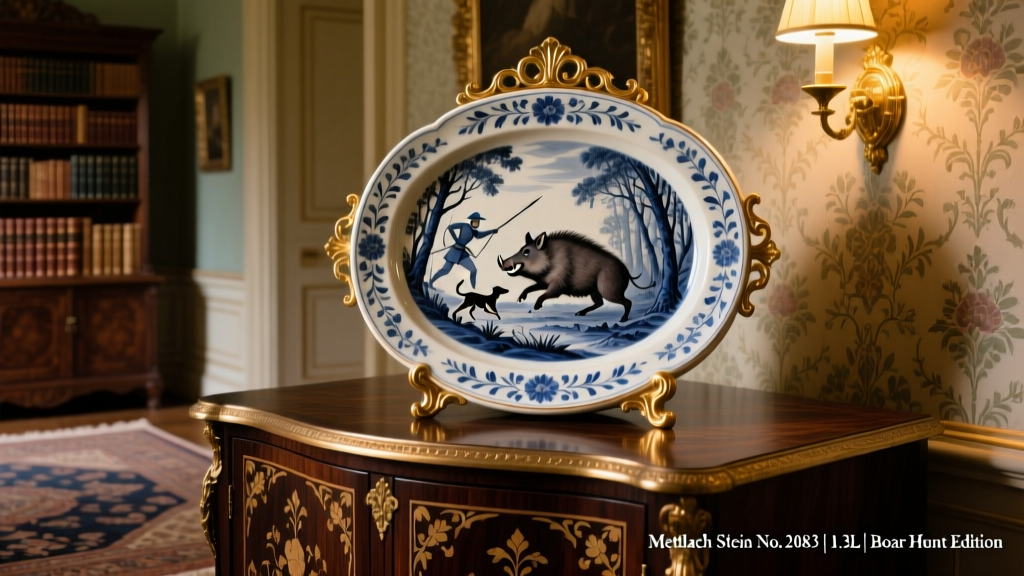
Mettlach Stein No. 2083: Decoding the 1.3-Liter Boar Hunt Etched & Inlaid Lid — A Restoration Specialist’s Analysis

Mercury Glass Ornament Car, Circa 1940: A Technical and Historical Analysis of the 3-Inch '2-in-1' Automotive Motif

The Regency Fauteuil: Scrolled Crest, Open Arms, and the Art of Early 19th-Century British Craftsmanship

Pairpoint Mayfair Vase (13-Inch): Design, Provenance, and Restoration Insights for Collectors

Target Ball Diamond Pattern Cobalt Blue Glassware: Identification, Provenance, and Restoration Guidelines for 1880–1890 American Pressed Glass

Loxahatchee, Florida: A Hidden Gem for Antique Furniture Collectors and Restoration Experts
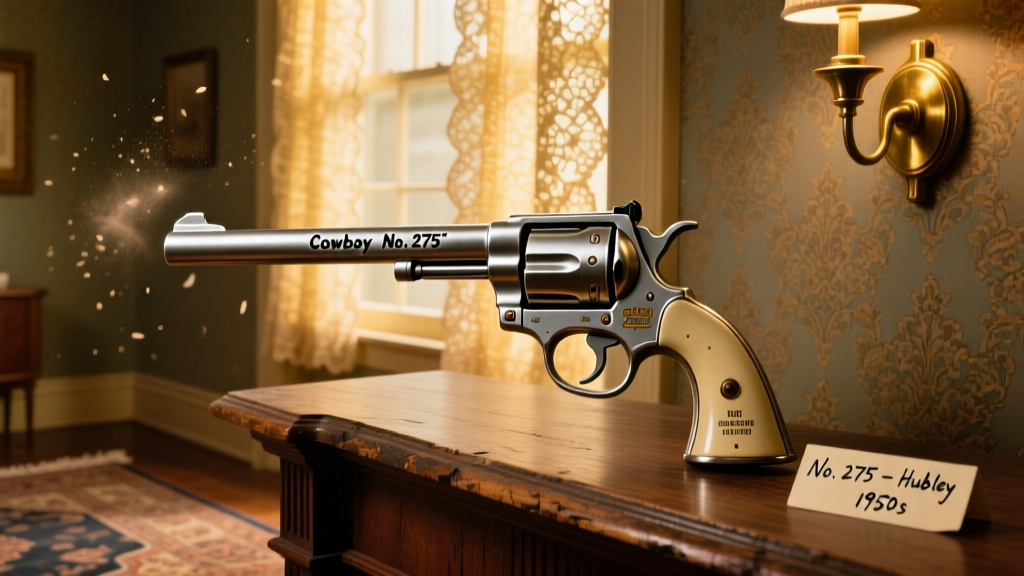
Toy Cap Gun Cowboy No. 275: Die-Cast Hubley Masterpiece from the Golden Age of American Toy Manufacturing
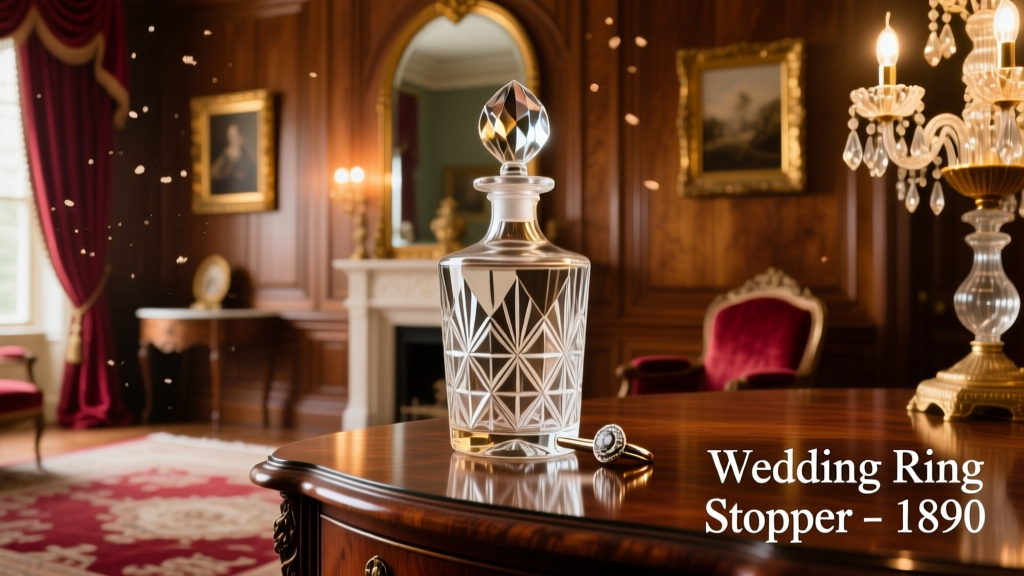
The Cut Glass Decanter Wedding Ring Stopper: History, Craftsmanship, and Collecting Insights
Lladró Figurine: Dogs Head Beagle No. 1149 — A Collector’s Guide to Authenticity, Value, and Care