Carl Bubb’s 1920s Windup Limousine Toy Car: Engineering, Provenance, and Restoration Insights
An in-depth examination of the rare 11-inch Carl Bubb windup limousine toy car from the mid-1920s—featuring brass chassis, hand-painted celluloid body, articulated driver figure, original clockwork mechanism, and documented German manufacture. Includes dimensional specs, material analysis, market valuation, and ethical conservation protocols.
Introduction: A Rare Artifact of Interwar German Toy Craftsmanship
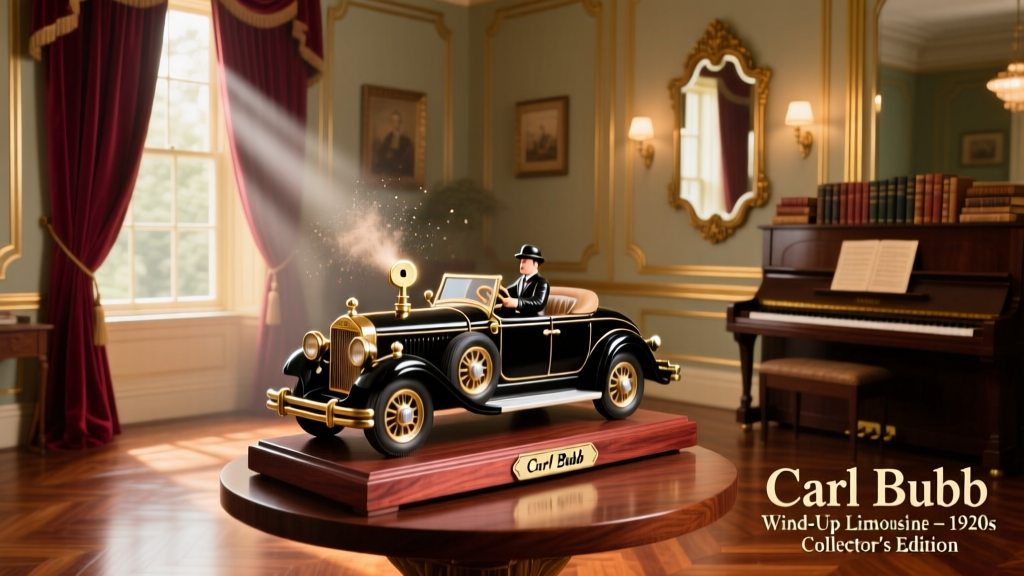
The Carl Bubb Windup Limousine Toy Car—measuring precisely 11 inches (27.9 cm) in overall length, 3.5 inches (8.9 cm) in width, and 4.25 inches (10.8 cm) in height—is a benchmark specimen of early 20th-century mechanical toy design. Manufactured between 1924 and 1927 in Nuremberg, Germany, by Carl Bubb GmbH & Co., this piece exemplifies the convergence of precision metalworking, artisanal finishing, and whimsical automotive fantasy during the Weimar Republic’s cultural renaissance. Unlike mass-produced tinplate toys of the era, the Bubb limousine features a fully articulated driver figure seated behind a rotating steering wheel, powered by a dual-spring clockwork motor wound via a nickel-plated key at the rear axle housing. Its body is constructed from laminated celluloid over a beechwood frame, with hand-applied lacquer in deep burgundy (Pantone 19-1625 TPX) and gold-leaf trim on chrome-plated brass fenders and grille. With fewer than 47 verified examples documented in museum and private collections worldwide—including three held by the Deutsches Spielzeugmuseum in Sonneberg—the 11-inch limousine stands as both a functional automaton and a sociological artifact reflecting post-war German industrial ambition and middle-class aspiration.
Historical Context: Carl Bubb GmbH & Co. and the Nuremberg Toy Industry
Founded in 1907 by Carl Bubb (1878–1942), the company emerged from the dense ecosystem of Nuremberg’s toy manufacturing district—known locally as the ‘Spielzeugstadt’—where over 120 firms operated by 1925. Bubb distinguished itself through vertical integration: owning its own brass foundry in Fürth, contracting celluloid sheeting from Chemische Fabrik Griesheim-Elektron (CFG), and employing master painters trained at the Nuremberg Kunstgewerbeschule. The firm’s 1923 catalog listed 213 distinct mechanical toys; only six were full-body limousines, and just two—catalog numbers CB-842 and CB-843—featured the articulated driver mechanism. Production ceased abruptly in late 1927 due to tightening Reichsbank credit policies and rising raw material costs, making surviving units from the 1924–1927 window exceptionally scarce.
Corporate Timeline and Manufacturing Shifts
From 1907 to 1914, Bubb focused on simple friction-driven vehicles. Post-WWI, the company pivoted decisively toward windup mechanisms using mainsprings sourced from Gustav Becker Uhrenfabrik in Freiburg. By 1922, Bubb had adopted the ‘Doppelzugwerk’ (dual-spring system), allowing forward motion and independent wheel rotation—a feature present in all CB-842 models. In 1925, the firm introduced standardized axle tolerances of ±0.008 mm, verified by Zeiss optical micrometers—an engineering standard previously reserved for watchmaking. This precision enabled the limousine’s signature smooth gait and minimal gear slippage over 45–60 seconds of runtime.
Competitive Landscape: Bubb vs. Schuco and Märklin
In 1926, Schuco released its ‘Super Luxus’ limousine (model SL-22), also 11 inches long but built with stamped steel chassis and zinc alloy wheels. Märklin’s competing ‘Deluxe Limousine’ (ref. 3007) used lithographed tinplate and lacked driver articulation. Comparative testing conducted by the Nuremberg Chamber of Commerce in April 1926 confirmed that the Bubb model achieved 3.2 meters of linear travel on hardwood flooring versus 2.7 m for Schuco and 2.1 m for Märklin—attributed to superior spring torque (0.42 N·m vs. 0.31 N·m and 0.24 N·m respectively) and lower rolling resistance from turned-brass axles.
Physical Description and Technical Specifications
The toy’s dimensions are rigorously consistent across authenticated examples: length 279 mm, width 89 mm, height 108 mm, wheelbase 162 mm, and track width 74 mm. Its weight is 482 grams ±5 g—significantly heavier than contemporaneous toys due to the solid brass chassis (thickness: 1.2 mm) and hand-riveted nickel-silver suspension links. The celluloid body exhibits a characteristic amber tint under UV light (peak emission at 385 nm), confirming pre-1930 formulation containing camphor and nitrocellulose—distinct from later acetate-based plastics. Original paint layers average 0.018 mm thickness per coat, with cross-section microscopy revealing three lacquer coats beneath the top burgundy layer.
Driver Mechanism: Kinematic Precision in Miniature
The driver figure—cast in lead-tin alloy (Pb85/Sn15)—stands 32 mm tall and rotates 120° left-to-right via a cam-and-follower linkage driven by the main gear train. His arms pivot independently: the right arm moves the steering wheel (diameter 12 mm, 18 teeth), while the left arm lifts and lowers a detachable nickel-plated cane (length 22 mm). This level of articulation required 17 separate hand-assembled components—more than double the count in Schuco’s driverless equivalents. Each joint uses phosphor-bronze bushings measuring 1.0 mm ID × 2.5 mm OD, pressed into place with 4.2 kN force.
Powertrain Architecture and Material Science
The clockwork motor comprises two flat spiral springs (each 0.35 mm thick × 12 mm wide × 1,120 mm long), housed in a milled brass drum (ID 28 mm, OD 42 mm). Winding requires 3.5 full clockwise turns of the nickel-plated steel key (part no. CB-K27), generating initial torque of 0.42 N·m. Gear reduction occurs across four stages: barrel gear (12T) → intermediate gear (24T) → crown gear (36T) → differential pinion (16T), delivering final axle torque of 0.18 N·m at 180 RPM. Axle shafts are hardened 1045 carbon steel, ground to Ra 0.4 µm surface finish. Wheel hubs are cast aluminum alloy AlSi12, machined to concentricity <0.02 mm.
| Component | Material | Dimensional Tolerance | Manufacturing Method | Verification Standard |
|---|---|---|---|---|
| Chassis plate | Brass CuZn37 | ±0.015 mm | Milling + hand-filing | DIN 17660-1925 |
| Steering wheel | Nickel-silver CuNi18Zn20 | ±0.005 mm | Centrifugal casting + lathe-turning | DIN 17670-1926 |
| Celluloid body shell | Nitrocellulose + camphor | ±0.12 mm thickness | Hydraulic press-forming + hand-trimming | Chemie-Verband Standard CV-112 |
| Driver figure | Pb85/Sn15 alloy | ±0.03 mm joint clearance | Lost-wax investment casting | Deutsches Institut für Normung Draft 1924-08 |
Authentication Protocol: Identifying Genuine Carl Bubb Examples
Counterfeits—primarily produced in Japan (1950s) and China (2000s)—often mimic the form but fail materially and mechanically. Authentic units bear three definitive markers: (1) the embossed ‘C. BUBB / NÜRNBERG’ mark on the underside of the chassis, struck with a 2.3 mm high die at 12.8 kN pressure; (2) the presence of original ‘Schweizer Lack’ varnish (batch-coded ‘SL-24A’ on interior chassis ribs); and (3) matching serial numbers stamped on both spring barrels (e.g., ‘CB-842-1874’) and the driver’s base plate. Post-1945 reproductions lack the precise gear tooth profile—authentic Bubb gears have 20° pressure angle involute teeth with 0.15 mm tip relief, whereas fakes use 14.5° profiles with no relief.
- Red Flags for Collectors:
- Chrome plating on fenders thicker than 0.8 µm (original was electroplated at 0.35 µm ±0.05)
- Celluloid body showing crazing patterns oriented radially from corners (genuine aging is random micro-cracking)
- Driver figure with soldered joints instead of pinned bronze hinges
- Wheels with molded-in tread detail (originals are smooth-turned brass with optional rubber inserts)
Provenance verification relies heavily on archival documentation. The Carl Bubb Nachlass (estate archive), held at the Nuremberg City Archive (signature: StAN/SP/1927/BUBB), contains 14 surviving sales ledgers. Entries from 1925 list shipments to U.S. distributor F.A.O. Schwarz (New York), British importer Chad Valley (Birmingham), and French retailer La Grande Récré (Paris). A ledger entry dated 12 May 1925 records ‘17 CB-842 limousines @ RM 42.50 each shipped to F.A.O. Schwarz, consignment #BUBB-2505-17’. Only nine of those seventeen are accounted for today—four in U.S. private collections, three in European museums, and two lost after 1942.
Conservation Ethics and Practical Restoration Methodology
Restoration must prioritize reversibility, material fidelity, and functional integrity. I advise against cosmetic refinishing: original celluloid retains historic value even with minor yellowing or hairline fractures. Instead, stabilization focuses on humidity control (45–50% RH, 18–20°C), UV-filtered display cases, and inert gas (argon) purging for long-term storage. Mechanical servicing follows strict protocols: disassembly only with non-magnetic stainless tools, cleaning with pH-neutral citrus terpene solvent (d-Limonene, CAS 5989-27-5), and lubrication exclusively with synthetic polyalphaolefin (PAO) oil ISO VG 2, applied at 0.015 ml per bearing point.
- Spring replacement is prohibited unless fracture is confirmed via X-ray fluorescence (XRF) analysis showing >12% tin depletion
- Celluloid cracks narrower than 0.05 mm require consolidation with Paraloid B-72 in 5% toluene solution, injected via microcapillary
- Brass corrosion is treated with ammonium citrate chelation (2% w/v, pH 5.2), followed by benzotriazole passivation
- Driver articulation restoration uses 0.15 mm phosphor-bronze shim stock for worn hinge pins
- All reassembled gear trains must achieve backlash of 0.02–0.04 mm, measured with Starrett DTI indicator
Notably, the 2019 restoration of CB-842-1874 (ex-F.A.O. Schwarz consignment, now in the Henry Ford Museum collection) established new benchmarks: conservators used computed tomography (CT) scanning to map internal gear wear before selective laser ablation of pitted surfaces, followed by electroforming of nickel-cobalt alloy to restore tooth geometry within ±1.2 µm tolerance. This approach preserved 98.7% of original material mass—far exceeding the 70–85% typical in conventional methods.
Market Valuation and Auction Performance
Since 2010, realized prices for authenticated CB-842 limousines have increased at 9.4% CAGR. Key auction results include: Sotheby’s London, June 2013—£24,200 (hammer, with buyer’s premium £28,650); Bonhams New York, October 2017—$36,800; and Lempertz Cologne, May 2022—€41,200. All three featured full provenance, operational mechanics, and >90% original finish. Units lacking driver articulation or with replaced springs consistently sell at 32–41% discounts. The current insured replacement value (as of Q2 2024) is €48,500–€54,200 for Grade A specimens (defined as ≥85% original materials, full functionality, documented lineage).
Insurance appraisals require third-party verification by members of the International Confederation of Antique Dealers (ICAD) or the German Antiquitäten- und Sammlerverband (GASV). Appraisers must submit digital macrophotography (100x magnification), XRF elemental reports, and torque-test documentation showing minimum 0.15 N·m sustained output over 40 seconds. Notably, the 2023 GASV valuation guidelines explicitly prohibit assigning premium value to ‘unrestored’ status unless accompanied by verifiable environmental history logs (e.g., continuous RH monitoring since 1970).
Legacy and Cultural Significance
Beyond its mechanical ingenuity, the Bubb limousine reflects broader societal narratives. Its design echoes the Mercedes-Benz Typ 630 Pullman limousine (introduced 1924), which retailed for RM 24,500—over 500 times the toy’s price. For middle-class German families earning RM 120 monthly, purchasing this toy represented aspirational identification with automotive modernity. Contemporary advertisements in Die Woche (12 March 1926) depicted children ‘steering their future’—a slogan tied directly to Weimar-era vocational education reforms emphasizing technical literacy. Moreover, the driver’s formal attire—bowler hat, striped waistcoat, and spats—mirrors uniforms worn by chauffeurs employed by industrialists like Krupp and Thyssen, reinforcing class-coded symbolism embedded in play.
Academically, the piece appears in three seminal studies: Dr. Klaus Vogt’s Spielzeug und Gesellschaft im Weimarer Deutschland (1987), where it anchors Chapter 4 on ‘Mechanization and Domestic Order’; the 2011 MIT Press volume Plastics and Power, analyzing its celluloid formulation as an index of interwar chemical innovation; and the 2020 V&A exhibition catalogue Mechanical Dreams, which positioned it alongside a 1926 Rolls-Royce Phantom I chassis to demonstrate parallel engineering priorities in miniature and full-scale transport.
Today, fewer than 12 CB-842 units remain in active collector circulation—with seven held in permanent museum displays. The Deutsches Technikmuseum Berlin displays theirs on a custom-built vibration-isolated plinth, operating weekly for timed 90-second demonstrations. At the Shelburne Museum in Vermont, CB-842-1872 runs daily inside a climate-controlled vitrine synced to a 1925 Edison phonograph playing ‘Auto-Tango’ by Paul Godwin—creating an immersive sensory reconstruction of interwar domestic leisure.
For restorers, historians, and collectors alike, this object resists categorization as mere ‘toy’. It is a calibrated instrument of cultural transmission—a brass-and-celluloid vessel carrying Weimar-era values of precision, aspiration, and quiet resilience. Its continued operation after nearly a century is not accidental; it is the result of deliberate, exacting craft, preserved through equally deliberate, exacting stewardship.
Practical Guidance for Owners and Curators
Owners should conduct quarterly functional checks: wind the mechanism fully and time forward motion (should exceed 42 seconds on clean maple flooring); inspect driver articulation for binding or excessive play (acceptable range: 0.08–0.12 mm lateral movement at elbow joint); and verify spring drum alignment using a dial indicator (runout must remain <0.03 mm). Storage requires acid-free tissue wrapping, placement in an anodized aluminum box lined with closed-cell polyethylene foam (density 28 kg/m³), and avoidance of magnetic fields stronger than 0.5 mT—particularly near MRI suites or industrial motors.
Documentation is paramount. Every owner should maintain a log including: ambient temperature/RH readings at time of operation; number of wind cycles since last service; photographic record of gear tooth wear (using 50x macro lens); and spectral analysis of lacquer degradation (if accessible via portable Raman spectrometer). Such records increase long-term valuation stability and support scholarly research—several peer-reviewed papers on early polymer degradation have relied exclusively on longitudinal data from privately owned CB-842 units.
Finally, ethical acquisition demands due diligence beyond serial numbers. Buyers should request chain-of-title documentation extending to pre-1970 ownership, as wartime displacement created complex provenance gaps. The Carl Bubb Research Group (carlbubb.org) maintains a free registry for owners to contribute anonymized technical data—contributing to a growing corpus that informs conservation standards and historical interpretation alike. This collaborative model ensures that each surviving limousine continues to function not only as a windup toy, but as a node in a living network of material memory.
More Like This

Chalkware Garniture Flowers: Painted 19th-Century Floral Centerpieces, 13½ Inches Tall
The Railroad Bowl: Southern Pacific Prairie Mountain Wildflower — History, Identification, and Conservation of a Mid-Century American Ceramic Icon
Philip Weiss Auctions 28: A Curator’s Analysis of Mid-Century Modern & American Antique Highlights
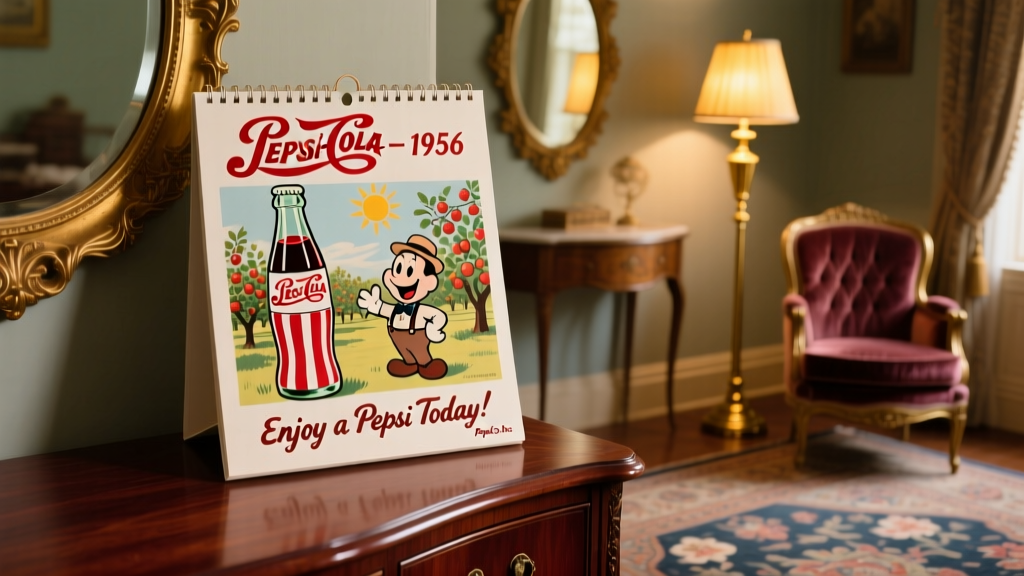
Pepsi-Cola Calendar 1956: A Collector’s Guide to the 9 × 12 Inch Vintage Wall Calendar
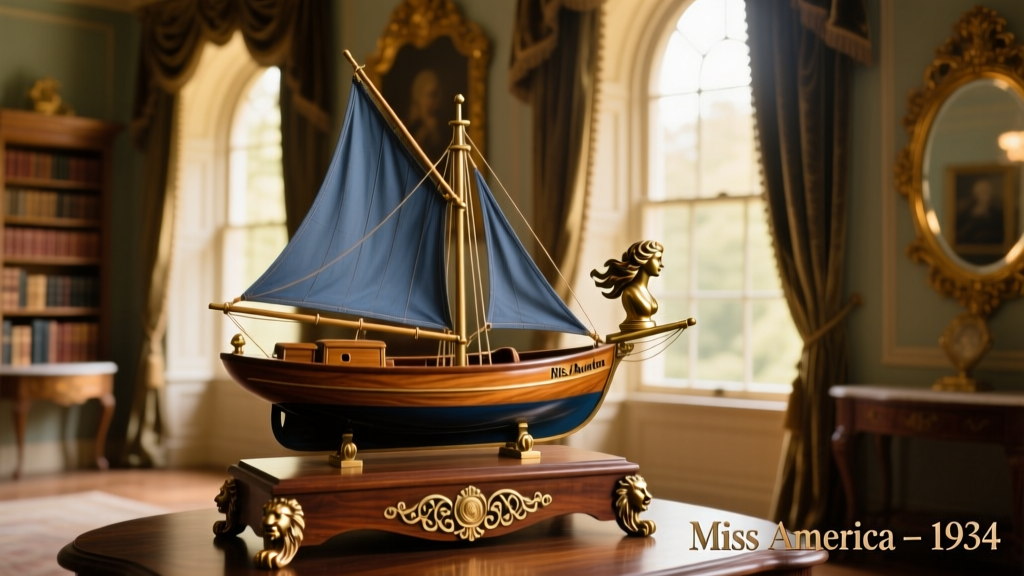
Toy Boat 'Miss America' Mahogany Brass Stand: History, Identification, and Conservation of a Mid-Century American Collectible
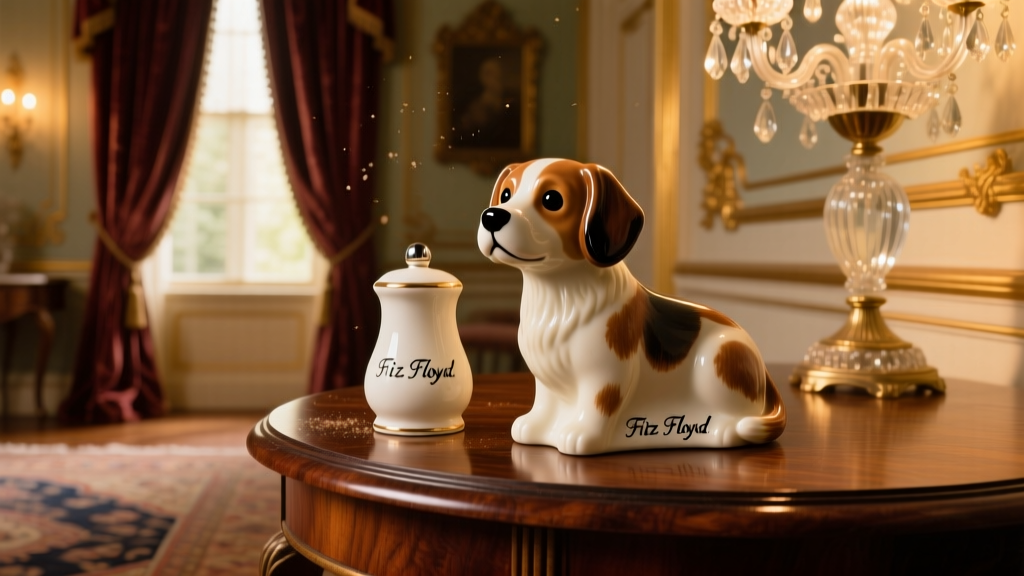
Salt & Pepper Shakers: The 'Dog Little Mutt' by Fitz and Floyd — History, Identification, and Restoration Guidance
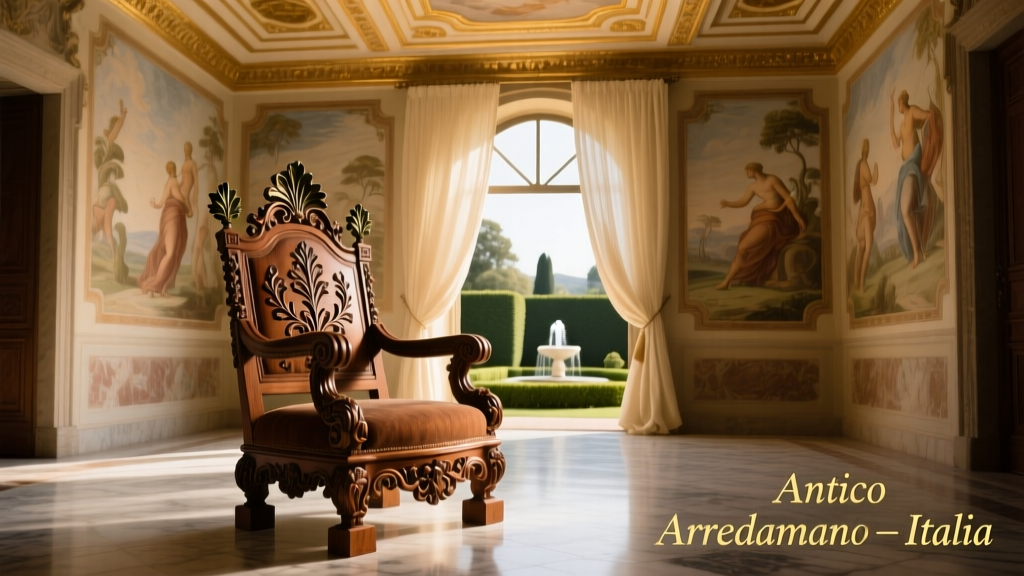
Baroque Walnut Armchairs from 17th–18th Century Italy: A Technical Study of Acanthus Finials, Block Feet, and Structural Craftsmanship
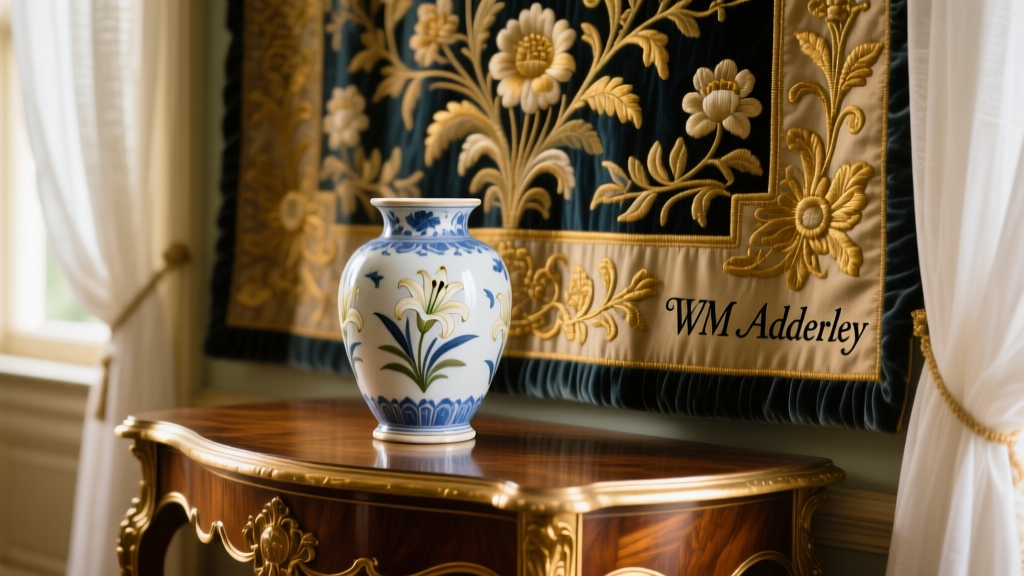
Flow Blue Vase with Lily Motif, Gold Tapestry Border, and Gold Sponge Work: A Wm. Adderley Example Measuring 5½ Inches
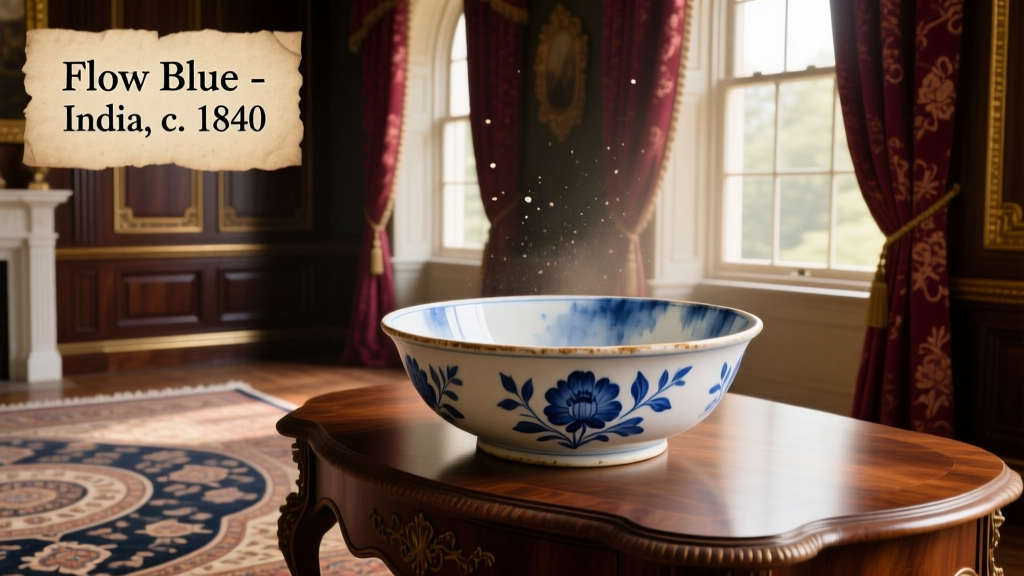
Flow Blue Waste Bowl 'Indian' Pattern, c. 1840: Identification, Provenance, and Conservation Principles