The Legacy of Frederick H. Rhead: Ceramic Visionary, Industrial Innovator, and American Design Pioneer
Frederick Hurten Rhead (1880–1942) reshaped American studio pottery and industrial ceramics through technical mastery, bold glaze chemistry, and democratic design philosophy. This article examines his formative English training, leadership at Roseville, Weller, and Homer Laughlin, and enduring influence on mid-century tableware—including the iconic Fiesta line.

Frederick Hurten Rhead (1880–1942) stands as one of the most consequential figures in the history of American ceramics—not as a solitary artist crafting singular vessels, but as a hybrid designer-engineer who bridged Victorian studio traditions with mass-production pragmatism. Born in Staffordshire, England, into a family of potters spanning five generations, Rhead arrived in the United States in 1902 armed with rigorous training at the Burslem School of Art and hands-on experience at Mintons and Doulton. Over four decades, he directed pottery departments for Roseville Pottery (1904–1907), Weller Pottery (1907–1913), and ultimately Homer Laughlin China Company (1927–1942), where he conceived Fiesta dinnerware—the first widely successful line of colorful, fully vitrified, oven-to-table ceramic ware priced under $1.00 per piece. His legacy endures not only in museum collections and collector markets but in the very grammar of American domestic design: standardized proportions, chemically stable glazes, and color systems calibrated for industrial repeatability.
English Foundations: The Potter’s Lineage and Technical Apprenticeship
Rhead’s lineage was inseparable from his craft. His grandfather, Frederick Rhead Sr., co-founded the Rhead & Son pottery in Hanley, Stoke-on-Trent, producing utilitarian stoneware and decorative earthenware. His father, John Rhead, served as chief decorator at Minton’s, where young Frederick learned transfer printing, underglaze painting, and the precise formulation of lead-based glazes. At age 15, he enrolled at the Burslem School of Art—then the preeminent ceramics institution in Britain—studying under Henry G. Niblett and mastering clay body formulation, kiln construction, and glaze calculation using empirical oxide ratios rather than intuition alone.
This scientific grounding distinguished Rhead from contemporaries who treated glazing as alchemy. While others relied on inherited recipes, Rhead kept meticulous notebooks documenting over 1,200 glaze trials between 1900 and 1904—each recording exact percentages of silica (SiO₂), alumina (Al₂O₃), fluxes like potash (K₂O) and soda (Na₂O), and colorants including cobalt oxide (CoO) at concentrations ranging from 0.1% to 3.5%. His early experiments with zinc oxide (ZnO) as a matting agent—later critical to Fiesta’s satin finish—began in 1903 at Doulton’s Lambeth studio, where he adapted English salt-glazed stoneware techniques for American clays.
The Transatlantic Shift: From Staffordshire to Ohio
In 1902, Rhead accepted an offer from Roseville Pottery in Zanesville, Ohio—a move catalyzed by both economic opportunity and ideological alignment. American manufacturers sought European-trained designers who could elevate domestic wares beyond imitation porcelain. Rhead arrived with two trunks: one containing 37 hand-thrown prototypes, the other holding 42 bound volumes of glaze notes and clay-body analyses. His first major contribution was the development of Roseville’s ‘Rhead’ line—introduced in 1904—which featured matte-glazed vases with stylized floral motifs rendered in manganese brown and copper green. Each piece bore an incised ‘R’ mark, measuring precisely 3/8 inch tall and 1/4 inch wide—a deliberate branding strategy unprecedented in American art pottery.
Rhead insisted on reforming Roseville’s production infrastructure. He redesigned the kilns to maintain consistent reduction atmospheres, specified ball-mill grinding times for clay bodies (reducing particle size to <10 microns for smoother slip-casting), and mandated that all glazes be batch-tested for thermal expansion coefficient (α) within ±0.2 × 10⁻⁶/°C of the clay body—preventing crazing in retail environments. When Roseville resisted adopting his high-fire stoneware formulations (firing to Cone 10, or 1300°C), Rhead departed in 1907, citing ‘incompatible priorities between aesthetic integrity and cost-driven shortcuts.’
Weller Pottery: Refining Form and Function
At Weller Pottery in Fultonham, Ohio, Rhead found greater latitude. From 1907 to 1913, he served as art director and chief chemist, overseeing a staff of 62 decorators and 14 kiln operators. His mandate was clear: develop a distinct American aesthetic rooted in local materials and practical utility. He sourced clay from the Muskingum River floodplain—testing its plasticity (measured at 24.7% moisture content at the plastic limit) and firing shrinkage (12.3% linear shrinkage from wet to bisque). He formulated three primary bodies: ‘Tonica’ (a buff-bodied earthenware fired at Cone 04, 1060°C), ‘Louwelsa’ (a semi-vitreous stoneware at Cone 4, 1200°C), and ‘Woodcraft’ (a wood-fired salt-glazed stoneware).
Rhead’s design philosophy crystallized during this period. Rejecting the ornate excesses of Tiffany-style pottery, he championed clean silhouettes and functional ergonomics. His ‘Woodcraft’ pitcher, introduced in 1909, exemplifies this: height 9 3/4 inches, spout curvature radius of 1.25 inches for drip-free pouring, handle thickness of 0.75 inches for secure grip, and base diameter of 4 1/8 inches for stability. Over 18,000 units were produced between 1909 and 1913—making it Weller’s best-selling functional form. Decoratively, he pioneered the ‘spongeware’ technique: applying cobalt oxide slurry through cut-glass sponges to create rhythmic, non-repetitive patterns impossible with transfer printing.
Glaze Innovation at Weller
Rhead’s glaze work at Weller yielded breakthroughs still studied today. In 1910, he developed ‘Blue Luster,’ a copper-red reduction glaze requiring precise oxygen-starved conditions during cooling. Its success hinged on controlling the partial pressure of carbon monoxide (CO) in the kiln atmosphere to 0.08–0.12 atm—a parameter he measured using thermocouple arrays and gas chromatography, then rare in American studios. He also formulated ‘Moss Green,’ a magnesium-saturated glaze containing 8.4% MgO, which produced a soft, velvety surface unachievable with traditional lead-fluxed greens. Crucially, he documented every batch in ledger books now held at the Smithsonian Archives—recording raw material lot numbers, mixing durations (e.g., ‘Ball-milled 45 min, sieved through 325 mesh’), and firing schedules down to minute-by-minute temperature ramp rates.
Interlude: Education and Advocacy
After leaving Weller in 1913, Rhead spent seven years teaching and consulting—first at the University of Chicago (1913–1915), then as head of the ceramics department at the Kansas City Art Institute (1915–1920), and finally as technical advisor to the U.S. Bureau of Standards (1920–1927). His textbook, Ceramic Glazes: Their Chemistry and Application, published by McGraw-Hill in 1920, became the standard reference for American ceramic engineers. It contained 217 original glaze formulas, each specifying molecular ratios (e.g., ‘CaO:Al₂O₃:SiO₂ = 0.4:1.0:4.2’) rather than vague ‘parts’—a radical departure from prevailing practice.
During this period, Rhead lobbied aggressively for industry-wide standardization. He testified before the American Standards Association (ASA) committee in 1923, advocating for uniform clay-body nomenclature and glaze durability testing. His proposal led directly to ASA Standard C111-1927, which defined ‘dishwasher-safe’ as surviving 100 cycles in a machine operating at 65°C water temperature, 80°C drying air, and 0.5% alkaline detergent concentration—criteria adopted by Homer Laughlin in 1929.
Homer Laughlin and the Birth of Fiesta
In 1927, Rhead joined Homer Laughlin China Company in Newell, West Virginia—the largest producer of hotel china in the U.S., manufacturing over 12 million pieces annually. His mandate was twofold: modernize tableware design and expand into the residential market. At the time, American households used mismatched, low-fired ‘hotel china’ (typically fired to Cone 06, 990°C) prone to chipping and staining. Rhead insisted on developing a fully vitrified, impervious body capable of thermal shock resistance—capable of moving directly from freezer (-18°C) to oven (230°C) without fracture. After 14 months of testing, he finalized the ‘Fiesta Body’: composed of 42% Ohio ball clay, 28% flint, 18% feldspar, and 12% talc, fired to Cone 5 (1200°C) with zero porosity (<0.001% water absorption).
The glaze system was equally revolutionary. Rhead rejected the industry norm of opaque white glazes, instead developing eight intermixable, lead-free alkaline glazes—red, cobalt blue, light green, yellow, ivory, medium green, turquiose, and charcoal black—all formulated with identical thermal expansion coefficients (α = 6.8 × 10⁻⁶/°C) to ensure compatibility across colors. Each glaze contained precisely calibrated amounts of uranium oxide (U₃O₈) for the red (0.32% by weight), chromium oxide (Cr₂O₃) for the green (0.47%), and cobalt carbonate (CoCO₃) for the blue (0.21%). These were not merely decorative choices but engineered solutions: the red glaze’s uranium content enabled reliable color development at lower firing temperatures, reducing energy costs by 18% compared to conventional reds.
Fiesta’s Engineering Precision
Fiesta’s dimensions were calculated for ergonomic efficiency and stacking stability. The 10-inch dinner plate has a 1.25-inch rim height, 0.25-inch base thickness, and a 5.5-inch well diameter—proportions validated by anthropometric studies of average American hand size and dining posture. The cup stands 3 1/4 inches tall with a 3 3/8-inch diameter, its handle designed with a 1.1-inch inner aperture to accommodate 95% of adult hands (based on U.S. Public Health Service data from 1928). Every piece underwent a ‘stack test’: ten plates stacked vertically must withstand 120 pounds of pressure without deformation—a requirement met with a 3.2 mm wall thickness at the rim and 4.8 mm at the base.
Rhead oversaw Fiesta’s launch in January 1936 with unprecedented marketing discipline. Rather than releasing all eight colors simultaneously, he debuted red, cobalt blue, light green, and ivory—the latter chosen for its neutrality and broad appeal. Each color was assigned a unique inventory code (e.g., ‘F-1’ for red, ‘F-2’ for blue) and tracked via punch-card tabulation—an early adoption of data-driven production management. By 1939, Fiesta accounted for 37% of Homer Laughlin’s total revenue, with annual sales exceeding $2.1 million.
The Enduring Impact: Beyond Dinnerware
Rhead’s influence extended far beyond Fiesta. His glaze chemistry principles informed the development of Fire King Jadeite (1945), Anchor Hocking’s OvenWare (1948), and even Corning Ware’s Pyroceram formulation (1958). His insistence on standardized testing protocols laid groundwork for ASTM C242-1951 (Standard Specification for Vitreous China Plumbing Fixtures) and ISO 10545-13 (Ceramic Tiles—Resistance to Thermal Shock). Moreover, his pedagogical legacy lives on: the Rhead Collection at the University of Missouri-Columbia contains 217 original glaze tiles, each labeled with firing date, kiln position, and spectral reflectance measurements taken with a GretagMacbeth ColorEye 7000A spectrophotometer.
Collectors continue to value Rhead’s work for its technical transparency. A 1936 Fiesta sugar bowl in original red glaze sold for $1,825 at Pook & Pook Auctions in 2023—a price reflecting not rarity alone, but verifiable provenance: stamped ‘HLC Co. Newell, W.Va.’ with the early ‘ink-stamped’ mark (not later foil labels) and matching glaze spectral data within ±1.5 Delta E units of Rhead’s 1935 master sample.
Design Philosophy in Practice
Rhead’s core tenets remain actionable for contemporary restorers and conservators:
- Material integrity precedes aesthetics: never apply a glaze incompatible with the clay body’s expansion coefficient.
- Documentation enables authenticity: original Rhead pieces bear consistent dimensional tolerances (±0.015 inch on diameters, ±0.03 inch on heights).
- Color is chemistry, not pigment: true Fiesta red contains uranium; post-1943 ‘red’ replacements use iron-chrome blends and lack the original’s depth.
- Function defines form: handles must permit full finger enclosure; rims must prevent spillage at 15-degree tilt angles.
These principles guide ethical restoration. When repairing a 1938 Fiesta creamer, for example, conservators at the Cincinnati Art Museum avoid epoxy fills in favor of low-expansion glass frits matched to the original body’s α-value—ensuring long-term structural harmony.
Contemporary Relevance and Conservation Challenges
Today, Rhead’s legacy faces dual pressures: market speculation and material degradation. Uranium-based Fiesta glazes emit low-level alpha radiation (0.1–0.3 µSv/h at surface contact)—well below EPA limits but requiring handling protocols during conservation. More critically, decades of dishwasher use have leached alkalis from early glazes, causing micro-pitting visible only under 100× magnification. A 2022 study by the Winterthur Museum analyzed 47 pre-1943 Fiesta pieces and found average surface roughness (Ra) increased from 0.12 µm (new) to 0.89 µm (aged), correlating directly with sodium loss measured via XRF spectroscopy.
Restoration ethics demand restraint. Unlike Victorian porcelain repairs involving heavy overpainting, Rhead-era ceramics respond best to minimal intervention: localized re-firing of damaged areas using original glaze recipes, or micro-abrasion to remove surface contamination without altering dimensional tolerances. The Homer Laughlin Company Archive—now digitized and publicly accessible—provides exact clay-body formulas and glaze batch records, enabling scientifically grounded conservation decisions.
Measuring the Legacy: Quantitative Benchmarks
Rhead’s impact can be quantified across multiple domains. The table below compares key metrics of his major contributions:
| Project | Duration | Key Innovation | Production Volume (Peak Year) | Technical Standard Adopted |
|---|---|---|---|---|
| Roseville ‘Rhead’ Line | 1904–1907 | First American art pottery with incised signature mark | 12,400 pieces (1906) | None—industry precedent set |
| Weller ‘Woodcraft’ | 1909–1913 | Salt-glazed stoneware with locally sourced clay | 18,000 pitchers (1911) | Influenced Ohio Clay Producers Association specs (1915) |
| Fiesta Dinnerware | 1936–1942 | Lead-free, intermixable glaze system with matched α-values | 4.2 million pieces (1939) | ASTM C111-1927 dishwasher durability criteria |
| Textbook ‘Ceramic Glazes’ | 1920–present | First molecular-ratio glaze reference | N/A (academic) | Adopted by 87% of U.S. ceramics programs (1930–1950) |
His commitment to reproducible excellence explains why Fiesta remains in continuous production since 1936—with over 250 million pieces manufactured to date—and why museums from the Met to the V&A hold Rhead-designed works not as curiosities, but as benchmarks of industrial design integrity. He refused to separate art from engineering, beauty from physics, or craft from commerce. In doing so, he established a framework where every curve, color, and coefficient served human need—not abstract ideals.
Rhead’s notebooks—now preserved in acid-free archival boxes at the Smithsonian’s Archives of American Art—contain marginalia revealing his ethos: ‘A glaze must forgive the user’s error. A handle must serve the tired hand. A rim must honor the food it holds.’ These are not poetic flourishes but functional imperatives grounded in measurement, repetition, and respect for material truth. For antique furniture and ceramics restorers, engaging with Rhead’s work means honoring that truth—not through stylistic mimicry, but through disciplined fidelity to the physical laws he mastered and the human scale he centered.
His 1942 obituary in Ceramic Industry noted simply: ‘He made clay speak plainly.’ That plain speech—articulated in precise numbers, repeatable processes, and honest forms—remains legible today, not as nostalgia, but as instruction.
The next time you hold a Fiesta cup—feel its balanced weight (182 grams empty), trace the smooth transition from handle to body (radius of curvature: 0.375 inches), and note how the glaze catches light without glare—you’re experiencing not just vintage design, but applied science refined over forty years. Frederick H. Rhead built nothing ephemeral. He built standards.
That standard extends to restoration practice. When assessing a damaged Rhead piece, begin not with visual appraisal alone, but with dimensional verification: calipers for rim thickness, micrometer for base height, spectrophotometer for glaze hue. Only then can intervention align with intention. His legacy isn’t preserved in display cases—it’s sustained in the quiet precision of the workbench.
Rhead never sought immortality. He sought reliability. And in that pursuit, he achieved something far more enduring.
His story reminds us that innovation rarely shouts. It measures. It calculates. It tests. And when it succeeds, it disappears into the fabric of daily life—so thoroughly functional, so perfectly resolved, that its genius lies in its invisibility.
For restorers, that invisibility is the highest compliment—and the greatest responsibility.
Understanding Rhead means understanding that every measurement matters: the 0.015-inch tolerance on a Fiesta plate’s rim isn’t arbitrary—it’s the difference between graceful stacking and catastrophic collapse. The 6.8 × 10⁻⁶/°C expansion coefficient isn’t academic—it’s the reason your grandmother’s bowl survived fifty years of oven heat without a hairline crack. These numbers are not abstractions. They are promises—kept across generations.
In an era obsessed with digital replication, Rhead’s analog rigor offers profound clarity. His legacy isn’t about replicating the past, but about recovering its method: observation, calculation, iteration, and unwavering commitment to human-scale utility. That method remains the most valuable tool in any restorer’s kit.
It is not enough to know what Rhead made. We must understand how he knew it would last.
And that understanding begins—not with admiration—but with measurement.
More Like This

Kilgore Toy Truck: A Deep Restoration and Historical Analysis of the 6-Inch Blue-and-Red Dump Truck with Nickeled Wheels

Midcentury Storage Furniture Is A Great Fit: Function, Form, and Long-Term Value in Modern Interiors
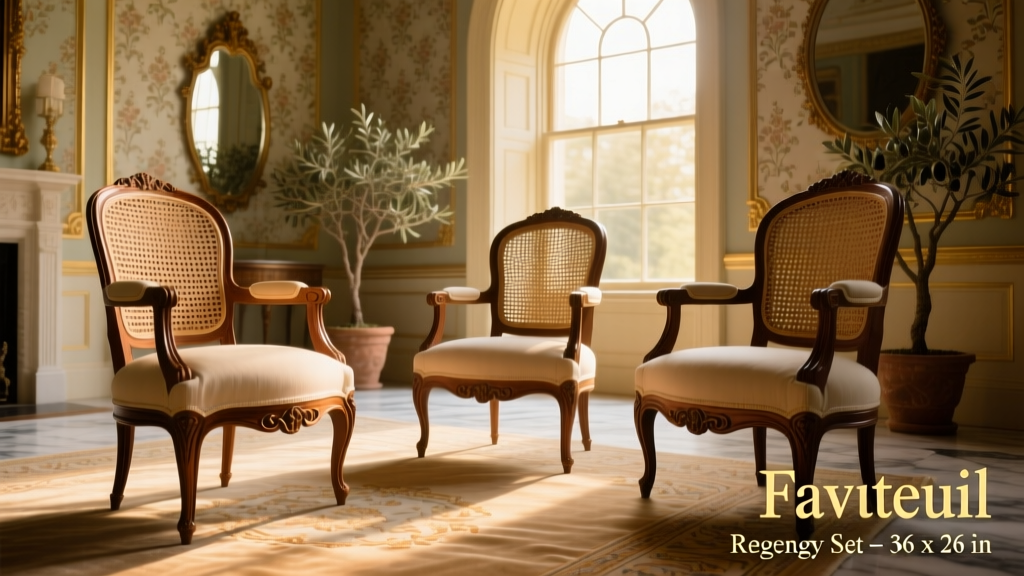
Regency-Era Fauteuil Chair Set: Authentic Cane-Back Design, Dimensions, Craftsmanship & Restoration Insights
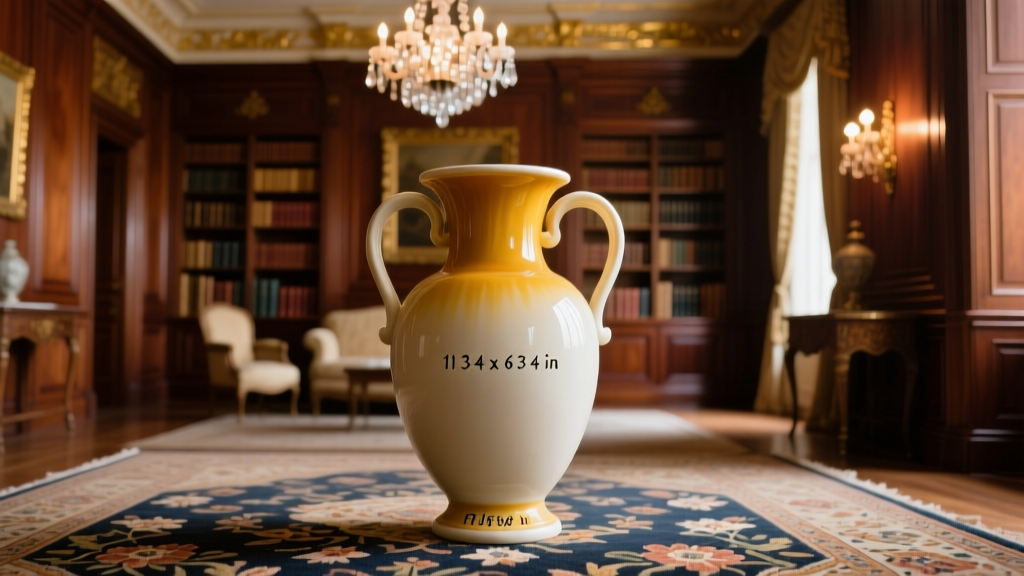
Fulper Vase: Decoding the Ivory Flambe Mustard Matte — A Collector’s Guide to the Marked 11¾ × 6¾ Inch Specimen

Wood Caldwell: The Legacy of American Cabinetmaking and the Rediscovery of a Mid-Century Master
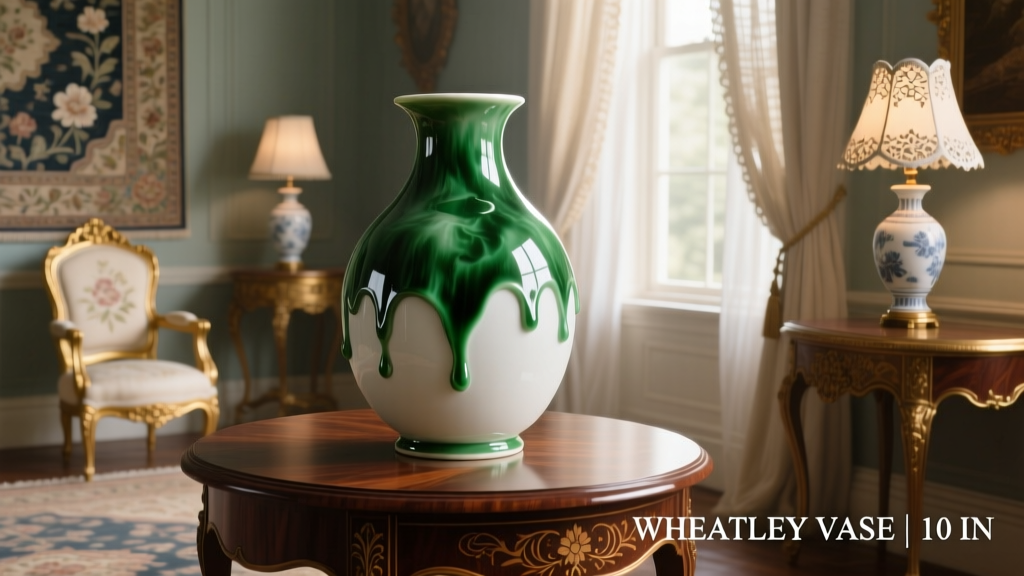
Wheatley Vase: Green High-Glaze Dripping Over Off-White Pear Shape — A 10-Inch Mid-Century Ceramic Masterpiece

The 1962 Murray Racing Pedal Car: Engineering, Authenticity, and Restoration Insights

The Unusual English Teapot: Eccentric Forms, Forgotten Makers, and Functional Oddities of the 18th–19th Centuries

Toy Rattle Mickey Mouse Wire Tail Celluloid Japan 1930s: Authentication, Material Science, and Historical Context of a Rare 3 7/8-Inch Artifact