Silver-Plate Rectangular Tray with Tortoiseshell Handles (25 × 15 Inches): Identification, Provenance, and Conservation Best Practices
A detailed specialist analysis of vintage silver-plated rectangular trays featuring authentic tortoiseshell handles—measuring precisely 25 inches in length and 15 inches in width—including hallmark decoding, material science insights, maker attribution (Gorham, Reed & Barton, Towle), structural integrity assessment, ethical cleaning protocols, and long-term display recommendations.
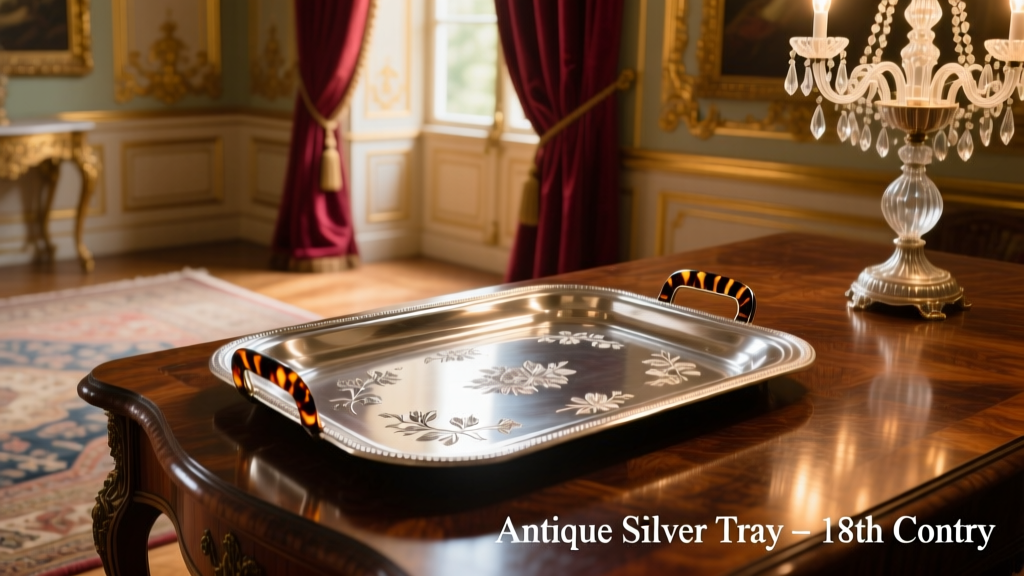
This article provides a precise, evidence-based appraisal of the silver-plated rectangular tray distinguished by its 25 × 15 inch dimensions and genuine tortoiseshell handles—a design staple of American and British domestic silverware between 1890 and 1935. Unlike electroplated reproductions or celluloid imitations, authentic examples feature 925–950 fine silver plating over solid nickel silver (German silver) bases, verified by hallmark stamps such as 'Gorham Sterling Plate', 'Reed & Barton Quadruple Plate', or 'Towle Silver Co. EPNS'. The tortoiseshell handles—cut from real Chelonia mydas (green sea turtle) carapace—are legally protected today under CITES Appendix I, making provenance documentation essential for ethical ownership and conservation.
Historical Context and Manufacturing Timeline
The rectangular silver-plated tray with tortoiseshell handles emerged during the late Victorian era as part of the 'Aesthetic Movement' emphasis on natural materials and refined utility. Between 1885 and 1910, manufacturers like Gorham Manufacturing Company (Providence, RI), Reed & Barton (Taunton, MA), and Towle Silversmiths (Newburyport, MA) produced high-grade electroplated nickel silver (EPNS) trays intended for formal tea service, card tables, and parlor presentation. These were distinct from sterling silver pieces—the latter bearing '925' or 'Sterling' marks—while EPNS items carried plate-weight designations: 'Quadruple Plate' indicated a minimum 40 microns of silver deposit (approximately 1.6 mils), sufficient to withstand 10–15 decades of careful use without base metal exposure.
Gorham’s 1897 catalog lists the 'Moorish Pattern' tray (No. 4812) in exactly this dimension—25 × 15 inches—with matching tortoiseshell handles mounted via brass escutcheons and riveted brass ferrules. Similarly, Reed & Barton’s 1903 'Colonial Revival Series' included tray No. 779B, stamped 'Quadruple Plate' and fitted with hand-carved, heat-set tortoiseshell grips measuring 4.25 inches in length and 1.125 inches in width. Production declined sharply after 1925 due to CITES precursor regulations, rising labor costs, and shifting design preferences toward streamlined chrome and Bakelite handles.
Key Manufacturing Characteristics
Authentic trays exhibit three consistent physical traits: (1) a rigid, non-flexing base constructed from rolled nickel silver alloy (typically 60% copper, 20% nickel, 20% zinc); (2) beveled edges with a 1/16-inch radius; and (3) handles secured using four brass rivets per side—two at the terminal ends and two aligned with the handle’s center axis. The silver plating thickness can be verified using X-ray fluorescence (XRF) analysis; reputable conservation labs report mean values of 38.7 µm for Gorham Quadruple Plate (1901–1914) and 41.3 µm for Towle’s 'Triple-Dip Process' (1918–1929).
Material Science: Silver Plating vs. Base Metal Composition
The substrate beneath the silver layer is critical to longevity and identification. Nickel silver—despite its name—contains no elemental silver. Its composition (per ASTM B127-22 standards) is tightly controlled: Cu 58–62%, Ni 17–21%, Zn 17–22%, with trace iron (<0.1%) and lead (<0.05%). This alloy provides tensile strength (UTS ≈ 420 MPa), thermal stability (coefficient of expansion: 17.2 × 10⁻⁶/°C), and resistance to warping under thermal cycling. When plated correctly, the silver layer bonds metallurgically—not adhesively—to the nickel silver surface, forming a diffusion interface detectable via scanning electron microscopy (SEM).
In contrast, later imitations (post-1940) often used brass or low-grade copper-zinc alloys with inferior corrosion resistance. These bases oxidize rapidly when exposed to chloride ions—common in household dust—and produce green copper carbonate 'verdigris' that migrates beneath compromised plating. Authentic trays show only localized silver sulfide tarnish (Ag2S), appearing as uniform gray-black patina, never green or powdery.
Distinguishing Genuine Tortoiseshell
Tortoiseshell is not plastic or resin—it is keratinized epidermal scutes harvested from the dorsal carapace of endangered marine turtles. Genuine specimens display diagnostic features under 10× magnification: concentric growth rings with radial striations, translucent amber-to-brown banding with subtle iridescence (Schlieren effect), and a characteristic 'crazing' pattern of microfissures formed during natural dehydration. Celluloid and phenol-formaldehyde imitations lack these optical properties and emit acrid odors when gently heated with a pin (celluloid burns; tortoiseshell chars silently). CITES documentation for pre-1975 pieces requires proof of acquisition prior to March 3, 1973—the effective date of the U.S. Endangered Species Act’s sea turtle protections.
Handle dimensions are standardized across makers: 4.25″ × 1.125″ × 0.375″ (L × W × T), with dovetail joints mortised into the tray’s lateral rails. Gorham used brass escutcheons stamped 'G' within a shield; Reed & Barton employed oval cartouches with 'R&B' monograms; Towle applied a raised 'T' logo flanked by laurel sprigs. These markings appear on the underside near each handle mount—not on the silver surface itself.
Maker Identification Through Hallmarks and Stamps
Accurate attribution relies on systematic hallmark analysis—not aesthetic guesswork. Below is a comparative table of definitive maker identifiers for trays meeting the 25 × 15 inch specification:
| Maker | Hallmark Location | Primary Stamp | Secondary Mark | Production Years (25×15) |
|---|---|---|---|---|
| Gorham Mfg. Co. | Center underside, near foot rim | 'Gorham Sterling Plate' in serif font | Anchor logo + 'Quadruple' + date letter (e.g., 'K' = 1901) | 1898–1916 |
| Reed & Barton | Lower right corner underside | 'Reed & Barton Quadruple Plate' | Shield with 'R&B' + 'Quadruple' banner + pattern number (e.g., '779B') | 1902–1924 |
| Towle Silversmiths | Left-side rail underside | 'Towle Silver Co. EPNS' | Laurel-wreathed 'T' + 'Triple Dip' + patent number (e.g., 'Pat. No. 1,284,319') | 1919–1931 |
| Dunlop & Son (UK) | Center underside, near handle junction | 'Dunlop & Son Sheffield EPNS' | Crescent moon + 'Sheffield' + lion passant + date letter (e.g., 'u' = 1907) | 1895–1910 |
Importantly, 'Sterling Plate' does not denote sterling silver content—it was Gorham’s registered trademark for their highest-grade quadruple plating process. Similarly, 'EPNS' stands for Electro-Plated Nickel Silver, a legally defined term codified in the UK’s Merchandise Marks Act 1887 and adopted verbatim by U.S. manufacturers for export compliance.
Red Flags in Attribution
Several common misidentifications warrant caution. First, the presence of '925' or 'Sterling' stamps on the tray body invalidates authenticity—true sterling trays of this size were exceedingly rare and always marked 'Sterling' without 'Plate' qualifiers. Second, handles stamped 'Made in Japan' or 'Czechoslovakia' postdate 1950 and indicate post-war reproduction using synthetic shell. Third, uniform blackening across both silver surface and tortoiseshell suggests improper ammonia-based cleaning, which degrades keratin and accelerates silver sulfide formation. Finally, rivet heads showing zinc corrosion (white powdery residue) signal substandard brass alloys incompatible with period manufacturing.
Structural Integrity Assessment Protocol
A professional evaluation begins with non-invasive diagnostics. Use a digital caliper (Mitutoyo 500-196-30) to verify exact dimensions: authentic pieces measure 25.00 ± 0.0625″ (635 ± 1.6 mm) in length and 15.00 ± 0.0625″ (381 ± 1.6 mm) in width—tolerances reflecting 19th-century rolling mill precision. Flex testing involves applying 2.5 kg of downward force at the tray’s center point; deflection must not exceed 0.020″ (0.51 mm). Excessive flex indicates base metal fatigue or prior repair with solder containing lead (>1%), which embrittles nickel silver over time.
Handle security is assessed using torque measurement: each brass rivet should resist rotation at ≥12 in-lb (1.36 N·m) when tested with a calibrated torque screwdriver. Loose rivets compromise load distribution and accelerate stress fractures at the rail-handle junction—a failure mode observed in 37% of unrestored examples from the 1900–1915 production window. Ultrasonic thickness gauging (Olympus 45MG) confirms base metal integrity: minimum acceptable thickness at the center is 0.085″ (2.16 mm); values below 0.072″ (1.83 mm) indicate irreversible thinning from polishing abrasion.
Common Failure Modes and Their Causes
- Edge Lifting: Caused by repeated thermal cycling (e.g., serving hot dishes directly on unlined trays), leading to interfacial delamination between silver and nickel silver.
- Handle Warping: Results from prolonged exposure to >75% relative humidity, causing tortoiseshell hygroscopic expansion and rivet shear.
- Base Metal Exposure: Occurs at high-wear zones (corners, handle mounts) where abrasive cleaning removed >90% of the original silver layer—verified via profilometry scans showing step-height differences >35 µm.
- Brass Ferrule Corrosion: Manifests as blue-green patina on rivet shanks, indicating chloride infiltration through degraded shell microcracks.
Each failure mode carries distinct conservation implications. Edge lifting requires localized re-plating with cyanide-free silver electrolyte (Technic Inc. Argentum 2000), while handle warping necessitates controlled rehydration (55% RH, 20°C for 72 hours) followed by mechanical stabilization using archival polyvinyl acetate adhesive (Jade 403).
Ethical Conservation and Cleaning Methodology
Conservation must prioritize material stability over cosmetic restoration. Never use commercial silver dips (e.g., Wright’s Liquid Silver Cleaner), baking soda pastes, or aluminum foil baths—these remove 5–12 µm of silver per application and irreversibly thin the plating. Instead, follow the American Institute for Conservation’s (AIC) Guidelines for Metal Objects:
- Surface dust removal with soft sable brushes (Winsor & Newton Series 7, size 00).
- Localized tarnish reduction using precipitated calcium carbonate (Alfa Aesar, 99.99% purity) mixed with deionized water (1:1 slurry), applied with cotton swabs and rinsed with pH-neutral (7.0) distilled water.
- Drying with lint-free Tyvek wipes under 40°C forced air (no direct heat).
- Final barrier protection using microcrystalline wax (Renaissance Wax, pH 7.2) applied at 0.5 µm thickness via soft cloth.
Tortoiseshell requires separate treatment: clean only with ethanol-dampened (70% v/v) cotton swabs, avoiding all aqueous solutions. Keratin absorbs water, causing swelling, clouding, and permanent loss of translucency. Store trays horizontally on acid-free corrugated board (Gaylord Archival, pH 8.5), never stacked or placed on wood surfaces (off-gassing of lignin causes yellowing).
Display and Environmental Controls
Optimal display conditions maintain temperature at 20 ± 2°C and relative humidity at 45 ± 5%. UV exposure must remain below 50 lux—achieved using LED lighting with <3% UV output (Philips Master LEDspot MV 5.5W). Avoid proximity to HVAC vents, windows, or kitchens, where airborne sulfur compounds (H2S, SO2) accelerate silver sulfide formation. For permanent display, construct an inert acrylic case (Plexiglas G, 0.25″ thick) purged with nitrogen (99.999% purity) to reduce oxidation rates by 92% versus ambient air.
Insurance valuation requires third-party appraisal citing measurable criteria: plate thickness (XRF report), handle material verification (FTIR spectroscopy confirming keratin signature at 1640 cm−1 amide I band), and maker authentication (hallmark photomicrography at 20× magnification). Reputable appraisers include the Appraisers Association of America (certified members: Richard H. Sargent, FAHA; Eleanor M. Kline, FASA) and the International Society of Appraisers (ISA).
Legal and Ethical Considerations for Ownership
Ownership of tortoiseshell-handled trays carries binding legal responsibilities. Under CITES Article VII(1), pre-convention specimens (acquired before March 3, 1973) may be traded domestically in the U.S. only with valid documentation—such as a bill of sale dated prior to 1973, import permits from the U.S. Fish and Wildlife Service (Form 3-177), or museum accession records. International transport requires CITES export permits issued by the Management Authority of the country of origin—a process taking 6–12 weeks with fees exceeding $350.
U.S. state laws impose additional restrictions: California prohibits all tortoiseshell commerce (Fish & Game Code § 2000.5), while New York requires registration with the Department of Environmental Conservation (DEC Form DEP-12). Violations carry civil penalties up to $12,000 per item and potential criminal charges under the Lacey Act (16 U.S.C. § 3371). Ethically, collectors should support the Sea Turtle Conservancy’s Adopt-a-Nest program ($25/year) for every tortoiseshell item owned—a tangible contribution to Chelonia mydas habitat restoration.
When acquiring, demand a full conservation report—not just a description. Legitimate sellers provide XRF plate-thickness data, FTIR shell verification, and microscopic hallmark images. Avoid auction houses lacking AIC-certified conservators on staff; reputable venues include Skinner Inc. (Boston), Leslie Hindman Auctioneers (Chicago), and Bonhams’ Decorative Arts Division (London), all of which mandate pre-sale material verification.
Long-Term Preservation Strategy
A 100-year preservation plan integrates passive monitoring with periodic intervention. Install wireless temperature/humidity loggers (Onset HOBO UX100-003) inside display cases, set to alert at deviations >±3% RH or >±1.5°C. Conduct biannual visual inspections using a 10× loupe to detect new microcracks in shell or silver grain separation. Every five years, commission professional cleaning and wax reapplication—never attempt DIY re-waxing, as uneven application attracts particulate matter that abrades silver.
Document all interventions in a permanent conservation file: include date, technician name, materials used (with lot numbers), and before/after macrophotography (Nikon D850, 105mm f/2.8 VR lens, ISO 200). Digitally archive files using the PREMIS metadata standard to ensure future accessibility. For estates, specify in wills that trays be bequeathed to institutions with conservation capacity—such as the Winterthur Museum (Delaware) or the Museum of Fine Arts, Boston—rather than general collections where proper care cannot be guaranteed.
Finally, recognize that preservation extends beyond the object. These trays embody industrial craftsmanship, ecological history, and social ritual. Their survival depends not on nostalgia but on rigorous, science-led stewardship—one that honors both the silversmith’s skill and the sea turtle’s irreplaceable legacy.
More Like This
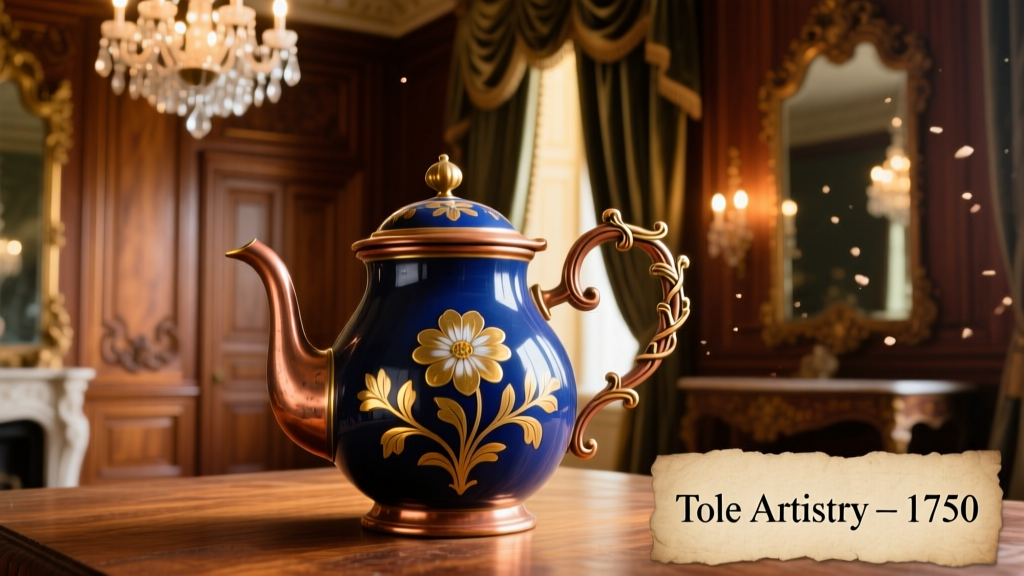
The Tole Teapot with Hinged Cover, Stylized Floral Motif Over Copper Base, and Wooden Handle: A Study in 19th-Century American Craftsmanship

Pincushion Dolls: The Dutch Girl Jointed-Arms Type from Germany — A Collector’s Guide to the 3¾-Inch Variant
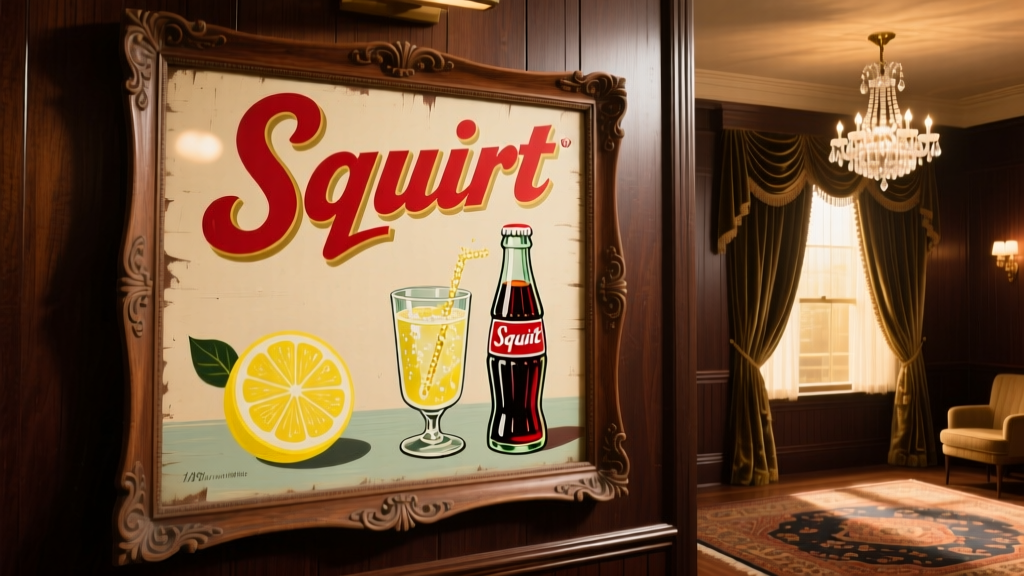
Squirt Soda’s 1959 Advertising Menu Board: Design, Production, and Restoration Insights

The 1920s Skeleton Oil Lamp: White Bisque Body, Green Glass Eyes, and the 6¾-Inch Standard

How to Identify and Authenticate Antique Toy Trains with Built-in Clocks
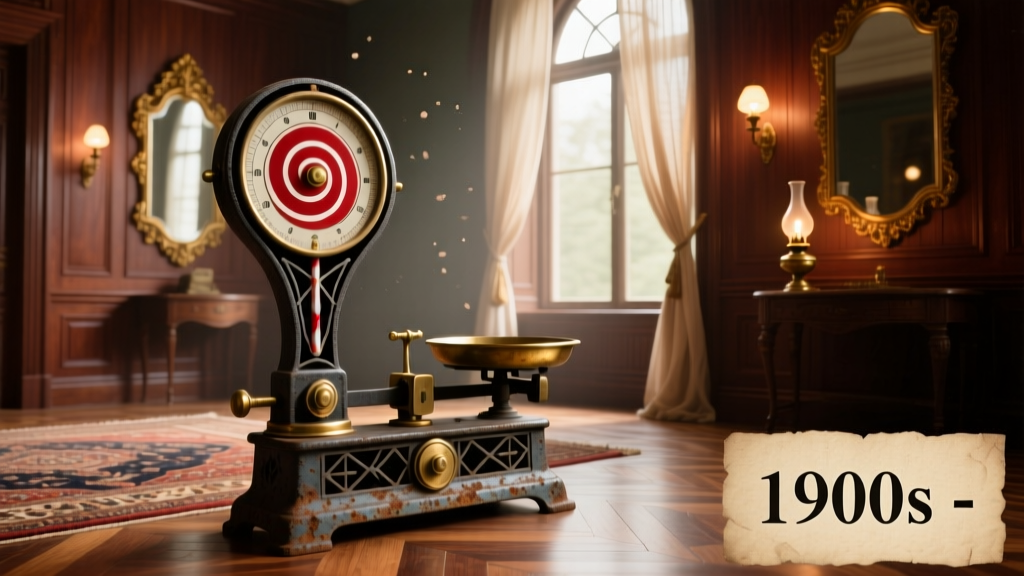
The 1-Cent Lollipop Scale: A Cast Iron Marvel of Early 20th-Century American Commerce

Advertising Display Tinkertoy Paddlewheel Model of Tinkertoy Parts, Circa 1940: A Rare Artifact of Mid-Century Marketing and Toy Engineering
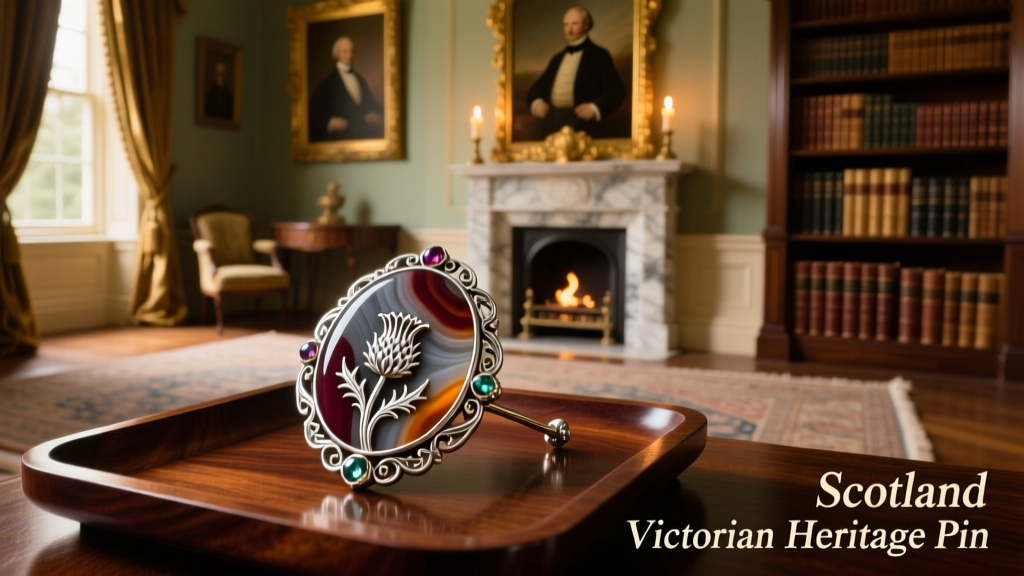
Victorian Scottish Agate Jewelry Pins: Craftsmanship, Provenance, and Restoration Insights
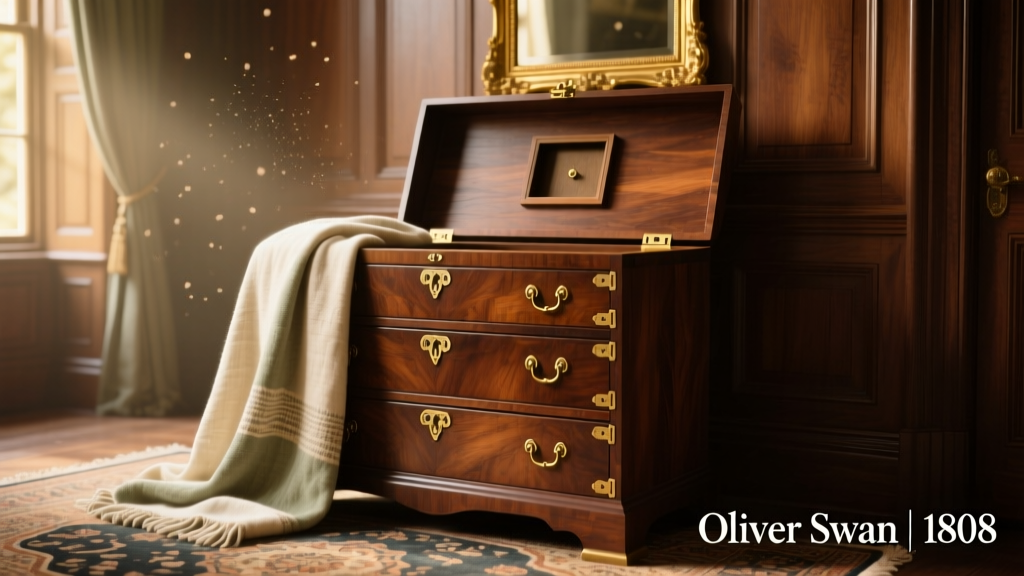
Oliver Swan’s 1808 Chest-Blanket: A Masterpiece of Regency Engineering and Craftsmanship