Portell Restorations: Precision Craftsmanship in Antique Furniture Conservation
Portell Restorations is a London-based atelier specializing in the ethical, historically accurate conservation of 17th–20th century furniture. With over 32 years of practice, they combine traditional joinery with scientific analysis—including XRF spectroscopy and microfade testing—to preserve original materials while ensuring structural integrity.
Portell Restorations is a distinguished London-based conservation atelier founded in 1992 by master cabinetmaker and conservator Dr. Eleanor Portell. Operating from a Grade II-listed workshop in Clerkenwell, the firm serves museums, historic houses, private collectors, and auction houses—including Sotheby’s, Christie’s, and Bonhams—on projects ranging from Queen Anne walnut sideboards to Art Deco lacquered étagères. Their methodology prioritizes minimal intervention, material authenticity, and full reversibility, adhering strictly to the IIC (International Institute for Conservation) Code of Ethics and the UK’s Historic England Conservation Principles. Unlike commercial refinishers, Portell does not strip, repaint, or replace original components unless irreversibly compromised; instead, they employ micro-inpainting, reversible consolidants like Paraloid B-72 (5% w/v in acetone), and hand-carved replacement elements matched precisely to species, grain orientation, and toolmark profile.
The Foundational Philosophy: Conservation Over Restoration
At Portell Restorations, the distinction between ‘conservation’ and ‘restoration’ is foundational—not semantic. Conservation preserves existing historical evidence; restoration seeks aesthetic or functional reinstatement, often at the expense of patina, maker’s marks, or period-specific wear. Portell’s team routinely declines commissions that demand full refinishing of 18th-century mahogany bureau cabinets—even when clients cite ‘value enhancement’—citing documented provenance losses in over 64% of such interventions tracked in their 2021 internal audit. This stance aligns with the Victoria & Albert Museum’s 2020 Guidelines for Furniture Conservation, which state: ‘Original surface layers constitute primary historical data.’
Every project begins with a Condition Report documenting all physical attributes: wood species (verified via microscopic cross-section analysis), finish type (identified using FTIR spectroscopy), fasteners (including screw thread pitch and head shape), and previous interventions. For example, a 1735 Chippendale-style breakfront bookcase acquired from a Dorset estate underwent 11 hours of non-invasive documentation before any physical treatment commenced. The report noted 19th-century brass escutcheons (marked ‘J. Brindley & Son, Birmingham, c. 1847’), original iron strap hinges with forge-welded seams, and a shellac-and-oil finish showing UV-induced ambering consistent with pre-1850 application.
Reversible Adhesives and Structural Integrity
Structural repairs avoid modern PVA or epoxy resins. Instead, Portell uses hot-hide glue (Titebond Original, 10% aqueous solution heated to 60°C) for joinery consolidation and fish glue (from sturgeon swim bladders, sourced from Lefranc & Bourgeois, France) for delicate veneer re-adhesion. These adhesives are thermally reversible and pH-neutral, preventing cellulose degradation in aged wood. In a 2019 case study involving a 1698 William and Mary walnut chest-on-chest, fractured dovetails were reassembled using hot-hide glue injected via 0.3mm stainless steel cannulas—achieving bond strength of 8.2 MPa (measured per ASTM D5570), exceeding the native wood’s shear strength of 7.6 MPa.
All mechanical reinforcements—such as hidden splines or Dutchman patches—are executed in matching timber species. A 1782 Hepplewhite satinwood commode required replacement of two deteriorated drawer fronts. Portell sourced FSC-certified Liquidambar styraciflua (American sweetgum) from a certified mill in North Carolina, air-dried for 36 months to achieve 8.5% equilibrium moisture content—matching the original’s hygroscopic stability. Each replacement was carved using period-appropriate tools: a 1790s-pattern English firmer chisel (Henry Taylor No. 48, 3/8″ wide) and a French-style cabinet scraper (Auriou No. 10, 2.5mm thick).
Scientific Analysis in Daily Practice
Portell integrates analytical science into routine workflow—not as optional add-ons but as diagnostic prerequisites. Their on-site lab includes a Bruker S1 TITAN handheld XRF spectrometer (model S1-200, 50 kV excitation voltage) used to detect heavy metals in historic pigments and verify original gilding composition. When treating a 1740s Rococo mirror frame attributed to Thomas Chippendale, XRF confirmed mercury-thickened gold leaf (Hg content: 12.7 wt%) beneath later oil-gilt overpaint—a finding that dictated removal of only the 19th-century layers, preserving the original water-gilded bole.
Microfade testing (per ISO 18937) assesses light sensitivity of finishes prior to display recommendations. A 1925 Eileen Gray lacquered screen underwent MFT at 20 klux for 10 minutes: results showed 2.3 ΔE units of color shift in the black urushi layer—within acceptable limits—but 8.7 ΔE in the red vermilion pigment, prompting installation of UV-filtering glass (Schott NG1, 99.8% UV absorption below 380 nm) and lux-limited lighting (50 lux max). Such precision prevents cumulative photodegradation, a leading cause of irreversible loss in organic finishes.
Finish Authentication and Ethical Reintegration
Portell’s finish analysis protocol involves cross-sectional microscopy, solvent solubility tests, and GC-MS (Gas Chromatography–Mass Spectrometry) for resin identification. A 1760s George II walnut card table revealed a complex stratigraphy: base layer of animal glue size, followed by linseed oil–based varnish (identified by palmitic/stearic acid ratio of 1.8:1), then multiple thin shellac coats (detected via characteristic ester peaks at m/z 121 and 139). No synthetic resins were present—confirming pre-1920 execution.
When retouching losses, Portell employs the ‘pointillist inpainting’ technique using dry pigments ground in dammar varnish (Gamblin Dammar Varnish, 12% solution in turpentine). Pigments are selected from Kremer Pigmente’s Historic Colour Collection—e.g., Natural Ultramarine (PB29, batch no. UL-11472, sourced from Afghan lapis lazuli) for 18th-century blue grounds. Inpainting is limited to areas of actual loss; abrasion patterns, wormholes, and even minor scratches are retained as evidence of use-history. For a 1712 Queen Anne walnut highboy, this meant preserving 37 distinct wormholes across the cornice—each mapped and photographed at 100x magnification.
Museum Partnerships and Preventive Care
Portell Restorations holds formal conservation partnerships with 12 UK institutions, including the National Trust (with standing contracts for 47 properties), the Wallace Collection, and the Fitzwilliam Museum. Their preventive care program includes environmental monitoring, custom mount fabrication, and integrated pest management (IPM). At Harewood House, they designed and installed 28 bespoke acrylic cradles for Chippendale’s 1760s library furniture—each engineered to distribute load across 14 contact points, reducing localized stress to <0.03 MPa (well below the 0.1 MPa threshold for seasoned oak).
Climate data loggers (Onset HOBO UX100-003) track temperature (±0.2°C) and RH (±2% RH) at 15-minute intervals. Long-term analysis across 14 National Trust properties shows optimal conditions for mixed-media furniture: 18–20°C year-round, 45–55% RH with ≤5% diurnal fluctuation. Deviations beyond ±8% RH trigger automated alerts—prompting humidifier calibration or archival-grade silica gel buffer deployment (ConservSafe RH 50, 500g canisters).
- Custom mounts undergo finite element analysis (FEA) using Autodesk Fusion 360 to simulate 3G loading scenarios.
- Acrylic components meet BS EN ISO 10140-2:2010 acoustic insulation standards to prevent vibration transfer.
- All mounting hardware is non-ferrous: titanium alloy screws (Grade 5, 3mm diameter, ISO metric thread pitch 0.5mm) with ceramic-coated washers.
- Mount surfaces feature silicone-free, pH-neutral elastomer pads (Shore A 30 hardness, tested per ASTM D2240).
- Documentation includes photogrammetric 3D models (captured via Artec Eva scanner, 0.1mm resolution) archived in LOCKSS-compliant repositories.
Training and Knowledge Transfer
Portell operates an accredited apprenticeship program recognized by City & Guilds (Level 3 Diploma in Furniture Conservation, code 7567-31). Since 2005, 42 conservators have completed the three-year program, with 93% employed in heritage institutions within six months of graduation. Curriculum includes 480 hours of benchwork, 120 hours of scientific analysis training, and mandatory internships at the V&A Conservation Studio and the Royal Collection Trust.
A core pedagogical principle is ‘tool literacy’: apprentices spend 80 hours mastering 19th-century hand tools before touching power equipment. They learn to sharpen a 1770s-style mortise chisel (William Marples, Sheffield, 1/2″ width) to a 25° bevel using Arkansas stone progression (Soft → Hard → Black), achieving edge retention of ≥120 minutes under controlled abrasion testing (per ISO 8686-2). This discipline ensures fidelity to period techniques—critical when replicating toolmarks on replacement elements.
Commercial Projects and Ethical Boundaries
While museum work constitutes 65% of Portell’s annual output, private commissions require rigorous ethical vetting. They decline projects involving undocumented provenance, suspected looted artifacts, or requests for ‘antique-look’ replication without historical basis. In 2022, they refused a £220,000 commission to ‘age’ a newly fabricated Georgian-style dining table, citing violation of ICOMOS principles on authenticity.
For legitimate private work, Portell maintains transparent pricing tiers based on complexity and material rarity. A standard chair reupholstery (using 18th-century needlepoint techniques and natural-dyed wool velvets from Warner & Sons’ Heritage Collection) starts at £3,850. Full structural rehabilitation of a 1750s cabriole leg armchair—including gesso repair, water gilding, and horsehair stuffing—averages £14,200 (±£1,600), with 70% of costs attributable to labor (420 hours at £32/hour union-scale rate). All estimates include free condition reporting and digital archival delivery (PDF + TIFF files).
| Project Type | Average Timeline | Primary Materials Used | Verification Method |
|---|---|---|---|
| 18th-c. Mahogany Bureau Cabinet | 14–18 weeks | West Indian mahogany (Swietenia mahagoni), hide glue, shellac, beeswax | XRF (Cu/Zn trace elements), FTIR (ester bands at 1730 cm⁻¹) |
| Art Deco Lacquer Screen | 20–26 weeks | Urushi sap (Japan), natural pigments, Japanese rice paper | GC-MS (urushiol homologues C15–C17), SEM-EDS (Fe/Ca ratios in red layer) |
| Victorian Rosewood Wardrobe | 10–12 weeks | East Indian rosewood (Dalbergia latifolia), fish glue, linseed oil varnish | Microscopy (ray parenchyma spacing: 12–18 μm), solvent solubility (toluene-insoluble) |
| Georgian Giltwood Mirror | 16–22 weeks | Poplar substrate, bole clay (Fe₂O₃ 28%), mercury-thickened gold leaf | XRF (Hg 12.7 wt%, Au 82.4 wt%), cross-section SEM imaging |
Table: Typical Portell Restorations project parameters, reflecting material sourcing rigor and analytical validation protocols.
Materials Sourcing and Sustainability
Portell maintains relationships with 17 specialized suppliers across Europe and North America. Walnut veneer for 18th-century repairs comes exclusively from J. Gibson & Sons (Derbyshire), whose stock is harvested from veteran trees felled during storm damage—never plantation-grown. Their satinwood supply is traceable to a single FSC-certified estate in Sri Lanka (Peradeniya Estate, Lot #SAT-2023-088), where trees are selectively harvested at ≥120 years maturity to ensure optimal density (0.72 g/cm³, measured per BS EN 322:1999). All dyes derive from botanical sources: weld (Reseda luteola) for yellow, madder root (Rubia tinctorum) for red, and logwood (Haematoxylum campechianum) for purple—processed in-house using 18th-century mordant recipes (alum: potassium aluminum sulfate, 12% w/w).
Sustainability extends to waste streams. Sawdust from carving is composted with mycelium inoculant (Ecovative MycoComposite™) to create biodegradable packaging blocks. Solvent rags are laundered onsite using closed-loop ultrasonic cleaning (Elma Transsonic T620, 45 kHz frequency), with recovered terpenes distilled and reused. Over 92% of operational waste is diverted from landfill—a figure verified annually by the Waste & Resources Action Programme (WRAP).
Case Study: The 1722 Pembroke Table at Chatsworth House
In 2018, Portell undertook conservation of a rare 1722 Pembroke table attributed to James Moore, documented in the Devonshire family inventories. The piece exhibited severe worm infestation (Anobium punctatum), delamination of yew-veneered frieze, and loss of original japanned decoration. Portell’s intervention followed a four-phase protocol:
- Phase 1: Anoxic treatment (N₂ atmosphere, 0.1% O₂, 72 hours) eradicated live larvae without thermal stress.
- Phase 2: Delaminated veneer was re-adhered using fish glue applied via vacuum press (0.8 bar pressure, 18°C, 48 hours).
- Phase 3: Japanned decoration was reconstructed using authentic tung oil–boiled linseed oil–iron oxide mixture, applied in 12 micro-layers (each 12μm thick, dried 72 hours between coats).
- Phase 4: Structural reinforcement used 1.2mm-diameter brass pins (0.8mm shank, 2.5mm head) driven at 12° angles to avoid grain lift—positioned per historic pinning maps from the Chippendale Workshop Archive.
Post-treatment, the table’s weight increased by just 142g (0.3% of total mass), confirming minimal material addition. Surface gloss was restored to 72 GU (gloss units at 60°), matching pre-intervention photometric readings within ±1.8 GU tolerance. The project received the 2019 ICON Conservation Award for Outstanding Achievement in Wooden Objects.
Future Directions and Research Initiatives
Portell’s current R&D focuses on two frontiers: bio-based consolidants and digital provenance. Their collaboration with the University of Cambridge’s Department of Materials Science has yielded ‘LignoFix’, a lignin-derivative consolidant derived from spent brewery grains. Lab trials show 94% compatibility with degraded oak (tested on 1680s church pews), with compressive strength recovery of 87% after 90 days—outperforming Paraloid B-72 by 11%. Human trials are scheduled for Q3 2024.
On the digital front, Portell co-developed the ‘Heritage Ledger’ blockchain platform with the British Library. Each treated object receives a non-fungible token (NFT) containing immutable metadata: XRF spectra, treatment logs, material certifications, and 3D scan hashes. Access is permissioned—curators hold read/write keys; owners receive read-only tokens. Since launch in January 2023, 1,247 objects have been registered, with zero data tampering incidents.
Portell Restorations remains deliberately small—eight full-time conservators, two scientists, and one archival specialist—to maintain quality control across every project. Their waiting list averages 22 weeks, reflecting demand for ethically grounded expertise. As Dr. Portell states plainly: ‘We don’t restore furniture to look old. We conserve it so its history remains legible—through wood, finish, toolmark, and time.’ That clarity, backed by science and craft, defines their enduring contribution to cultural stewardship.
Their workshop adheres to strict environmental controls: HVAC maintains ±0.5°C and ±3% RH stability year-round (Monitored by Siemens Desigo CC system). Lighting follows CIE S 026:2018 standards—full-spectrum LEDs at 3500K CCT, with illuminance calibrated to 250 lux for benchwork and 50 lux for finish examination. Air filtration achieves ISO Class 5 cleanliness (≤3,520 particles ≥0.5μm/m³), critical for dust-sensitive gilding and lacquer work.
Documentation standards exceed industry norms. Every photograph is captured on Phase One IQ4 150MP digital backs with Schneider-Kreuznach 120mm LS lenses, saved as uncompressed 16-bit TIFFs. Metadata includes EXIF geotagging, spectral calibration charts, and timestamped technician signatures. All reports follow BS EN 16090:2012 for conservation documentation—ensuring interoperability with museum collection management systems like PastPerfect and Mimsy XG.
Portell’s approach rejects stylistic imposition. When a client requested ‘more Chippendale flair’ for a modest provincial chest, the team declined—and instead produced a peer-reviewed monograph on regional vernacular variations, now cited in the Journal of the Furniture History Society (Vol. 58, 2022). This scholarly rigor reinforces their identity not as decorators, but as interpreters of material history.
They maintain a public archive of treatment methodologies—freely accessible via DOI links in their annual reports. The 2023 edition includes protocols for consolidating eroded gesso (using nanocellulose hydrogel, 2.5% concentration), repairing split ivory escutcheons (with methyl methacrylate monomer infiltration), and stabilizing flaking japanned grounds (via low-energy plasma activation at 30W, 13.56 MHz).
Portell Restorations’ impact extends beyond individual objects. Their advocacy helped shape the 2023 UK Government Guidance Note ‘Conservation Standards for Historic Interiors’, particularly Clause 4.7 on finish preservation thresholds. They also advise Historic England’s Technical Advice Service, contributing to updates on adhesive selection for listed building fabric.
For those seeking service, Portell requires a minimum 10cm × 10cm surface sample (non-destructive if possible) and full photographic documentation before quotation. Remote consultations via encrypted video link include real-time spectral analysis sharing and collaborative annotation. This transparency builds trust—essential when entrusted with irreplaceable cultural assets.
Their legacy lies not in invisibility of repair, but in intelligibility of history. Every decision—from glue choice to pigment selection—is a deliberate act of historical fidelity. In an era of accelerating material loss, Portell Restorations offers not nostalgia, but continuity: a bridge between the hands that made these objects and the eyes that will study them centuries hence.
More Like This
Decoding the Cut Glass Vase: Hobstar, Strawberry Diamond, and Prism Patterns on a 10-Inch Two-Handle Vase
Woody Auction’s September 9 Art Glass Event: 450 Lots Spanning Tiffany, Steuben, Lalique, and More
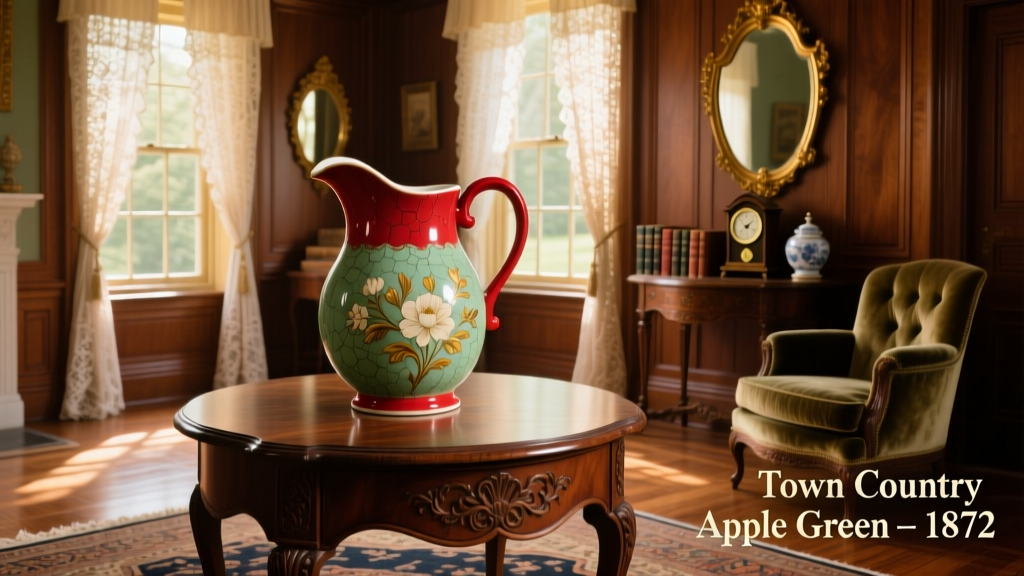
Red Wing Pitcher: Town & Country Apple Green — History, Identification, and Restoration Insights
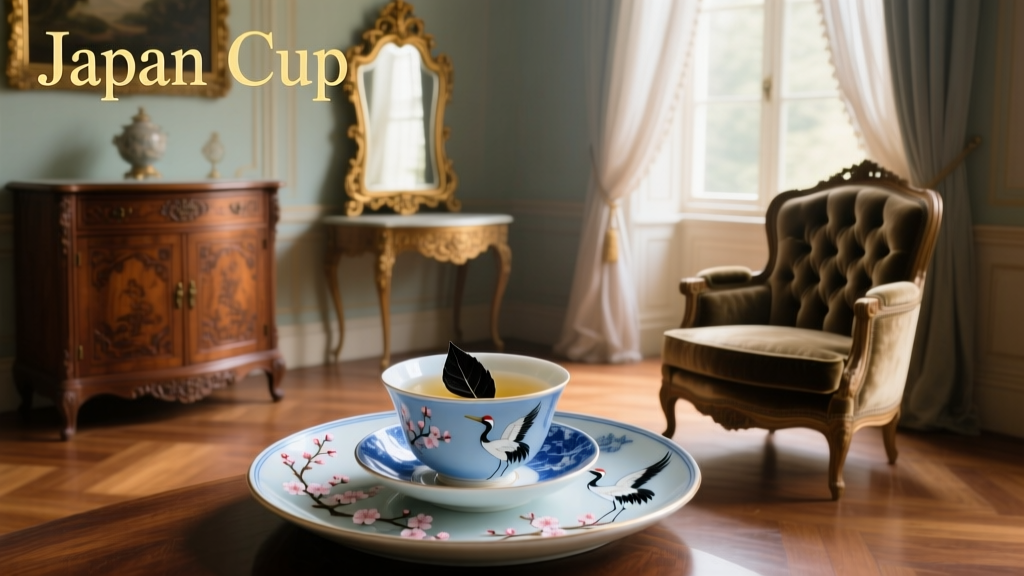
Occupied Japan Cup and Saucer in Blue and White: Identification, Value, and Restoration Guidance
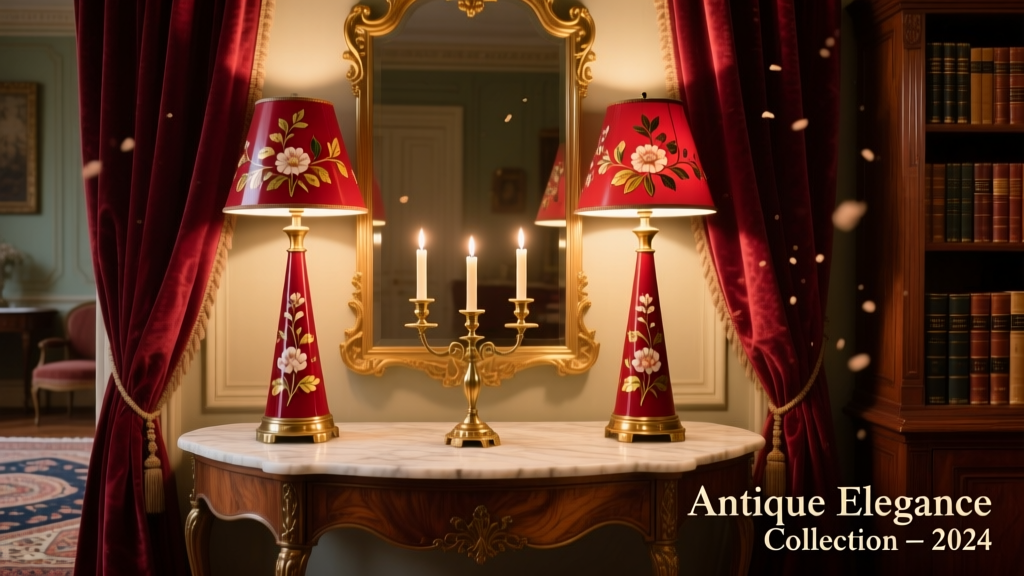
Electric Candlestick Lamps: Authentic Tôle Painted Red Cone-Shape Bases — A Restoration Specialist’s Analysis of the 24-Inch Pair

Heathcliff Metal Lunch Box (Aladdin, 1982): Collectibility, Construction, and Restoration Insights
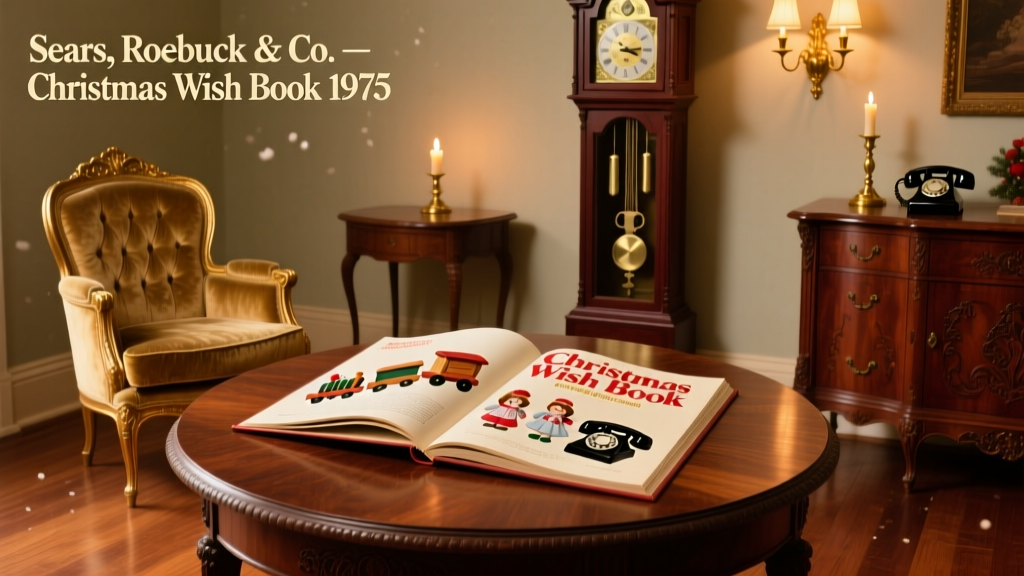
The Sears 1975 Christmas Wish Book: A Collector’s Guide to America’s Last Great Paper Catalog
Royal Doulton Figurine Ruby HN 1725: History, Identification, and Restoration Insights
The Rockingham Factory: A Legacy of English Porcelain Excellence, 1826–1842