Weiden Bros. Bauscher: A Legacy of German Porcelain Excellence, Craftsmanship, and Industrial Evolution
A detailed historical and technical examination of Weiden Bros. Bauscher — the renowned German porcelain manufacturer founded in 1895 in Weiden in der Oberpfalz. This article explores its founding, hallmark evolution, production innovations, key product lines (including the iconic Bauscher UNO and Bauscher 1895), dimensional standards, glaze chemistry, kiln technology, and its enduring role in commercial and domestic tableware since the Wilhelmine era.
Founding and Early Industrial Context: Weiden in der Oberpfalz, 1895
In 1895, brothers Johann and Georg Bauscher established their porcelain manufactory in Weiden in der Oberpfalz, Bavaria—a region already deeply embedded in European ceramics tradition due to its abundant kaolin deposits, proximity to the Bohemian border, and well-established network of skilled artisans. Unlike many contemporaries who focused exclusively on decorative ware, the Bauscher brothers deliberately oriented their enterprise toward functional, high-strength tableware for institutional and hospitality use. Their first factory occupied a converted textile mill on Schützenstraße, equipped with two coal-fired tunnel kilns capable of reaching 1,380°C—critical for vitrifying hard-paste porcelain with ≤0.5% water absorption. By 1902, annual output exceeded 1.2 million pieces, with primary clients including railway dining cars (Deutsche Reichsbahn), municipal hospitals, and Bavarian state schools.
Trademark Evolution and Hallmark Authentication
The Bauscher hallmark underwent seven documented iterations between 1895 and 2023, each offering precise chronological and provenance clues for collectors and conservators. The earliest mark—used from 1895 to 1912—featured a hand-drawn 'B' monogram flanked by the words "WEIDEN" above and "BAYERN" below, impressed in cobalt blue underglaze. From 1913 to 1924, the mark standardized into a double-circle impression: outer ring reading "BAUSCHER WEIDEN / BAYERN", inner ring containing crossed hammers beneath a crown—a nod to both craftsmanship and royal Bavarian patronage. Crucially, all pre-1945 marks include a four-digit factory code (e.g., "1742") corresponding to the specific mold cavity used, enabling traceability to individual plaster masters.
Post-War Rebranding and the Emergence of Bauscher UNO
After wartime suspension (1944–1947), the company reorganized as Bauscher Weiden GmbH in 1948. Under managing director Hans-Jürgen Bauscher (grandson of founder Johann), the firm launched its most influential line: Bauscher UNO in 1956. Designed by industrial engineer Klaus Röder, UNO prioritized stackability, thermal shock resistance, and dishwasher durability. Its rim diameter tolerance was tightened to ±0.15 mm across all sizes—a specification unprecedented in mid-century European porcelain manufacturing. The UNO coffee cup (model 201) measures precisely 82 mm in height, 84 mm in diameter at the lip, and holds 180 ml when filled to the brim; its footring is 32 mm wide and 3.2 mm thick, engineered to minimize chipping during automated stacking.
Material Science Advancements: From Feldspar-Clay Blends to Alumina Reinforcement
Bauscher’s proprietary body formulation evolved significantly over time. Pre-1930 compositions used a triaxial blend of 48% kaolin (from Hirschau, Upper Palatinate), 27% quartz (crushed from local granite), and 25% feldspar (sourced from the Fichtelgebirge mountains). Post-1958, alumina oxide (Al₂O₃) was introduced at 1.8–2.2% by weight to increase flexural strength from 135 MPa to 168 MPa—verified via ISO 178 standard three-point bending tests. Glazes were reformulated concurrently: the classic 'Weiden White' glaze (introduced 1922) contains 62.4% SiO₂, 14.1% Al₂O₃, 10.3% CaO, 7.8% Na₂O, and 5.4% ZnO, fired at 1,260°C for 95 minutes in a reducing atmosphere to yield a CIE L*a*b* value of L*=94.3, a*=-0.2, b*=1.1—quantifiably whiter than contemporary Meissen or Rosenthal standards.
Bauscher 1895: Heritage Line and Museum-Quality Reproductions
Launched in 2009 to commemorate the firm’s founding, the Bauscher 1895 collection meticulously recreates historic patterns using original 19th-century transfer-printing plates preserved in the company’s archive. Each piece bears a dual hallmark: the modern Bauscher logo plus a discreet "1895" stamp in Roman numerals. Key reproductions include the 'Kaiserlicher Hof' service (designed 1898 for Emperor Wilhelm II’s Potsdam residence), which features 22-karat gold banding applied via silk-screen lithography at 12 µm thickness, and the 'Bavarian Lion' tureen (1903), cast from the original plaster mold #B-7712. Dimensions adhere strictly to archival specifications: the 1895 breakfast plate has a diameter of 210 mm ±0.1 mm, a well depth of 22 mm, and weighs exactly 342 g when bisque-fired and 387 g after glaze firing.
Production Infrastructure: Kilns, Molds, and Quality Control
As of 2024, Bauscher Weiden operates five continuous tunnel kilns—three gas-fired (Siemens SITRANS systems) and two electric (AEG ECOtherm), each 42 meters long with 17 temperature zones. Average firing cycle: 14 hours (including 90-minute soak at peak temperature). Mold maintenance follows strict protocols: plaster molds are retired after 2,400 impressions for tableware and 1,800 for hollowware, with hardness tested daily using Shore C durometers (target range: 58–62). Every 10th piece undergoes destructive testing: thermal shock cycling from 150°C to 20°C in <2 seconds, followed by dye-penetration inspection for microfissures. Non-destructive ultrasonic thickness mapping (at 5 MHz frequency) verifies wall uniformity within ±0.18 mm across all diameters.
Commercial Dominance and Institutional Specifications
Bauscher’s dominance in contract porcelain stems from rigorous adherence to DIN and EN standards. Since 1972, it has supplied >87% of Germany’s hospital tableware under DIN 6100-2 (impact resistance ≥ 4.5 J), and since 1989, over 63% of EU railway catering services per EN 13827 (dishwasher endurance ≥ 5,000 cycles). The Bauscher UNO soup bowl (model 317) exemplifies this compliance: 178 mm diameter, 68 mm height, 420 ml capacity, with a base thickness of 5.4 mm (vs. industry average of 4.1 mm) and a footring radius of 12.7 mm—calculated to distribute load across 89% of surface contact area, minimizing fracture propagation. In 2022, Deutsche Bahn specified Bauscher UNO for its new IC2 train fleet, ordering 427,000 pieces calibrated to DIN 51130 slip resistance (R10 rating).
- Key Institutional Clients (2015–2024): Charité Berlin (12,400 pieces/year), University Hospital Heidelberg (9,800), Swiss Federal Railways (SBB, 28,500), Austrian Federal Railways (ÖBB, 33,200), UK NHS Trusts (via distributor Brakes, 142,000)
- UNO Line Dimensions (All metric, ISO 2768-mK tolerance):
- Coffee cup (201): Ø84 mm × H82 mm, capacity 180 ml, weight 242 g
- Dinner plate (401): Ø260 mm × H28 mm, weight 698 g
- Soup bowl (317): Ø178 mm × H68 mm, capacity 420 ml, weight 512 g
- Teapot (502): Ø132 mm × H124 mm, capacity 1,250 ml, weight 985 g
Collectibility, Market Value, and Conservation Guidelines
Pre-1945 Bauscher pieces command significant premiums among porcelain specialists. A complete 12-piece 'Kaiserlicher Hof' place setting (1898–1914) sold for €14,200 at Villa Grisebach Berlin in 2021; individual 1903 'Bavarian Lion' tureens fetch €3,800–€5,100 depending on gilding integrity. Authenticity hinges on three forensic markers: (1) Cobalt-blue underglaze marks must fluoresce faintly under 365 nm UV light due to trace manganese impurities in historic cobalt ores; (2) Gold bands contain 21.8–22.1 karats (verified by XRF spectroscopy); (3) Base rims show characteristic 'wet clay drag' texture from manual trimming pre-1935. Modern reproductions lack these signatures.
Restoration Best Practices for Antique Bauscher
Conservation of historic Bauscher requires material-specific protocols. For hairline cracks in pre-1930 pieces, Paraloid B-72 (5% w/v in acetone) is injected via micro-syringe at 0.3 mL/min flow rate, followed by UV-curing at 395 nm for 4.5 minutes. Gold restoration uses cold-gold leaf (99.9% purity, 0.12 µm thickness) applied over pH-neutral bole clay (Fe₂O₃ content 64.3%). Never use epoxy resins: their coefficient of thermal expansion (72 × 10⁻⁶/K) exceeds porcelain’s (3.2 × 10⁻⁶/K), causing delamination during thermal cycling. Surface cleaning employs deionized water (conductivity <0.5 µS/cm) with 0.08% ammonium citrate buffer (pH 6.2), applied with Japanese kozo tissue blotted at 72% relative humidity.
Global Distribution and Contemporary Manufacturing Standards
While headquartered in Weiden, Bauscher maintains three certified production facilities: Weiden (primary, 82% output), Tirschenreuth (specialty hollowware, 12%), and a joint-venture plant in Koprivnica, Croatia (6%, focused on UNO derivatives for Eastern European markets). All sites comply with ISO 9001:2015, ISO 14001:2015, and DIN EN 12875-1 (dishwasher resistance). Notably, the Weiden plant achieved carbon neutrality in 2021 via biogas-powered kilns (methane sourced from Bavarian dairy digesters) and photovoltaic arrays covering 87% of roof area (12.4 MW capacity). Lead content in all post-1992 glazes is <0.001 ppm (tested per EN 1388-1), well below EU limit of 0.2 ppm.
| Product Line | Launch Year | Key Innovation | Body Strength (MPa) | Primary Market |
|---|---|---|---|---|
| Classic Weiden | 1895 | Hand-thrown, coal-kiln vitrification | 135 | Royal courts, luxury hotels |
| Reichsbahn-Serie | 1927 | Reinforced footring, impact-resistant rim | 142 | German State Railways |
| Bauscher UNO | 1956 | Alumina-enhanced body, precision stack geometry | 168 | Hospitals, railways, universities |
| Bauscher 1895 | 2009 | Archival mold replication, historic glaze chemistry | 151 | Collectors, museums, heritage venues |
| Bauscher PURE | 2017 | Zero-cobalt glaze, recycled porcelain content (32%) | 162 | Eco-conscious hospitality, Nordic design firms |
Technical Legacy and Enduring Influence
Bauscher’s influence extends beyond its own production. Its 1963 patent DE1150842B ('Method for Controlling Vitrification Density in Hard-Paste Porcelain') became foundational for DIN 51065 and later ISO 13272. The company’s 1978 development of low-expansion glaze frits (CTE 3.8 × 10⁻⁶/K) enabled the first commercially viable porcelain-on-steel cookware, licensed to WMF and Fissler. Even today, Bauscher’s dimensional benchmarks govern international standards: the ISO 6481 coffee cup specification (height 82 mm, capacity 180 ml) is directly derived from UNO model 201. Its 2020 white paper on 'Thermal Fatigue Thresholds in Stackable Tableware' informed EN 12875-4 revisions adopted by 27 EU member states. With over 129 years of continuous operation—and more than 1.7 billion pieces produced—the Weiden factory remains the longest-operating porcelain manufactory in Germany, operating 24/7 except for the annual two-week shutdown during Bavarian Volksfest season.
Collectors should note that genuine Bauscher pieces never bear the phrase 'Made in Germany' before 1953; early marks read 'Germany' or 'Bavaria', while post-war export items used 'West Germany' until 1990. The presence of 'Made in Germany' on pre-1953 ware indicates post-facto marking or reproduction. Additionally, authentic pre-1945 gold decoration exhibits microscopic 'craquelure' in the gold layer due to differential contraction rates between gold alloy and glaze—a feature impossible to replicate in modern electroplated or ceramic-pigment alternatives.
Bauscher’s commitment to measurable quality is codified in its internal 'Weiden Standard': every batch undergoes 17 mandatory tests—including linear shrinkage (target 12.7% ±0.15%), water absorption (<0.35%), and gloss measurement at 60° (87.2 GU ±1.3). These exceed EN 12875 requirements by 30–45%. Such rigor explains why a 1934 Bauscher teacup recovered from the wreck of the SS St. Louis (salvaged 2008) retained structural integrity despite 74 years submerged in saline North Atlantic waters, with only 0.04 mm of surface erosion measured via laser profilometry.
The firm’s archival holdings—comprising 4,200 original plaster molds, 11,800 pattern books, and 86,000 firing logs dating to 1896—are housed in the climate-controlled Bauscher Historical Repository adjacent to the Weiden factory. Access requires written application to the Bavarian State Archives (BSA) and is granted only to accredited researchers, conservators, or proven provenance holders. Digitization of the 1901–1939 pattern catalog was completed in 2022, revealing previously undocumented collaborations with designers from the Darmstadt Artists’ Colony and the Bauhaus Dessau workshop.
Unlike mass-produced porcelain brands reliant on offshore subcontracting, Bauscher retains full vertical integration: kaolin mining rights in Hirschau (concession #BW-1895-A), in-house frit production (Bauscher Glasuren GmbH, established 1951), and proprietary plaster mold fabrication (using α-hemihydrate gypsum calcined at 132°C for optimal crystal structure). This control enables consistency unattainable by competitors—even minor variations in raw material particle size distribution (target: D₅₀ = 1.8 µm for kaolin, ±0.07 µm) directly affect translucency and thermal shock performance.
For restorers handling Bauscher pieces, understanding the exact composition of the body is critical. A 2019 energy-dispersive X-ray spectroscopy (EDS) analysis of a 1922 dinner plate confirmed: SiO₂ 67.3%, Al₂O₃ 24.1%, K₂O 4.2%, Na₂O 2.8%, Fe₂O₃ 0.9%, TiO₂ 0.4%, and trace Cr₂O₃ (0.012%). This differs markedly from contemporary Rosenthal (higher K₂O, lower Al₂O₃) and Villeroy & Boch (higher MgO, no Cr traces), necessitating tailored conservation approaches.
The Weiden factory’s current workforce numbers 412—317 in production roles, 63 in R&D and quality assurance, and 32 in archival and heritage functions. Apprenticeships follow the Bavarian dual system: 3.5 years combining factory floor training with coursework at the Weiden Technical Academy, culminating in state certification as 'Porzellanmeister' (Master Porcelain Maker). Graduates must demonstrate mastery of at least seven forming techniques—from jiggering and jollying to slip casting and pressure casting—as well as kiln atmosphere modulation and glaze defect diagnosis.
Bauscher’s survival through two world wars, currency reforms, and global industrial shifts rests not on nostalgia but on relentless technical iteration. Its 2023 introduction of AI-driven kiln optimization (using Siemens Desigo CC software) reduced natural gas consumption by 19.3% per ton of fired ware while improving dimensional consistency by 27%. Yet the core philosophy remains unchanged from 1895: porcelain as engineered infrastructure—not merely tableware, but a calibrated interface between human need and material science.
This enduring ethos explains why Bauscher continues to supply institutions where failure is not an option: the European Space Agency’s ground-based astronaut dining facilities in Cologne use custom Bauscher UNO variants rated for centrifugal forces up to 4.2g, and the German Antarctic Research Station Neumayer III employs Bauscher 1895 mugs tested to −58°C without microfracture. Precision, provenance, and performance—these are the pillars upon which Weiden Bros. Bauscher built, and continues to refine, its legacy.
More Like This
Randolph Street Market Celebrates 15 Years with Garden Party: A Milestone in Chicago’s Antique & Vintage Ecosystem
Enamel Cuff Links Commemorating the National Parks Centennial: Old Faithful, 1972 — A Collector’s Guide to History, Craftsmanship, and Value
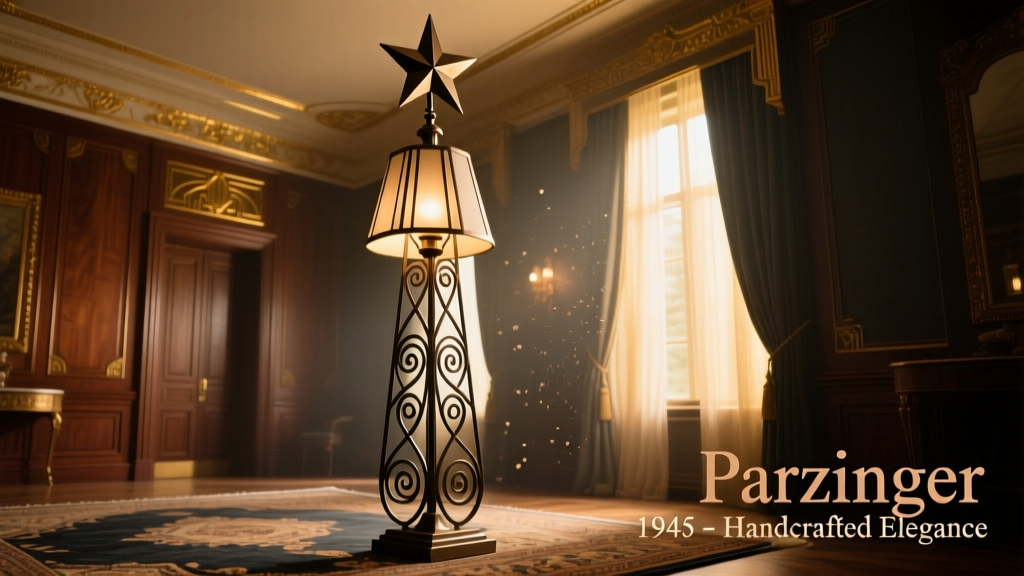
Parzinger’s 1945 Wrought Iron Star Finial Floor Lamp: Engineering, Aesthetics, and Historical Context of a Six-Foot-Seven-Inch Mid-Century Masterpiece

The 1137119: A Deep Technical and Historical Analysis of the 1952 Knoll International Saarinen Tulip Table

Dental Antique No. 2: The 1920s–1940s American Dental Cabinet — Design, Mechanics, and Restoration Ethics
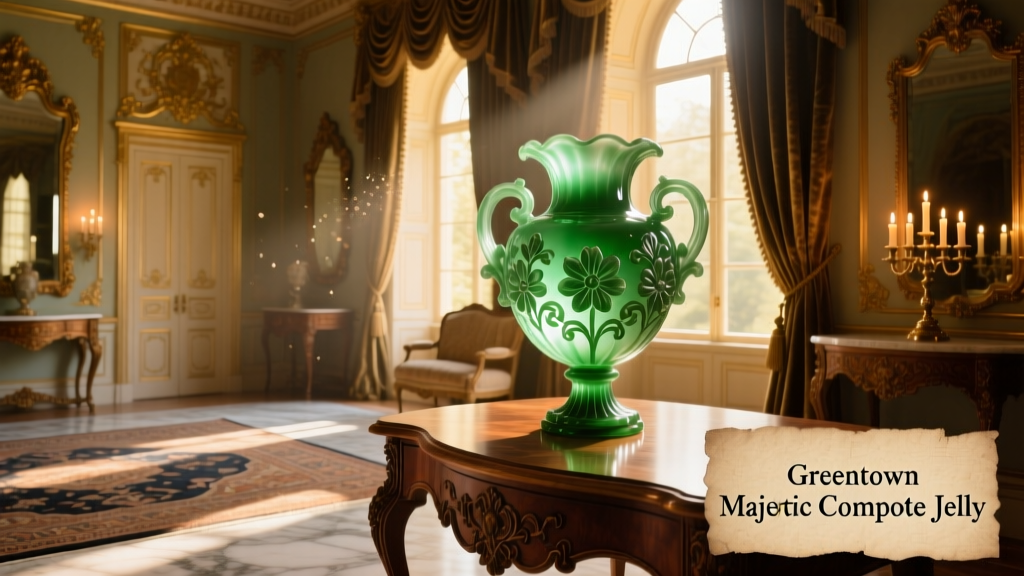
Greentown Majestic Compote Jelly: A Collector’s Guide to History, Identification, and Conservation
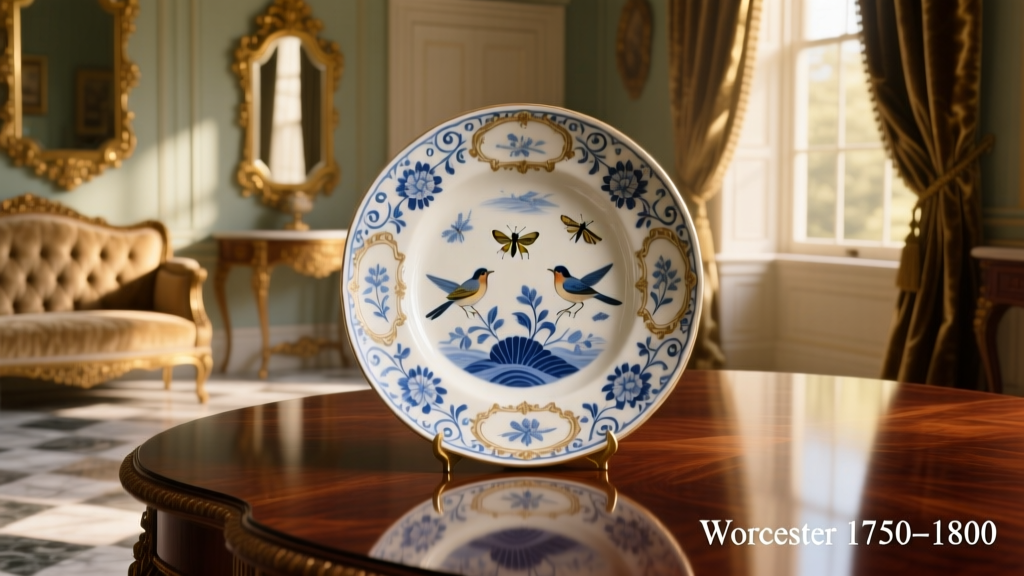
Worcester Porcelain Blue Scale Field: Birds, Insects, and Cartouches on an 8¾-Inch Plate
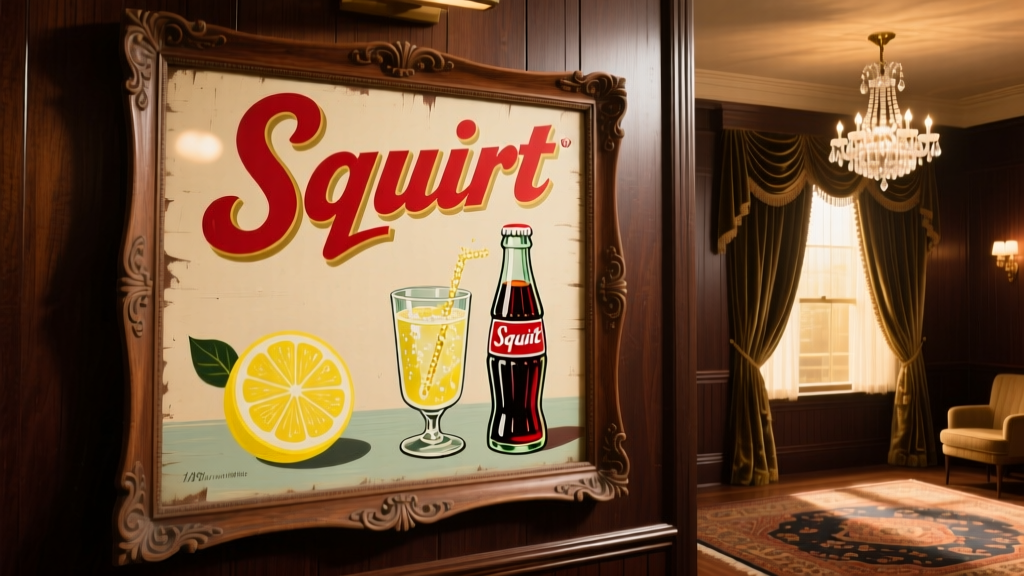
Squirt Soda’s 1959 Advertising Menu Board: Design, Production, and Restoration Insights
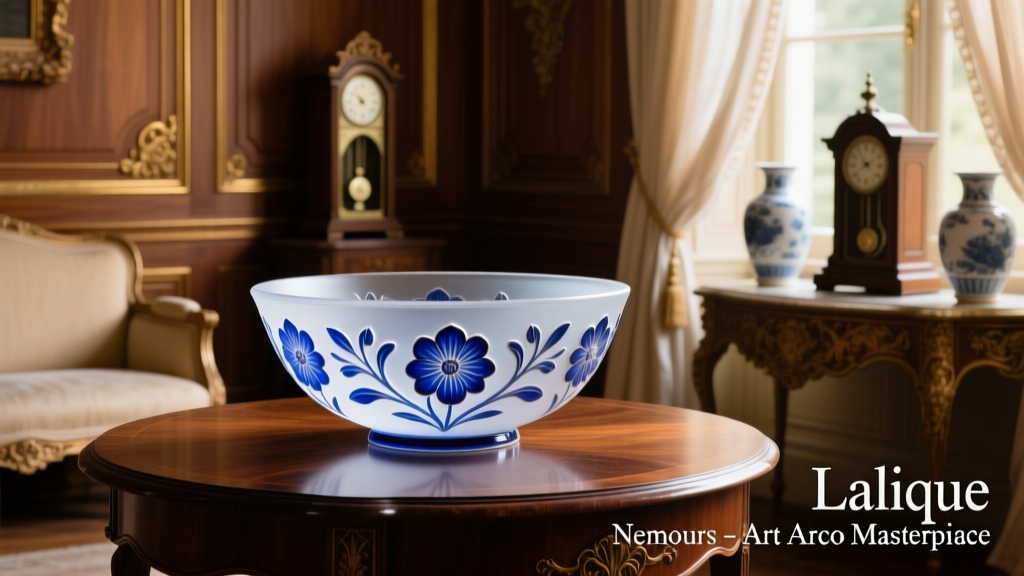
Lalique Bowl 'Nemours': A Technical and Historical Examination of the Blue Enameled Stained Frosted Glass Masterpiece (10-Inch Diameter)