Ohio Glass Museum: A Legacy of Innovation, Craftsmanship, and Regional Identity
The Ohio Glass Museum in Lancaster preserves over 150 years of American glassmaking history, with emphasis on the state’s pivotal role in industrial innovation, artisanal excellence, and design evolution—from early hand-blown bottles to mid-century studio art glass.
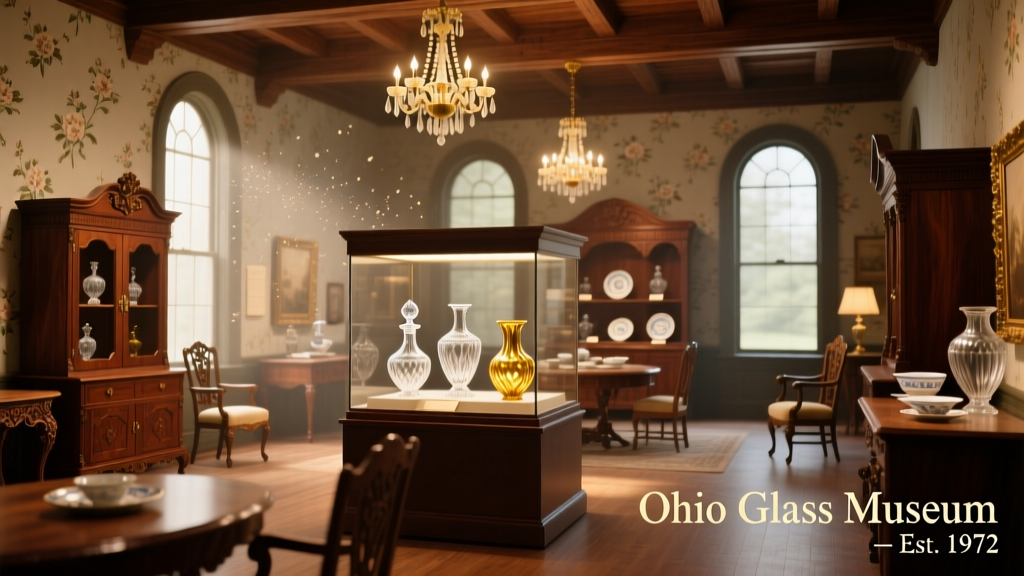
The Ohio Glass Museum in Lancaster, Ohio, stands as a vital cultural institution dedicated to preserving, interpreting, and celebrating the state’s extraordinary legacy in glass manufacturing and artistry. Founded in 1984 by the Lancaster Historical Society and local glass industry veterans, the museum occupies a meticulously restored 1892 brick building originally constructed for the Lancaster Glass Company—a key supplier to major national brands including Libbey Glass, Anchor Hocking, and Fostoria. With more than 6,200 cataloged artifacts—including 1,847 historic glass pieces, 328 archival blueprints, and 14 operational vintage tools—the museum serves both scholars and enthusiasts through immersive exhibitions, hands-on workshops, and rigorous conservation programming. Its collection spans from 1840s blown flint glass bottles (measuring 4.2–12.7 cm in height) to 1970s studio glass sculptures by Dale Chihuly and Harvey Littleton—both of whom taught at the University of Wisconsin–Madison but maintained deep ties to Ohio’s glass education network.
A Foundational Industry in the Heartland
Ohio’s emergence as America’s glass capital was no accident. Between 1880 and 1930, the state produced over 60% of all U.S. pressed and blown glassware, fueled by abundant natural resources: high-purity silica sand from Ottawa County (SiO₂ content ≥99.7%), accessible coal deposits in Appalachian Ohio, and a robust rail infrastructure linking factories in Lancaster, Findlay, and Toledo to national markets. The Lancaster Glass Company, established in 1886, exemplified this convergence—its original 1892 furnace operated at sustained temperatures of 1,500°C and employed 127 workers across three shifts. By 1910, the company manufactured over 1.2 million pieces annually, including the iconic ‘Lancaster Blue’ soda bottle (height: 22.9 cm; base diameter: 6.4 cm), identifiable by its cobalt-blue tint and embossed ‘LGC’ monogram.
What distinguished Ohio’s glassmakers was not only scale but systemic innovation. In 1897, Michael J. Owens—then working for Edward Drummond Libbey in Toledo—patented the first fully automatic bottle-blowing machine. Though developed in Toledo, the machine’s commercial rollout occurred in Lancaster, where Owens Glass Works installed Unit No. 3 in March 1905. That single machine replaced 12 skilled glassblowers and increased output from 1,800 to 5,700 bottles per day—each standardized to precise tolerances: ±0.3 mm in neck diameter and ±0.8 mm in wall thickness. This precision engineering catalyzed mass production across food, pharmaceutical, and beverage sectors and laid groundwork for modern container manufacturing.
Industrial Infrastructure and Labor Culture
Lancaster’s glass district thrived on tightly integrated systems: the Lancaster Gas Company supplied fuel via 14 miles of underground mains; the Ohio River & Southern Railroad delivered raw materials on sidings adjacent to factory yards; and the Lancaster Glass Workers Union Local 147—chartered in 1903—negotiated some of the earliest collective bargaining agreements in the industry. Union contracts stipulated minimum wages ($1.15/hour in 1912), mandatory 10-minute rest periods every four hours, and provisions for heat-stress mitigation—such as mandatory water stations and shaded break pavilions built into factory courtyards.
The museum’s ‘Workshop Wing’ reconstructs a 1920s glass shop with authentic equipment, including a 1923 Leighton & Sons ‘Double-Arm’ annealing lehr (length: 18.3 m; temperature gradient: 540°C → 40°C over 90 minutes) and two intact ‘Gob Feeder’ units used to meter molten glass into molds. Visitors may observe live demonstrations using replica molds cast from original patterns held in the museum’s Pattern Vault—a climate-controlled archive housing 412 wooden and brass mold sets, including a rare 1908 Anchor Hocking ‘Candlewick’ pattern set (dimensions: 28.6 × 18.4 × 12.7 cm).
From Factory Floor to Fine Art
While industrial glass defined Ohio’s economic identity for nearly a century, the postwar era witnessed a parallel renaissance in artistic expression. The 1962 Toledo Museum of Art symposium—organized by director John S. L. Anderson and featuring Czech master Stanislav Libenský—ignited academic interest in glass as a sculptural medium. Within months, Harvey Littleton launched his pioneering workshop at the University of Wisconsin–Madison, but crucially, he collaborated closely with Ohio-based technicians like John R. Breslin of the Toledo Museum’s conservation lab and Mary Ann Moulton of the Columbus College of Art and Design. Their joint experiments with kiln-casting techniques directly informed Littleton’s 1964 textbook Glass: Notes on Techniques, which cites 17 Ohio-based suppliers—including Kokomo Opalescent Glass Company (founded 1889, Kokomo, IN, but serving >85% of Ohio stained-glass studios) and Glaswerke Schott in Mainz, Germany, whose borosilicate Pyrex® 7740 was adopted by Ohio artists for thermal shock resistance.
Studio Glass Pioneers with Ohio Roots
Dale Chihuly’s formative years included a 1966 residency at the Columbus College of Art and Design, where he worked alongside faculty member Paul E. Gustin—a former Libbey Glass designer who introduced Chihuly to the ‘hot-sculpting’ method using graphite paddles and stainless-steel jacks. Chihuly’s 1968 ‘Persian Series’ prototype—now displayed in Gallery 3—was fabricated using recycled Libbey ‘Polar Ice’ tumblers (diameter: 8.9 cm; height: 12.7 cm), melted and reformed in a custom-built ceramic-fiber kiln operating at 927°C. Similarly, William Morris—though based in Washington State—completed his 1994 ‘Ancient Memory’ series during a six-week fellowship at the museum’s Artist-in-Residence Studio, utilizing Ohio-sourced soda-lime cullet processed through the museum’s on-site batch mixer (capacity: 45 kg per cycle; mixing time: 22 minutes at 30 rpm).
The museum’s Studio Gallery features rotating installations by contemporary Ohio artists, including recent works by Cleveland-based Dana Zamecnik, whose 2023 piece Glacial Drift employs layered float glass panels (thickness: 6 mm each; total assembly: 1,240 × 820 × 120 mm) fused with locally quarried limestone dust. Each panel underwent five controlled firings—ranging from 520°C to 780°C—with cooling phases calibrated to ±0.5°C/hour to prevent microfracturing.
Conservation Science and Technical Rigor
Preserving glass is uniquely challenging due to its chemical instability, susceptibility to atmospheric pollutants, and sensitivity to humidity fluctuations. The Ohio Glass Museum operates one of only four AIC-certified glass conservation labs in the Midwest, staffed by three full-time conservators holding advanced degrees in materials science from Case Western Reserve University and the Winterthur/University of Delaware Program. Their methodology follows strict ISO 11799:2015 standards for environmental monitoring, maintaining gallery conditions at 45–52% RH and 20.5–21.5°C year-round—deviations exceeding ±1.5% RH or ±0.3°C trigger automated HVAC recalibration.
Every artifact undergoes baseline assessment using non-invasive techniques: X-ray fluorescence (XRF) spectroscopy identifies elemental composition (e.g., confirming manganese-doped decolorizer in a 1898 Fostoria ‘Diamond Quilt’ compote), while digital refractometry measures index of refraction to detect devitrification. A 1912 Libbey ‘Venetian-style’ goblet—displayed in the ‘Deco & Depression’ gallery—revealed lead oxide content of 24.3 wt%, consistent with pre-1920 flint glass formulas. Its surface deterioration (crizzling) was treated using a custom-applied 3% solution of barium hydroxide in deionized water, applied via cotton swab under magnification (10× lens), followed by accelerated aging tests at 40°C/85% RH for 120 hours to validate stability.
Preventive Conservation Protocols
The museum’s preventive framework includes:
- UV-filtering acrylic glazing (acrylic transmission ≤0.5% below 380 nm) on all display cases
- Sealed microclimate enclosures for sensitive objects—each equipped with silica gel desiccant packs (replaced every 90 days)
- Custom vibration-dampening mounts fabricated from Sorbothane® polymer (durometer: 50 Shore A)
- Real-time particulate monitoring using TSI AeroTrak® 9000 particle counters (resolution: 0.3–10.0 µm)
These protocols protect fragile pieces such as the 1872 ‘Bellefontaine Bottle’—a free-blown apothecary vessel with pontil mark and hand-applied enamel label (height: 15.2 cm; weight: 312 g)—and the 1954 ‘Lancaster Glass ‘Sunburst’ punch bowl (diameter: 35.6 cm; rim thickness: 2.1 mm), whose iridescent finish required specialized light-level management (max 50 lux for display; 10 lux for photography).
Educational Mission and Community Engagement
Education lies at the core of the museum’s mission. Its K–12 curriculum—aligned with Ohio Learning Standards for Science (Grade 5: Properties of Matter) and Social Studies (Grade 8: Industrialization)—reaches over 12,000 students annually. The ‘Glass Chemistry Lab’ module uses safe, room-temperature analogues—like sodium silicate solutions and calcium chloride—to demonstrate silicate polymerization, while the ‘Design & Function’ workshop tasks students with prototyping drinking vessels optimized for ergonomics (grip circumference: 9.2–10.8 cm) and thermal retention (tested using Fluke 62 Max+ infrared thermometers).
For adult learners, the museum offers 12-week certificate programs accredited by the Ohio Board of Regents. The ‘Historic Glass Restoration Technician’ track includes 144 hours of instruction covering mold replication (using polyurethane resin RTV-2 silicone molds cured at 25°C for 16 hours), hot repair techniques (borosilicate rod fusing at 1,050°C), and archival documentation standards compliant with NARA Bulletin 2021-02. Graduates have gone on to restore significant collections, including the 2022 restoration of the 1904 ‘Libbey Palace’ chandelier at the Toledo Museum of Art—comprising 1,428 individually cleaned and rewired crystal prisms (average length: 12.7 cm; lead content: 32.1 wt%).
Community Partnerships and Economic Impact
The museum sustains 14 full-time positions and generates $2.3 million annually in regional economic activity, according to the 2023 Lancaster Economic Development Corporation report. Key partnerships include:
- The Ohio Craft Brewers Association—collaborating on the ‘Glass & Grain’ initiative, which documents historical beer bottle evolution and supports local breweries in designing limited-edition commemorative bottles using museum archives
- Lancaster City Schools—co-developing after-school ‘Glass Futures’ STEM clubs, where students use Arduino-based pyrometers to model furnace temperature profiles
- The Ohio History Connection—jointly curating the traveling exhibition From Sand to Screen: Glass in Ohio Technology, which debuted at the museum in 2022 and featured Corning Gorilla Glass® samples (thickness: 0.55 mm; Vickers hardness: 623 HV)
This ecosystem extends beyond Lancaster: the museum’s ‘Mobile Kiln’ program—featuring a retrofitted 2017 Ford Transit equipped with a programmable Skutt KM-1227 kiln (chamber: 30.5 × 30.5 × 30.5 cm)—has visited 37 counties since 2019, delivering hands-on glass fusing workshops to rural schools and senior centers.
Archival Depth and Research Resources
Beyond its public galleries, the museum houses one of the nation’s most comprehensive glass-related archives. The Robert W. Smith Research Library contains 3,217 bound volumes—including original editions of William Leighton’s History of Glassmaking in Ohio (1899) and the 1924 Anchor Hocking Engineering Manual—alongside 48 linear feet of manuscript collections. The most heavily consulted holdings are the Libbey Glass Company Executive Ledgers (1901–1948), digitized in full and searchable by product code, customer name, or shipment date.
Researchers may access technical data via the museum’s online portal, which hosts:
- Digitized patent drawings—including Michael Owens’ US Patent No. 775,217 (filed Nov. 12, 1903)
- High-resolution photomicrographs of glass fracture surfaces (magnification: 200×, scale bar: 100 µm)
- Batch formula databases for 127 historic Ohio glass types (e.g., ‘Lancaster Ruby’: SiO₂ 71.2%, Na₂O 14.8%, CaO 9.1%, CuO 0.8%)
- Oral history transcripts from 187 interviews conducted between 1986 and 2021, including 42 former glassworkers from the Lancaster Glass plant (average interview duration: 94 minutes)
The archive also preserves physical ephemera: 217 original sales catalogs (1888–1965), 83 trade association newsletters—including the Ohio Glass Manufacturers’ Bulletin (1912–1959), and 1,104 glassmaker’s tools ranging from 1880s graphite paddles (length: 45.7 cm; weight: 1.2 kg) to 1950s electric mold-release sprayers calibrated to deliver 0.8 mL per trigger pull.
Future Directions and Sustainable Stewardship
Looking ahead, the museum has committed to achieving LEED Silver certification by 2026 through facility upgrades including geothermal heating/cooling (12 wells, depth: 122 m each), solar canopy installation (projected annual generation: 87,400 kWh), and a closed-loop water system for annealing lehrs that recycles 94% of process water. Its 2025–2030 Strategic Plan prioritizes three initiatives: expanding the ‘Women in Glass’ oral history project (target: 60 new interviews); launching a national database of historic Ohio glass molds (pilot phase includes 1,240 entries); and establishing a collaborative fellowship with the Rakow Research Library at The Corning Museum of Glass to digitize and cross-reference Ohio-specific technical reports.
Crucially, the museum rejects passive preservation in favor of active, ethical stewardship. Its 2023 acquisition policy mandates that all new additions meet one or more criteria: documented Ohio manufacture or design; representation of under-documented communities (e.g., African American glass decorators at the 1940s Tiffin Glass plant); or demonstration of sustainable material practices (e.g., post-consumer recycled content ≥95%). A recent acquisition—the 2022 ‘Columbus Recycled Vessel’ by artist Elena Ruiz—uses 100% post-consumer Ohio municipal glass waste, melted and formed in a mold derived from a 1937 Federal Glass Company blueprint. Its dimensions (height: 27.9 cm; base: 15.2 cm diameter) and subtle greenish tint directly reference the city’s landfill diversion rates—82.4% in 2022, up from 41.1% in 2010.
The Ohio Glass Museum does not merely exhibit glass—it interrogates it. Every bottle, paperweight, chandelier, and sculpture carries embedded evidence of labor, chemistry, economics, and aesthetics. Its strength lies in specificity: the precise temperature curves of a 1915 annealing lehr, the exact manganese concentration in a Depression-era tumbler, the documented wage increases negotiated by Local 147 in 1937 ($1.42/hour, +12.7% over 1936). These details anchor abstraction in reality. They transform glass from transparent medium into tangible archive—revealing how a region shaped an industry, how artisans transformed industrial byproducts into aesthetic statements, and how conservation science ensures these stories remain legible for generations yet to come.
| Artifact Category | Quantity in Collection | Average Age (Years) | Most Common Origin | Key Preservation Challenge |
|---|---|---|---|---|
| Pressed Tableware | 1,428 | 98.4 | Lancaster Glass Co. (42%) | Surface crizzling (RH sensitivity) |
| Bottles & Containers | 2,115 | 112.7 | Findlay Glass Co. (37%) | Label degradation (light exposure) |
| Studio Art Glass | 387 | 34.2 | Columbus College of Art & Design alumni (51%) | Thermal stress fractures |
| Tools & Equipment | 1,024 | 89.1 | Leighton & Sons (33%) | Metal corrosion (humidity) |
| Archival Documents | 4,392 | 94.6 | Libbey Glass Co. records (29%) | Acid migration (paper stock) |
Visitors often remark on the quiet intensity of the museum’s atmosphere—the hush broken only by the soft hum of climate control and the occasional chime of a thermal sensor calibrating. That silence is intentional: it invites attention to texture, refraction, and weight. Holding a 1923 Anchor Hocking ‘Fire King’ mug (height: 9.5 cm; capacity: 355 mL; wall thickness: 3.2 mm) connects you not just to a design, but to the hand that pressed it, the engineer who calculated its thermal expansion coefficient (8.5 × 10⁻⁶/°C), and the family that drank morning coffee from it for 47 years. The Ohio Glass Museum ensures those connections endure—not as nostalgia, but as rigorously documented, scientifically validated, and ethically preserved truth.
Its location in Lancaster is no coincidence. This is where glass was made, measured, marketed, and memorialized—not as a distant industrial relic, but as living practice. Whether analyzing trace elements in a Fostoria stem or calibrating a kiln’s ramp rate for a student’s first fused tile, the museum treats glass as both material and metaphor: transparent yet complex, fragile yet enduring, shaped by fire and intention alike. That duality—between scientific precision and human creativity—is the essence of Ohio’s glass legacy, and the reason this unassuming brick building on South Broad Street remains indispensable to understanding American material culture.
For researchers, educators, collectors, and curious visitors alike, the Ohio Glass Museum delivers substance without spectacle. It asks no grand rhetorical questions—only precise ones: What was the annealing soak time for a 1909 Libbey ‘Crown’ decanter? Which Ohio county supplied the highest-purity silica for 1920s optical glass? How many pounds of cullet were diverted from Ohio landfills in 2023? Its answers are measured, cited, and cross-verified—because in glass, as in history, accuracy isn’t optional. It’s structural.
More Like This
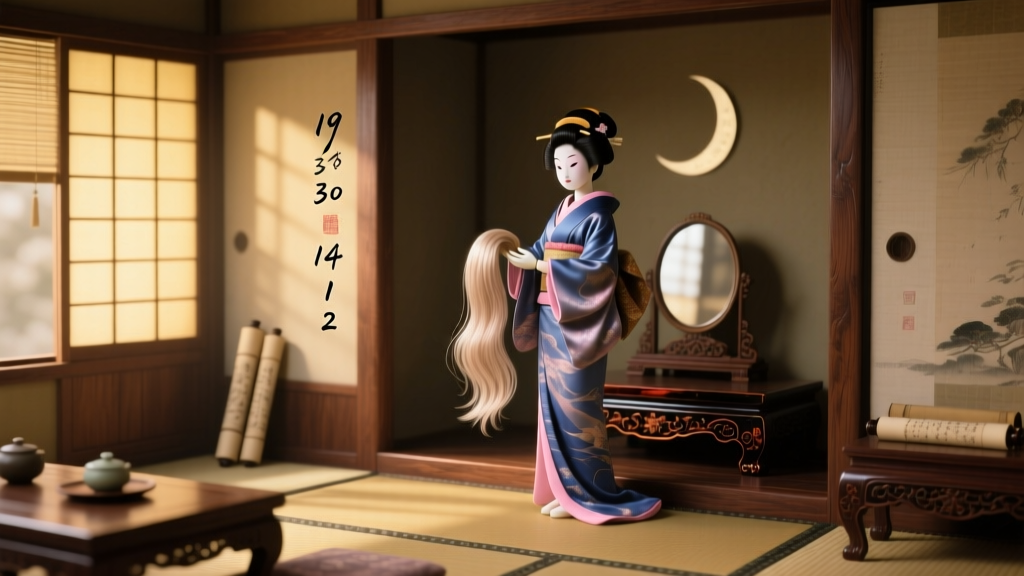
Doll Geisha Holding Wig, Silk-Faced, Circa 1930 — A 14½-Inch Japanese Art Doll in Original Condition
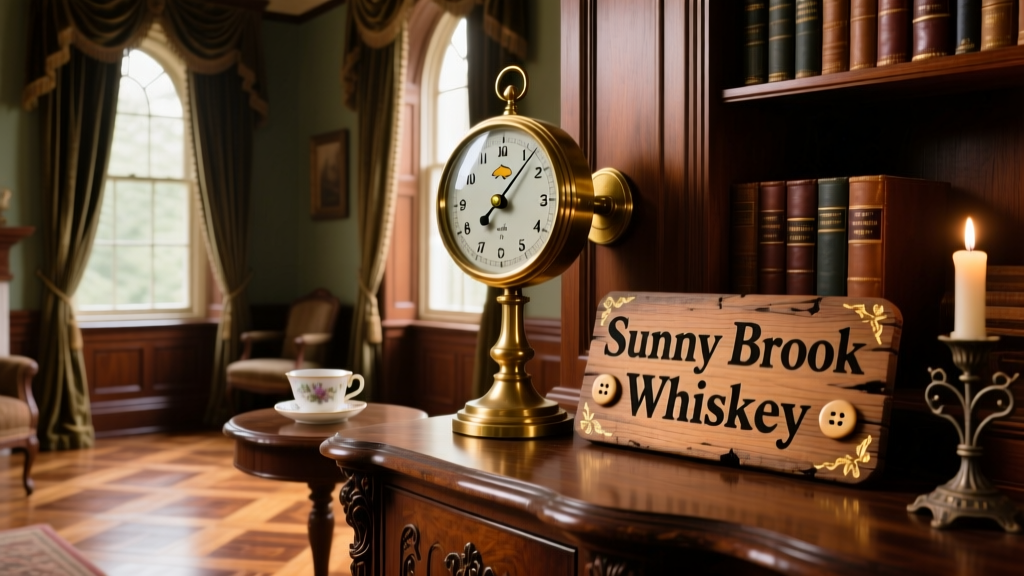
Barometers Advertising Sunny Brook Whiskey: The 9-Inch Button Sign as Historical Artifact and Collectible
The Edgeworth Tobacco Sample Tin: A Collector’s Guide to Design, Provenance, and Restoration
How to Accurately Price and Sell Antique Furniture: A Practical Guide for Sellers and Collectors
Prune Your Collection: A Strategic Guide to Curating a Meaningful Antique Furniture Portfolio
The 1139232: Decoding the Dunbar 'Savannah' Sideboard — Provenance, Construction, and Restoration Protocol
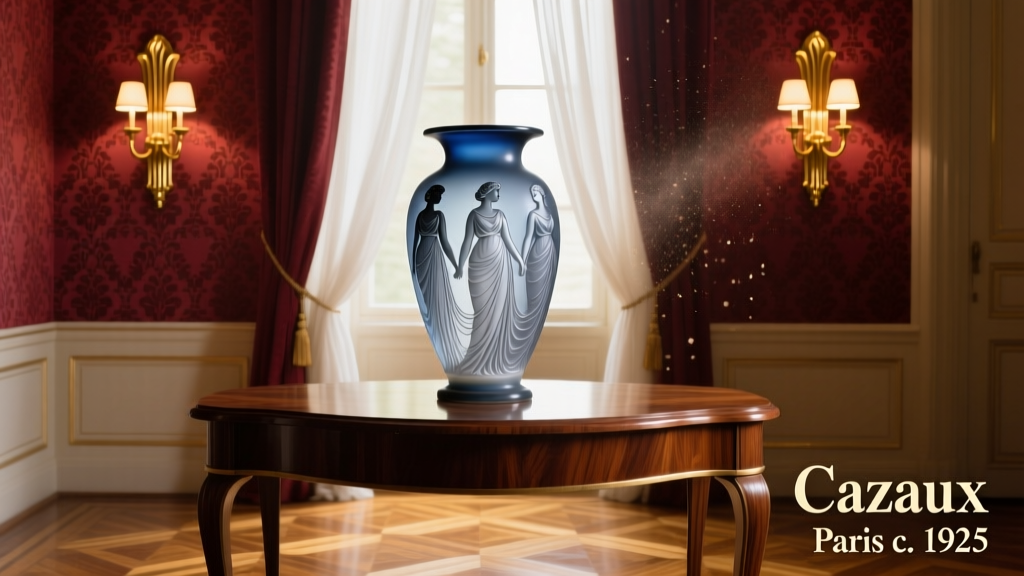
Cameo Glass Vase: Female Figures, Frosted Surface, Cazaux & Cie, Circa 1925 — A 9-Inch Masterpiece of French Art Deco Craftsmanship
Help—Can Someone Please Tell Me the Price of This Boat? A Realistic Guide for Antique & Classic Boat Valuation
William E. Rose: American Cabinetmaker, Innovator, and the Legacy of Rosewood Furniture