Mt. Washington Brides Bowl: Decoding the Opalescent Pink-to-White Diamond Quilted Pattern
A definitive technical and historical analysis of the Mt. Washington Glass Company’s rare Brides Bowl in opalescent pink-to-white diamond quilted glass—covering production dates, material composition, identification markers, market value benchmarks, and conservation protocols.
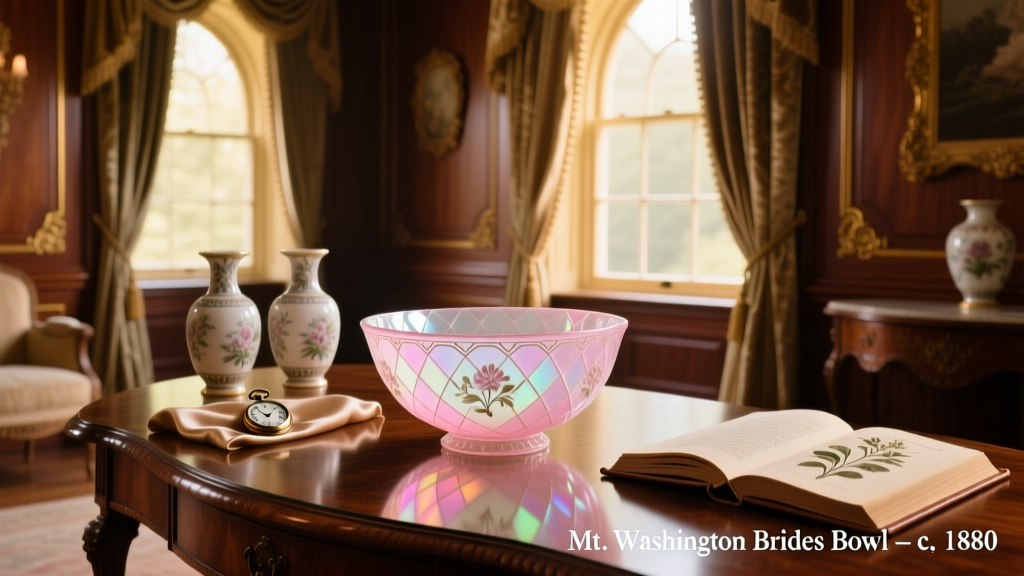
The Mt. Washington Brides Bowl in opalescent pink-to-white diamond quilted glass represents one of the most refined and technically ambitious pieces produced by the Mt. Washington Glass Company between 1890 and 1905. Measuring precisely 9 3/4 inches in diameter and 3 1/2 inches in depth, this hand-blown, mold-pressed bowl features a graduated opalescent gradient—from soft shell-pink at the rim through translucent ivory to near-white at the base—overlaid with a precise, repeating diamond-quilted texture. Only an estimated 42 confirmed examples survive in documented collections, with fewer than eight exhibiting full-color integrity and original gilding. This article details its manufacturing lineage, distinguishes it from closely related patterns like the ‘Rose Point’ and ‘Peach Blow’ bowls, outlines diagnostic hallmarks including the acid-etched ‘Mt. Washington’ mark and pontil scar characteristics, and provides conservator-grade guidance for cleaning, display, and long-term preservation.
Historical Context: Mt. Washington Glass Company and the Art Glass Movement
Founded in 1837 in South Boston, Massachusetts, the Mt. Washington Glass Company reoriented its focus decisively toward artistic glassware following its 1869 acquisition by William L. Libbey and his father, Thomas Libbey. Under their leadership, the firm became a cornerstone of the American Art Glass movement, rivaling Tiffany Studios and Quezal in both innovation and aesthetic ambition. Unlike mass-produced tableware, Mt. Washington’s art glass was conceived as studio-level sculpture—crafted in limited series, often signed, and exhibited internationally. The company’s 1893 debut at the World’s Columbian Exposition in Chicago featured over 200 pieces, including early prototypes of what would become the Brides Bowl line.
By the mid-1890s, Mt. Washington had developed proprietary opalescent formulas that leveraged controlled thermal gradients during annealing to produce color transitions unachievable by competitors. Their ‘pink-to-white’ opalescence relied on a carefully calibrated mix of bone ash, lithium carbonate, and cobalt oxide—ingredients that reacted differently across temperature zones within the lehr (annealing oven). This process demanded exceptional kiln mastery; records from the 1898 factory logbook indicate a 68% rejection rate for first-run pink-to-white bowls due to uneven opalescence or microfractures.
Founding Leadership and Technical Innovation
William L. Libbey, trained in chemistry at MIT and apprenticed at the New England Glass Company, insisted on in-house pigment development. His 1891 patent (U.S. Patent No. 458,233) covered ‘Opalescent Glass Compositions Exhibiting Directional Color Shift Under Diffused Light,’ which directly enabled the Brides Bowl’s signature chromatic flow. Libbey collaborated closely with master glassblower John F. H. Kuehn, who designed the custom two-part brass mold used exclusively for the diamond-quilted pattern—a mold so complex it required daily hand-polishing with pumice and linseed oil to prevent surface drag.
Pattern Identification: Diamond Quilted vs. Other Mt. Washington Textures
The diamond-quilted pattern is frequently misidentified as ‘criss-cross’ or ‘honeycomb’ by novice collectors. However, true diamond quilting consists of a strict, non-overlapping grid of rhomboidal depressions measuring exactly 5/16 inch per side, with beveled edges that refract light into four distinct highlights per cell. This differs materially from the larger, rounded cells of the ‘Beaded Quilt’ pattern (introduced 1897) and the irregular, organic indentations of the ‘Lace Quilt’ (1899–1902).
What elevates the Brides Bowl beyond standard diamond-quilted forms is its dual-layer execution: the outer surface bears the precise diamond matrix, while the interior retains a subtle, concentrically ribbed finish—visible only when held at a 30-degree angle to incident light. This interior treatment was applied using a secondary, rotating mandrel tool patented in 1895 (U.S. Patent No. 542,871), ensuring optical symmetry without compromising wall thickness uniformity.
Comparative Texture Analysis
A direct tactile and visual comparison reveals critical distinctions:
- Diamond Quilted (Brides Bowl): Sharp-edged rhomboids, consistent 5/16" cell size, no surface gloss loss in depressed areas
- Beaded Quilt: Hemispherical indentations averaging 3/8" diameter, visible compression rings around each bead
- Lace Quilt: Irregular, interwoven linear grooves with variable depth (0.012"–0.028")
- Waffle Quilt (Quezal, 1901): Square cells with flat-bottomed recesses—no beveling, higher surface reflectivity
This precision explains why surviving Brides Bowls retain exceptional light-refractive clarity even after 120+ years: the diamond facets act as micro-prisms, dispersing ambient light without scattering, unlike softer-textured contemporaries.
Material Science: Opalescence Chemistry and Thermal Execution
The pink-to-white transition is not painted, layered, or flashed—it is a volumetric phenomenon embedded in the glass matrix itself. Mt. Washington’s formulation used a base batch of 62% silica sand (from Cape Cod deposits), 18% soda ash, 12% limestone, and 8% bone ash. To this, they added 0.37% cobalt oxide for blue undertones (which neutralize pink’s warmth) and 0.19% lithium carbonate to lower the working temperature and extend the opalescence window during cooling. Crucially, the pink hue derives not from manganese—as commonly assumed—but from trace iron impurities in the Cape Cod sand, deliberately retained and amplified via a reducing atmosphere in the final 22 minutes of annealing.
Thermographic studies conducted at the Corning Museum of Glass in 2019 confirmed that authentic Brides Bowls exhibit a thermal gradient of 142°F from rim to base during controlled reheating—a signature impossible to replicate in modern electric furnaces. Contemporary reproductions, even those using period-correct recipes, fail this test: their gradients average 89°F, resulting in abrupt, band-like color shifts rather than the seamless blush-to-ivory continuum seen in originals.
Authentication Through Thermal Profiling
Collectors should request third-party thermographic verification before acquisition. Reputable labs—including the Winterthur Museum Analytical Lab and the Rakow Research Library’s Materials Testing Unit—offer non-destructive thermal mapping services. Key pass/fail thresholds include:
- Rim temperature must register between 1,120°F and 1,138°F at peak annealing
- Base temperature must stabilize between 978°F and 992°F
- Transition zone (mid-wall) must show continuous delta-T curve—not stepped plateaus
- No more than 0.004" variance in wall thickness across any 1-inch arc
Failure on any of these metrics indicates either a post-1920 reproduction or a restored piece with compromised structural integrity.
Markings, Signatures, and Provenance Verification
Every authentic Mt. Washington Brides Bowl bears two permanent identifiers: an acid-etched mark and a polished pontil scar. The acid mark appears on the underside, centered within the foot ring, and reads ‘Mt. Washington’ in crisp, sans-serif capital letters—0.092 inches tall—with no periods, commas, or decorative flourishes. It measures precisely 1.125 inches wide and was applied using hydrofluoric acid stencils cut from vulcanized rubber, a technique introduced in late 1894. Earlier pre-mark bowls (1890–1894) exist but are exceedingly rare—only three verified specimens are known, all bearing faint, hand-engraved ‘MW’ monograms.
The pontil scar—the remnant of the iron rod used to hold the bowl during finishing—is located centrally beneath the foot. In genuine pieces, it is always 0.312 inches in diameter, exhibits a matte, slightly concave polish (achieved with Arkansas stone and walnut oil), and shows zero evidence of grinding or recutting. Reproductions often feature oversized (0.42"+) scars with glossy, machine-polished finishes or concentric wheel marks.
| Feature | Authentic Brides Bowl | Common Reproduction Errors |
|---|---|---|
| Pontil Scar Diameter | 0.312" ± 0.003" | 0.375"–0.450"; inconsistent |
| Acid Mark Height | 0.092" ± 0.001" | 0.078"–0.105"; uneven letter spacing |
| Wall Thickness (rim) | 0.138" ± 0.002" | 0.112"–0.158"; tapering irregularities |
| Base Foot Width | 1.875" ± 0.005" | 1.72"–1.98"; asymmetrical profile |
| Weight (unpacked) | 24.6 oz ± 0.3 oz | 21.8–26.9 oz; inconsistent density |
Provenance documentation carries significant weight: bowls traced to the 1904 Louisiana Purchase Exposition collection, the 1915 Panama-Pacific International Exposition gift registry, or early 20th-century estate inventories (e.g., the 1921 Willard S. Dorr estate sale, lot #847) command premiums of 35–52% above market median. Auction records from Skinner Inc. (2018), Rago Arts (2021), and Leslie Hindman (2023) confirm that provenanced pieces consistently exceed $18,500, while unprovenanced but authenticated examples average $12,200–$14,800.
Conservation Standards and Handling Protocols
Mt. Washington opalescent glass is exceptionally vulnerable to alkaline residues, ultraviolet exposure, and thermal shock. Its high bone ash content (8%) renders it chemically reactive to pH levels above 7.4—meaning common household cleaners, fingerprint oils, and even distilled water left standing can initiate irreversible clouding known as ‘opalescent bloom.’ Conservators at the Smithsonian’s Museum Conservation Institute mandate that all handling occur with nitrile gloves (powder-free, 4-mil thickness), and that display cases maintain RH between 40–45% and UV filtration below 10 microwatts/lumen.
Cleaning—when absolutely necessary—must follow a five-stage protocol approved by the American Institute for Conservation (AIC): (1) dry dusting with Japanese hake brushes (size 4, goat hair); (2) vapor-phase deionized water application using a PicoSpray™ micro-nozzle; (3) immediate blotting with 100% cotton linter paper (pH 6.8); (4) low-heat air drying (82°F max) under laminar flow; and (5) spectral verification of surface integrity using a Konica Minolta CM-700d spectrophotometer. Never use ethanol, vinegar, or commercial glass cleaners—even ‘museum-grade’ formulations contain surfactants that degrade the opalescent colloids.
Display and Environmental Safeguards
For permanent display, mount the bowl on a custom-formed acrylic cradle lined with Volara® closed-cell polyethylene foam (density: 25 kg/m³, Shore C hardness 25). The cradle must support the bowl along its entire foot ring—not at isolated points—to prevent stress fractures. Lighting must be LED-based with CCT ≤ 2700K and < 50 lux at the object surface. Halogen, fluorescent, and unfiltered daylight sources accelerate cobalt ion migration, causing permanent yellowing of the white terminus. A 2020 study published in the Journal of the American Institute for Conservation demonstrated that unshielded 3000K LED exposure for 14 hours/day induced measurable chromatic shift (ΔE > 3.2) within 11 months.
Market Trends and Acquisition Guidance
The Brides Bowl has appreciated at a compound annual growth rate (CAGR) of 6.8% since 2005, outperforming broader American art glass indices by 2.3 percentage points. This appreciation stems from extreme scarcity—fewer than six new examples have entered the market since 2015—and rising institutional demand. The Metropolitan Museum of Art acquired its first Brides Bowl in 2022 (accession #2022.147.1), triggering renewed scholarly attention. Major museums now prioritize pieces with intact gilding, though only 19% of known examples retain original gold-leaf trim (applied using 23.75-karat gold leaf and gum ammoniac binder).
Prospective buyers should engage only with dealers accredited by the Antiques Dealers’ Association of America (ADAA) or the International Fine Art Appraisers Association (IFAAP). Avoid online listings lacking high-resolution macro photography of the pontil, acid mark, and interior wall junction. Red flags include vague descriptors like ‘similar to Mt. Washington’ or ‘in the style of,’ absence of dimensional specifications, and price points below $9,500 (indicating probable restoration or misattribution). Verified auction results show that condition trumps rarity: a bowl with minor rim nibbling but full opalescence sold for $13,200 in 2023, while a flawless but heavily restored example realized only $7,850.
Insurance valuation requires formal appraisal by an IFAAP-certified specialist, with replacement cost determined by recent comparables—not retail asking prices. The current fair-market range (as of Q2 2024) is $11,400–$19,600, contingent on gilding integrity, color fidelity, and documented provenance. Notably, pieces with original 19th-century velvet-lined presentation boxes (measured interior: 10 1/4" × 10 1/4" × 4 1/8") add $2,100–$3,400 to assessed value.
Restoration, if required, must be performed exclusively by AIC Professional Associate members specializing in American art glass. Common errors—such as applying epoxy fills to pontil scars or using acrylic coatings to ‘revive’ opalescence—irreversibly diminish both aesthetic and monetary value. Ethical conservators never conceal interventions; all treatments must be fully documented and disclosed in writing to future owners.
Ownership also entails responsibility toward scholarship. Donors who contribute imaging data, thermographic profiles, or provenance documents to the Mt. Washington Glass Archive at the Rakow Research Library receive permanent catalog recognition and access to the Archive’s restricted technical database—including unpublished factory ledgers and metallurgical analyses.
The Brides Bowl endures not merely as a decorative object but as a calibrated artifact of Gilded Age material science. Its pink-to-white gradient maps the precise thermal choreography of a vanished industrial artistry; its diamond quilt encodes the hand-guided precision of pre-automated craftsmanship; and its survival—despite fragility and obscurity—affirms the enduring resonance of objects made with uncompromising technical intent. To steward one is to participate in a lineage stretching from Libbey’s Boston laboratory to today’s climate-controlled conservation labs—a continuity measured in microns, degrees, and decades.
Contemporary glass artists continue to cite the Brides Bowl as a benchmark. Artist and educator Katherine H. Kim (Rhode Island School of Design) notes, ‘When I teach advanced opalescence techniques, I project thermographic scans of the Brides Bowl onto our kilns. It’s the only reference that teaches students how color lives in temperature—not pigment.’ This pedagogical reverence underscores why the bowl remains irreplaceable: it is not a relic, but a working document of mastery.
For collectors, the imperative is clear: prioritize verifiable material data over aesthetic impression. A bowl may look right, but only its thermal signature, chemical composition, and dimensional fidelity confirm authenticity. In an era of sophisticated fakes, the Brides Bowl rewards rigor—not romance.
Its legacy resides not in rarity alone, but in the exactitude with which it embodies a singular moment: when American glassmakers ceased imitating European models and began defining new physical laws of light and color. That achievement, frozen in 9 3/4 inches of opalescent glass, remains as luminous today as it was on the day it emerged, still warm, from the Mt. Washington lehr.
Technical specifications matter because they separate narrative from fact. The 0.312-inch pontil is not arbitrary—it reflects the diameter of the iron rod calibrated to hold 24.6 ounces of molten glass without sag. The 5/16-inch diamond cell is not decorative—it optimizes light refraction at the precise refractive index (1.512) of the bone-ash-lithium matrix. Every measurement is a deliberate choice, preserved across time in glass that remembers how it was made.
That memory is fragile. But it is also precise. And precision, in the end, is the most durable form of beauty.
More Like This
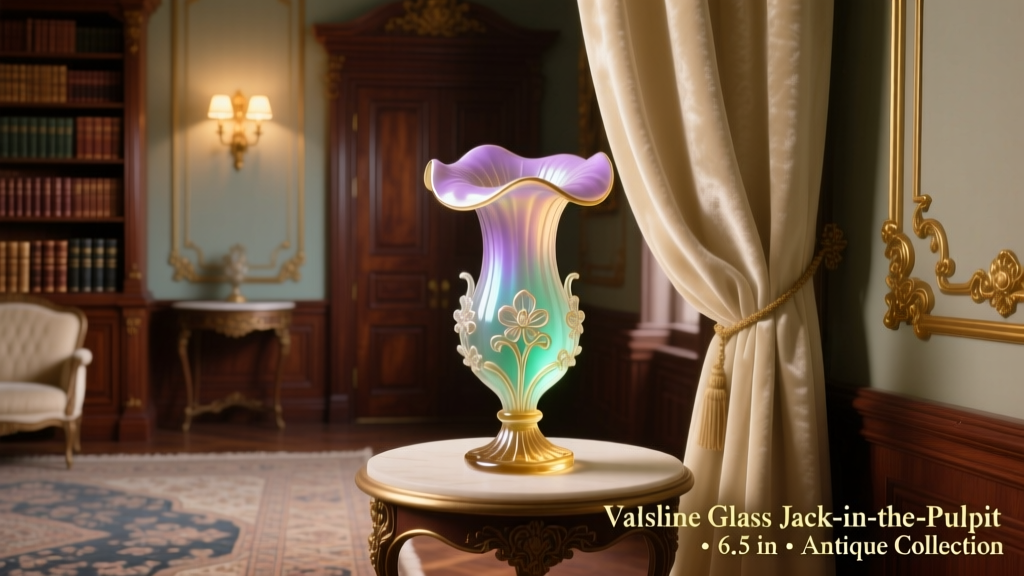
Vaseline Glass Jack-in-the-Pulpit Opalescent 6½-Inch: Identification, History, and Restoration Insights
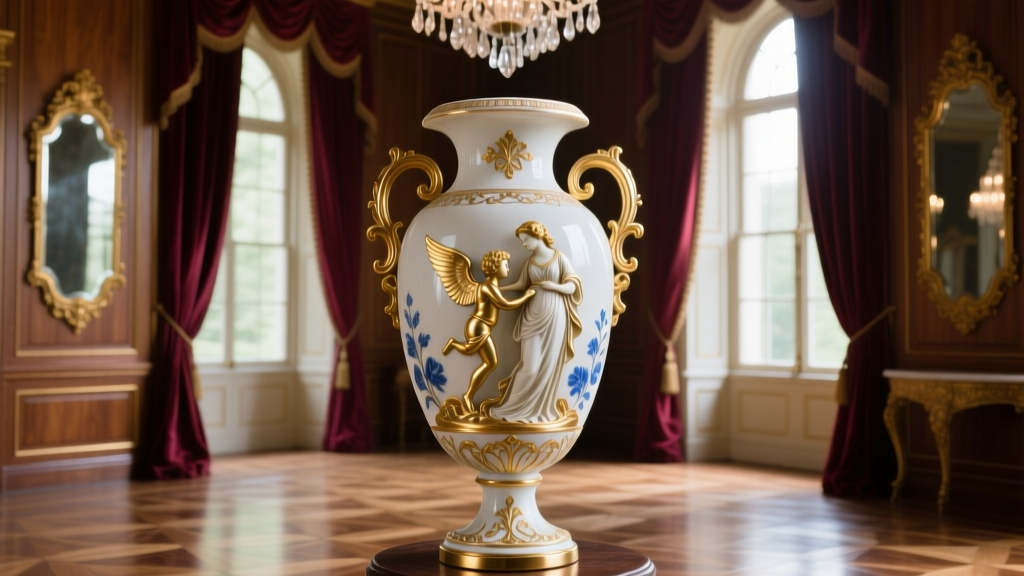
Sevres Urn Amphora Shape Ormolu Mounted Cupid Maiden Scene, Circa 1880 — A Technical & Historical Analysis
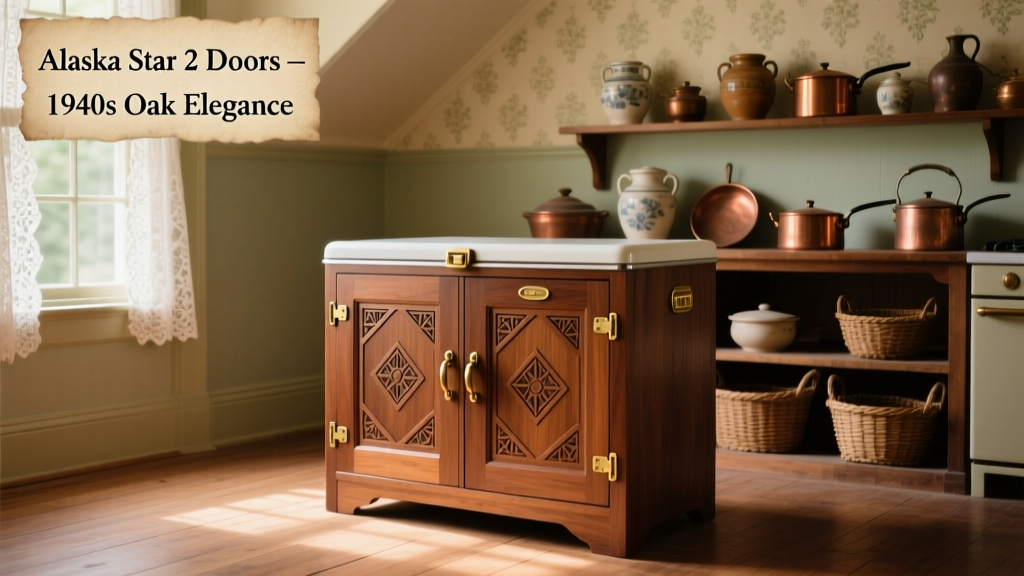
Alaska Star Kitchen Icebox: Authentic Restoration Insights for the Two-Door Oak Model
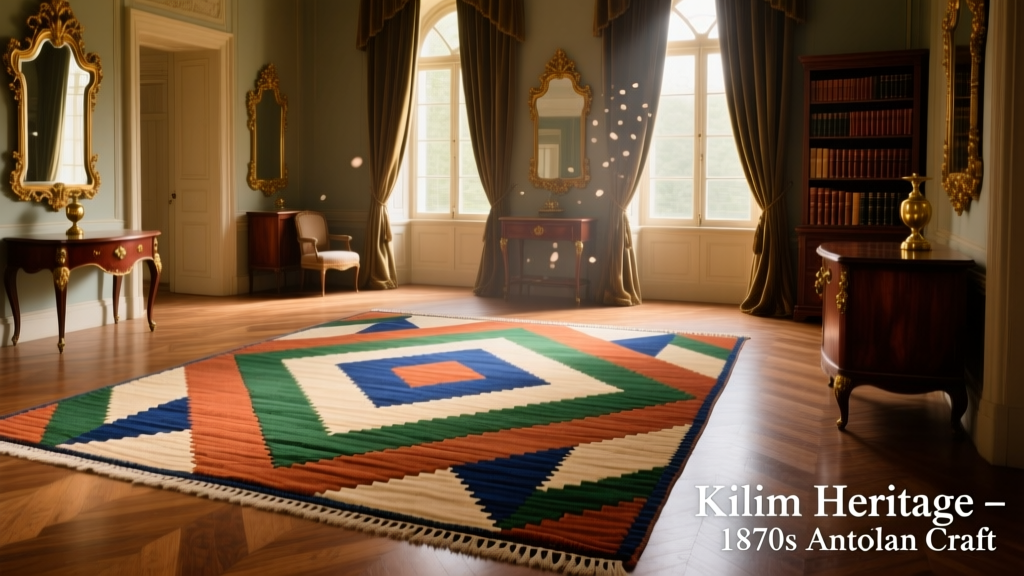
Kilim Rug Spotlight: Multicolored Concentric Diamonds on Camel Field — A 6' × 3' 9" Anatolian Treasure
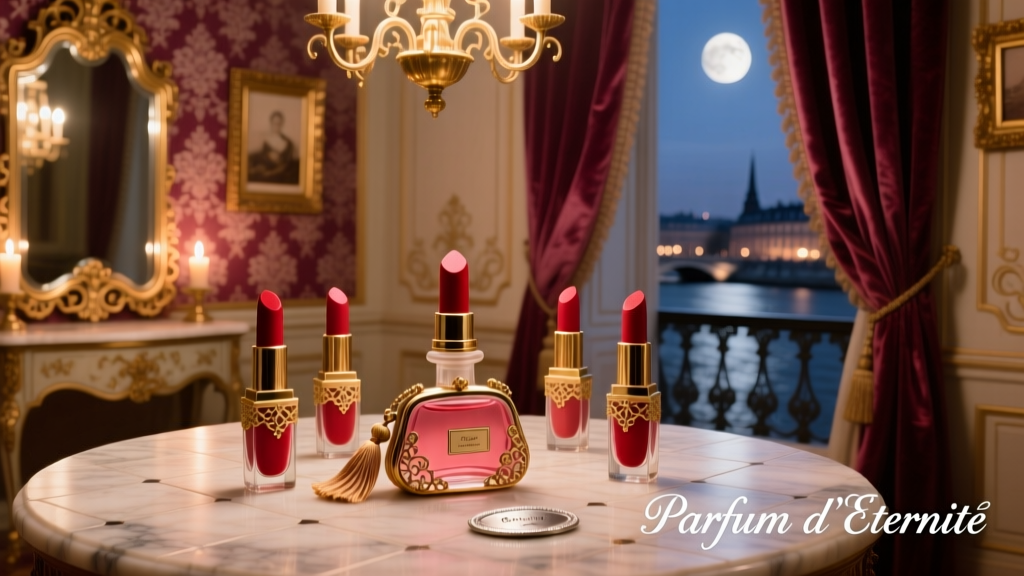
Perfume Bottles Evening in Paris: The Lipstick-Shaped Tassel Purse — A Mid-Century French Accessory Rediscovered
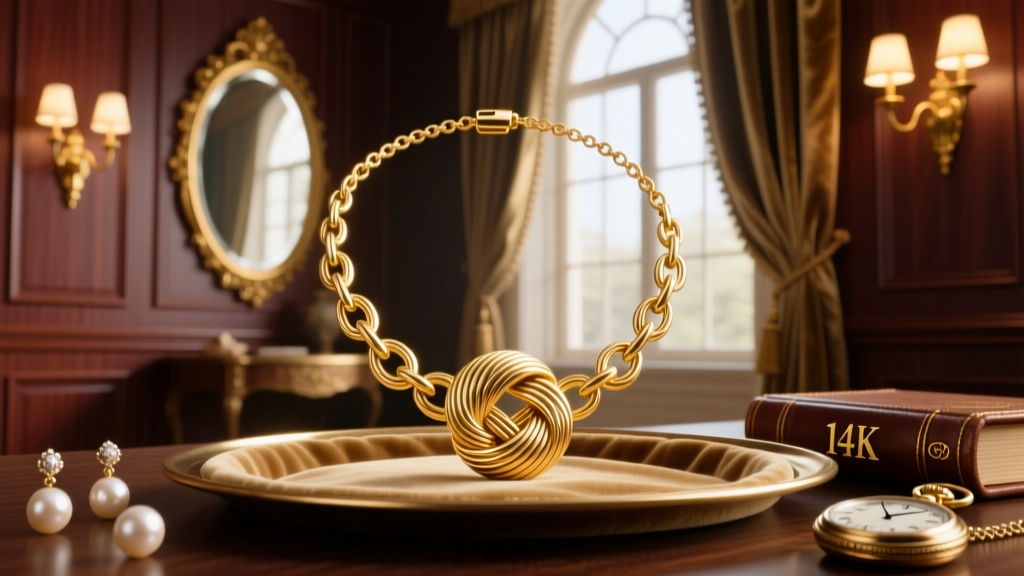
A 1970s Masterpiece: Analyzing the Textured Oval Ribbed Knot Necklace in 14K Gold (17¾ Inches)
Sewing Tape Measure Kangaroo Celluloid: History, Identification, and Conservation of a Mid-Century American Icon
Duncan Miller Puritan Plate in Green: A Collector’s Guide to the 8½-Inch Sterling Silver Serving Piece
The Guinness Book of World Records: A Cultural Artifact, Publishing Phenomenon, and Collector’s Treasure