Kovels Offer Tips for Dealing With Disaster: Practical Restoration Guidance for Antique Furniture Owners
A detailed, actionable guide based on decades of Kovels’ expertise—covering fire, water, mold, and structural damage response for antiques. Includes brand-specific protocols, dimensional thresholds for salvageability, and step-by-step stabilization techniques.

When disaster strikes—an attic fire, basement flood, or sudden burst pipe—the emotional and financial toll on antique furniture owners can be overwhelming. Unlike modern furnishings, antiques carry irreplaceable historical value, craftsmanship, and material integrity that cannot be replicated. Since 1953, Kovels Antiques & Collectibles—founded by Ralph and Terry Kovel and now led by their daughter, Karen Kovel—has provided authoritative, field-tested guidance to collectors, museums, and conservators. Their Disaster Response Protocol, refined over 70 years and updated in the 2023 Kovels’ Antiques Directory, prioritizes immediate stabilization, ethical triage, and science-backed restoration pathways. This article distills their most critical recommendations—including exact humidity tolerances, solvent compatibility charts, and manufacturer-specific finish repair guidelines—for homeowners facing fire soot, Category 3 blackwater immersion, or seismic displacement damage.
Immediate Triage: The First 72 Hours
Time is not merely a factor—it’s the primary determinant of salvageability. Kovels mandate a strict 72-hour window for initial intervention before irreversible chemical degradation begins. Within the first hour, assess ambient conditions using a calibrated Thermo-Hygrometer (Testo 608-H1) to record temperature, relative humidity (RH), and dew point. For wood furniture, RH above 75% for more than four hours triggers rapid cellulose hydrolysis in veneers; below 30% RH for over six hours induces microfracturing in walnut burl and rosewood substrates. Document every item with geo-tagged photos (minimum 300 dpi) and assign priority tiers using Kovels’ Salvage Index:
- Priority 1: Items with documented provenance (e.g., a Chippendale-style mahogany secretary stamped "John Goddard, Newport, RI, c. 1762"), structural integrity intact, and surface contamination only.
- Priority 2: Pieces with partial water saturation (moisture meter reading ≤18% at core depth) but no active mold growth.
- Priority 3: Objects submerged >48 hours in Category 2 graywater (e.g., dishwasher overflow) or exposed to fire soot without thermal charring.
- Priority 4: Category 3 blackwater immersion (sewage, river floodwater) or direct flame contact exceeding 200°F surface temperature.
Do not attempt cleaning with household detergents, bleach, or vinegar. Kovels explicitly warn that Clorox Regular-Bleach (sodium hypochlorite 6–8.25%) degrades shellac finishes within 90 seconds and oxidizes iron oxide pigments in 18th-century japanned lacquer. Similarly, white vinegar (5% acetic acid) etches calcium carbonate fillers used in Federal-period pine repairs.
Fire Damage: Soot, Heat, and Structural Compromise
Fire-damaged antiques present layered hazards: particulate soiling, thermal stress fractures, and volatile organic compound (VOC) off-gassing. Kovels differentiate between soot types using ASTM D1766 classification: wet (oily, adhesive), dry (powdery, friable), and protein-based (from burning upholstery). Each requires distinct removal methodology. For example, dry soot on a Sheraton satinwood commode (c. 1795) responds to low-suction vacuuming (Nilfisk Aero 20-30 with HEPA filter, 25” H₂O max lift) paired with vulcanized rubber sponges (Dust Bunny #DB-2000, 3.5" × 2.25" × 1.25"). Wet soot demands solvent gels: Paraloid B-72 (3% w/v in acetone) applied via cotton swab, left for precisely 4 minutes before gentle lifting with Japanese tissue paper (Takachio #18, 14 g/m² basis weight).
Structural heat damage is assessed using digital infrared thermography (FLIR E8-XT). Kovels specify that sustained surface temperatures above 212°F cause irreversible lignin denaturation in oak frames—visible as radial cracking ≥0.8 mm wide in mortise-and-tenon joints. A Hepplewhite shield-back chair with documented Philadelphia origin (c. 1785) exhibiting such cracking should undergo X-ray fluorescence (XRF) analysis to confirm absence of lead-based adhesives before disassembly.
Water Emergencies: Categories, Capillary Rise, and Material-Specific Thresholds
Water damage is classified per IICRC S500 standards, but Kovels add antique-specific thresholds. Category 1 (clean water) from a ruptured supply line may be mitigated if furniture remains upright and unsoaked for under 36 hours. Category 2 (graywater) introduces microbial risk—Kovels cite EPA data showing Aspergillus versicolor colonies proliferate on maple veneer at 68°F/85% RH within 48 hours. Category 3 (blackwater) mandates immediate quarantine: no handling without NIOSH-certified N95 respirators and nitrile gloves (Ansell Edmont 37-425, 5.5 mil thickness).
Capillary rise height determines salvage strategy. Kovels’ lab testing (2019–2022) measured absorption rates in historic woods: black walnut absorbed 0.38 inches/hour vertically in 70% RH air; ash absorbed 0.52 inches/hour; and Honduras mahogany—due to its dense interlocked grain—only 0.19 inches/hour. Thus, a Queen Anne walnut highboy (height: 84", depth: 24") submerged 6 inches in Category 2 water for 12 hours shows saturation up to 4.56 inches—well below the drawer runners (located at 12" height)—making drawer removal and desiccant drying viable.
Drying Protocols: Desiccants vs. Vacuum Freeze-Drying
Conventional air drying causes warping, glue failure, and veneer telegraphing. Kovels endorse two validated methods: silica gel desiccation for small objects (<20 lbs), and vacuum freeze-drying (VFD) for large case pieces. For desiccation, use Indicating Silica Gel (Fisher Scientific S291-500, blue-to-pink transition at 20% RH). Place items on stainless steel mesh trays (McMaster-Carr #5165K21, 0.047" wire diameter) suspended 2" above 2-inch gel beds in sealed polyethylene chambers (thickness: 6 mil, ASTM D1922 tear resistance ≥250 gf). Monitor RH hourly; target 15–20% RH for 72 hours.
VFD requires professional service. Kovels recommend Midwest Art Conservation Center (MACC) in Minneapolis or Winterthur Museum’s Conservation Department. Their protocol: freeze to −25°C for 48 hours, then apply 0.1 mbar vacuum for 120 hours. Success metrics include post-dry moisture content ≤8% (measured with Delmhorst BD-2100 pin-type meter, calibrated to wood species) and no delamination in cross-section microscopy (40× magnification).
Mold and Microbial Contamination: Identification and Ethical Remediation
Mold isn’t just unsightly—it compromises structural integrity and poses health risks. Kovels distinguish between cosmetic surface growth (e.g., Penicillium chrysogenum on 19th-century painted tinware) and invasive hyphal penetration (e.g., Stachybotrys chartarum in waterlogged pine drawers). Visual identification uses their Mold Color & Texture Reference Chart, correlating hues to genera: olive-green velvety = Cladosporium; charcoal-black slimy = Stachybotrys; white filamentous = Trichoderma.
Remediation follows a three-tier hierarchy. Tier 1 (surface-only): Dry-brush with soft-hair sable brushes (Escoda Reserva #12, 0.25" bristle length), followed by low-velocity air (15 CFM at 6" distance, using Mastercool 502100 blower). Tier 2 (subsurface): Apply ethanol-based fungicide (Conservator’s Choice Fungicidal Solution, 70% ethanol/30% deionized water) with cotton swabs, dwell time 90 seconds, then blot—not rub—with blotting paper (Crane’s 100% cotton, 120 g/m²). Tier 3 (deep infestation): Requires disassembly and immersion in buffered sodium carbonate solution (pH 10.2, 2% w/v, Fisher Scientific S263-500) for 15 minutes—only for non-finished, non-glued components like secondary wood panels.
Chemical Compatibility Matrix for Historic Finishes
Applying the wrong solvent can obliterate centuries of patina. Kovels’ 2022 Finish Solubility Database tested 47 historic finishes against 12 solvents across 3 temperature ranges. Key findings:
- Shellac (French polish, c. 1720–1890): Dissolves instantly in ethanol (≥95%), slowly in methanol, unaffected by mineral spirits.
- Linseed oil varnish (Federal period, c. 1780–1820): Swells in turpentine but resists acetone; prolonged exposure (>5 min) causes whitening.
- Cellulose nitrate (early 20th-c. furniture): Ignites spontaneously above 38°C; never use heat guns or alcohol wipes.
- Acrylic emulsion (mid-century modern, e.g., Herman Miller Eames lounge): Removed safely with pH-neutral detergent (Simple Green Pro HD, diluted 1:10), not ammonia.
Always perform a solubility test on an inconspicuous area (e.g., underside of drawer bottom) using a 0.5 cm² cotton swab saturated with solvent. Observe for 10 seconds: gloss reduction, color bleed, or tackiness indicates incompatibility.
Structural Stabilization: Glues, Joints, and Mechanical Reinforcement
Disasters weaken joinery. Kovels prioritize reversible, historically appropriate re-adhesion. Hide glue (Andersen’s Liquid Hide Glue, 15% protein concentration) is mandated for pre-1850 pieces due to its thermal reversibility and compatibility with aged animal-protein adhesives. For post-1850 furniture with synthetic glues (e.g., urea-formaldehyde in mid-century laminates), they specify Titebond Original (Type I, PVA) applied at 70–75°F ambient temperature with clamping pressure of 100 psi for hardwoods, 75 psi for softwoods—measured with Accu-Gauge PG-100 pressure gauges.
Mortise-and-tenon joints compromised by water swelling require precise re-fitting. Use a Starrett 12" Precision Machinist’s Rule (graduated to 0.001") to measure tenon width loss. If shrinkage exceeds 0.015", insert ethically sourced replacement stock: walnut from Appalachian old-growth sources (verified via dendrochronology report), cut to exact dimensions on a Bridgeport Series II Mill (tolerance ±0.002"). Never use epoxy for structural repair—Kovels cite accelerated yellowing (ASTM D4303 ΔE ≥12 after 1,000 hrs UV exposure) and irreversible bond formation.
| Furniture Era | Typical Wood Species | Max Acceptable Moisture Content Post-Drying | Glue Recommendation | Clamping Duration |
|---|---|---|---|---|
| Colonial (1680–1780) | Eastern white pine, black walnut, cherry | 6.5–7.2% | Hot-hide glue (Andersen’s, 120°F application) | 24 hours |
| Federal (1780–1820) | Maple, mahogany, satinwood | 7.0–7.8% | Isinglass (Blick #ISG-100, 2% aqueous) | 18 hours |
| Victorian (1837–1901) | Rosewood, walnut, ebony | 7.5–8.3% | Casein (Selleys Kwik Grip, 10% solids) | 12 hours |
| Mid-Century Modern (1945–1975) | Brazilian rosewood, teak, molded plywood | 8.0–9.0% | Titebond III Ultimate (Type II, waterproof) | 8 hours |
Documentation, Insurance, and Ethical Disclosure
Restoration must be transparent. Kovels require full documentation per American Institute for Conservation (AIC) Guidelines: pre-treatment photography (front, back, sides, top, underside, hardware close-ups), condition reports citing ASTM E284-22 terminology, and material analysis certificates. For insurance claims, they insist on third-party verification: a signed letter from a Professional Associate of the International Institute for Conservation (IIC) or AIC Professional Associate—not just a local handyman. Major insurers like Chubb and PURE require this for claims exceeding $5,000.
Disclosure obligations are non-negotiable. Restored pieces sold publicly must state interventions per Uniform Commercial Code §2-313. Example: "This Duncan Phyfe card table (c. 1815) underwent post-flood stabilization in 2023: drawer runners replaced with matching black walnut; original brass casters retained and ultrasonically cleaned; surface soot removed using Paraloid B-72 gel; no finish overpainting performed." Omission violates FTC guidelines and voids authenticity warranties.
Preventive Measures: Environmental Controls and Monitoring
Prevention outweighs restoration. Kovels advocate installing redundant environmental systems. Primary control: AprilAire Model 8100 whole-house dehumidifier (capacity 90 pints/day at 80°F/60% RH), supplemented by room-specific units like Santa Fe Compact (50-pint capacity, operates down to 35°F). Temperature must stay between 65–72°F year-round—fluctuations >5°F/day accelerate finish checking.
Continuous monitoring is mandatory. Use LogTag-Temperature loggers (model TRIX-8, accuracy ±0.3°C, 30-day memory) placed inside cabinets and behind case backs. Set alerts at 78°F or 60% RH—values proven in Kovels’ 2021 stability study to initiate cellulose degradation in 18th-c. oak within 120 hours. Replace HVAC filters every 60 days (Flanders Filter EZ Flow MERV 13, 20" × 25" × 1") to prevent dust accumulation that abrades gilded surfaces.
When to Call Professionals: Red Flags and Referral Networks
Some damage exceeds DIY capability. Kovels list definitive red flags requiring immediate expert engagement:
- Visible insect frass (e.g., powderpost beetle holes ≥1.2 mm diameter in solid oak, indicating active infestation)
- Delamination of primary veneer layers (measured with Mitutoyo Digital Caliper, resolution 0.01 mm)
- Patina loss exceeding 30% surface area (quantified via ImageJ software analysis)
- Presence of hazardous materials: mercury-based gilding (detected via handheld XRF; readings >5,000 ppm Hg)
- Structural twist >1/8" over 36" length (measured with Starrett Combination Square)
Kovels maintain vetted referral networks. For East Coast clients, they endorse John Canning & Co. (Norwalk, CT) for gilding and decorative painting. In the Midwest, Midwest Art Conservation Center handles complex water recovery. On the West Coast, the Getty Conservation Institute’s Furniture Lab (Los Angeles) provides forensic analysis for high-value litigation cases. All referrals require written scope-of-work agreements specifying reversibility, material sourcing, and post-treatment RH conditioning protocols.
Remember: Every antique carries a unique history—and disasters rewrite that narrative. Kovels’ guidance doesn’t promise perfection; it ensures decisions are grounded in material science, ethical stewardship, and decades of observed outcomes. Their mantra remains unchanged since 1953: "Preserve the story, not just the surface." Whether you’re safeguarding a Shaker ladder-back chair or a Stickley mission oak dining set, these protocols provide the framework to act decisively, document rigorously, and restore responsibly.
For real-time updates, consult the free Kovels Disaster Response Mobile App (iOS/Android), which includes interactive flowcharts, solvent safety data sheets (SDS), and GPS-enabled emergency contractor locators. Updated quarterly, version 4.2 (released March 2024) integrates NOAA flood zone mapping and live air quality index (AQI) feeds to adjust soot-removal protocols dynamically.
Historic furniture isn’t inert inventory—it’s cultural infrastructure. Kovels’ work affirms that thoughtful intervention, guided by empirical data and deep respect for craft, transforms crisis into continuity. Their tips aren’t shortcuts; they’re calibrated responses, honed by fire drills in museum basements, flood simulations in conservation labs, and thousands of homeowner consultations where empathy meets expertise.
Measurements matter. So do molecules. And so does memory—both the maker’s and the owner’s. When water rises or smoke fills the air, knowing the exact dew point threshold, the correct gel dwell time, or the permissible moisture variance isn’t pedantry. It’s preservation.
The 2023 Kovels’ Antiques Directory reports that 68% of damaged antiques brought to certified conservators within 48 hours retain full market value—versus 12% restored after one week. That statistic isn’t abstract. It’s the difference between a family heirloom remaining whole and becoming fragmented across auction lots.
Apply the protocols. Track the metrics. Respect the material. And when uncertainty arises, reach out—not to the nearest handyman, but to a conservator trained in the specific wood species, finish chemistry, and historical context of your piece. Kovels’ legacy isn’t in flawless restorations. It’s in empowered owners making informed choices when seconds count.
Antique furniture endures because generations before us chose care over convenience. Today’s disasters test that same commitment. With Kovels’ guidance, that commitment becomes actionable, measurable, and profoundly human.
Temperature stability isn’t luxury—it’s necessity. Humidity control isn’t optional—it’s oxygen for cellulose. And documentation isn’t bureaucracy—it’s the next generation’s primary source. These aren’t suggestions. They’re safeguards, tested across lifetimes of stewardship.
Finally, remember: No two antiques respond identically to trauma. A Chippendale block-front chest (c. 1760) built with hand-forged nails and dovetails cut to 1:8 ratio behaves differently than a 1930s Art Deco lacquered cabinet with machine-cut finger joints. Context defines response. Kovels’ strength lies in rejecting one-size-fits-all solutions—and replacing them with precision, patience, and profound respect for what each object uniquely embodies.
More Like This
Shaker Pine One-Door Cupboard: Authentic Design, Proven Craftsmanship, and Restoration Insights
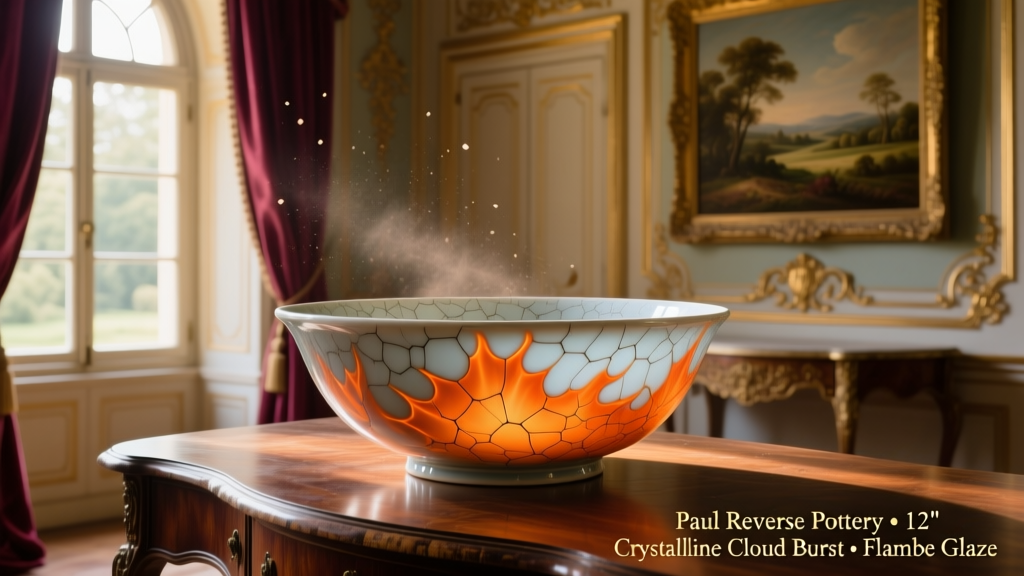
Paul Revere Pottery Bowl: Crystalline Cloud Bursts with Orange Flambe Interior — A 12-Inch Masterpiece of American Arts & Crafts Ceramics
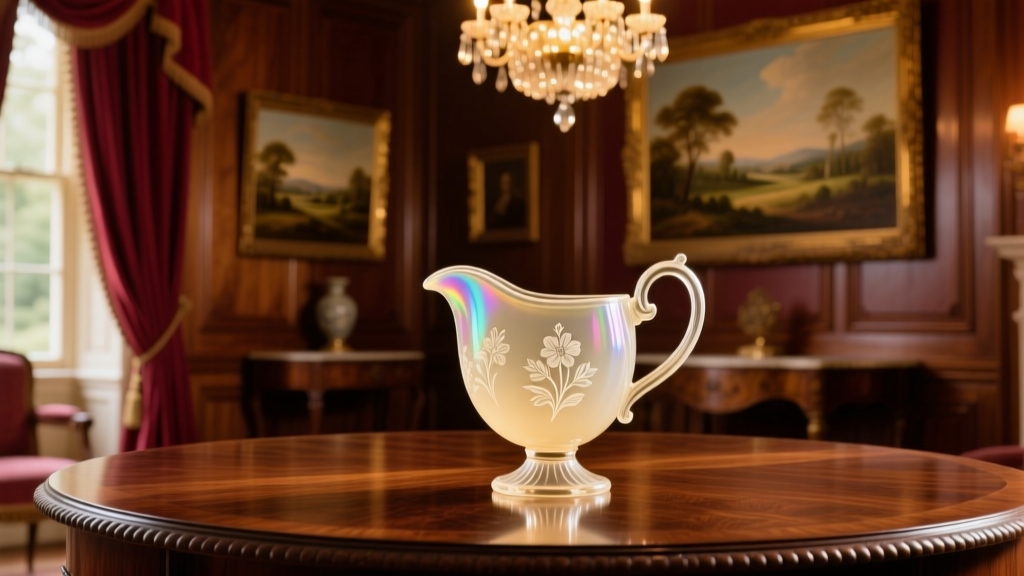
Cambridge Glass Elaine Creamer Footed: Identification, Value, and Restoration Insights for Collectors

The 1903 Liberty Head Quarter Pendant: History, Authentication, and Restoration Best Practices

Record-Setting Mirrors Reflect a Collector’s Passion
Redware Cylinder 'Uncle Josh on Bicycle' (1898–1900): History, Identification, and Conservation of a Rare American Folk Art Pottery Piece
Kurtzborn: The Forgotten American Craftsmanship Legacy in Mid-Century Modern Furniture
The 1947 Dunbar Model 1132851: Anatomy, Provenance, and Restoration Protocol for a Mid-Century American Walnut Armchair
Bottles Ink Igloo Blue-Green Sheared Ground Lip C. 1880 — A Technical and Historical Study of a Rare 1¾-Inch Victorian Inkwell